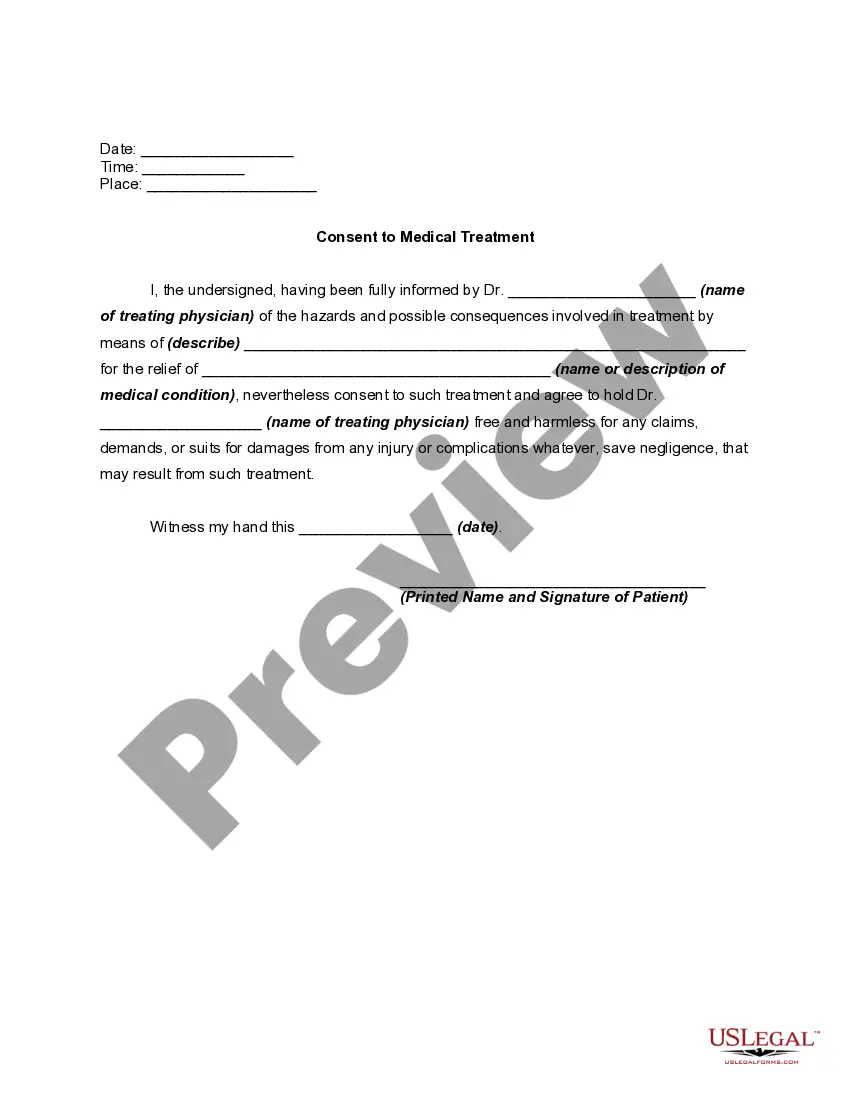
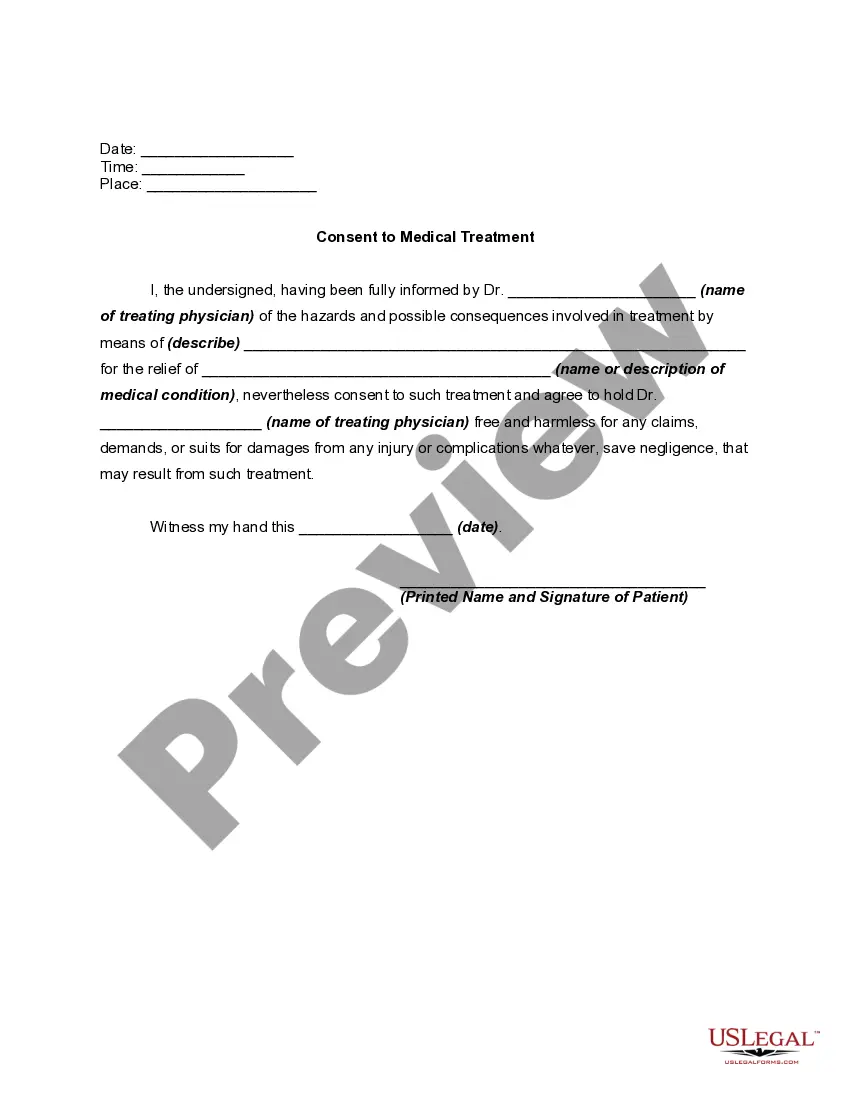
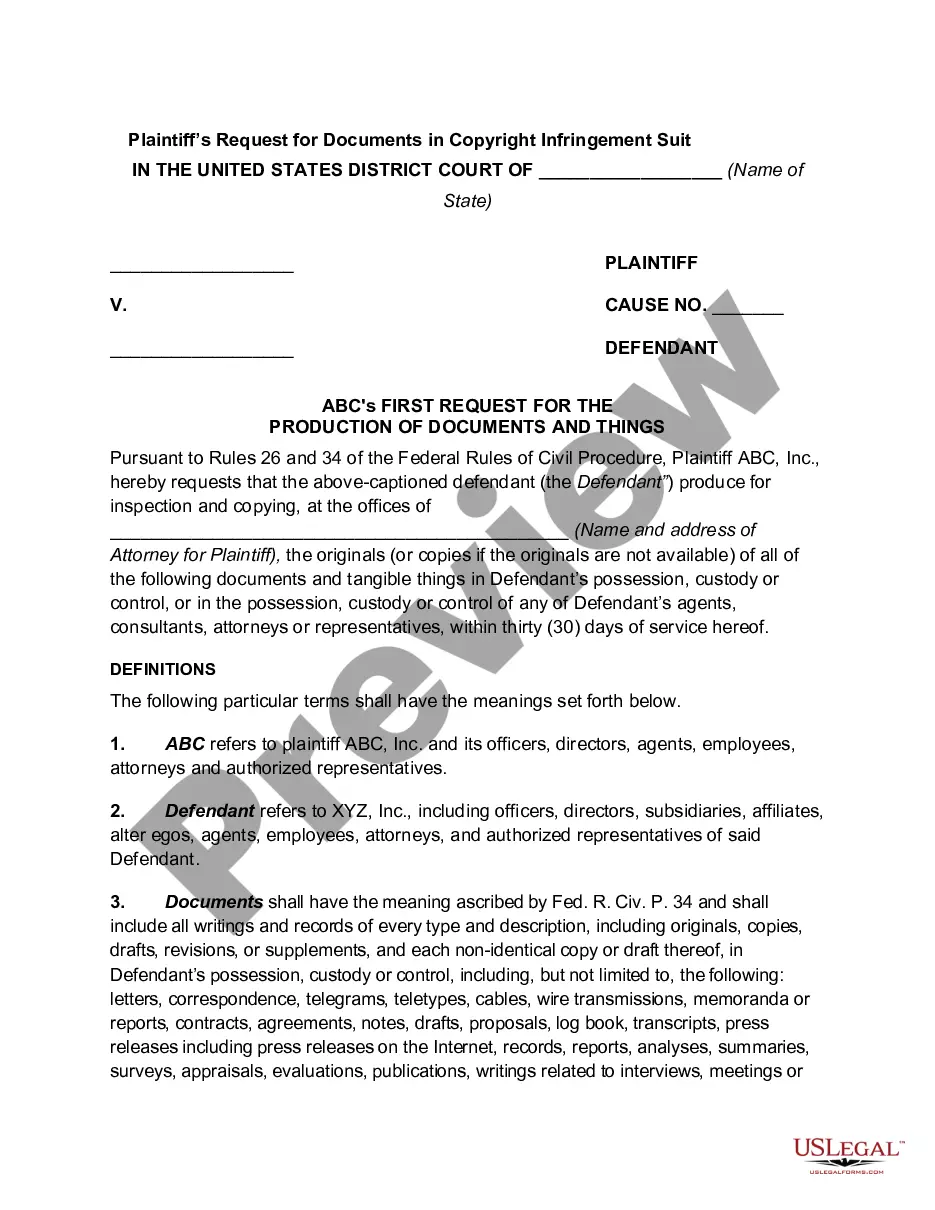
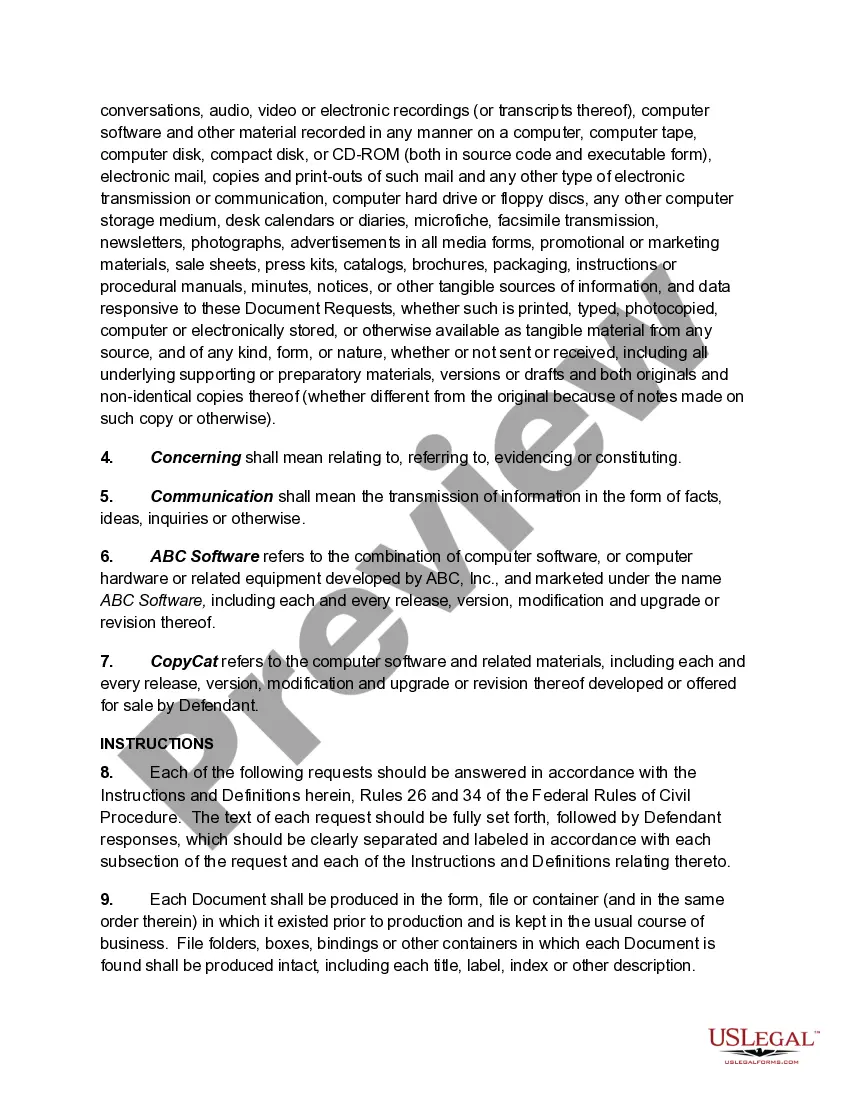
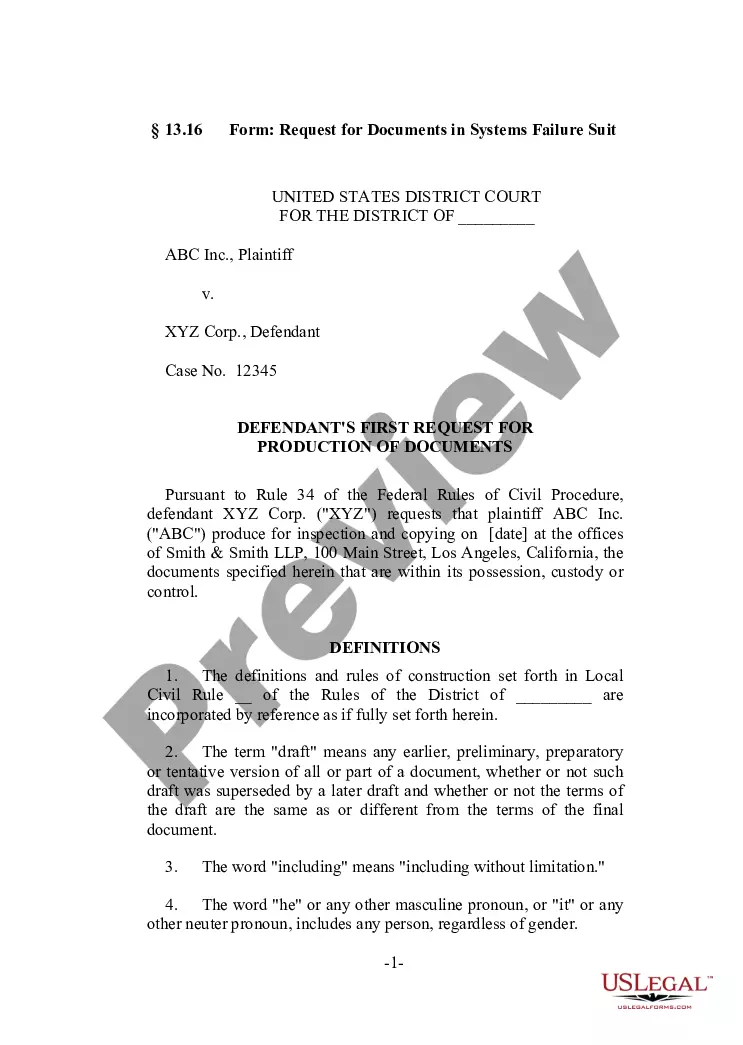
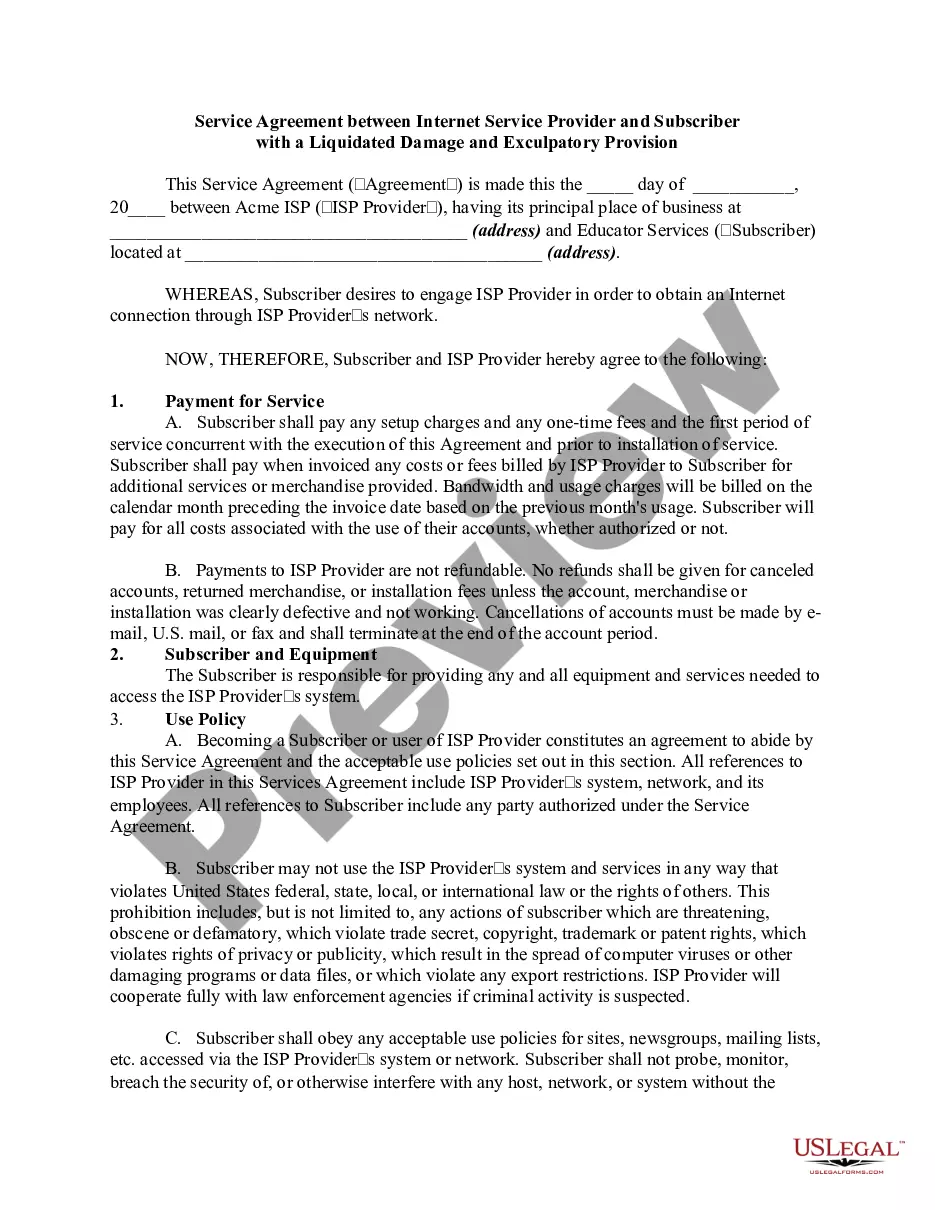
Kentucky Plaintiff's Request for Documents in Copyright Infringement Suit
Description
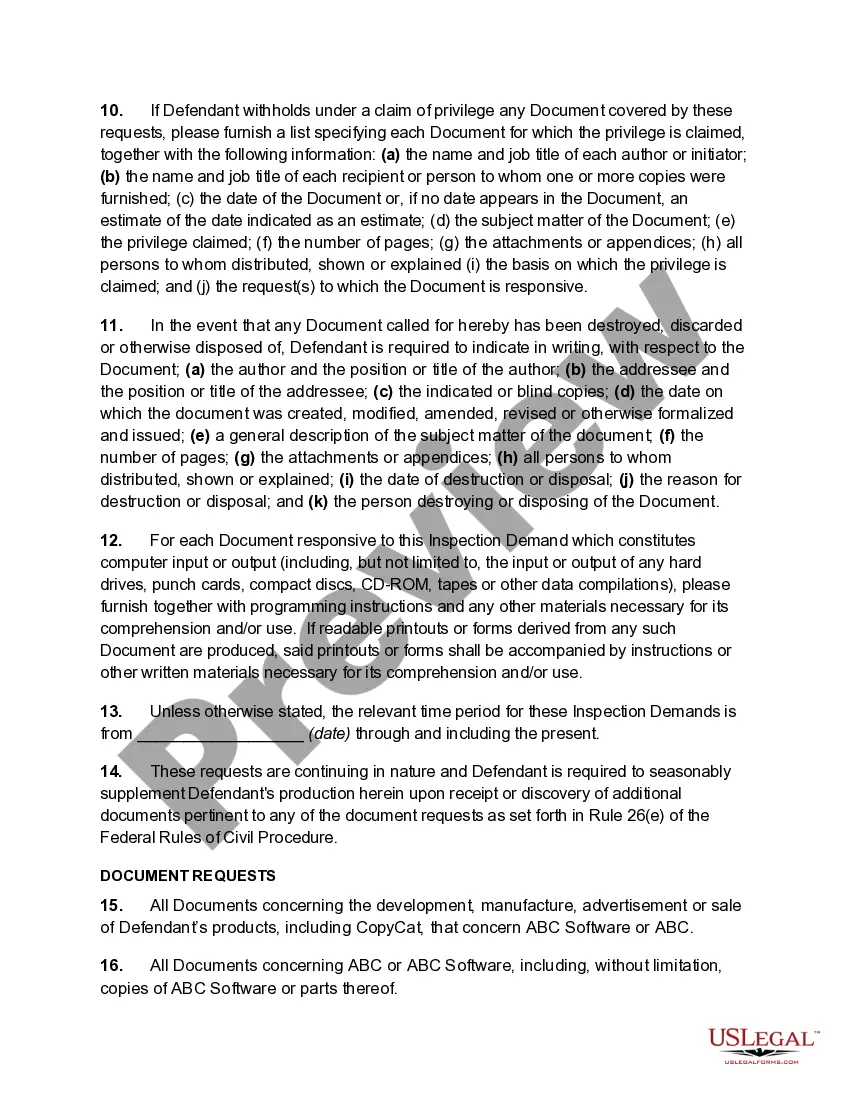
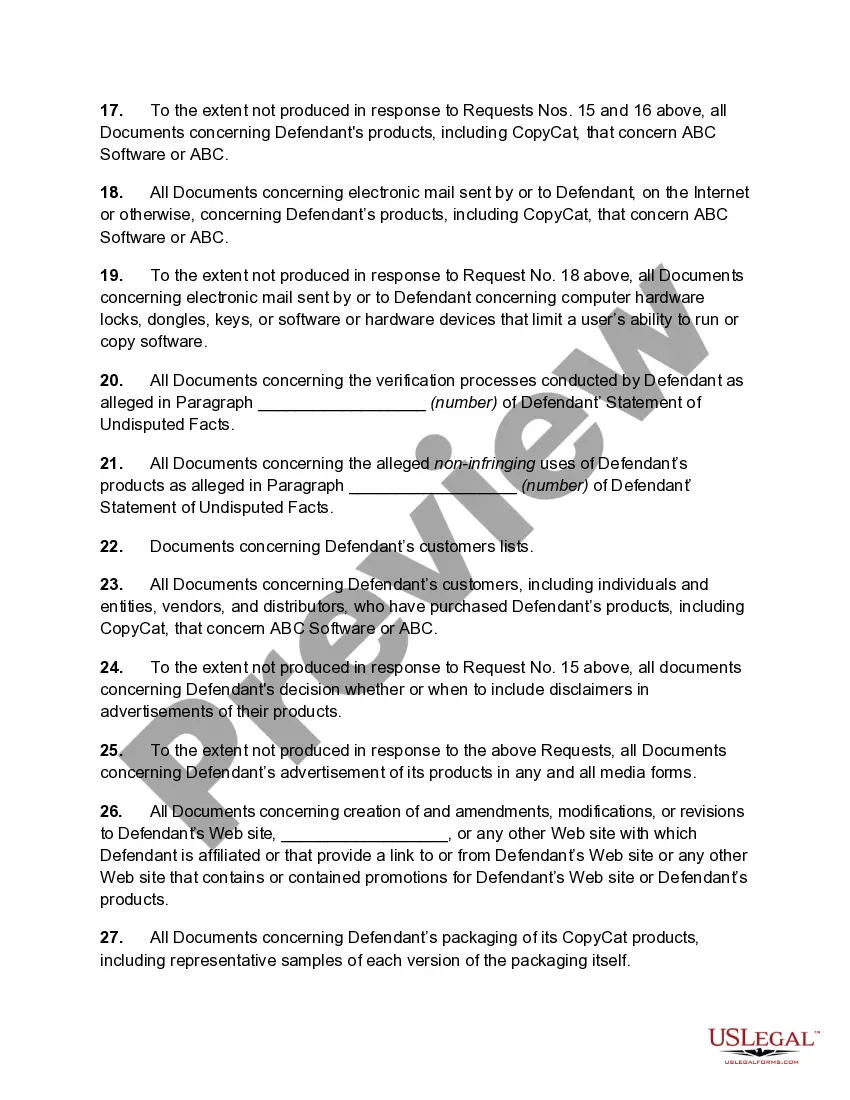
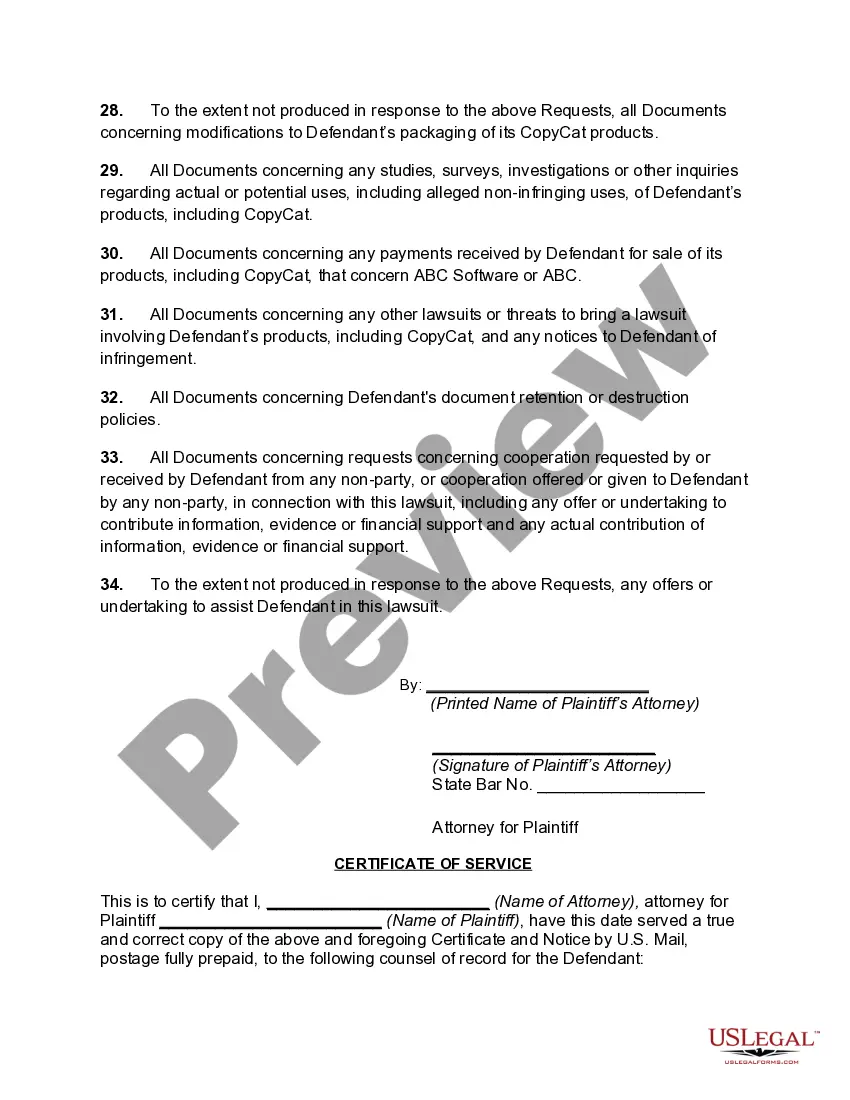
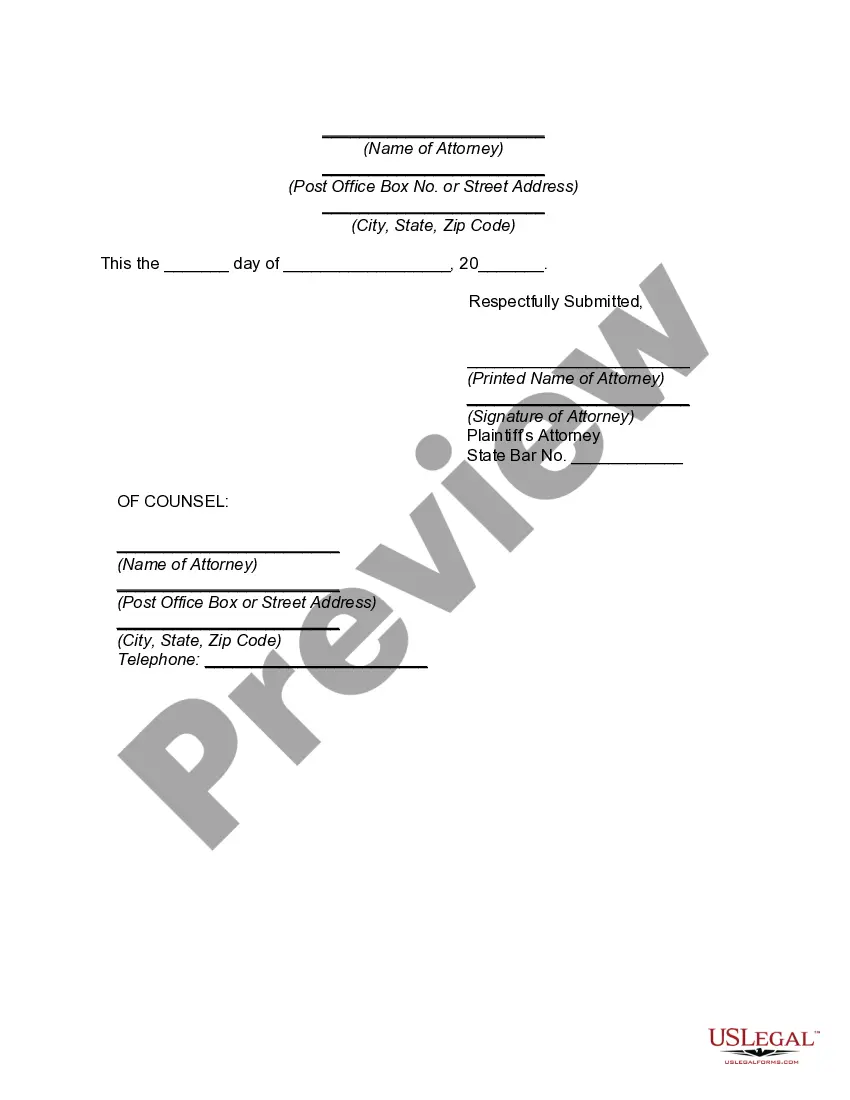
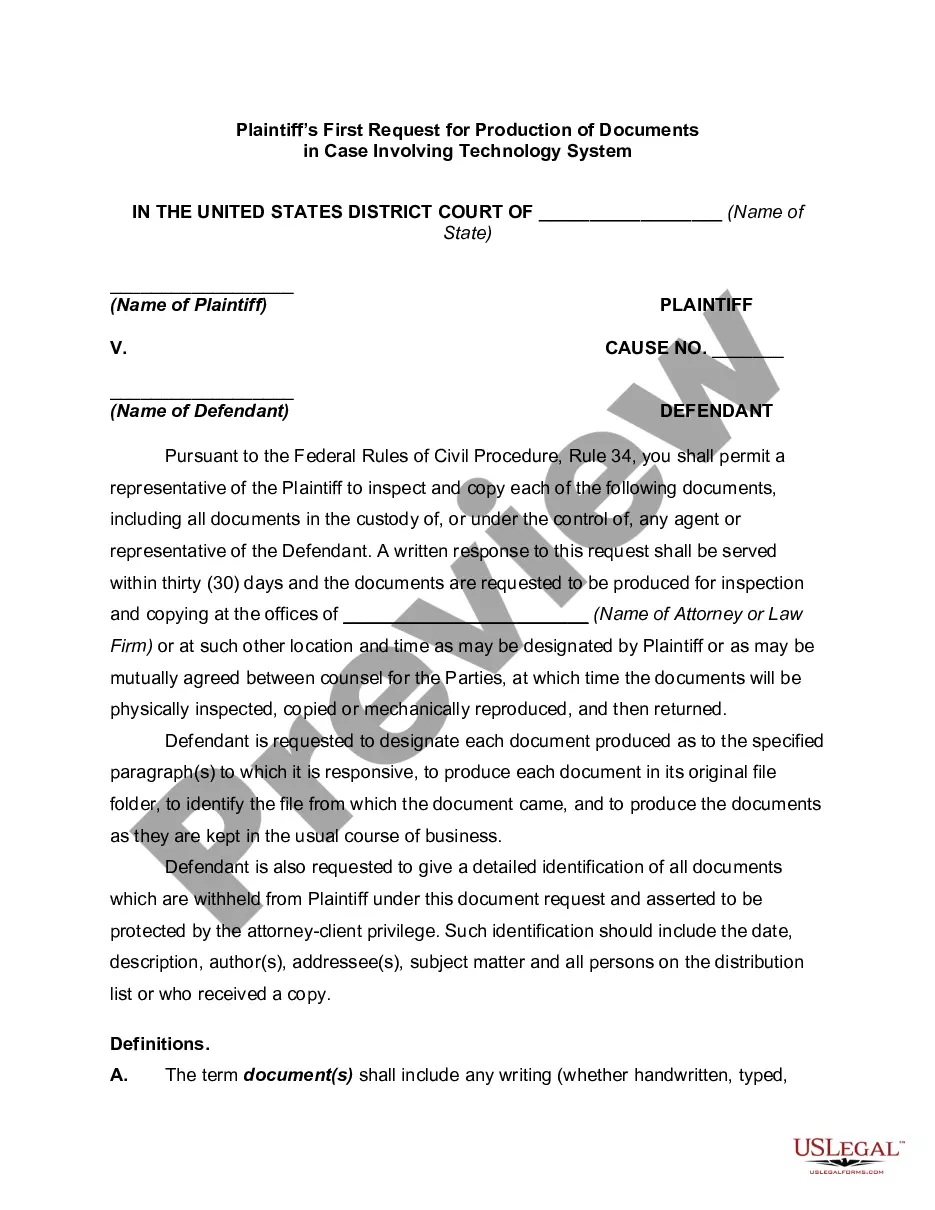
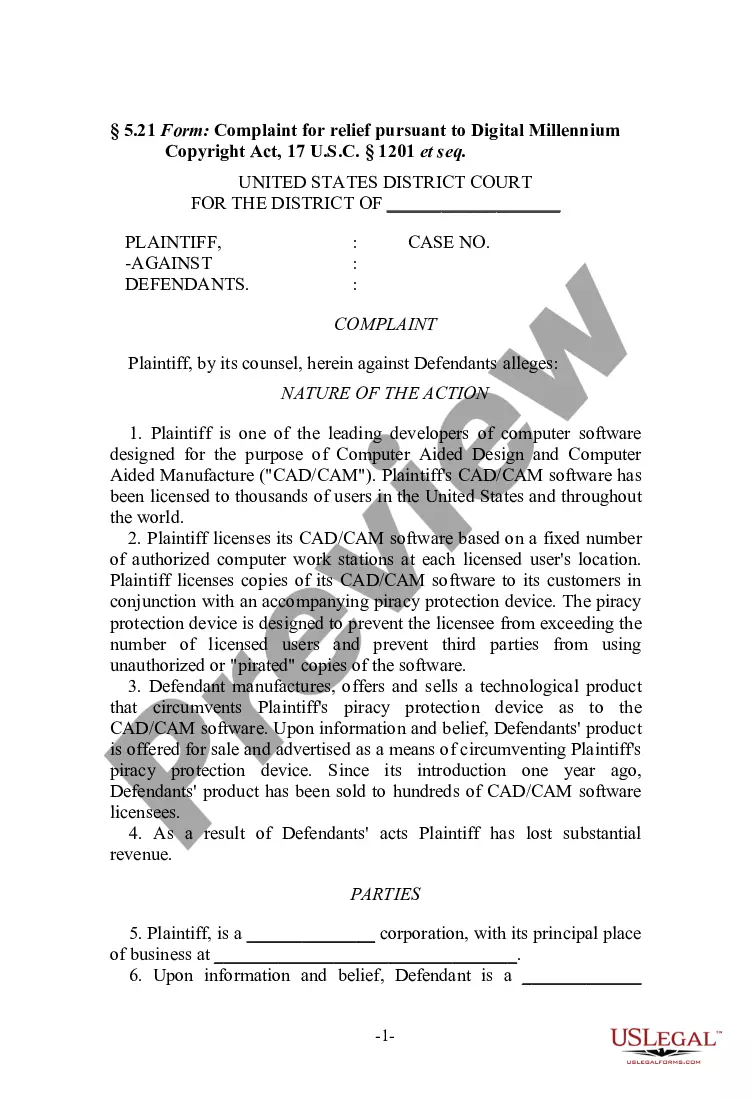
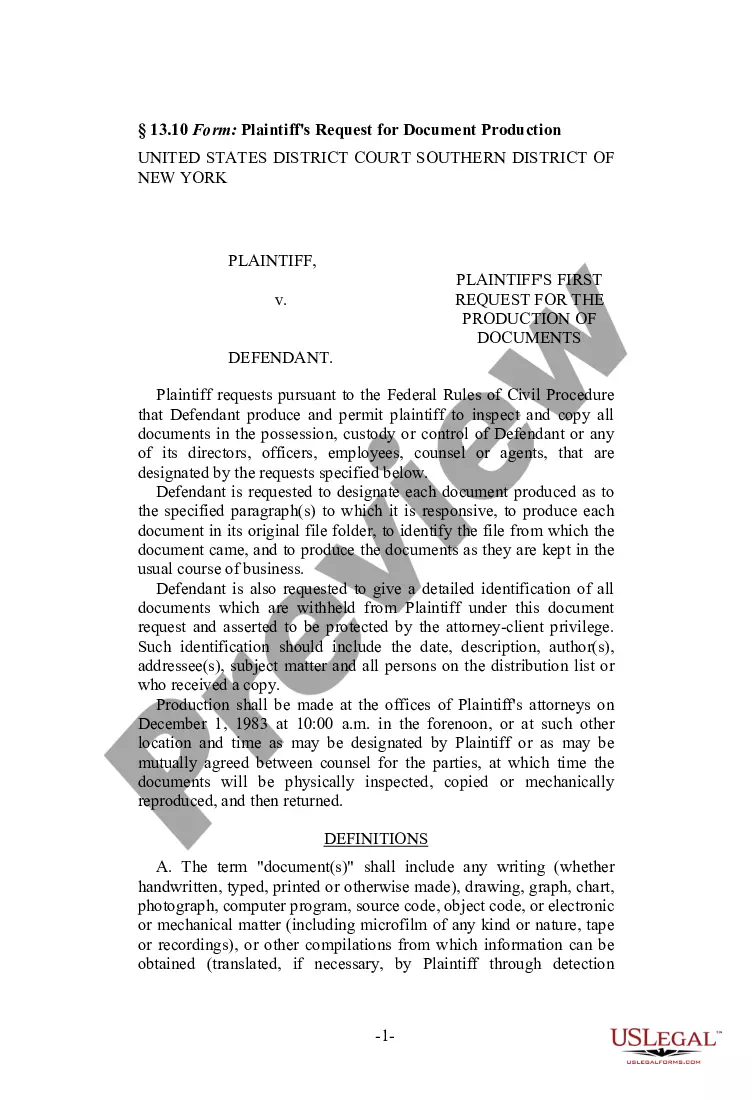
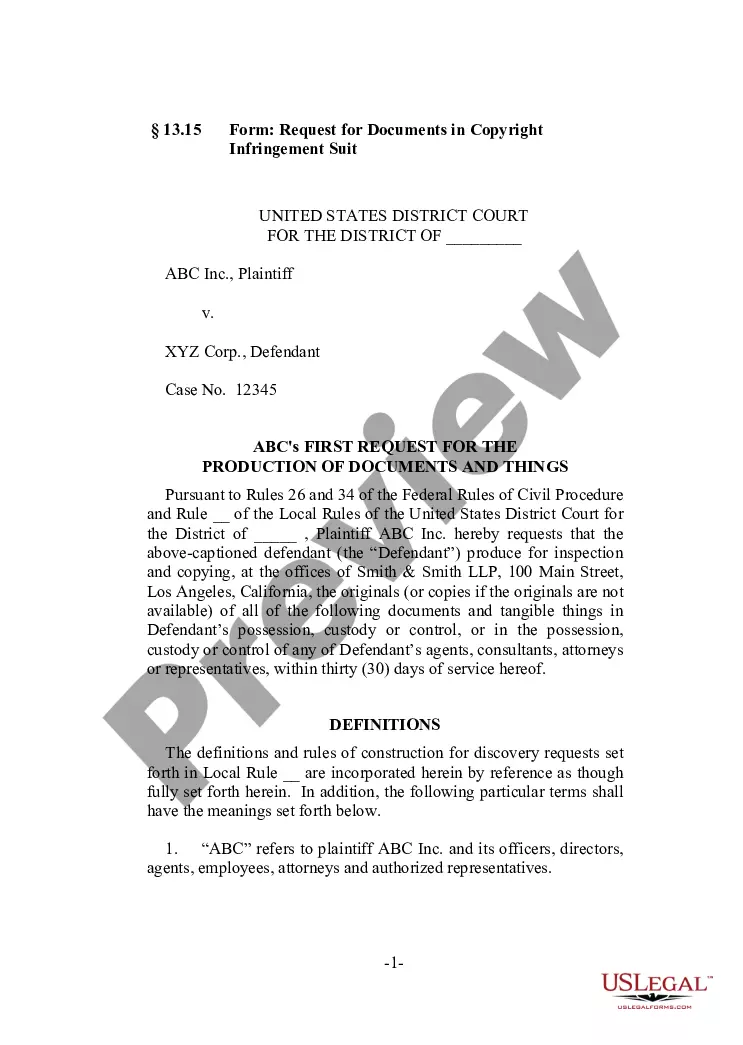
Get your form ready online
Our built-in tools help you complete, sign, share, and store your documents in one place.
Make edits, fill in missing information, and update formatting in US Legal Forms—just like you would in MS Word.
Download a copy, print it, send it by email, or mail it via USPS—whatever works best for your next step.
Sign and collect signatures with our SignNow integration. Send to multiple recipients, set reminders, and more. Go Premium to unlock E-Sign.
If this form requires notarization, complete it online through a secure video call—no need to meet a notary in person or wait for an appointment.
We protect your documents and personal data by following strict security and privacy standards.

Make edits, fill in missing information, and update formatting in US Legal Forms—just like you would in MS Word.

Download a copy, print it, send it by email, or mail it via USPS—whatever works best for your next step.

Sign and collect signatures with our SignNow integration. Send to multiple recipients, set reminders, and more. Go Premium to unlock E-Sign.

If this form requires notarization, complete it online through a secure video call—no need to meet a notary in person or wait for an appointment.

We protect your documents and personal data by following strict security and privacy standards.
Looking for another form?




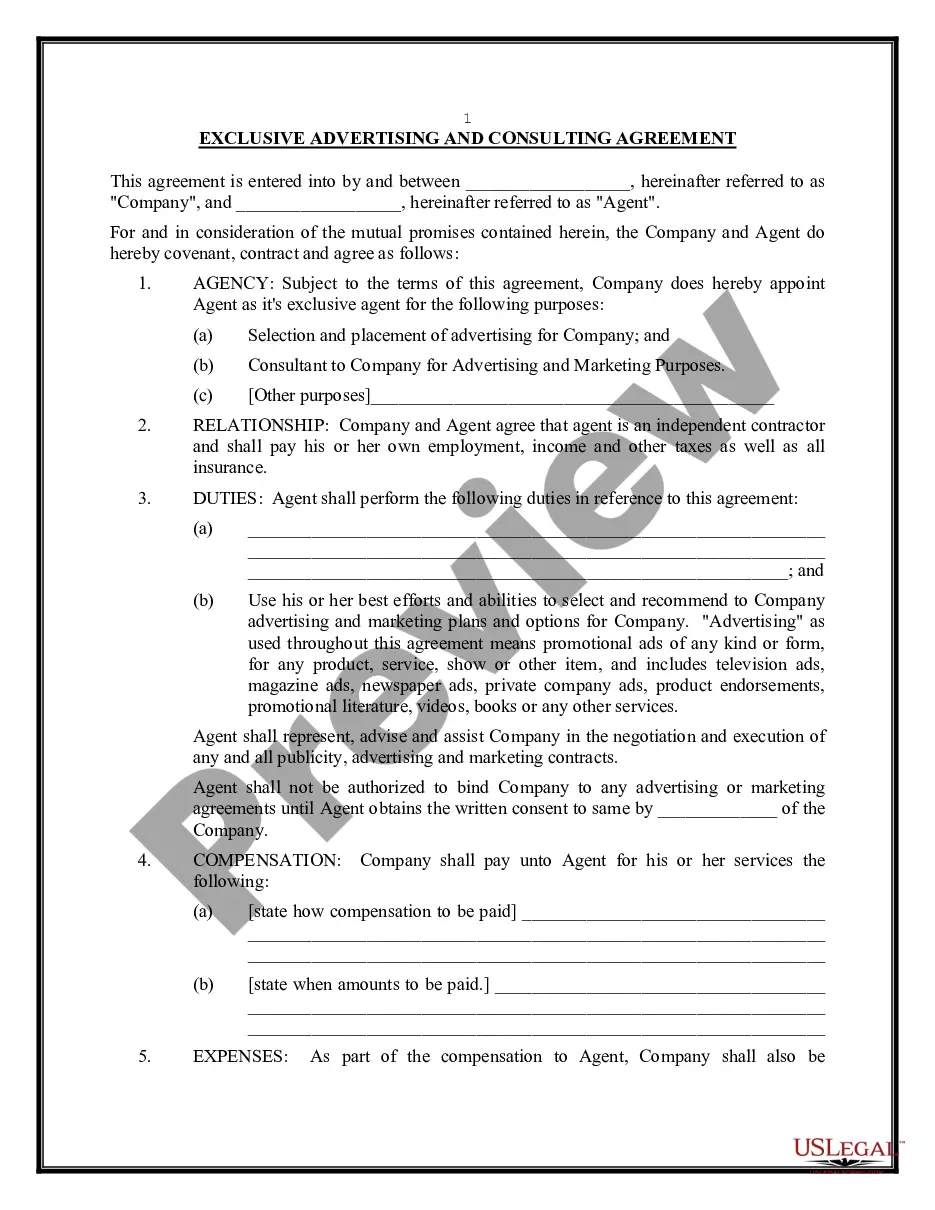

How to fill out Plaintiff's Request For Documents In Copyright Infringement Suit?
Are you presently in a situation where you require documents for either business or personal reasons almost every day.
There is a multitude of legal document templates accessible online, but locating reliable forms can be challenging.
US Legal Forms offers numerous template options, such as the Kentucky Plaintiff’s Request for Documents in Copyright Infringement Suit, which are designed to comply with state and federal regulations.
Select the pricing plan you prefer, input the necessary information to create your account, and complete the purchase using your PayPal or Visa or Mastercard.
Choose a convenient document format and download your copy.
- If you are already familiar with the US Legal Forms website and possess an account, simply Log In.
- Then, you can download the Kentucky Plaintiff’s Request for Documents in Copyright Infringement Suit template.
- If you do not have an account and wish to use US Legal Forms, follow these steps.
- Obtain the form you need and ensure it is for the appropriate city/state.
- Utilize the Preview button to review the document.
- Check the description to confirm that you have chosen the correct form.
- If the form is not what you are looking for, use the Search field to find the form that meets your needs and requirements.
- Once you find the correct form, click Acquire now.
Form popularity
FAQ
How to Fill Out a Letter of Intent to Sue. A letter of intent to sue is usually a single-page letter. It should be written in a respectful manner and include only important details the illegal activity, actions that can help settle the dispute, and the ways to cover damage to avoid the lawsuit.
What is the first step in a civil lawsuit? Define: complaint.
Complaints and Answers The first step in a lawsuit is filing the complaint and serving it on the defendant. The plaintiff will outline their version of events in the complaint and describe how the defendant's actions harmed them.
The first document that you must write is called a COMPLAINT - (Attachment 1). The function of the COMPLAINT is to tell the Court and defendant the reason for filing the lawsuit and what relief you desire.
(first formal stage of pretrial) the plaintiff's attorney initiates a lawsuit by filing a complaint in the appropriate court. (pretrial) to obtain in personam jurisdiction over a defendant and to satisfy due process, a court must notify defendant.
Pleadings. Each party in a lawsuit files initial papers, known as pleadings. The pleadings explain each party's side of the dispute. The Complaint: Litigation begins when the plaintiff files a complaint with the court and formally delivers a copy to the defendant.
Lawsuit begins when complaint (plaintiff's first pleading) is filed with clerk of courts. Complaint (declaration at common law). Sets forth plaintiff's cause of action (grounds for lawsuit) - contains allegations (claims plaintiff expects to prove) and ad damnum (clause stating plaintiff's damages).
In order for a court to make a binding judgment on a case, it must have both subject matter jurisdiction (the power to hear the type of case) as well as personal jurisdiction (the power over the parties to the case).