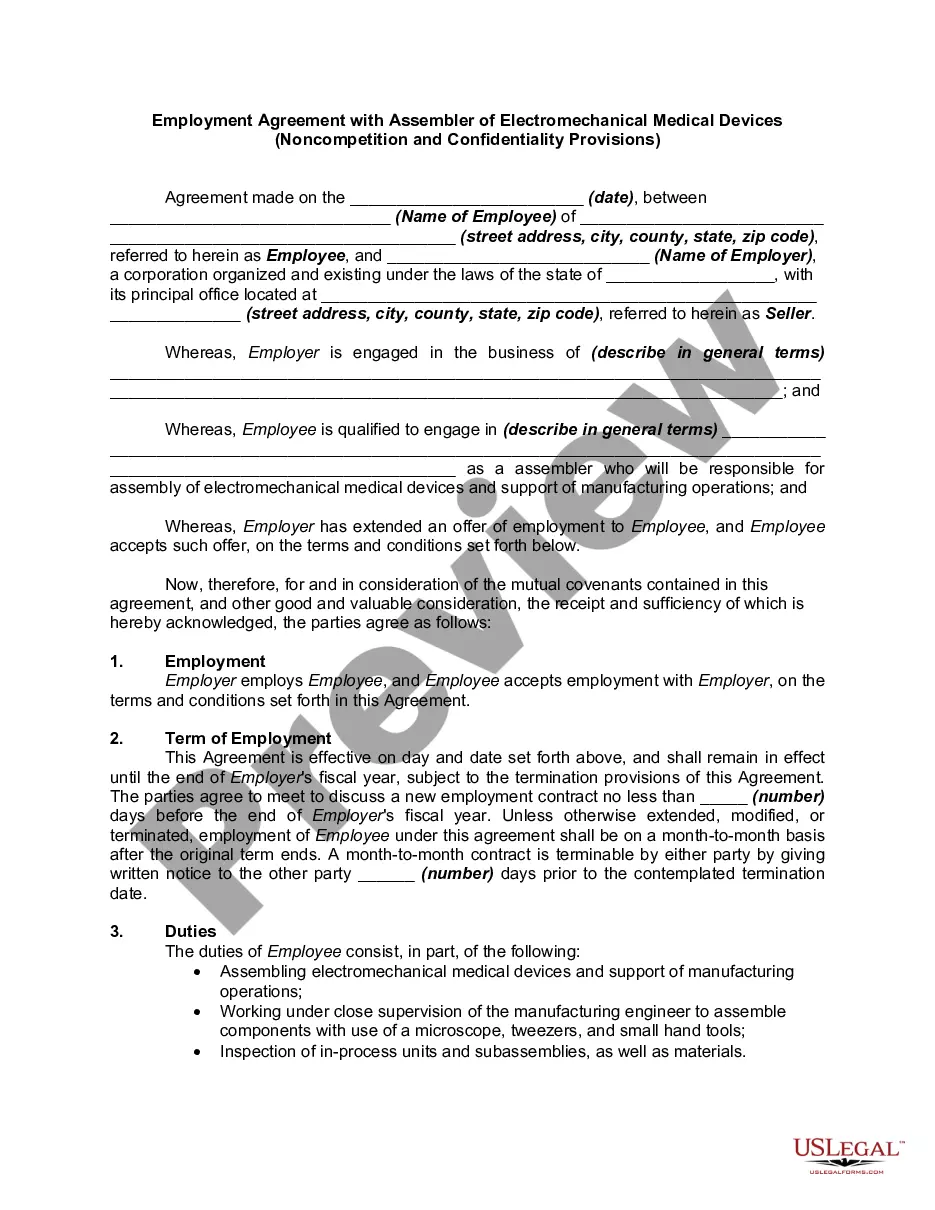
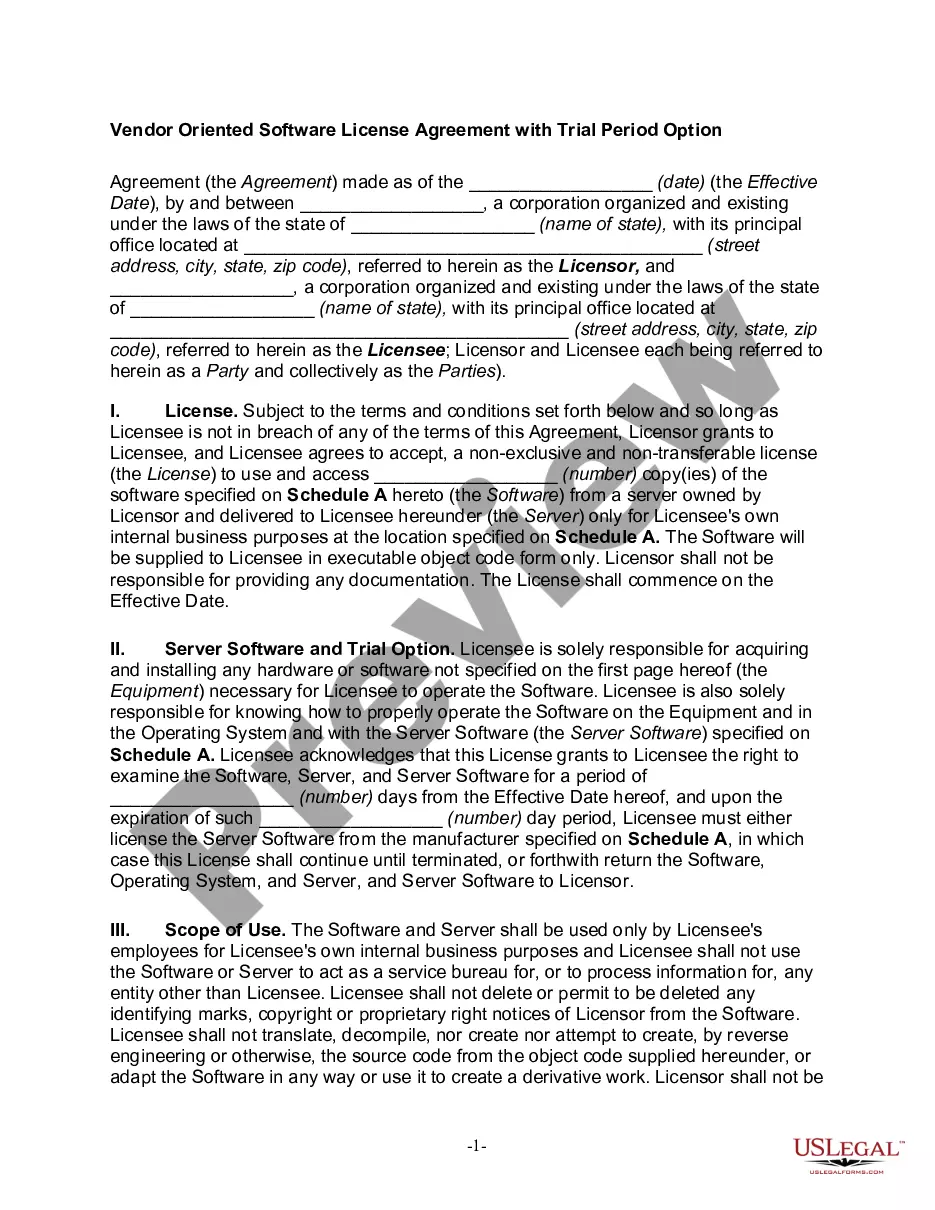
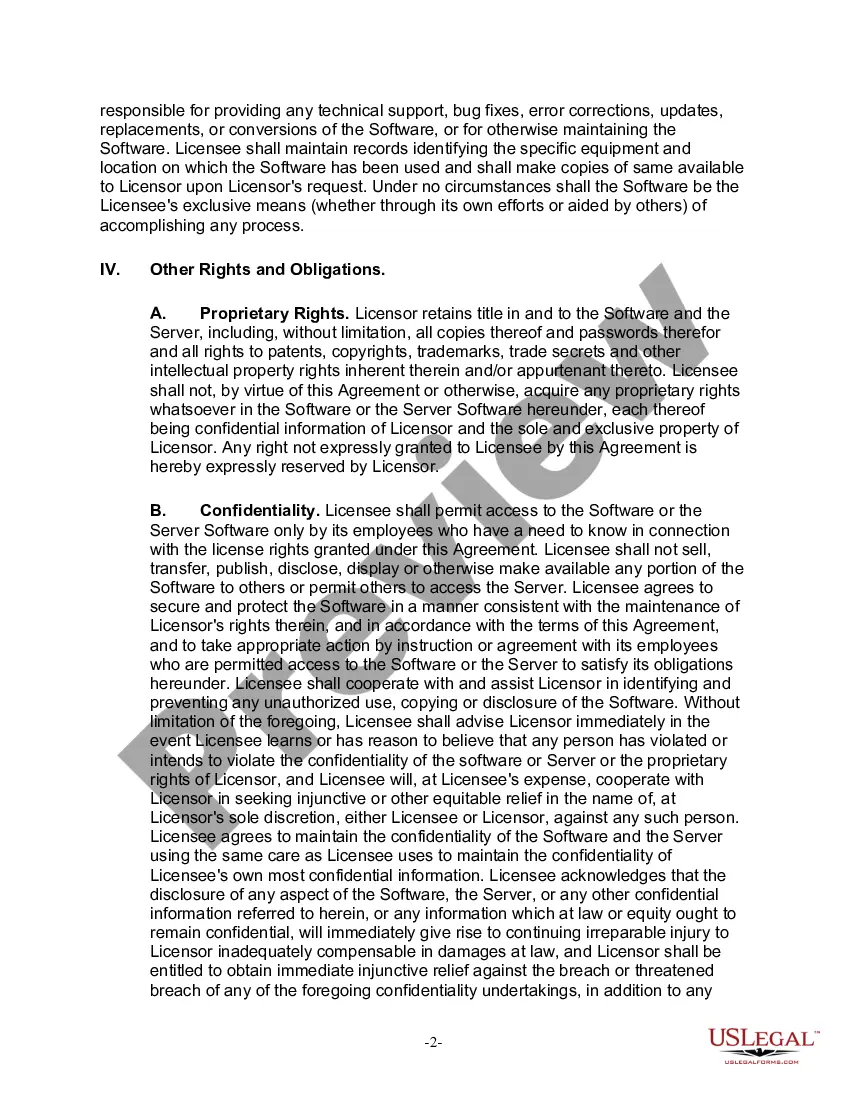
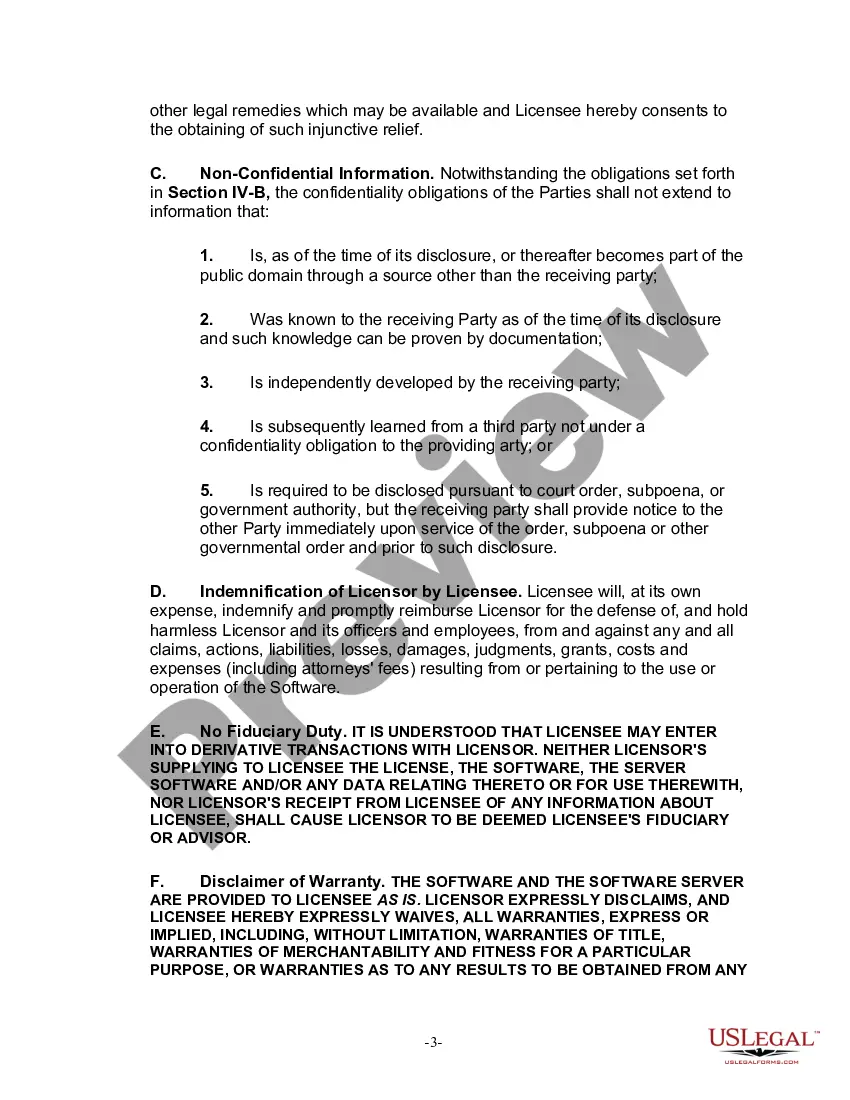
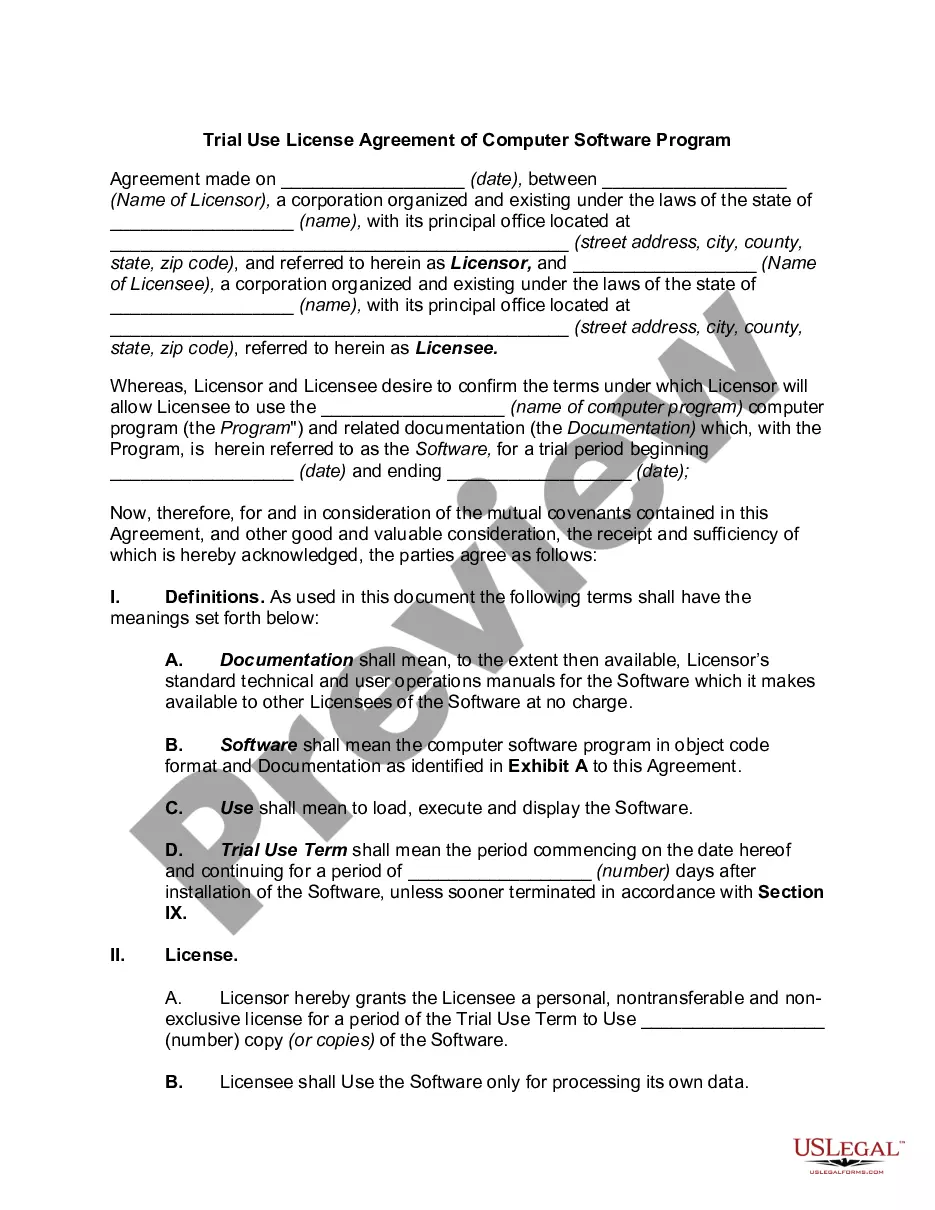
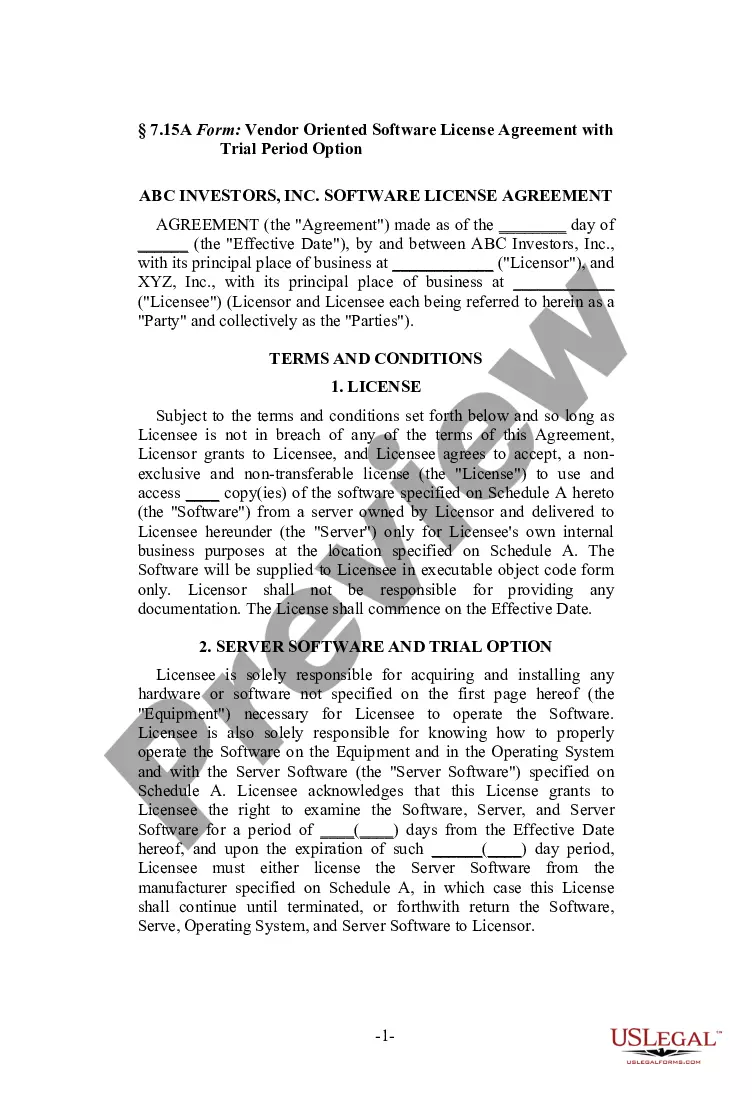
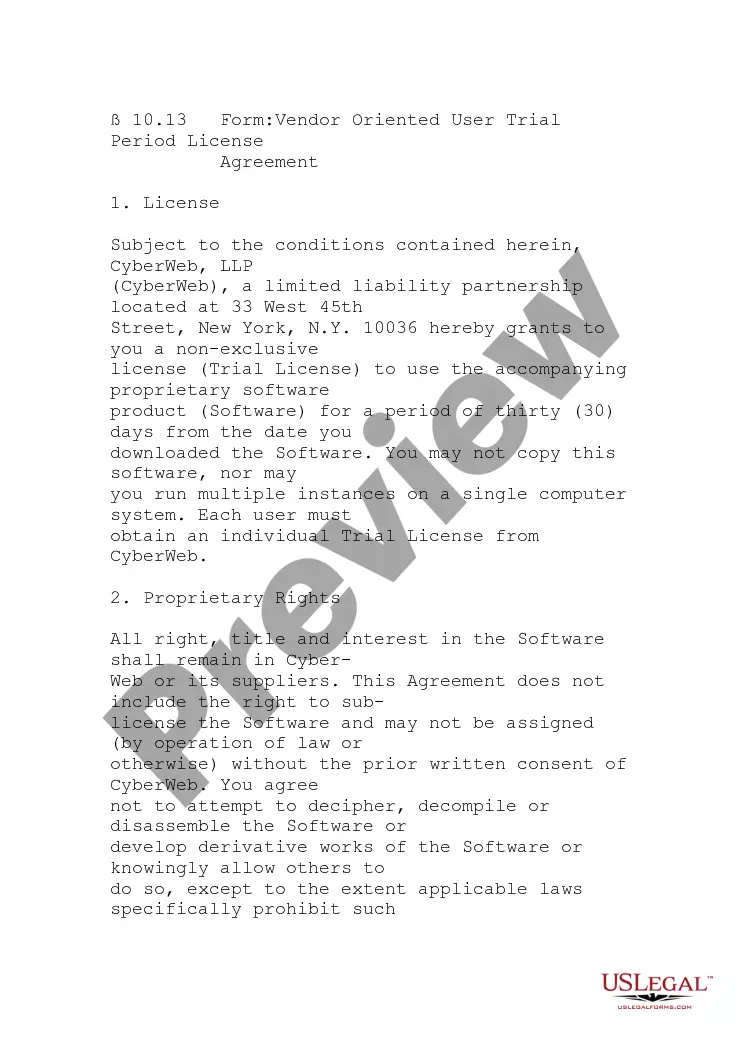
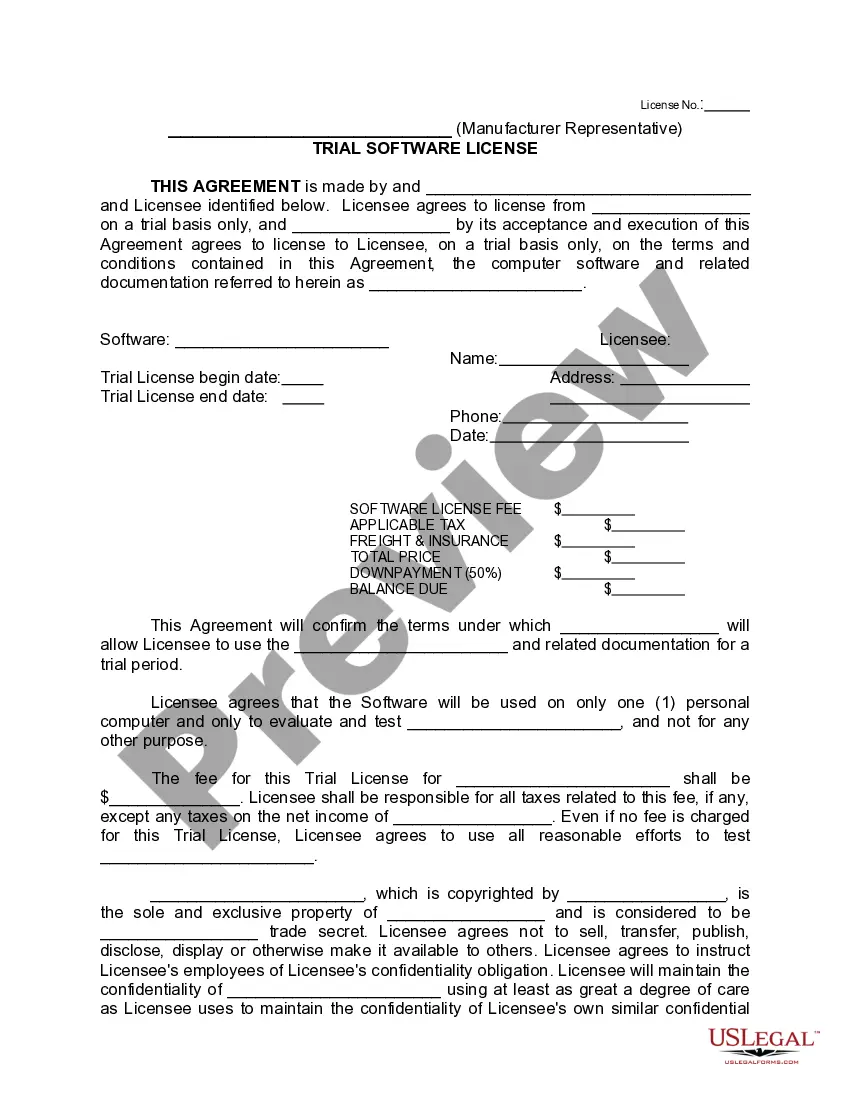
Kentucky Vendor Oriented Software License Agreement with Trial Period Option
Description
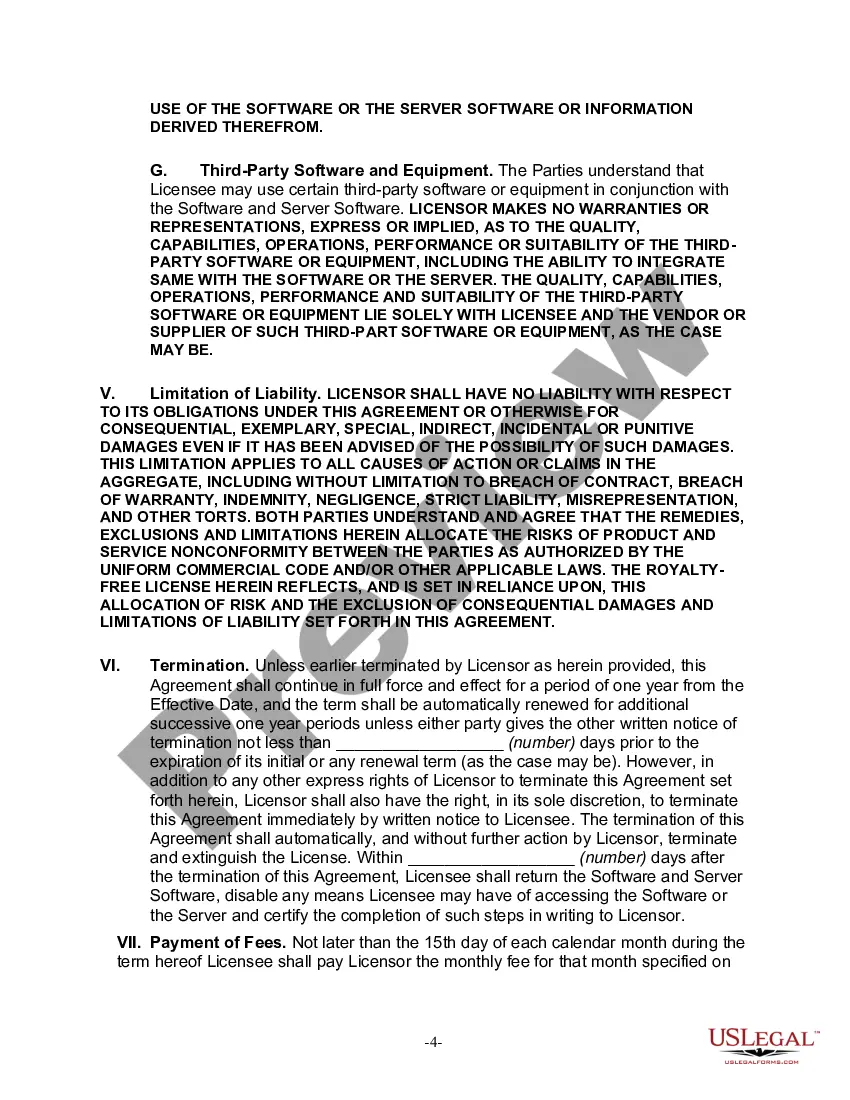
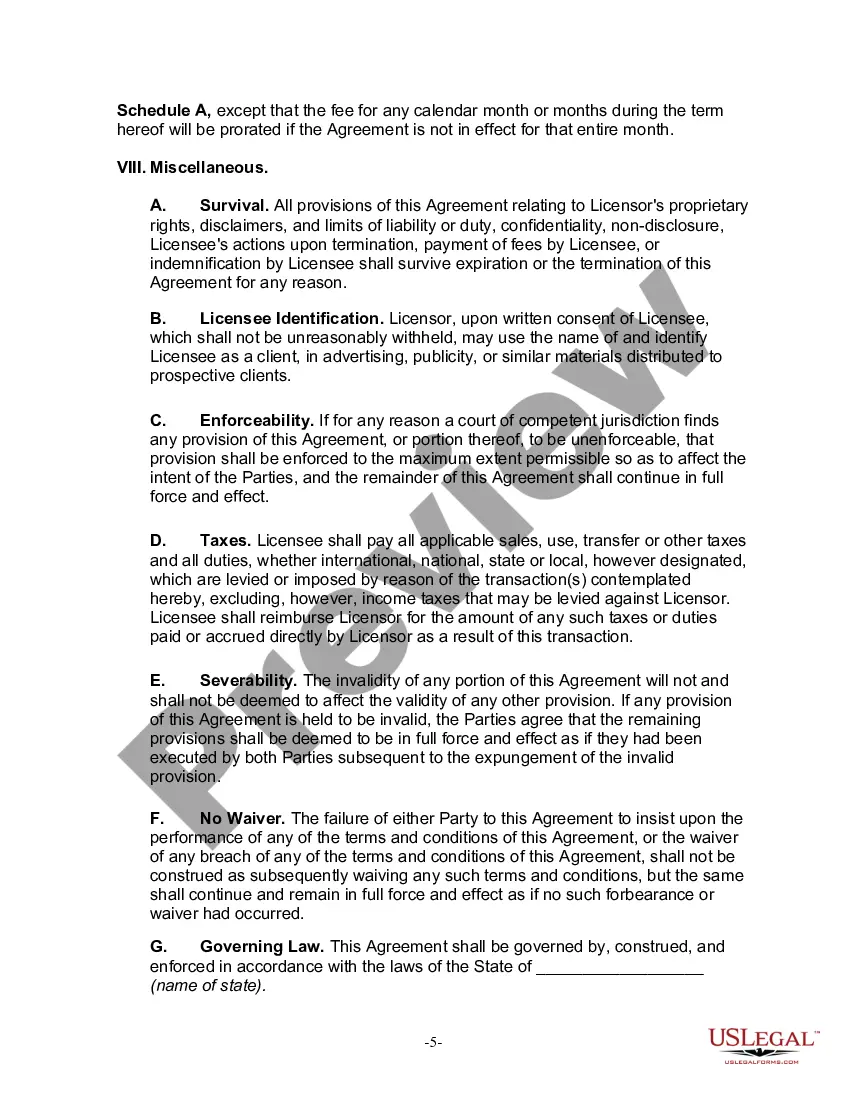
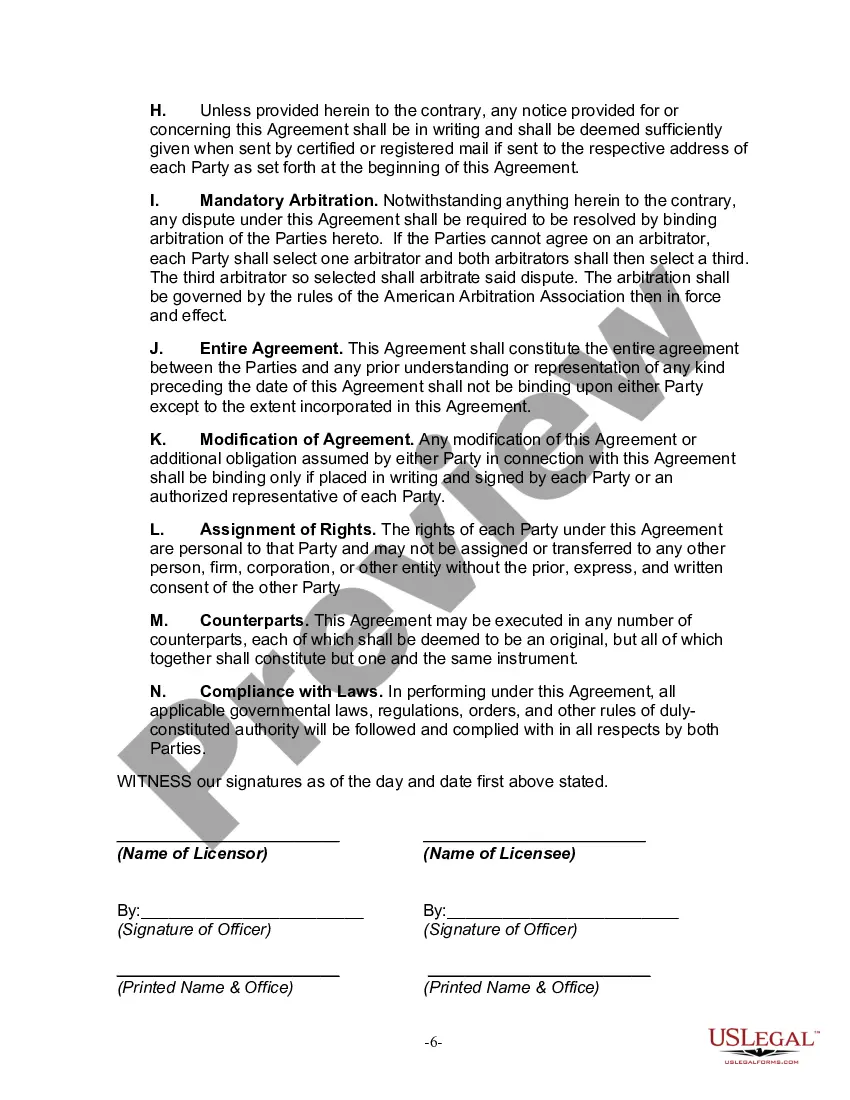
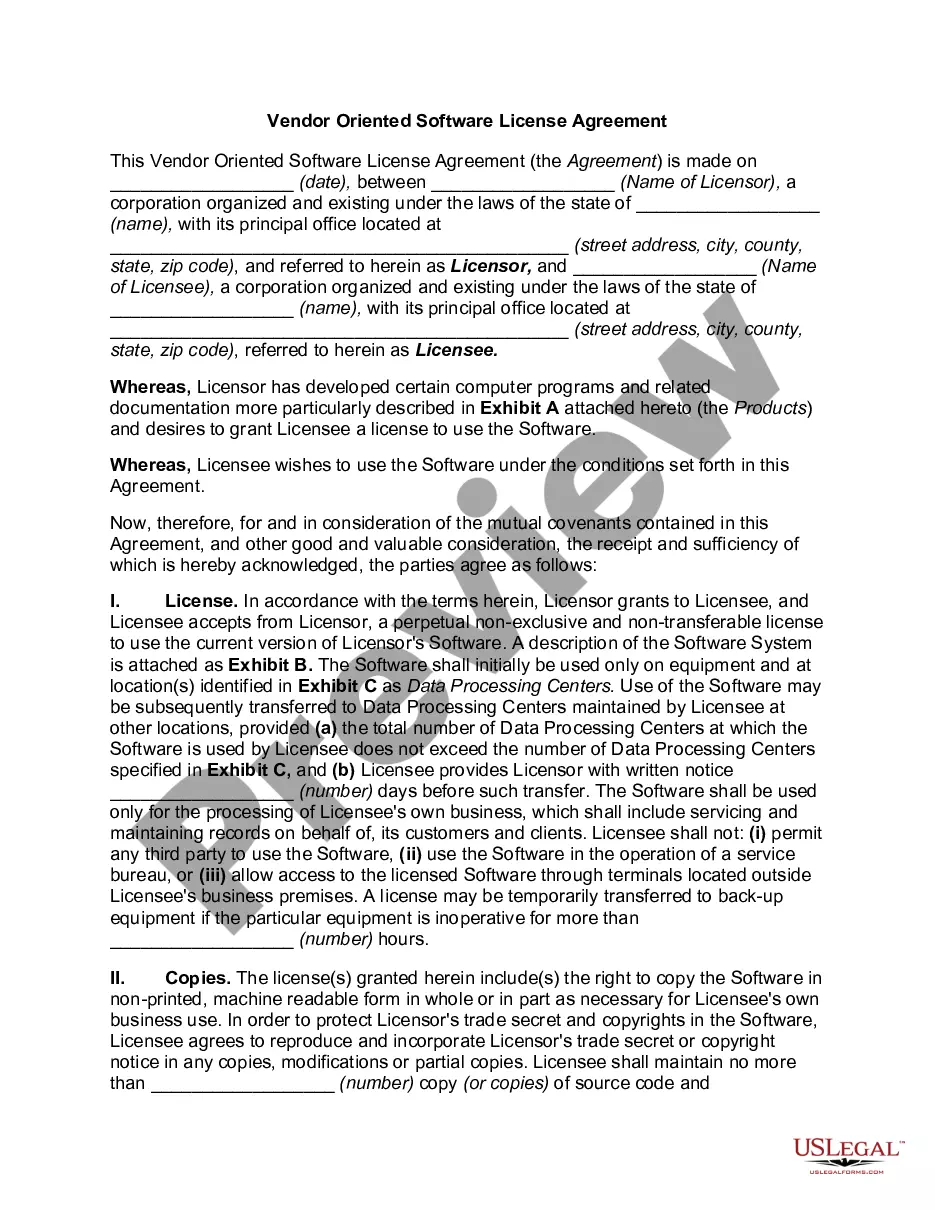
Get your form ready online
Our built-in tools help you complete, sign, share, and store your documents in one place.
Make edits, fill in missing information, and update formatting in US Legal Forms—just like you would in MS Word.
Download a copy, print it, send it by email, or mail it via USPS—whatever works best for your next step.
Sign and collect signatures with our SignNow integration. Send to multiple recipients, set reminders, and more. Go Premium to unlock E-Sign.
If this form requires notarization, complete it online through a secure video call—no need to meet a notary in person or wait for an appointment.
We protect your documents and personal data by following strict security and privacy standards.

Make edits, fill in missing information, and update formatting in US Legal Forms—just like you would in MS Word.

Download a copy, print it, send it by email, or mail it via USPS—whatever works best for your next step.

Sign and collect signatures with our SignNow integration. Send to multiple recipients, set reminders, and more. Go Premium to unlock E-Sign.

If this form requires notarization, complete it online through a secure video call—no need to meet a notary in person or wait for an appointment.

We protect your documents and personal data by following strict security and privacy standards.
Looking for another form?

How to fill out Vendor Oriented Software License Agreement With Trial Period Option?
It is feasible to spend time online searching for the legal document template that meets the state and federal requirements you desire.
US Legal Forms offers numerous legal templates that are reviewed by experts.
You can download or print the Kentucky Vendor-Oriented Software License Agreement with Trial Period Option from their services.
First, ensure that you have chosen the correct document template for the county/city of your preference. Review the form details to confirm you have selected the right one. If available, utilize the Review button to examine the document template as well.
- If you already possess a US Legal Forms account, you can Log In and click the Obtain button.
- Subsequently, you can fill out, modify, print, or sign the Kentucky Vendor-Oriented Software License Agreement with Trial Period Option.
- Each legal document template you purchase is yours permanently.
- To obtain another copy of a purchased form, go to the My documents tab and click the corresponding button.
- If you're using the US Legal Forms website for the first time, follow the simple instructions below.
Form popularity
FAQ
Precisely identifying which intellectual property will be the subject of the license is necessary to ensure both parties are on the same page and not exceeding their rights.Scope of the Grant.Exclusivity.Territory.Term.Compensation.Termination.Conclusion.
As a general rule, any well-drafted license agreement should address the following topics:Scope of the grant.Term and renewal.Performance standards and quotas.Payments to the licensor.Quality control, assurance and protection.Insurance and indemnification.Accounting, reports and audits.More items...?
A software license is a legally binding agreement made between the owner or developer of a software program and the user, outlining how they can use and distribute the product.
A EULA, which may also be referred to as software license, is written to enforce specific use limitations, such as only installing the software on one computer. Some EULAs limit the user's right to copy software, including copying the software for backup purposes.
A software license agreement should include the licensor's reservation of all its rights not specifically granted to the licensee and the licensee's acknowledgment of the licensor's ownership of the licensed software. Payment terms.
A software license agreement details how and when the software can be used, and provides any restrictions that are imposed on the software. A software license agreement also defines and protects the rights of the parties involved in a clear and concise manner.
Software licensing terms and conditions usually include fair use of the software, the limitations of liability, warranties and disclaimers. They also specify protections if the software or its use infringes on the intellectual property rights of others. Software licenses typically are proprietary, free or open source.
The difference between an End User License Agreement (EULA) and a Software License Agreement (SLA) depends on intended usage. The EULA generally governs the continuous use of the software by a group of individuals. Meanwhile, an SLA targets a specific entity for a finite period.
The difference between an End User License Agreement (EULA) and a Software License Agreement (SLA) depends on intended usage. The EULA generally governs the continuous use of the software by a group of individuals. Meanwhile, an SLA targets a specific entity for a finite period.
Software licensing agreements are basically dealt under three laws in India. They are copyright laws, contract law and Trade secret laws.