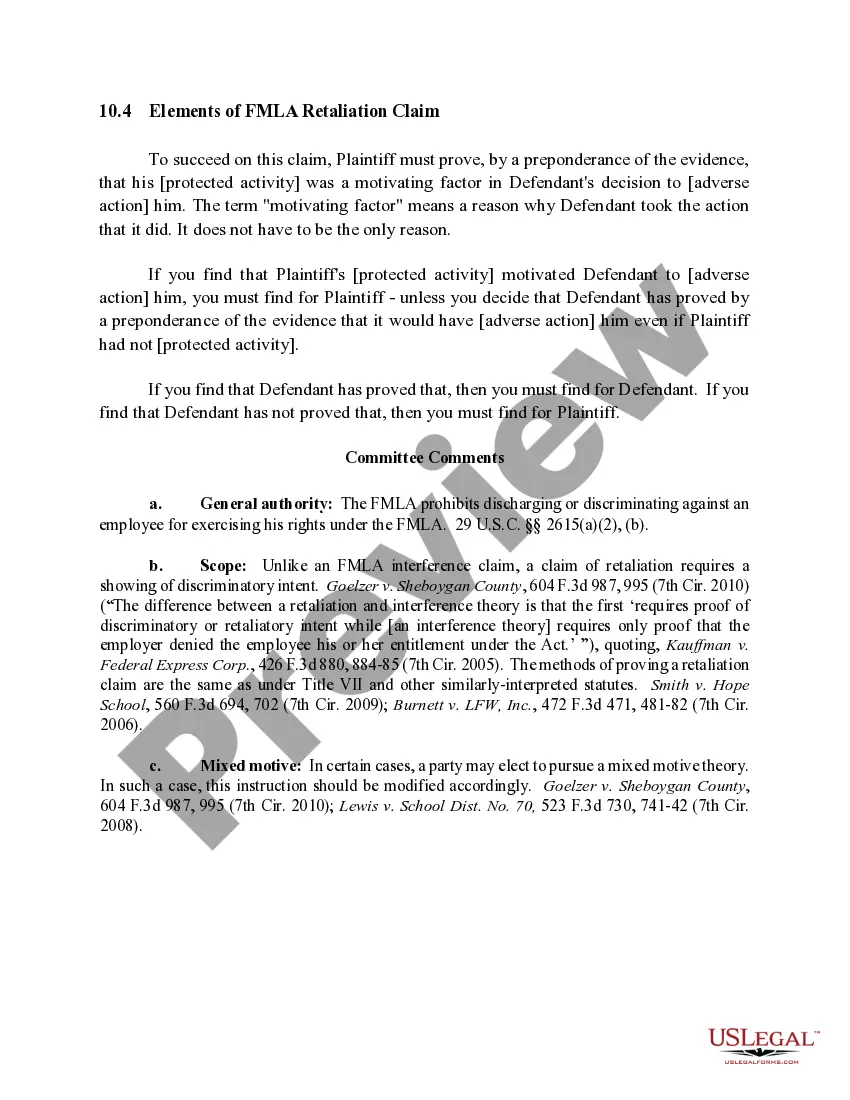
Kentucky Revocable Trust Agreement with Corporate Trustee
Description
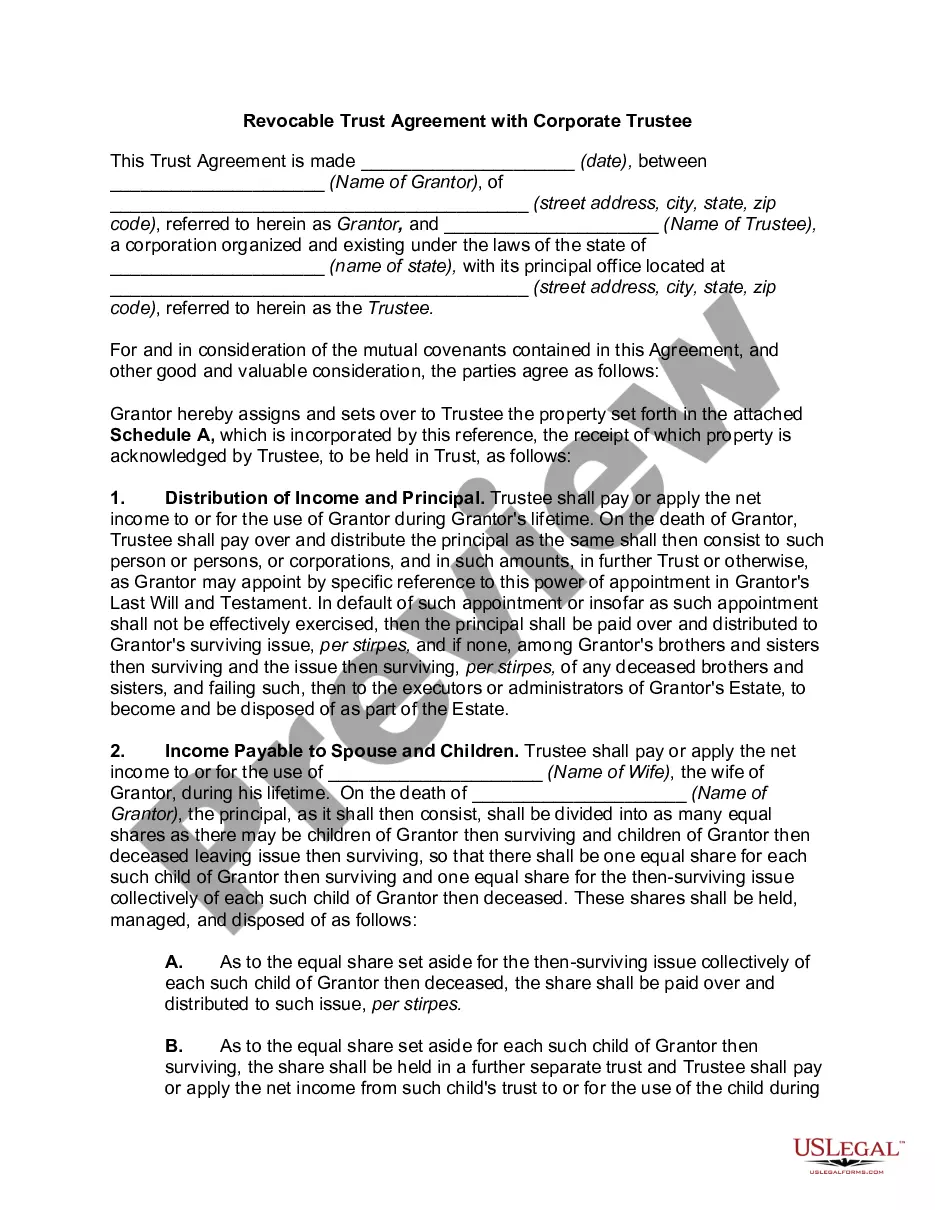
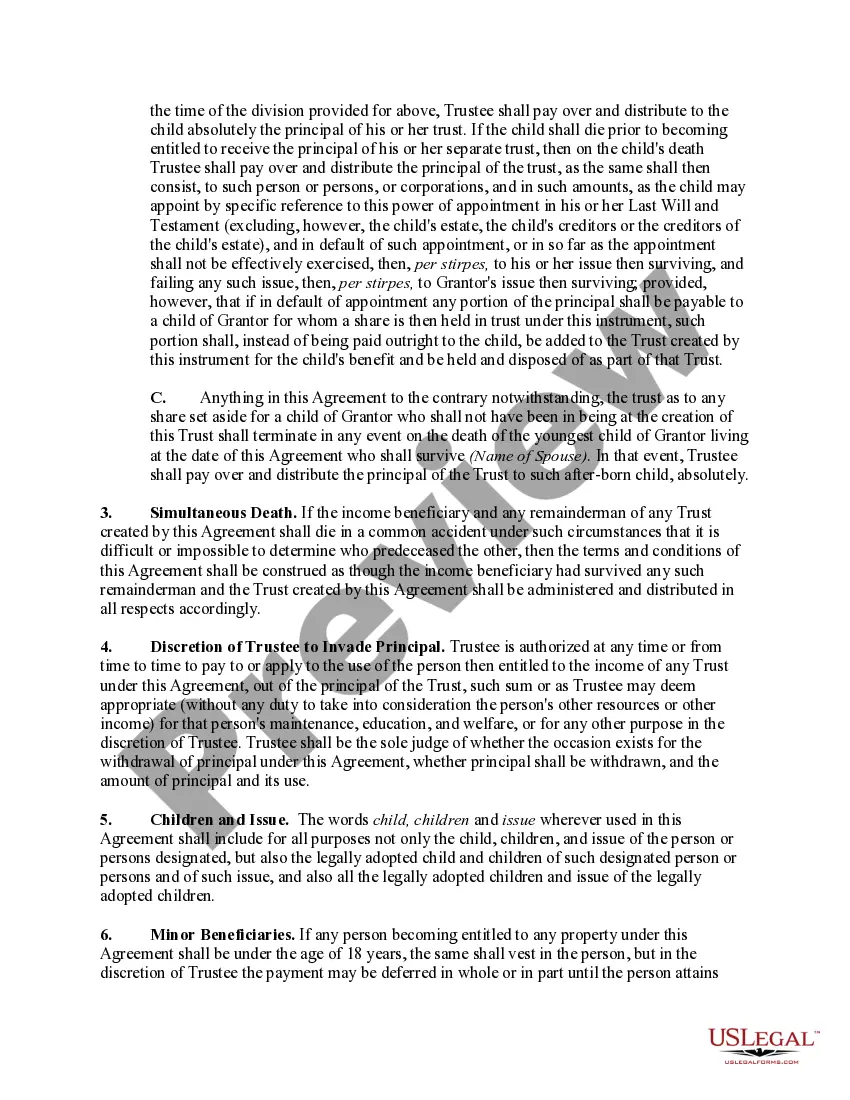
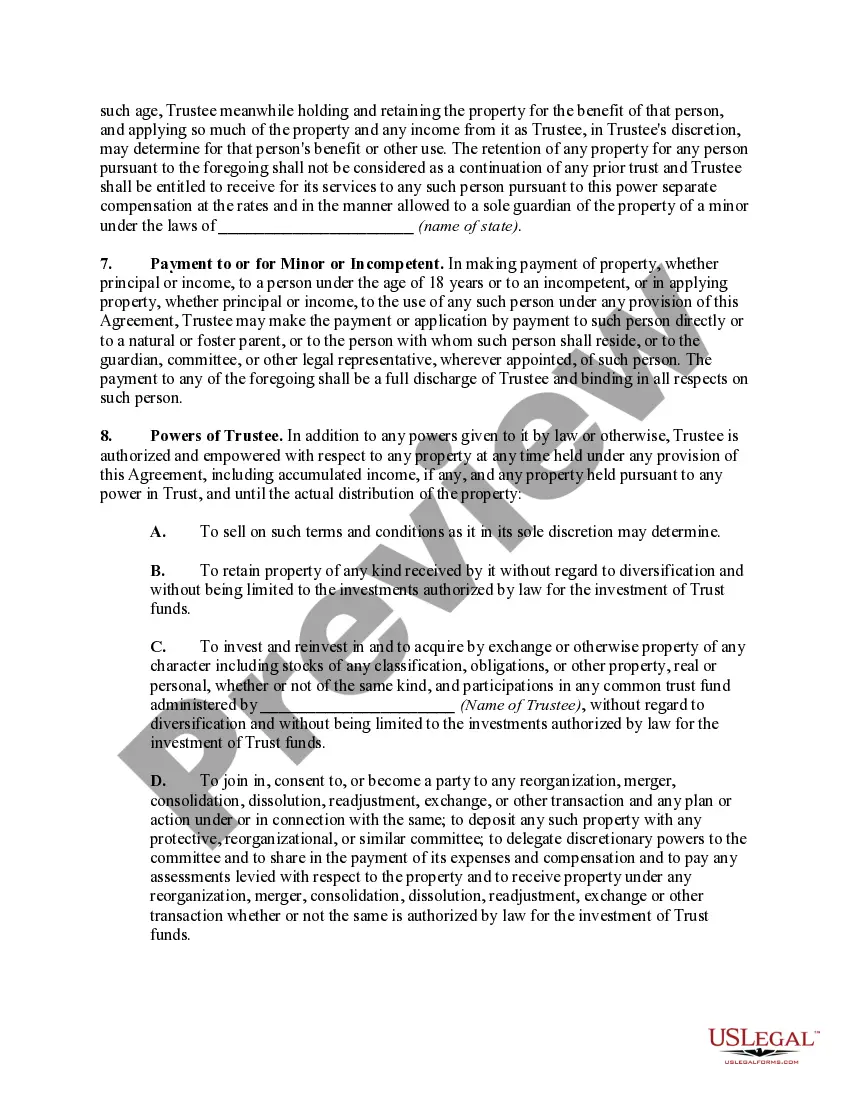

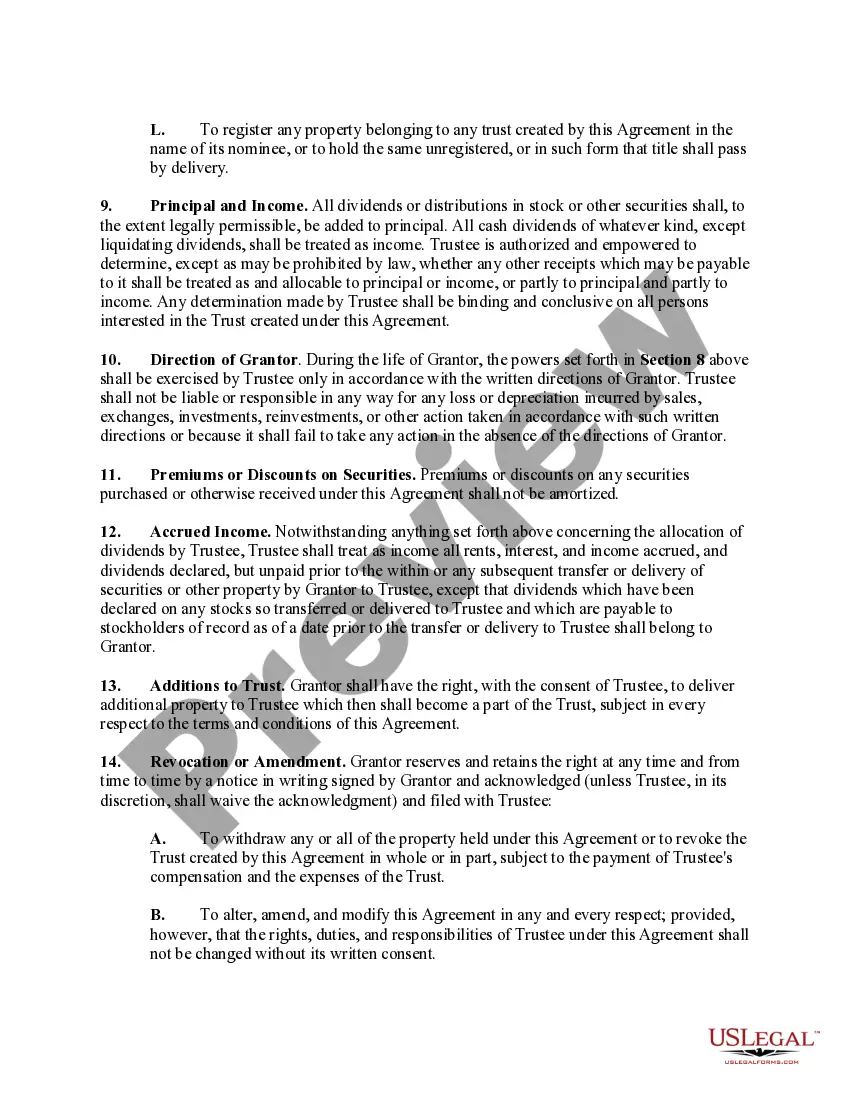
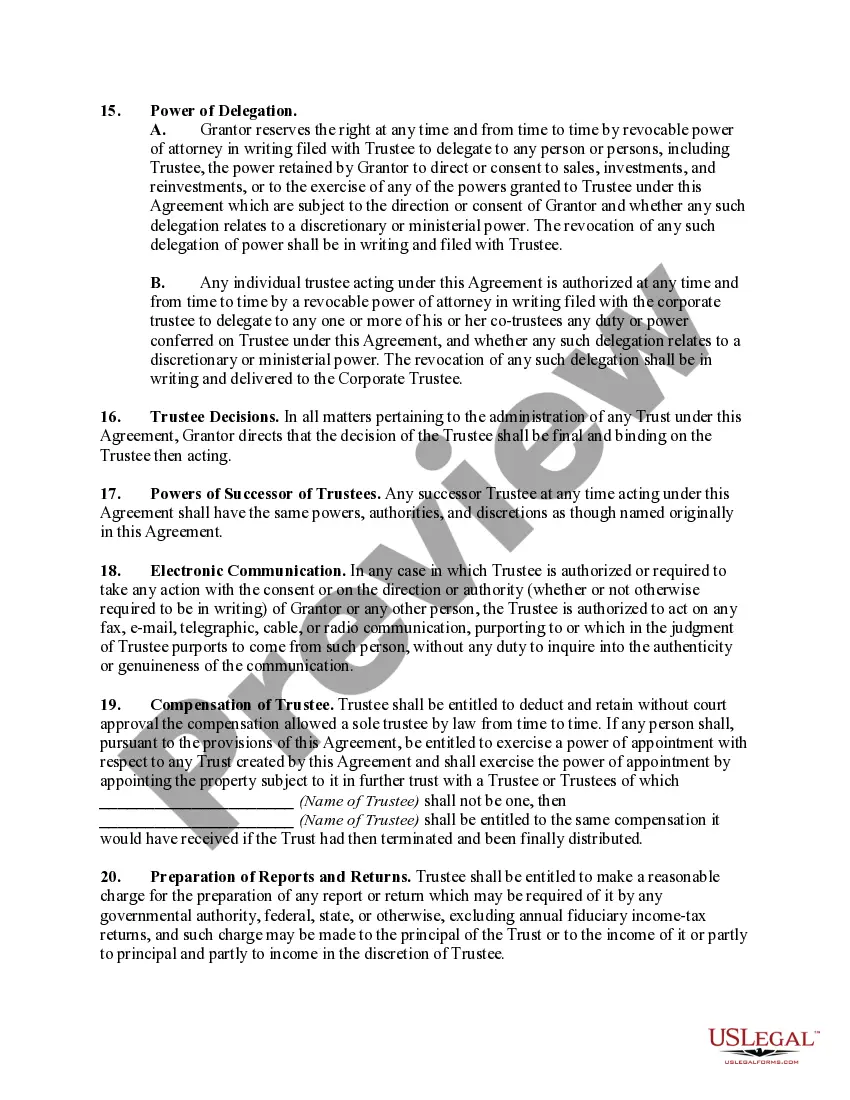
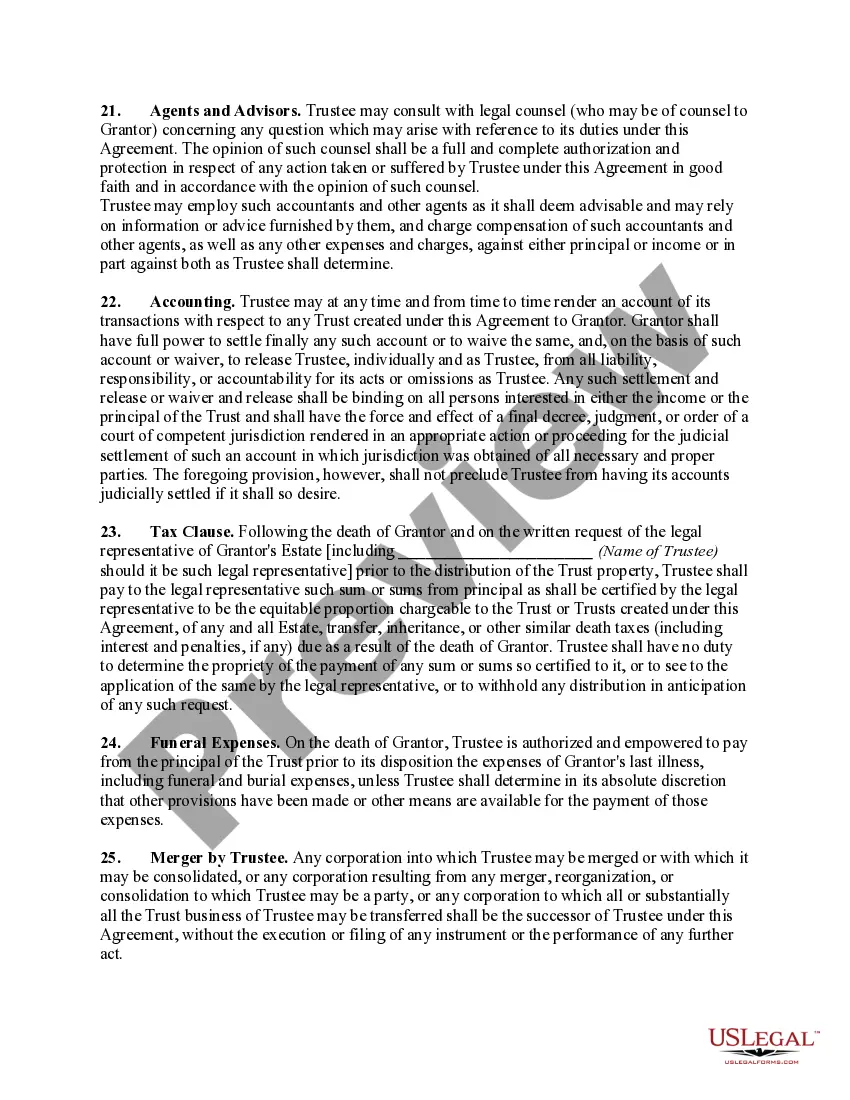
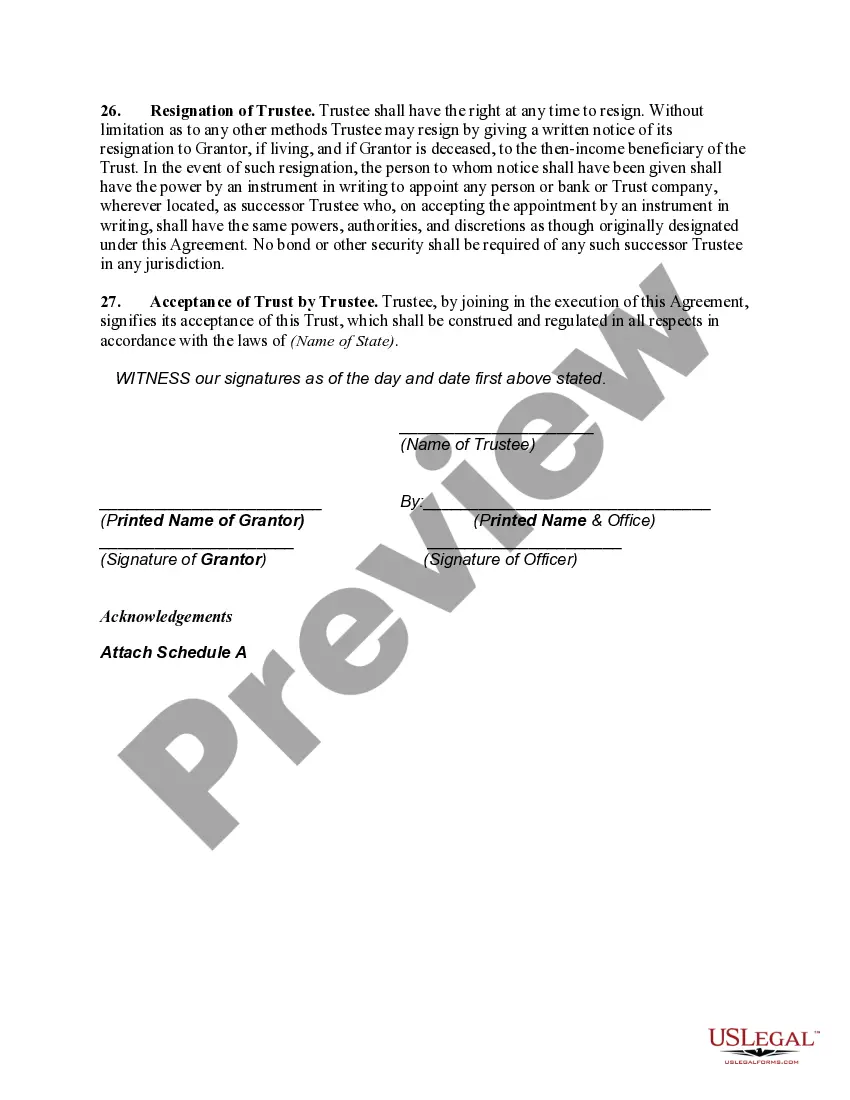
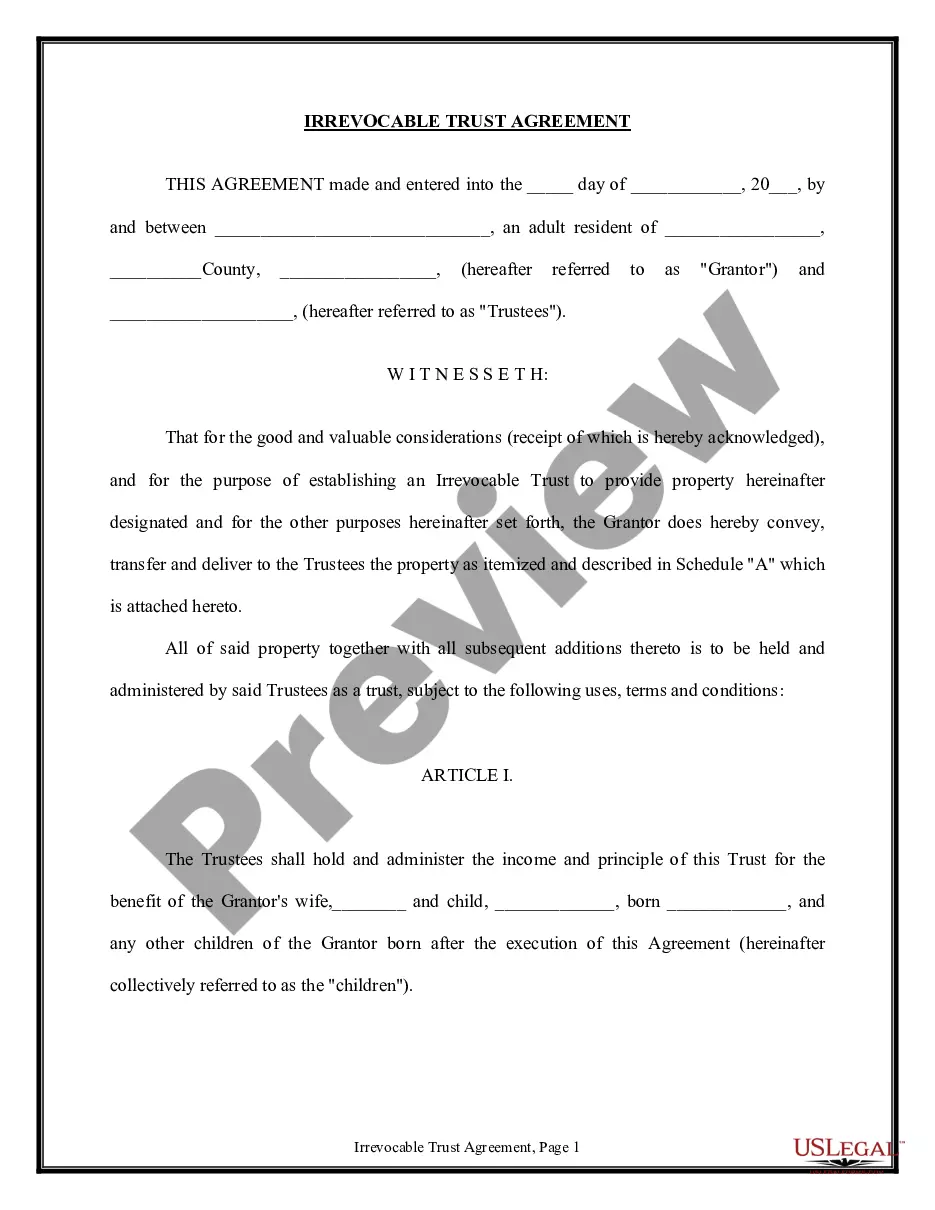
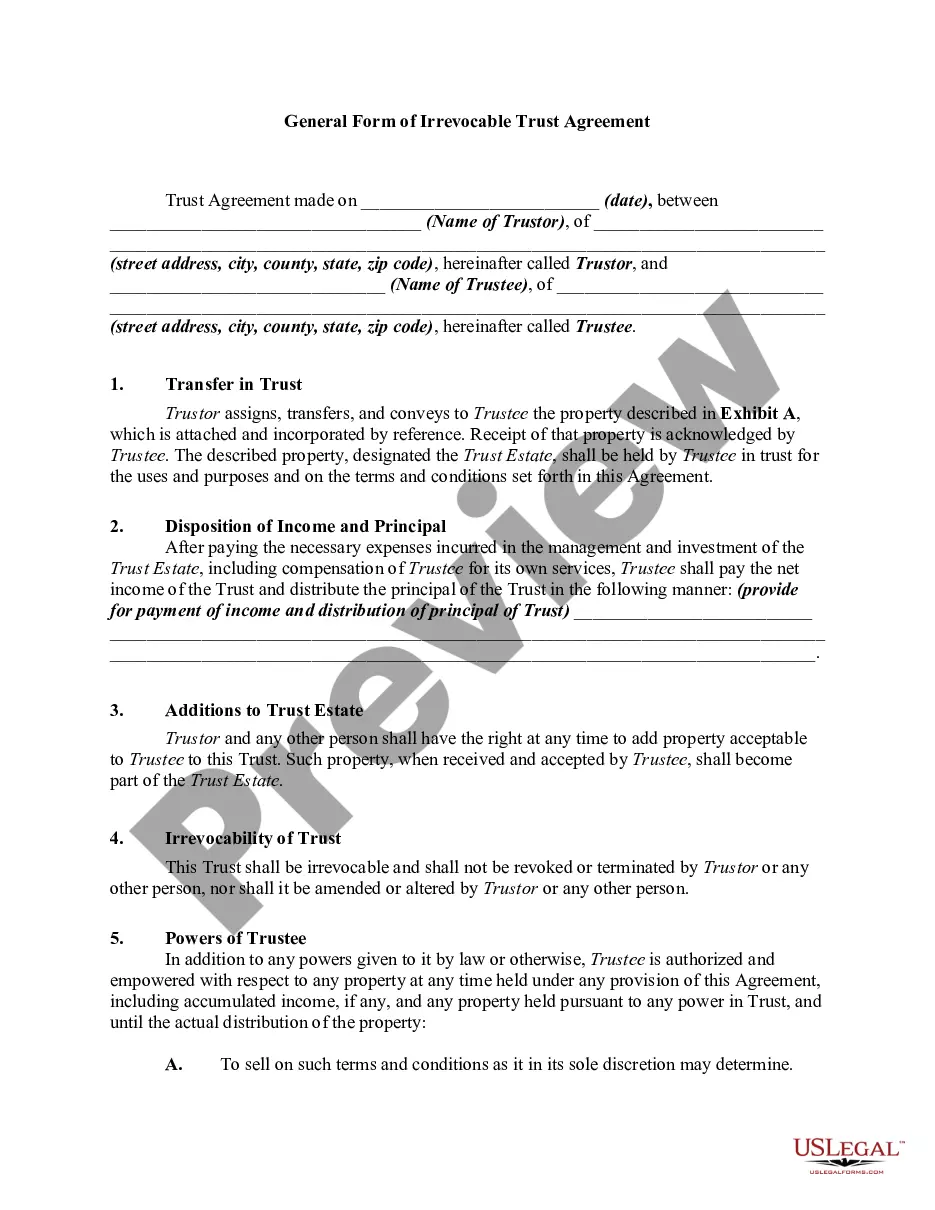
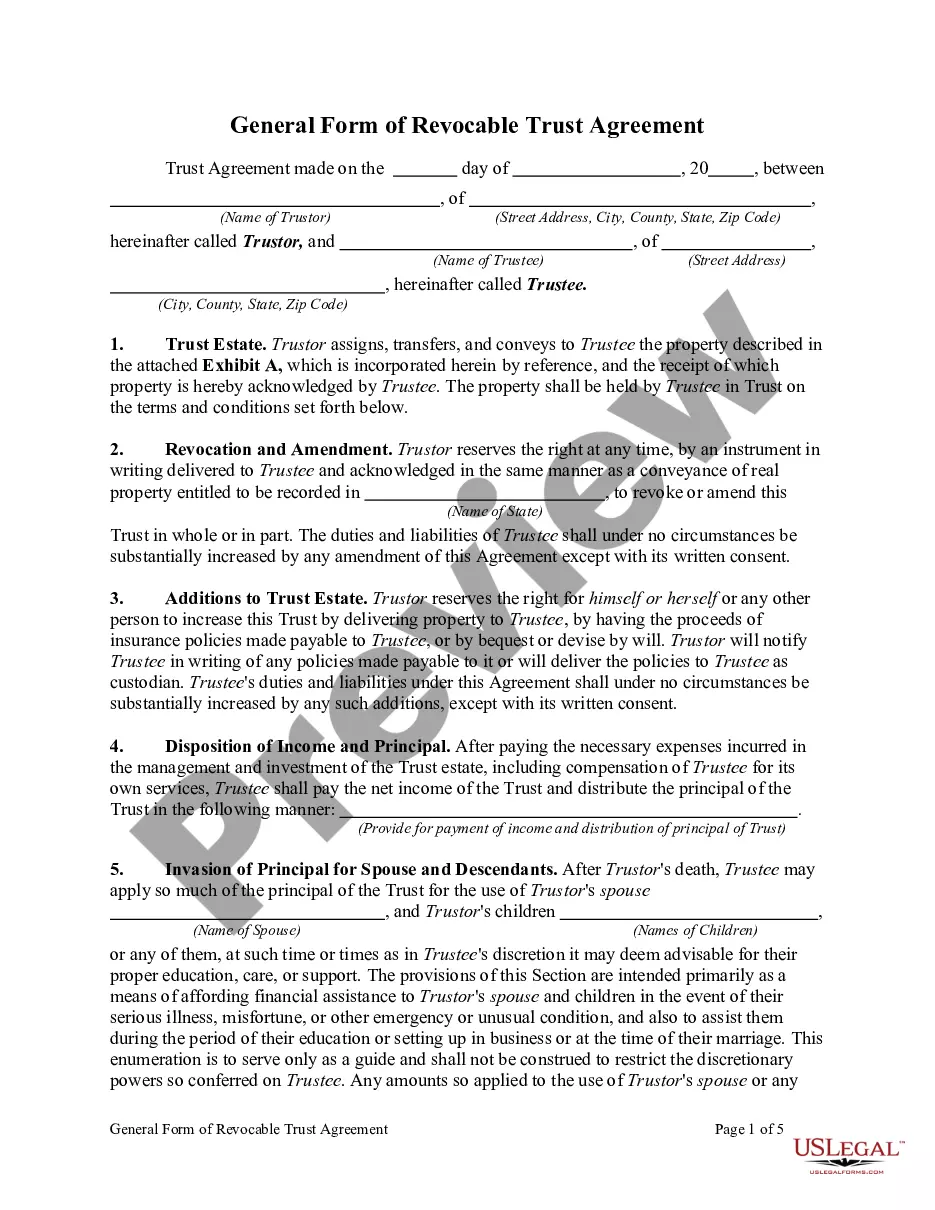
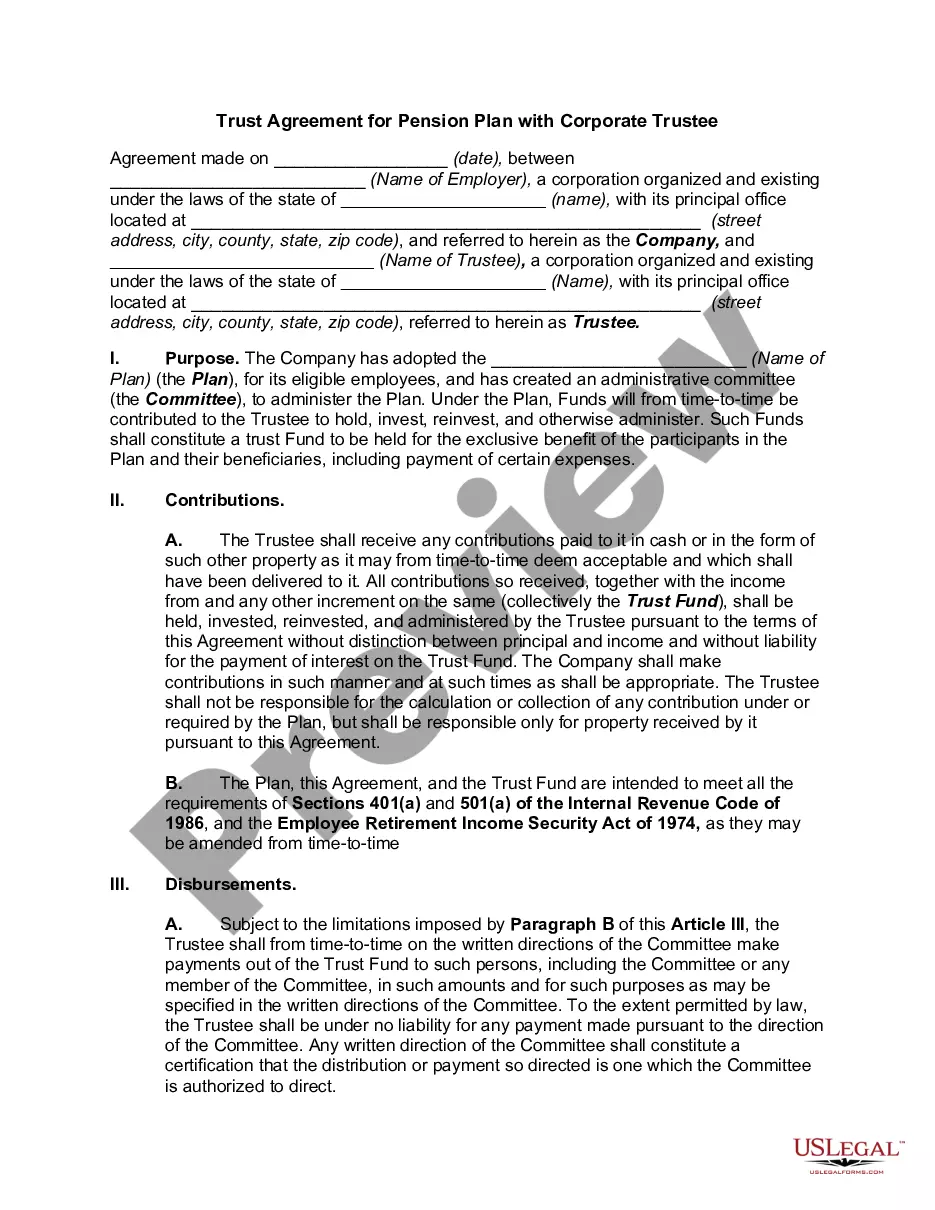





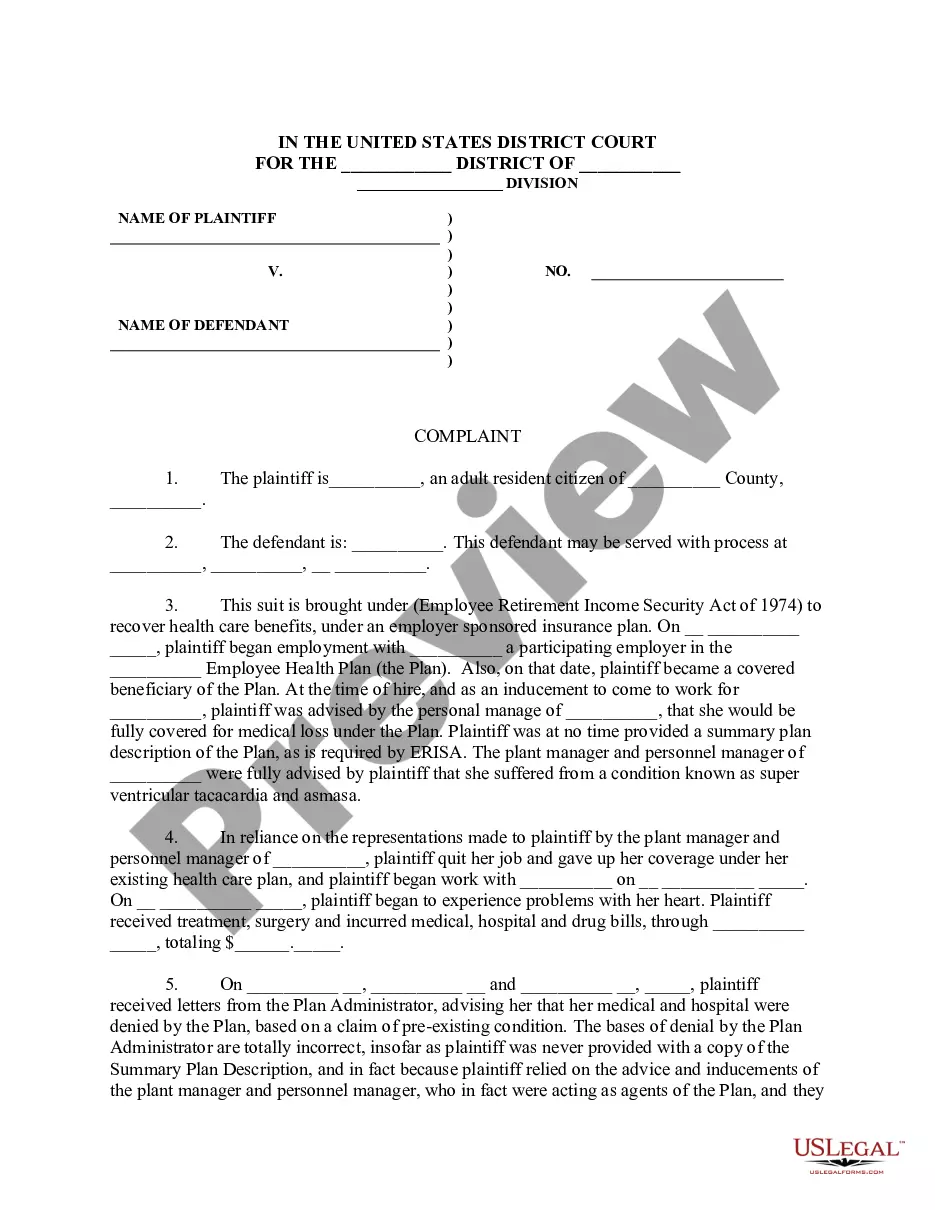
How to fill out Revocable Trust Agreement With Corporate Trustee?
US Legal Forms - one of the most prominent collections of legal documents in the USA - provides an extensive variety of legal form templates that you can download or print.
By using the website, you can access thousands of forms for business and personal purposes, organized by categories, states, or keywords.
You can find the latest versions of forms such as the Kentucky Revocable Trust Agreement with Corporate Trustee in just moments.
Review the form description to confirm that you have chosen the appropriate form.
If the form does not meet your requirements, use the Search feature at the top of the page to find one that does.
- If you already have a monthly subscription, Log In to download the Kentucky Revocable Trust Agreement with Corporate Trustee from the US Legal Forms directory.
- The Obtain button will be visible on every form you view.
- You can access all previously acquired forms from the My documents section of your account.
- If you are using US Legal Forms for the first time, here are some basic steps to get you started.
- Ensure you have selected the correct form for your city/region.
- Click the Review button to check the form's contents.
Form popularity
FAQ
So can a trustee also be a beneficiary? The short answer is yes, but the trustee will have to be exceedingly careful to never engage in any actions that would constitute a breach of trust, including placing their personal interests above those of the other beneficiaries.
The trustee cannot fail to carry out the wishes and intent of the settlor and cannot act in bad faith, fail to represent the best interests of the beneficiaries at all times during the existence of the trust and fail to follow the terms of the trust. A trustee cannot fail to carry out their duties.
The trustee usually has the power to retain trust property, reinvest trust property or, with or without court authorization, sell, convey, exchange, partition, and divide trust property.
The trustee acts as the legal owner of trust assets, and is responsible for handling any of the assets held in trust, tax filings for the trust, and distributing the assets according to the terms of the trust. Both roles involve duties that are legally required.
The trustee has the power to manage, control, divide, develop, improve, exchange, partition, change the character of, or abandon trust property or any interest therein. 16228.
The trustee cannot do whatever they want. They must follow the trust document, and follow the California Probate Code. More than that, Trustees don't get the benefits of the Trust. The Trust assets will pass to the Trust beneficiaries eventually.
Yes, a trustee can be one of the beneficiaries of a trust. However, it is important to note that a trustee cannot be the sole beneficiary of a trust.
The trustee will hold the legal title and the beneficiary will hold the equitable title. This division is what makes a trust legally valid. Without the division, the trust will no longer be legally effective.
A revocable trust is created when an individual (the grantor) signs a trust agreement naming a person(s), a corporation (trust company or bank) or both as trustee to administer the trust. In many jurisdictions the grantor and the trustee can be the same person.
The short answer is yes, a trustee can also be a trust beneficiary. One of the most common types of trust is the revocable living trust, which states the person's wishes for how their assets should be distributed after they die. Many people use living trusts to guide the inheritance process and avoid probate.