Kentucky Counter Offer to Purchase 3 - Residential
Description
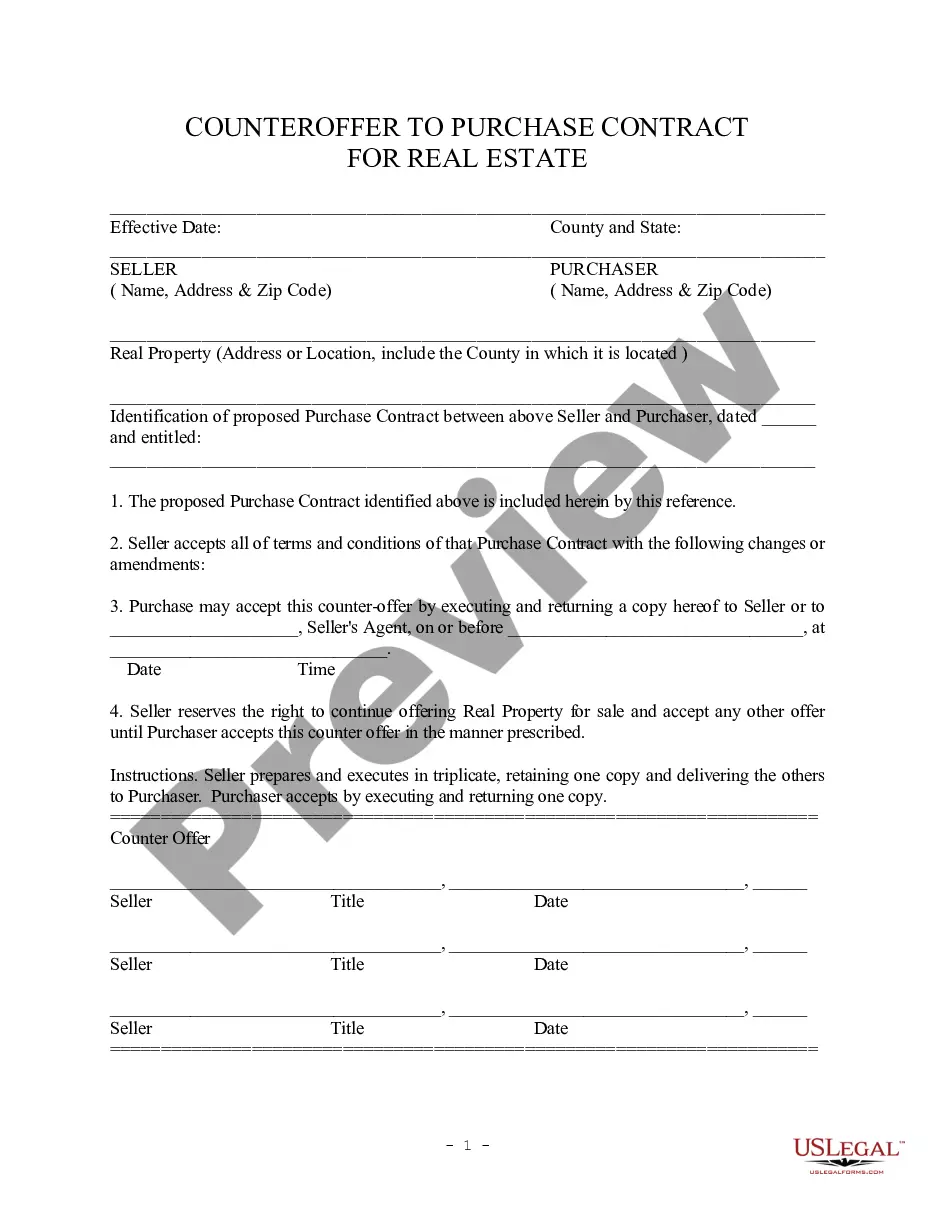

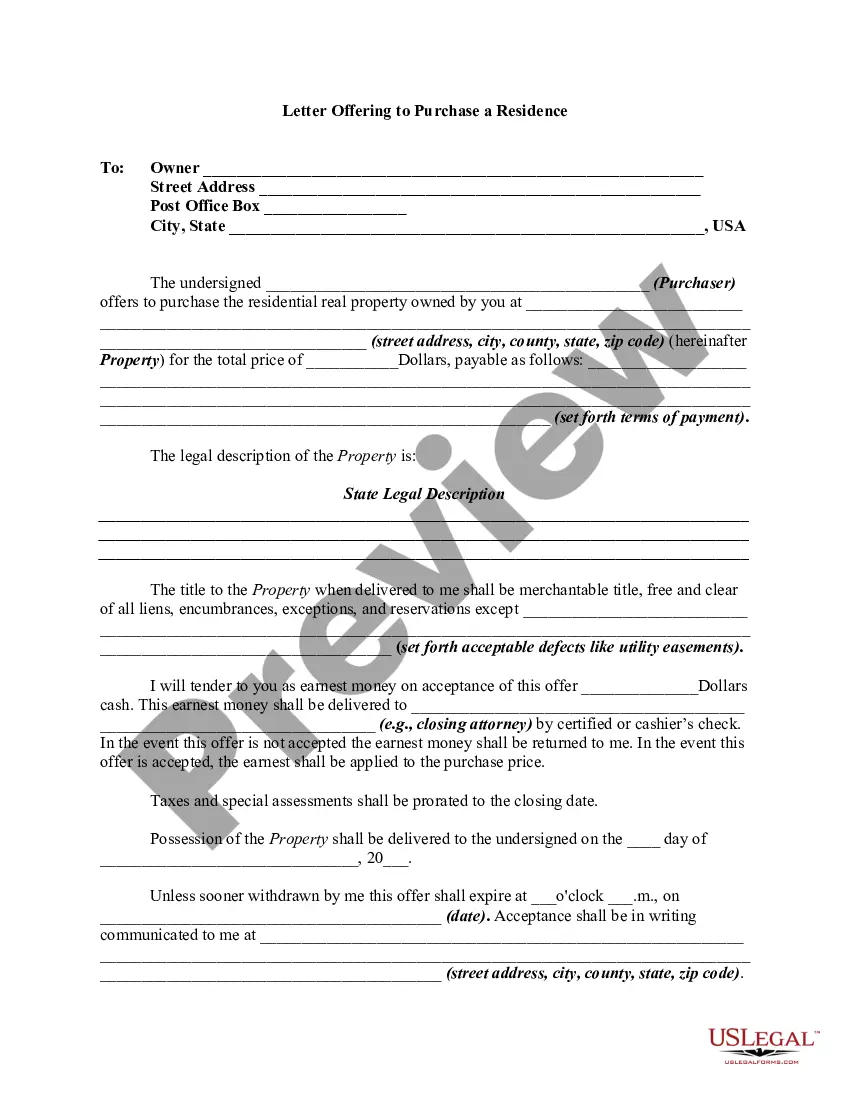
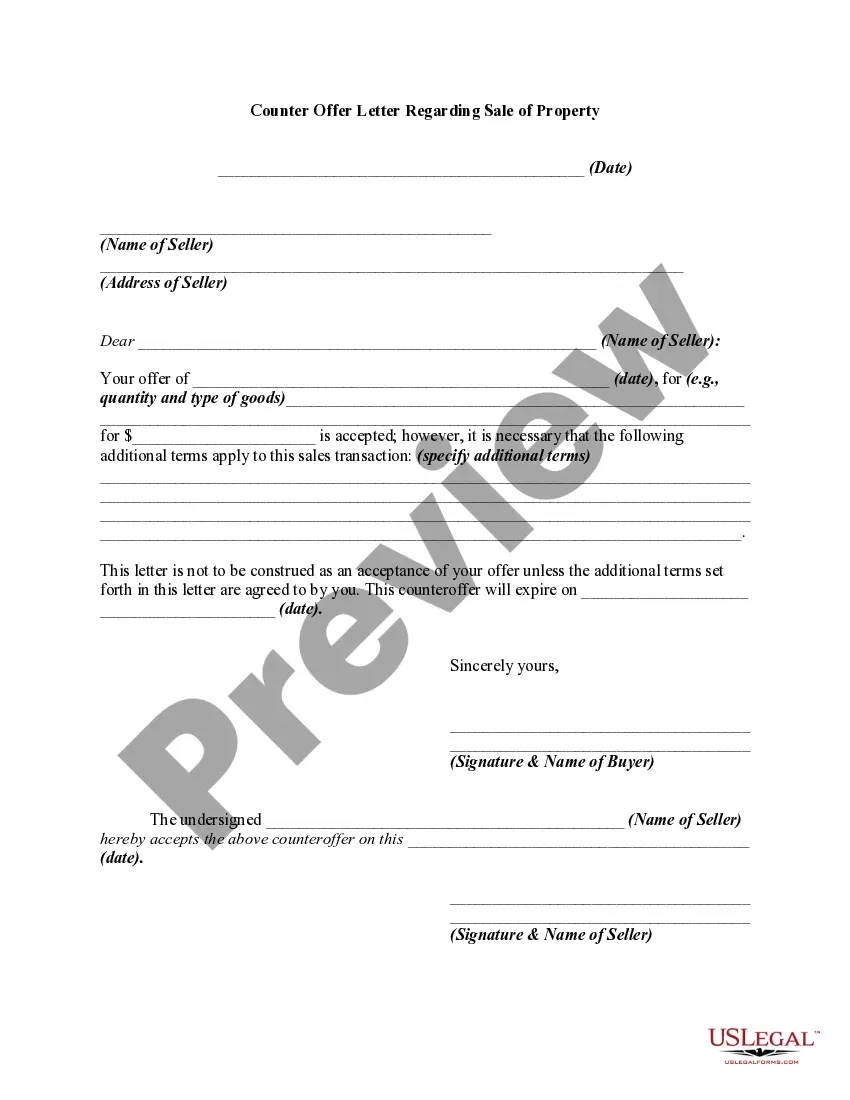
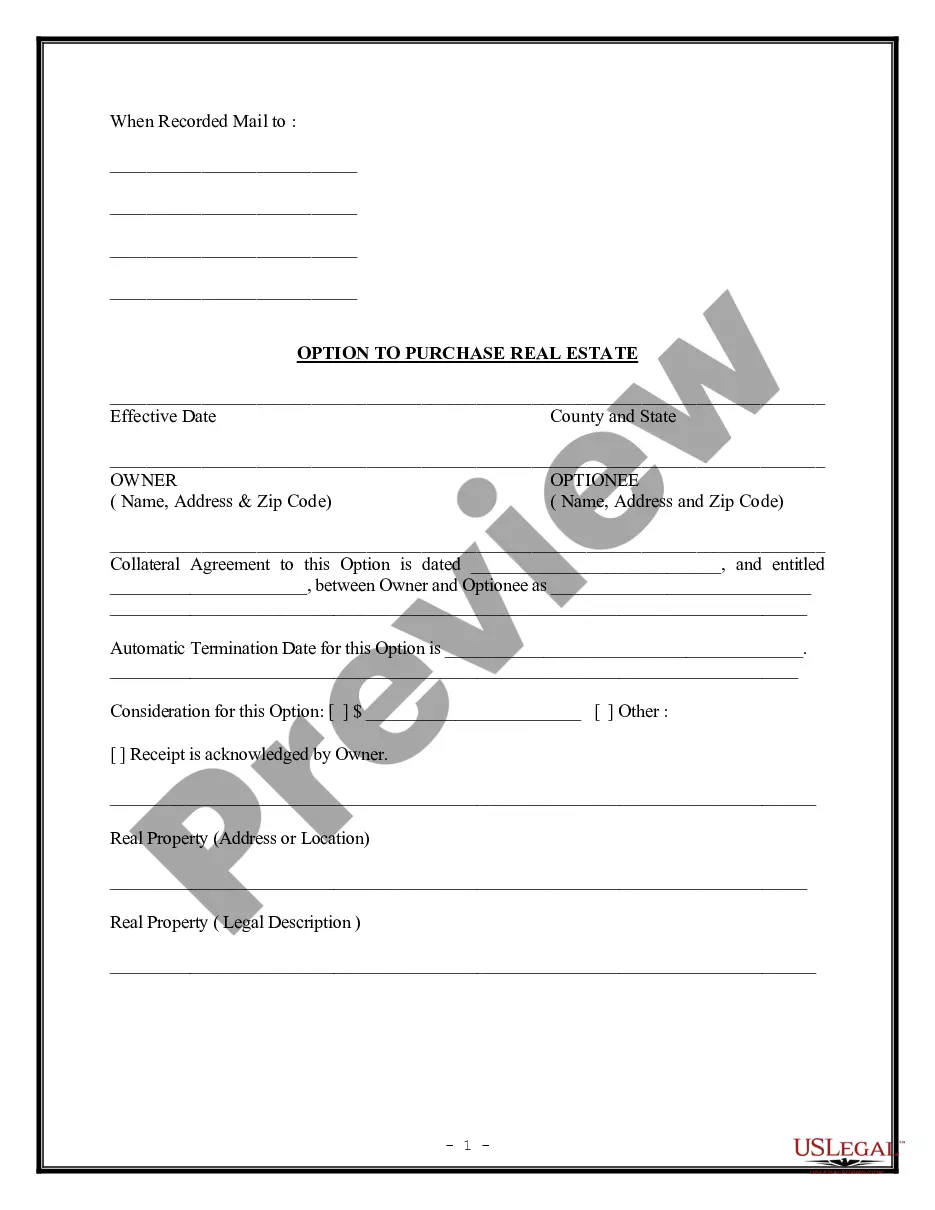
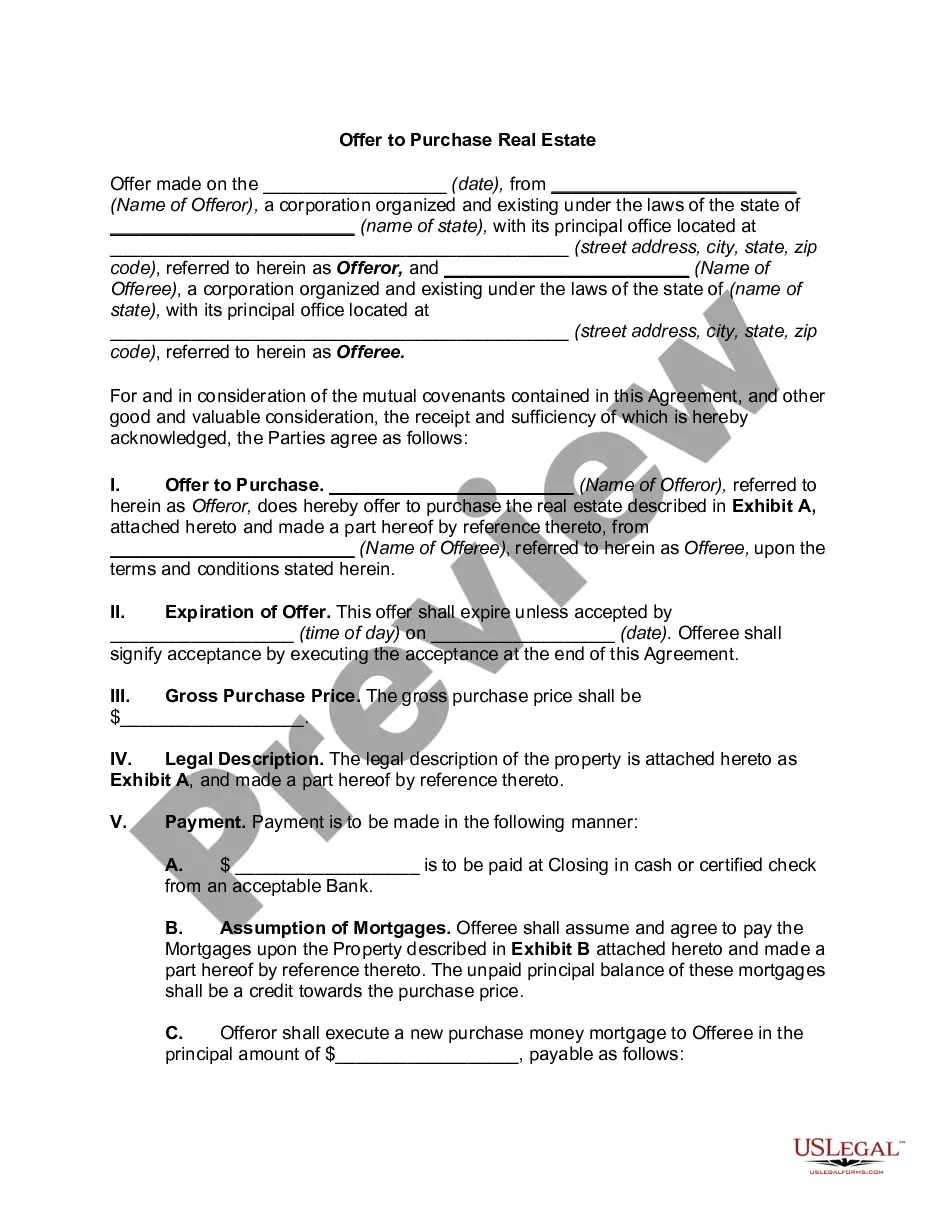
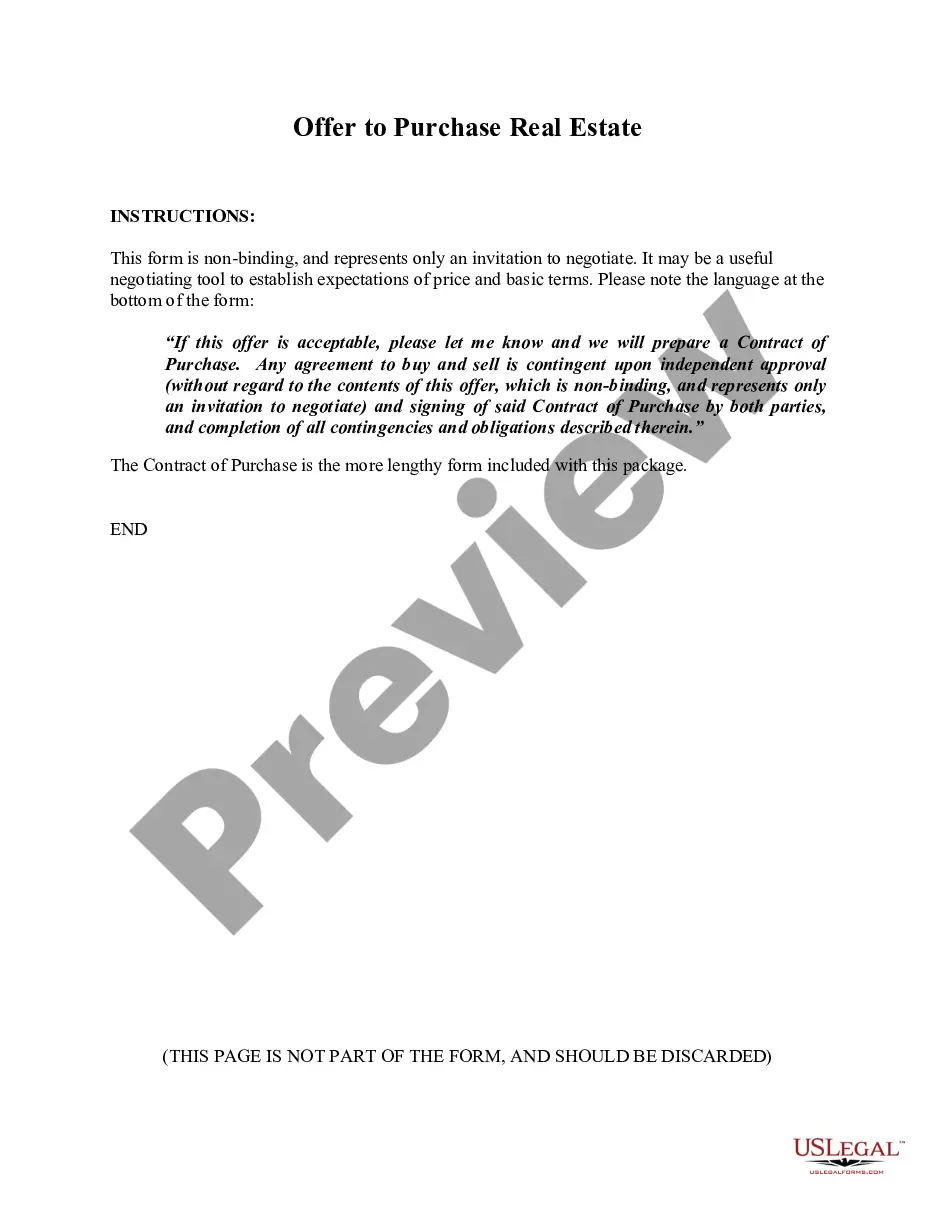
Get your form ready online
Our built-in tools help you complete, sign, share, and store your documents in one place.
Make edits, fill in missing information, and update formatting in US Legal Forms—just like you would in MS Word.
Download a copy, print it, send it by email, or mail it via USPS—whatever works best for your next step.
Sign and collect signatures with our SignNow integration. Send to multiple recipients, set reminders, and more. Go Premium to unlock E-Sign.
If this form requires notarization, complete it online through a secure video call—no need to meet a notary in person or wait for an appointment.
We protect your documents and personal data by following strict security and privacy standards.

Make edits, fill in missing information, and update formatting in US Legal Forms—just like you would in MS Word.

Download a copy, print it, send it by email, or mail it via USPS—whatever works best for your next step.

Sign and collect signatures with our SignNow integration. Send to multiple recipients, set reminders, and more. Go Premium to unlock E-Sign.

If this form requires notarization, complete it online through a secure video call—no need to meet a notary in person or wait for an appointment.

We protect your documents and personal data by following strict security and privacy standards.
Looking for another form?
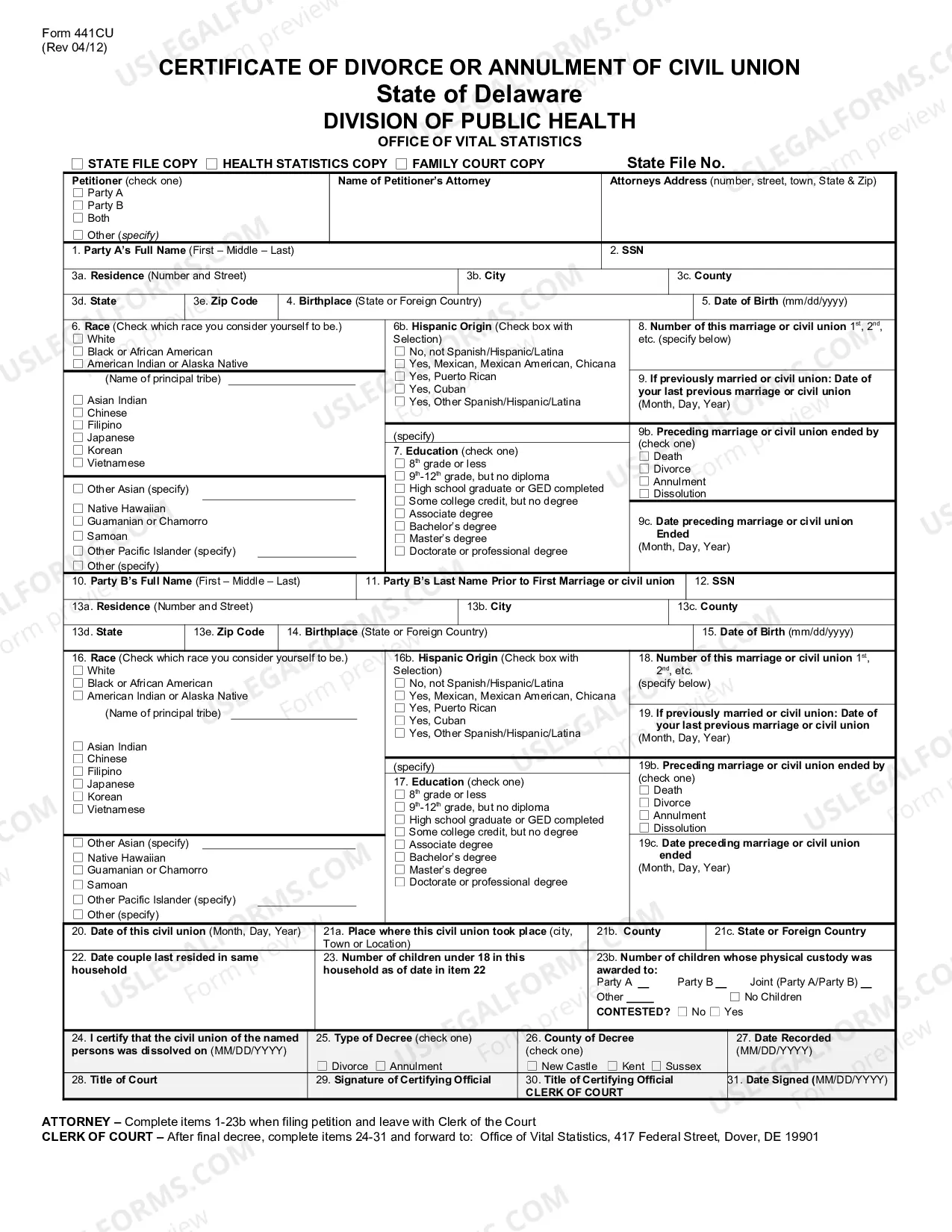
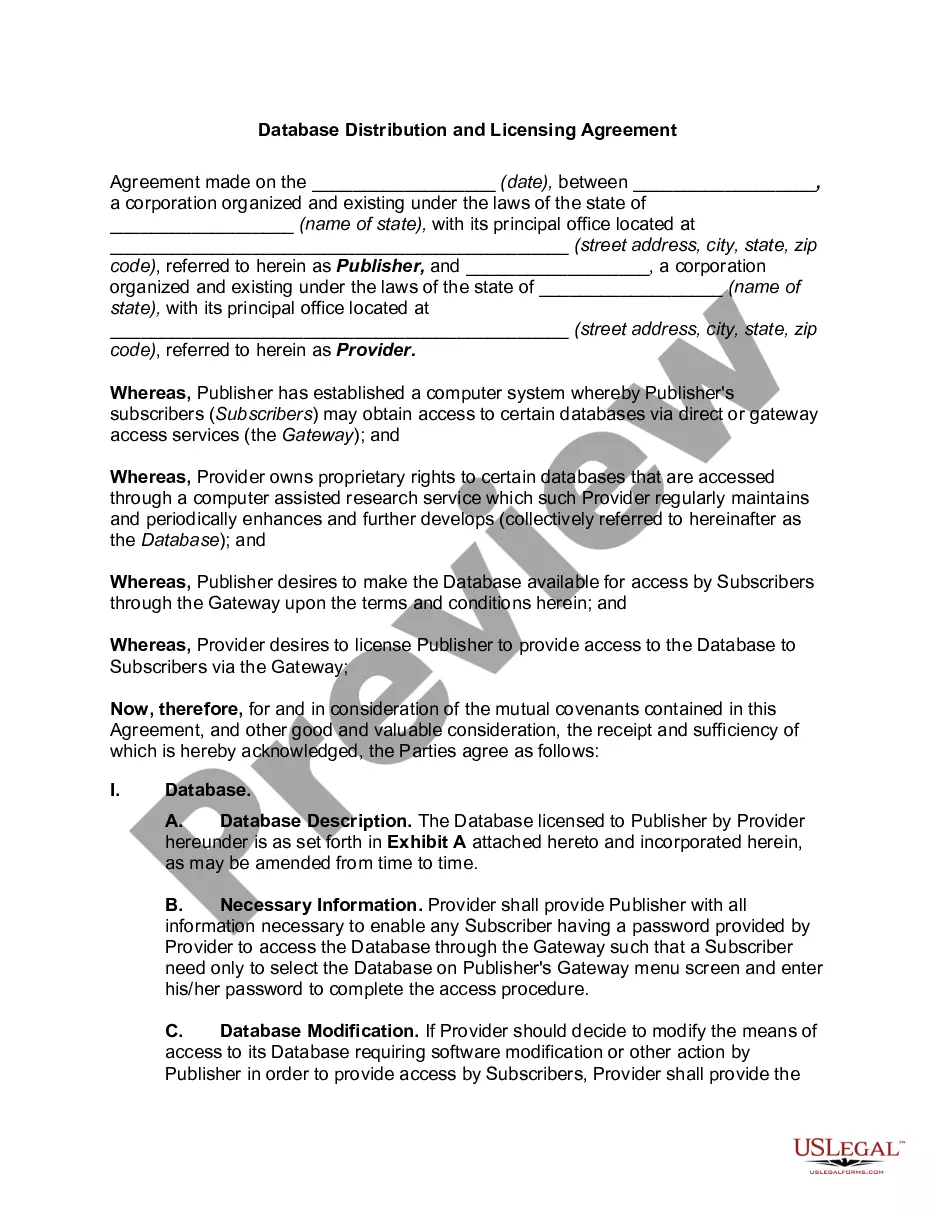
How to fill out Counter Offer To Purchase 3 - Residential?
Finding the appropriate legal document format can be a challenge.
Certainly, there are numerous templates accessible online, but how can you get the legal form you require.
Utilize the US Legal Forms website. The platform offers a multitude of templates, including the Kentucky Counter Offer to Purchase 3 - Residential, which can be utilized for commercial and personal purposes.
You can review the form using the Preview button and examine the form outline to ensure it meets your needs.
- All forms are reviewed by professionals and meet state and federal requirements.
- If you are already registered, Log In to your account and click the Obtain button to access the Kentucky Counter Offer to Purchase 3 - Residential.
- Use your account to view the legal forms you have previously acquired.
- Go to the My documents tab in your account and retrieve another copy of the document you need.
- If you are a new user of US Legal Forms, here are straightforward instructions to follow.
- First, ensure you have selected the correct form for your area or county.
Form popularity
FAQ
A counteroffer in the home buying process refers to a return offer given by the seller in response to the original bid. When a seller gets an offer, they can choose to accept, reject or counter. In return, if the seller makes a counteroffer, a buyer can choose to accept, reject or counter it.
A counteroffer in the home buying process refers to a return offer given by the seller in response to the original bid. When a seller gets an offer, they can choose to accept, reject or counter. In return, if the seller makes a counteroffer, a buyer can choose to accept, reject or counter it.
Well, the short answer is yes. Absolutely, the seller can counter your offer above the listing price, says David Welch, a Realtor® in Winter Park, FL. Whether or not the property will appraise is a different question. That, of course, is one of the difficulties of finding the right price for a home.
You can increase your asking price by enough to still get as high as your list price after paying the buyer's closing costs. If your list price is $200,000, and the buyer offers $190,000 with $6,000 toward closing, you would counter with something between $196,000 and $206,000, with $6,000 for closing costs.
A counteroffer functions as both a rejection of an offer to enter into a contract, as well as a new offer that materially changes the terms of the original offer. Because a counteroffer serves as a rejection, it completely voids the original offer. This means that the original offer can no longer be accepted.
If they like two or more offers and want to counter them, they have an option to issue a Multiple Counter Offer. With the multiple counter offer process, the seller decides after one or more of the buyers accepts (or if they counter back and forth, or if one buyer improves his or her offer).
Do Not Anticipate A Fixed Number Of Rounds You may have been told you should always make at least two or three counter offers before accepting a salary. Some recommend even more rounds of negotiation. However, every situation is different. If you're happy with the second offer, there's no need to push beyond that.
Some negative things can happen when you accept a counteroffer at your current company. Your loyalty could be questioned making it a hostile work environment, you might not be satisfied with the job in the long term, you might not be appreciated as an employee, and you might not be getting paid enough.
When it comes to counter offers in real estate, there's no set number that constitutes the norm. A buyer and seller could go back and forth with one or many. But in most cases, there are only so many counter offers a potential buyer and seller will make before a real estate transaction just falls through.
When the seller receives a low offer, the seller can counter with a price that is deemed reasonable. The buyer can either accept that offer or counter again. The seller can counter the offer. The person receiving the counteroffer does not have to accept it.