Kentucky Petition for Forfeiture
Description
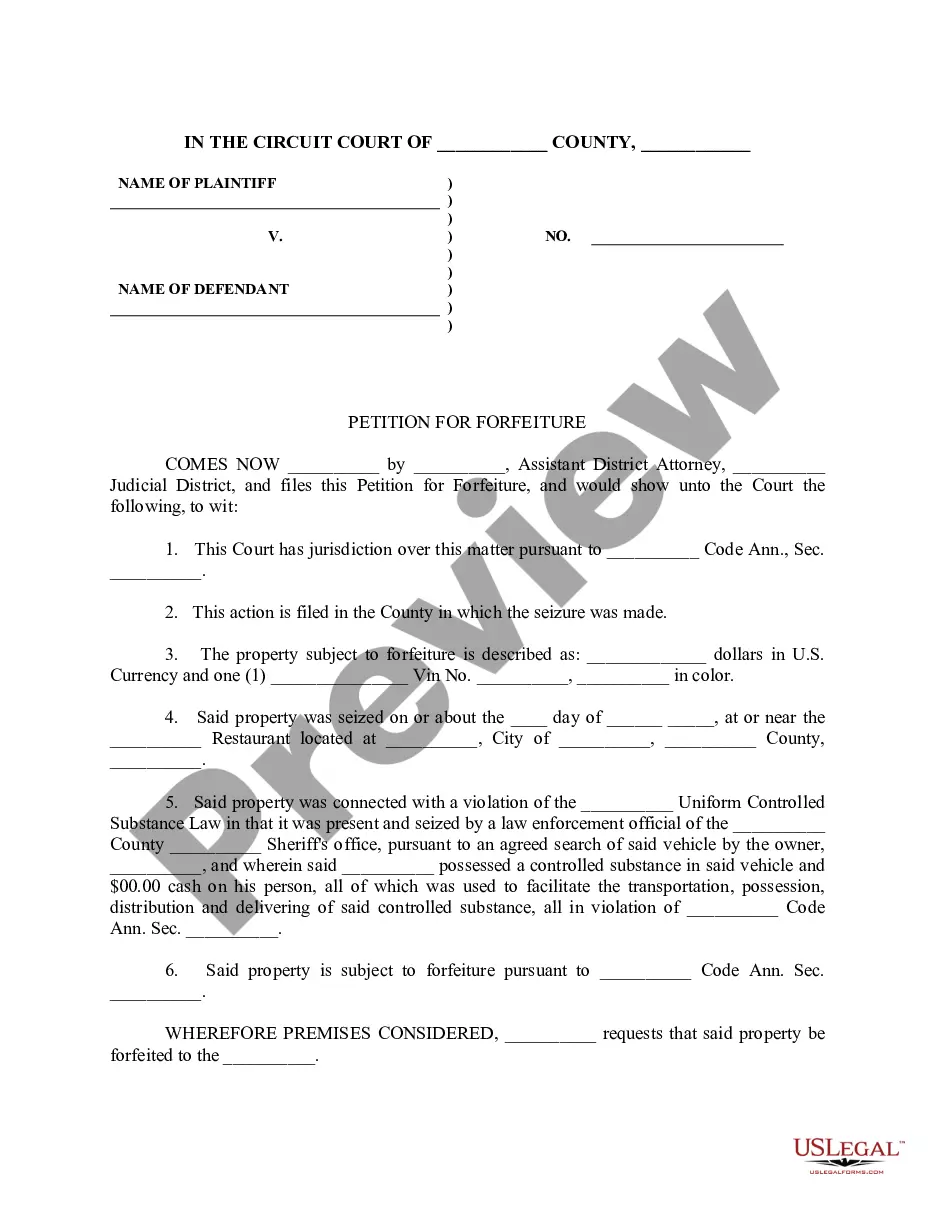

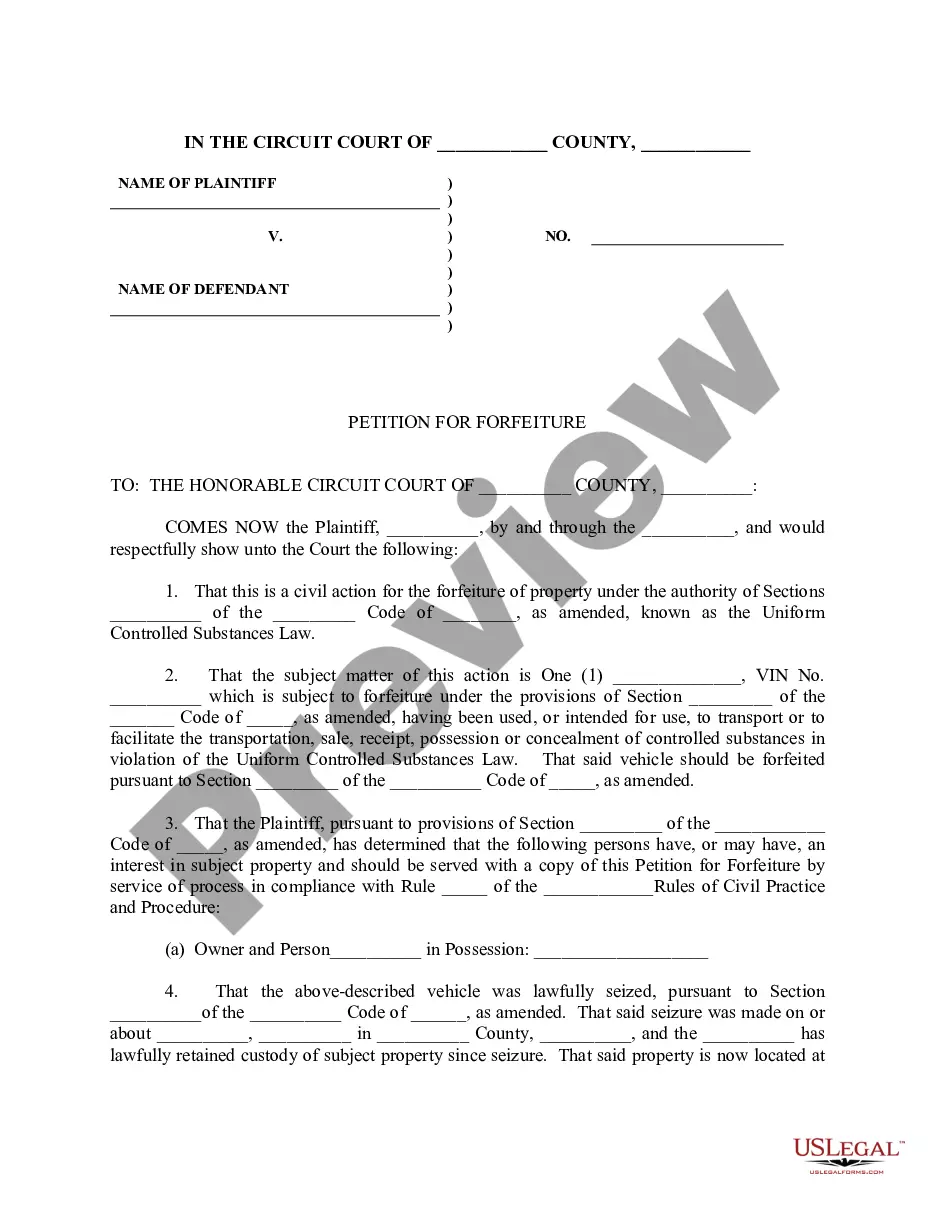
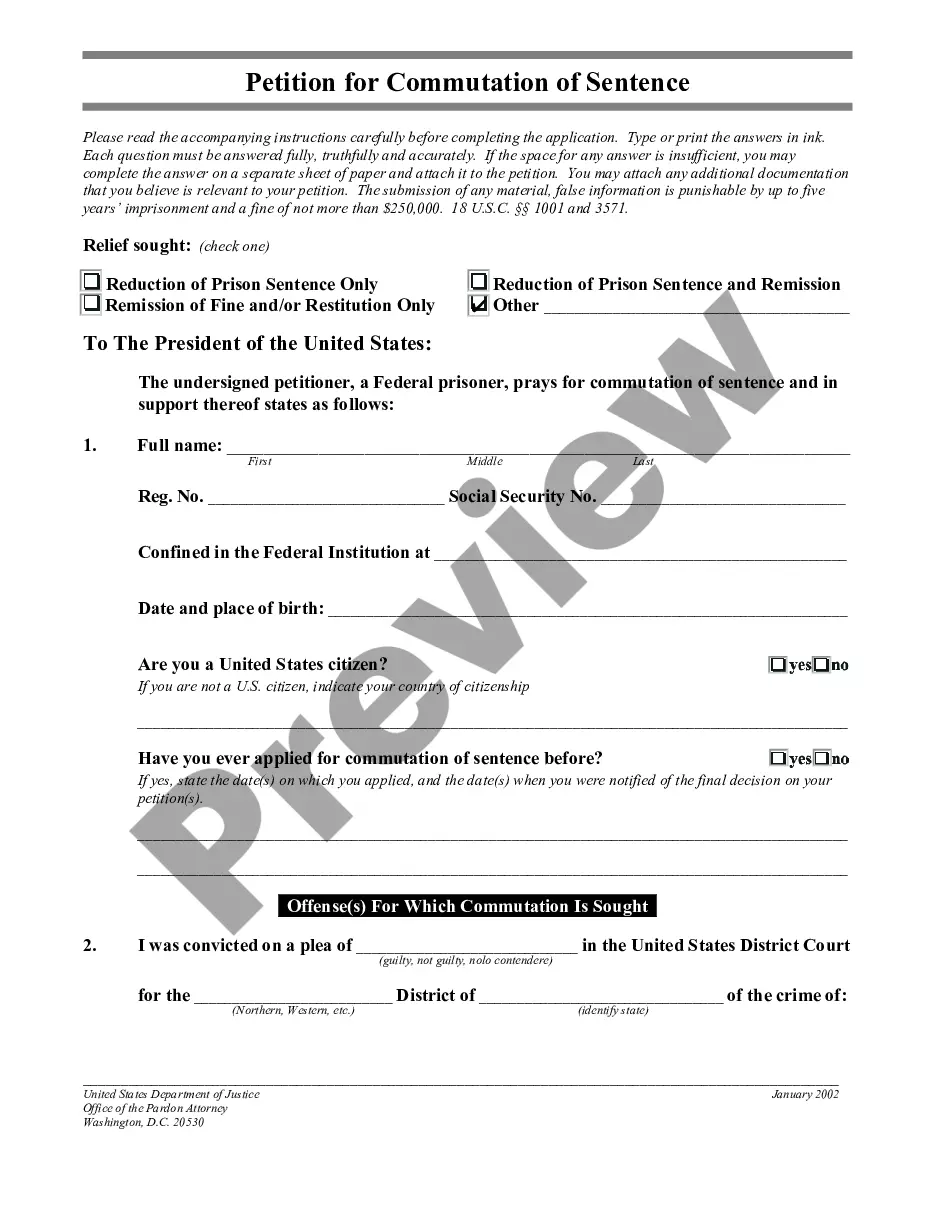




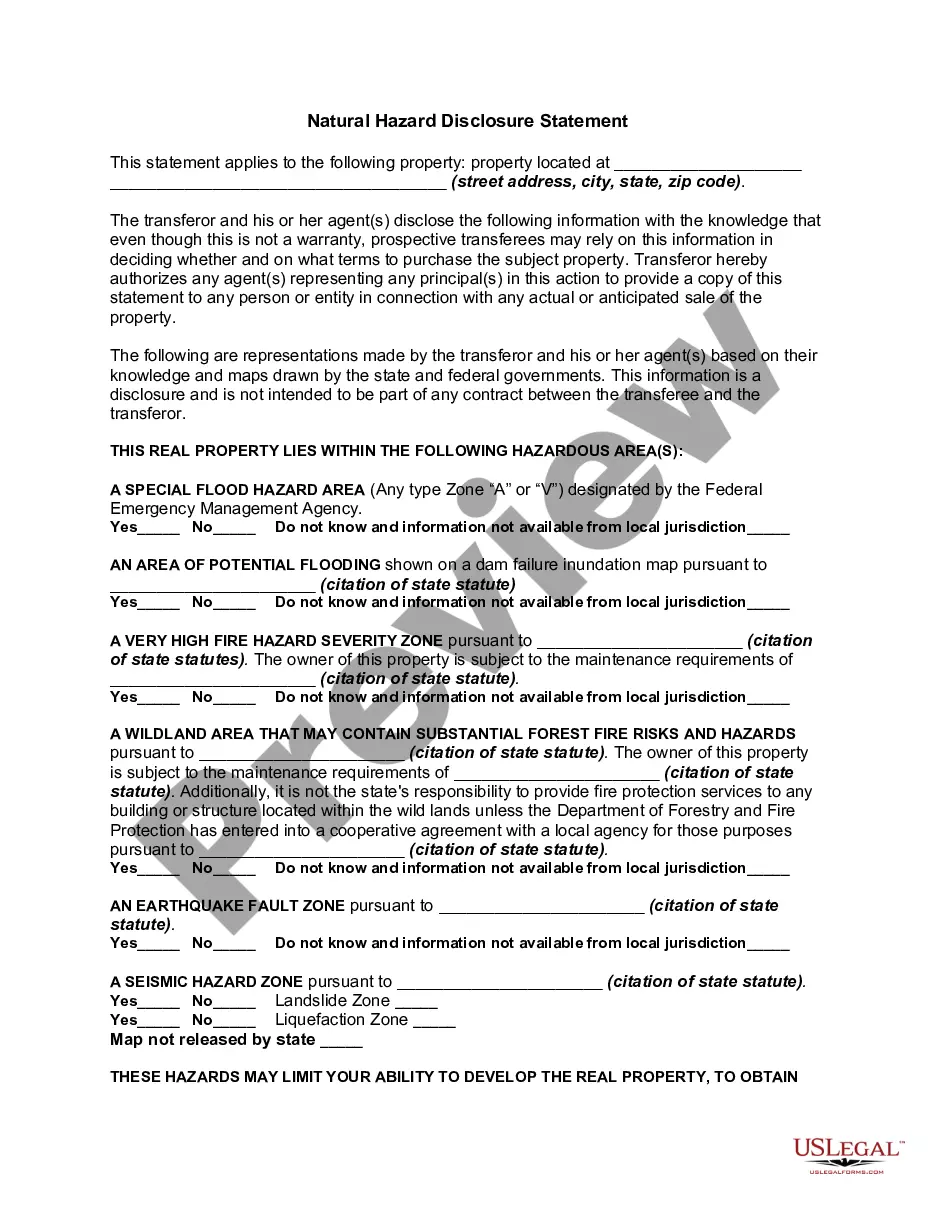

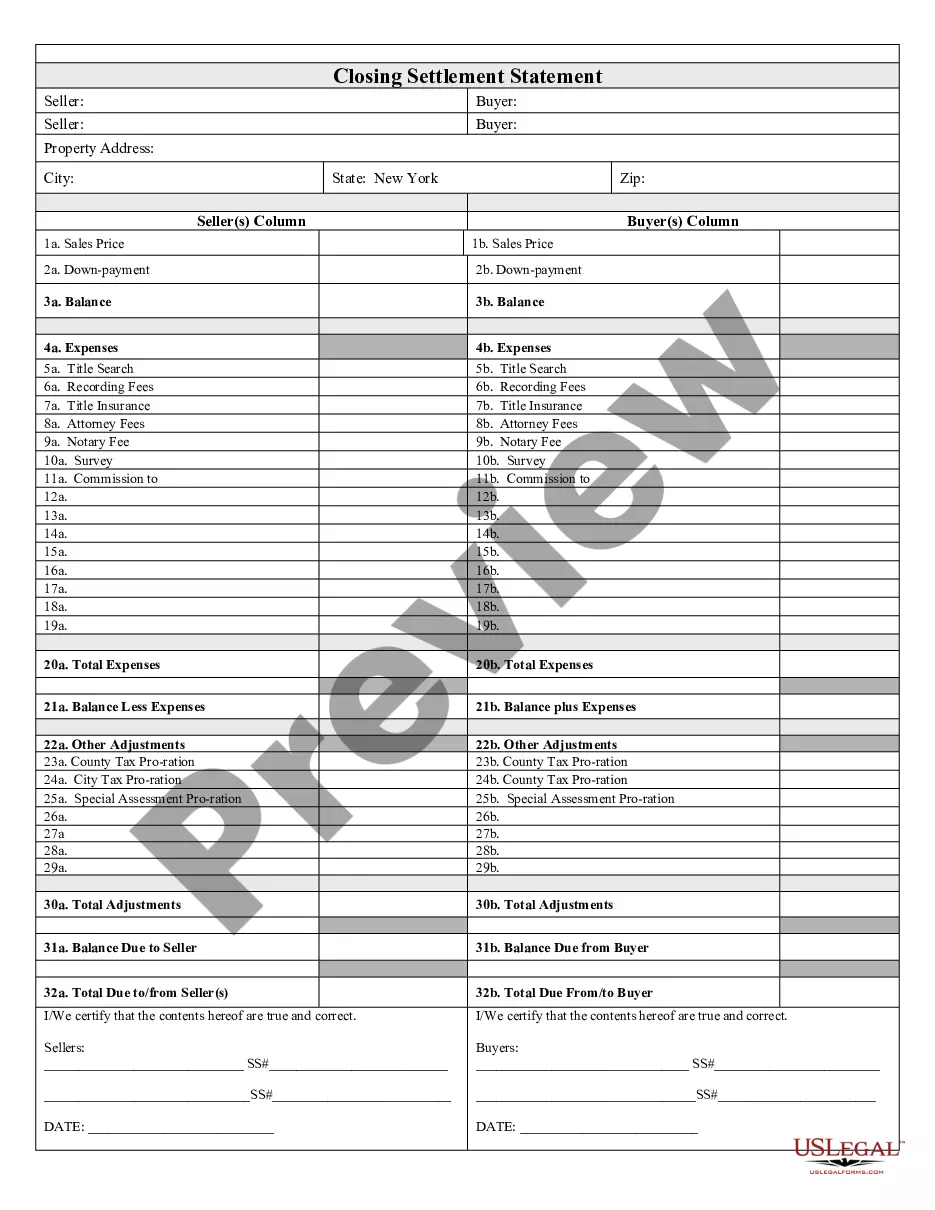
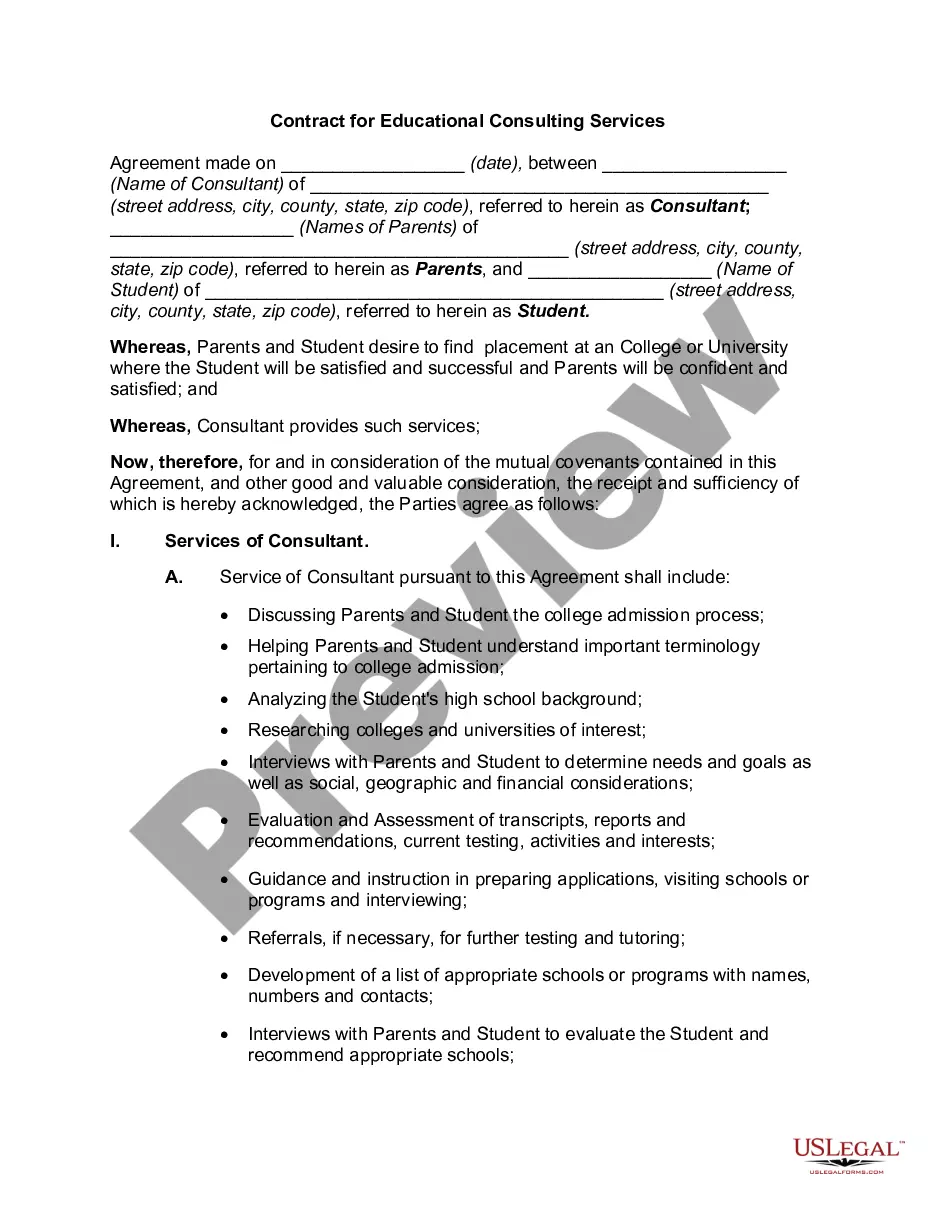


How to fill out Petition For Forfeiture?
Selecting the appropriate legal document format can be a challenge. Of course, there are numerous templates accessible online, but how do you find the legal form you need? Utilize the US Legal Forms website. This service offers thousands of templates, including the Kentucky Petition for Forfeiture, which can be utilized for both business and personal purposes. All forms are reviewed by experts and comply with state and federal regulations.
If you are already registered, Log In to your account and click the Download button to obtain the Kentucky Petition for Forfeiture. Use your account to browse through the legal forms you have previously purchased. Visit the My documents section of your account and retrieve another copy of the document you need.
If you are a new user of US Legal Forms, here are simple instructions for you to follow: First, ensure you have selected the correct form for your area/county. You can review the form using the Review option and read the form description to confirm it is suitable for your needs. If the form does not meet your requirements, use the Search field to locate the correct form. Once you are confident the form is appropriate, select the Buy now button to purchase the form. Choose the pricing plan you want and enter the necessary information. Create your account and pay for the order using your PayPal account or credit card. Select the document format and download the legal document format to your device. Complete, modify, print, and sign the obtained Kentucky Petition for Forfeiture.
- US Legal Forms is the largest library of legal forms where you can find various document templates.
- Utilize the service to download professionally crafted documents that adhere to state requirements.
- Ensure the form you select is applicable to your specific region.
- Check the form description to guarantee it meets your needs.
- Consider the pricing options before completing your purchase.
- Keep a copy of the downloaded document for your records.
Form popularity
FAQ
Forfeiture is a legal mechanism whereby the government can take property that is used or acquired illegally, especially property associated with illicit drug trafficking.
The seizure of a bank account, for example, takes place when you lose the right to use the money in your account. Forfeiture occurs when your rights to the seized property are permanently lost through a court order or judgment. Forfeiture occurs after seizure, and seizure does not always end in forfeiture.
Forfeiture is broadly defined as the loss of property for failing to obey the law, and that property is generally lost to the state. A person may have a vested interest in property to be forfeit in two ways: In personum jurisdiction and in rem jurisdiction.
Forfeiture refers to a loss of any property, money, or assets without consideration or compensation in return. A forfeiture generally occurs due to default in complying with repayment obligations under a contract. It can also be used as a penalty for an illegal way of conducting business.
Criminal forfeiture is an action brought as a part of the criminal prosecution of a defendant. It is an in personam (against the person) action and requires that the government indict (charge) the property used or derived from the crime along with the defendant.
§982. Criminal forfeiture. (a)(1) The court, in imposing sentence on a person convicted of an offense in violation of section 1956, 1957, or 1960 of this title, shall order that the person forfeit to the United States any property, real or personal, involved in such offense, or any property traceable to such property.
Under Federal law, there are three (3) types of forfeiture: criminal forfeiture, civil judicial forfeiture, and administrative forfeiture.
Grounds for forfeiture A person may face civil or criminal asset forfeiture if he or she possesses property that is allegedly tied to illegal activity. This includes any property used during the commission of crimes, such as vehicles used to transport narcotics.