Kentucky Satisfaction of Judgment
What this document covers
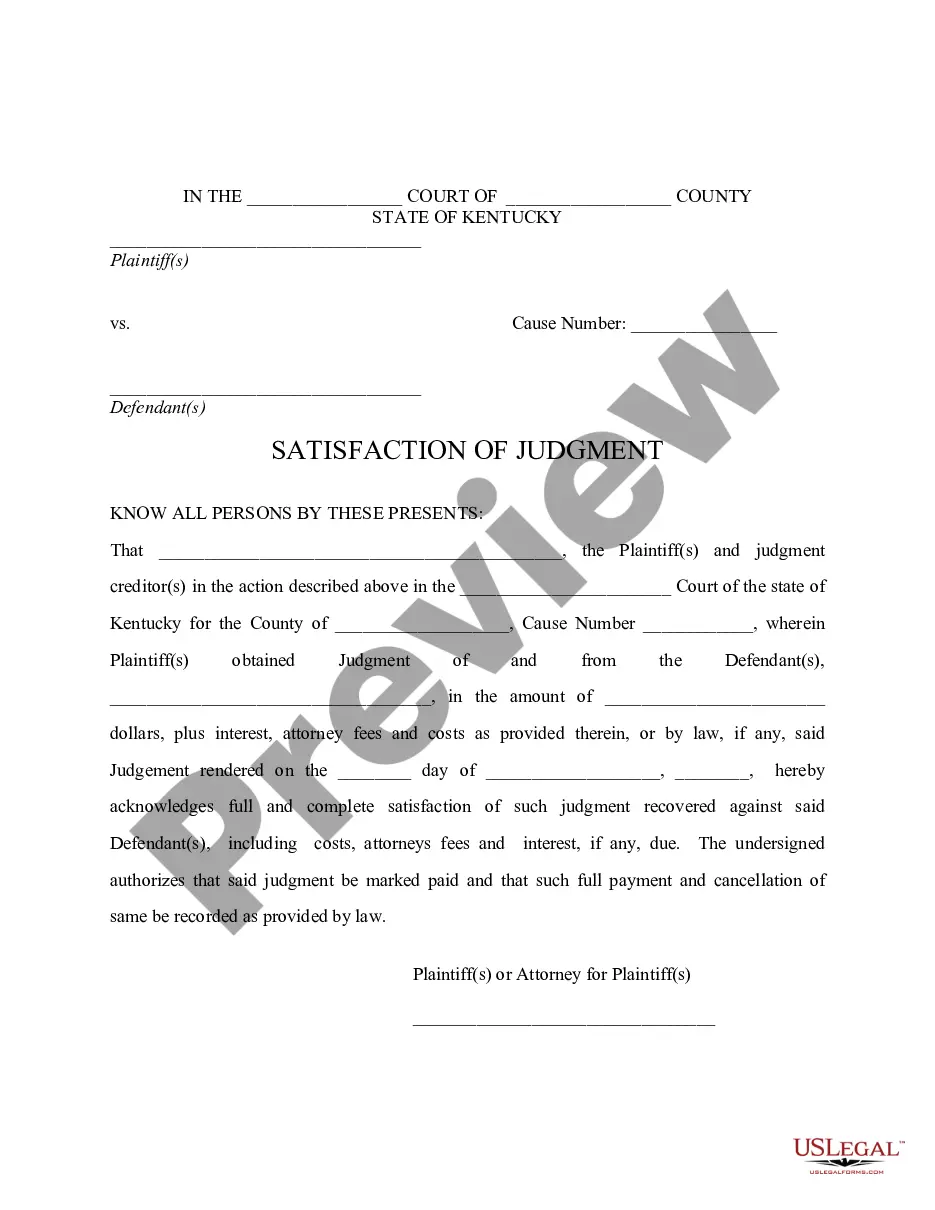
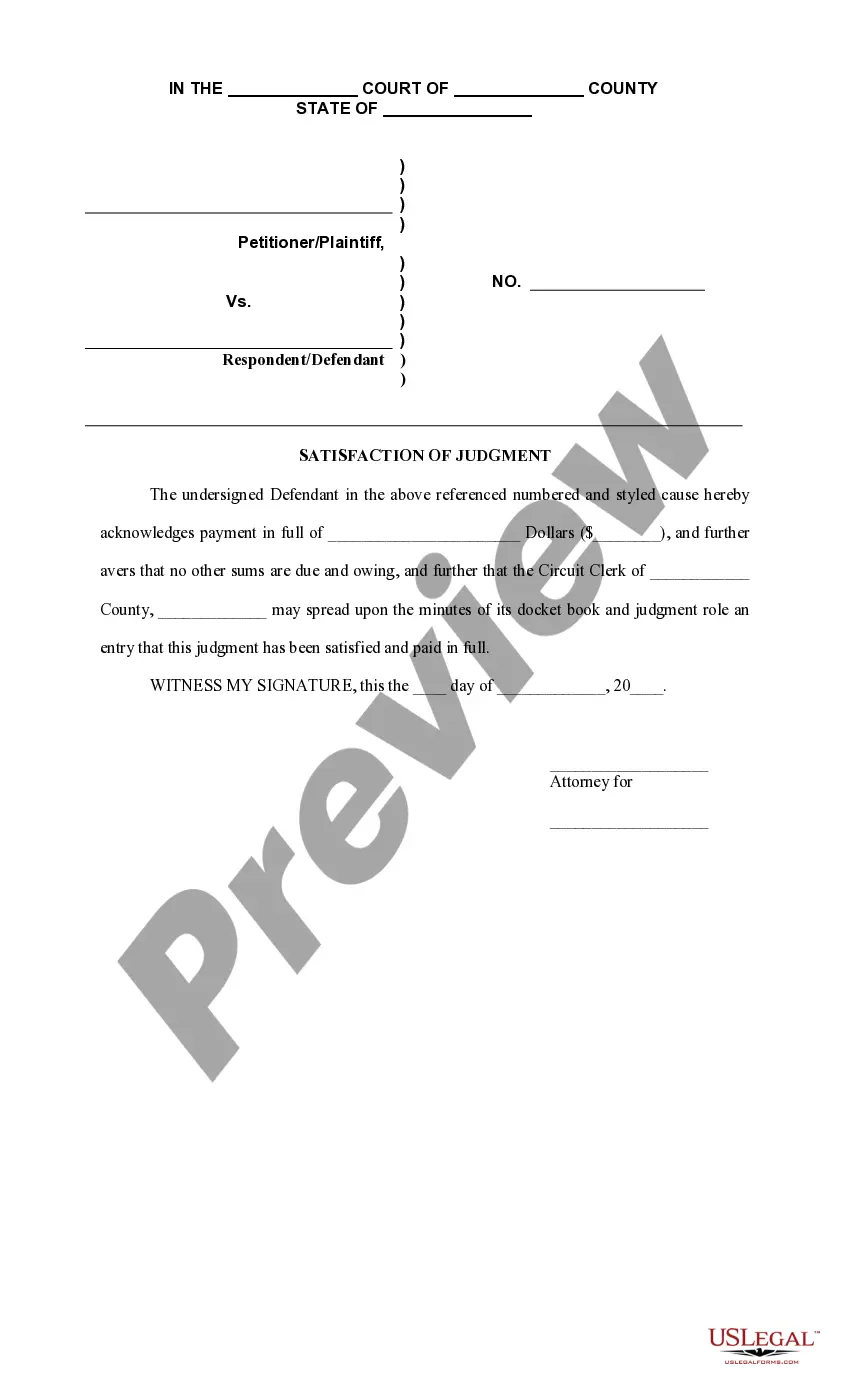
The Kentucky Satisfaction of Judgment is a legal document used to formally declare that a judgment issued against a debtor has been fully satisfied. Unlike a judgment, which signifies that a creditor has a legal claim to collect a debt, this form indicates that the debtor has paid the amount owed, including any applicable interest and fees. This helps to clear the debtorâs record with the court and confirms that they are no longer in debt to the creditor.
Main sections of this form
- Identification of the court and county where the judgment was rendered.
- Details of the plaintiff(s) and defendant(s) involved in the judgment.
- The case number associated with the original judgment.
- Confirmation that the judgment amount has been paid in full, including interest and fees.
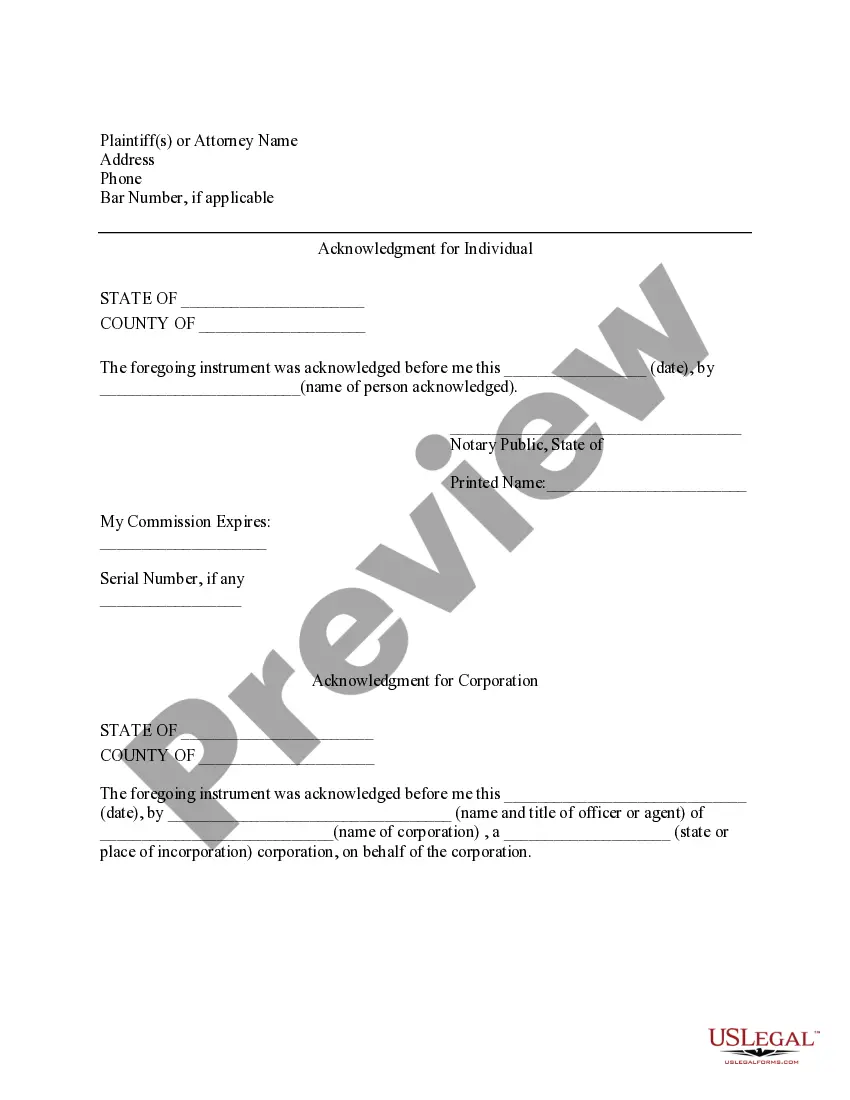
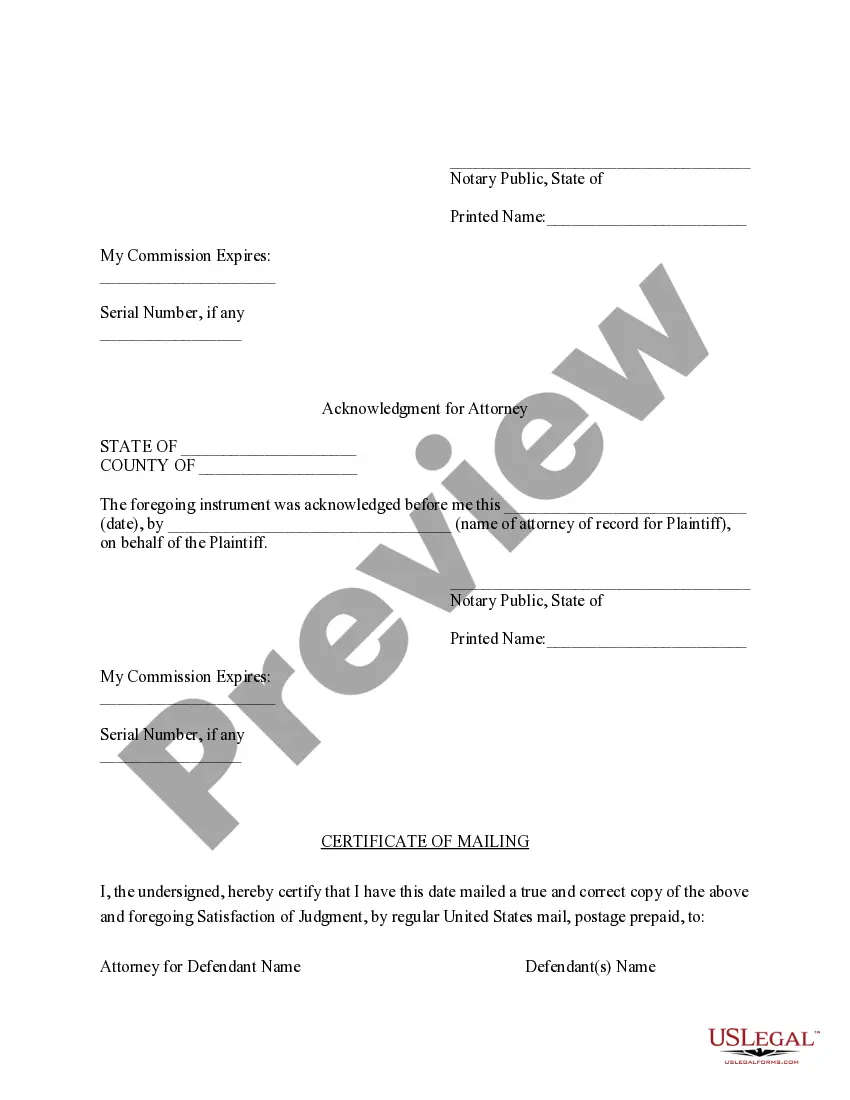
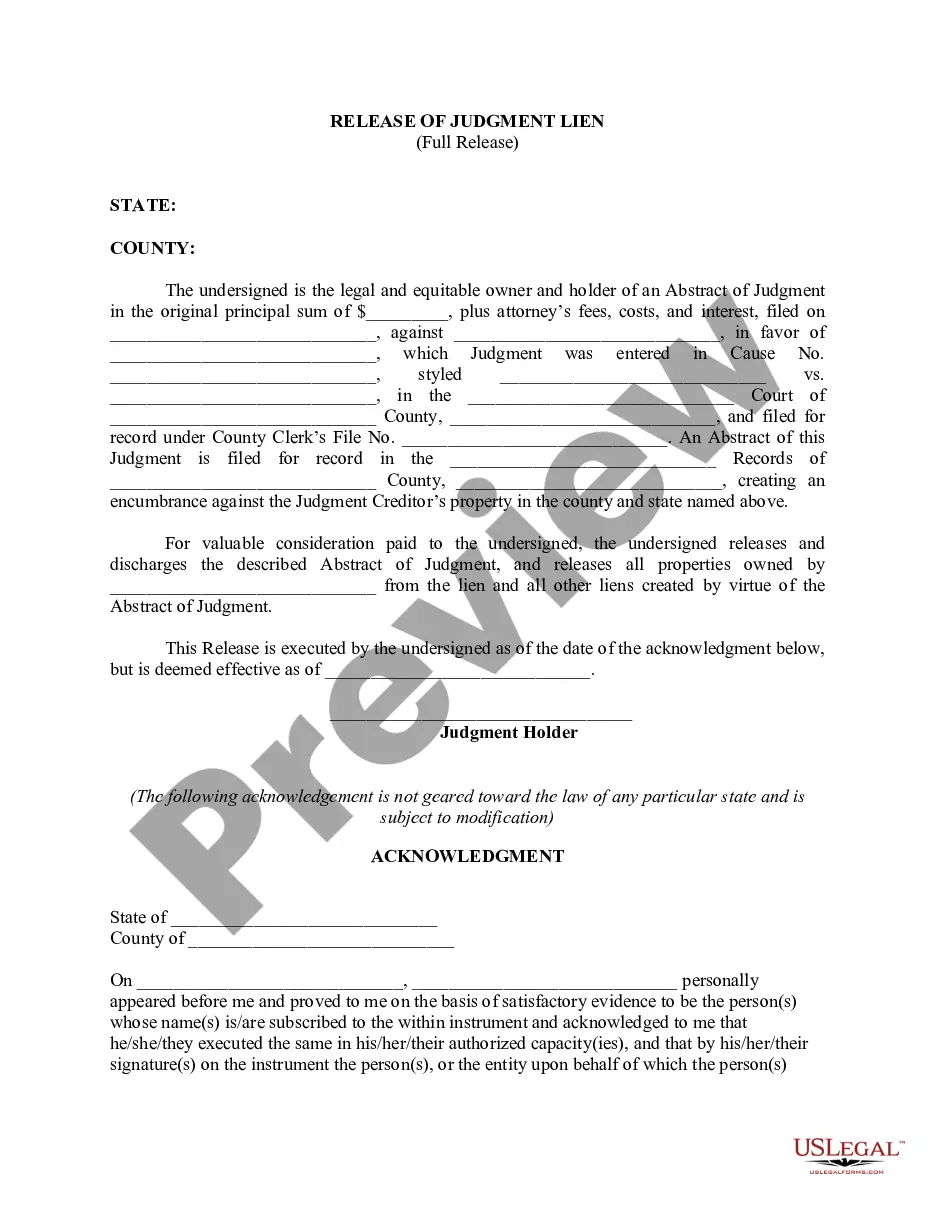
- Notary acknowledgment sections for individual and corporate parties.
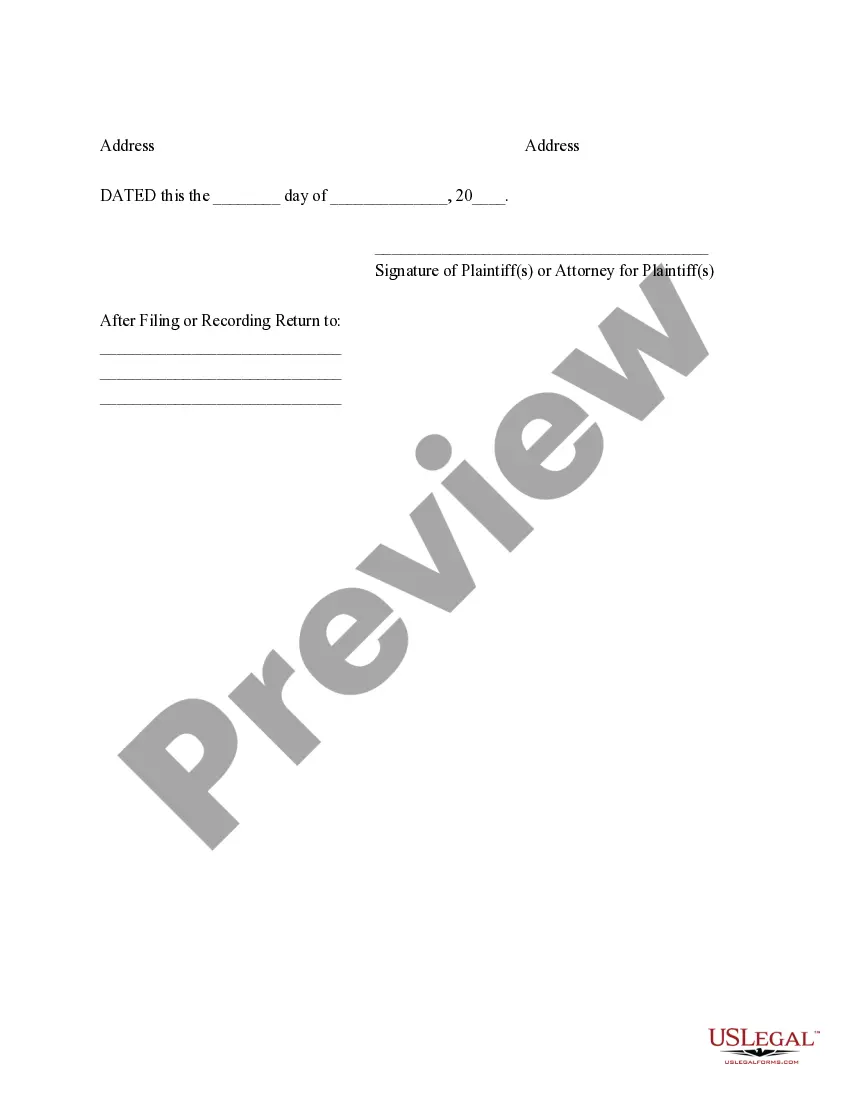
- Certificate of mailing to notify the defendant of the judgment satisfaction.


When to use this form
This form should be used when a debtor has fully paid a judgment and wishes to officially notify the court and creditor that the debt has been satisfied. It is necessary when the debtor wants to clear their legal obligations and ensure that their credit record reflects this fulfillment. Situations may include paying off a debt in full following a lawsuit or settling a financial dispute with a creditor.
Intended users of this form
This form is intended for:
- Debtors who have satisfied a court judgment against them.
- Creditors who wish to acknowledge receipt of payment in full.
- Attorneys representing either party in the judgment process.
How to complete this form
- Identify the court and county where the judgment was rendered.
- Enter the names of the plaintiff(s) and defendant(s) involved in the case.
- Fill in the cause number associated with the original judgment.
- State the amount paid in satisfaction of the judgment, including any interest and fees, if applicable.
- Have the form notarized by an authorized notary public.
- Submit the signed document to the appropriate court and provide a copy to the defendant.
Notarization requirements for this form
Yes, this form must be notarized to be legally valid. This ensures that the acknowledgement of the payment is authenticated and accepted by the court. US Legal Forms offers integrated online notarization services that are secure and available 24/7, eliminating the need for travel to a notary's office.
Get your form ready online
Our built-in tools help you complete, sign, share, and store your documents in one place.
Make edits, fill in missing information, and update formatting in US Legal Forms—just like you would in MS Word.
Download a copy, print it, send it by email, or mail it via USPS—whatever works best for your next step.
Sign and collect signatures with our SignNow integration. Send to multiple recipients, set reminders, and more. Go Premium to unlock E-Sign.
If this form requires notarization, complete it online through a secure video call—no need to meet a notary in person or wait for an appointment.
We protect your documents and personal data by following strict security and privacy standards.

Make edits, fill in missing information, and update formatting in US Legal Forms—just like you would in MS Word.

Download a copy, print it, send it by email, or mail it via USPS—whatever works best for your next step.

Sign and collect signatures with our SignNow integration. Send to multiple recipients, set reminders, and more. Go Premium to unlock E-Sign.

If this form requires notarization, complete it online through a secure video call—no need to meet a notary in person or wait for an appointment.

We protect your documents and personal data by following strict security and privacy standards.
Common mistakes
- Failing to include the correct court and case information.
- Not providing the total amount paid, including interest and fees.
- Neglecting to notarize the form, which can render it invalid.
- Not mailing or delivering copies of the form to necessary parties, such as the defendant.
Benefits of completing this form online
- Convenience of completing the form from home without the need for physical paperwork.
- Editability allows users to customize the document easily.
- Access to legal templates drafted by licensed attorneys, ensuring reliability and compliance with local laws.
What to keep in mind
- The Kentucky Satisfaction of Judgment formally states that a debt has been paid in full.
- It is essential for clearing a debtor's legal obligations and credit record.
- Completion requires accurate information and notarization.
Looking for another form?
Form popularity
FAQ
While avoiding a judgment is not advisable, approaching the issue proactively is key. You can negotiate with creditors to reach a settlement that you can afford, or consider seeking legal counsel for alternative options. Moreover, understanding the Kentucky Satisfaction of Judgment process allows you to tackle judgments legitimately and work to clear them effectively.
An offer of judgment in Kentucky represents a formal proposal to settle a dispute before a trial begins. It allows a party to make a settlement offer that the opposing party can accept or reject. If accepted, this can lead to a quicker resolution, impacting your Kentucky Satisfaction of Judgment positively. Consider exploring uslegalforms to create a professional offer of judgment.
Satisfaction by Levy A judgment creditor's obligation to give or file an acknowledgement of satisfaction arises only when the judgment creditor received the full amount required to satisfy the judgment from the levying officer.
Once a judgment is paid, whether in installments or a lump sum, a judgment creditor (the person who won the case) must acknowledge that the judgment has been paid by filing a Satisfaction of Judgment form with the court clerk.
If the judgment creditor does not immediately file an Acknowledgement of Satisfaction of Judgment (EJ-100) when the judgment is satisfied, the judgment debtor may make a formal written demand for the creditor to do so. The judgment creditor has 15 days after receiving the debtor's request to serve the acknowledgement.
A Satisfaction of Judgment is a document signed by one party acknowledge receipt of the payment. The Satisfaction of Judgment is then filed with the court. This is beneficial to the paying party for multiple reasons. One, the court is put on notice that the debt has been satisfied.
In order to vacate a judgment in California, You must file a motion with the court asking the judge to vacate or set aside the judgment. Among other things, you must tell the judge why you did not respond to the lawsuit (this can be done by written declaration).
Judgments are no longer factored into credit scores, though they are still public record and can still impact your ability to qualify for credit or loans.If a civil judgment is still on your credit report, file a dispute with the appropriate credit reporting agencies to have it removed.
Once a judgment is paid, whether in installments or a lump sum, a judgment creditor (the person who won the case) must acknowledge that the judgment has been paid by filing a Satisfaction of Judgment form with the court clerk.
Set up an answer document. Respond to all allegations in the Complaint. Make relevant affirmative defenses. Mail your answer to the court and to opposing counsel.