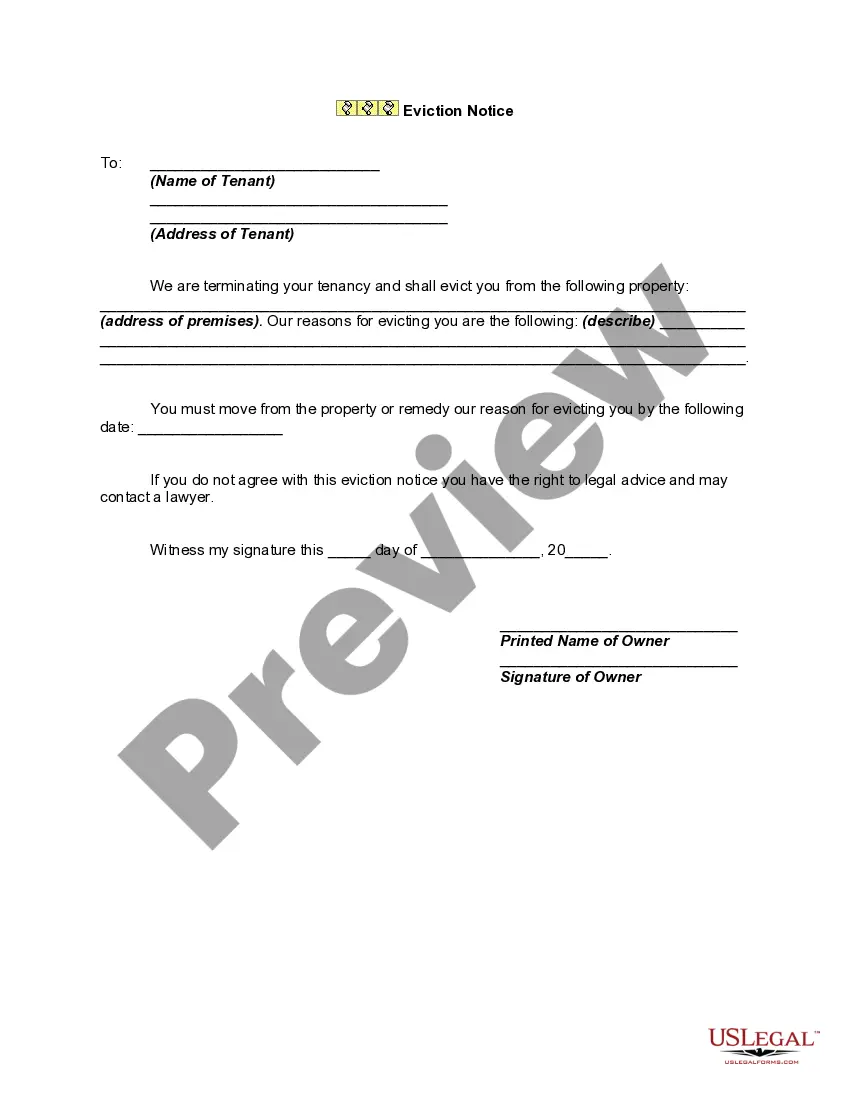
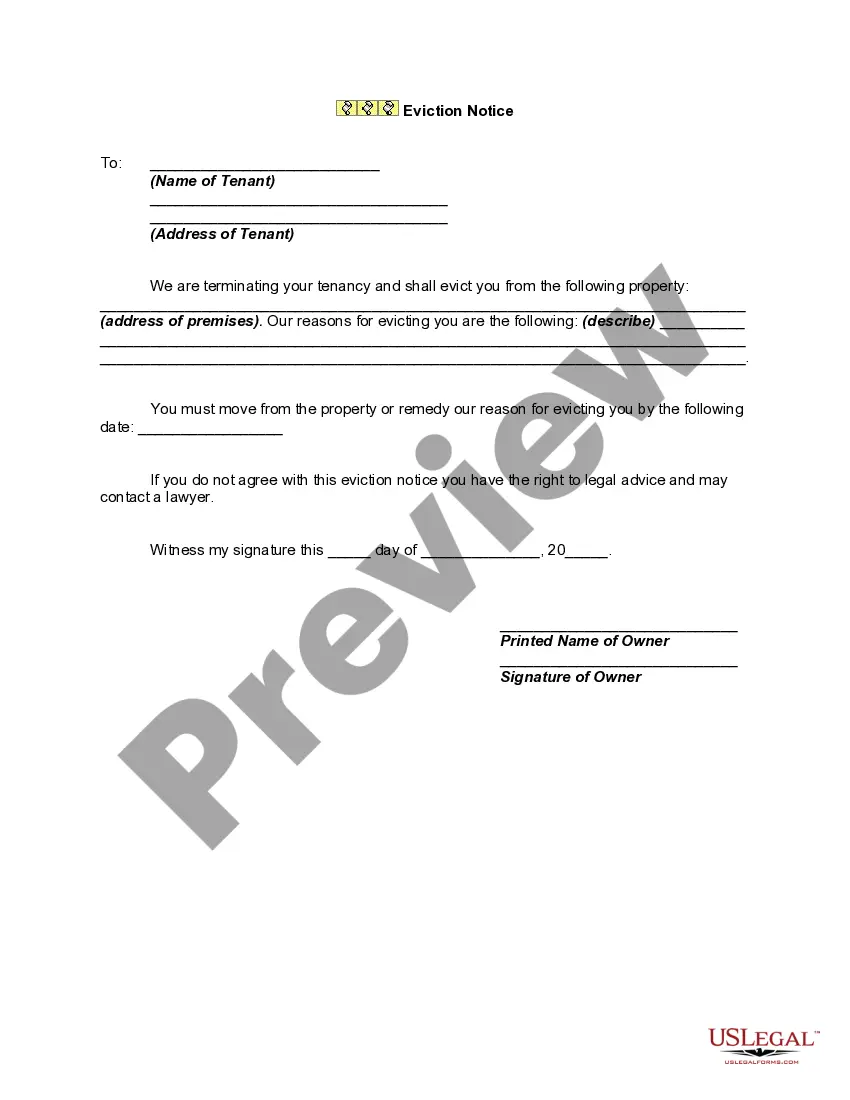
Kansas Eviction Notice
Description
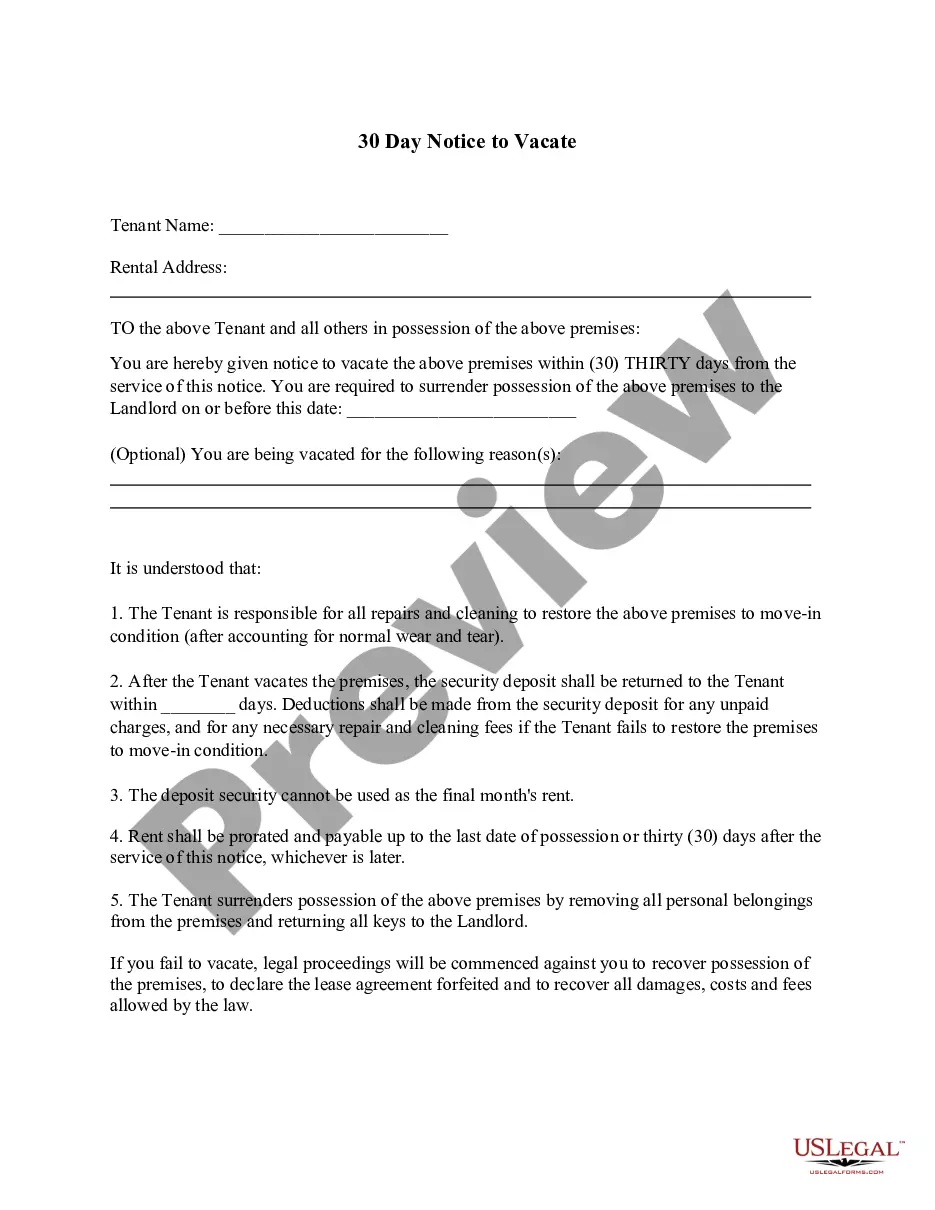
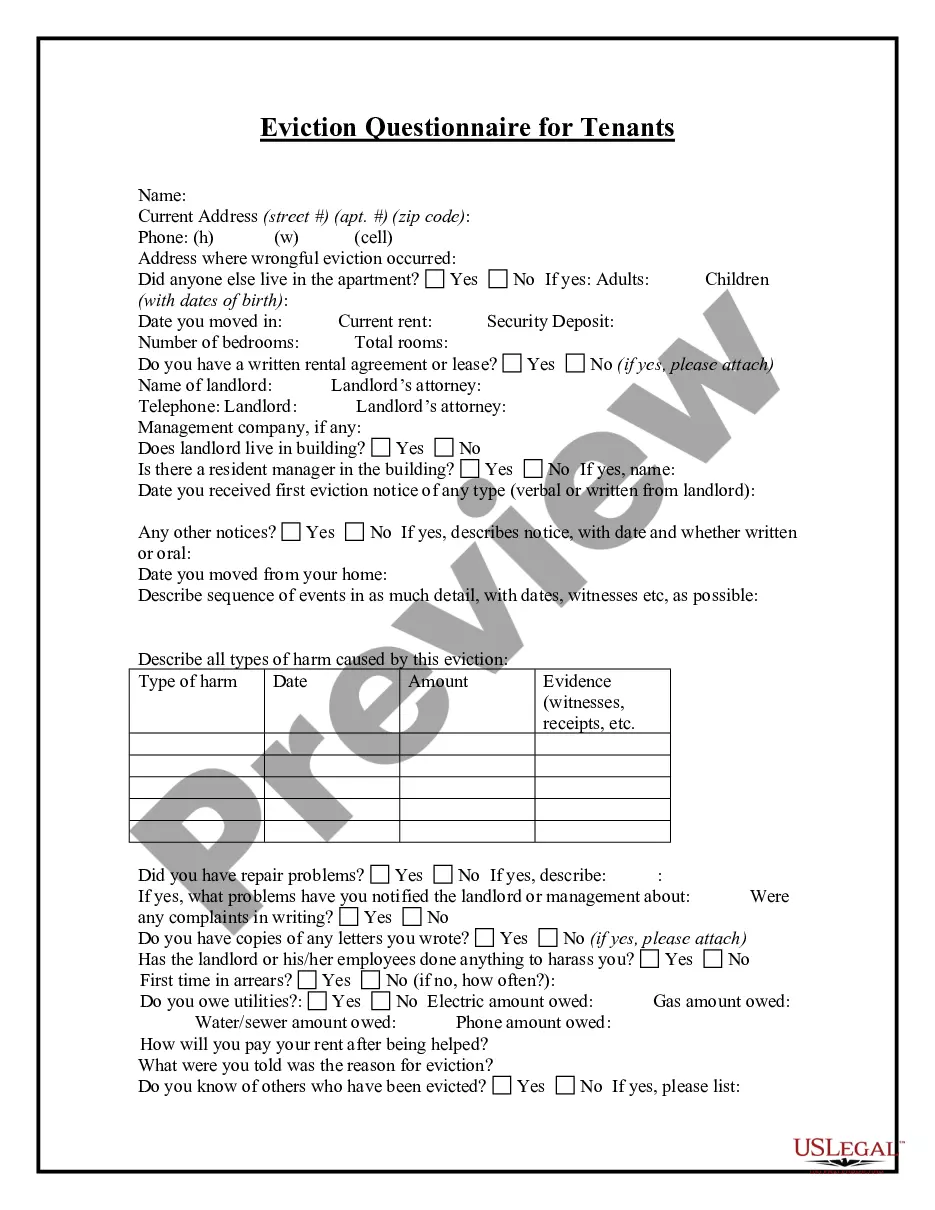
Get your form ready online
Our built-in tools help you complete, sign, share, and store your documents in one place.
Make edits, fill in missing information, and update formatting in US Legal Forms—just like you would in MS Word.
Download a copy, print it, send it by email, or mail it via USPS—whatever works best for your next step.
Sign and collect signatures with our SignNow integration. Send to multiple recipients, set reminders, and more. Go Premium to unlock E-Sign.
If this form requires notarization, complete it online through a secure video call—no need to meet a notary in person or wait for an appointment.
We protect your documents and personal data by following strict security and privacy standards.

Make edits, fill in missing information, and update formatting in US Legal Forms—just like you would in MS Word.

Download a copy, print it, send it by email, or mail it via USPS—whatever works best for your next step.

Sign and collect signatures with our SignNow integration. Send to multiple recipients, set reminders, and more. Go Premium to unlock E-Sign.

If this form requires notarization, complete it online through a secure video call—no need to meet a notary in person or wait for an appointment.

We protect your documents and personal data by following strict security and privacy standards.
Looking for another form?





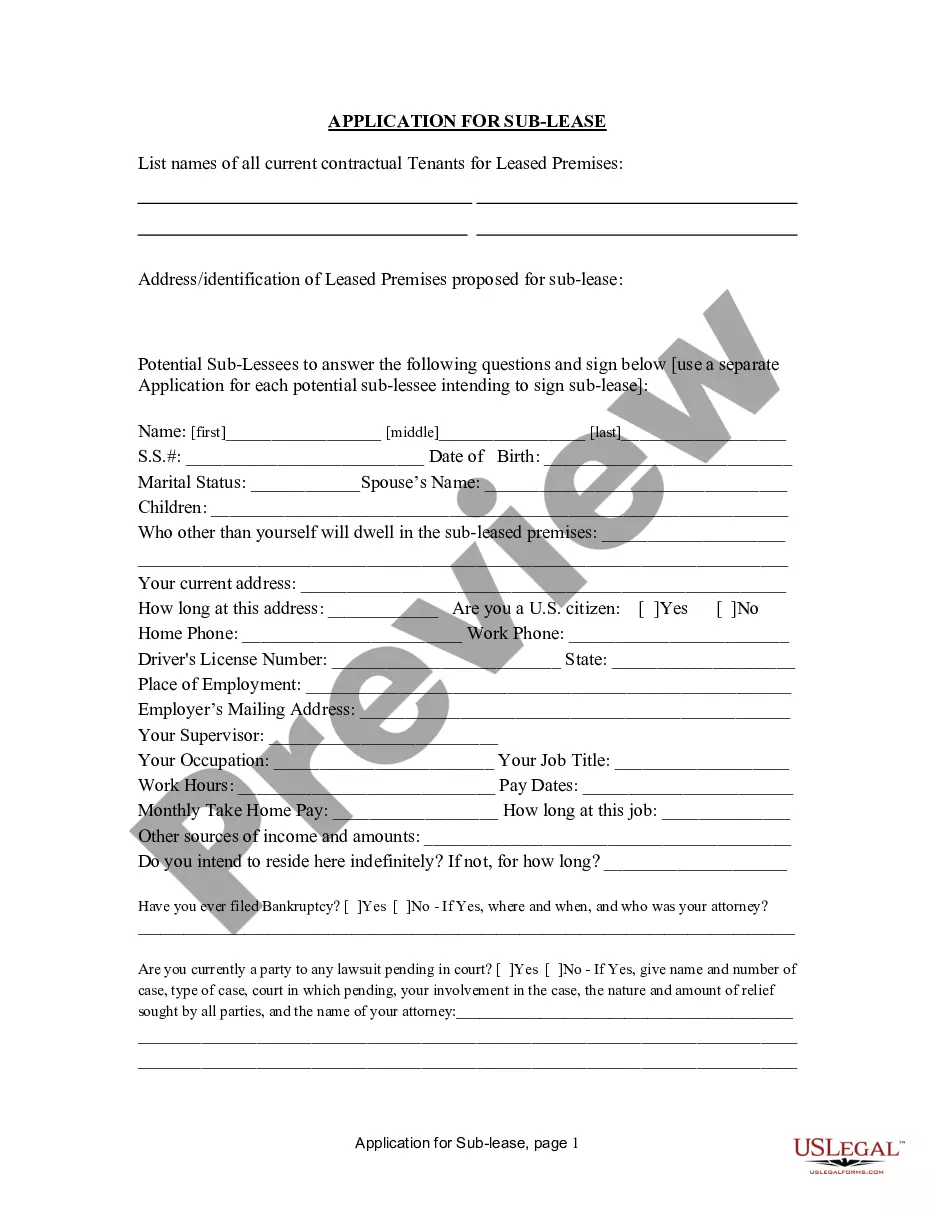
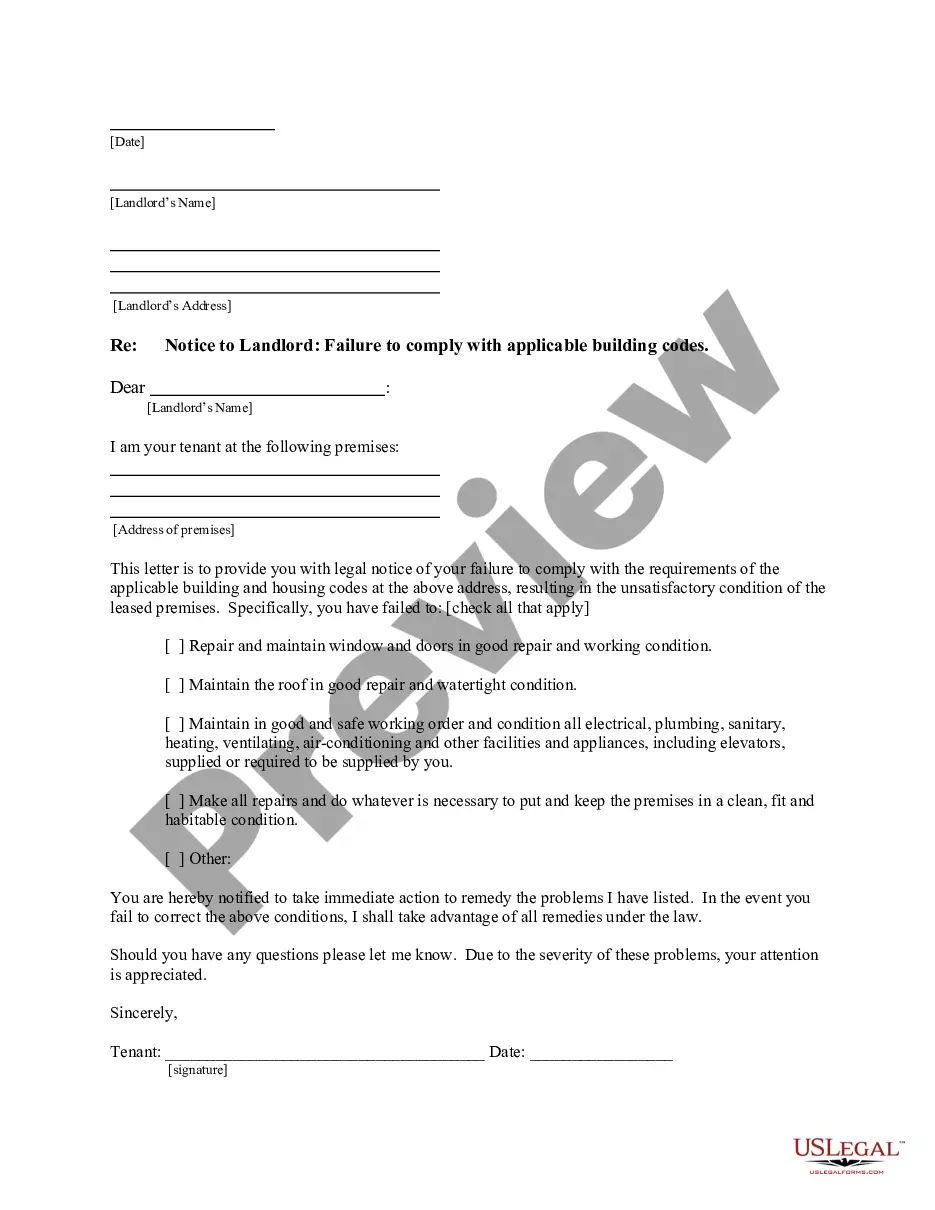



How to fill out Eviction Notice?
Are you currently in a situation where you require documents for either business or personal needs almost every day.
There are numerous legal document templates available online, but locating trustworthy ones isn't simple.
US Legal Forms offers thousands of form templates, including the Kansas Eviction Notice, which can be filled out to comply with federal and state regulations.
Once you find the right form, just click Get now.
Select the payment plan you prefer, fill in the necessary information to create your account, and complete the purchase using your PayPal or credit card. Choose a convenient document format and download your copy. Access all the document templates you have purchased in the My documents menu. You can retrieve an additional copy of the Kansas Eviction Notice at any time if needed. Just click the desired form to download or print the document template. Use US Legal Forms, the largest collection of legal forms, to save time and prevent errors. The service provides professionally crafted legal document templates that can be utilized for various purposes. Create an account on US Legal Forms and start making your life easier.
- If you are already familiar with the US Legal Forms site and have an account, simply Log In.
- Then, you can download the Kansas Eviction Notice template.
- If you do not have an account and wish to start using US Legal Forms, follow these steps.
- Find the form you need and ensure it is for your specific city/region.
- Use the Review button to examine the document.
- Check the description to confirm that you have selected the correct form.
- If the form isn’t what you are looking for, utilize the Search field to find a form that suits your needs.
Form popularity
FAQ
This notice states that if the breach is not solved in the next 14 days, then the lease between the tenant and landlord will end in 30 days. So if you serve or mail a 14/30-day notice to the landlord on the 31st and the problem is not solved by the 14th, then the lease would end on the 30th.
To evict you, the landlord must provide a notice to you that you have 14 days to correct the problem, otherwise you will have to vacate 30 days after you get the notice. In other words, the lease will terminate 30 days after the notice date, unless you can correct the problem in 14 days.
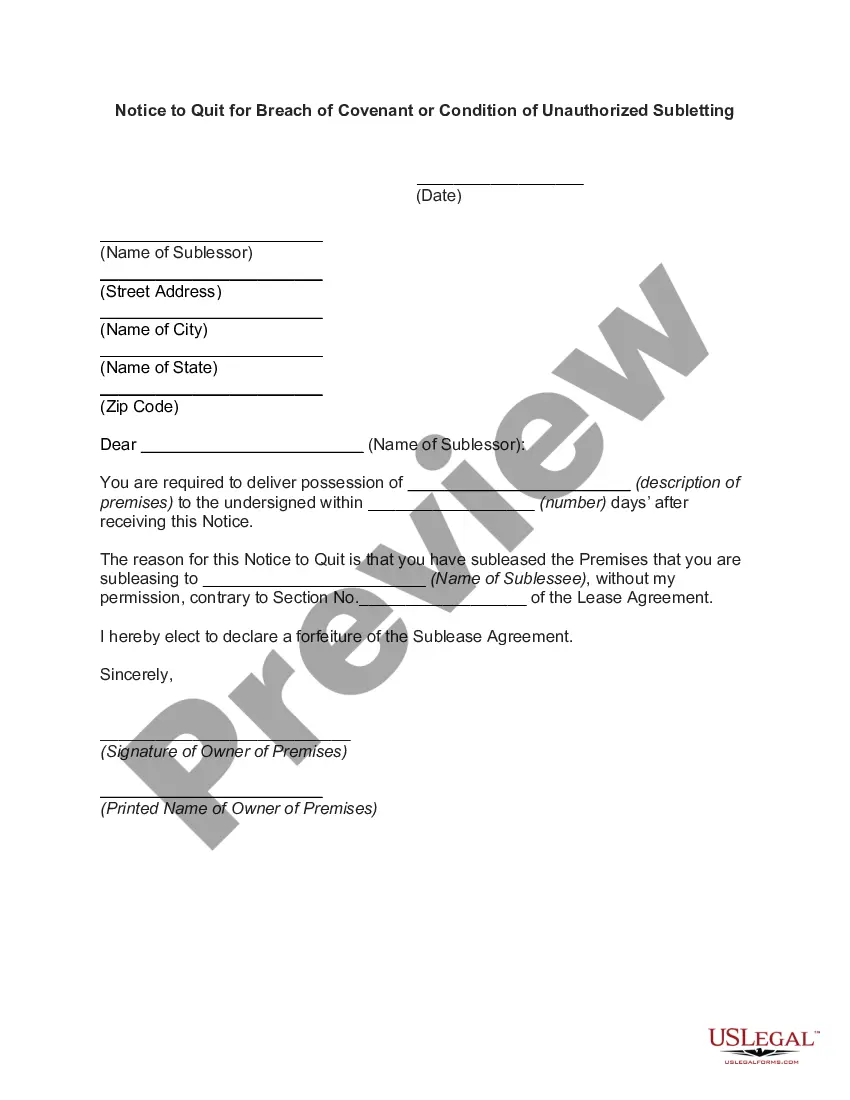
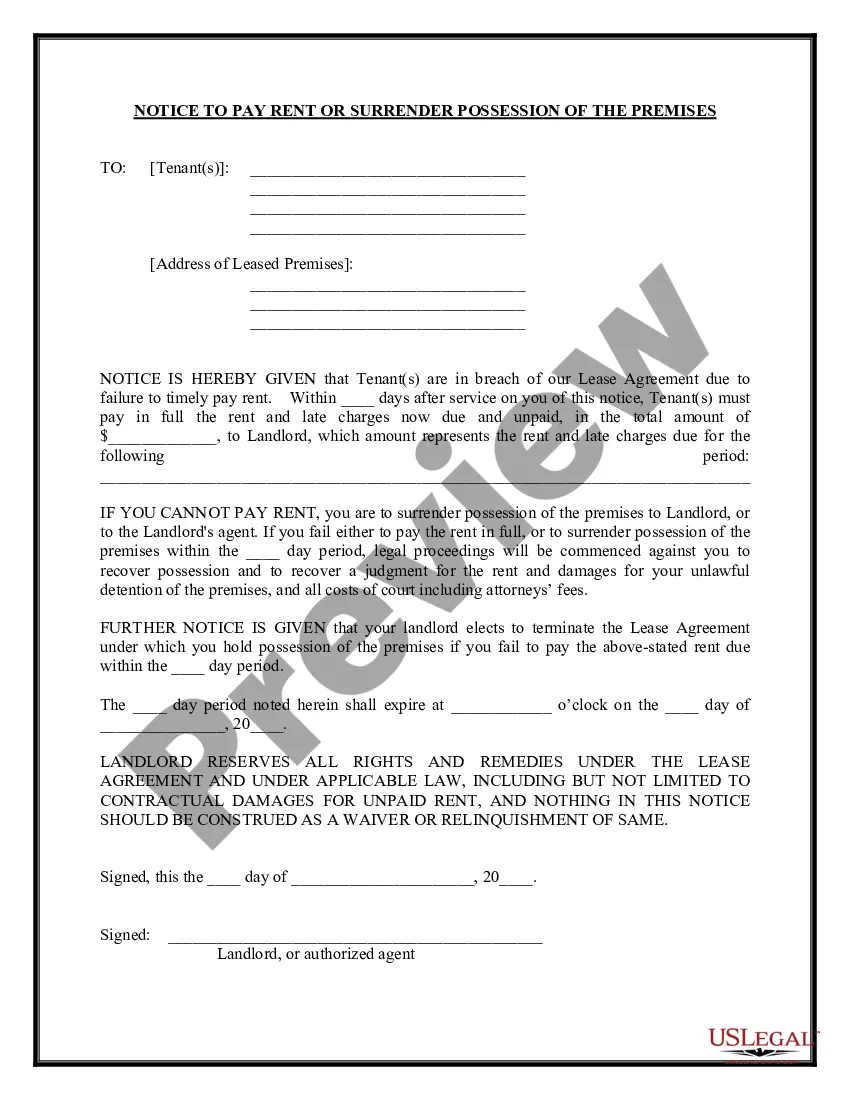
A Kansas 10-Day Notice to Quit (Non-Payment) is a document used against tenants who fail to pay rent under tenancies of three (3) months or longer. By law, the landlord must give at least ten (10) days notice in order for the tenant to pay past due rent or move out from the premises.
To evict you, the landlord must provide a notice to you that you have 14 days to correct the problem, otherwise you will have to vacate 30 days after you get the notice. In other words, the lease will terminate 30 days after the notice date, unless you can correct the problem in 14 days.
If the tenant does not appear, the landlord can request a default judgment in their favor. The landlord can also request a writ of restitution and execution to finalize the eviction. Appeal the Decision. If either party disagrees with the court's decision, they have five days to appeal the decision.
It is illegal for a landlord to force a tenant to move out of a rental unit. The only way the landlord can remove the tenant from the rental unit is by winning an eviction lawsuit against the tenant. At that point, only a law enforcement officer with a court order has the authority to actually evict the tenant.
Kansas law requires that the landlord (owner) serve a tenant(s) with a written termination notice prior to filing an eviction lawsuit. There are two types of termination notices: a Three Day Notice to Pay or Quit and a Fourteen/Thirty Day (14-Day/30-Day) Termination Notice.
A Motion to Stay (Delay) Order for Summary Eviction allows the tenant to ask the court to "stay" (pause) a summary eviction and grant the tenant up to ten more days to move. (NRS 70.010(2); JCRCP 110.) A tenant can file a motion to stay at any time after an eviction notice is served. (JCRCP 110.)