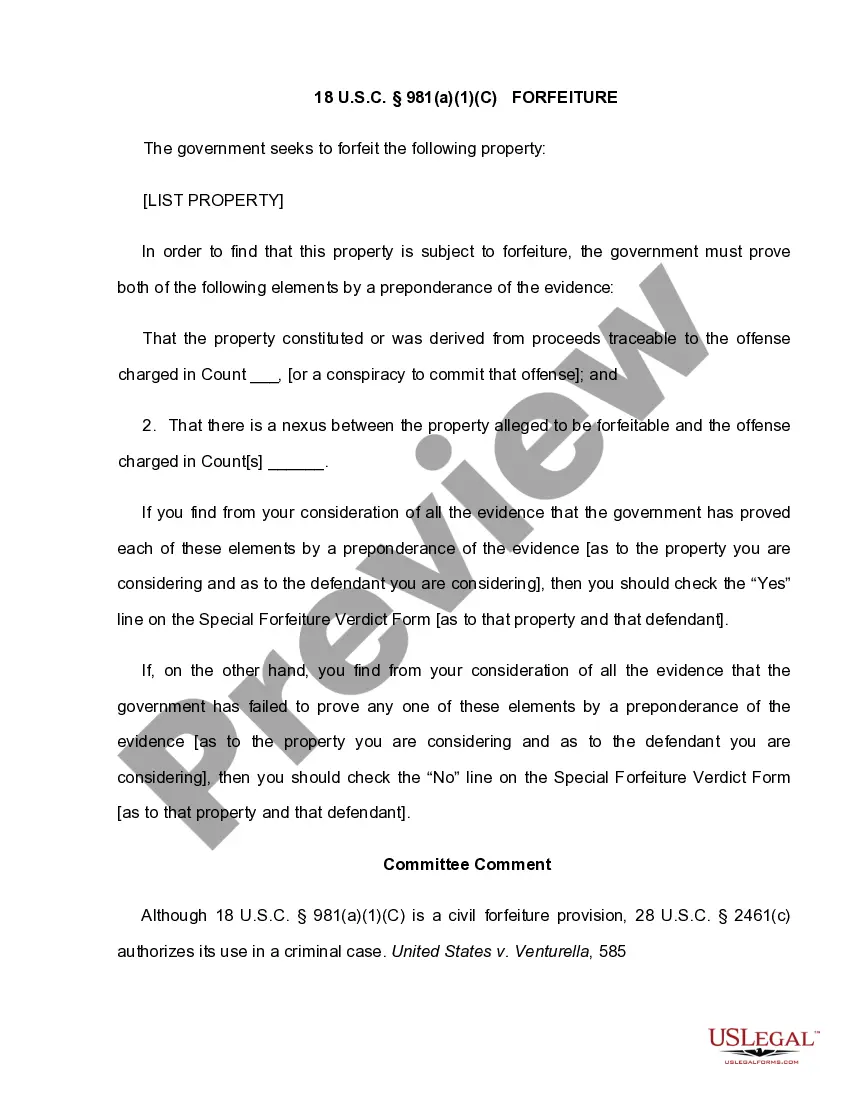
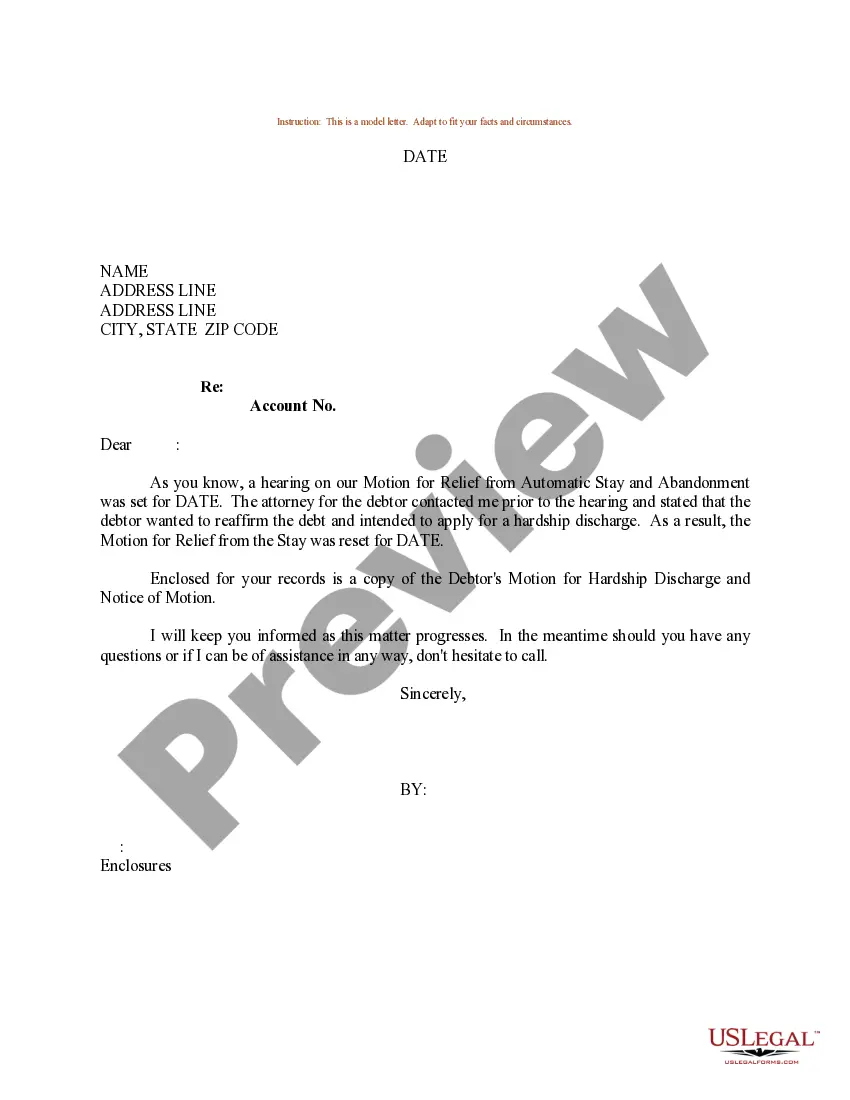
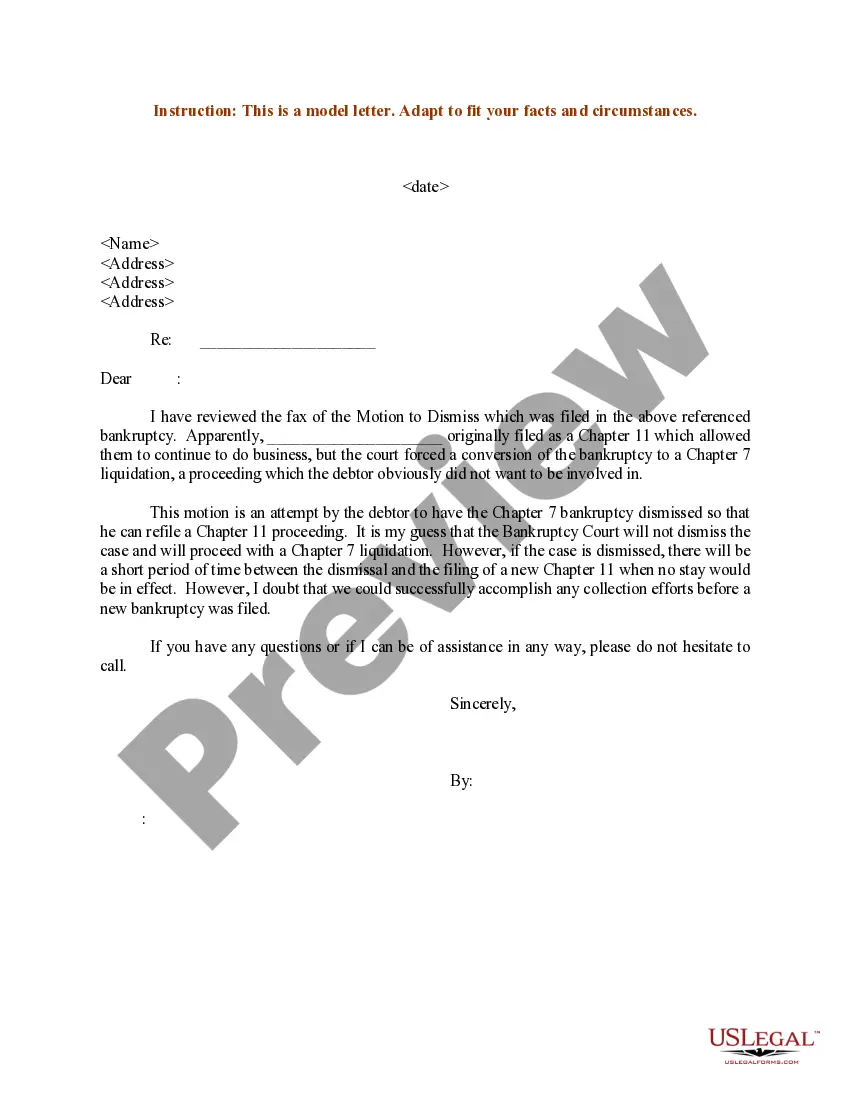
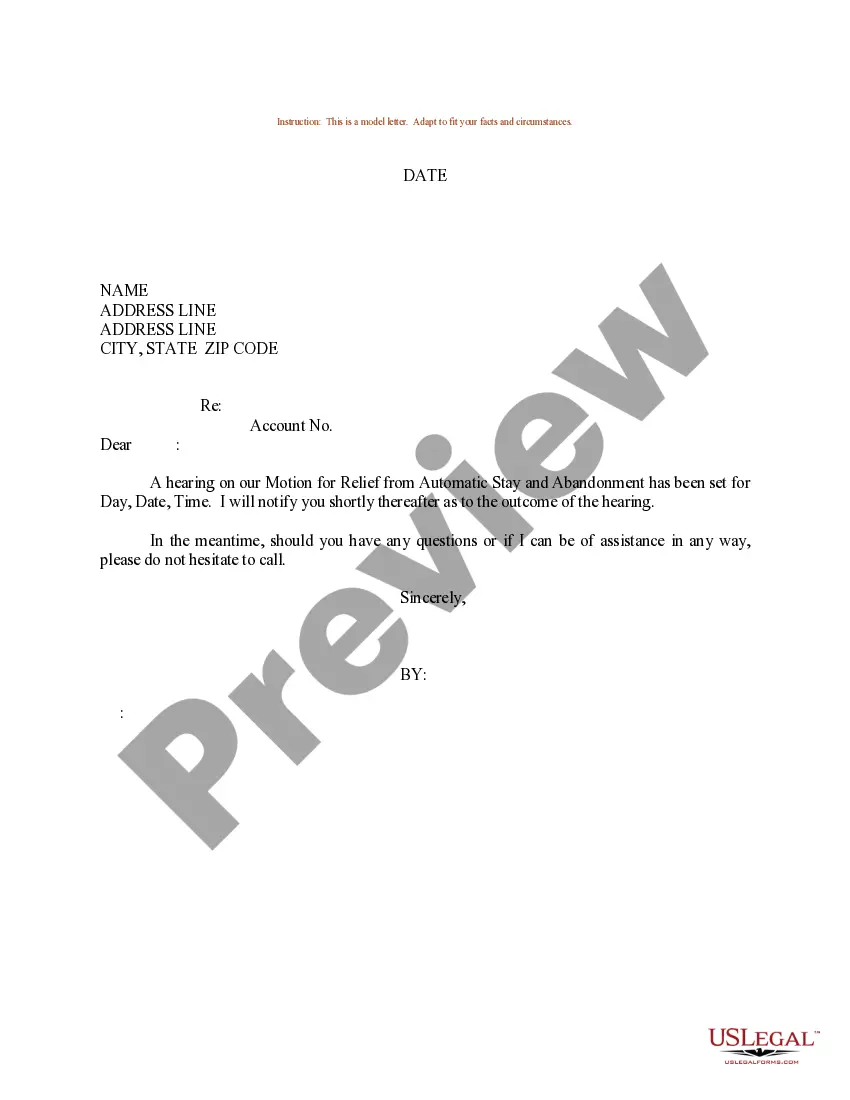
Kansas Sample Letter for Debtor's Motion for Hardship Discharge and Notice of Motion
Description
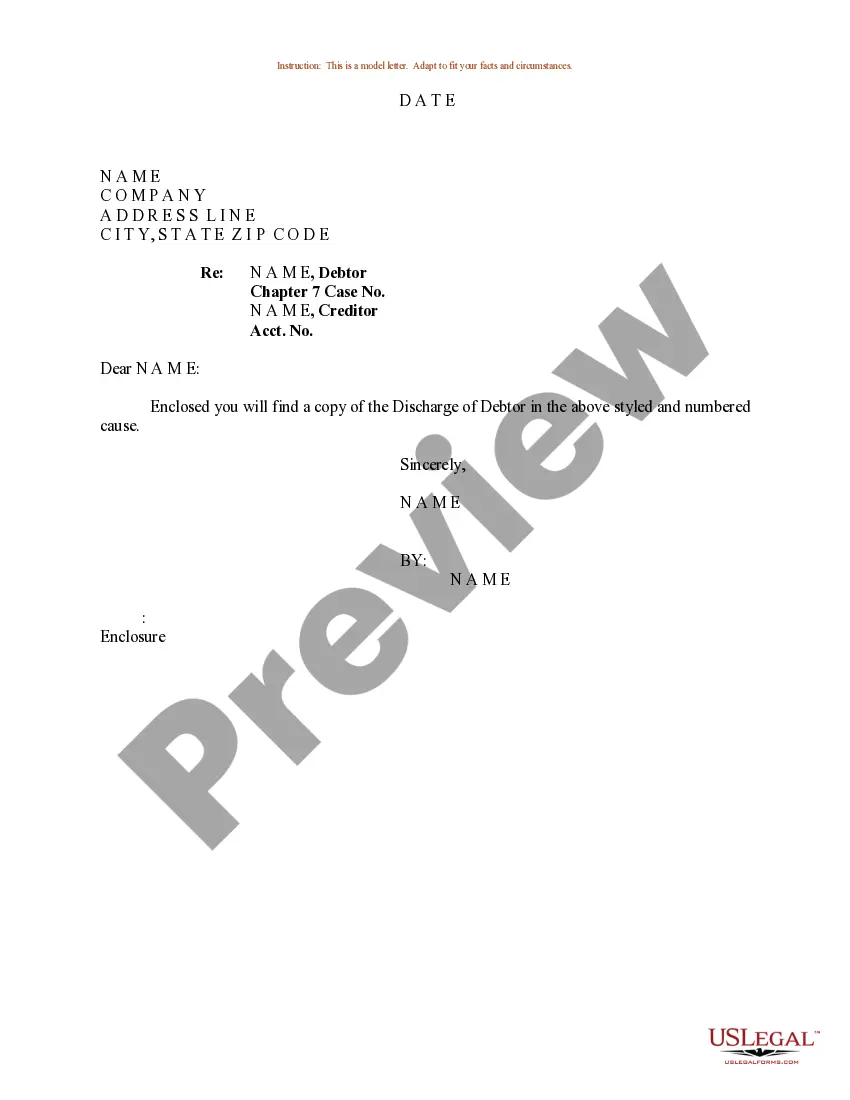
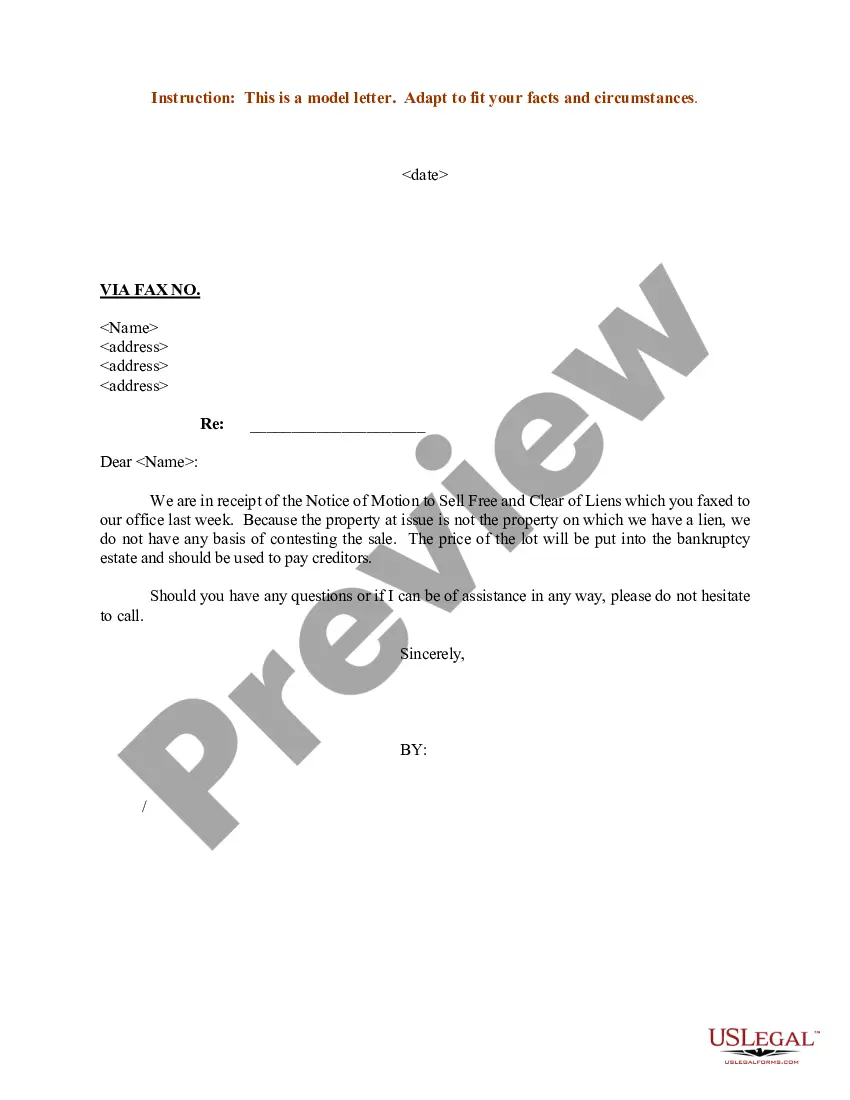
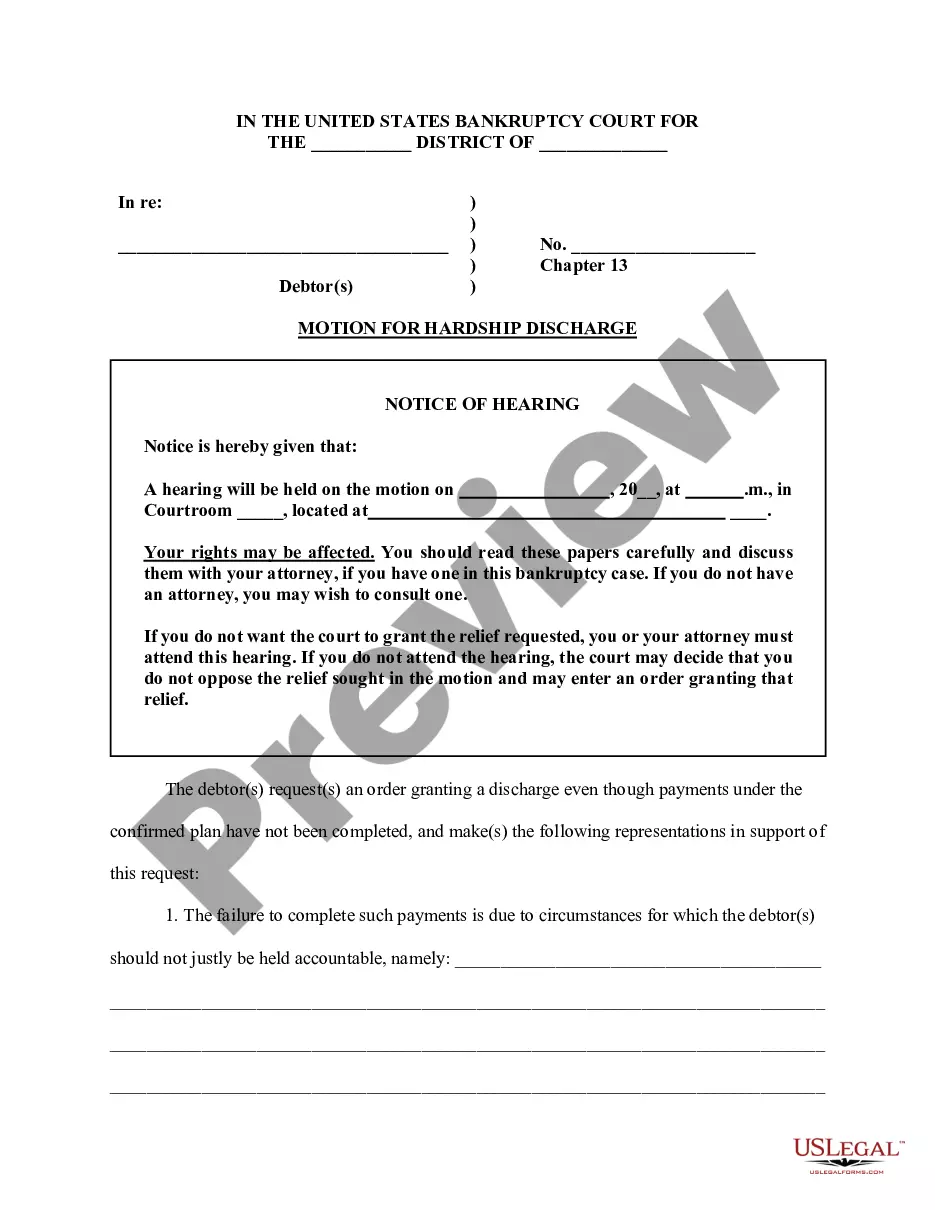
Get your form ready online
Our built-in tools help you complete, sign, share, and store your documents in one place.
Make edits, fill in missing information, and update formatting in US Legal Forms—just like you would in MS Word.
Download a copy, print it, send it by email, or mail it via USPS—whatever works best for your next step.
Sign and collect signatures with our SignNow integration. Send to multiple recipients, set reminders, and more. Go Premium to unlock E-Sign.
If this form requires notarization, complete it online through a secure video call—no need to meet a notary in person or wait for an appointment.
We protect your documents and personal data by following strict security and privacy standards.

Make edits, fill in missing information, and update formatting in US Legal Forms—just like you would in MS Word.

Download a copy, print it, send it by email, or mail it via USPS—whatever works best for your next step.

Sign and collect signatures with our SignNow integration. Send to multiple recipients, set reminders, and more. Go Premium to unlock E-Sign.

If this form requires notarization, complete it online through a secure video call—no need to meet a notary in person or wait for an appointment.

We protect your documents and personal data by following strict security and privacy standards.
Looking for another form?



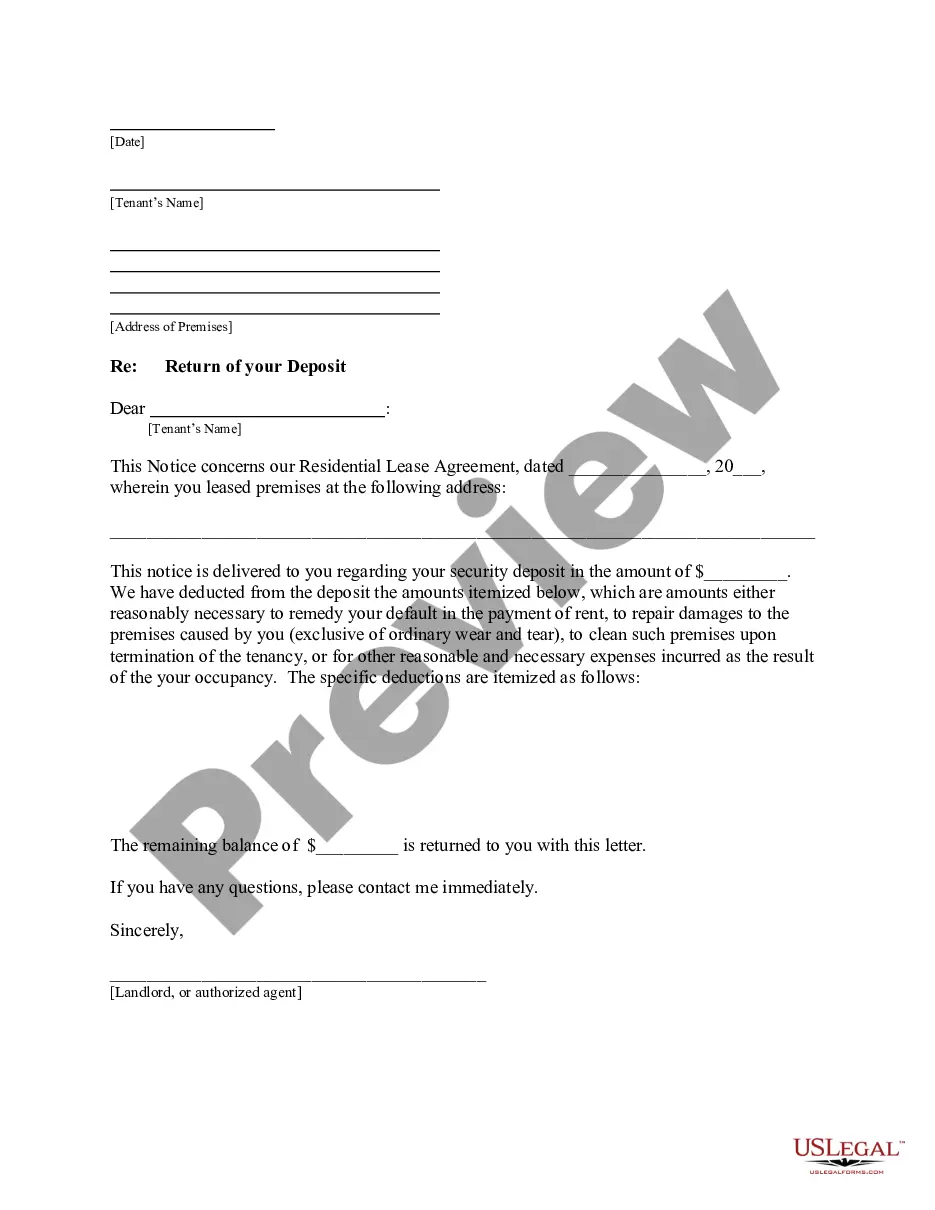

How to fill out Sample Letter For Debtor's Motion For Hardship Discharge And Notice Of Motion?
US Legal Forms - one of the largest collections of authentic documents in the United States - offers a variety of legal form templates that you can download or print. By using the website, you can access thousands of forms for business and personal use, organized by categories, states, or keywords. You can acquire the latest versions of forms such as the Kansas Sample Letter for Debtor's Motion for Hardship Discharge and Notice of Motion in moments.
If you hold a membership, Log In and retrieve the Kansas Sample Letter for Debtor's Motion for Hardship Discharge and Notice of Motion from the US Legal Forms collection. The Download button will appear on each form you view. You can access all previously downloaded forms from the My documents tab of your account.
To utilize US Legal Forms for the first time, here are simple steps to help you get started: Ensure you have selected the correct form for your city/state. Click the Preview button to review the form's details. Read the form description to ensure you have selected the correct form. If the form does not meet your needs, use the Search field at the top of the screen to find one that does. If you are satisfied with the form, confirm your choice by clicking the Get now button. Then, select your preferred payment plan and provide your credentials to register for an account. Process the transaction. Use your credit card or PayPal account to complete the transaction. Choose the format and download the form to your device. Make changes. Fill out, edit, print, and sign the downloaded Kansas Sample Letter for Debtor's Motion for Hardship Discharge and Notice of Motion.
- Every template you added to your account does not have an expiration date and is yours indefinitely.
- So, if you wish to download or print another copy, simply go to the My documents section and click on the form you desire.
- Access the Kansas Sample Letter for Debtor's Motion for Hardship Discharge and Notice of Motion with US Legal Forms, one of the most extensive collections of legal document templates.
- Utilize a multitude of professional and state-specific templates that meet your business or personal needs and requirements.
Form popularity
FAQ
When you file for bankruptcy or make a consumer proposal, your debts are discharged, including taxes, credit cards, late bills, lines of credit and personal loans. Under the Bankruptcy and Insolvency Act, only the following debts are not discharged: Fines, penalties or offenses. Alimony and child support.
Terminology can get confusing because "hardship" and "dependency" discharges are often both loosely labeled "hardship." Specifically, a hardship discharge is when the financial needs of family member(s) require more than the military member can provide while remaining in the military.
Discharge (of debts) refers to the process in bankruptcy court, when a debtor is no longer liable for their debts, and the lender is no longer allowed to make attempts to collect the debt. The court will issue a decision to discharge debts.
How Long Does Chapter 13 Discharge Take? Discharging debt through Chapter 13 may take 6 to 8 weeks after the final payment is made on your 3 to 5-year repayment plan (whichever was approved by the bankruptcy court).
For restitution, or damages, awarded in a civil action against the debtor as a result of willful or malicious injury by the debtor that caused personal injury to an individual or the death of an individual.
What happens when a creditor files an objection? A creditor's objection does not automatically prevent a discharge of debt. The debtor gets a chance to file an answer to the objection, and the court may hold a hearing to decide the issue. This is called an adversary proceeding, and it works much like any other lawsuit.
In Chapter 13 bankruptcy, a hardship discharge is a court-authorized elimination of debt when a debtor is prevented from completing the repayment plan due to financial hardship that arose while their case is open.
A hardship discharge ends your Chapter 13 plan, so your opportunity to catch up with debt such as missed mortgage or car payments, priority tax debts or secured tax debts, or past-due child or spousal support also ends.