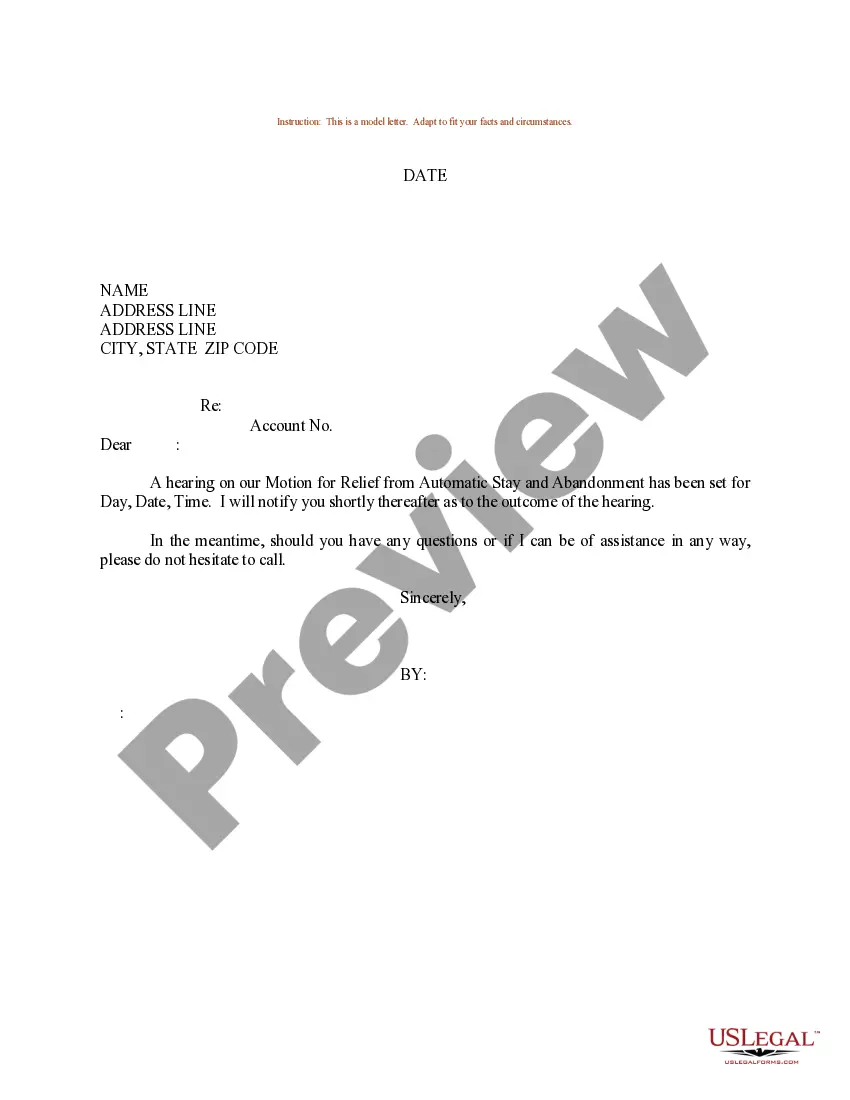
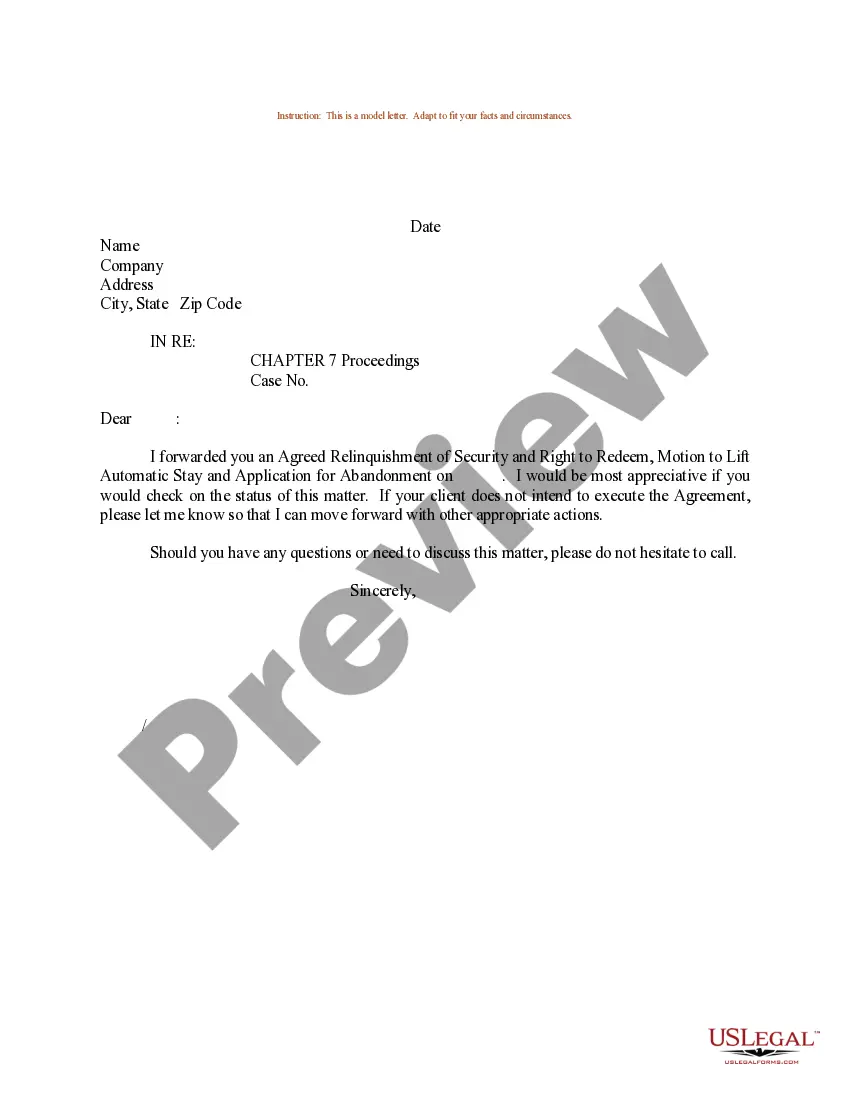
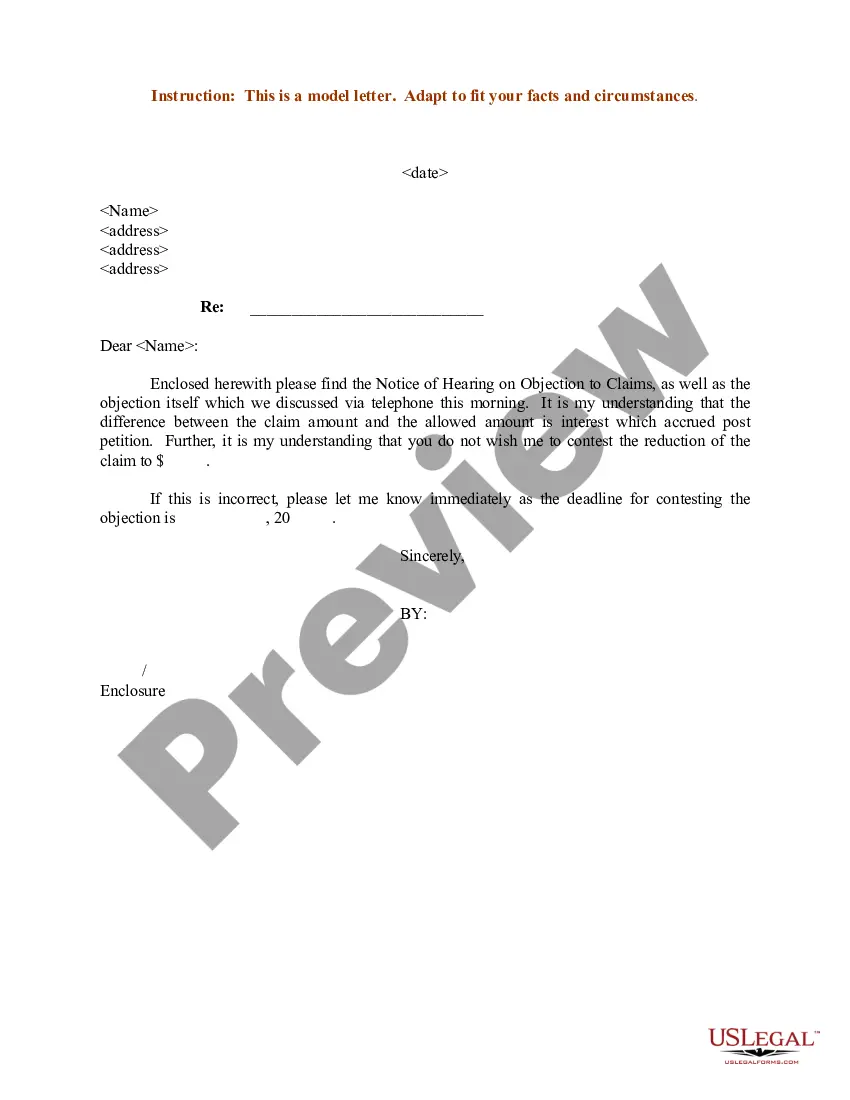
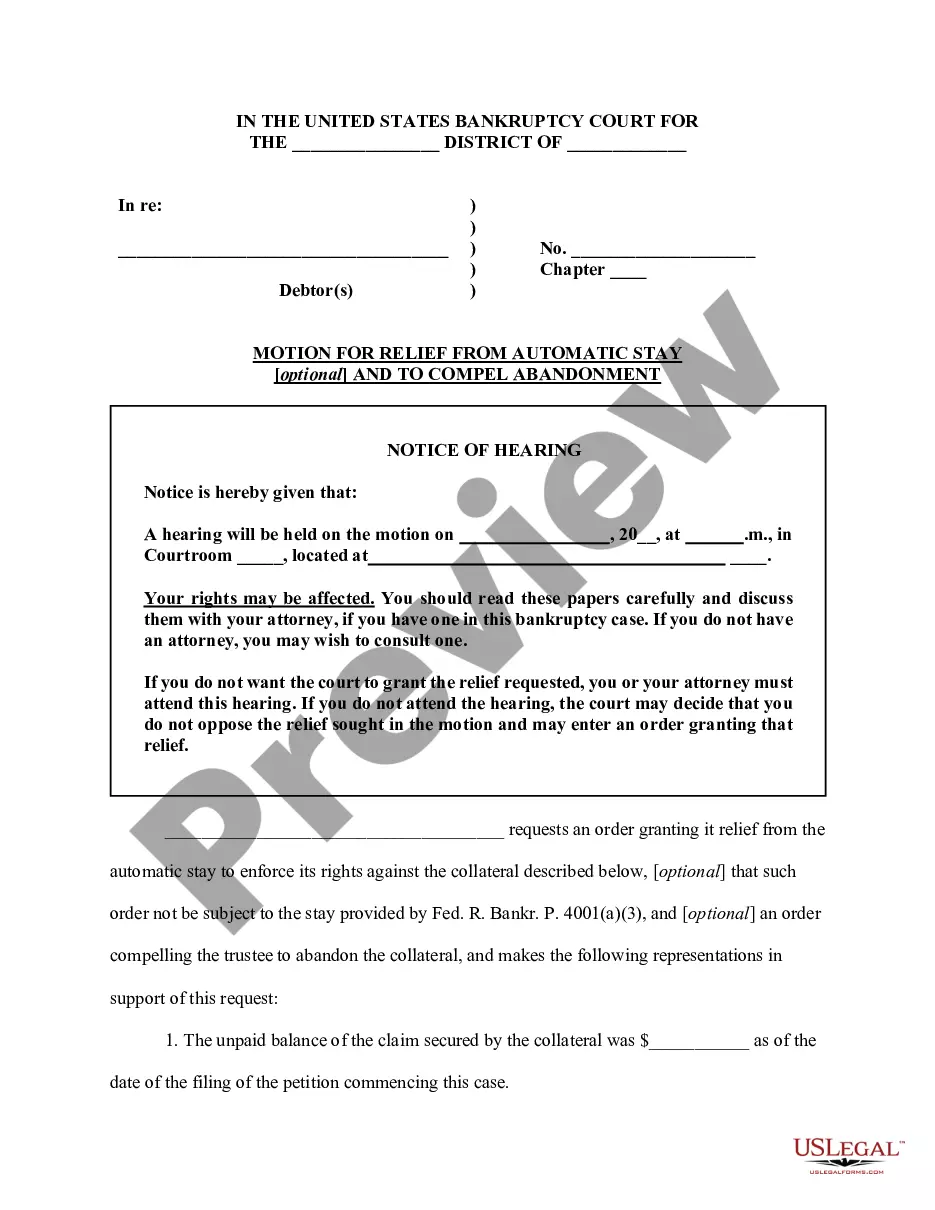
Kansas Sample Letter for Hearing on Motion for Relief from Automatic Stay
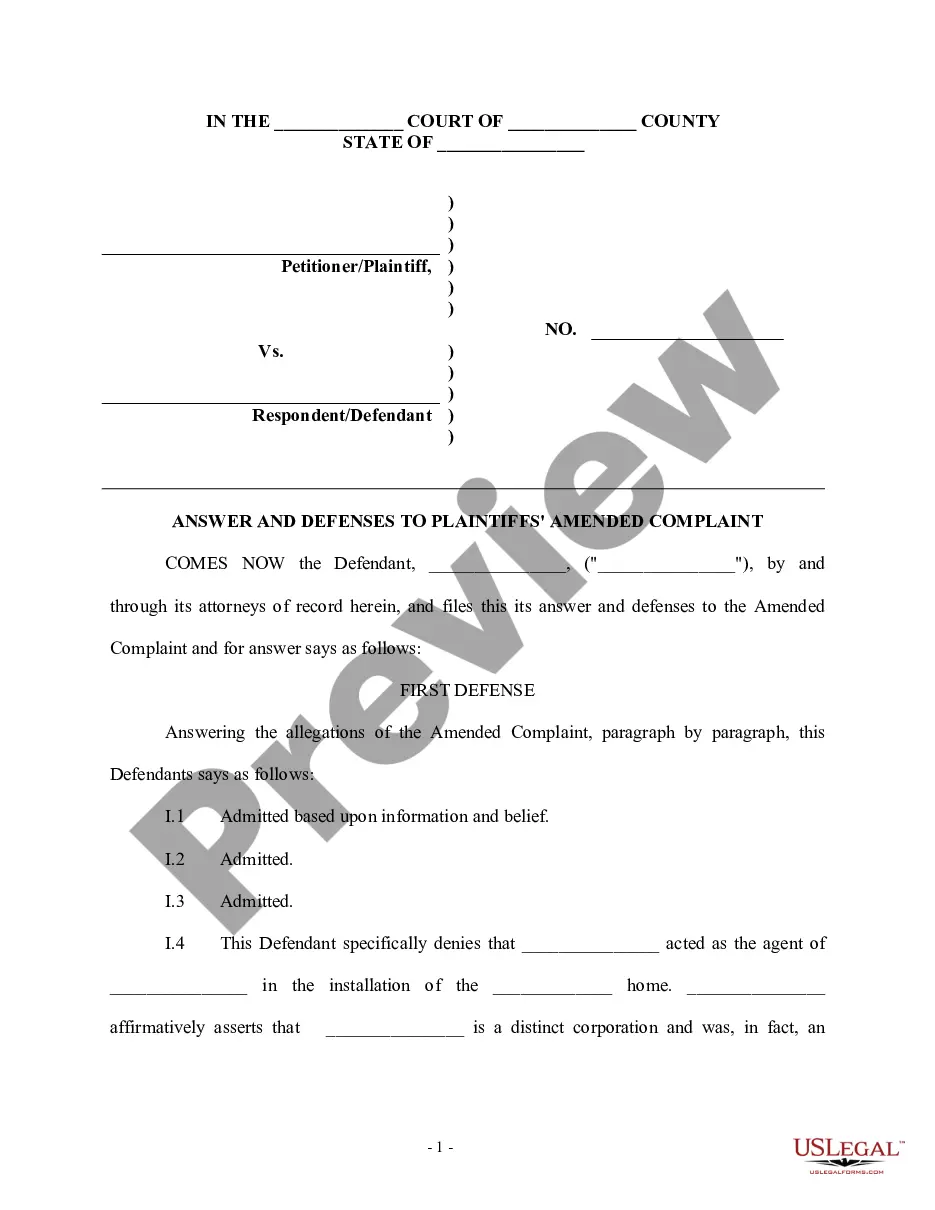
Description
Get your form ready online
Our built-in tools help you complete, sign, share, and store your documents in one place.
Make edits, fill in missing information, and update formatting in US Legal Forms—just like you would in MS Word.
Download a copy, print it, send it by email, or mail it via USPS—whatever works best for your next step.
Sign and collect signatures with our SignNow integration. Send to multiple recipients, set reminders, and more. Go Premium to unlock E-Sign.
If this form requires notarization, complete it online through a secure video call—no need to meet a notary in person or wait for an appointment.
We protect your documents and personal data by following strict security and privacy standards.

Make edits, fill in missing information, and update formatting in US Legal Forms—just like you would in MS Word.

Download a copy, print it, send it by email, or mail it via USPS—whatever works best for your next step.

Sign and collect signatures with our SignNow integration. Send to multiple recipients, set reminders, and more. Go Premium to unlock E-Sign.

If this form requires notarization, complete it online through a secure video call—no need to meet a notary in person or wait for an appointment.

We protect your documents and personal data by following strict security and privacy standards.
Looking for another form?



How to fill out Sample Letter For Hearing On Motion For Relief From Automatic Stay?
Are you presently in a position that requires documentation for organizational or personal reasons nearly every day? There are numerous legal document templates accessible online, but finding reliable ones can be challenging. US Legal Forms offers thousands of document templates, including the Kansas Sample Letter for Hearing on Motion for Relief from Automatic Stay, which are designed to comply with federal and state regulations.
If you are already acquainted with the US Legal Forms website and have an account, simply Log In. After that, you can download the Kansas Sample Letter for Hearing on Motion for Relief from Automatic Stay template.
If you do not have an account and wish to start using US Legal Forms, follow these instructions: Obtain the template you need and ensure it is for the correct city/state. Utilize the Review option to evaluate the document. Check the description to confirm you have selected the right template. If the document is not what you need, use the Search box to find the template that fits your requirements. Once you find the correct template, click Buy now. Choose the pricing plan you prefer, fill in the necessary information to create your account, and complete the transaction using your PayPal or credit card. Select a convenient document format and download your copy.
Avoid altering or deleting any HTML tags. Only synonymize plain text outside of the HTML tags.
- Access all the document templates you have purchased in the My documents menu.
- You can obtain an additional copy of the Kansas Sample Letter for Hearing on Motion for Relief from Automatic Stay at any time, if needed.
- Simply follow the necessary steps to download or print the document template.
- Use US Legal Forms, the largest collection of legal forms, to save time and avoid mistakes.
- The service provides professionally crafted legal document templates that can be utilized for various purposes.
- Create your account on US Legal Forms and start making your life a bit easier.
Form popularity
FAQ
In most Chapter 13 Plans, the Debtor is required to make payments to their secured creditors outside the Plan. When these payments are not made, a secured creditor can file a Motion for Relief seeking relief from the Automatic Stay so they can take action against the collateral (i.e. your house or car).
What is a Motion for Relief From Stay? A motion for relief from automatic stay, also known as a stay relief motion, is something a creditor requests from the bankruptcy court. They essentially ask the court for permission to continue certain collection actions against you.
An order for relief invokes the automatic stay and brings down an iron curtain, separating the pre-bankruptcy from the post-bankruptcy debtor, creating a bankruptcy estate and prohibiting unauthorized transfers of the debtor's property.
Two main methods exist for fighting a motion for relief from automatic stay. These types are ?procedural? and ?substantive? objections. Basically, procedural objections challenge the manner in which the motion was filed, while substantive objections challenge the actual substance of the motion.
Filing a Motion and Setting a Hearing Date -- A Motion for Relief from the Automatic Stay is commenced by filing the appropriate motion and setting the motion for a hearing date. To file a Motion for Relief from the Automatic Stay, the Local Bankruptcy Rules require parties to use mandatory forms.
The most sought exceptions are actions by parties to securities contracts to close out open positions; eviction of a debtor by a landlord where the lease has been fully terminated prior to the bankruptcy filing; actions by taxing authorities to conduct tax audits, issue deficiency notices, demand tax returns and make ...
Key Takeaways. An automatic stay stops creditors from trying to collect debts from a debtor who has filed for bankruptcy until court proceedings are completed. Creditors, collection agencies, and others who violate the automatic stay can be sued by the debtor.