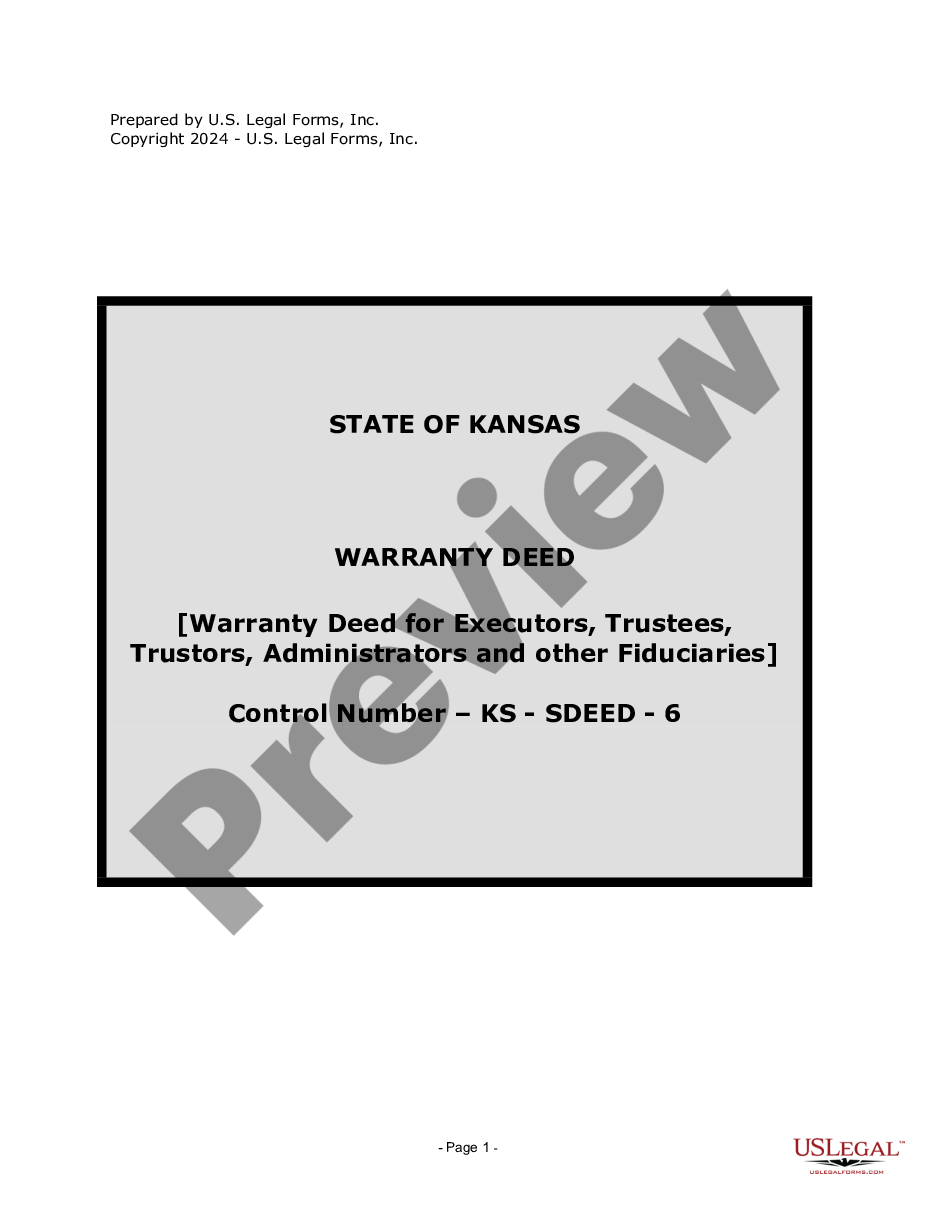
Kansas Fiduciary Deed for use by Executors, Trustees, Trustors, Administrators and other Fiduciaries
What is this form?
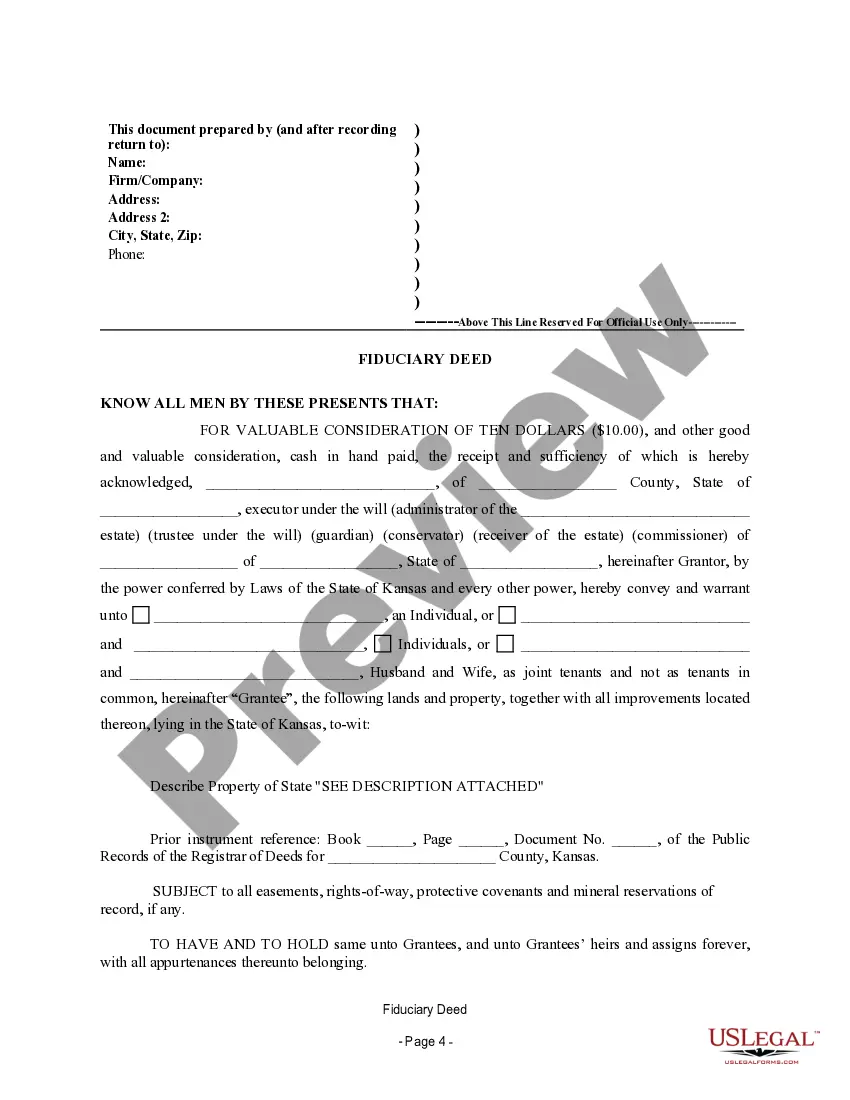
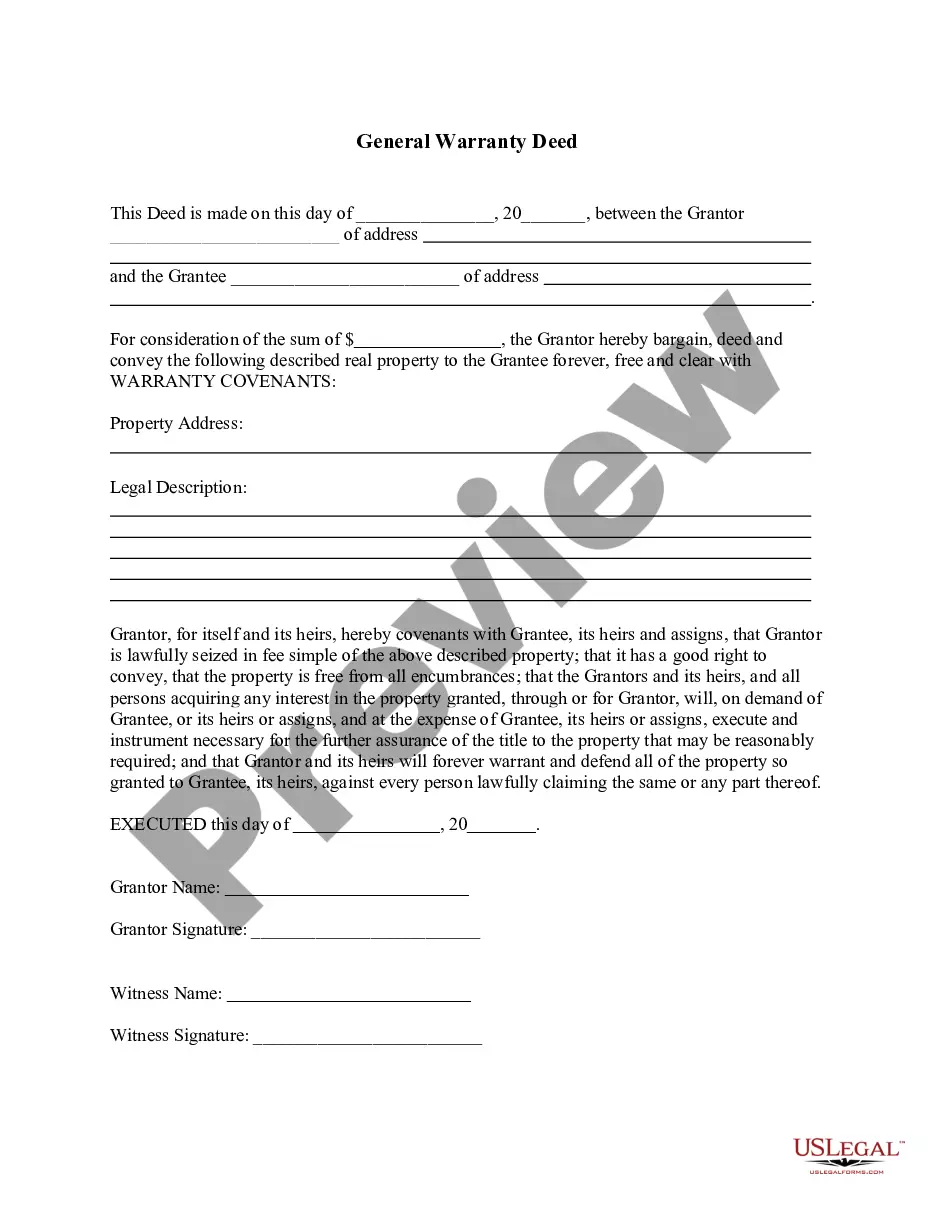
The Fiduciary Deed is a legal document used by executors, trustees, trustors, administrators, and other fiduciaries to transfer property ownership. This form allows a fiduciary to convey title to property managed on behalf of another party, ensuring that the grantee receives proper legal title. Unlike standard warranty deeds, fiduciary deeds specifically address the unique circumstances under which these representatives act on behalf of an estate or trust.
Key parts of this document
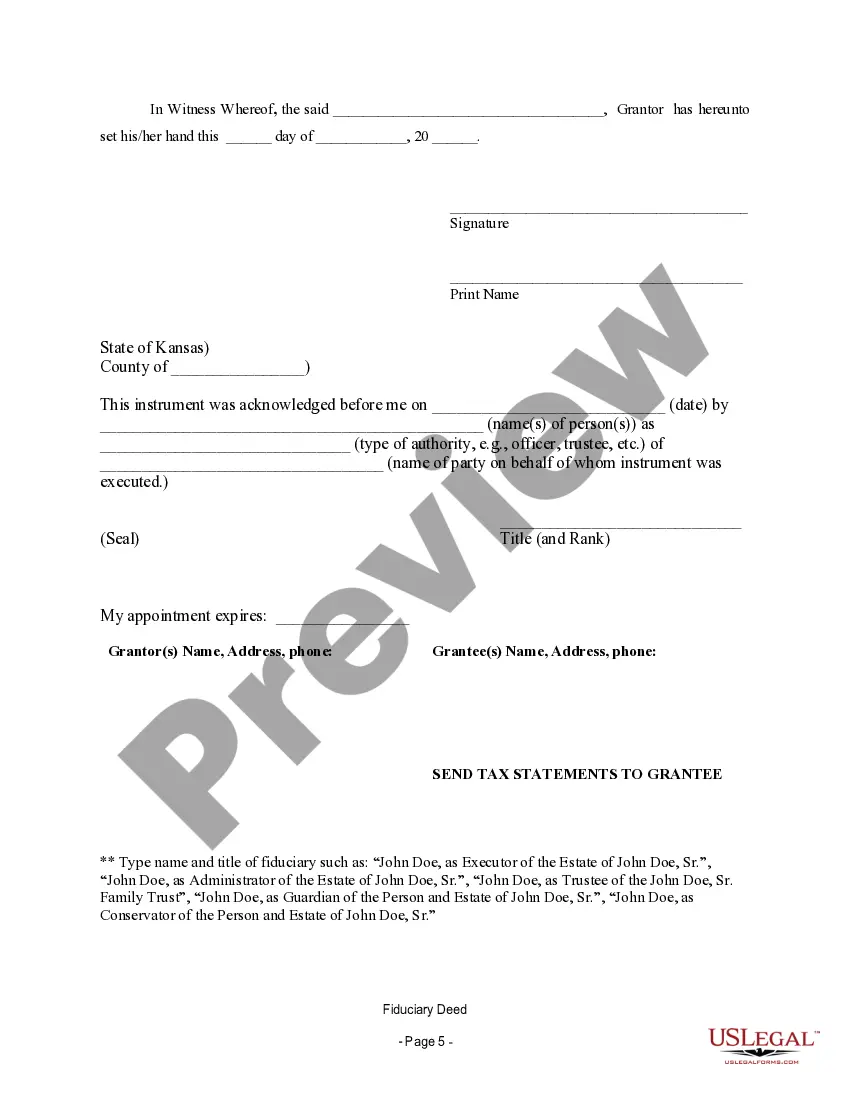
- Grantor information: Details about the fiduciary transferring the property.
- Grantee information: Identification of the individual or entity receiving the property.
- Property description: Accurate legal description of the property being conveyed.
- Signature lines: Spaces for the grantor's signature and date of execution.
- Notary acknowledgment: Section for notarization to validate the deed.


Situations where this form applies
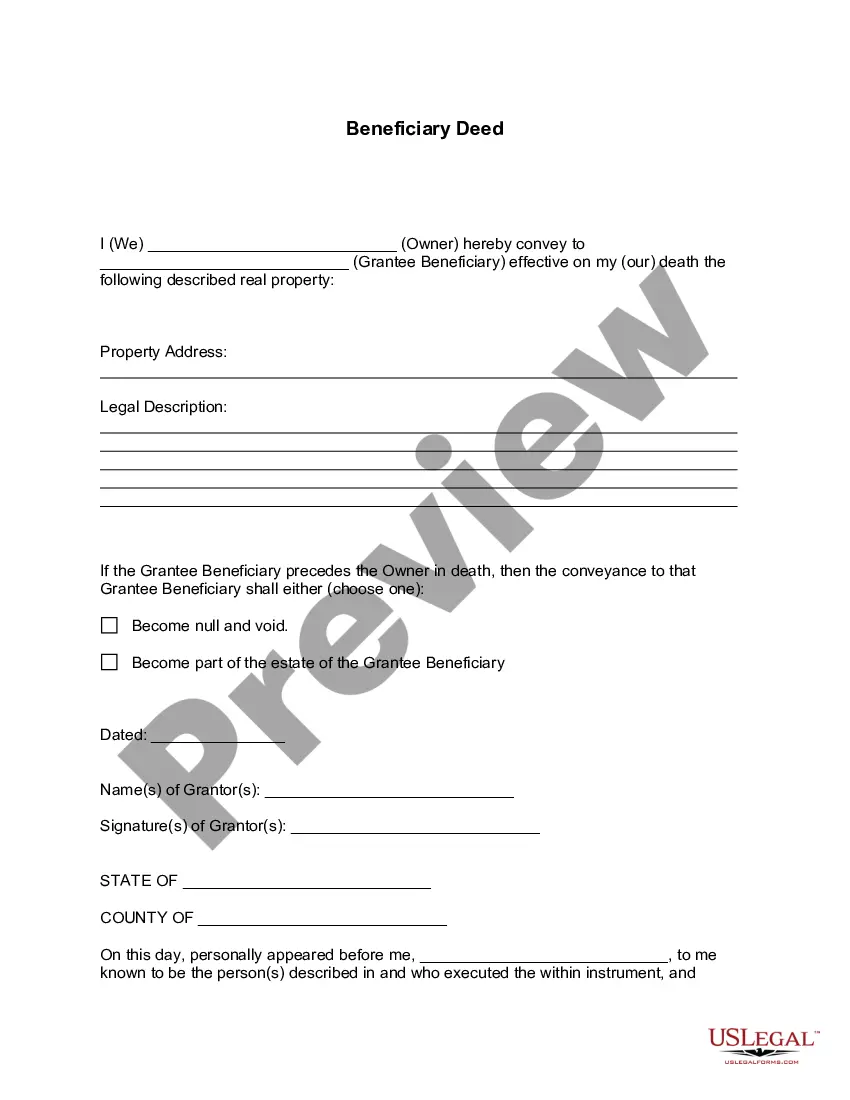
This form is appropriate when a fiduciary needs to transfer real property as part of the administration of a trust, estate, or guardianship. Use this fiduciary deed when executing a will, liquidating estate assets, or managing trust properties where the fiduciary is required to convey property rights to a beneficiary.
Who needs this form
This form is intended for:
- Executors of estates managing the distribution of assets.
- Trustees administering a trust and transferring property to beneficiaries.
- Guardians or conservators managing property for minors or incapacitated individuals.
- Any authorized fiduciary acting under the terms of a will or trust.
Steps to complete this form
- Identify the grantor: Fill in the name and contact details of the fiduciary.
- Specify the grantee: Enter the recipient's name and relevant information.
- Describe the property: Provide a complete legal description of the property being conveyed.
- Sign and date: The grantor must sign the form and indicate the date of signing.
- Get notarized: Have the form notarized to ensure it is legally valid.
Notarization guidance
This document requires notarization to meet legal standards. US Legal Forms provides secure online notarization powered by Notarize, allowing you to complete the process through a verified video call, available 24/7.
Get your form ready online
Our built-in tools help you complete, sign, share, and store your documents in one place.
Make edits, fill in missing information, and update formatting in US Legal Forms—just like you would in MS Word.
Download a copy, print it, send it by email, or mail it via USPS—whatever works best for your next step.
Sign and collect signatures with our SignNow integration. Send to multiple recipients, set reminders, and more. Go Premium to unlock E-Sign.
If this form requires notarization, complete it online through a secure video call—no need to meet a notary in person or wait for an appointment.
We protect your documents and personal data by following strict security and privacy standards.

Make edits, fill in missing information, and update formatting in US Legal Forms—just like you would in MS Word.

Download a copy, print it, send it by email, or mail it via USPS—whatever works best for your next step.

Sign and collect signatures with our SignNow integration. Send to multiple recipients, set reminders, and more. Go Premium to unlock E-Sign.

If this form requires notarization, complete it online through a secure video call—no need to meet a notary in person or wait for an appointment.

We protect your documents and personal data by following strict security and privacy standards.
Common mistakes
- Leaving key sections blank, such as property description or grantee information.
- Failing to sign the form or not dating the signature.
- Omitting the notary acknowledgment, leading to invalidation of the deed.
- Not providing a proper legal description of the property.
Advantages of online completion
- Instant access to a professionally drafted deed template tailored for fiduciaries.
- Editability allows you to complete the form at your convenience.
- Reliable format that meets legal standards in Kansas.
Looking for another form?

Form popularity
FAQ
(c) The Mortgagor has paid off all the dues of the Mortgagee under the said Deed in full and the Mortgage debt stands satisfied in full. (d) In the circumstances, the Mortgagor has requested the Mortgagee to execute the reconveyance of Mortgaged property to which the Mortgagee has agreed as appearing hereinafter.
A deed of reconveyance refers to a document that transfers the title of a property to the borrower from the bank or mortgage holder once a mortgage is paid off. It is used to clear the deed of trust from the title to the property.
Reconveyance is the transfer of a title to the borrower after a mortgage has been fully paid.
In order to clear the Deed of Trust from the title to the property, a Deed of Reconveyance must be recorded with the Country Recorder or Recorder of Deeds. If the Trustee/Beneficiary fails to record a satisfaction within the set time limits, the Trustee/Beneficiary may be responsible for damages as set out by statute.
When you sign a trust deed, you agree to make affordable monthly payments over a fixed period of up to four years to reduce your debts. At the end of the four-year period, any remaining debts will be written off. In other words, you will have nothing more to pay.
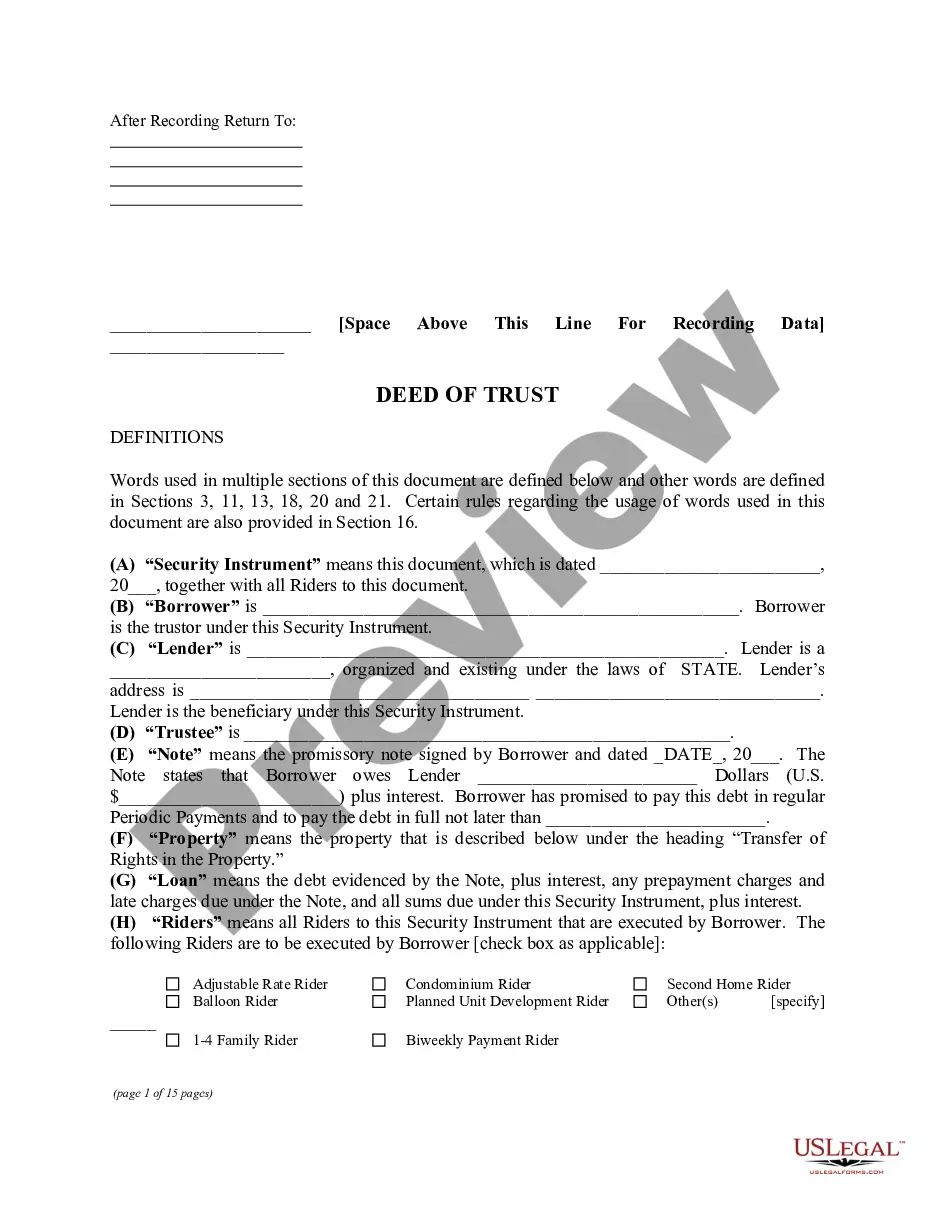
In financed real estate transactions, trust deeds transfer the legal title of a property to a third partysuch as a bank, escrow company, or title companyto hold until the borrower repays their debt to the lender. Trust deeds are used in place of mortgages in several states.
A satisfaction of mortgage is a signed document confirming that the borrower has paid off the mortgage in full and that the mortgage is no longer a lien on the property.
Upon the return receipt of the Address Verification Letter, the property reconveyance process will begin. Once all the paperwork has been received by the Administrative Office, it may take up to thirty (30) calendar days to process. The deeds of trust are processed in the sequence received.
In real estate in the United States, a deed of trust or trust deed is a legal instrument which is used to create a security interest in real property wherein legal title in real property is transferred to a trustee, which holds it as security for a loan (debt) between a borrower and lender.