Indiana Net Lease of Equipment (personal Propety Net Lease) with no Warranties by Lessor and Option to Purchase
Description
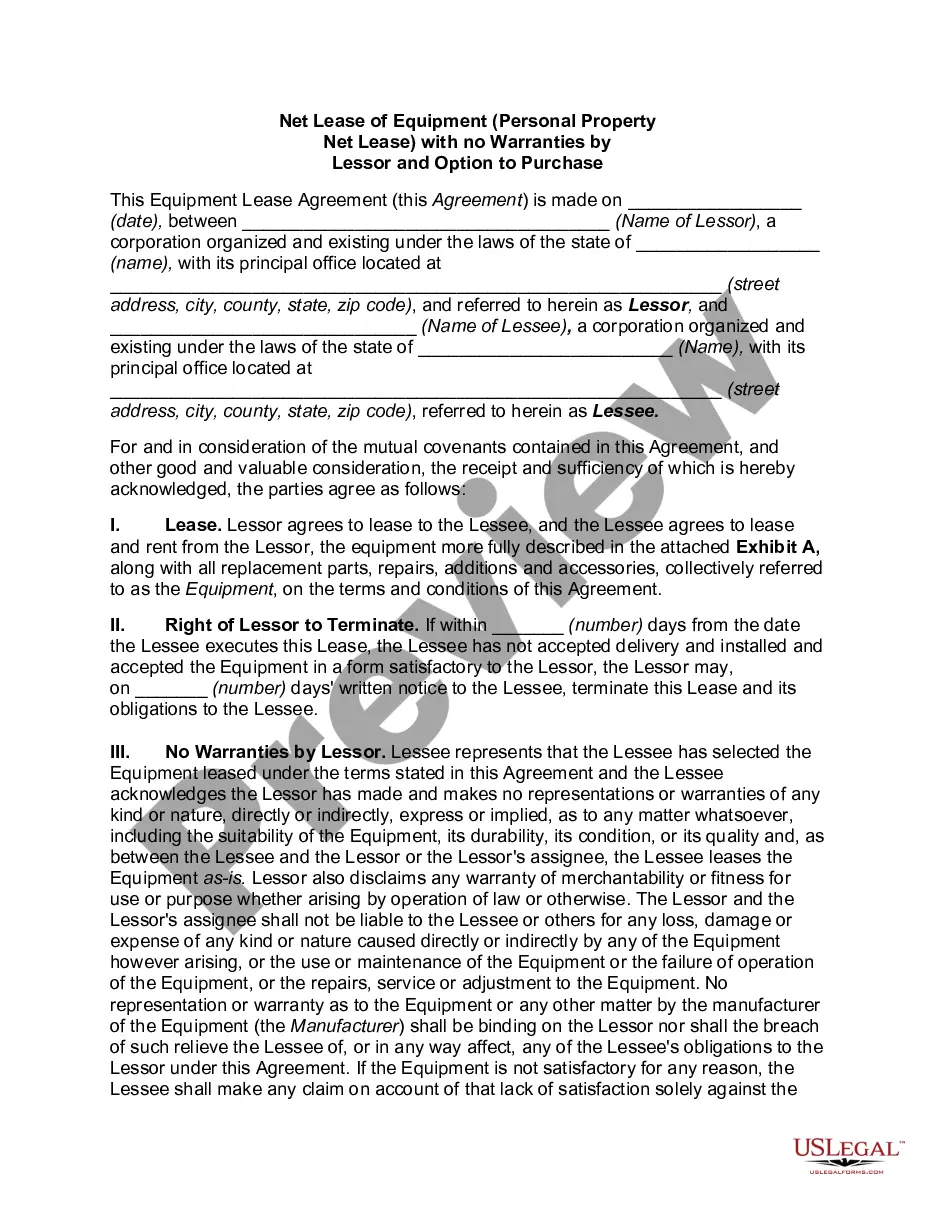
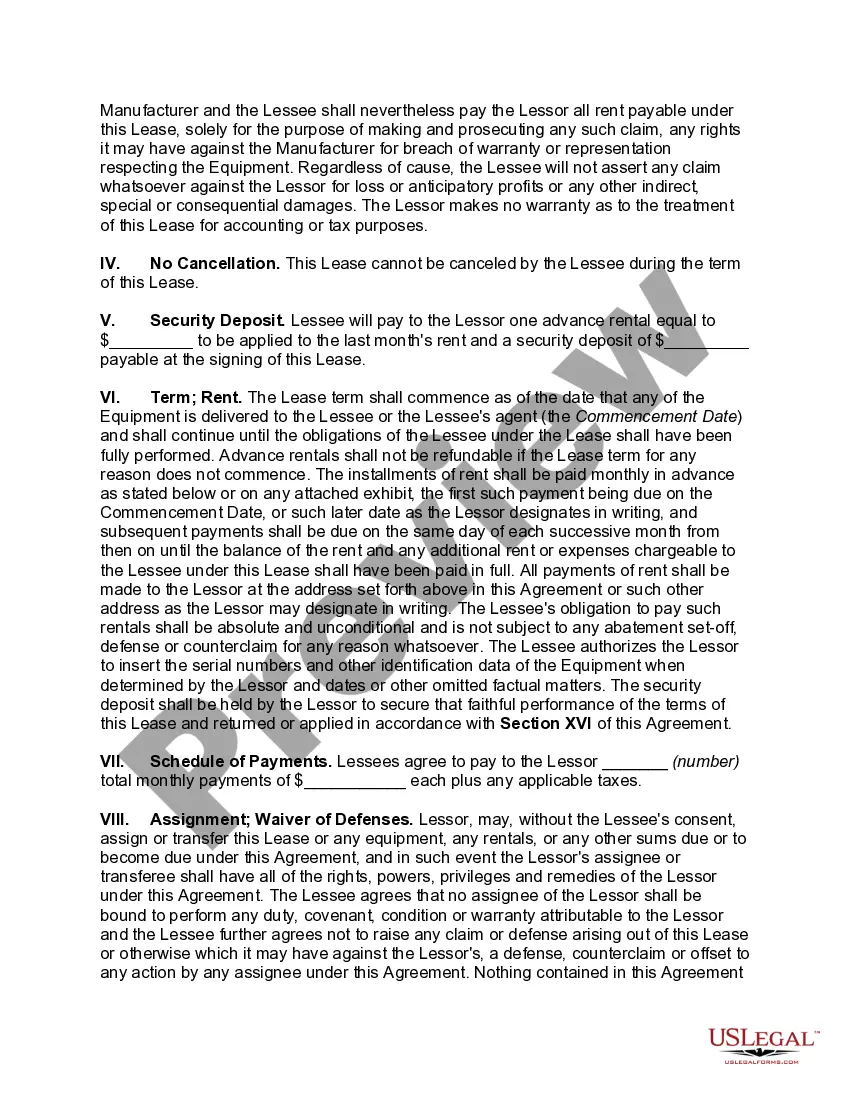
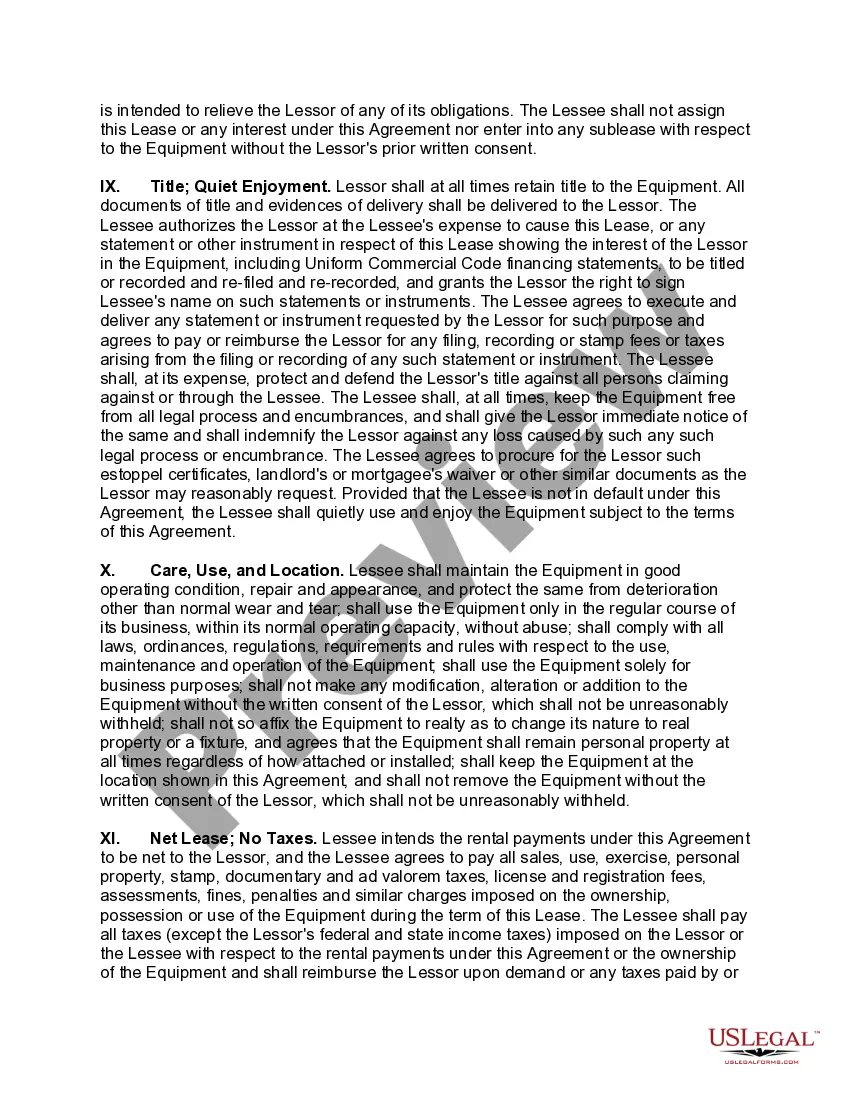
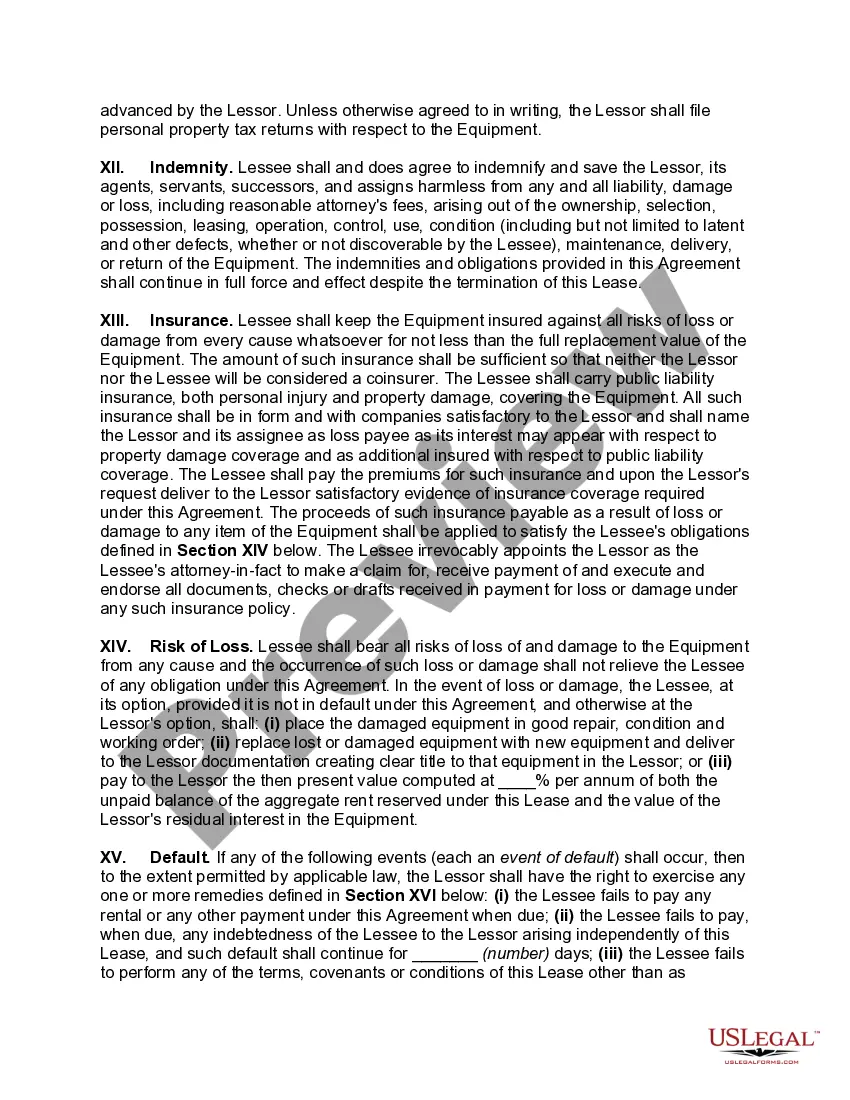
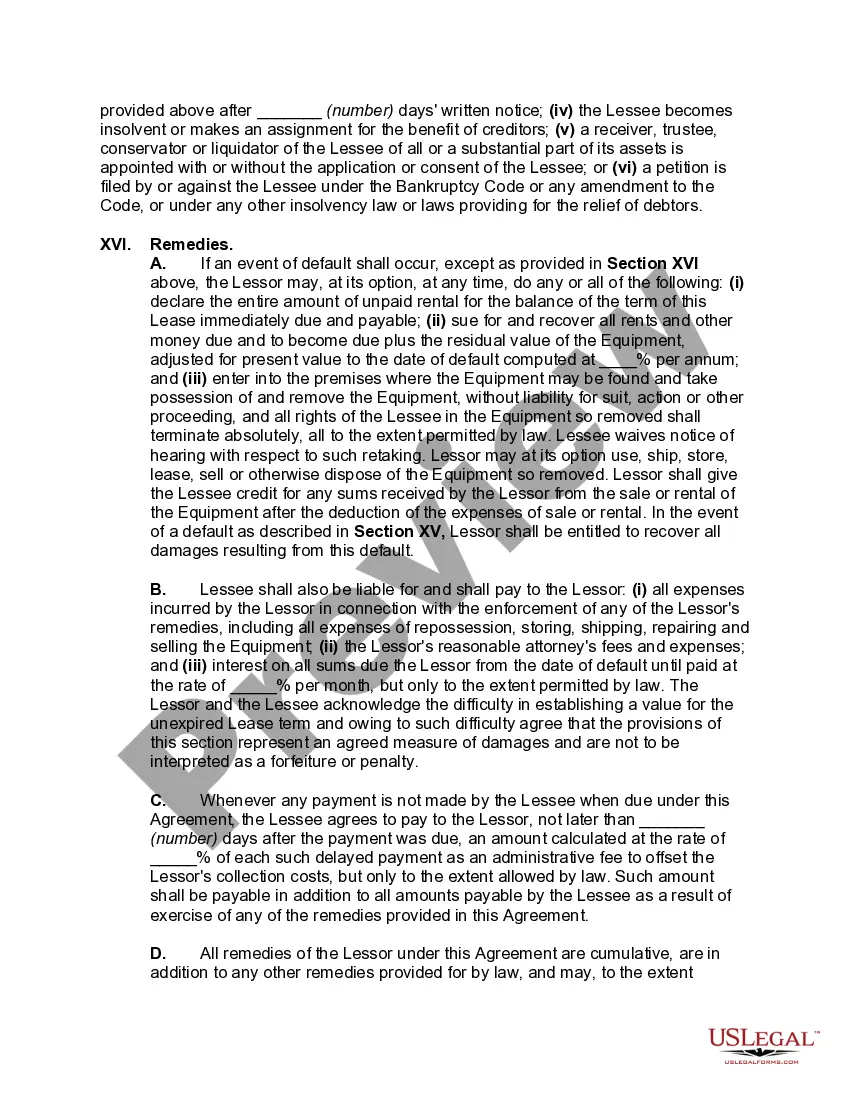
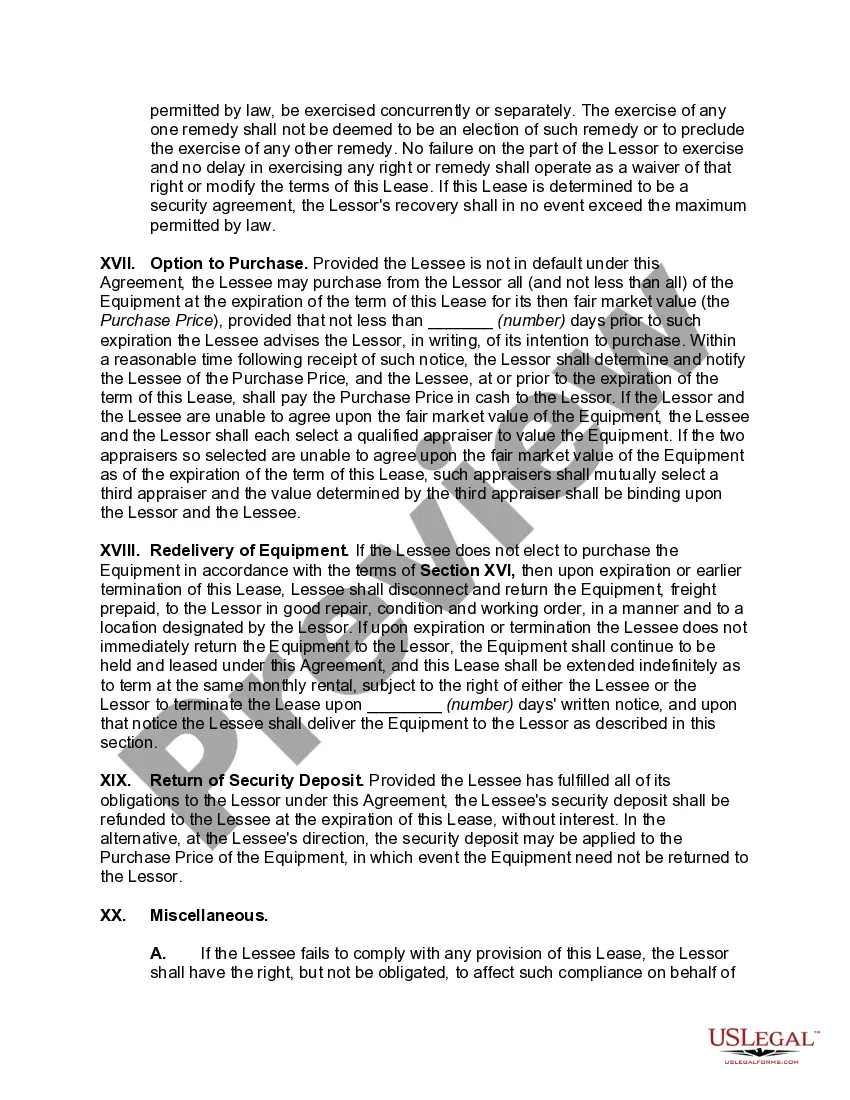
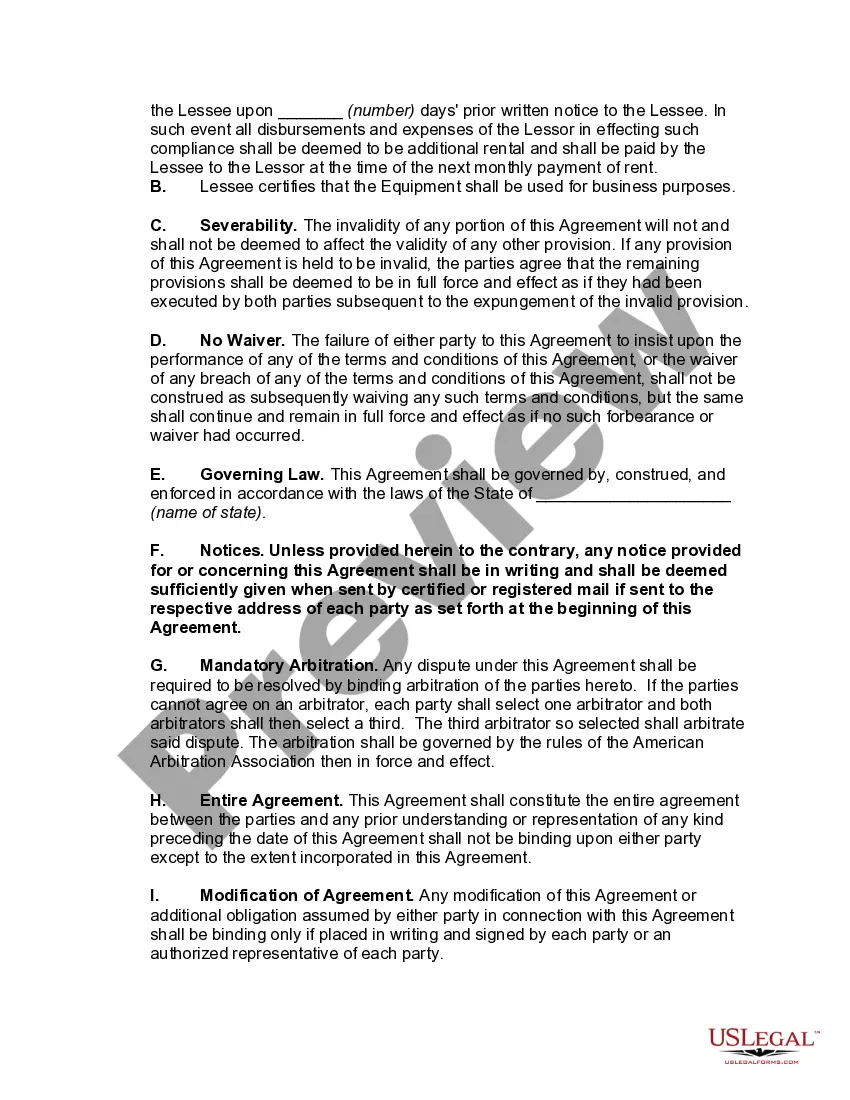
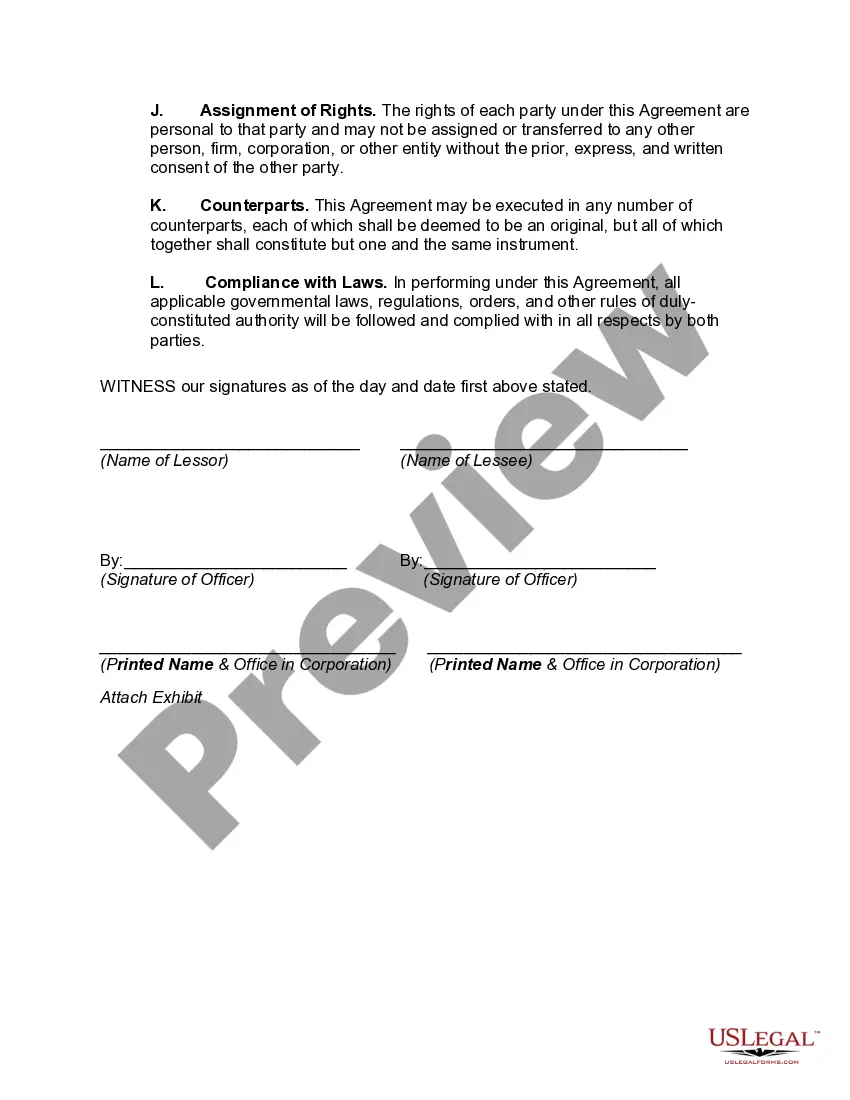
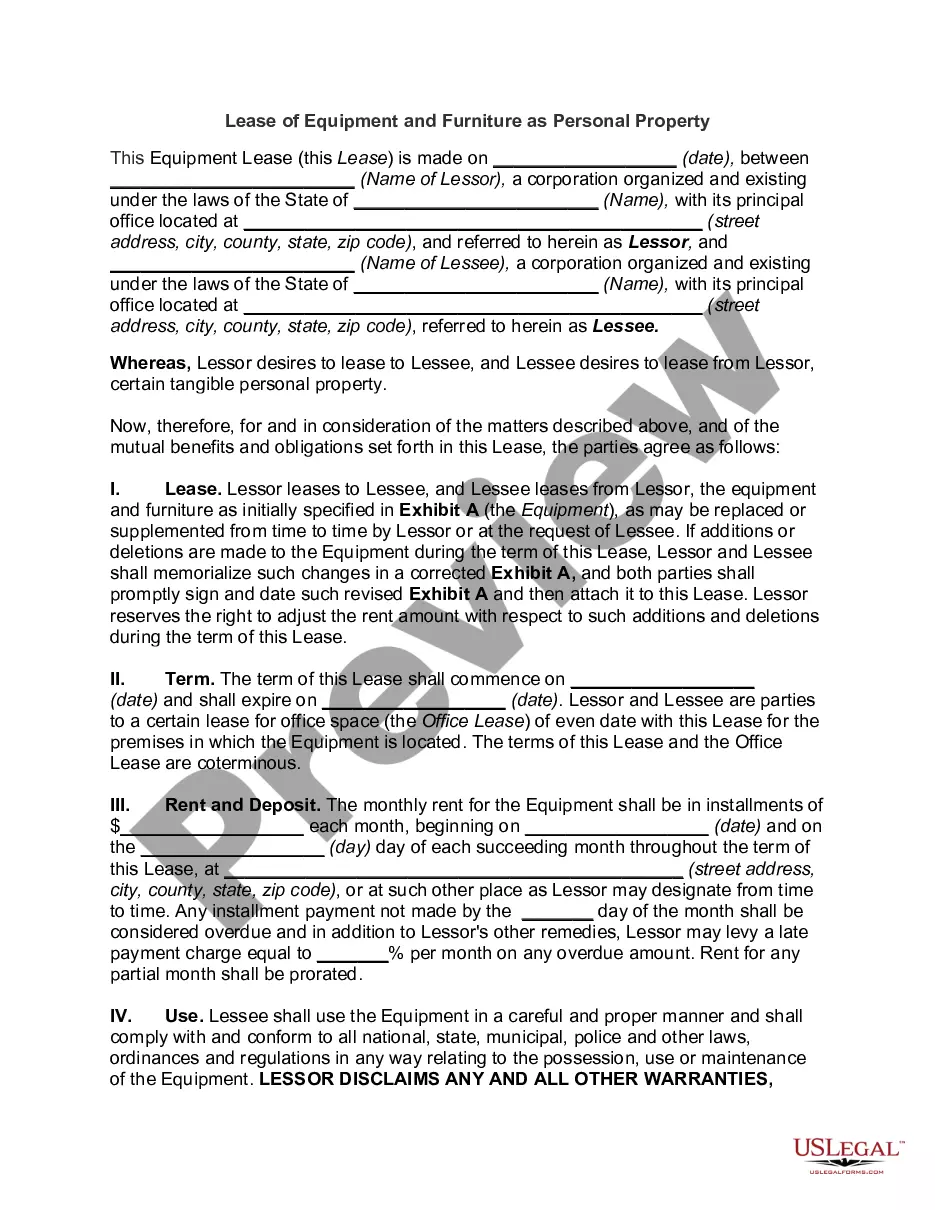
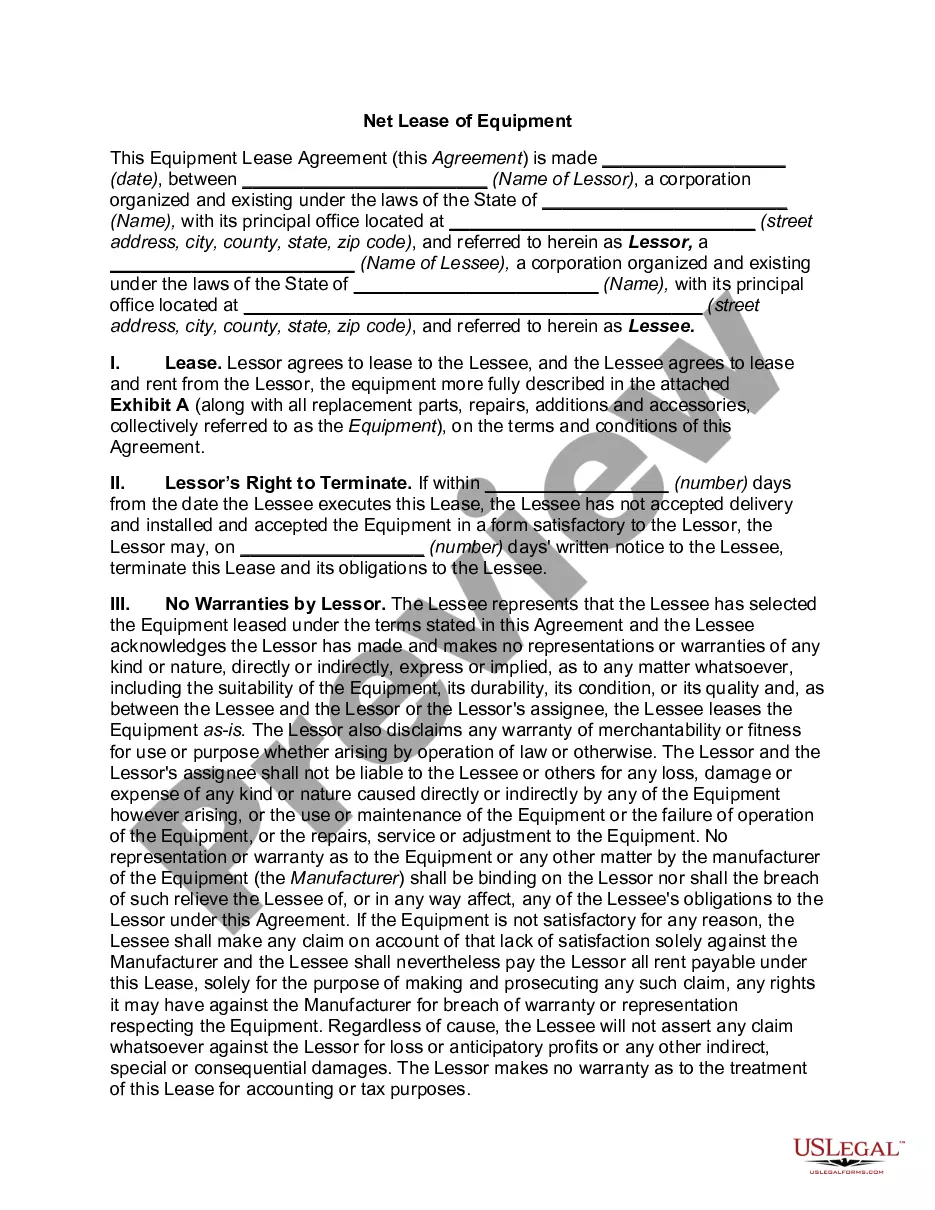
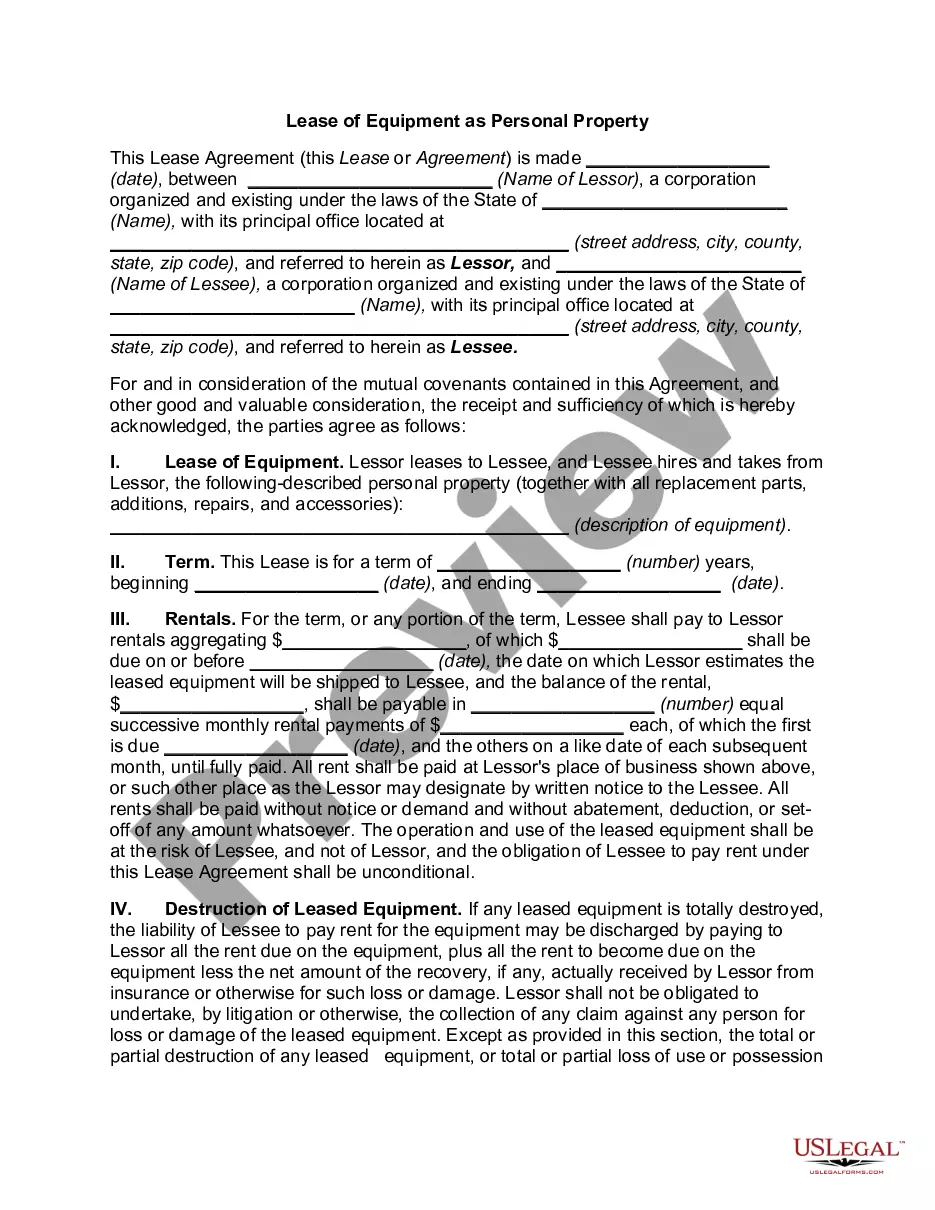
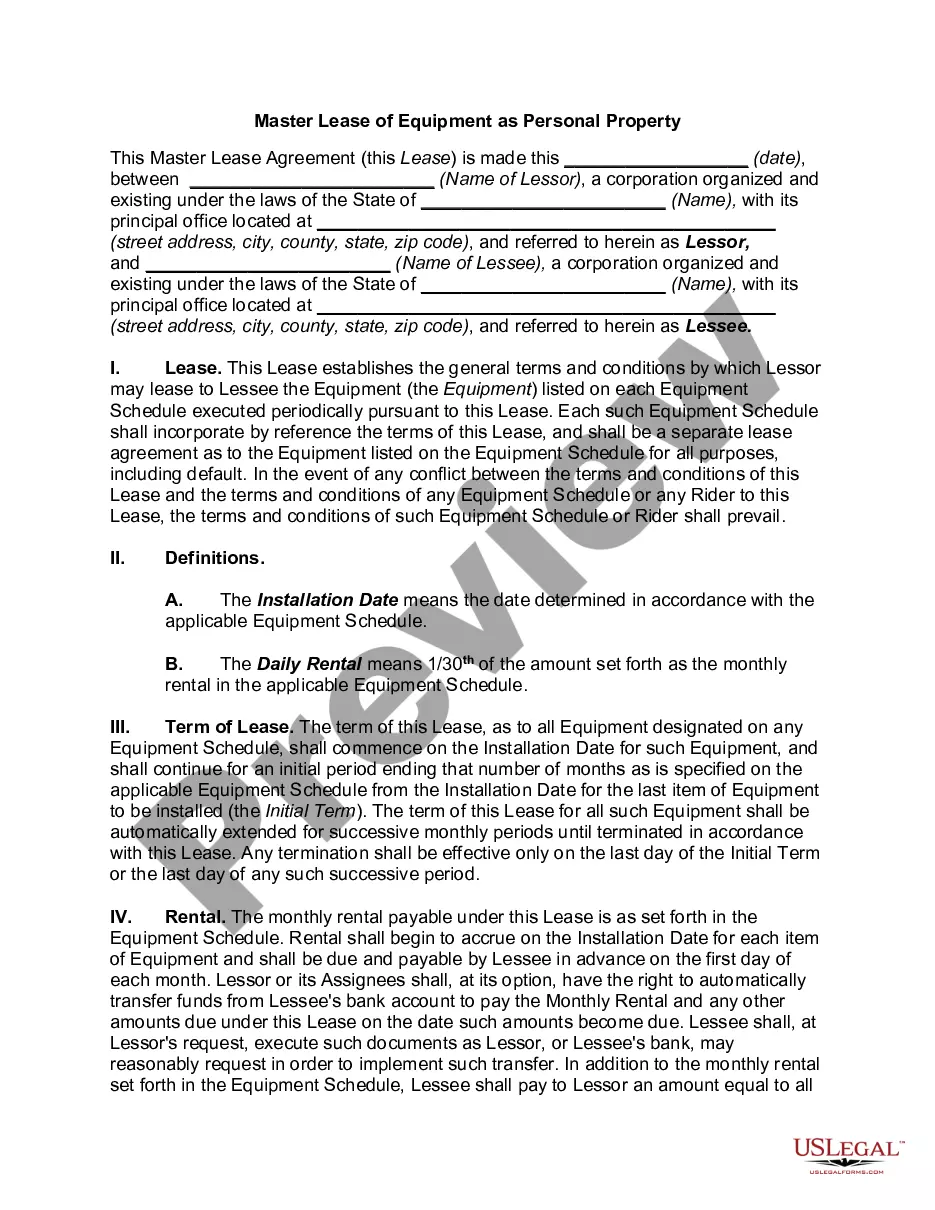
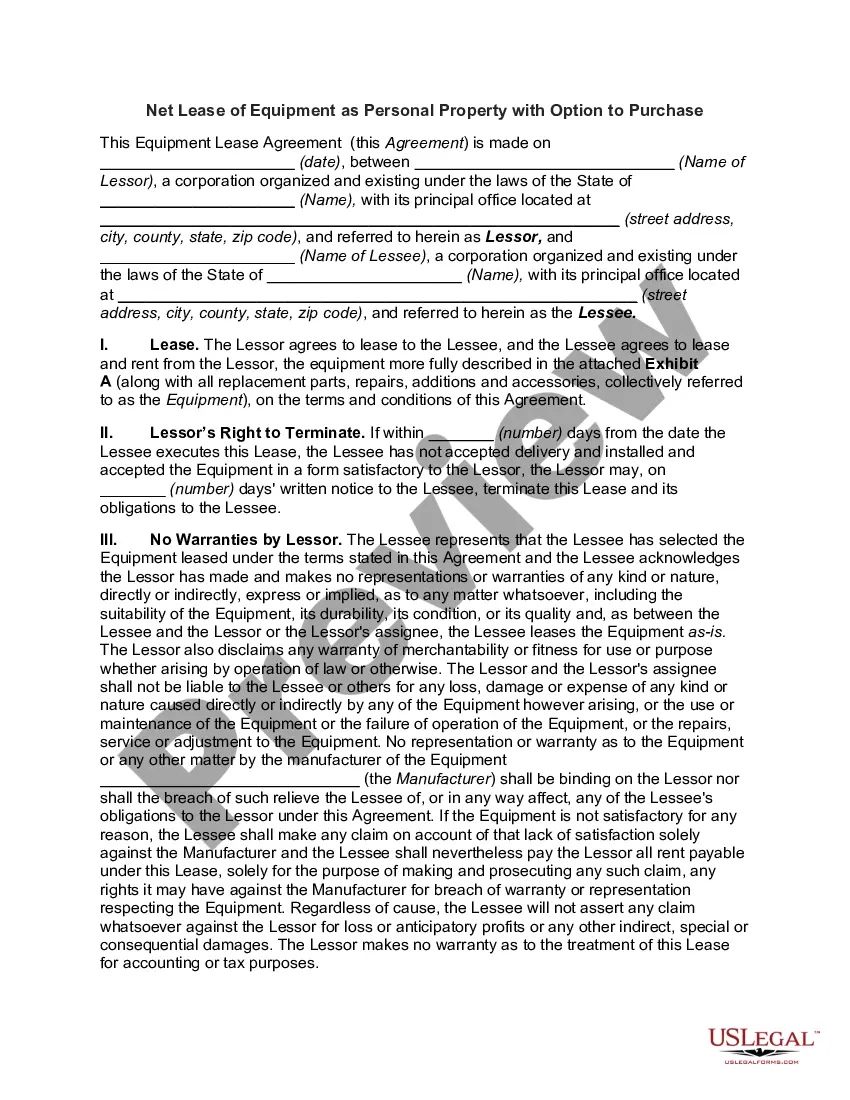

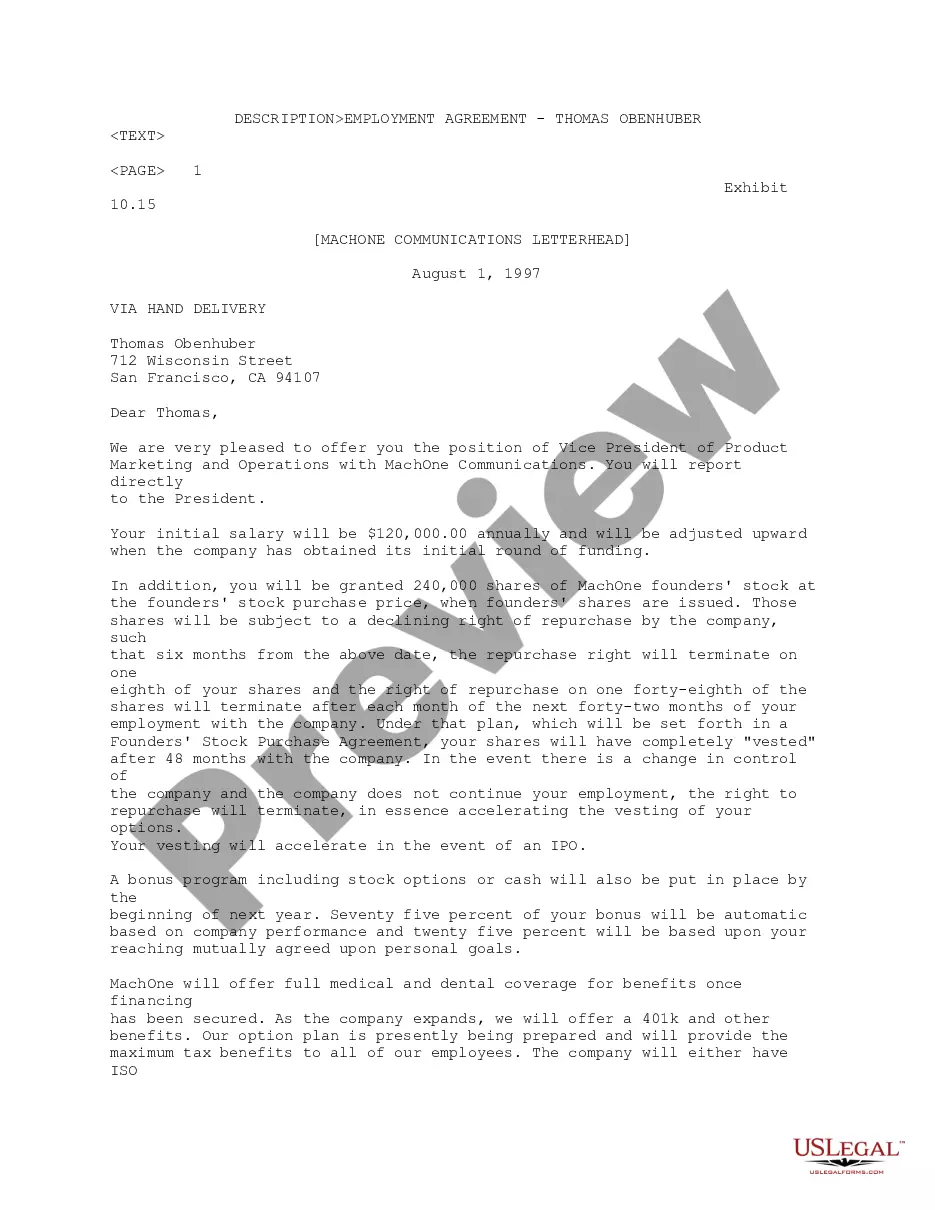
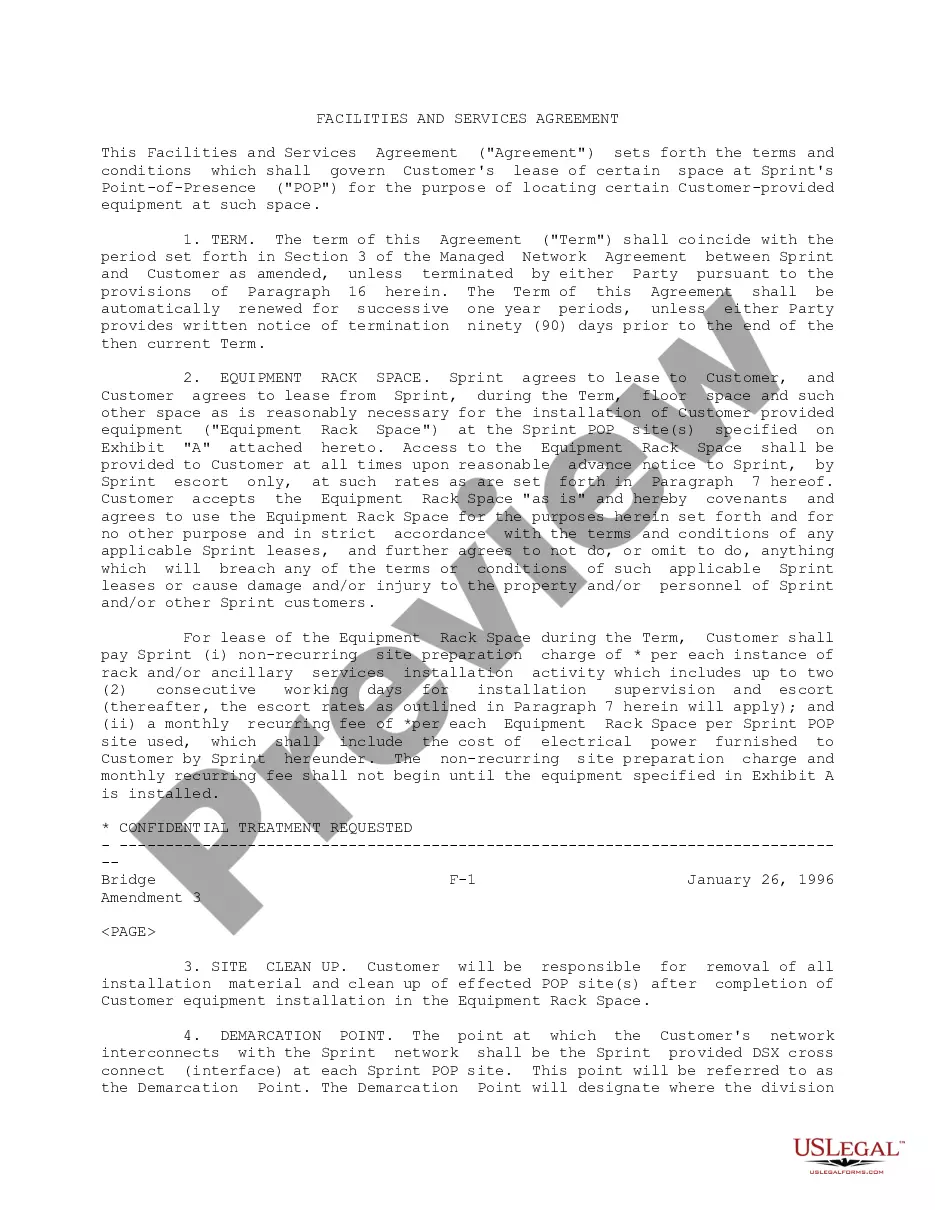


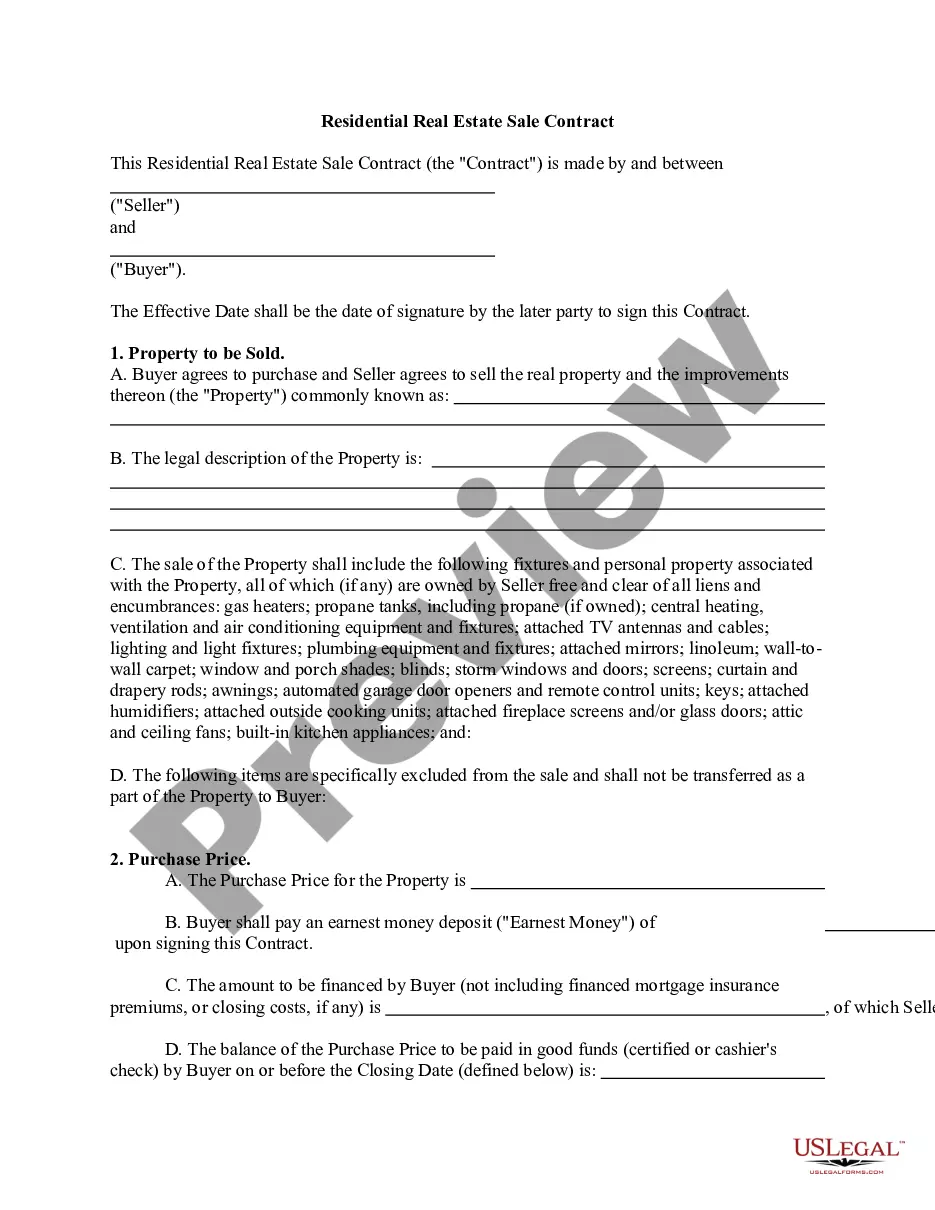
How to fill out Net Lease Of Equipment (personal Propety Net Lease) With No Warranties By Lessor And Option To Purchase?
You might spend hours online searching for the legal document template that meets the federal and state requirements you need.
US Legal Forms offers a wide variety of legal forms that are examined by experts.
You can effortlessly download or print the Indiana Net Lease of Equipment (Personal Property Net Lease) without Warranties by Lessor and Option to Purchase from the platform.
If available, use the Preview option to view the document template as well.
- If you already have a US Legal Forms account, you can Log In and click on the Acquire button.
- After that, you can complete, modify, print, or sign the Indiana Net Lease of Equipment (Personal Property Net Lease) without Warranties by Lessor and Option to Purchase.
- Each legal document template you purchase is yours indefinitely.
- To obtain another copy of any purchased form, navigate to the My documents section and select the appropriate option.
- If this is your first time using the US Legal Forms website, follow the simple steps below.
- First, ensure you've chosen the correct document template for the county/city of your preference.
- Check the form description to confirm you have selected the right document.
Form popularity
FAQ
A standard lease typically involves the tenant paying only rent, with the landlord taking care of other costs. In contrast, a net lease requires the tenant to cover additional expenses like maintenance, insurance, and taxes. When looking at an Indiana net lease of equipment (personal property net lease) with no warranties by lessor and option to purchase, lessees should be prepared for these obligations and the impact on their budget.
The three main types of leases include operating leases, financial leases, and capital leases. Each type has distinct characteristics and implications for both the lessor and the lessee. For example, an Indiana net lease of equipment (personal property net lease) with no warranties by lessor and option to purchase typically falls under financial leases, where ownership can eventually transfer to the lessee.
Section 32-31-1-8 of the Indiana Code discusses specific covenants and responsibilities that can be included in lease agreements. This section may cover essential elements such as payment obligations and maintenance duties. Understanding this section can help those involved in an Indiana net lease of equipment (personal property net lease) with no warranties by lessor and option to purchase to structure their agreements effectively.
Indiana Code 32-31-2-2 provides legal definitions and framework for leases executed within the state. It outlines various provisions and stipulations that govern lease agreements, ensuring clarity and protection for both parties. In the context of an Indiana net lease of equipment (personal property net lease) with no warranties by lessor and option to purchase, it's beneficial to understand these regulations to ensure compliance and mitigate risks.
Triple net leases (NNN) come with several risks that potential lessees should consider. Firstly, the tenant assumes responsibility for all operating expenses, meaning unexpected costs can arise. Furthermore, in an Indiana net lease of equipment (personal property net lease) with no warranties by lessor and option to purchase, the lessee must also evaluate the condition of the equipment over time to avoid unforeseen future expenses.
A net lease is a rental agreement where the tenant is responsible for paying not only the rent but also other costs associated with the property. This can include taxes, insurance, and maintenance expenses. In the context of an Indiana net lease of equipment (personal property net lease) with no warranties by lessor and option to purchase, it allows for flexibility in how the lessee manages expenses.
A standalone lease refers to an agreement that operates independently from other contracts, often focusing solely on one asset. This includes, for example, an Indiana Net Lease of Equipment (personal Property Net Lease) with no Warranties by Lessor and Option to Purchase, where the terms pertain exclusively to a single item of equipment. Such leases simplify the terms, making it easy for both parties to understand their commitments.
Exiting an equipment lease often requires you to review your lease agreement thoroughly. Most leases, including the Indiana Net Lease of Equipment (personal Property Net Lease) with no Warranties by Lessor and Option to Purchase, include terms for early termination. You can consider negotiating with your lessor, or enlisting assistance from platforms like uslegalforms to ensure you follow the correct legal steps for ending your lease.
Typically, residential properties utilize gross leases, where the landlord is responsible for maintenance and utility costs. However, variations like the Indiana Net Lease of Equipment (personal Property Net Lease) with no Warranties by Lessor and Option to Purchase may apply in specific situations, especially for non-traditional living spaces. It's crucial to know the distinctions to understand your obligations and rights as a tenant.
In apartments, the most common type of lease is the gross lease, where the landlord covers most property expenses. However, occasionally, tenants may encounter modified gross leases or net leases depending on the property type. Understanding the differences, including options like the Indiana Net Lease of Equipment (personal Property Net Lease) with no Warranties by Lessor and Option to Purchase, can help renters navigate their options with confidence.