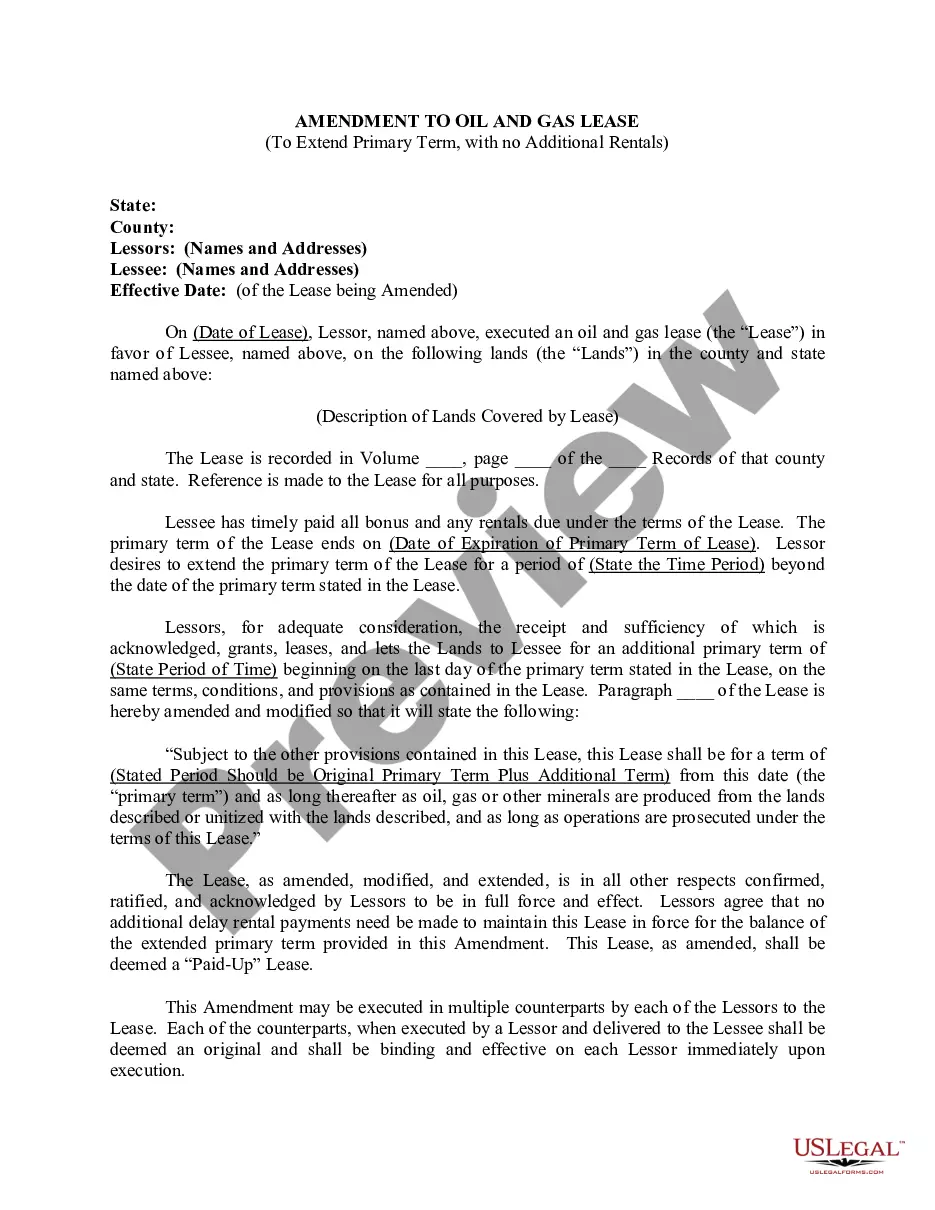
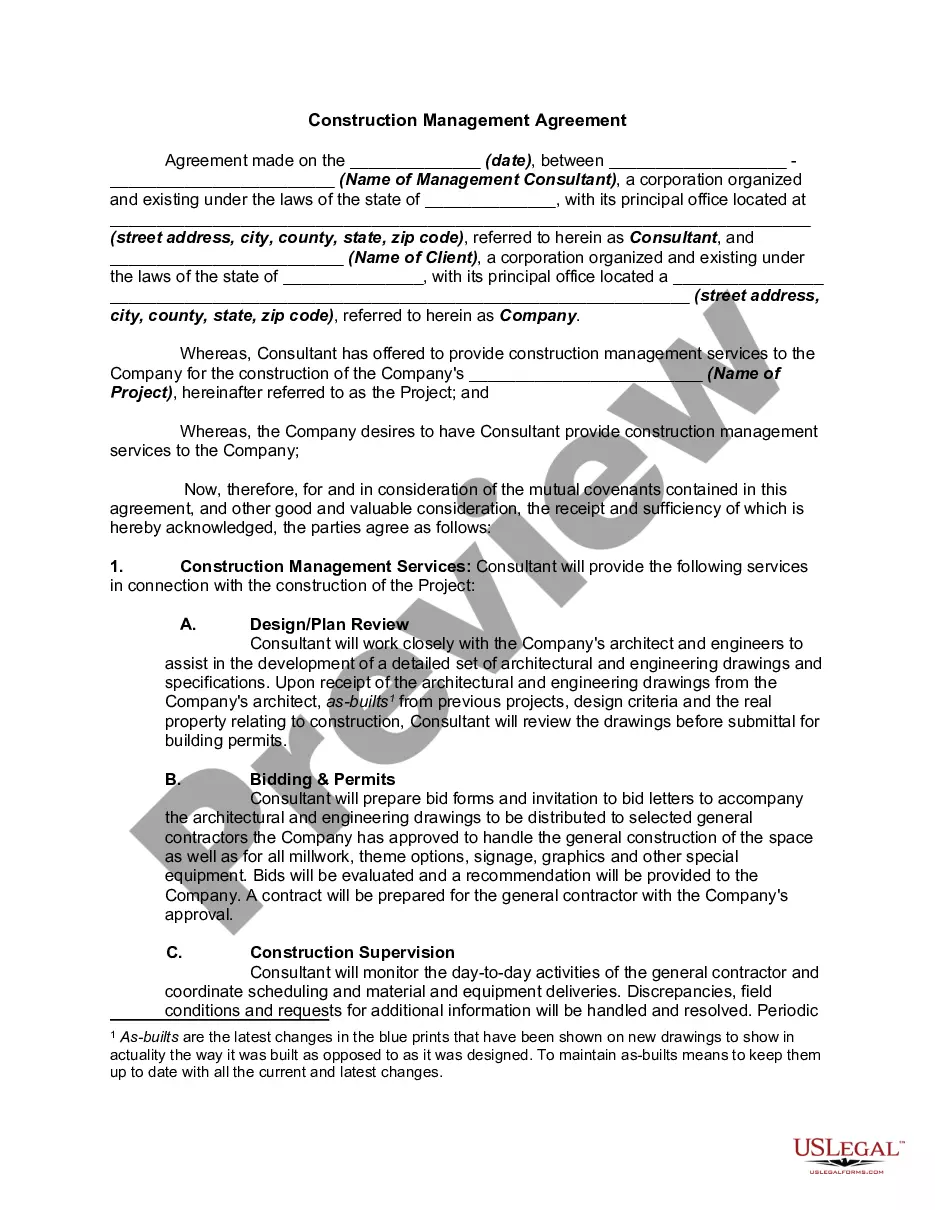
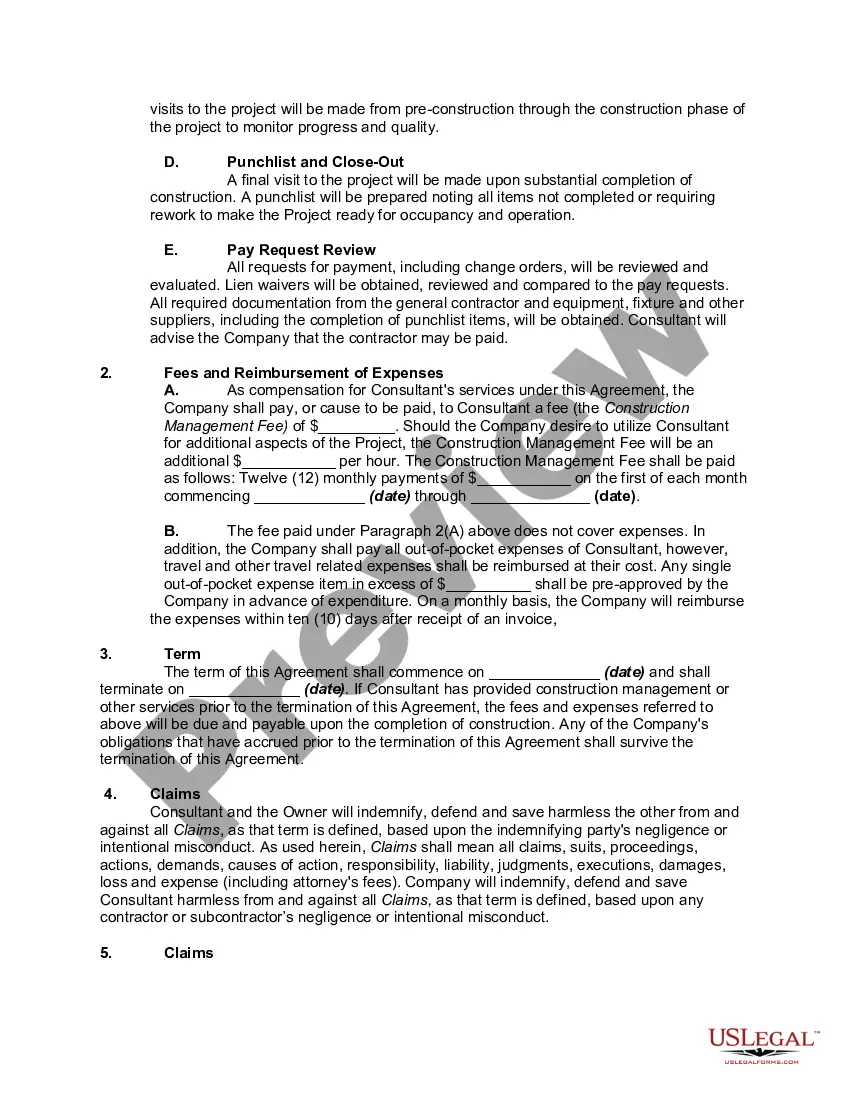
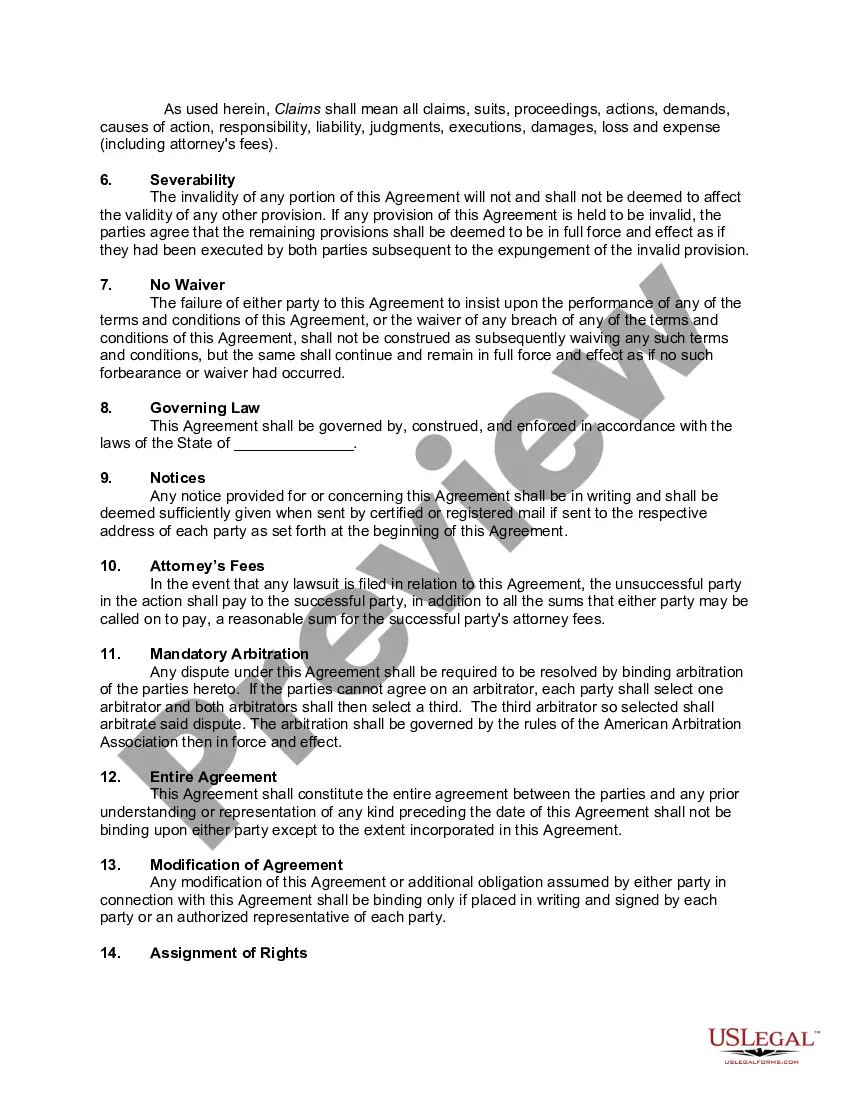
Indiana Construction Management Agreement
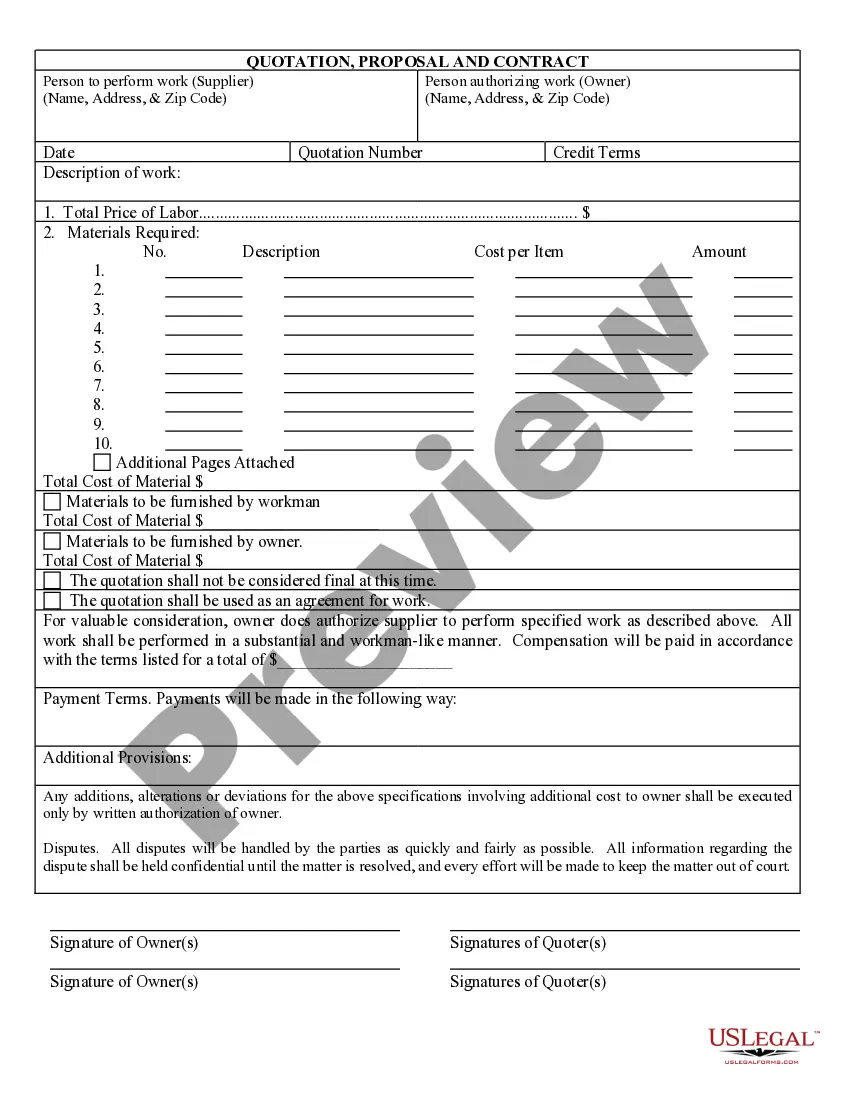
Description
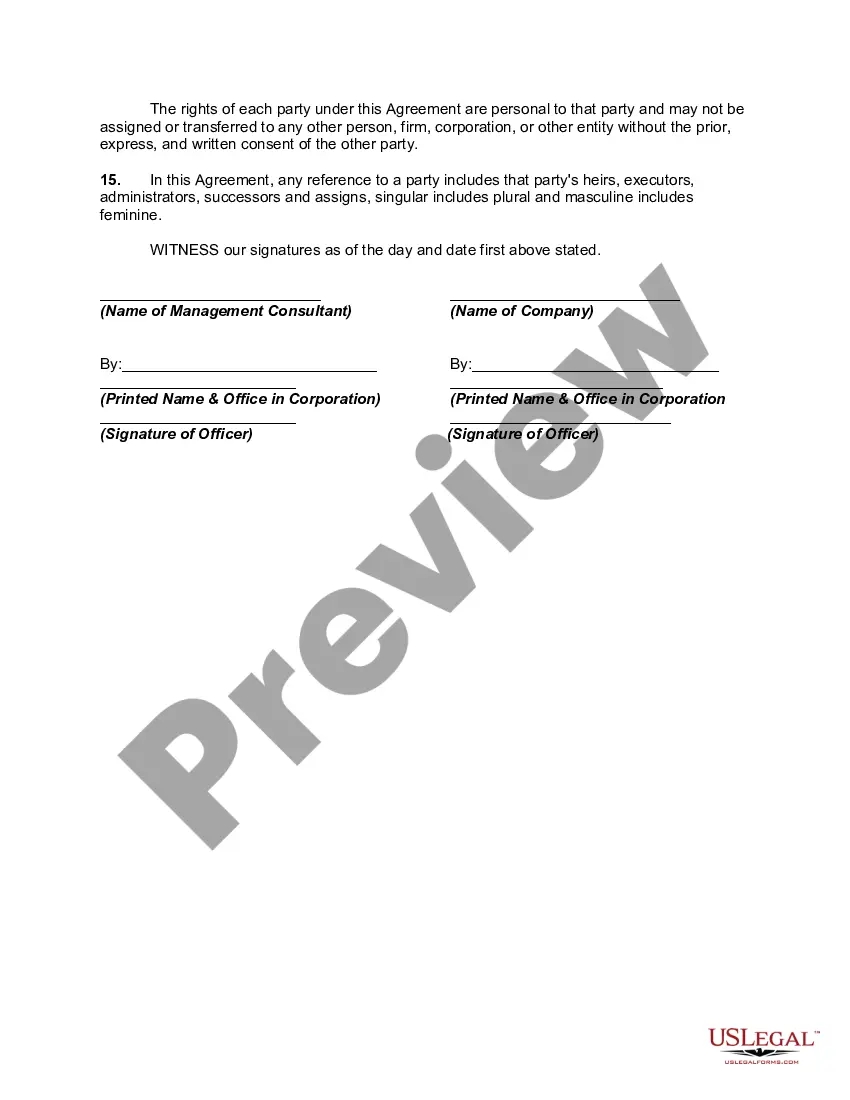
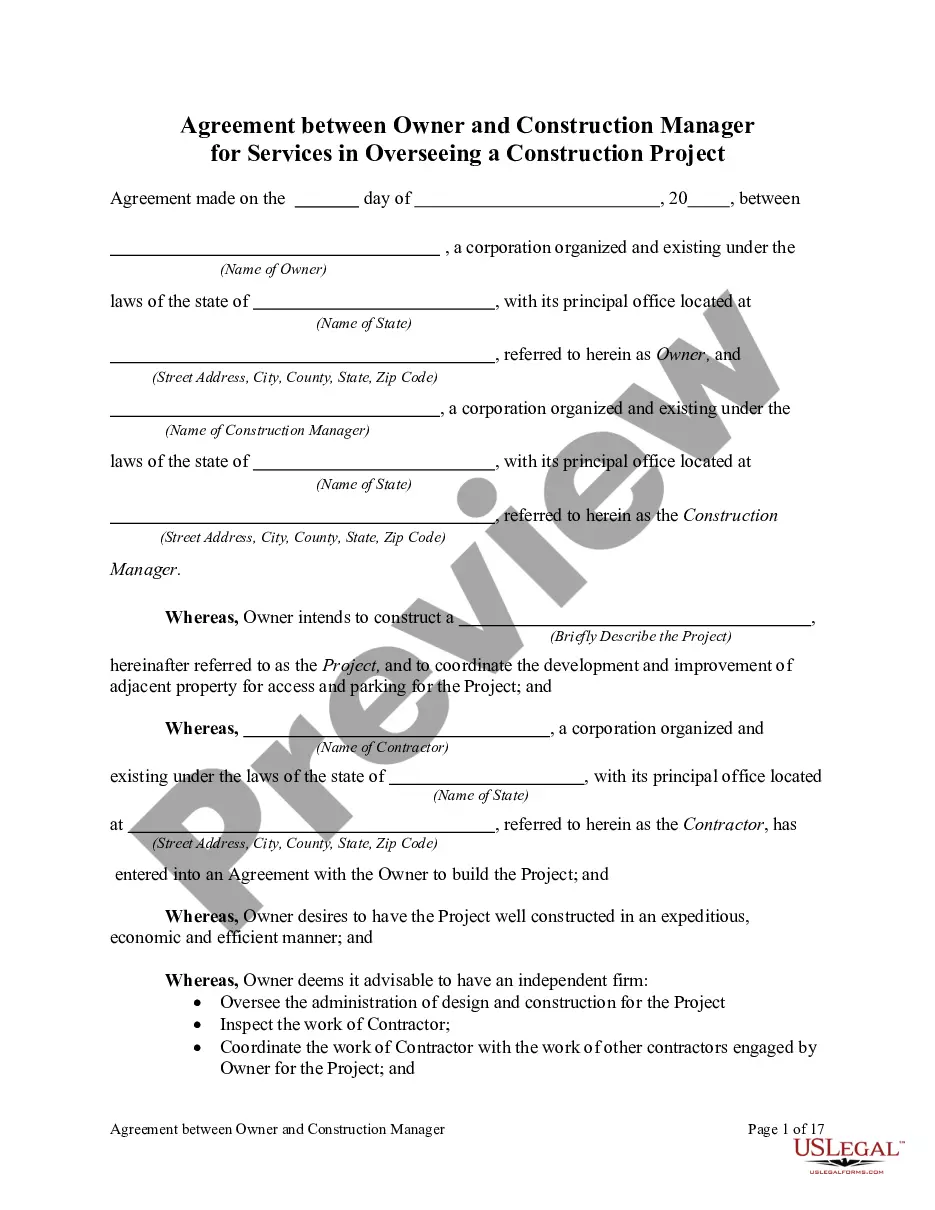
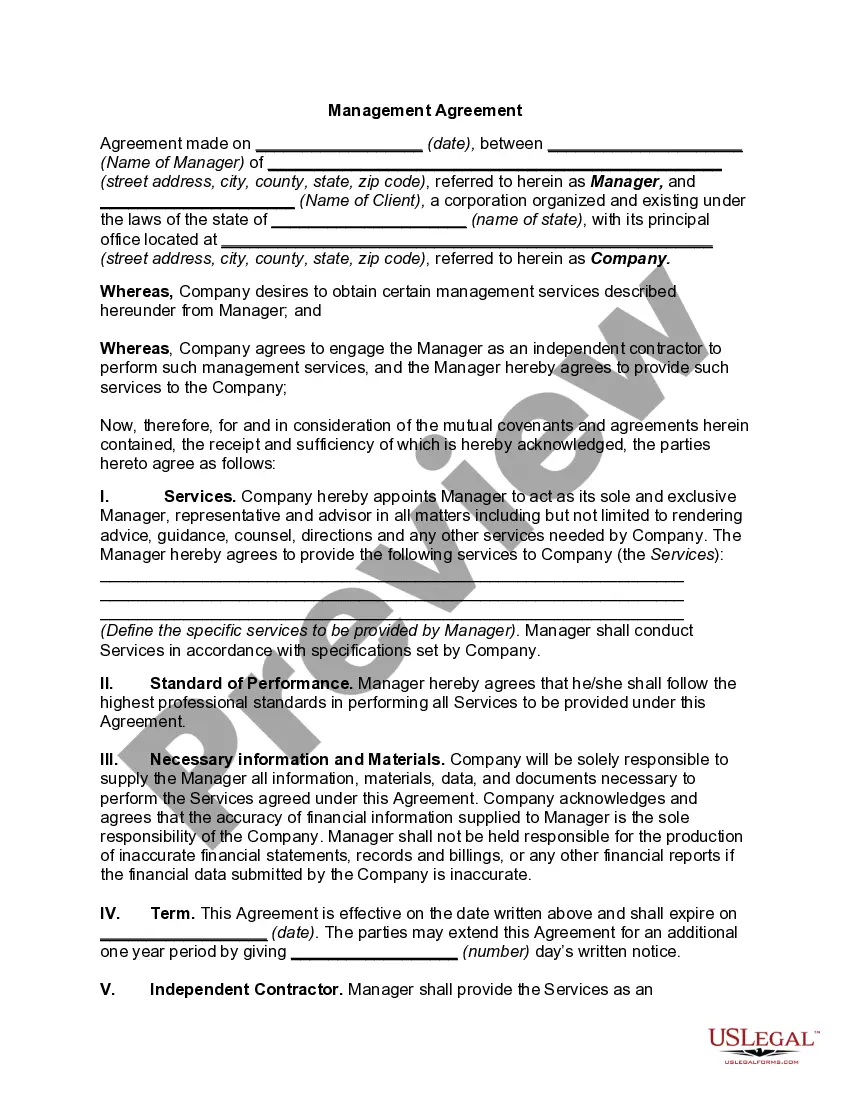
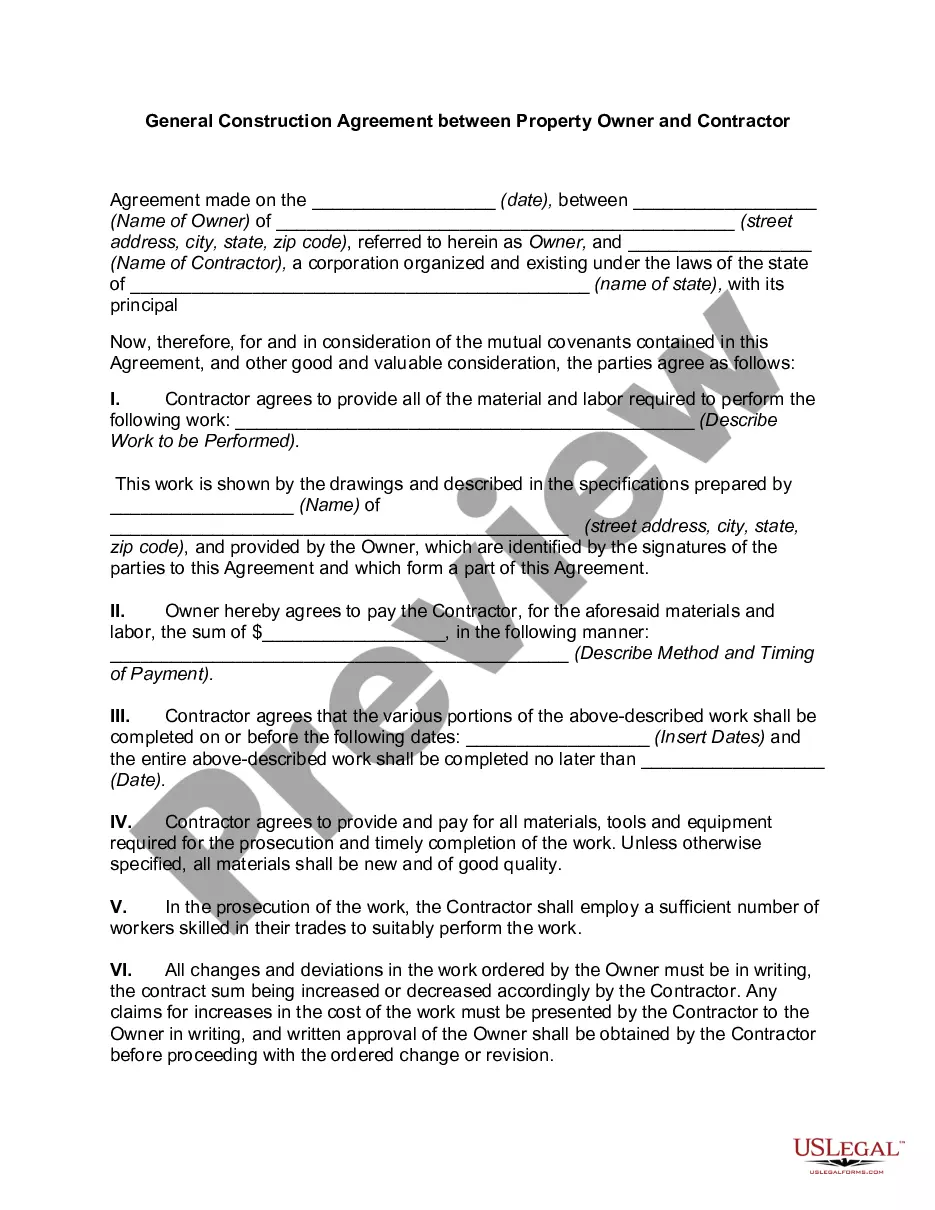
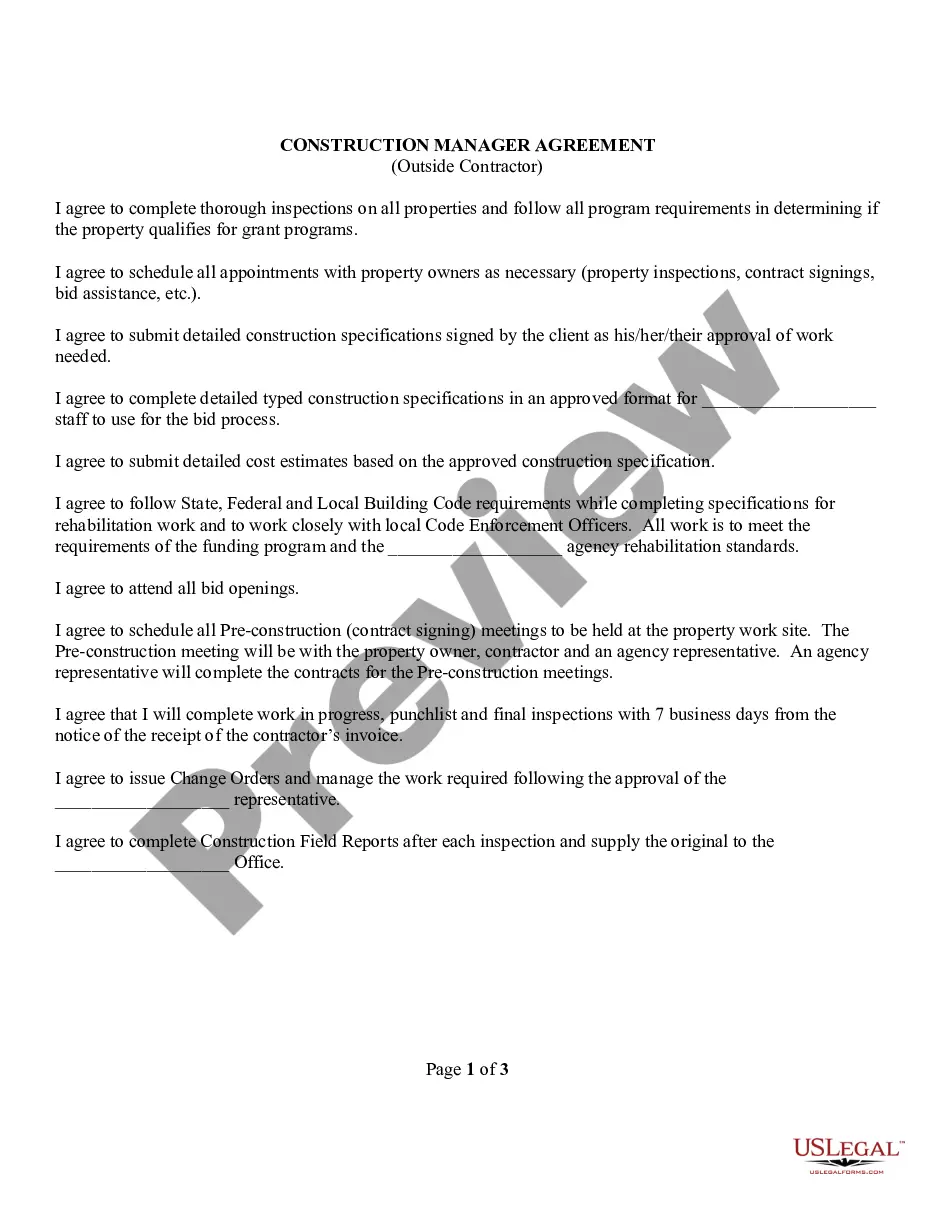
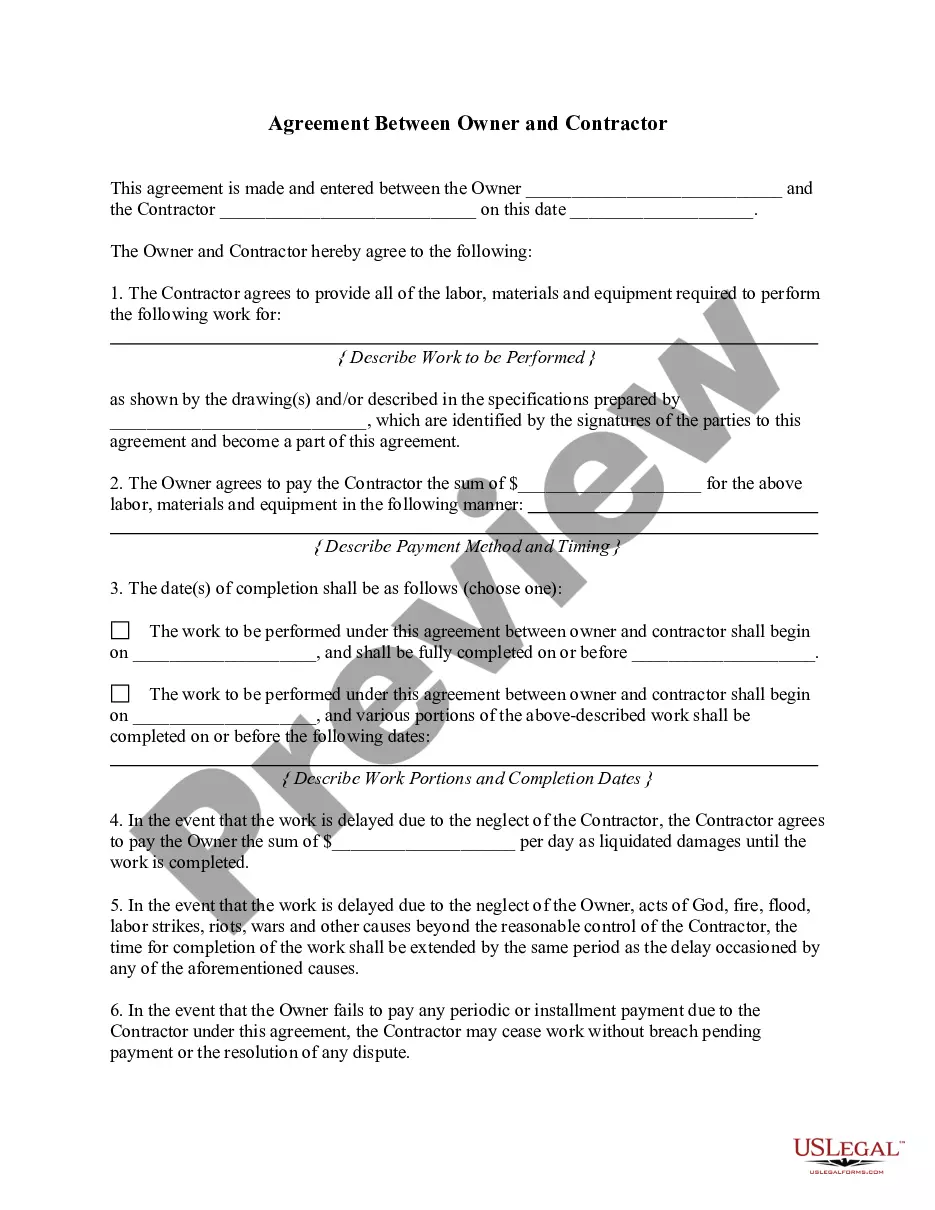
Get your form ready online
Our built-in tools help you complete, sign, share, and store your documents in one place.
Make edits, fill in missing information, and update formatting in US Legal Forms—just like you would in MS Word.
Download a copy, print it, send it by email, or mail it via USPS—whatever works best for your next step.
Sign and collect signatures with our SignNow integration. Send to multiple recipients, set reminders, and more. Go Premium to unlock E-Sign.
If this form requires notarization, complete it online through a secure video call—no need to meet a notary in person or wait for an appointment.
We protect your documents and personal data by following strict security and privacy standards.

Make edits, fill in missing information, and update formatting in US Legal Forms—just like you would in MS Word.

Download a copy, print it, send it by email, or mail it via USPS—whatever works best for your next step.

Sign and collect signatures with our SignNow integration. Send to multiple recipients, set reminders, and more. Go Premium to unlock E-Sign.

If this form requires notarization, complete it online through a secure video call—no need to meet a notary in person or wait for an appointment.

We protect your documents and personal data by following strict security and privacy standards.
Looking for another form?
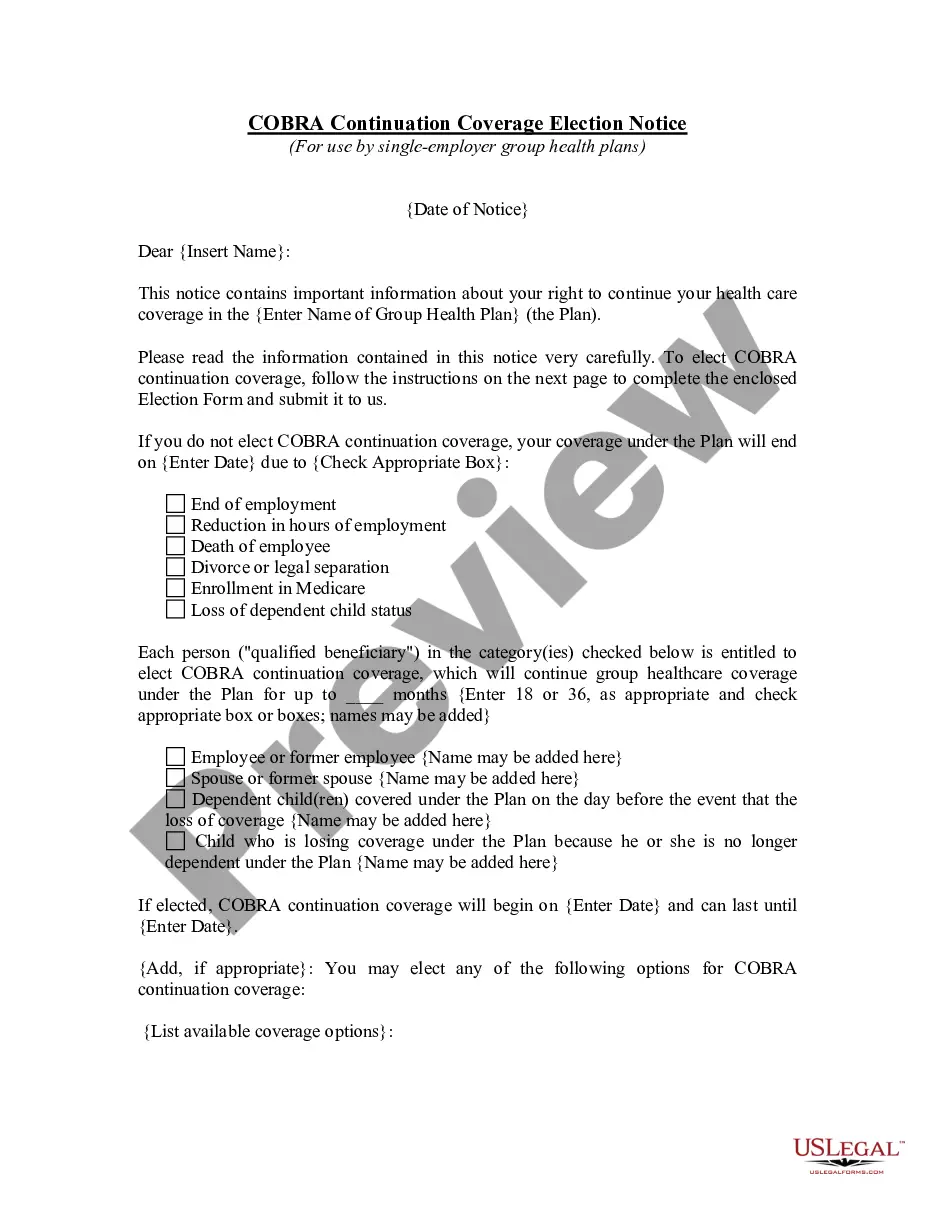


How to fill out Construction Management Agreement?
Are you currently in a position where you need documents for either business or personal reasons every day.
There are numerous legal document templates available online, but finding ones you can rely on isn’t simple.
US Legal Forms offers a multitude of form templates, such as the Indiana Construction Management Agreement, designed to comply with federal and state regulations.
Once you find the correct form, click Buy now.
Select the pricing plan you prefer, fill in the necessary information to create your account, and complete the order using your PayPal or credit card. Choose a convenient file format and download your copy. Access all the document templates you have purchased in the My documents menu. You can obtain another copy of the Indiana Construction Management Agreement anytime, if required. Just select the relevant form to download or print the document template. Use US Legal Forms, the most extensive collection of legal forms, to save time and avoid errors. The service offers professionally crafted legal document templates for a variety of applications. Create an account on US Legal Forms and start making your life a little easier.
- If you are already familiar with the US Legal Forms website and have an account, simply Log In.
- Then, you can download the Indiana Construction Management Agreement template.
- If you don’t have an account and want to start using US Legal Forms, follow these steps.
- Locate the form you need and ensure it is for the correct city/area.
- Use the Review button to inspect the form.
- Read the details to confirm that you have selected the right form.
- If the form isn’t what you are looking for, use the Search field to find the form that meets your needs and requirements.
Form popularity
FAQ
To make a construction contract agreement, first gather all necessary project details and contact information for the parties involved. Clearly describe the project's scope, timelines, and payment structure. Including a section for changes and dispute resolution is essential for clarity. An Indiana Construction Management Agreement serves as an excellent resource to guide you through this process.
Drafting a contract agreement involves several steps, including defining the project's specifics and clarifying responsibilities. Start with a clear title and include the date of agreement. Use bullet points for clarity on timelines, payments, and deliverables. To ensure professionalism, consider leveraging an Indiana Construction Management Agreement that provides a reliable outline for you.
The five essential elements of a construction contract are offer, acceptance, consideration, capacity, and legality. Each element plays a vital role in ensuring a binding agreement. A well-structured Indiana Construction Management Agreement incorporates all these elements to safeguard the interests of both the contractor and the client. This comprehensive approach minimizes potential disputes.
To make your own contract agreement, begin by detailing the specific terms and conditions of your project. Use simple language to describe the obligations of all parties involved. Incorporate key elements such as timelines, payment details, and dispute resolution methods. For added clarity and protection, consider using an Indiana Construction Management Agreement template.
Writing a simple construction contract starts with defining the project's scope and objectives. Clearly outline the duties, timelines, and payment terms involved. Don't forget to include provisions for changes and dispute resolution. An Indiana Construction Management Agreement helps to formalize these aspects, ensuring both parties are protected.
To start a construction business in Indiana, you should first develop a solid business plan. This plan should outline your services, target market, and financial projections. Additionally, ensure that you register your business and obtain the necessary licenses and permits. Utilizing an Indiana Construction Management Agreement can establish clear expectations and responsibilities with your clients.
CMc, or Construction Management at Risk, involves a construction manager who commits to completing the project within a specified budget, taking on some financial risk. In contrast, CMa, or Construction Management as Agent, means the construction manager acts as a consultant, without any financial guarantees. Understanding these distinctions is vital when creating your Indiana Construction Management Agreement, as each method carries different responsibilities and benefits.
A project manager is responsible for overseeing the entire project, focusing on planning, budget management, and resource allocation. Meanwhile, a general contractor handles the on-site execution of construction work and coordinates with subcontractors. By clearly defining these roles in your Indiana Construction Management Agreement, you can ensure that both planning and construction phases are well-managed.
The primary distinction between a General Contractor (GC) and a Construction Manager (CM) involves their approach to project management. A GC focuses on the construction process, executing the plans provided by architects and engineers. In contrast, a CM actively collaborates with the project team from the start, advising on design and construction methods. When drafting an Indiana Construction Management Agreement, knowing these roles can enhance project success.
A general contractor manages the overall construction project, including hiring subcontractors and overseeing schedules and budgets. On the other hand, a superintendent plays a more hands-on role, directly managing daily activities on the job site. This includes ensuring that work is being done safely and efficiently. To navigate these roles in your Indiana Construction Management Agreement effectively, it’s crucial to know their distinct responsibilities.