A bond placement is the process of selling a new bond issue often to an intitutional investor. For a company in need of financing, this a typical transaction arranged through an investment banker.
Indiana Bond placement agreement
Instant download
Description
Free preview
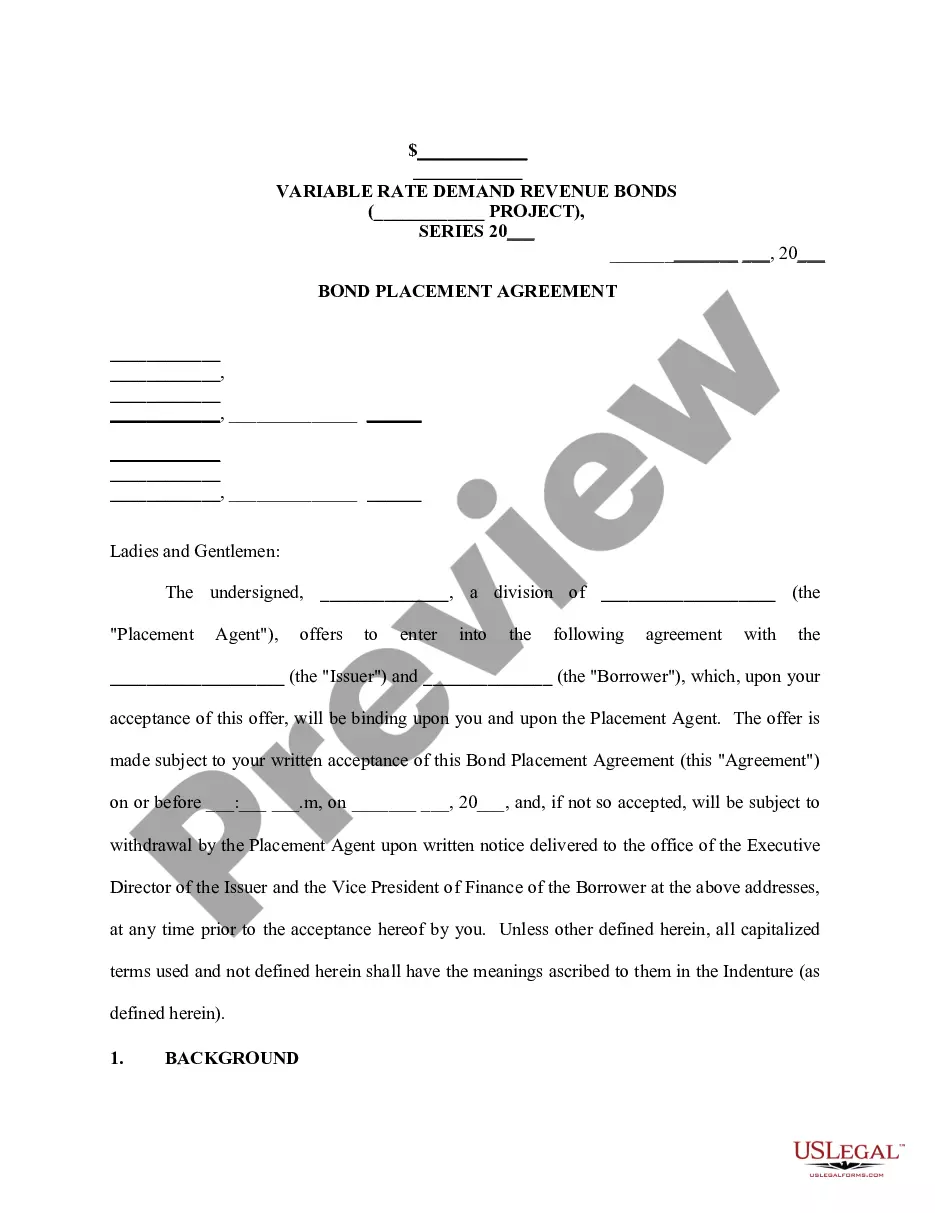
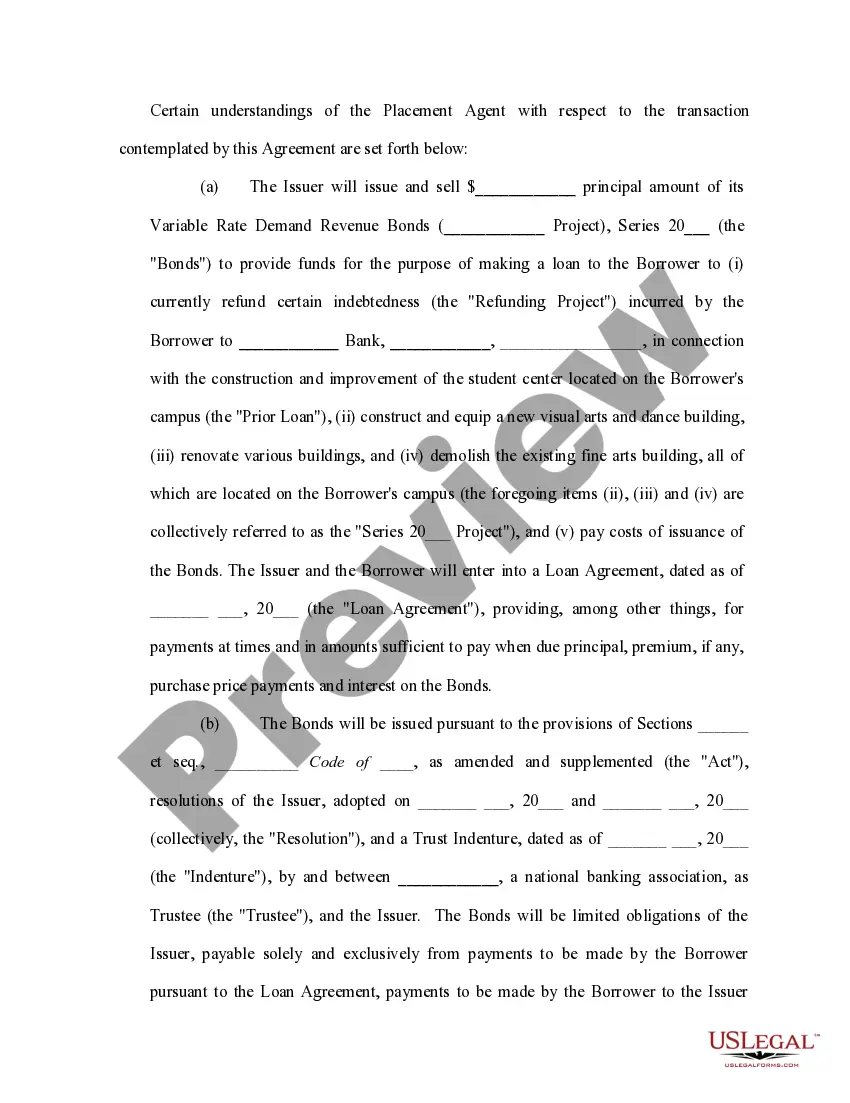
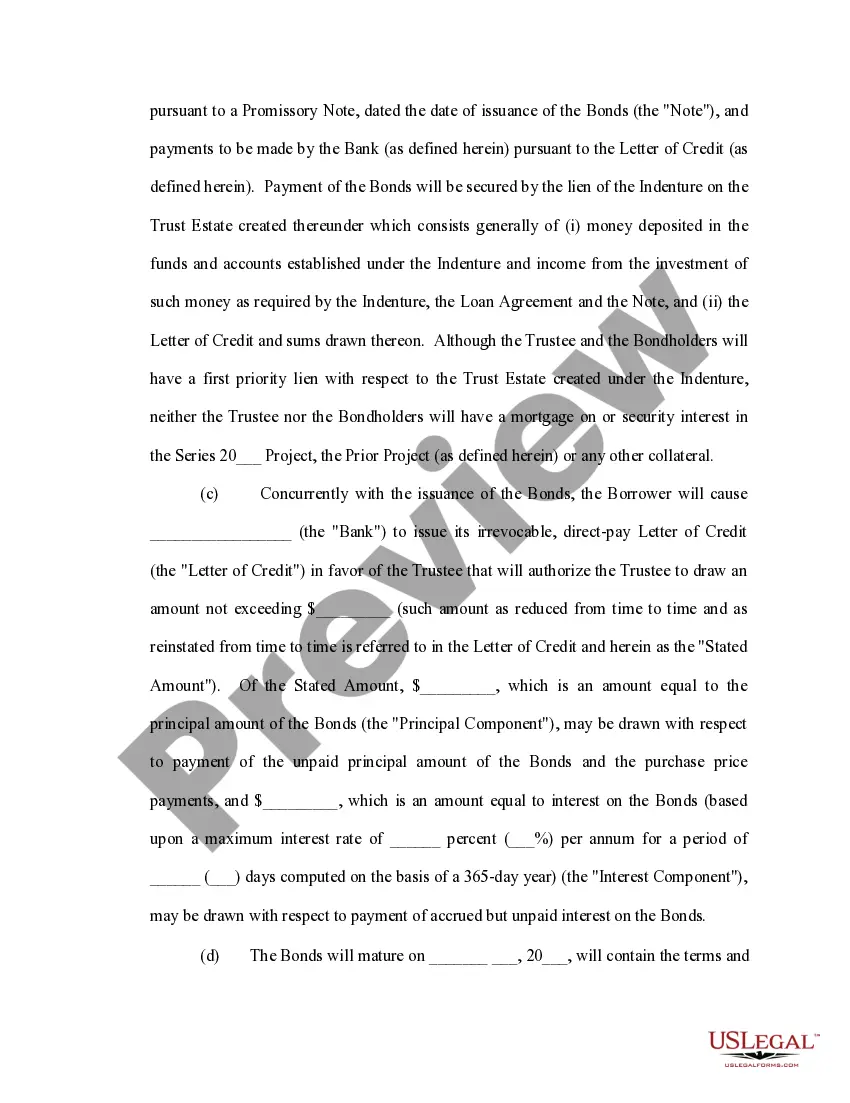
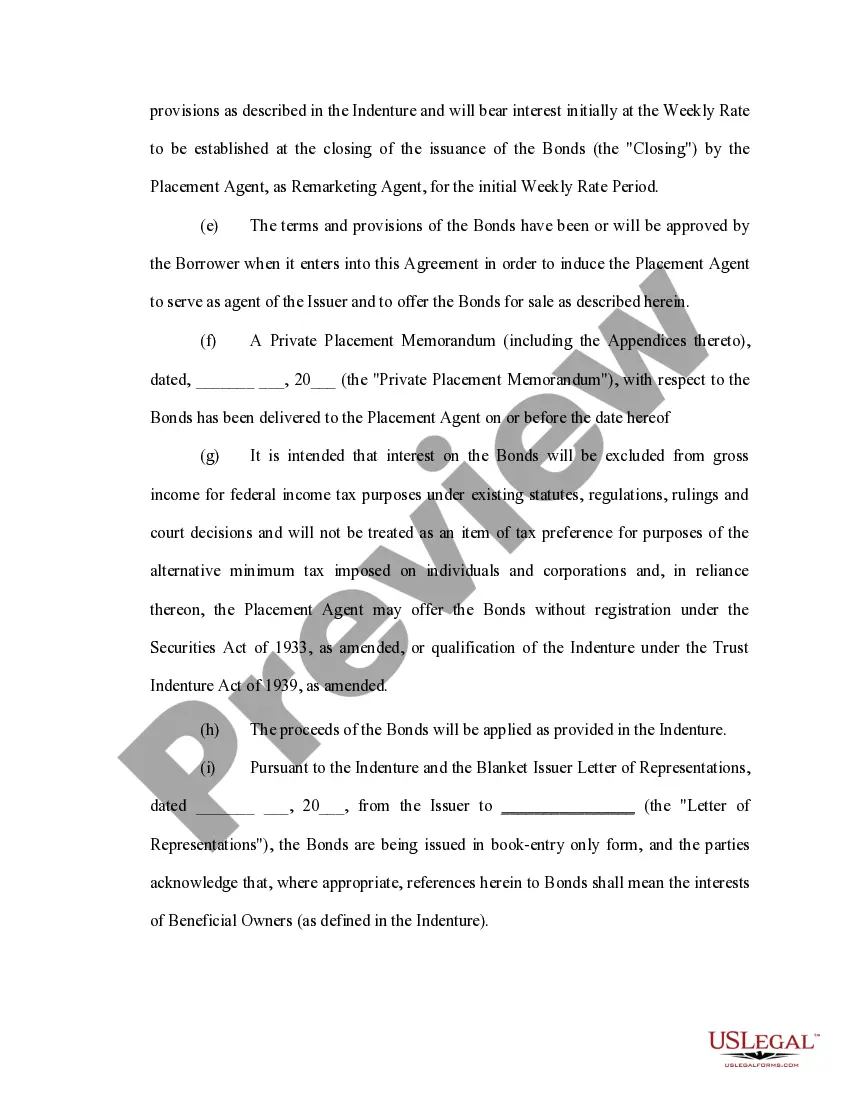
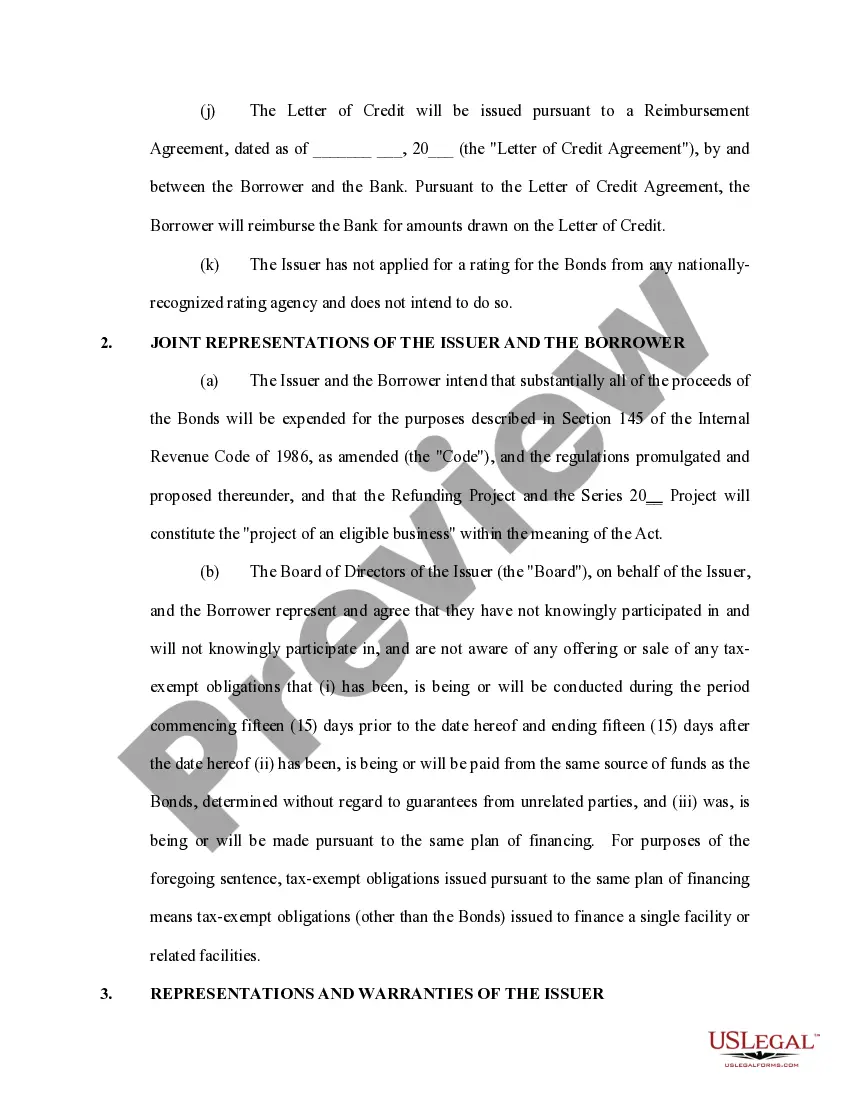
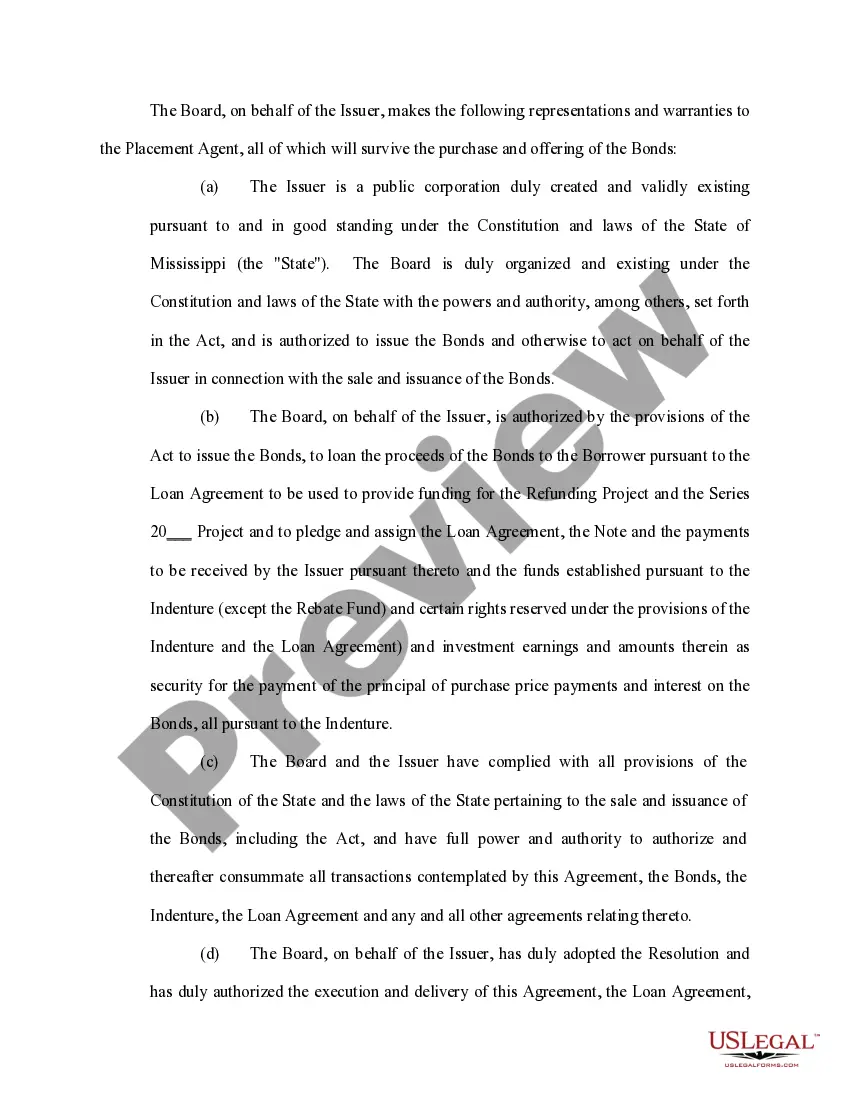
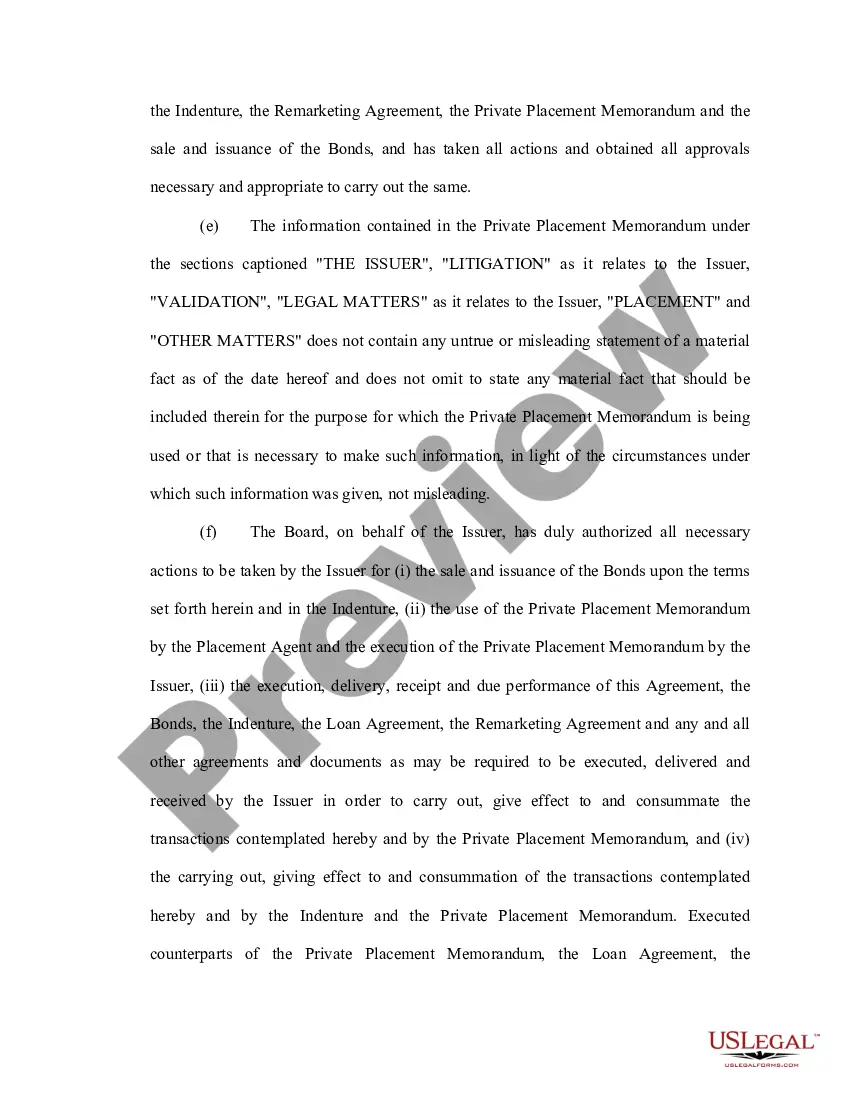




How to fill out Bond Placement Agreement?
Finding the appropriate valid document template can be challenging.
Certainly, there are numerous designs accessible online, but how can you locate the correct form you need.
Utilize the US Legal Forms website. The service offers a vast array of templates, including the Indiana Bond placement agreement, which can be utilized for both business and personal purposes.
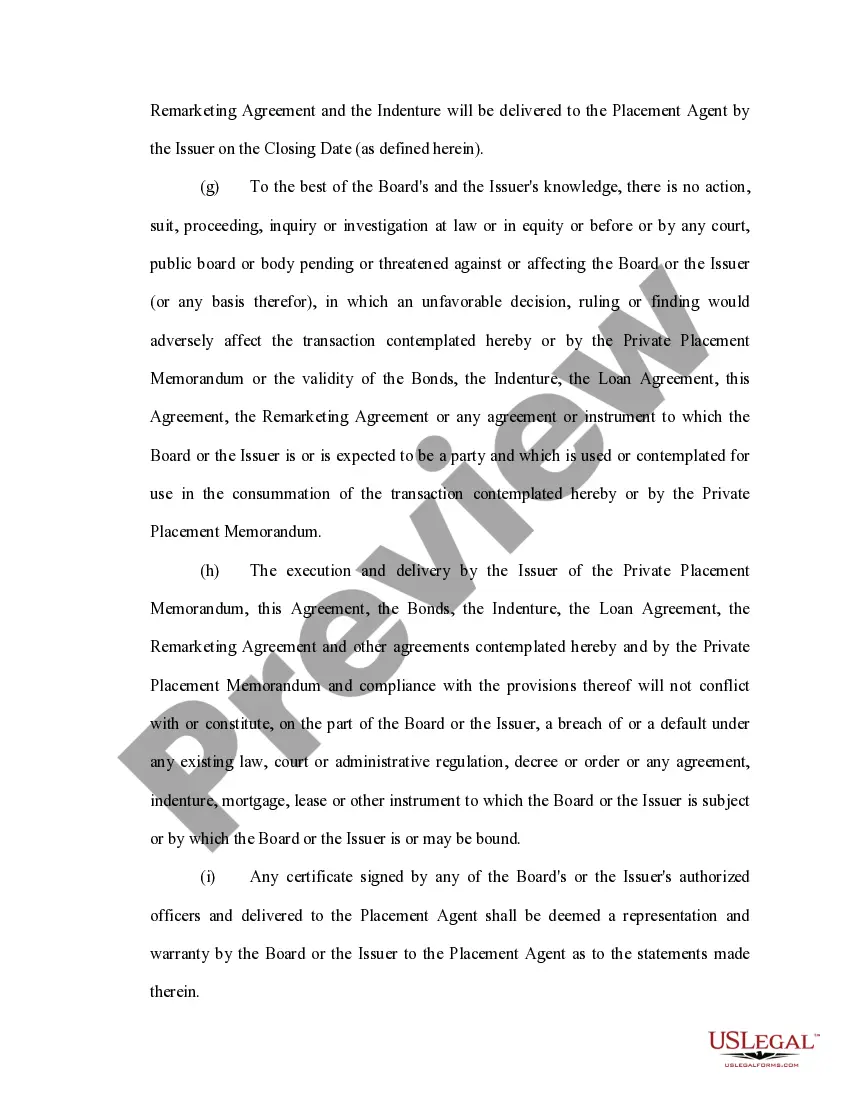
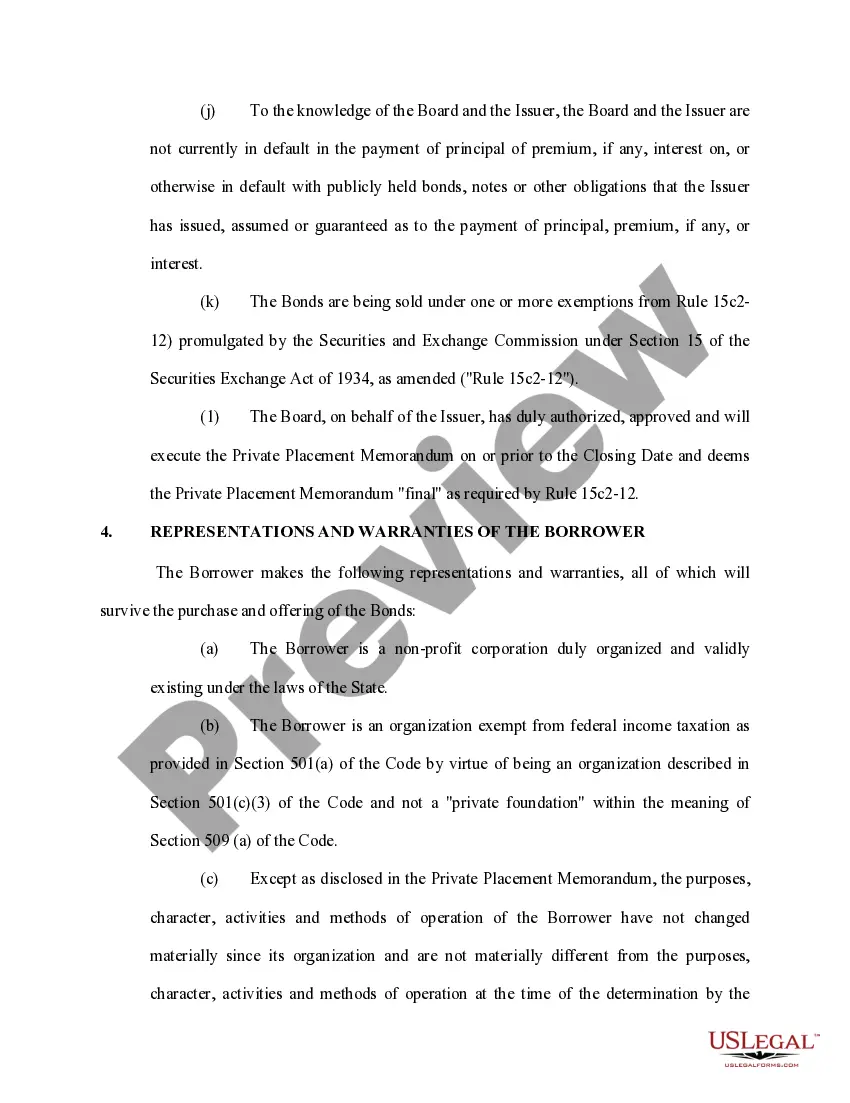
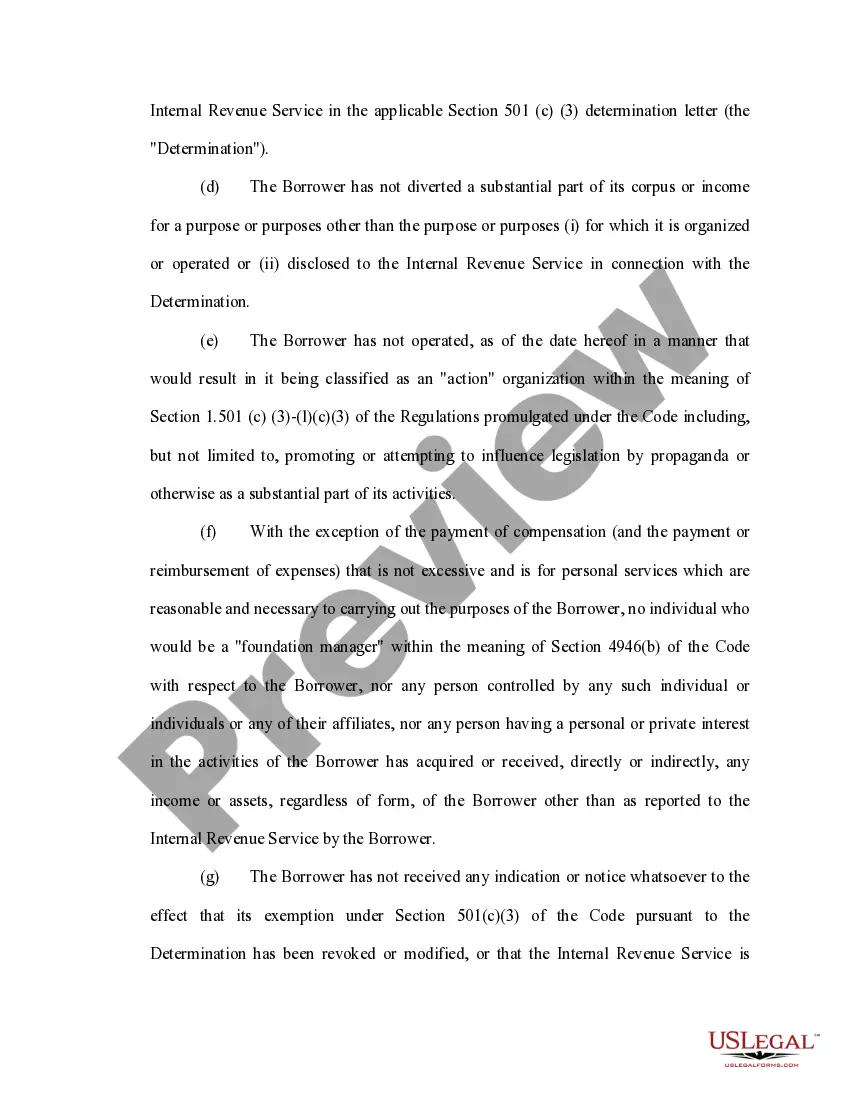
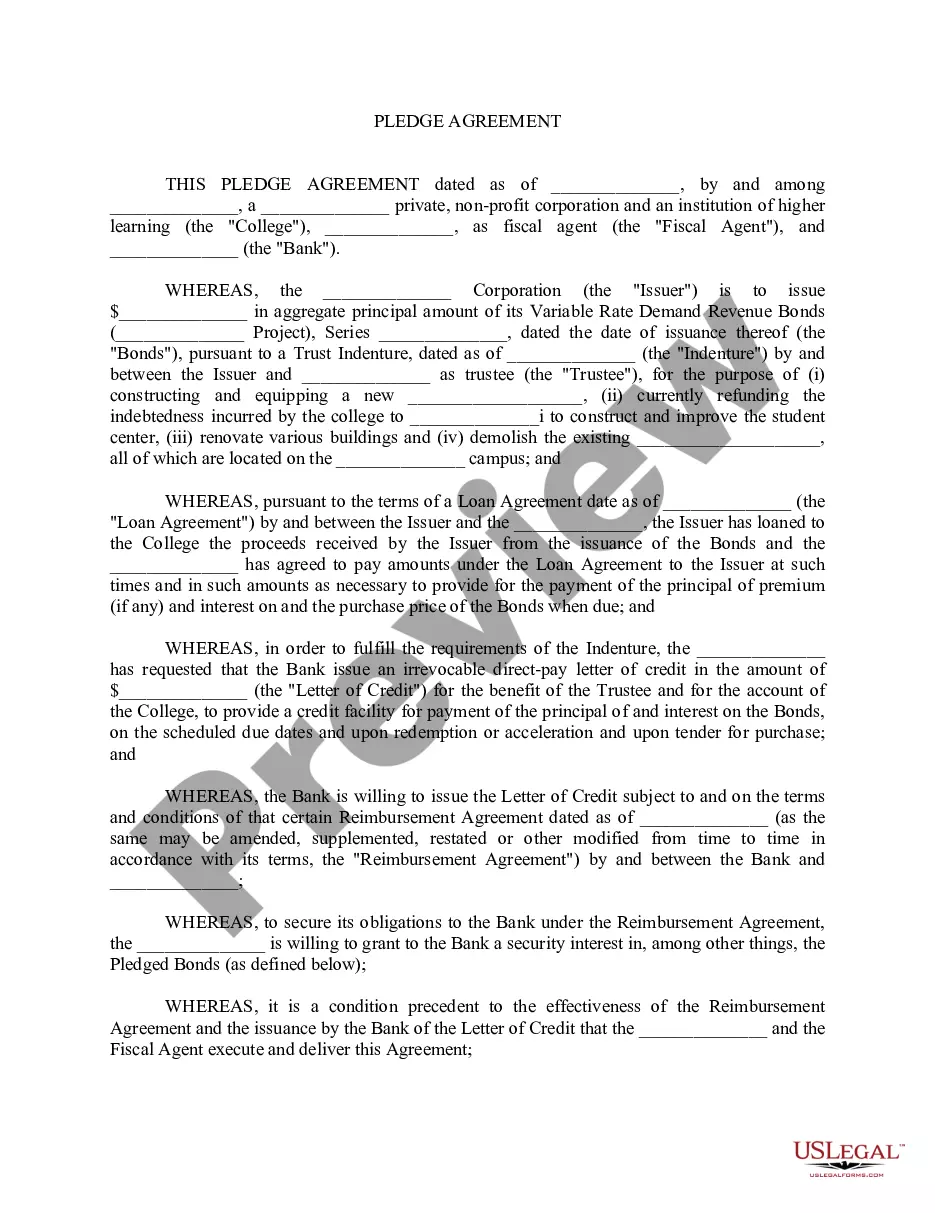
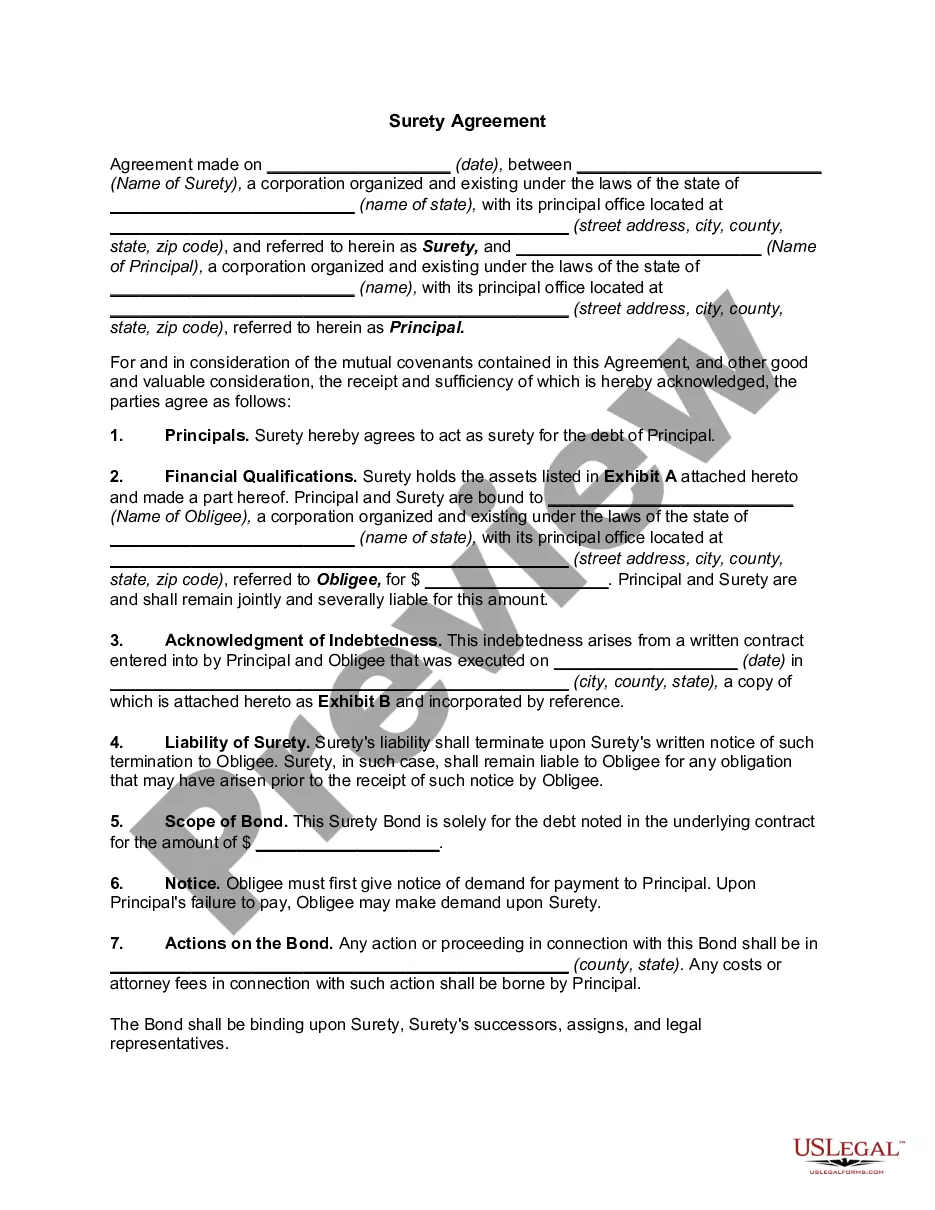
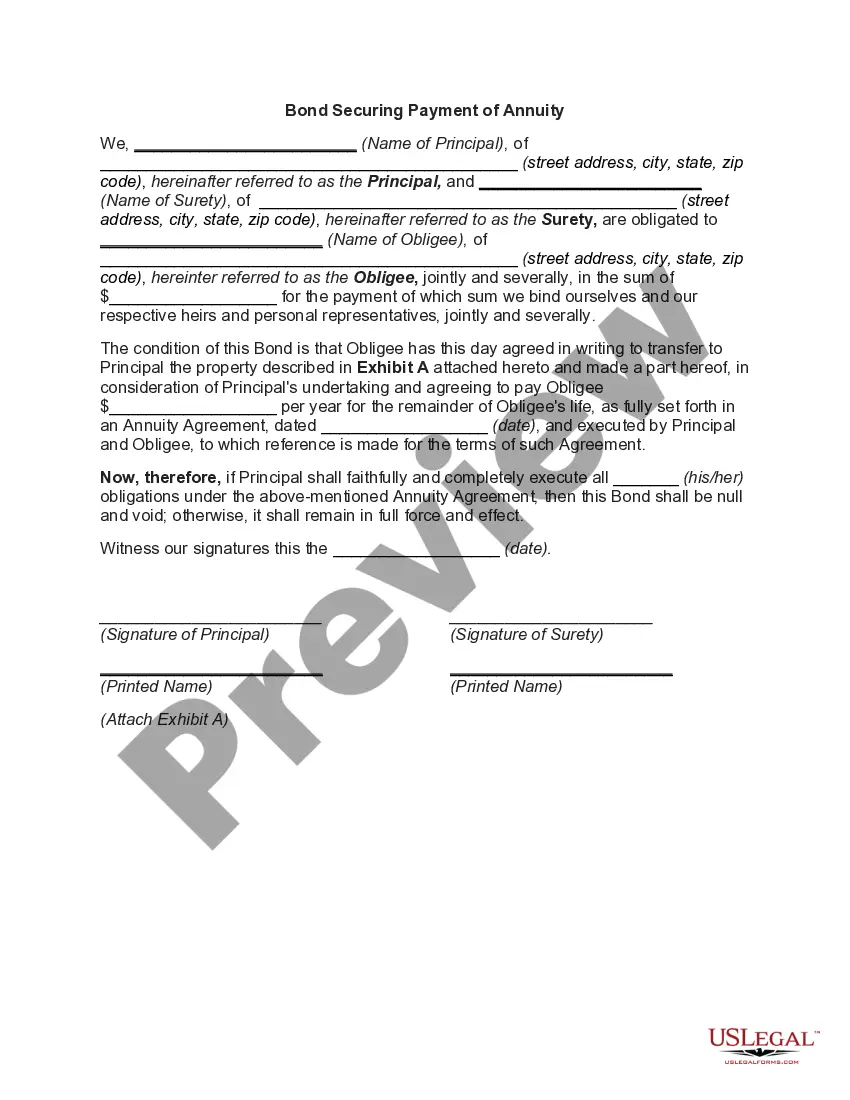
You can preview the form using the Preview button and review the form details to confirm it is suitable for your needs.
- All of the documents are reviewed by experts and comply with federal and state regulations.
- If you are already registered, Log Into your account and click the Acquire button to find the Indiana Bond placement agreement.
- Use your account to browse through the legal forms you have previously obtained.
- Navigate to the My documents section of your account and download another copy of the document you need.
- If you are a new user of US Legal Forms, here are simple instructions you should follow.
- First, ensure you have selected the appropriate form for your city/county.
Form popularity
FAQ
The role of the placement agent is to help structure the transaction and find potential investors that are willing and able to invest in the offered securities. The placement agent acts as an agent on behalf of the issuer but does not purchase the offered securities directly, either for its own account or for clients.
An IPO is underwritten by investment banks, which then make the securities available for sale on the open market. Private placement offerings are securities released for sale only to accredited investors such as investment banks, pensions, or mutual funds.
An underwriter purchases bonds from an issuer with the intent to resell the bonds to investors. A placement agent acts as agent for the issuer in selling bonds to a private placement purchaser, and, as such, does not purchase the bonds.
The underwriter is allotted a certain period of time to sell the issue, usually between 30 and 90 days. If a required portion of the issue has not been sold by the end of the subscription period, the offering will be cancelled, the securities are returned to the issuer, and the money is returned to the investors.
The placement agent is compensated upon the successful placement of the fund with the investor(s) introduced by the agent. The agent's compensation, around 2% to 2.5%, is typically a percentage of new money raised for the fund.