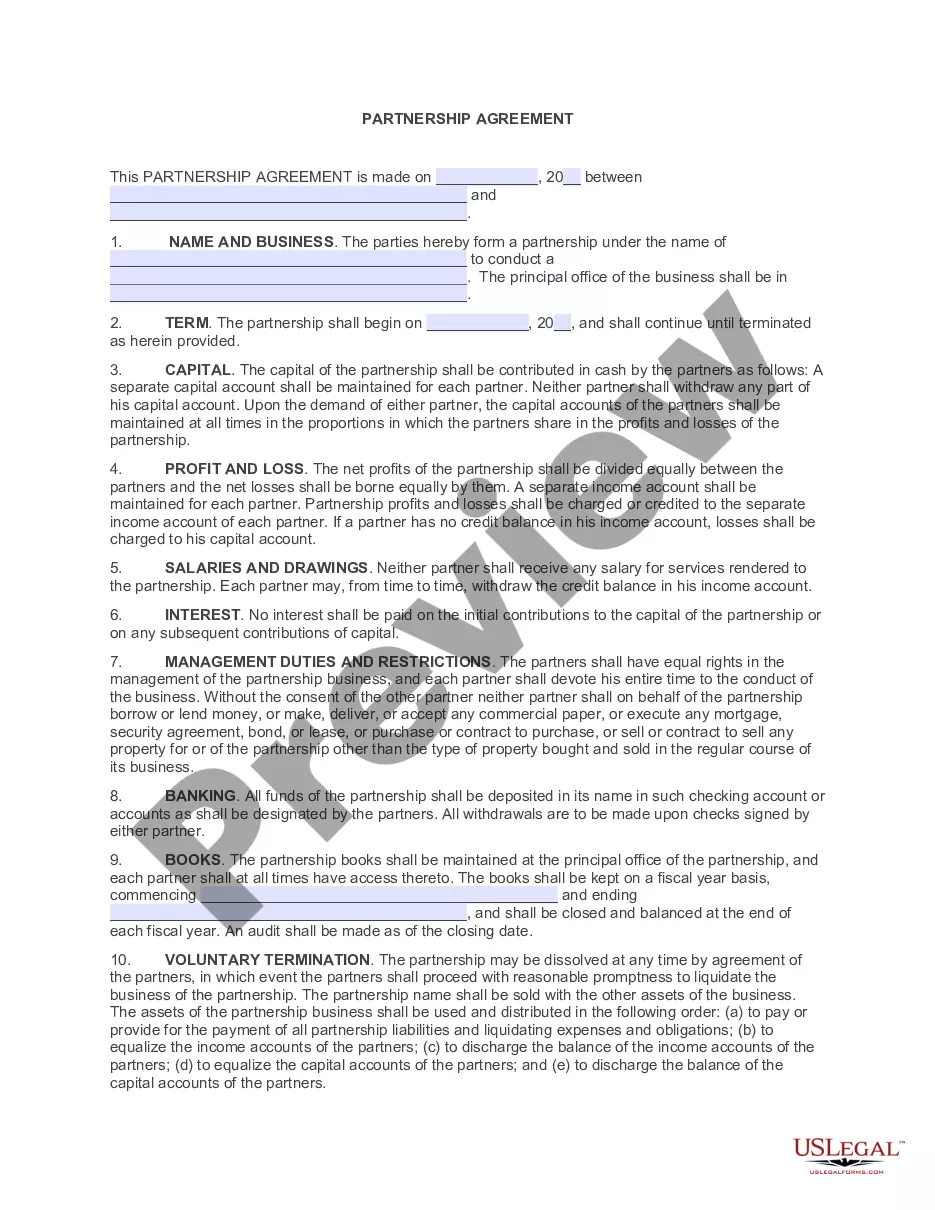
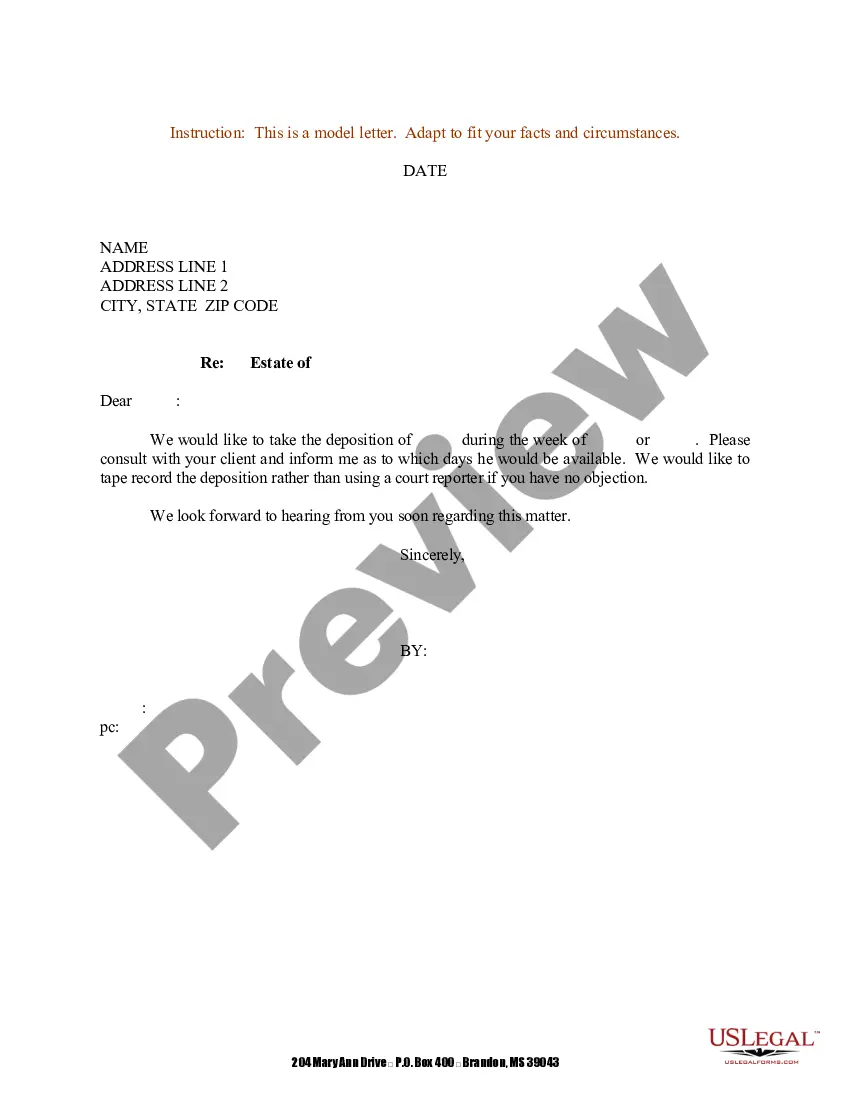
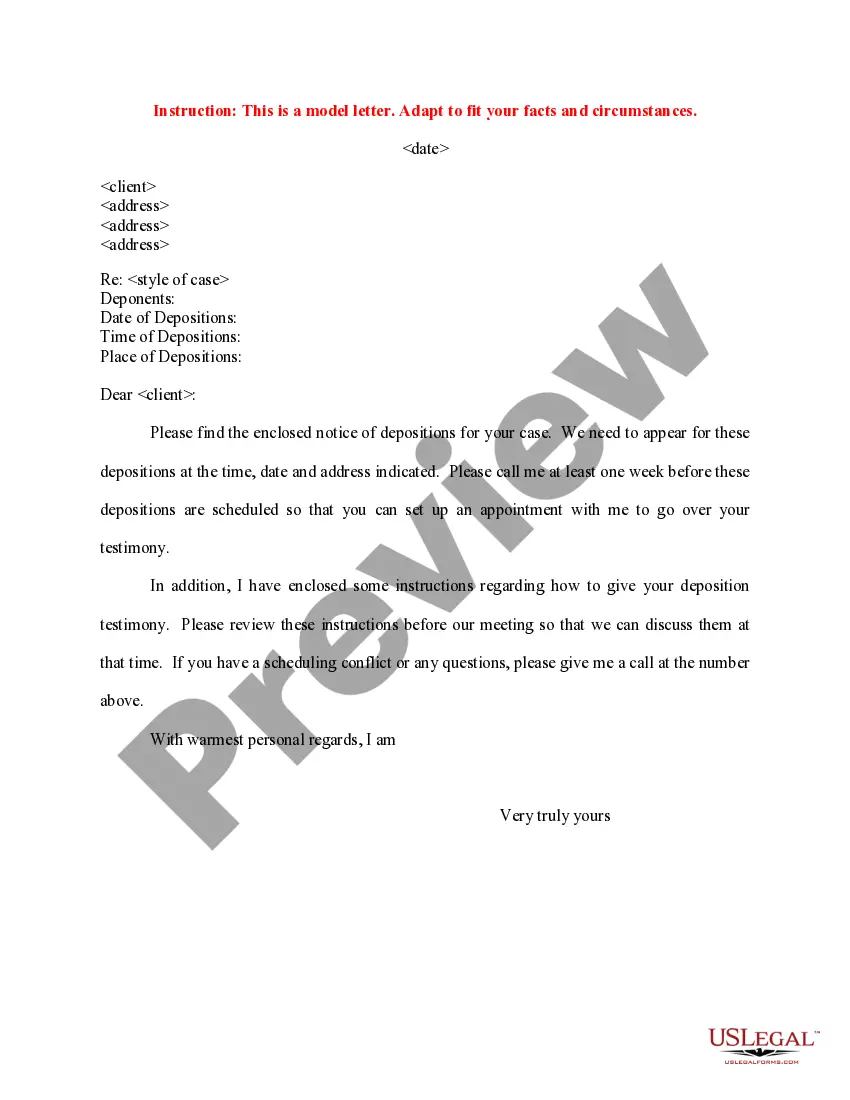
Indiana Sample Letter for Request for Deposition - Discovery
Description

Get your form ready online
Our built-in tools help you complete, sign, share, and store your documents in one place.
Make edits, fill in missing information, and update formatting in US Legal Forms—just like you would in MS Word.
Download a copy, print it, send it by email, or mail it via USPS—whatever works best for your next step.
Sign and collect signatures with our SignNow integration. Send to multiple recipients, set reminders, and more. Go Premium to unlock E-Sign.
If this form requires notarization, complete it online through a secure video call—no need to meet a notary in person or wait for an appointment.
We protect your documents and personal data by following strict security and privacy standards.

Make edits, fill in missing information, and update formatting in US Legal Forms—just like you would in MS Word.

Download a copy, print it, send it by email, or mail it via USPS—whatever works best for your next step.

Sign and collect signatures with our SignNow integration. Send to multiple recipients, set reminders, and more. Go Premium to unlock E-Sign.

If this form requires notarization, complete it online through a secure video call—no need to meet a notary in person or wait for an appointment.

We protect your documents and personal data by following strict security and privacy standards.
Looking for another form?



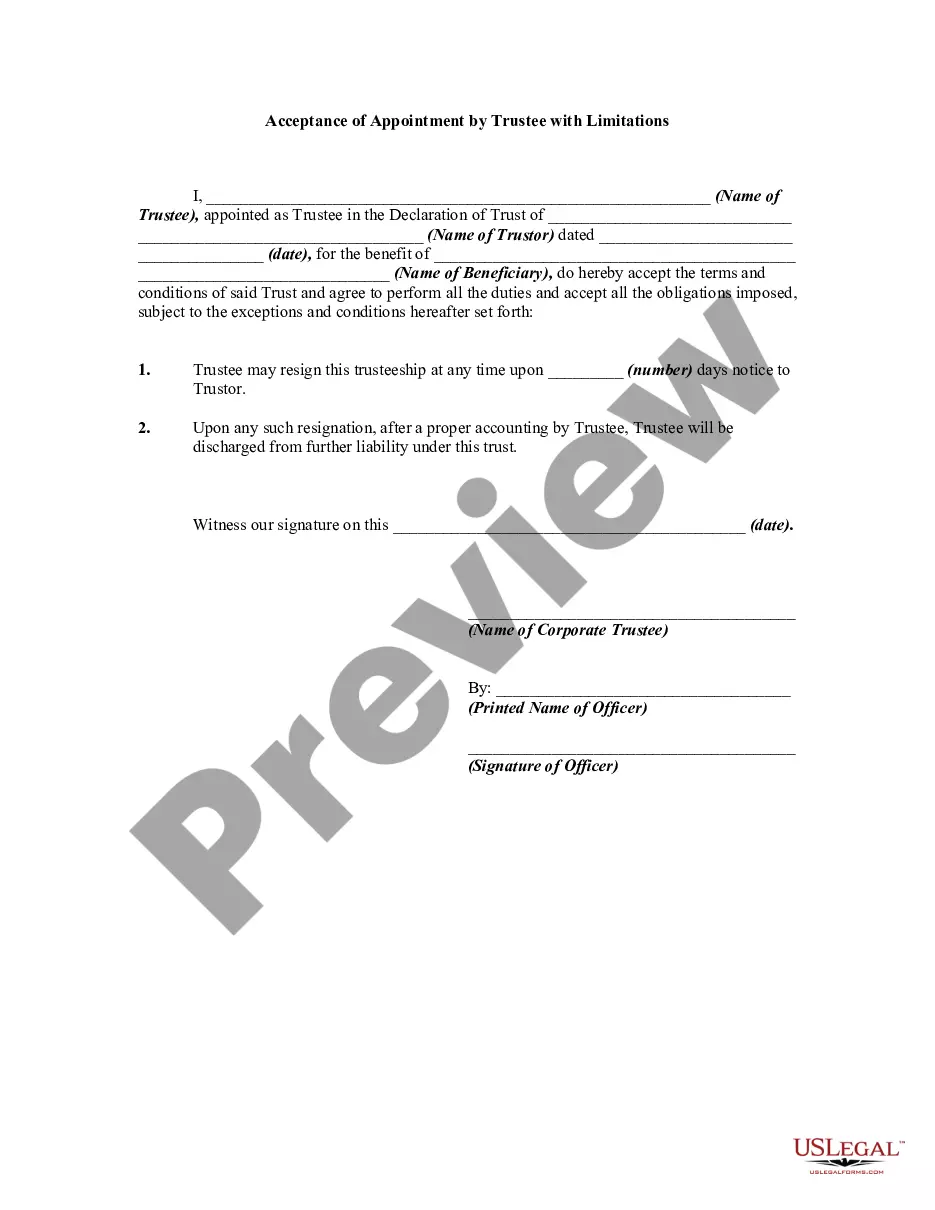



How to fill out Sample Letter For Request For Deposition - Discovery?
If you need to complete, download, or print legal document templates, utilize US Legal Forms, the largest assortment of legal forms available online.
Employ the site’s straightforward and user-friendly search functionality to locate the documents you require.
Various templates for business and personal purposes are organized by categories and states, or keywords. Utilize US Legal Forms to find the Indiana Sample Letter for Request for Deposition - Discovery in just a few clicks.
Every legal document template you acquire is yours indefinitely. You can access every form you obtained in your account. Click the My documents section and select a form to print or download again.
Stay competitive and download, and print the Indiana Sample Letter for Request for Deposition - Discovery with US Legal Forms. There are numerous professional and state-specific forms you can use for your business or personal needs.
- If you are already a US Legal Forms user, Log In to your account and click the Get button to obtain the Indiana Sample Letter for Request for Deposition - Discovery.
- You can also access forms you previously downloaded in the My documents section of your account.
- If you are using US Legal Forms for the first time, follow the instructions below.
- Step 1. Ensure you have selected the form for your specific city/state.
- Step 2. Utilize the Review feature to inspect the content of the form. Don’t forget to read the details.
- Step 3. If you are dissatisfied with the form, use the Search box at the top of the screen to find other versions of the legal form template.
- Step 4. After locating the form you need, click on the Get now button. Choose your preferred pricing plan and provide your information to register for an account.
- Step 5. Process the transaction. You can use your credit card or PayPal account to complete the payment.
- Step 6. Select the format of the legal form and download it to your device.
- Step 7. Complete, edit, and print or sign the Indiana Sample Letter for Request for Deposition - Discovery.
Form popularity
FAQ
(a) In all formal proceedings, discovery is available to the commission and the judge or justice under the Indiana Rules of Civil Procedure. A motion requesting a discovery order must be made to the circuit court, superior court, or probate court judge in the county in which the commission hearing is held.
Discovery means you send the other side questions and requests for information or items (like documents) in writing. The other side must respond to your question or request in writing.
This letter is often called a good faith letter. And it is needed under many courts' rules before you can file a motion to compel discovery if the other party ignores your requests or provides evasive responses or move for sanctions if your opponent refuses to comply with the court's discovery order.
Under the Indiana Rules of Trial Procedure, ?failure by any person without adequate excuse to obey a subpoena served upon him may be deemed a contempt of the court from which the subpoena issued?.? Trial Rule 45(F).
(A) If an arrestee does not present a substantial risk of flight or danger to themselves or others, the court should release the arrestee without money bail or surety subject to such restrictions and conditions as determined by the court except when: (1) The arrestee is charged with murder or treason.
General Information. This event is used primarily for the purpose of limiting or restricting discovery. It may also be used to hide a document from public view pursuant to 11 U.S.C. Section 107 if the document contains, for instance, trade secrets or defamatory information.
Discovery requests typically follow a common format that you can mirror. First, list instructions detailing the request for production. Be sure to mention Rule 34 and Rule 26(b), which outline the scope of the discovery request. It's also necessary to include a section with definitions.
In the event a court fails for thirty (30) days to set a motion for hearing or fails to rule on a motion within thirty (30) days after it was heard or thirty (30) days after it was filed, if no hearing is required, upon application by an interested party, the submission of the cause may be withdrawn from the trial ...