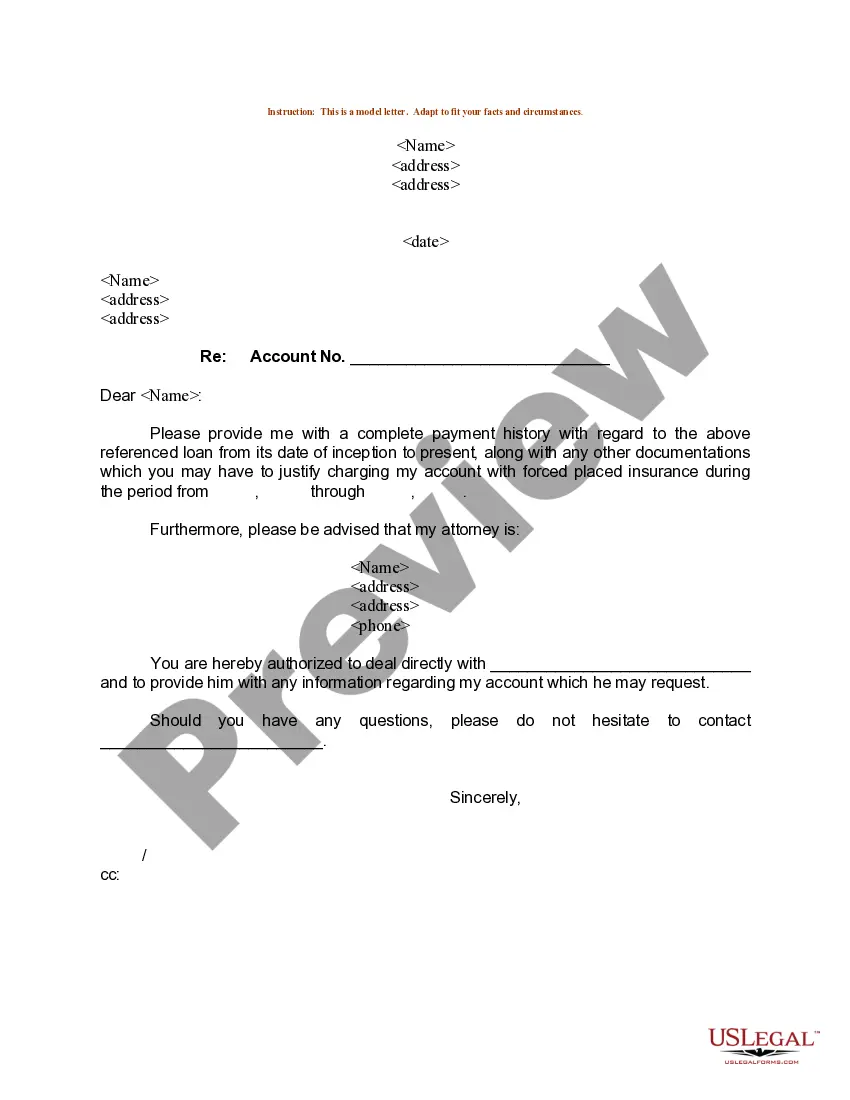
Indiana End User License Agreement for Royalty Free Images
Description
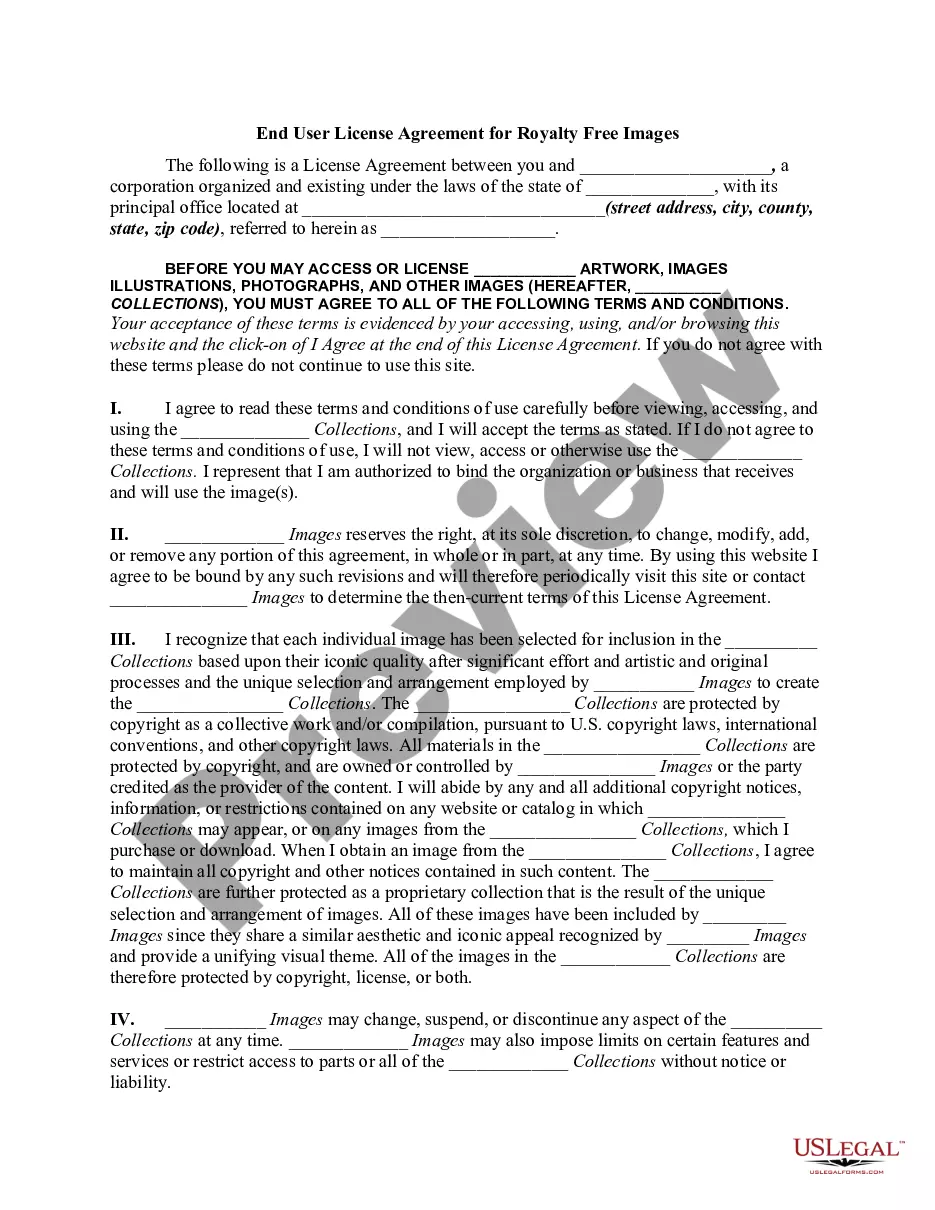
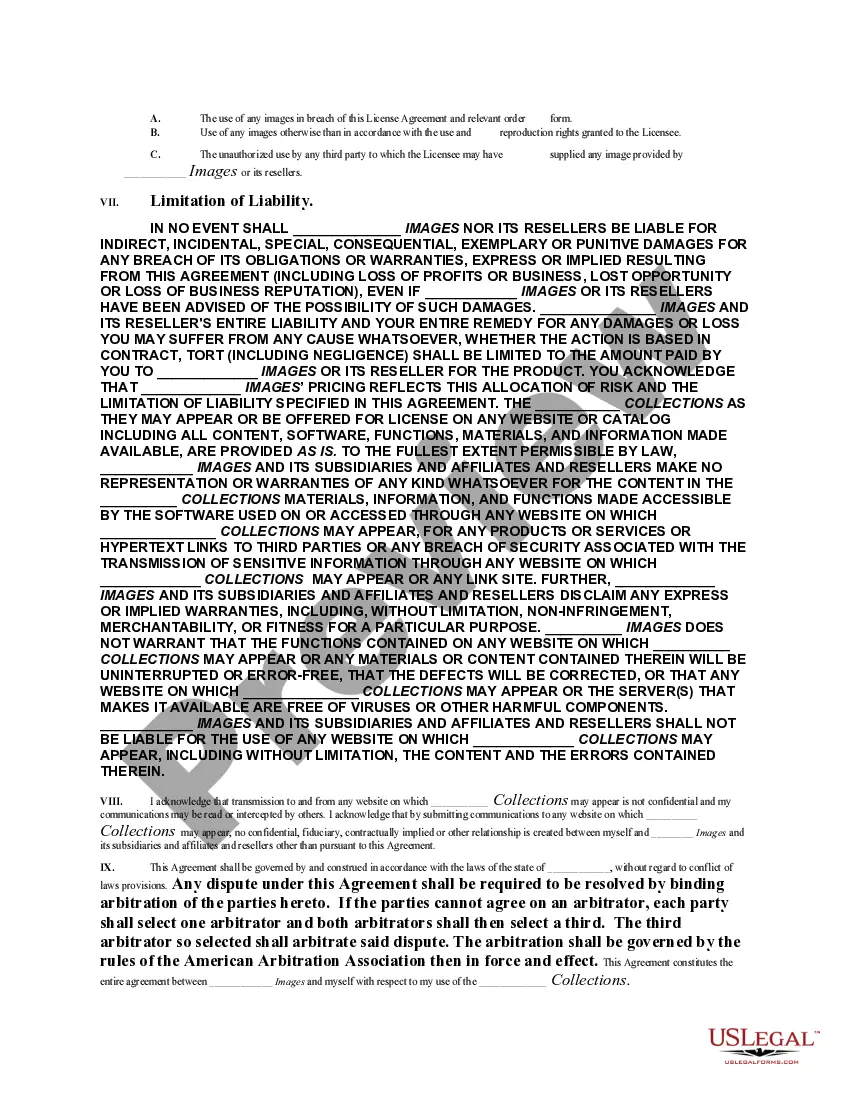
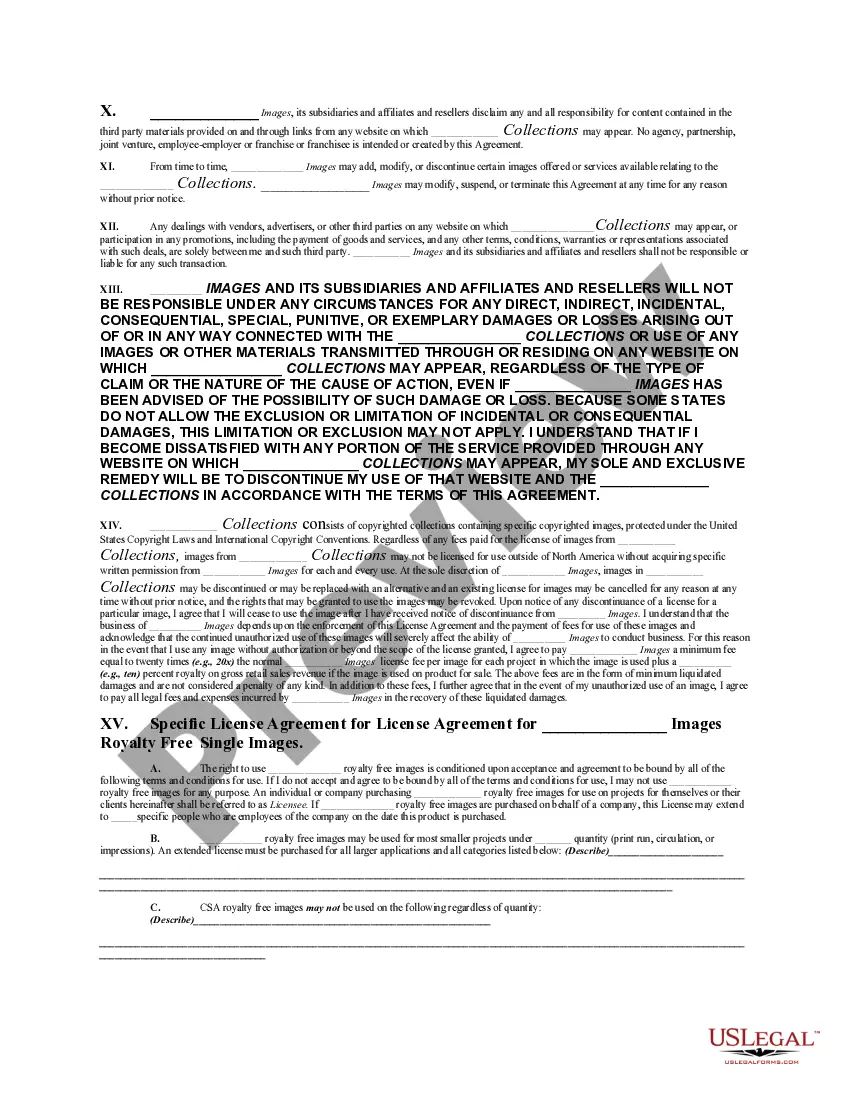



How to fill out End User License Agreement For Royalty Free Images?
If you need to finish, obtain, or print out legal document templates, utilize US Legal Forms, the foremost collection of legal forms accessible online.
Take advantage of the site's user-friendly and convenient search to find the documents you seek.
Various templates for commercial and personal purposes are organized by categories and states, or keywords.
Step 3. If you are not satisfied with the form, use the Search box at the top of the screen to find alternative versions of the legal form template.
Step 4. After identifying the form you need, click the Get now button. Choose the pricing plan you prefer and provide your information to register for an account.
- Utilize US Legal Forms to find the Indiana End User License Agreement for Royalty Free Images with just a few clicks.
- If you are already a US Legal Forms user, Log In to your account and click the Download button to retrieve the Indiana End User License Agreement for Royalty Free Images.
- You can also access forms you previously downloaded in the My documents section of your account.
- If you are using US Legal Forms for the first time, follow the steps outlined below.
- Step 1. Ensure you have chosen the form for the correct city/state.
- Step 2. Use the Review feature to examine the form's content. Be sure to read through the details.
Form popularity
FAQ
To create an end-user license agreement, you should first identify what rights and restrictions you want to apply to your content. It is essential to include terms that specify how users can use the images, such as whether they can modify or distribute them. You can utilize platforms like USLegalForms to help guide you through this process and ensure your agreement complies with Indiana laws.
In order to license images and grant photo usage rights, you need to be either the author of the images, or otherwise authorized to license the images. For example, agencies are also authorized to license images if the author has contractually allowed them to be granted.
No, you can't. Royalty Free images are sold under a paid license, regardless of your intended use being commercial or non-profit. You cannot use Royalty Free images for free, because it's an unlicensed, and therefore illegal use.
What is a photo licensing agreement? A photo licensing agreement is a contract between two parties, the licensor (the photographer who owns the copyright and is licensing the rights to use the image) and the licensee (the person or company wanting to and gaining the right to use the image).
Royalty Free (hereafter, RF) means that after the initial permission is secured, usually through money, additional uses can be made without payment.
Getty Images offers three types of license models: royalty-free ("RF"), rights-ready ("RR") and rights-managed ("RM"). Royalty-free does not mean there is no cost for the license. Instead, royalty-free means that the license fee is paid once and there is no need to pay additional royalties if the content is re-used.
A licensing agreement allows one party (the licensee) to use and/or earn revenue from the property of the owner (the licensor). Licensing agreements generate revenues, called royalties, earned by a company for allowing its copyrighted or patented material to be used by another company.
Royalty-free (RF) material subject to copyright or other intellectual property rights may be used without the need to pay royalties or license fees for each use, per each copy or volume sold or some time period of use or sales.
Royalty-free images are a special category of images that come with a unique license. Individuals and businesses can license a royalty-free image once, then use that image in perpetuity without having to renew the license.
Practitioners and licensing executives often refer to three basic types of voluntary licenses: non-exclusive, sole, and exclusive. A non-exclusive licence allows the licensor to retain the right to use the licensed property and the right to grant additional licenses to third parties.