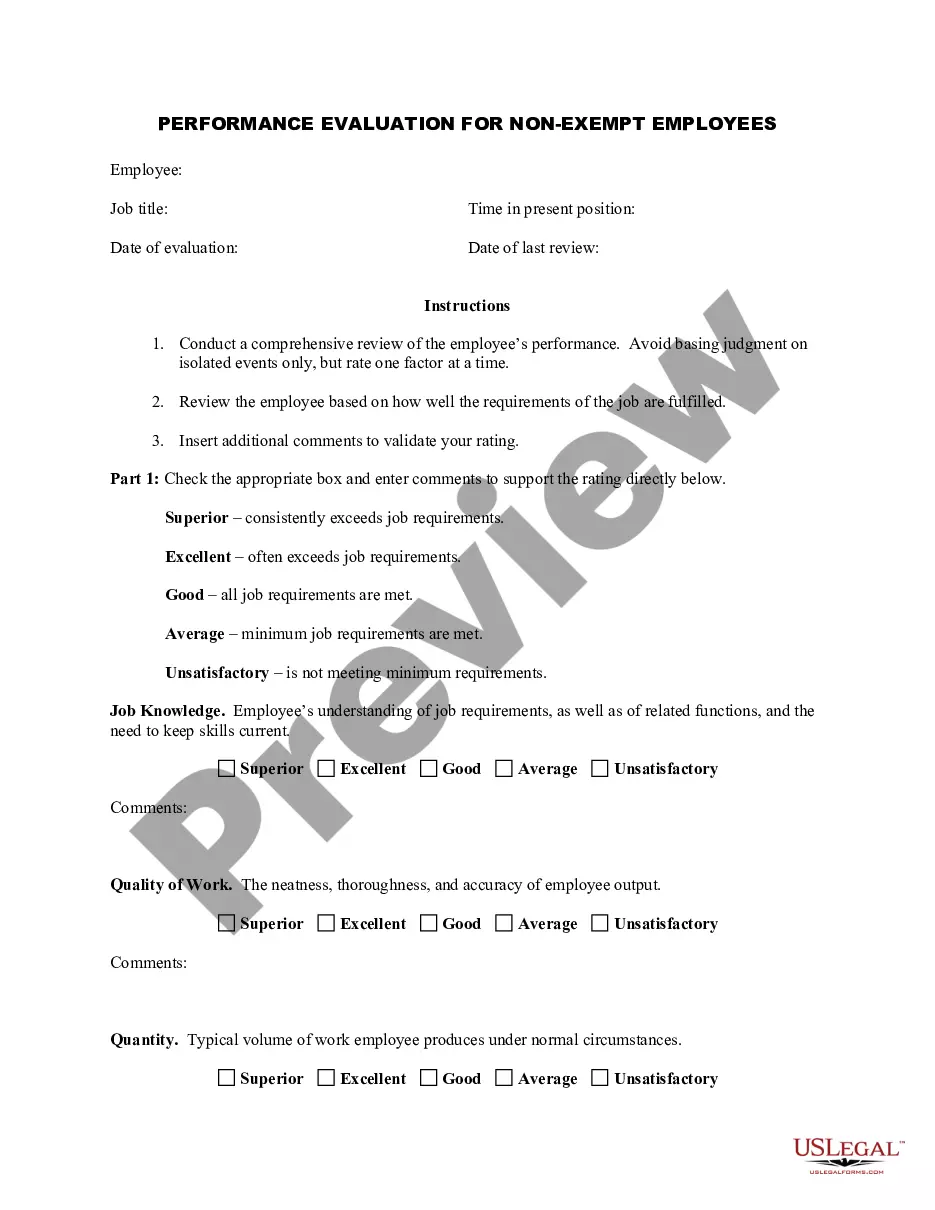
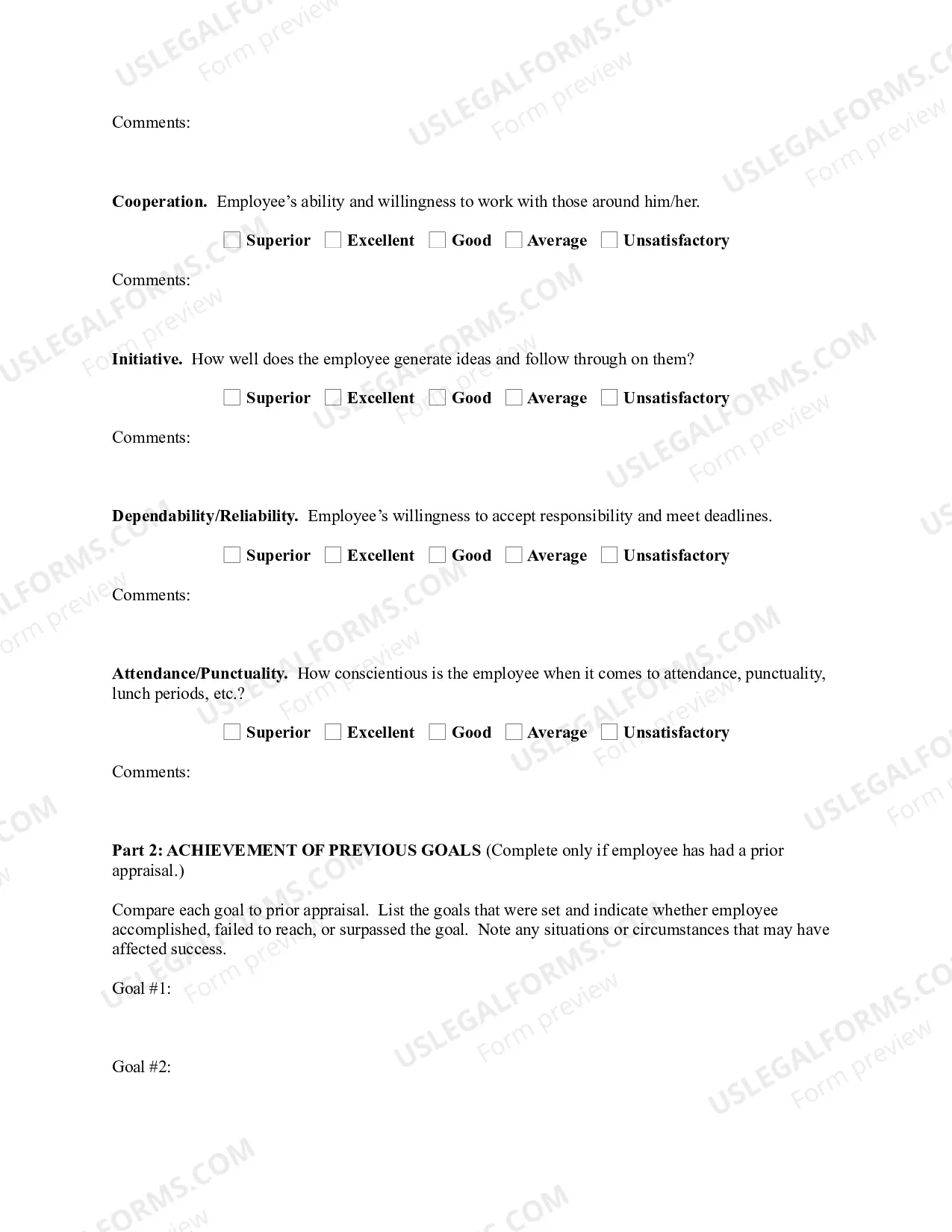
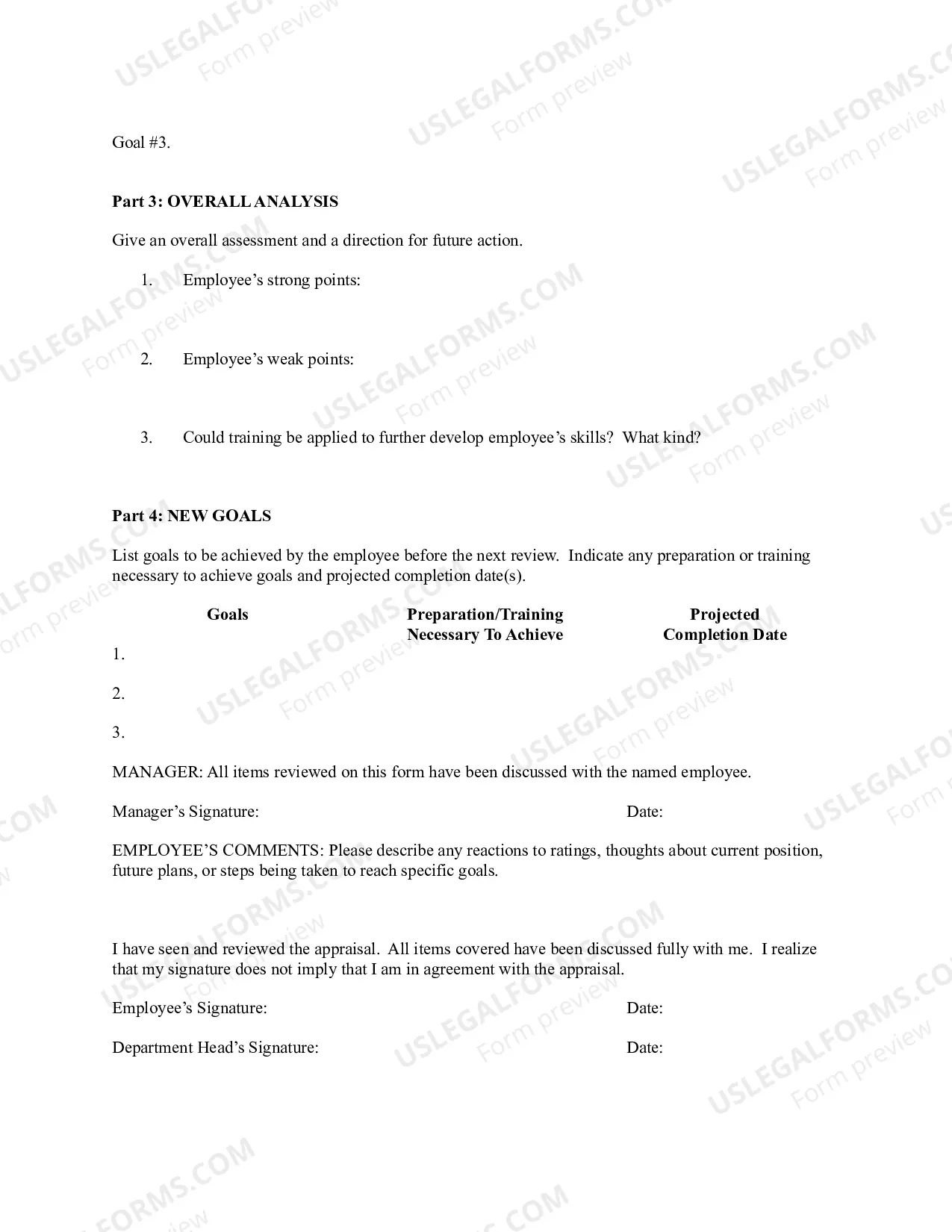
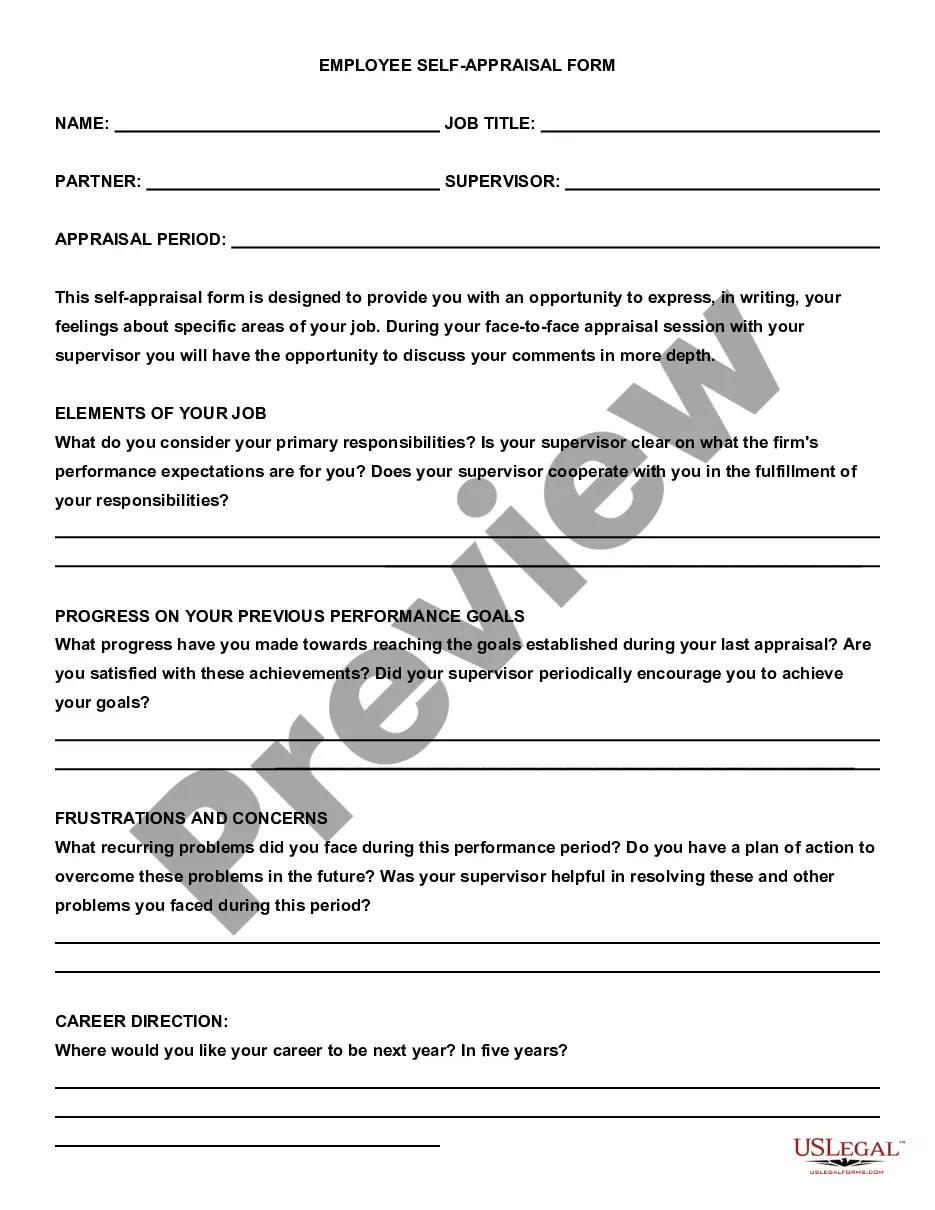
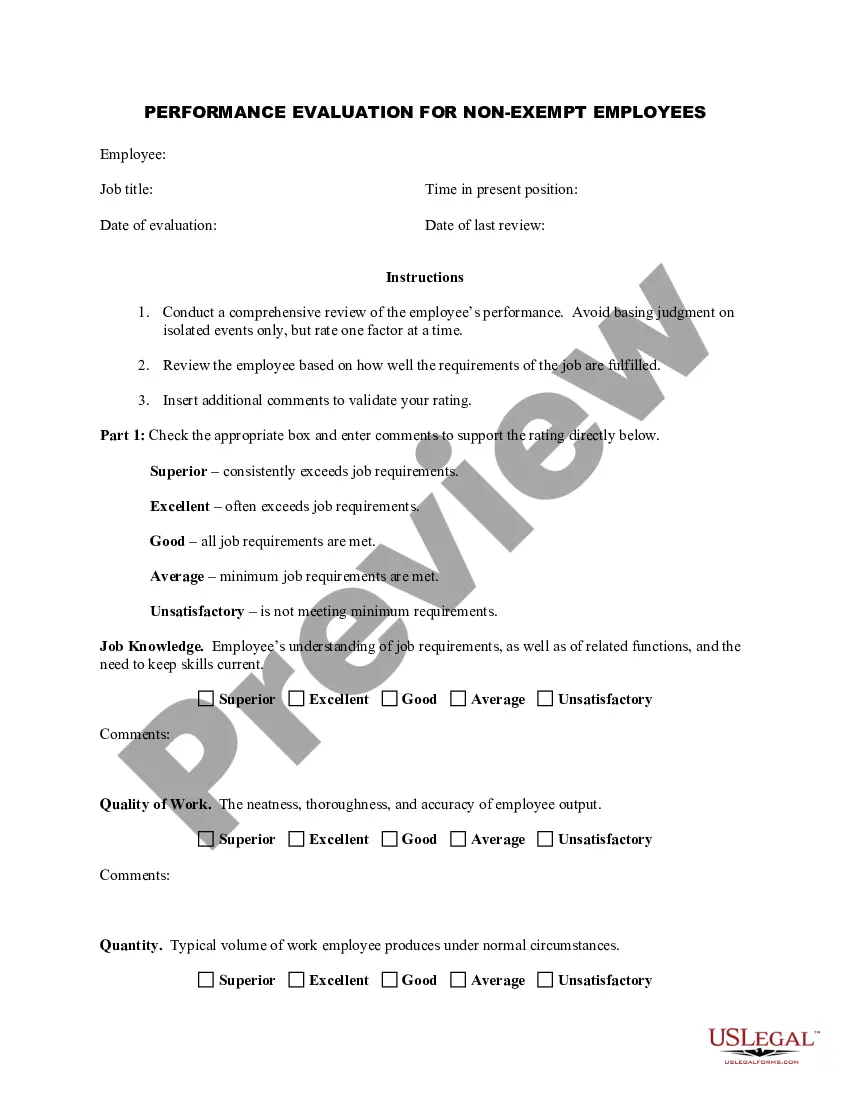
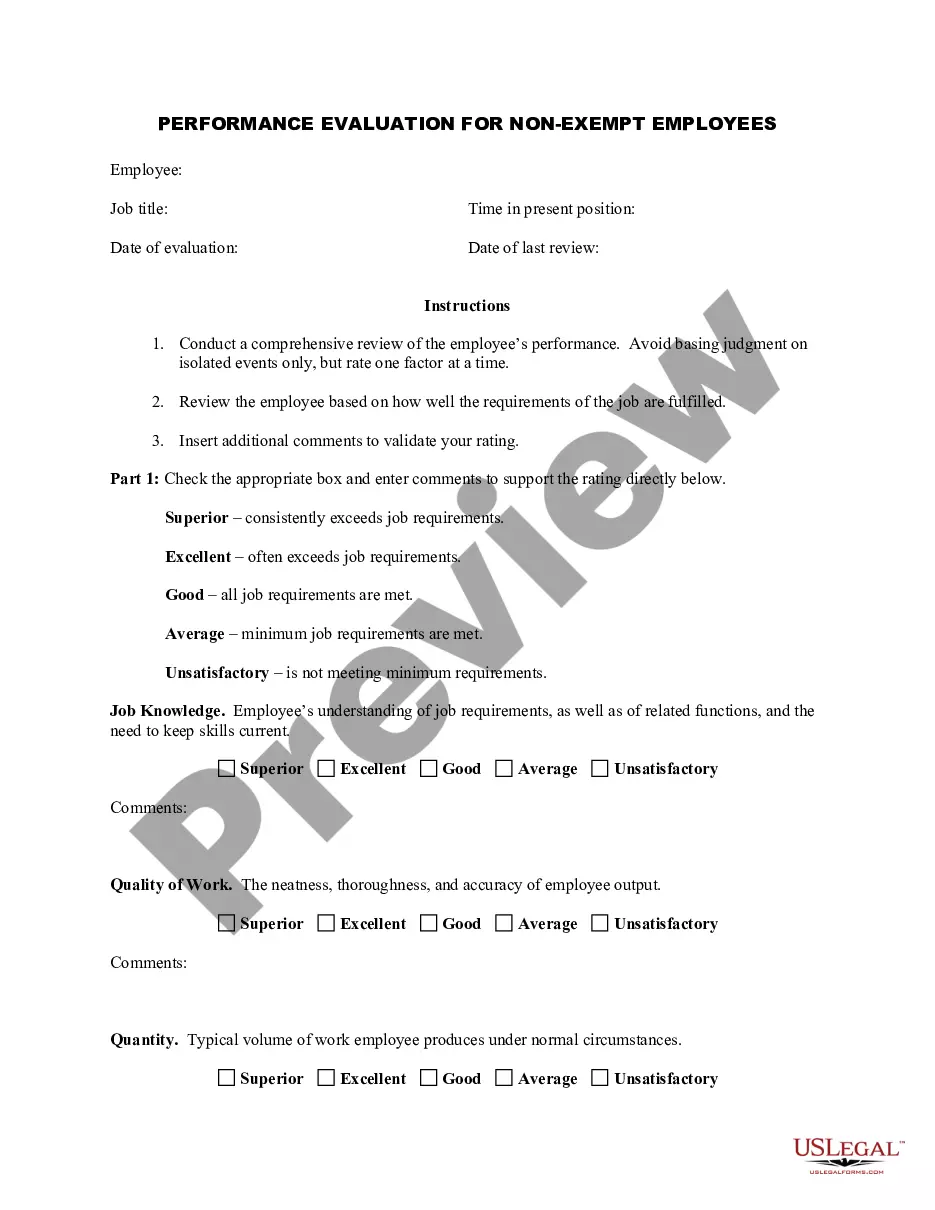
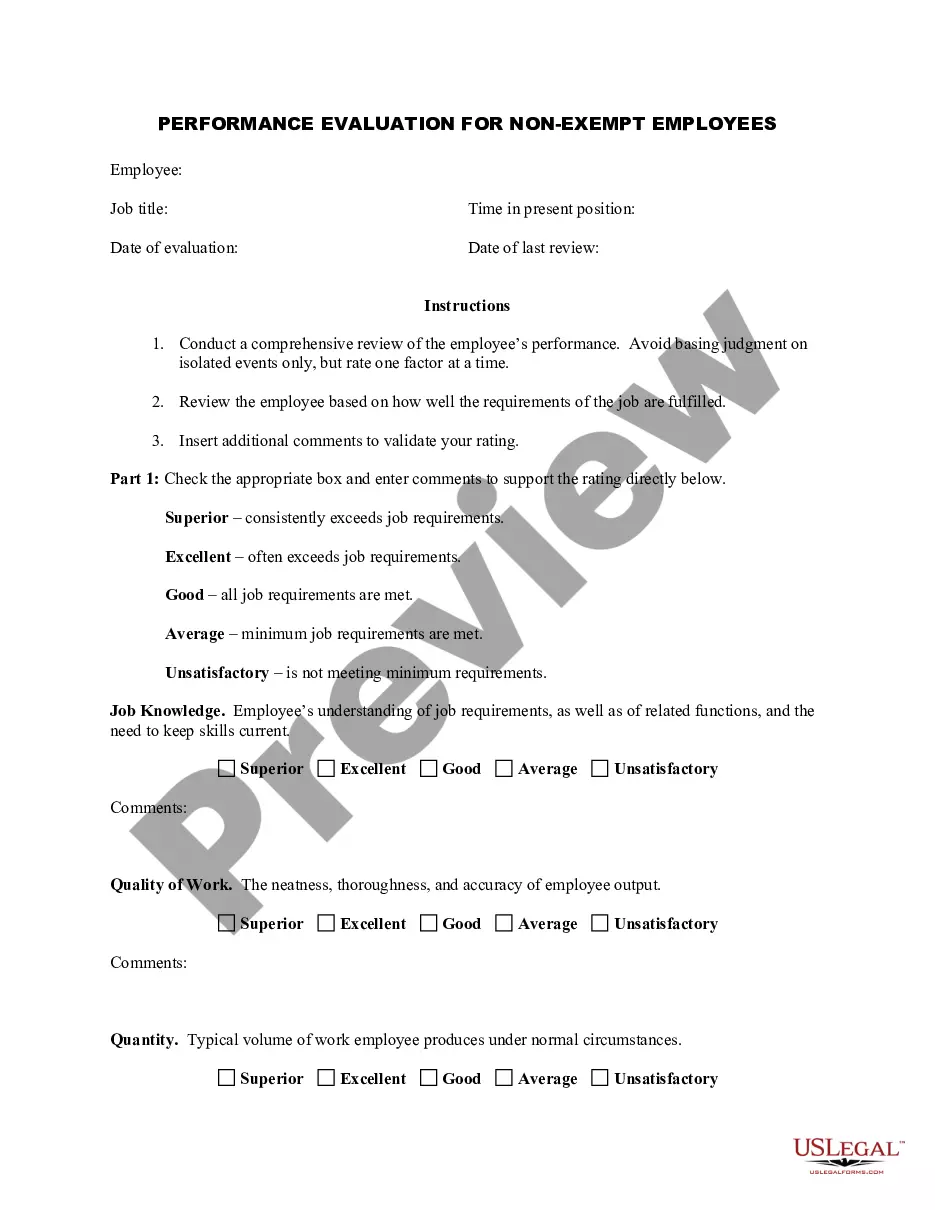
Illinois Employee Evaluation Form for Teacher
Description
Get your form ready online
Our built-in tools help you complete, sign, share, and store your documents in one place.
Make edits, fill in missing information, and update formatting in US Legal Forms—just like you would in MS Word.
Download a copy, print it, send it by email, or mail it via USPS—whatever works best for your next step.
Sign and collect signatures with our SignNow integration. Send to multiple recipients, set reminders, and more. Go Premium to unlock E-Sign.
If this form requires notarization, complete it online through a secure video call—no need to meet a notary in person or wait for an appointment.
We protect your documents and personal data by following strict security and privacy standards.

Make edits, fill in missing information, and update formatting in US Legal Forms—just like you would in MS Word.

Download a copy, print it, send it by email, or mail it via USPS—whatever works best for your next step.

Sign and collect signatures with our SignNow integration. Send to multiple recipients, set reminders, and more. Go Premium to unlock E-Sign.

If this form requires notarization, complete it online through a secure video call—no need to meet a notary in person or wait for an appointment.

We protect your documents and personal data by following strict security and privacy standards.
Looking for another form?

How to fill out Employee Evaluation Form For Teacher?
Finding the right authorized document template can be a challenge.
Of course, there are numerous templates accessible online, but how do you find the legal form you require.
Utilize the US Legal Forms website. This service provides thousands of templates, including the Illinois Employee Evaluation Form for Teacher, which can be utilized for both business and personal purposes.
- All templates are reviewed by experts and comply with federal and state regulations.
- If you are already registered, Log In to your account and click the Obtain button to access the Illinois Employee Evaluation Form for Teacher.
- Use your account to search for the legal forms you have previously purchased.
- Visit the My documents section of your account and obtain another copy of the document you need.
- If you are a new user of US Legal Forms, here are simple instructions for you to follow.
- First, ensure you have selected the correct form for your city/region. You can review the form using the Preview option and read the form description to ensure it is suitable for you.
Form popularity
FAQ
Evaluation is typically based on one or more key questions the evaluator needs to pursue, and the collection and analysis of relevant data to help answer those questions. Results derived from the data then are used to inform decisions. We engage in random acts of evaluation every day.
Two of the most widely used measures of teacher effectiveness value-added models and classroom observationsare discussed. Then, other methodsprincipal evaluations, analyses of classroom artifacts, portfolios, self-reports of practice, and student evaluationsare examined.
Teachers and principals are evaluated using a system of four ratings: Excellent, Proficient, Needs Improvement, and Unsatisfactory. Districts are also working to strengthen the professional development opportunities for teachers to support student improvement.
The state waived all teacher evaluations in 2020. District 186 only evaluated newer teachers this year, and for now, they plan to do the same for 2022 to 2023.
See AlsoUnderstand Your Evaluation Tool. Get out of the compliance mindset.Pre-Game With the Teacher.Visit Classrooms Early and Often.Observe EverythingNot Just the Teacher.Provide Immediate Feedback.Find a 'Root Cause'Give Teachers a Voice.Provide Opportunities to Improve and Grow.
Description: Allows school districts to perform teacher evaluations every two or three years, rather than every two years, if the teacher previously received a rating of 'excellent' or 'proficient'.
Traditionally, teacher evaluation systems relied heavily on classroom observations conducted by principals or other school administrators, sometimes with the help of rubrics or checklists. Samples of students' work, teachers' records and lesson plans, and other relevant factors were also often taken into account.
BEFORE A TEACHER EVALUATIONChoose a topic wisely. Select a subject about which you feel passionate and well-versed.Test drive the lesson.Talk to your evaluator.Explain the scope and sequence.Consider classroom decor and seating.Move around.