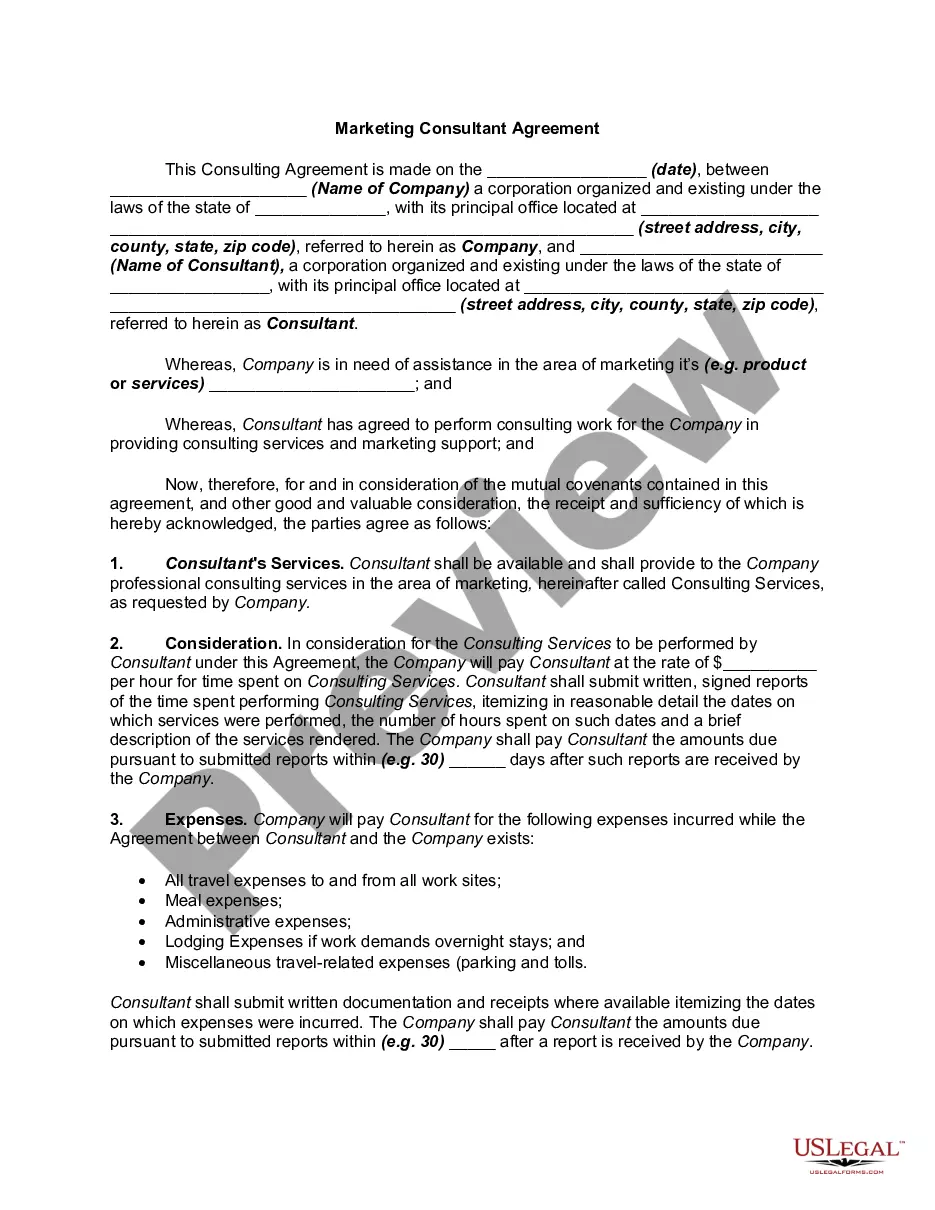
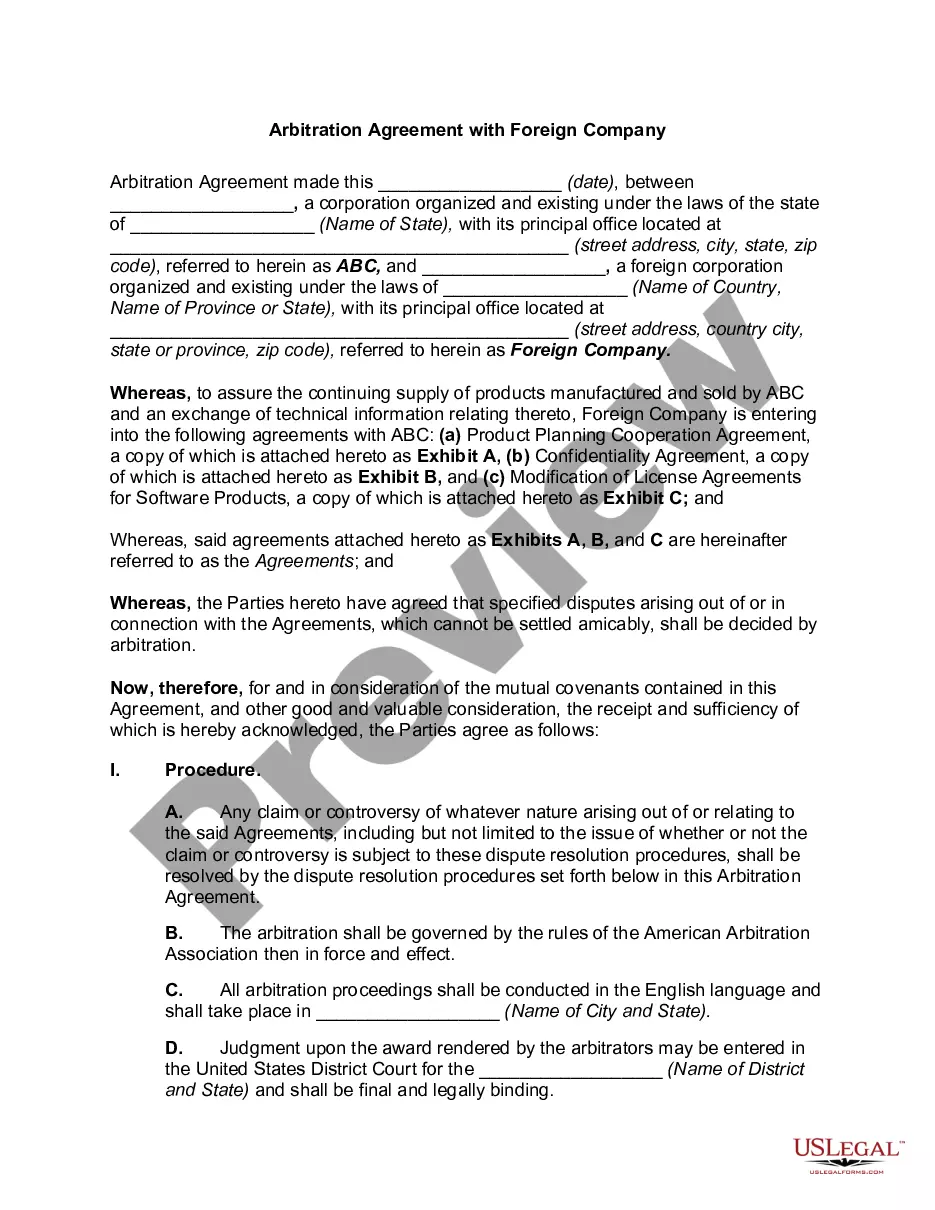
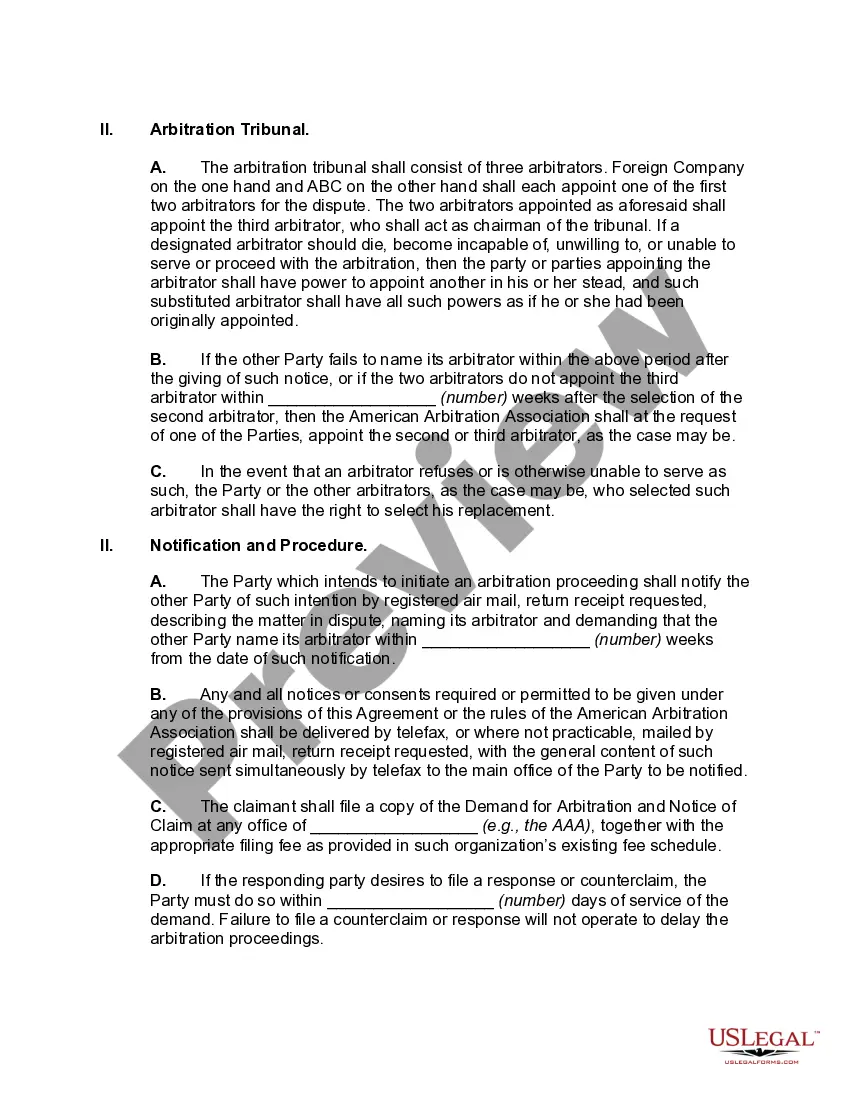
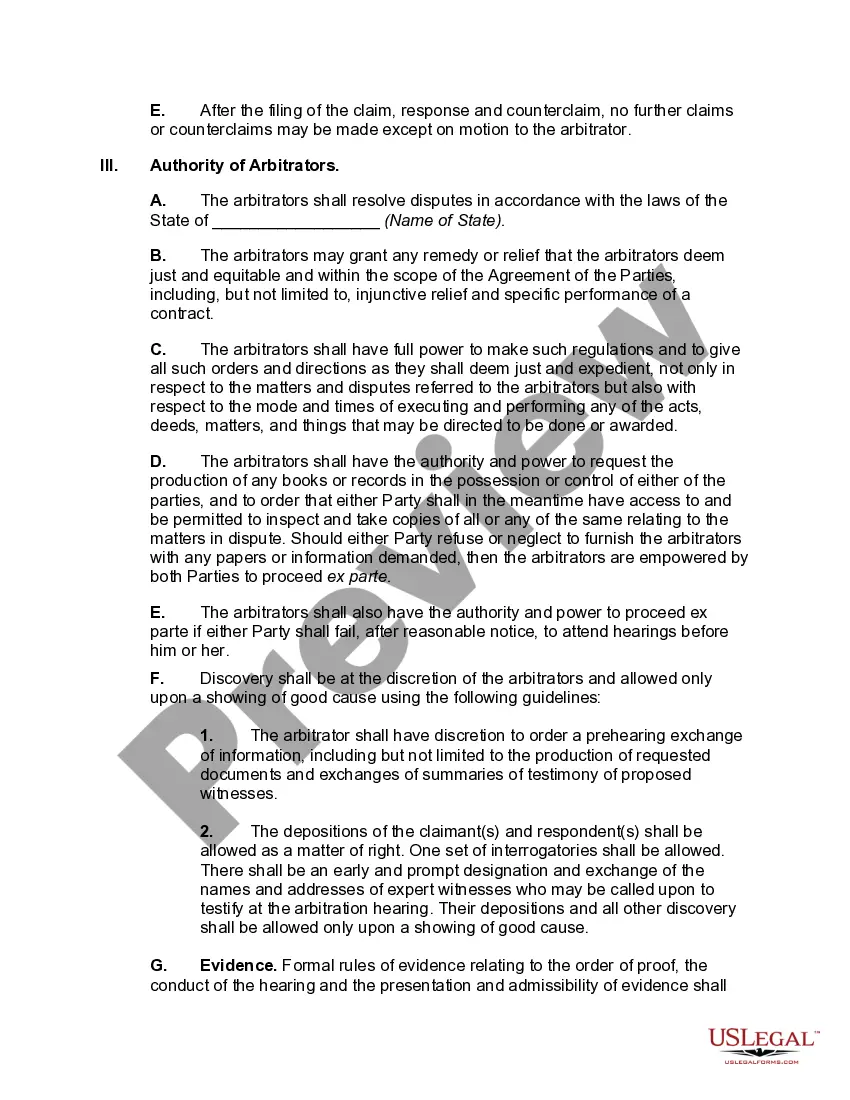
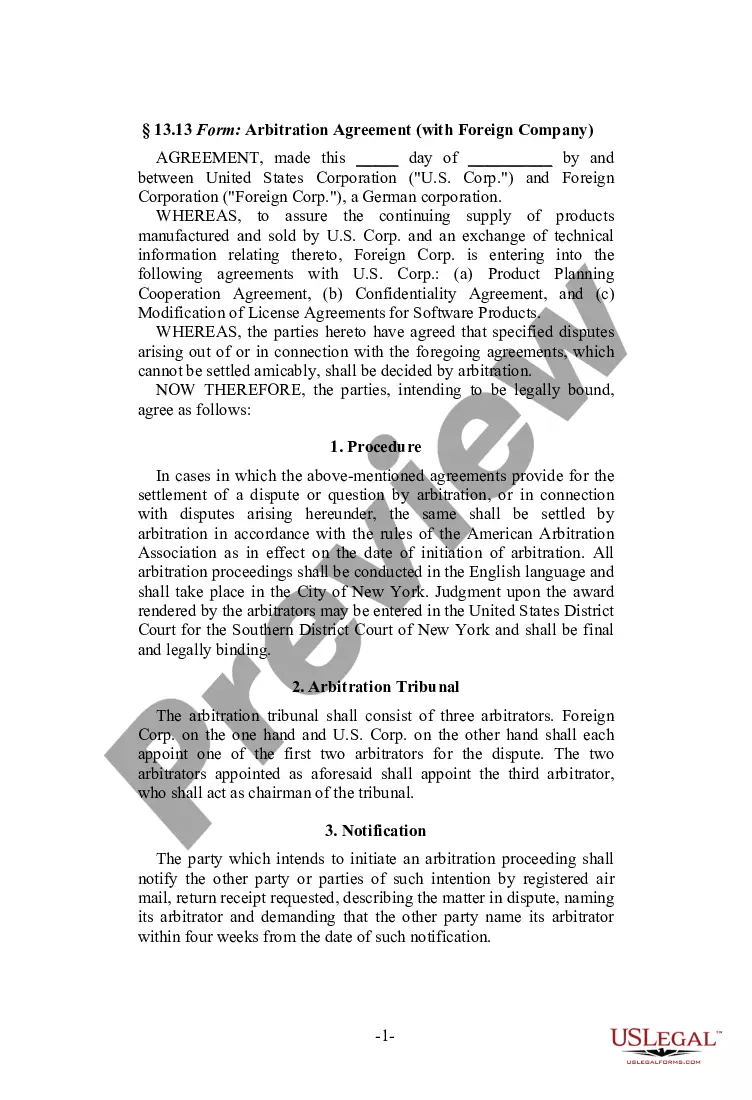
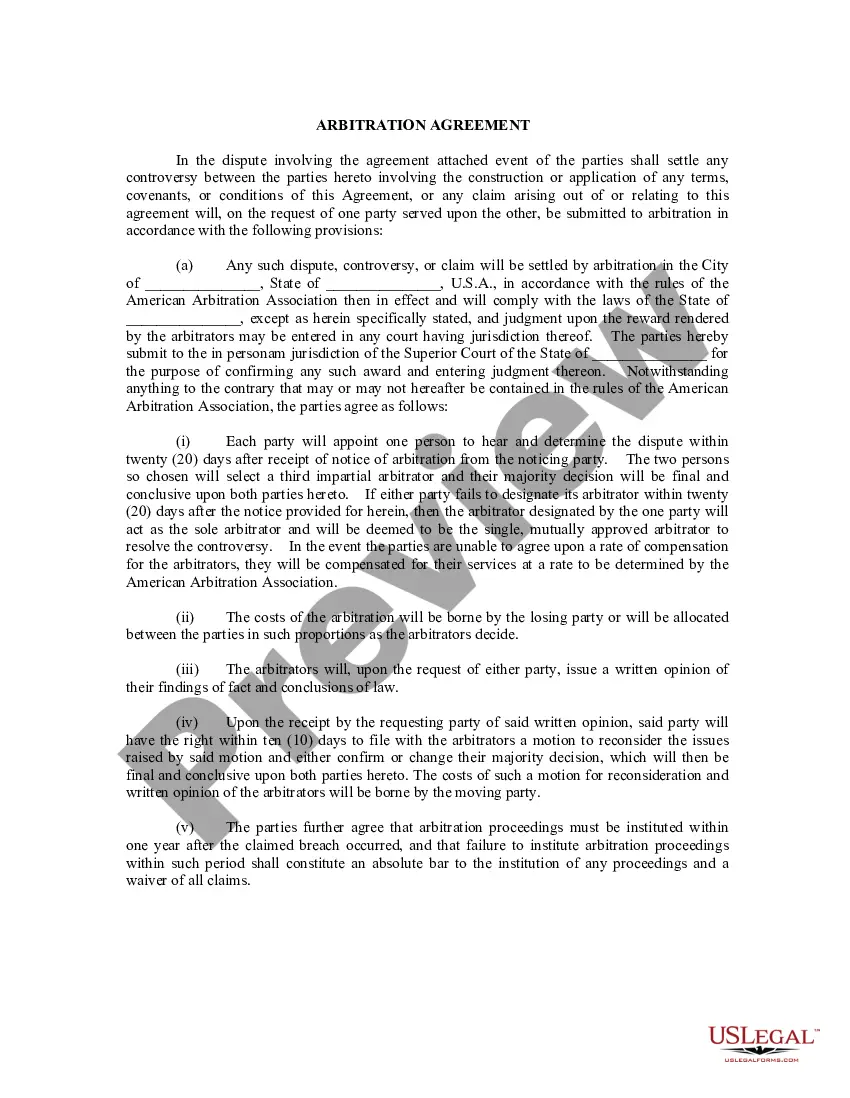
Illinois Arbitration Agreement with Foreign Company
Description

Get your form ready online
Our built-in tools help you complete, sign, share, and store your documents in one place.
Make edits, fill in missing information, and update formatting in US Legal Forms—just like you would in MS Word.
Download a copy, print it, send it by email, or mail it via USPS—whatever works best for your next step.
Sign and collect signatures with our SignNow integration. Send to multiple recipients, set reminders, and more. Go Premium to unlock E-Sign.
If this form requires notarization, complete it online through a secure video call—no need to meet a notary in person or wait for an appointment.
We protect your documents and personal data by following strict security and privacy standards.

Make edits, fill in missing information, and update formatting in US Legal Forms—just like you would in MS Word.

Download a copy, print it, send it by email, or mail it via USPS—whatever works best for your next step.

Sign and collect signatures with our SignNow integration. Send to multiple recipients, set reminders, and more. Go Premium to unlock E-Sign.

If this form requires notarization, complete it online through a secure video call—no need to meet a notary in person or wait for an appointment.

We protect your documents and personal data by following strict security and privacy standards.
Looking for another form?


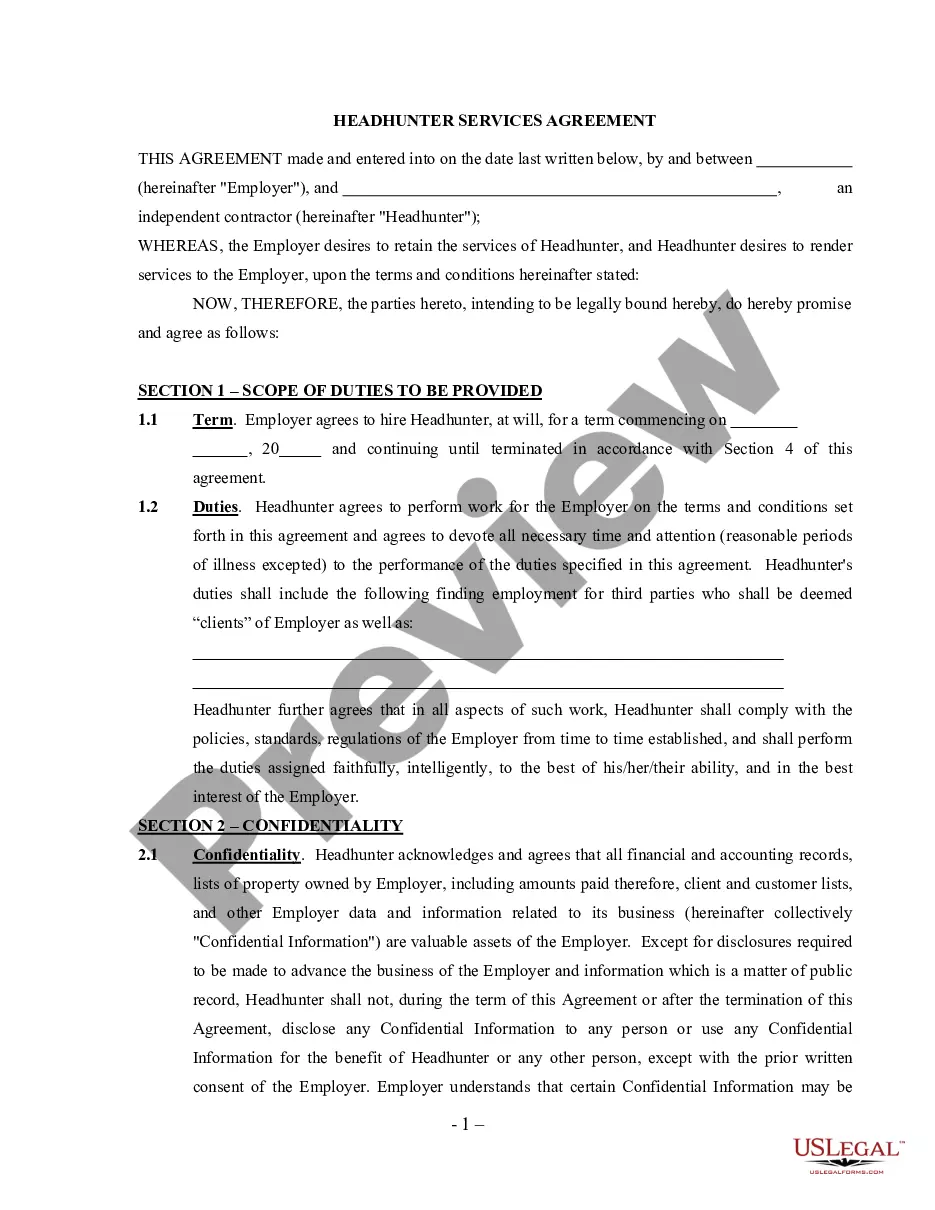



How to fill out Arbitration Agreement With Foreign Company?
It is feasible to spend hours online attempting to locate the authentic document template that meets the state and federal requirements you need.
US Legal Forms offers an extensive array of lawful forms that have been reviewed by experts.
You can easily download or print the Illinois Arbitration Agreement with Foreign Company from your services.
If available, utilize the Preview feature to review the document template as well.
- If you already possess a US Legal Forms account, you can Log In and then click the Acquire button.
- After that, you can complete, modify, print, or sign the Illinois Arbitration Agreement with Foreign Company.
- Every legal document template you obtain is yours indefinitely.
- To get another copy of a purchased form, go to the My documents tab and click the appropriate option.
- If you are using the US Legal Forms site for the first time, follow the straightforward instructions below.
- First, ensure that you have selected the correct document template for the area/town you choose.
- Review the form description to verify that you have selected the right form.
Form popularity
FAQ
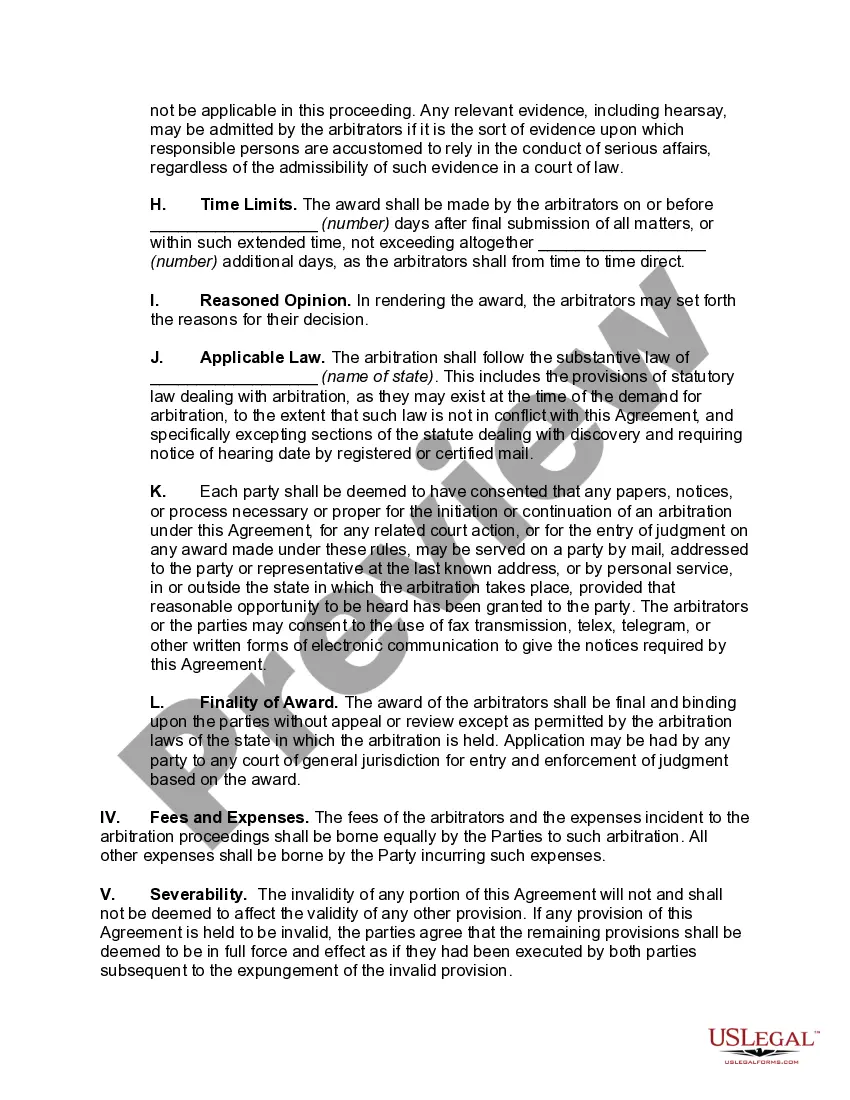
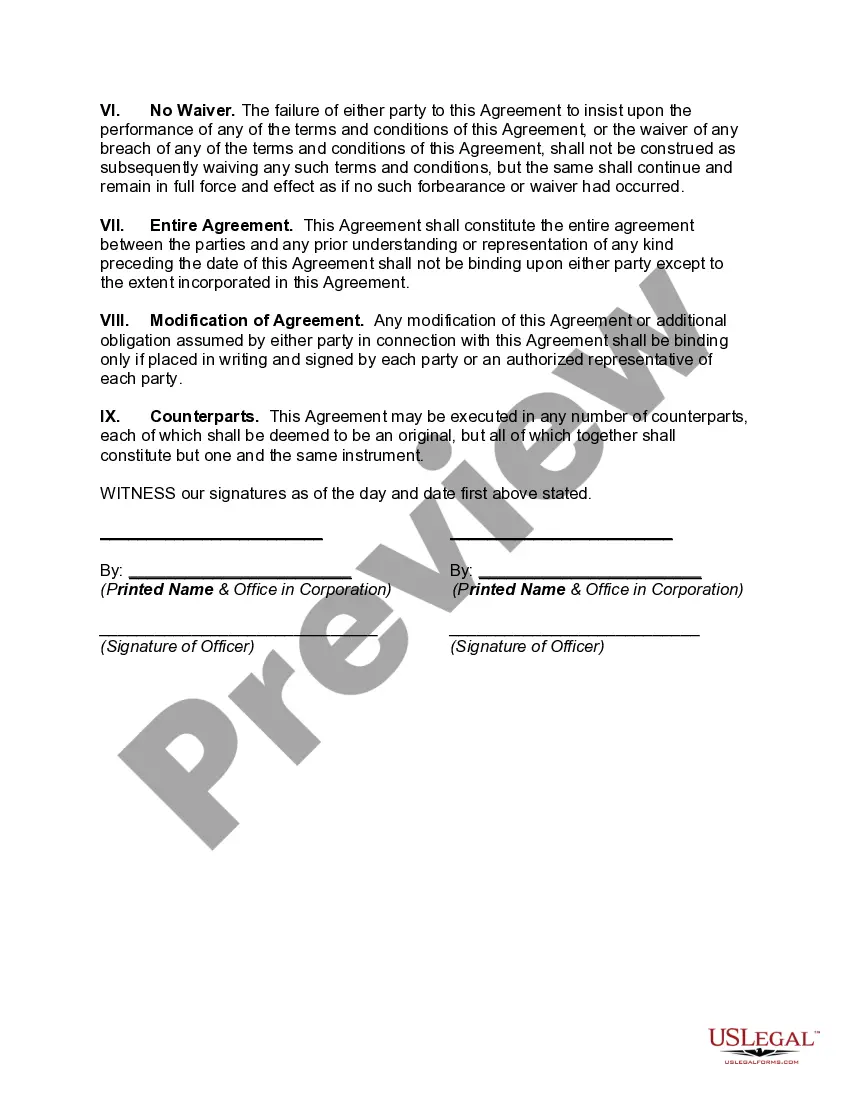
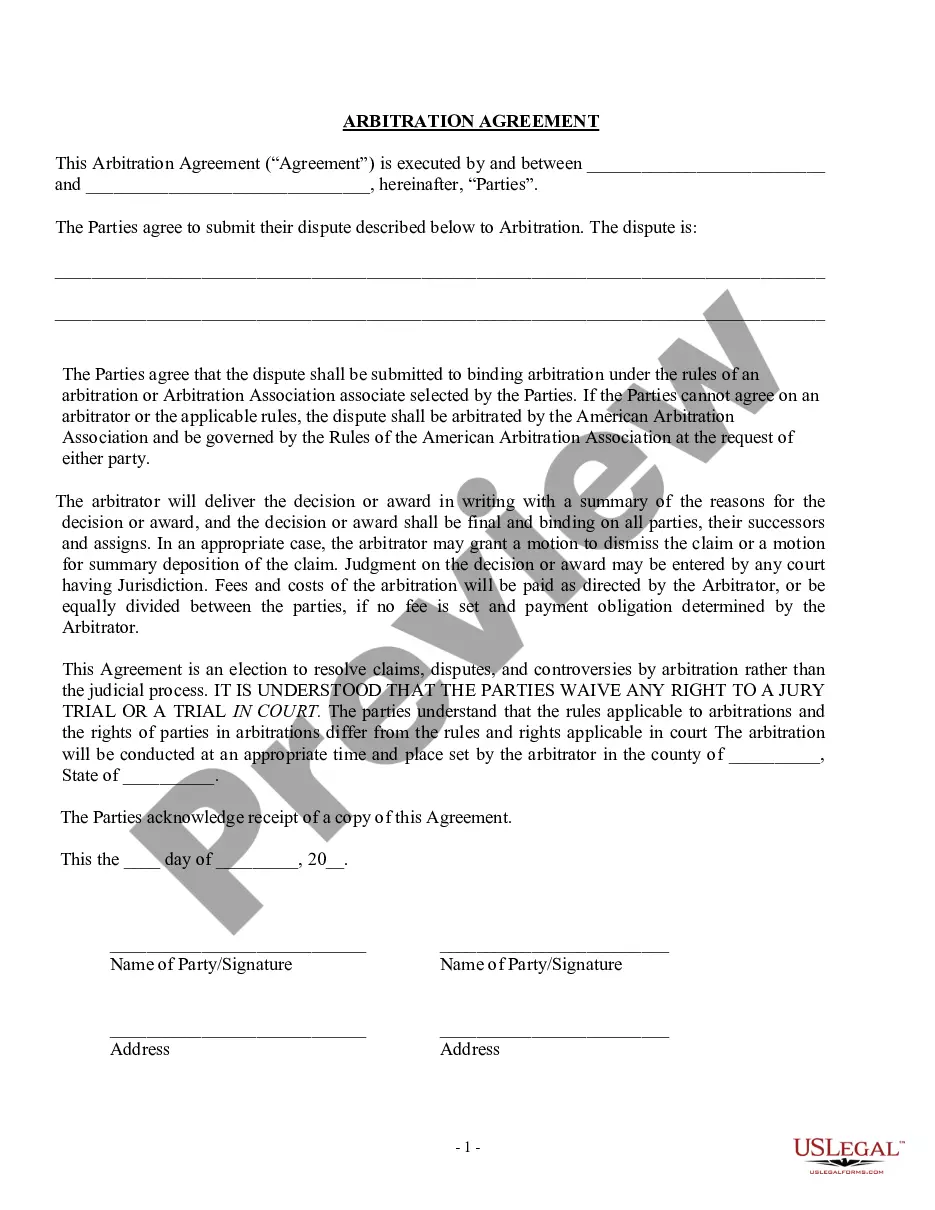
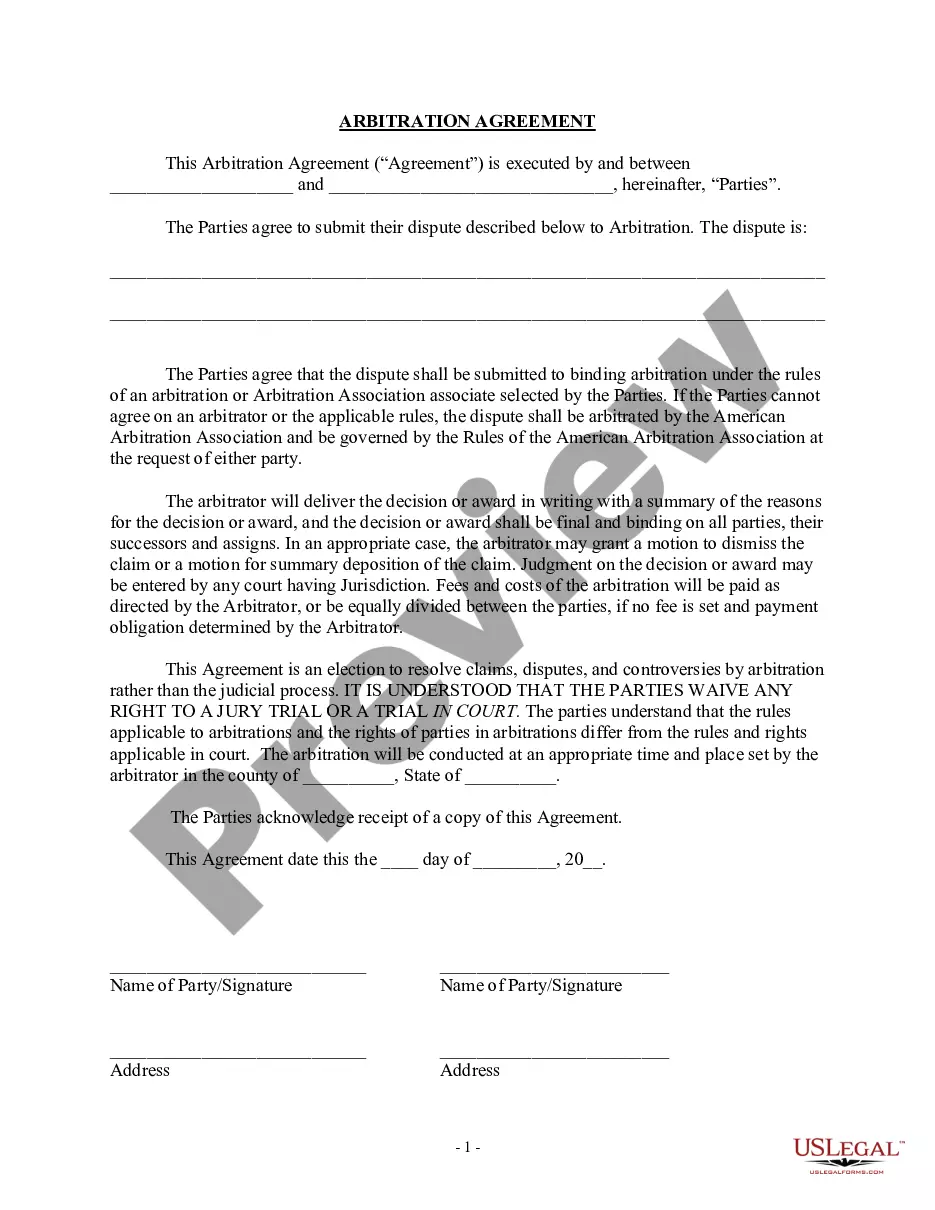
International arbitration is a dispute resolution process that occurs between parties from different countries, often involving complex international laws and treaties. It allows for an impartial resolution without going through the local court system. By choosing an Illinois Arbitration Agreement with a Foreign Company, you can navigate disputes in a manner that respects both parties' legal systems.
As a form of alternative dispute resolution, arbitration proceedings can either be binding or non-binding. The former simply means the decision is final and enforceable, while the latter that the arbitrator's ruling is advisory and can only be applied if both parties agree to it.
Perhaps the foremost advantage of international arbitration over litigation is that an international arbitral award is enforceable virtually worldwide, while a judgment from a national court is oftentimes only enforceable in the nation that issued it.
Under the Armendariz standards, an arbitration agreement will not be enforced in California if it is both "procedurally unconscionable" and "substantively unconscionable." Any arbitration agreement required as a condition of employment (i.e., any mandatory arbitration agreement) is automatically considered procedurally
While parties are not required to have an attorney to participate in arbitration, arbitration is a final, legally-binding process that may impact a party's rights. As such, parties may want to consider consulting an attorney at any time before, during, or after the arbitration.
This law provides that arbitration agreements are generally valid and enforceable. The major exception to this provision is that the arbitration agreement is not enforceable if it violates the general law of contracts - which applies to all contracts under the law of the state that governs the agreement.
In Illinois, court-annexed arbitration is a mandatory, non-binding, non-court procedure designed to resolve civil disputes by utilizing a neutral third party, called an arbitration panel.
Arbitration is a form of alternative dispute resolution whereby parties to a dispute agree to submit their respective positions and evidence to a neutral third-party arbitrator (or panel of arbitrators) who then considers the evidence and makes a binding decision resolving the parties' dispute.
International arbitration is arbitration between companies or individuals in different states, usually by including a provision for future disputes in a contract.