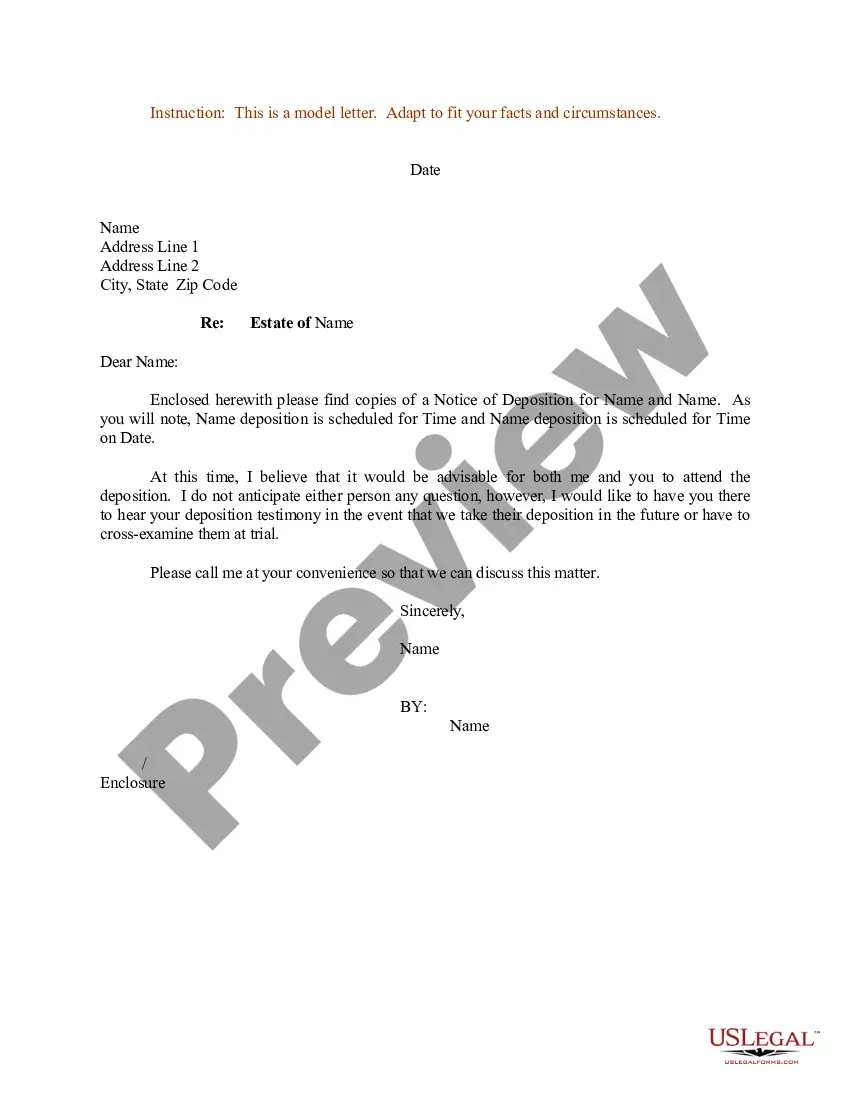
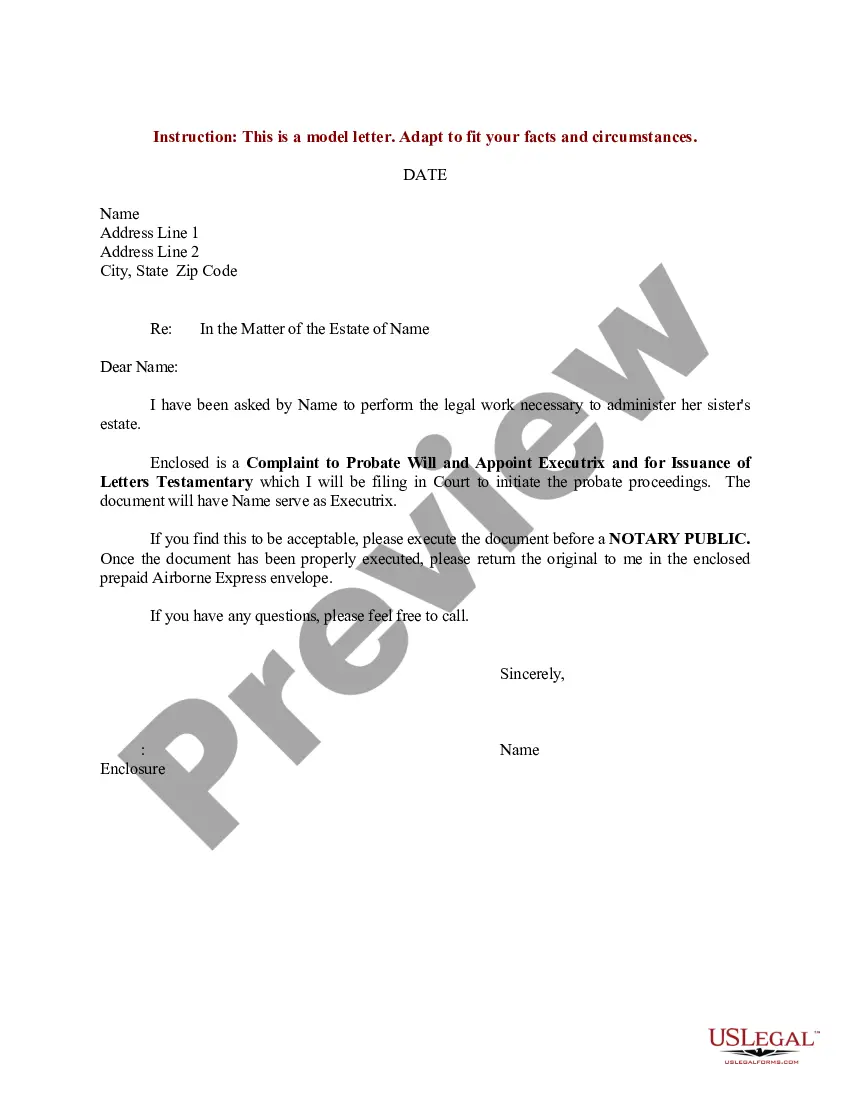
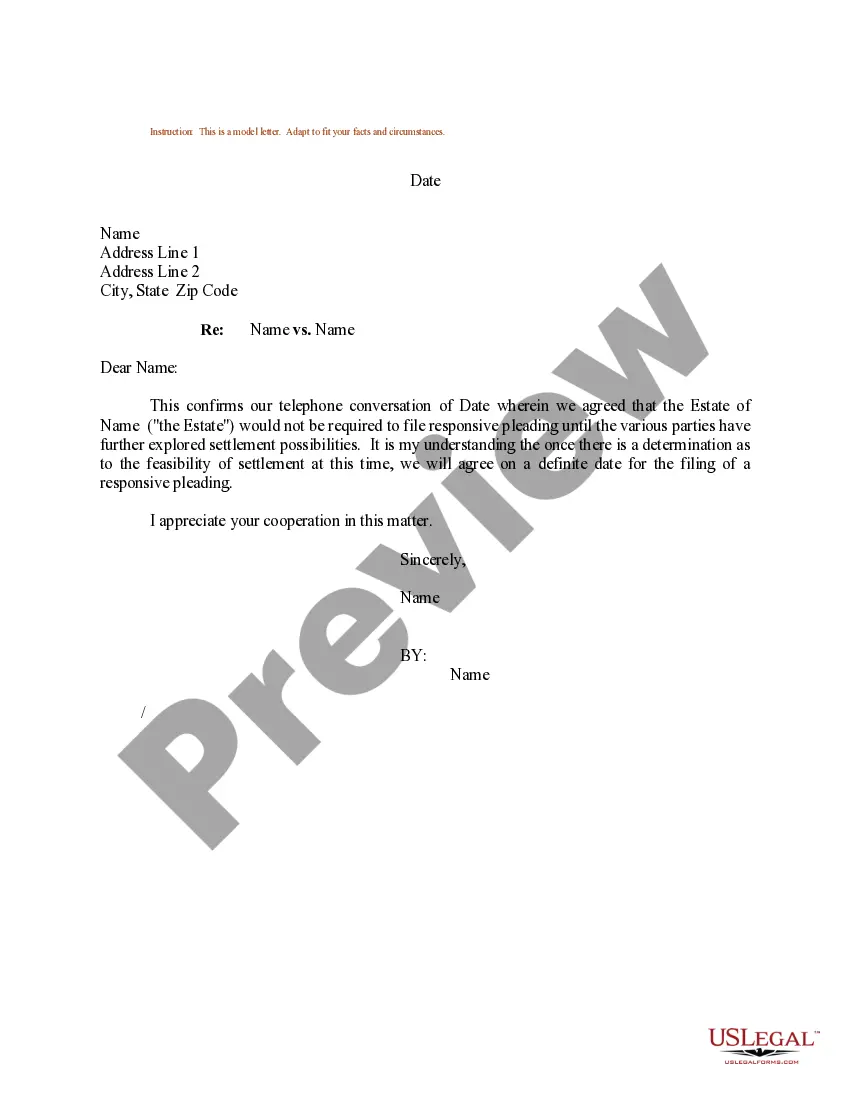
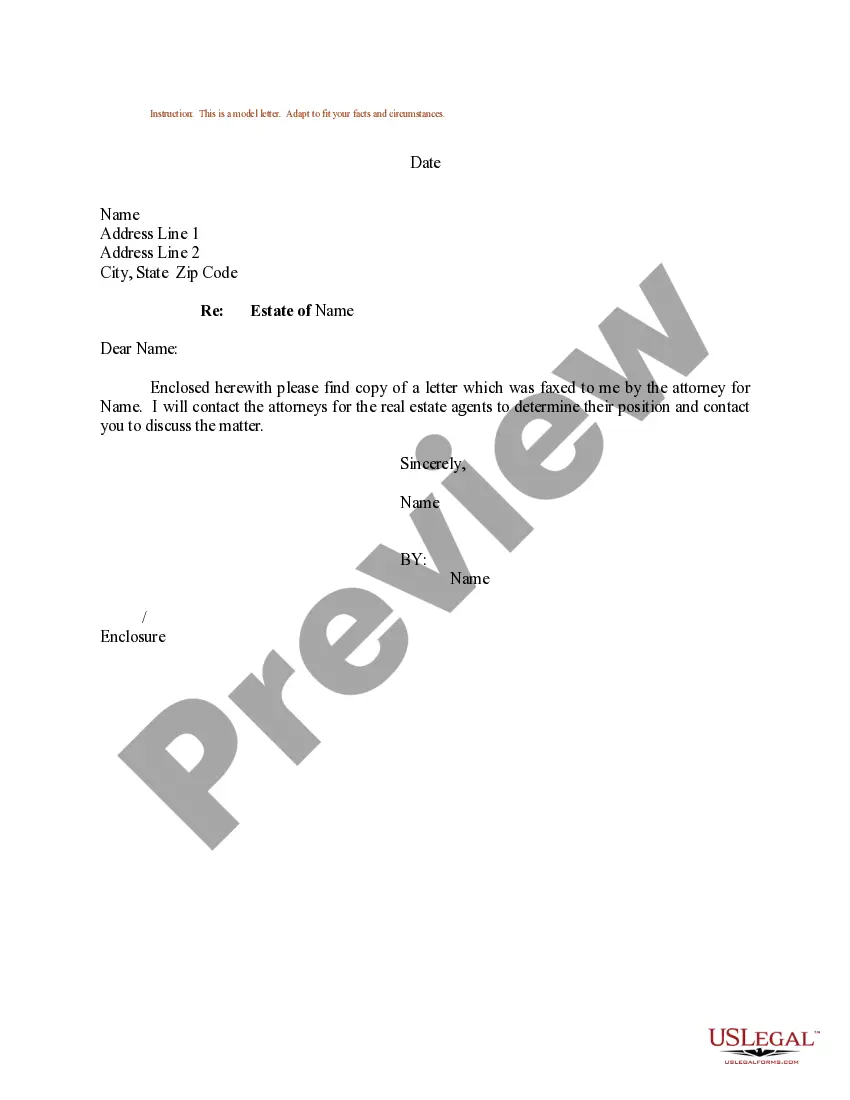
Illinois Sample Letter for Estate Deposition
Description
Get your form ready online
Our built-in tools help you complete, sign, share, and store your documents in one place.
Make edits, fill in missing information, and update formatting in US Legal Forms—just like you would in MS Word.
Download a copy, print it, send it by email, or mail it via USPS—whatever works best for your next step.
Sign and collect signatures with our SignNow integration. Send to multiple recipients, set reminders, and more. Go Premium to unlock E-Sign.
If this form requires notarization, complete it online through a secure video call—no need to meet a notary in person or wait for an appointment.
We protect your documents and personal data by following strict security and privacy standards.

Make edits, fill in missing information, and update formatting in US Legal Forms—just like you would in MS Word.

Download a copy, print it, send it by email, or mail it via USPS—whatever works best for your next step.

Sign and collect signatures with our SignNow integration. Send to multiple recipients, set reminders, and more. Go Premium to unlock E-Sign.

If this form requires notarization, complete it online through a secure video call—no need to meet a notary in person or wait for an appointment.

We protect your documents and personal data by following strict security and privacy standards.
Looking for another form?



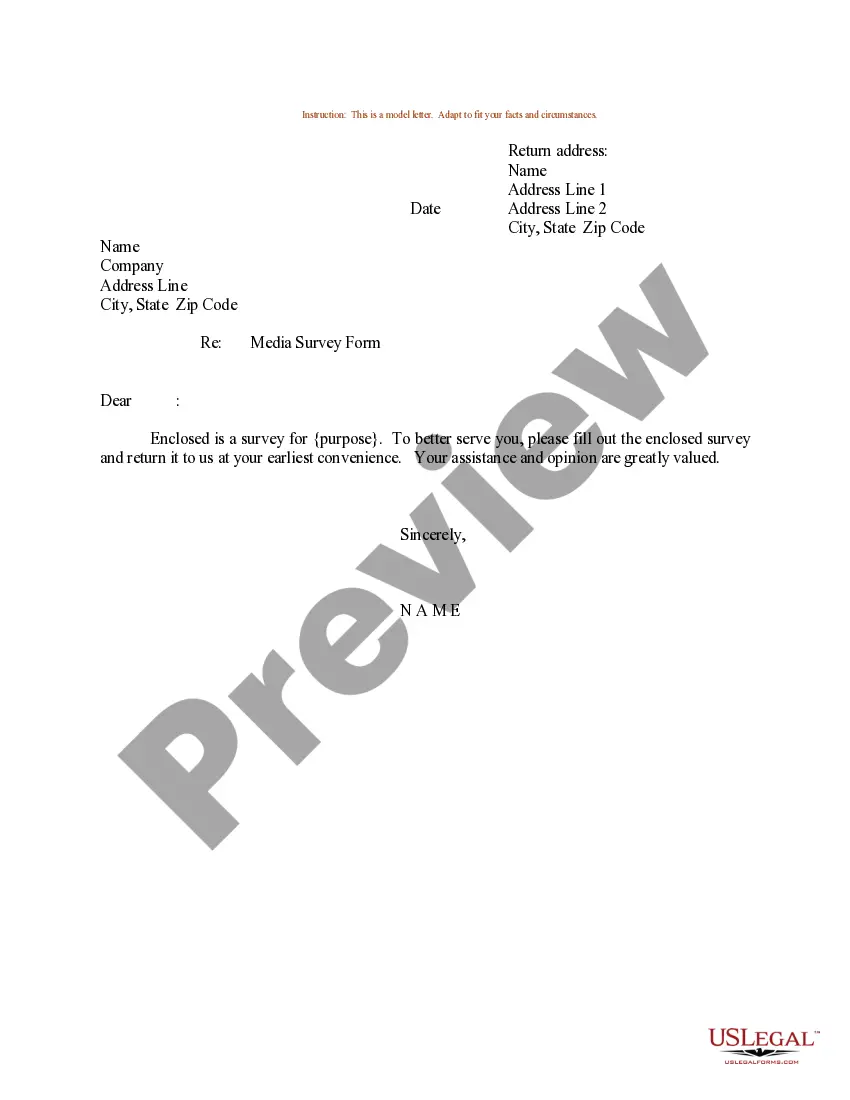
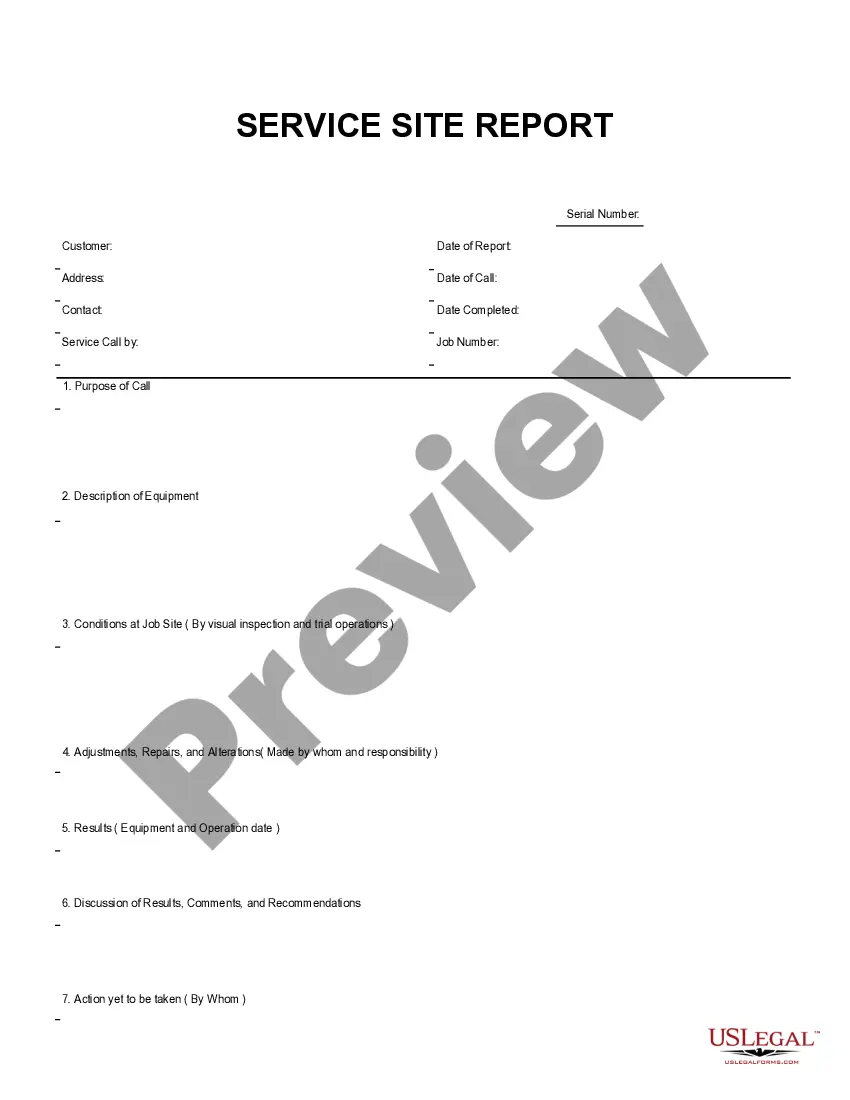
How to fill out Sample Letter For Estate Deposition?
Finding the right legal document web template could be a battle. Of course, there are plenty of themes available online, but how will you find the legal develop you will need? Utilize the US Legal Forms site. The services provides thousands of themes, like the Illinois Sample Letter for Estate Deposition, that can be used for business and private demands. Every one of the forms are checked out by experts and fulfill federal and state requirements.
Should you be previously authorized, log in to the accounts and click on the Download switch to find the Illinois Sample Letter for Estate Deposition. Utilize your accounts to search throughout the legal forms you might have bought in the past. Go to the My Forms tab of the accounts and have another duplicate in the document you will need.
Should you be a fresh user of US Legal Forms, allow me to share easy recommendations so that you can follow:
- Initial, make certain you have selected the correct develop to your area/state. You can look over the shape making use of the Review switch and study the shape information to guarantee this is the best for you.
- In the event the develop does not fulfill your needs, utilize the Seach industry to discover the appropriate develop.
- Once you are positive that the shape is suitable, select the Buy now switch to find the develop.
- Choose the pricing program you need and type in the essential information and facts. Create your accounts and buy the transaction making use of your PayPal accounts or Visa or Mastercard.
- Opt for the document format and obtain the legal document web template to the device.
- Complete, modify and print out and indication the obtained Illinois Sample Letter for Estate Deposition.
US Legal Forms will be the largest local library of legal forms where you can find various document themes. Utilize the company to obtain expertly-manufactured documents that follow status requirements.
Form popularity
FAQ
What is the Illinois Probate Process? File the Will with the Probate Court: The executor or personal representative will file the will with the probate court, creating a case. ... Provide Notice to all the Creditors: There will be debts that the estate may have to pay.
Illinois law provides that all claims must be in writing. The written document must notify the administrator or executor of the estate as to the nature of the claim and the amount of money that the claimant is seeking. The claimant must also provide copies of documents supporting its claim for money.
In Illinois, a probate lawyer is required for all formal probate proceedings, and an experienced Illinois probate attorney can provide invaluable assistance with the probate process. However, for small estates, an attorney is optional, although it is generally advisable to seek counsel.
The Petition for Letters of Office asks the court to appoint a certain individual, called an Executor, to manage decedent's estate as identified in the Will. If the decedent dies without a Will, a Petition for Letters of Administration is filed.
In order of preference, the classes are as follows: First Class Claims. First paid are funeral and burial expenses, expenses associated with the administration of the estate, as well as ?statutory custodial claims? (meaning claims made pursuant to a statute by a live-in caregiver for the decedent).
Depending on the size of the estate and how backed up the courts are, probate could take months or even years. If the deceased left a will and no one contests it, in approximately one year the estate may be closed and any remaining assets will be distributed to beneficiaries.
Formal probate is required in Illinois for wills and intestate estates with probate assets exceeding $100,000 in value. Probate assets worth less than that amount can go through an informal probate.
A Letter of Appointment of Executor helps prove you have been put in charge of someone's estate after they have passed away. As Executor, you've been given the duty to manage the estate and carry out the directions of the will; however, a court may require official documentation.