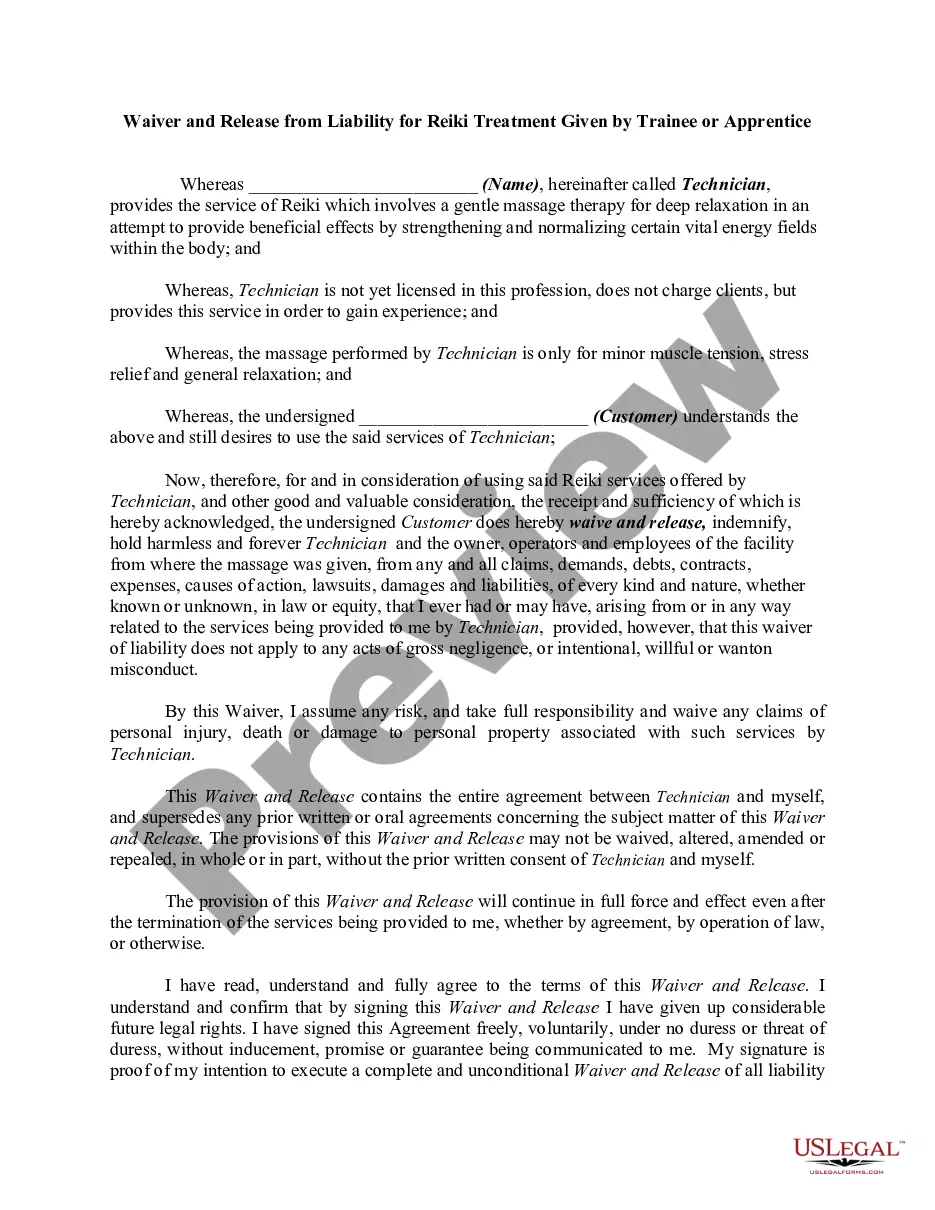
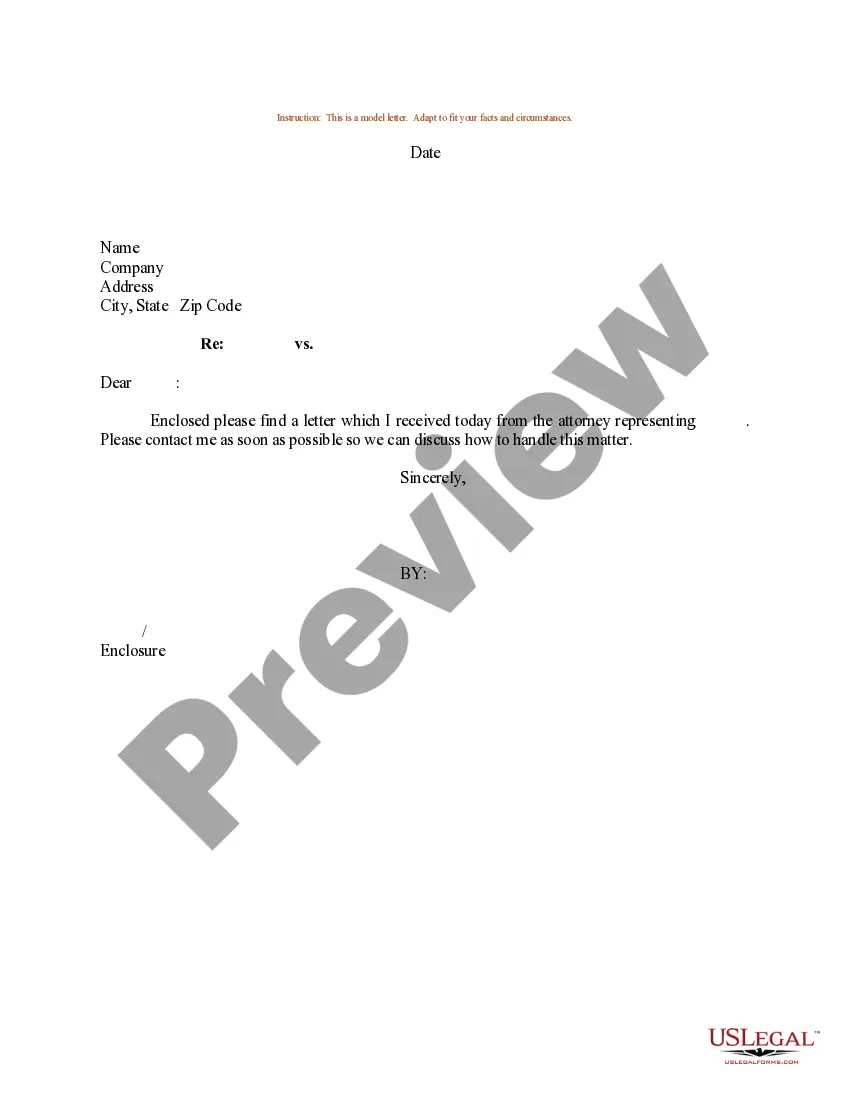
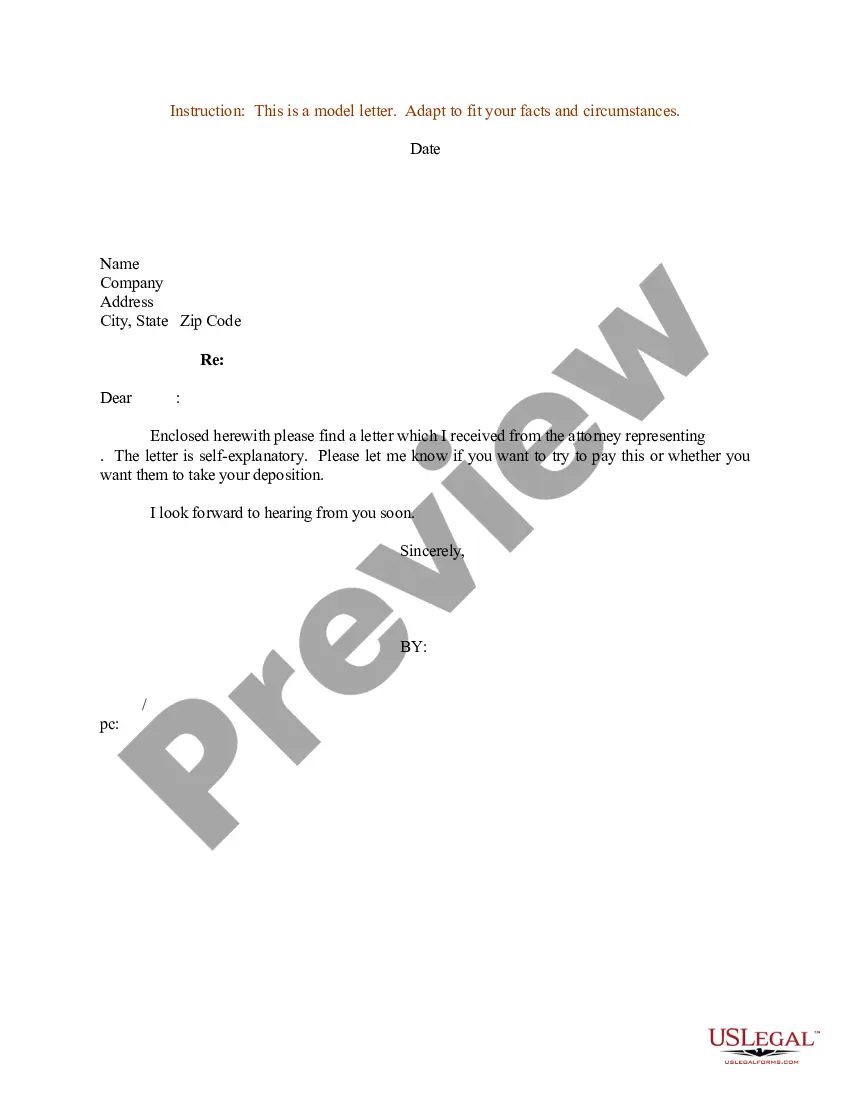
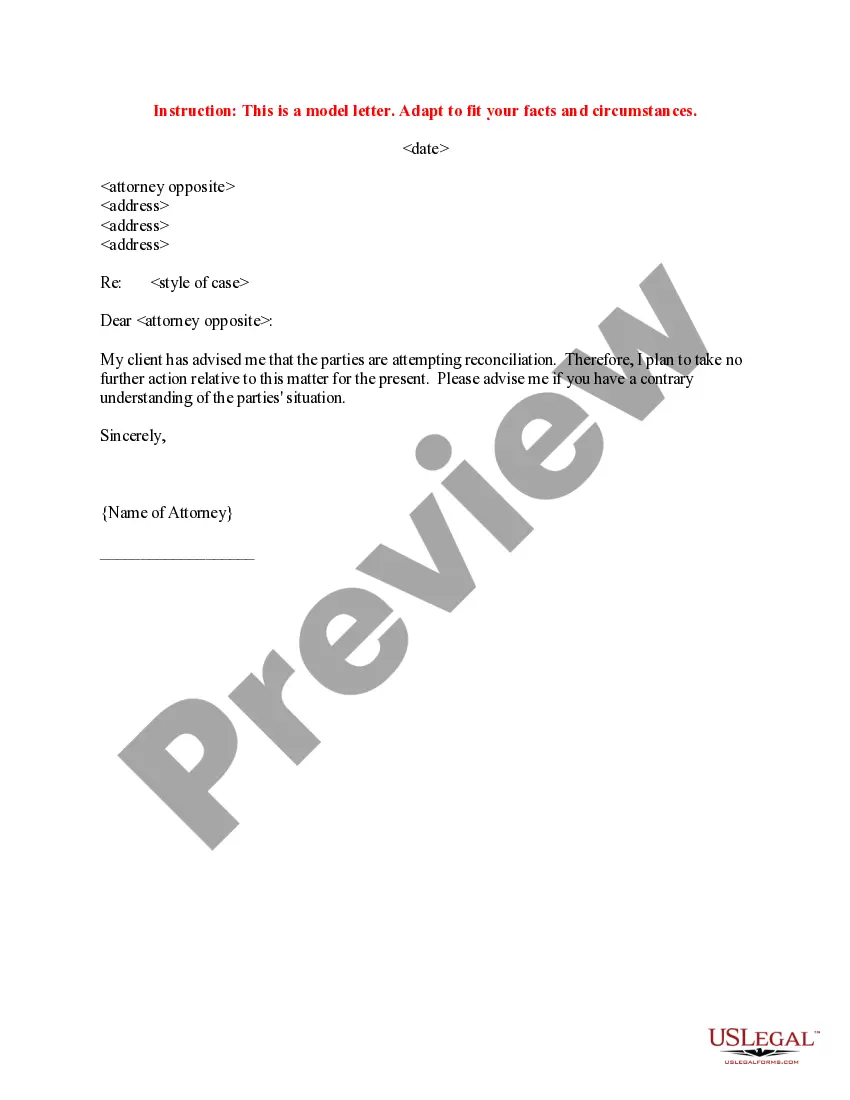
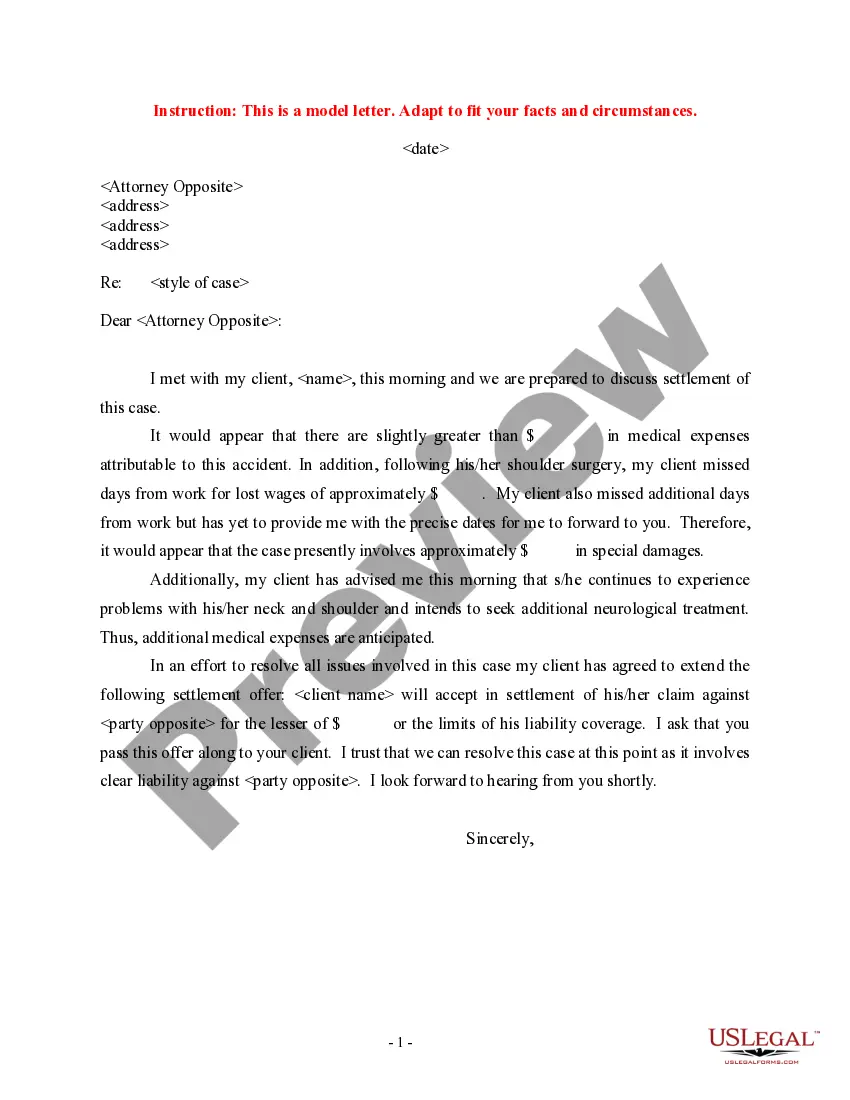
Illinois Sample Letter for Letter from Opposing Attorney
Description
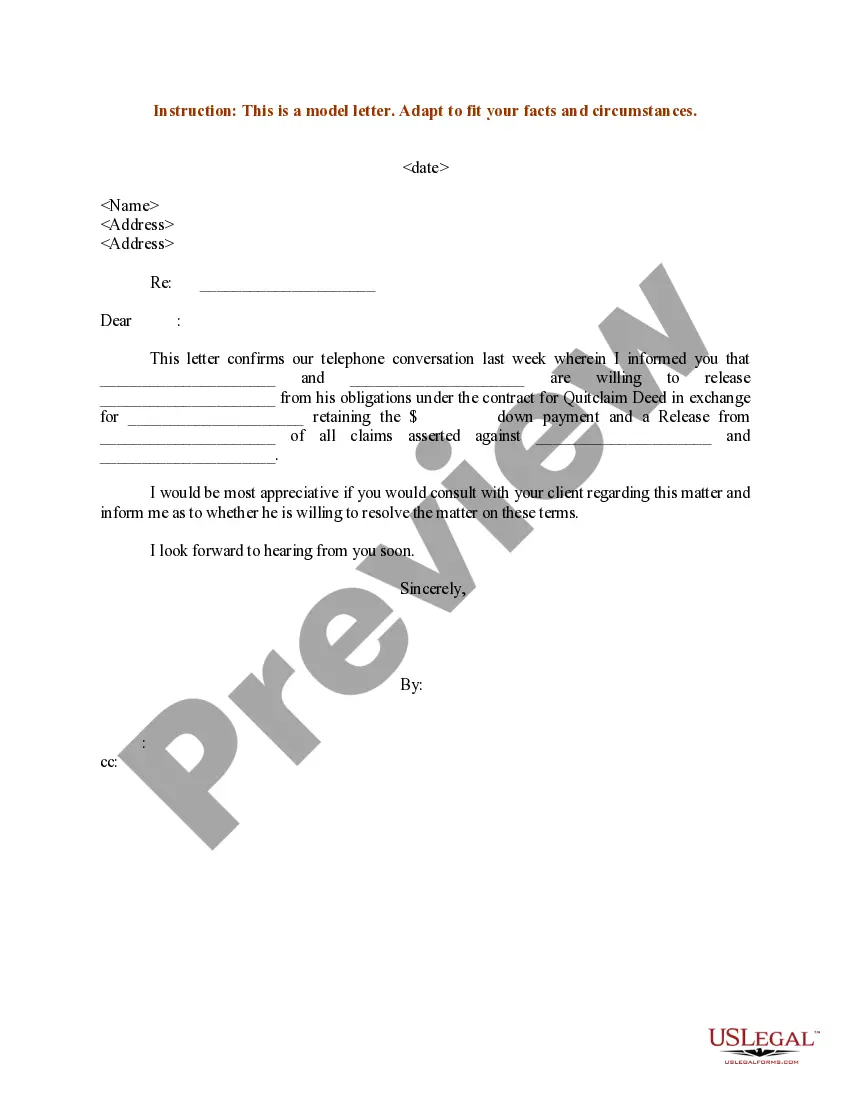
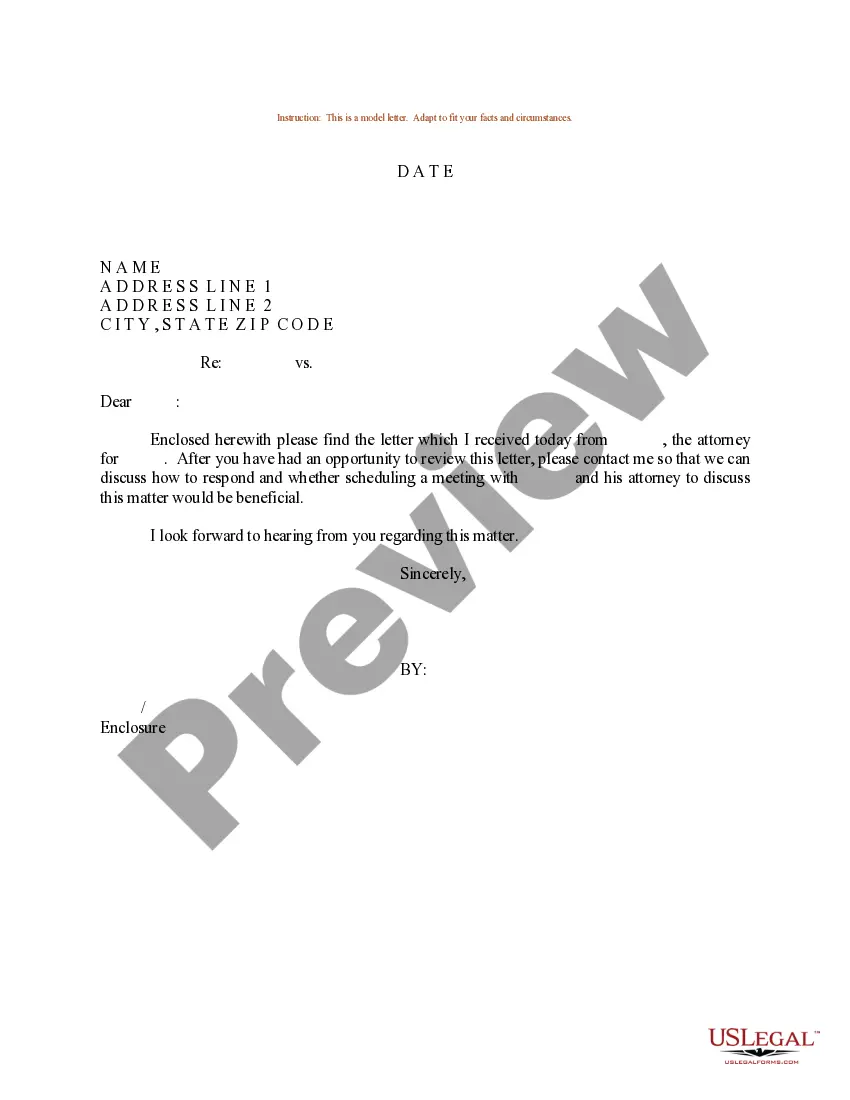

How to fill out Sample Letter For Letter From Opposing Attorney?
US Legal Forms - one of the greatest libraries of legal kinds in the USA - delivers a wide range of legal document web templates you are able to obtain or print out. Utilizing the website, you can find a large number of kinds for enterprise and individual purposes, categorized by classes, states, or keywords.You can find the most up-to-date versions of kinds much like the Illinois Sample Letter for Letter from Opposing Attorney within minutes.
If you have a registration, log in and obtain Illinois Sample Letter for Letter from Opposing Attorney from the US Legal Forms library. The Down load button will appear on every develop you see. You have access to all in the past downloaded kinds in the My Forms tab of your respective account.
If you would like use US Legal Forms the very first time, here are easy guidelines to get you started:
- Ensure you have picked out the right develop for the metropolis/region. Click the Preview button to check the form`s content material. Look at the develop information to ensure that you have chosen the proper develop.
- When the develop does not satisfy your requirements, make use of the Look for industry at the top of the display screen to get the one which does.
- If you are pleased with the shape, affirm your choice by visiting the Get now button. Then, pick the rates prepare you want and supply your qualifications to register to have an account.
- Procedure the transaction. Make use of your charge card or PayPal account to perform the transaction.
- Choose the formatting and obtain the shape in your system.
- Make adjustments. Complete, edit and print out and sign the downloaded Illinois Sample Letter for Letter from Opposing Attorney.
Each template you included in your account lacks an expiry particular date which is the one you have for a long time. So, if you wish to obtain or print out yet another copy, just go to the My Forms portion and click in the develop you want.
Obtain access to the Illinois Sample Letter for Letter from Opposing Attorney with US Legal Forms, by far the most extensive library of legal document web templates. Use a large number of professional and state-specific web templates that satisfy your small business or individual requires and requirements.
Form popularity
FAQ
A letter of intent to sue is used to notify an individual or business that legal action may be taken against them if the demands included in the letter are not met. By sending an intent to sue letter, you may be able to resolve the dispute without having to initiate a costly lawsuit.
A disengagement letter is sent by an attorney or law firm to a client when they're withdrawing from representing them. The purpose of a disengagement letter is to provide notice and document the withdrawal in ance with Rule of Professional Conduct (RPC) 1.16 Declining or Terminating Representation.
An attorney letter of representation usually contains the following: your attorney's name and contact information (or the name of the law office/law firm representing you), the reason for legal representation (for example, personal injury, malpractice, divorce), a brief summary of the facts of your case,
Using an Angry Tone. Writing in an angry tone or personally attacking the other party is the worst thing you can do in a demand letter. If you let your emotions speak, you'll only invite the receiver to respond in the same tone.
A disengagement letter serves to make clear that a client has ceased to be a current client for conflict of interest analysis.
Here is a list of the elements of a good threat letter: Be calm and professional. ... State clearly what relief you want. ... Specify what you will do next if the letter's recipient doesn't solve the problem immediately (give the recipient a deadline, say ten days, in which to act). ... The Escape Clause.
Frequently Asked Questions (FAQ) Type your letter. ... Concisely review the main facts. ... Be polite. ... Write with your goal in mind. ... Ask for exactly what you want. ... Set a deadline. ... End the letter by stating you will promptly pursue legal remedies if the other party does not meet your demand. Make and keep copies.
Most common is the threatened initiation of a lawsuit against the second party. Other threats might include an administrative law action or complaint, referring the other party to a regulatory body, turning the party into the legal authorities over a crime or civil infraction, or the like.