Illinois Storage Business Package
Understanding this form package
The Illinois Storage Business Package is a comprehensive collection of legal forms designed specifically for storage business owners. This package contains essential agreements and legal notices to help you operate your storage business effectively while minimizing the risk of litigation. Unlike other forms, these documents are tailored to address various types of property that may be stored and issues related to customer defaults.
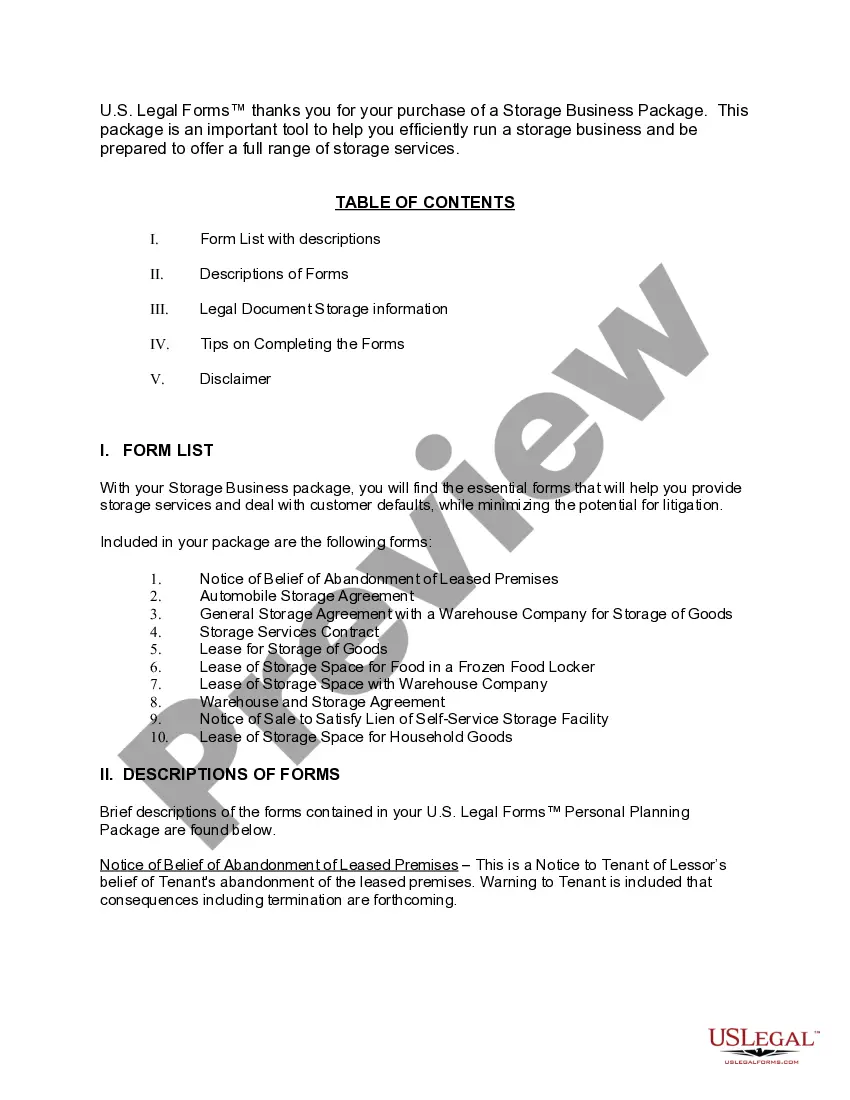
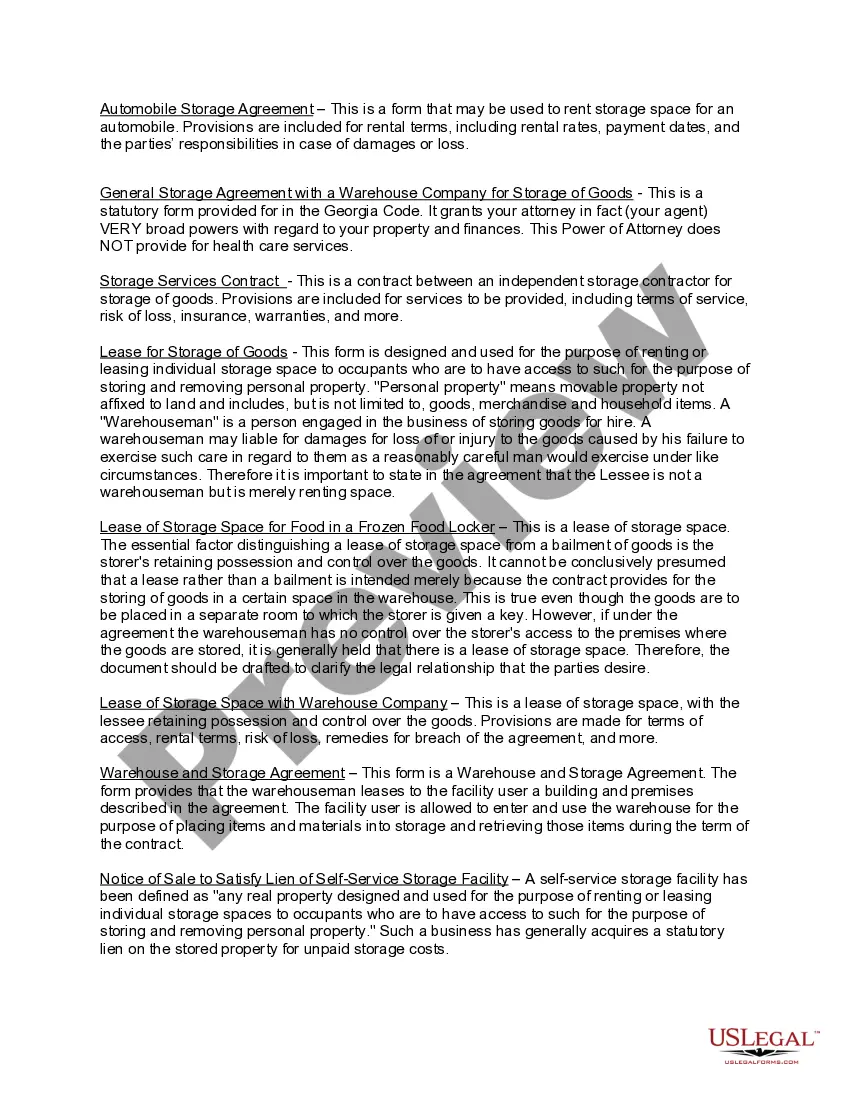
Forms included in this package
- Lease for Storage of Goods
- Notice of Sale to Satisfy Lien of Self-Service Storage Facility
- Automobile Storage Agreement
- Lease of Storage Space for Food in a Frozen Food Locker
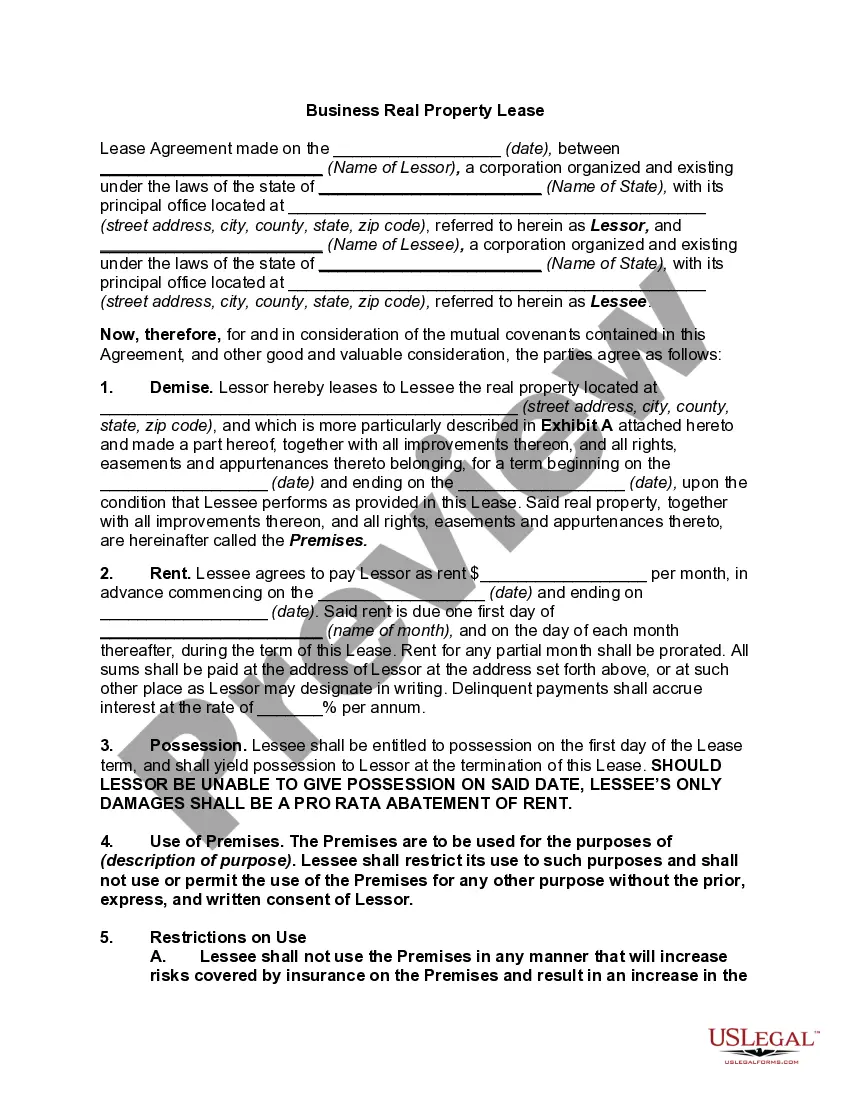
- Lease of Storage Space with Warehouse Company
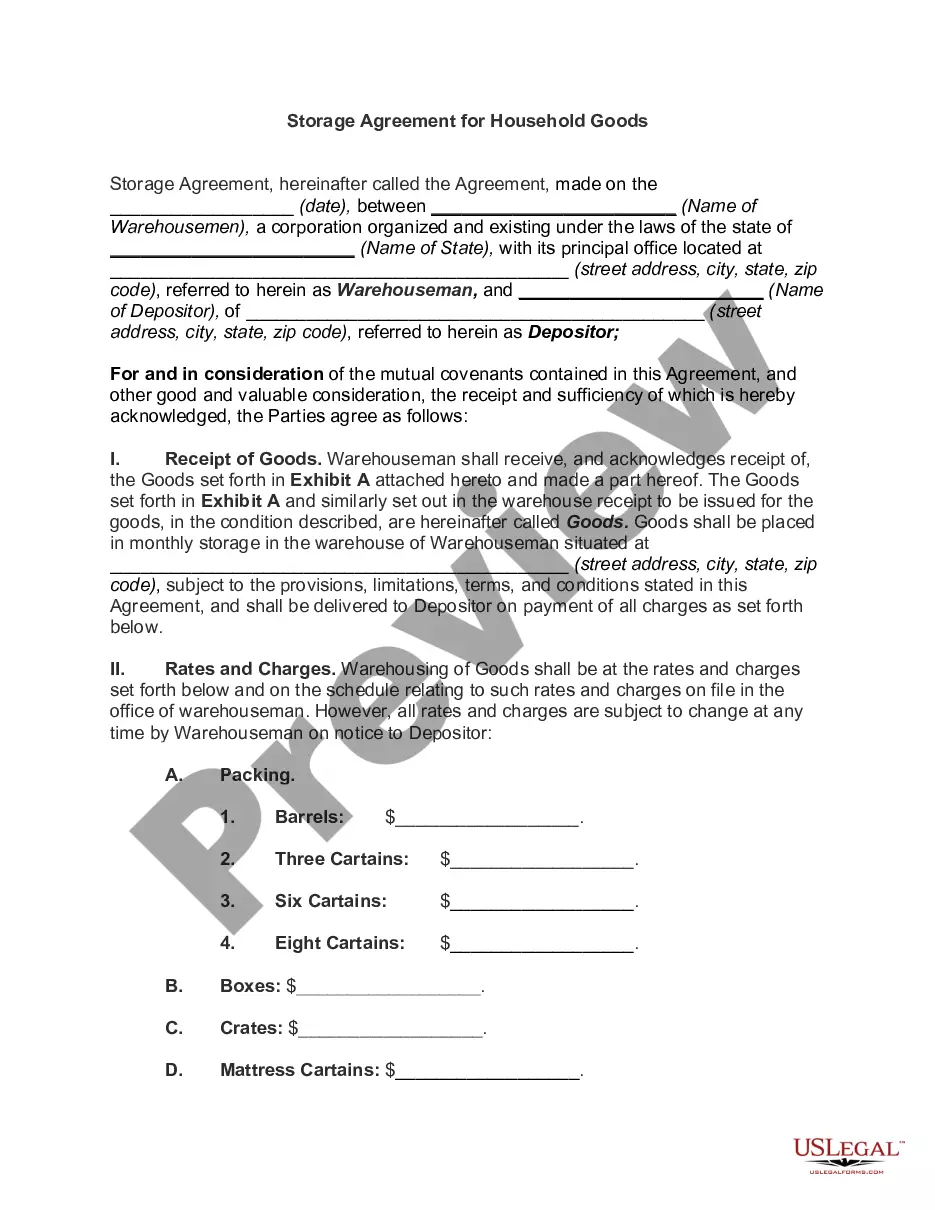
- General Storage Agreement with a Warehouse Company for Storage of Goods
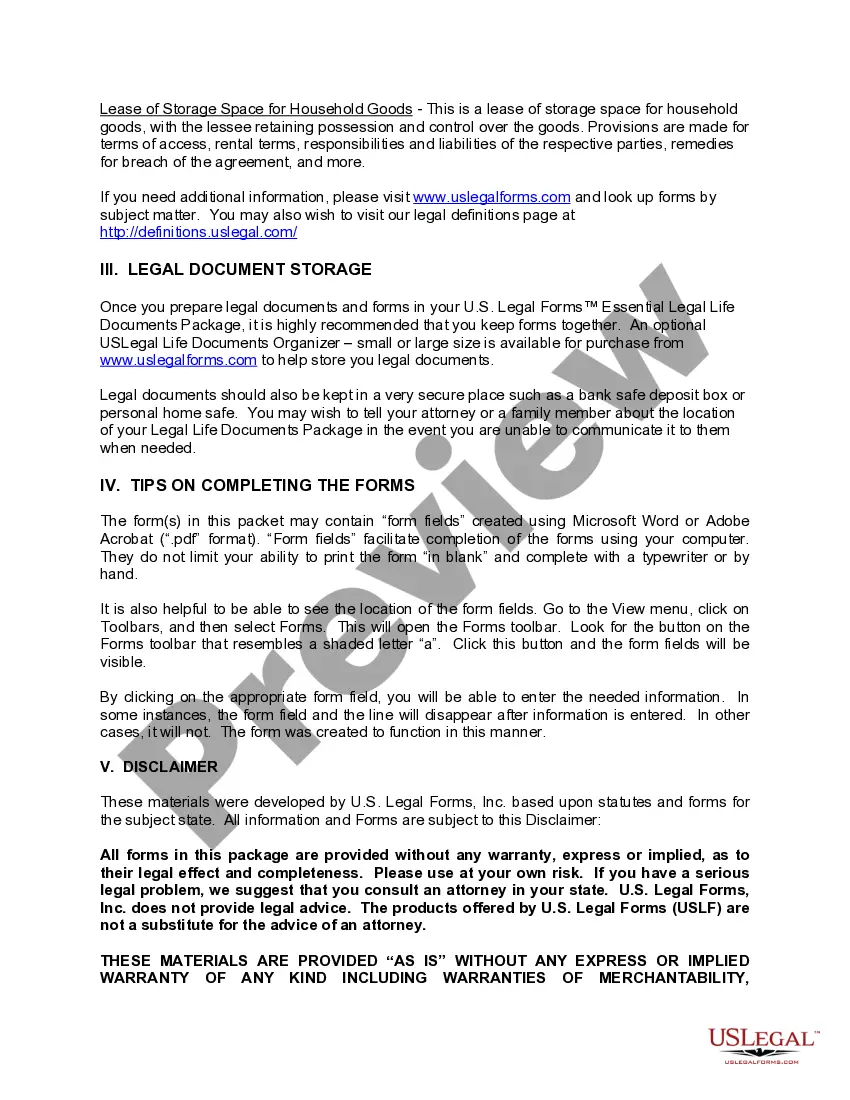
- Lease of Storage Space for Household Goods
- Warehouse and Storage Agreement
- Notice of Belief of Abandonment of Leased Premises
- Storage Services Contract - Self-Employed

Situations where these forms applies
This form package is vital in several scenarios, including:
- Starting a new storage business and needing standardized contracts.
- Renting out space for automobiles, household goods, or frozen food.
- Managing customer defaults and issuing notices regarding abandonment or sales.
- Ensuring compliance with legal requirements in transactions involving stored goods.
Who needs this form package
- Storage business owners looking to establish legal protections.
- Individuals renting storage space for personal or business use.
- Entrepreneurs starting a storage facility wanting to avoid common legal pitfalls.
- Managers of existing storage businesses needing standard legal documents.
How to prepare this document
- Review the included forms to understand their purpose and requirements.
- Identify the parties involved in each agreement, including yourself as the storage provider and the customer.
- Enter relevant details such as property descriptions, rental terms, and rental rates as specified.
- Ensure all parties sign the agreements where necessary to validate them.
- Keep copies of all signed documents in a secure location for your records.
Do forms in this package need to be notarized?
Forms in this package typically do not require notarization unless required by local law. It is advisable to consult the specific terms of each agreement to confirm any notarization needs.
Get your form ready online
Our built-in tools help you complete, sign, share, and store your documents in one place.
Make edits, fill in missing information, and update formatting in US Legal Forms—just like you would in MS Word.
Download a copy, print it, send it by email, or mail it via USPS—whatever works best for your next step.
Sign and collect signatures with our SignNow integration. Send to multiple recipients, set reminders, and more. Go Premium to unlock E-Sign.
If this form requires notarization, complete it online through a secure video call—no need to meet a notary in person or wait for an appointment.
We protect your documents and personal data by following strict security and privacy standards.

Make edits, fill in missing information, and update formatting in US Legal Forms—just like you would in MS Word.

Download a copy, print it, send it by email, or mail it via USPS—whatever works best for your next step.

Sign and collect signatures with our SignNow integration. Send to multiple recipients, set reminders, and more. Go Premium to unlock E-Sign.

If this form requires notarization, complete it online through a secure video call—no need to meet a notary in person or wait for an appointment.

We protect your documents and personal data by following strict security and privacy standards.
Common mistakes
- Failing to include all necessary details in the agreements.
- Not having all parties sign the agreements.
- Misunderstanding the difference between leases and bailments for storage.
- Neglecting to keep a secure copy of each form for future reference.
Why use this package online
- Convenience of immediate access to essential legal forms.
- Editability, allowing you to customize forms to suit your specific needs.
- Reliability of documents drafted by licensed attorneys, ensuring legal validity.
Quick recap
- This form package provides essential legal documents for Illinois storage businesses.
- It includes specific agreements suited for various storage situations.
- Forms are designed to help minimize potential legal issues and enhance business operations.
Looking for another form?

Form popularity
FAQ
No, a certificate of registration and a tax-exempt certificate serve different purposes within the Illinois Storage Business Package. A certificate of registration is proof that your business is registered, while a tax-exempt certificate allows certain non-profits to make purchases exempt from sales tax. Understanding the distinct roles of these certificates can help ensure your business remains compliant with state regulations.
What is the average cost of a 10x20 storage unit? The average cost of a 10x20 storage unit is $138.06 per month.
Self-storage is an excellent investment if you own land. Choose your location carefully and check out the competition. Use new (one trip) shipping containers. Use one trusted supplier and range. Invest in good container padlocks. Use standing orders or direct debits for rentals. Consider condensation treatment for containers.
Per month Storage prices per month vary, depending on the level of demand, but are the most common way that most customers pay for the storage. Smaller units cost $50 per month. Larger self-storage units have an average cost of $300.
The Cost of Construction Once you begin construction of the building, if you're going to build single story units, you can expect to pay $25 to $40 per square foot you build. If you want a multi-story building, costs will be around $42 to $70 per square foot.
The typical self storage development cost ranges from $34 to $42 per gross building square foot. Again, this variance is dependent on land, construction and cost of financing.
For many real estate investors, self-storage is an appealing asset class because it has large income potential with low overhead, fewer construction costs than other commercial real estate (CRE) sectors, and relatively low ongoing management.Cash flow with large income potential. Low construction and building costs.
Typically, a self-storage facility still makes a profit at 60% to 70% of full occupancy. Currently, the industry average occupancy stands near 90%, according to Statista. Nevertheless, experts say it takes one to two years to reach 90% capacity. Many self-storage owners run family operations.
Cold storage is a highly profitable business, in both developing and developed countries. There is good demand for two types of cold storage as per the storage facility. One model is used for specific products and another one is for multipurpose.
Typically, a self-storage facility still makes a profit at 60% to 70% of full occupancy. Currently, the industry average occupancy stands near 90%, according to Statista. Nevertheless, experts say it takes one to two years to reach 90% capacity. Many self-storage owners run family operations.