Illinois Judicial Sale Deed
Understanding this form
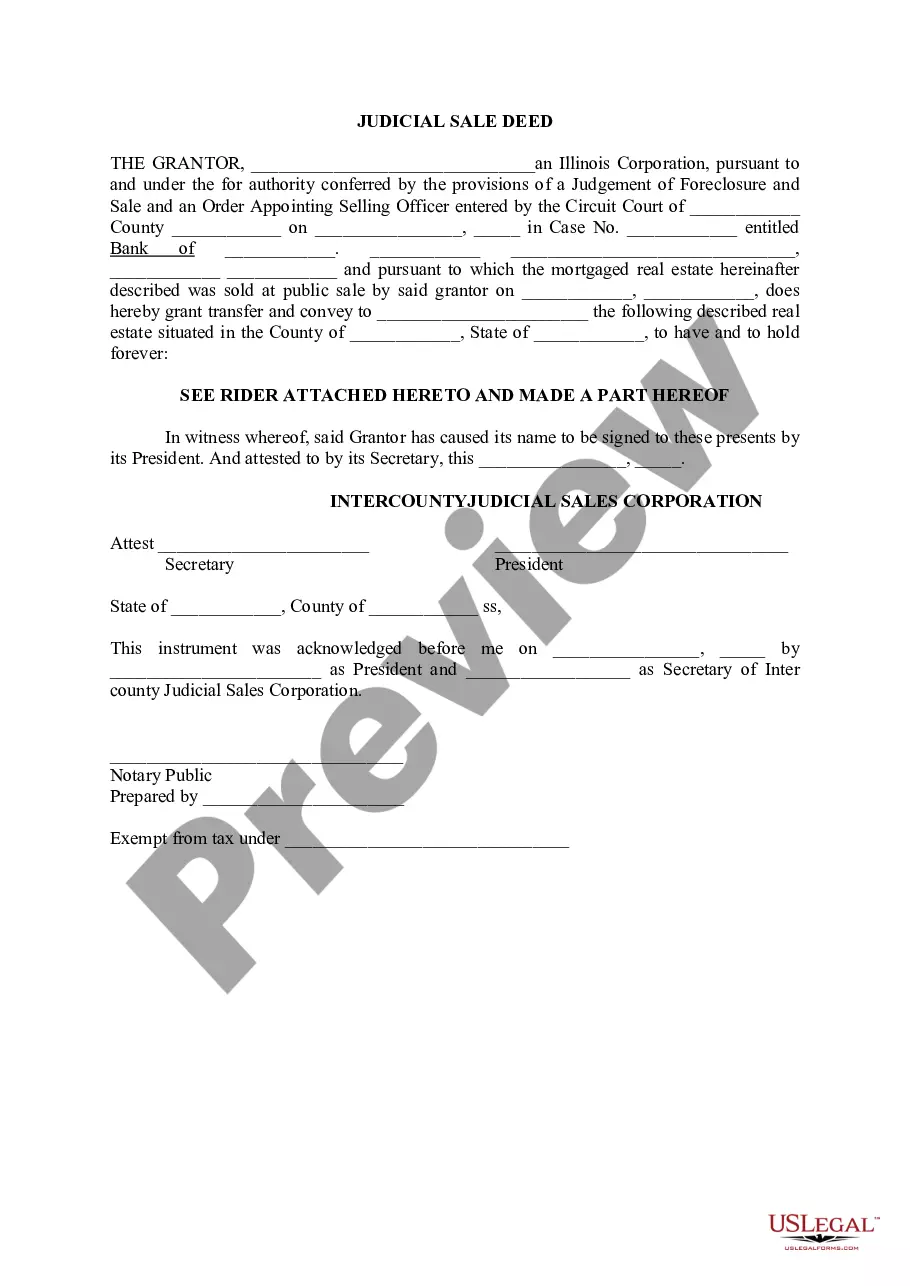
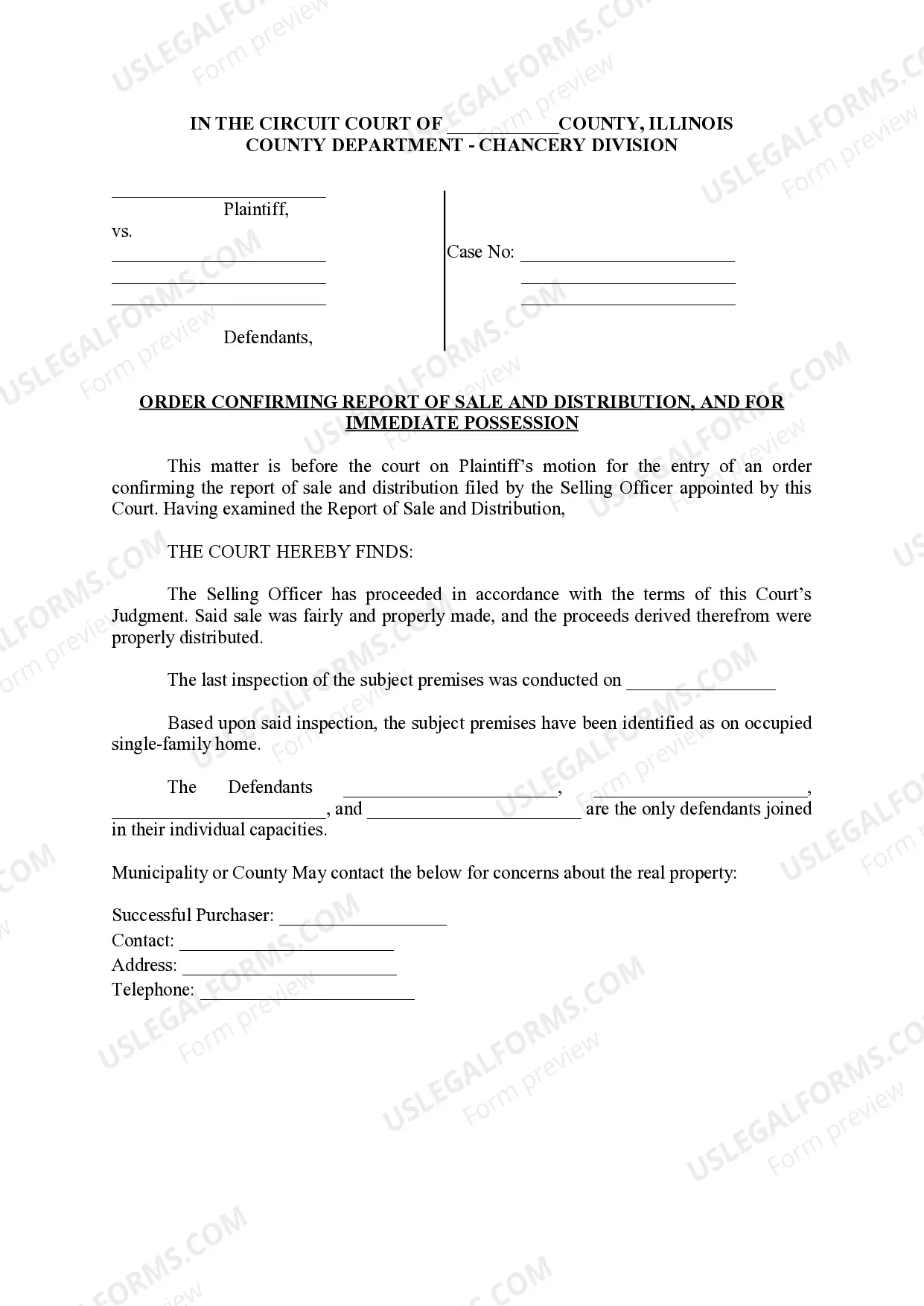
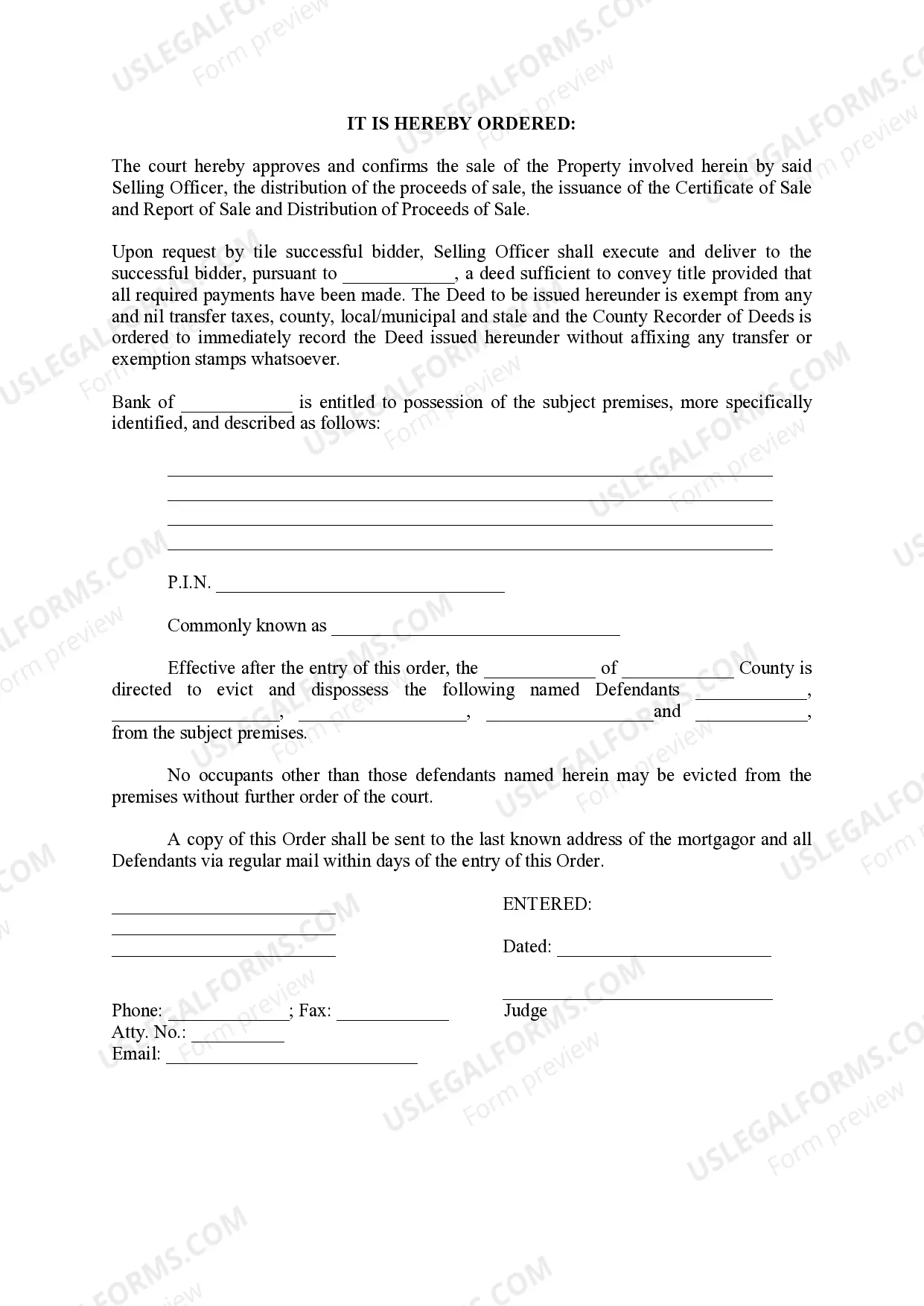
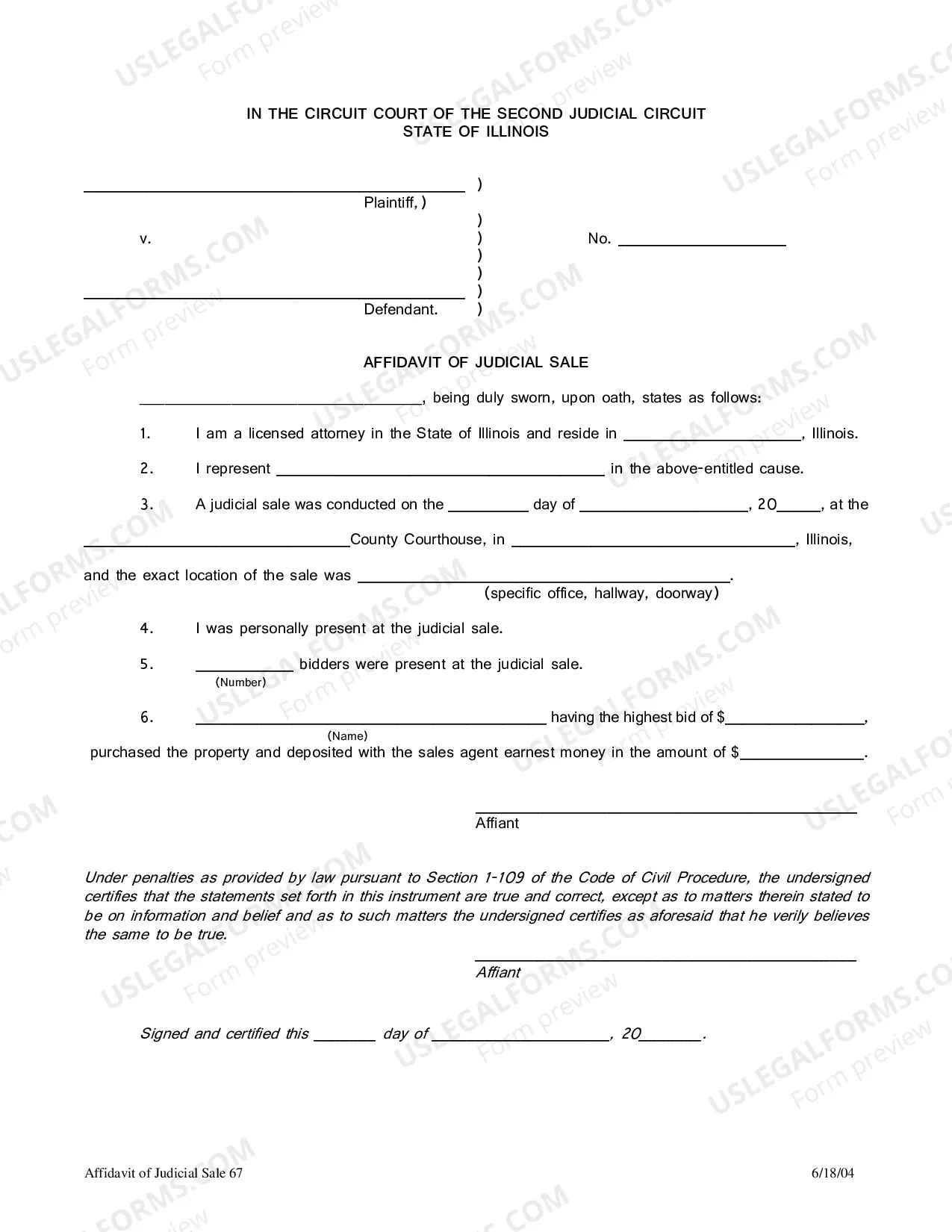
A Judicial Sale Deed is a legal document used to transfer ownership of real estate sold during a judicial foreclosure process. This form is essential after a court has ordered the sale of a property due to the owner's default on a mortgage or secured obligation. Unlike regular deeds, a Judicial Sale Deed is rooted in court proceedings, making it a crucial tool for both the grantor and grantee in formalizing the transaction after a foreclosure sale.
Main sections of this form
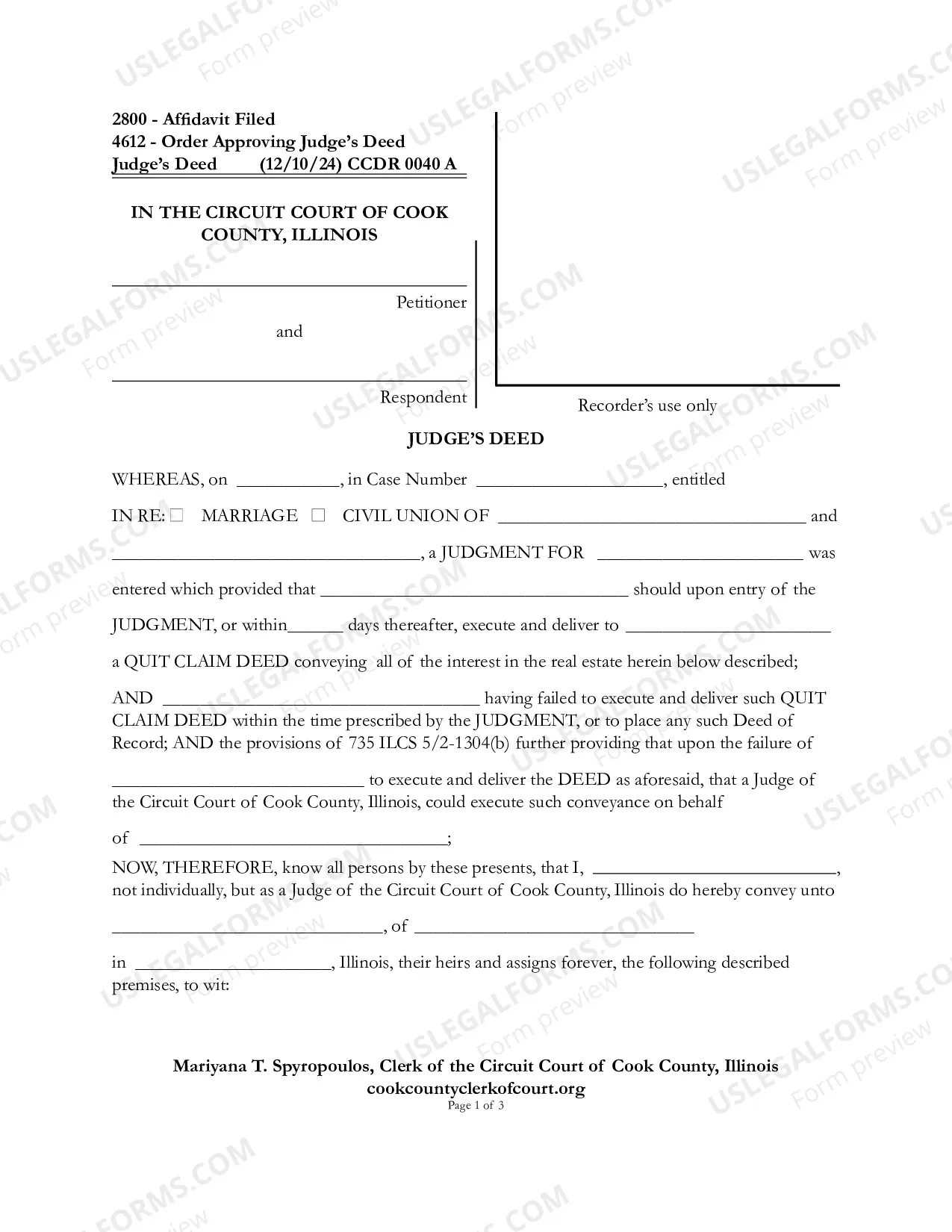
- Identification of the grantor and grantee, including their roles and legal status.
- Details of the court judgment and case number related to the foreclosure.
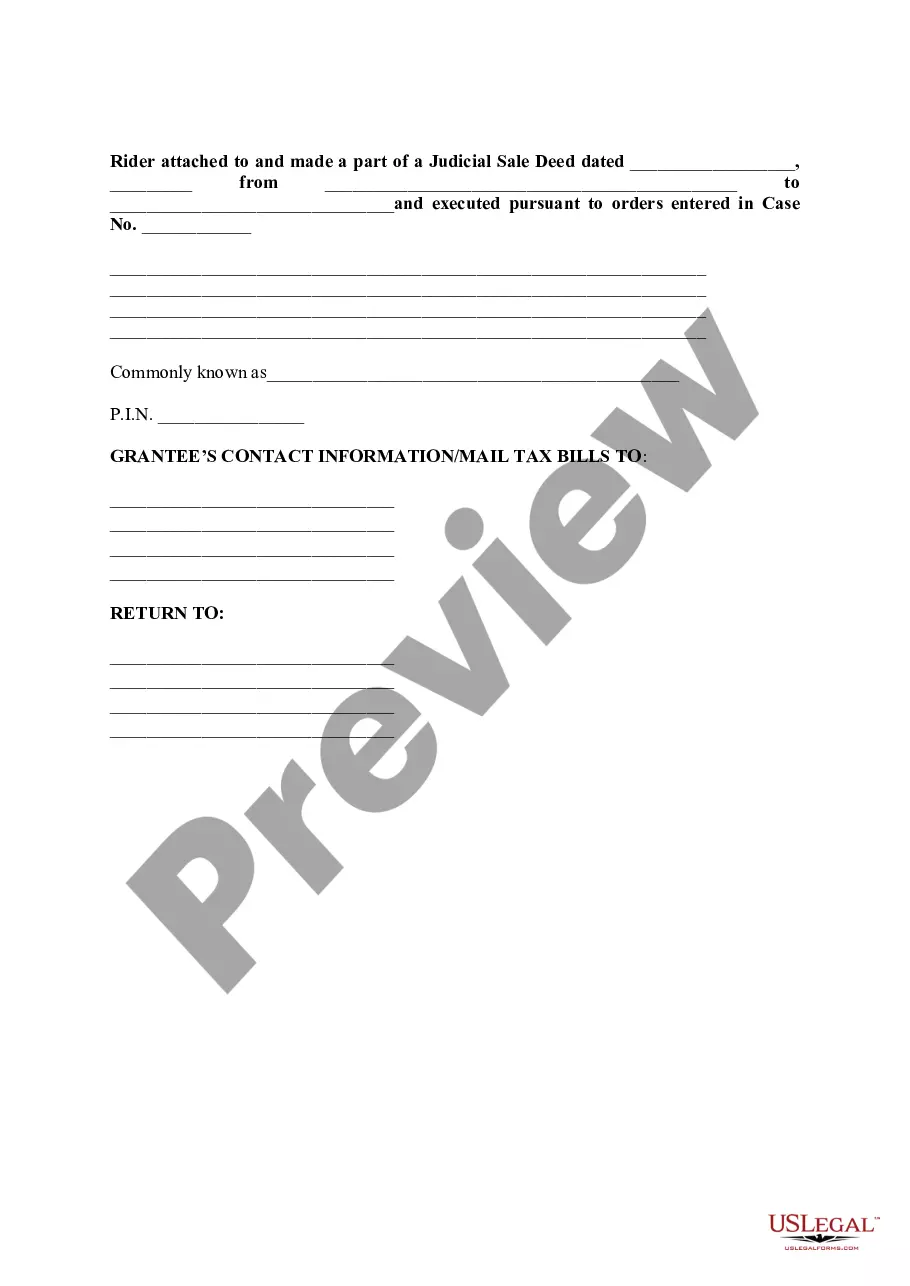
- A description of the property being transferred, including the address and property identification number (PIN).
- Signatures from the grantor's president and secretary, along with notarization requirements.
- An attached rider that provides further details about the transaction, including any specific conditions or terms.
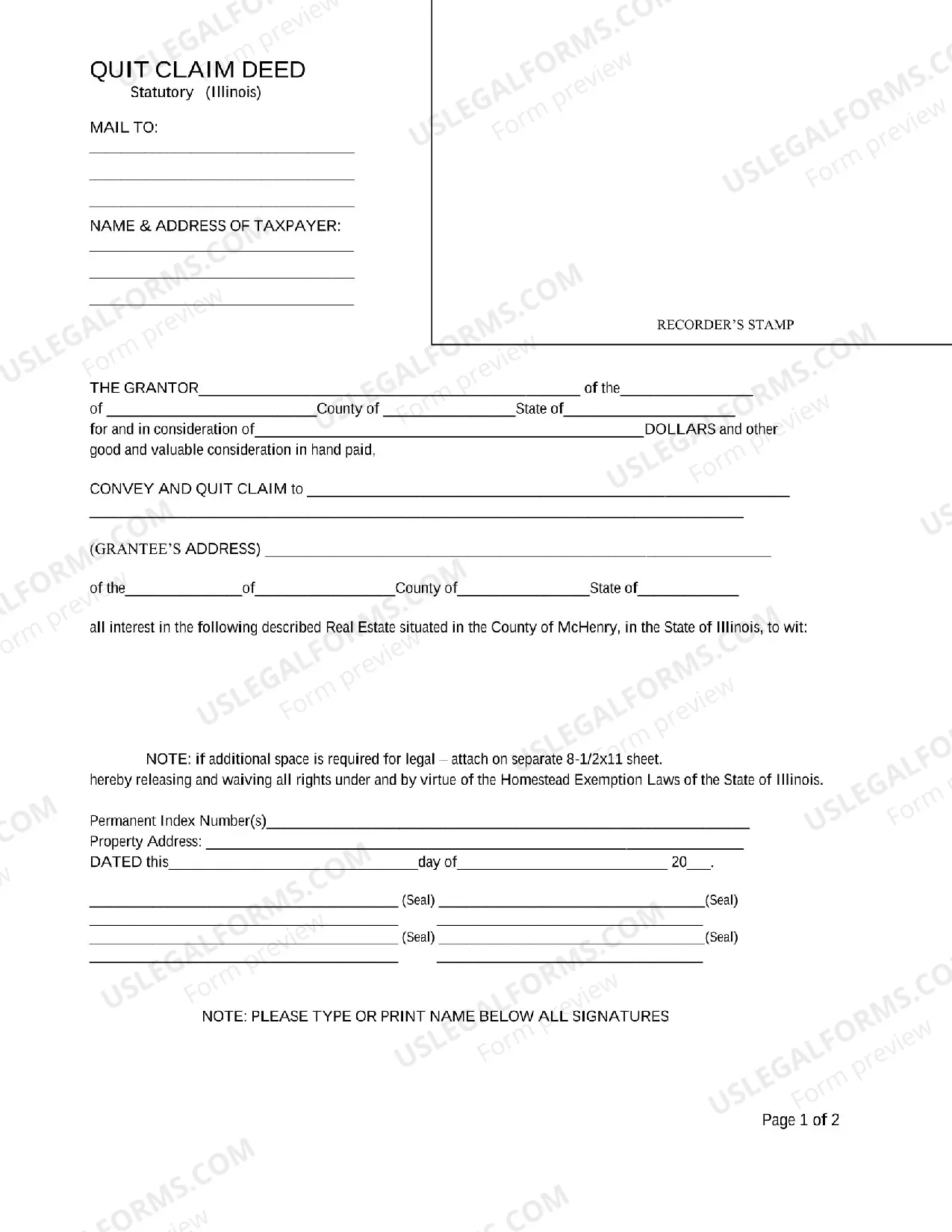
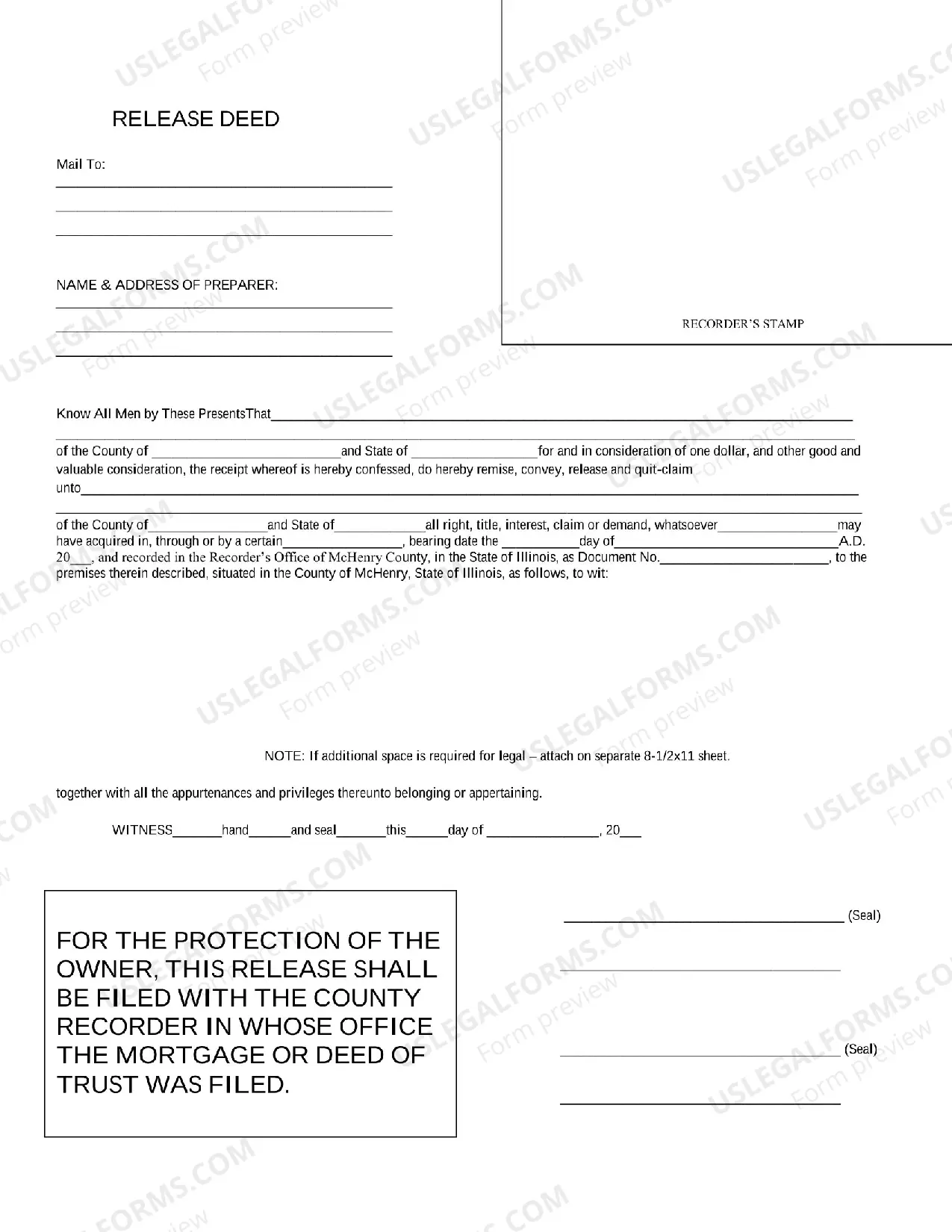
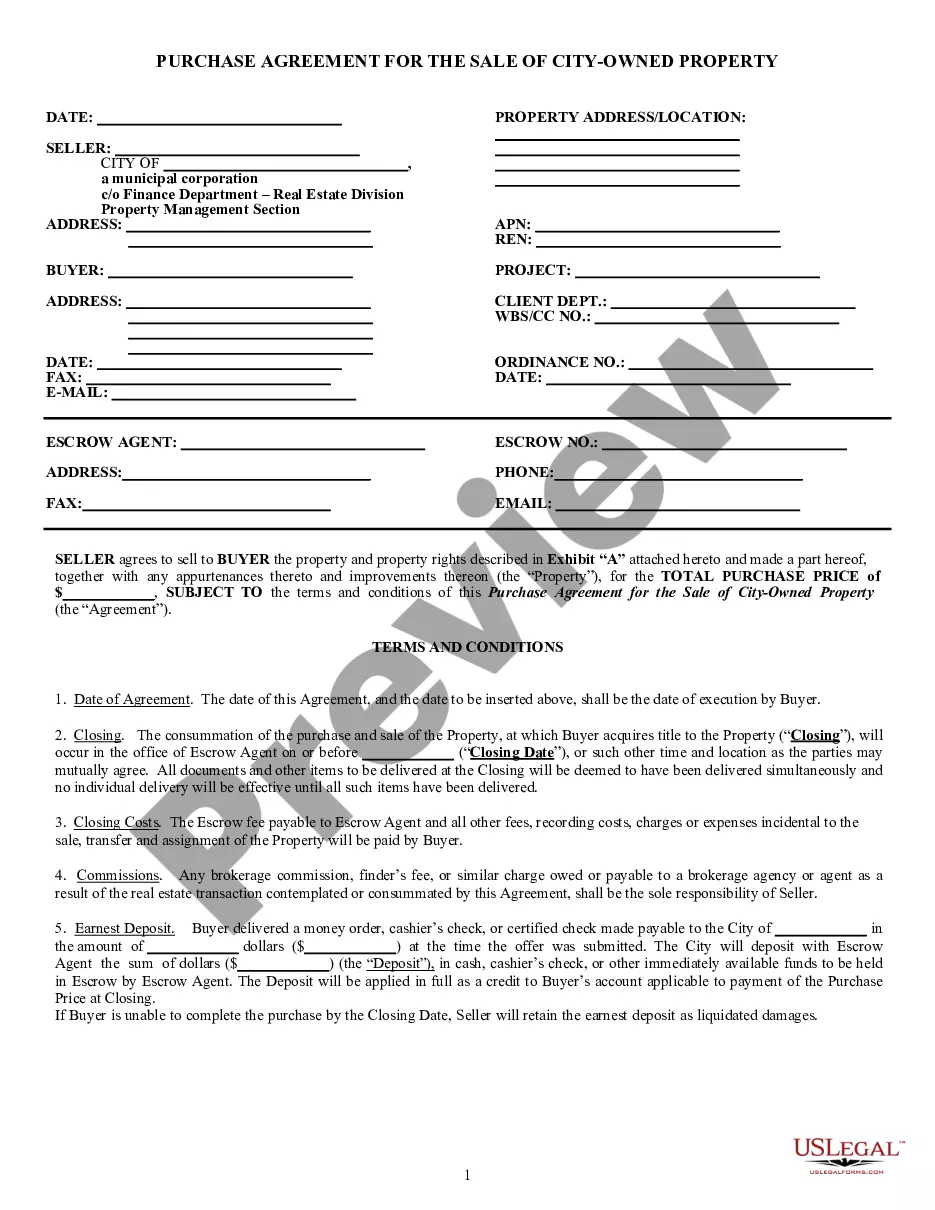
When to use this form
This form should be used when a property has been sold through a judicial foreclosure process. It is necessary when the court has confirmed the sale and the selling officer is ready to transfer ownership officially to the successful bidder. This deed is essential for ensuring the new owner receives legal title to the property.
Intended users of this form
- Grantors involved in property sales due to foreclosure.
- Grantees, such as individuals or corporations who have purchased property through a judicial sale.
- Legal representatives or agents acting on behalf of either party.
Steps to complete this form
- Identify the grantor and grantee, including their legal designations.
- Enter the court's name and the case number concerning the foreclosure.
- Describe the property accurately, including its address and PIN.
- Have the grantor's president and secretary sign the deed, ensuring all signatures are properly notarized.
- Attach any required riders that outline specific terms or conditions related to the transfer.
Notarization guidance
Yes, this form must be notarized to be legally valid. Proper notarization affirms the identities of those signing the deed and makes the document more robust in legal settings. US Legal Forms offers integrated online notarization services, allowing for secure video consultations to complete the process without needing to travel.
Get your form ready online
Our built-in tools help you complete, sign, share, and store your documents in one place.
Make edits, fill in missing information, and update formatting in US Legal Forms—just like you would in MS Word.
Download a copy, print it, send it by email, or mail it via USPS—whatever works best for your next step.
Sign and collect signatures with our SignNow integration. Send to multiple recipients, set reminders, and more. Go Premium to unlock E-Sign.
If this form requires notarization, complete it online through a secure video call—no need to meet a notary in person or wait for an appointment.
We protect your documents and personal data by following strict security and privacy standards.

Make edits, fill in missing information, and update formatting in US Legal Forms—just like you would in MS Word.

Download a copy, print it, send it by email, or mail it via USPS—whatever works best for your next step.

Sign and collect signatures with our SignNow integration. Send to multiple recipients, set reminders, and more. Go Premium to unlock E-Sign.

If this form requires notarization, complete it online through a secure video call—no need to meet a notary in person or wait for an appointment.

We protect your documents and personal data by following strict security and privacy standards.
Mistakes to watch out for
- Failing to include accurate legal descriptions of the property.
- Not obtaining required signatures or notarization.
- Using the wrong court case number or failing to reference the correct judgment.
- Overlooking the specific requirements of state law that may impact the deed's validity.
Benefits of completing this form online
- Quick access to a professionally drafted Judicial Sale Deed designed by licensed attorneys.
- Easy to download and edit as necessary to fit your specific situation.
- Time-saving convenience of filling out the form without needing to visit a legal office.
- Reliable versioning that complies with state-specific requirements.
Looking for another form?
Form popularity
FAQ
The transfer of title to and possession of a debtor's property to another in exchange for a price determined in proceedings that are conducted under a judgment or an order of court by an officer duly appointed and commissioned to do so. A judicial sale is a method plaintiffs use to enforce a judgment.
As part of the lawsuit, the foreclosing party includes a petition for foreclosure that explains why a judge should issue a foreclosure judgment. In most cases, the court will do so, unless the borrower has a defense that justifies the delinquent payments.
Once you are delinquent by 120 days or more, your lender can initiate foreclosure proceedings in court. Illinois is a state in which all foreclosures are judicial foreclosures, which means the court system has jurisdiction over the matter.
In a judicial sale, a property for which a lender provided mortgage funds is in foreclosure and wants it sold to recover their investment. They do not technically own the home but they can still force the sale, which makes such a sale different from a traditional seller client relationship.
Foreclosures are usually nonjudicial in the following states: Alabama, Alaska, Arizona, Arkansas, California, Colorado, District of Columbia (sometimes), Georgia, Idaho, Maryland, Massachusetts, Michigan, Minnesota, Mississippi, Missouri, Montana, Nebraska, Nevada, New Hampshire, New Mexico (sometimes), North Carolina,
The Foreclosure Process In IllinoisIllinois is a judicial foreclosure state, which means that a lawsuit has to be filed and served upon the homeowner, anyone with a recorded lien on the property, and all possible tenants of the property.
Illinois is a judicial foreclosure state, which means that a lawsuit has to be filed and served upon the homeowner, anyone with a recorded lien on the property, and all possible tenants of the property.
In Illinois, it can take approximately 12-15 months for a foreclosure to be completed. Call your lender or a HUD-certified counseling agency as soon as you can.
If tax sale properties are not sold at either of these two sales, the property then goes on the repository list and can be sold by private bid. The upset sale is held every year in the fall.If a property is not sold in this sale, it is sold in the judicial tax sale in the spring.