Illinois Declaration of Restrictive Covenants
Overview of this form
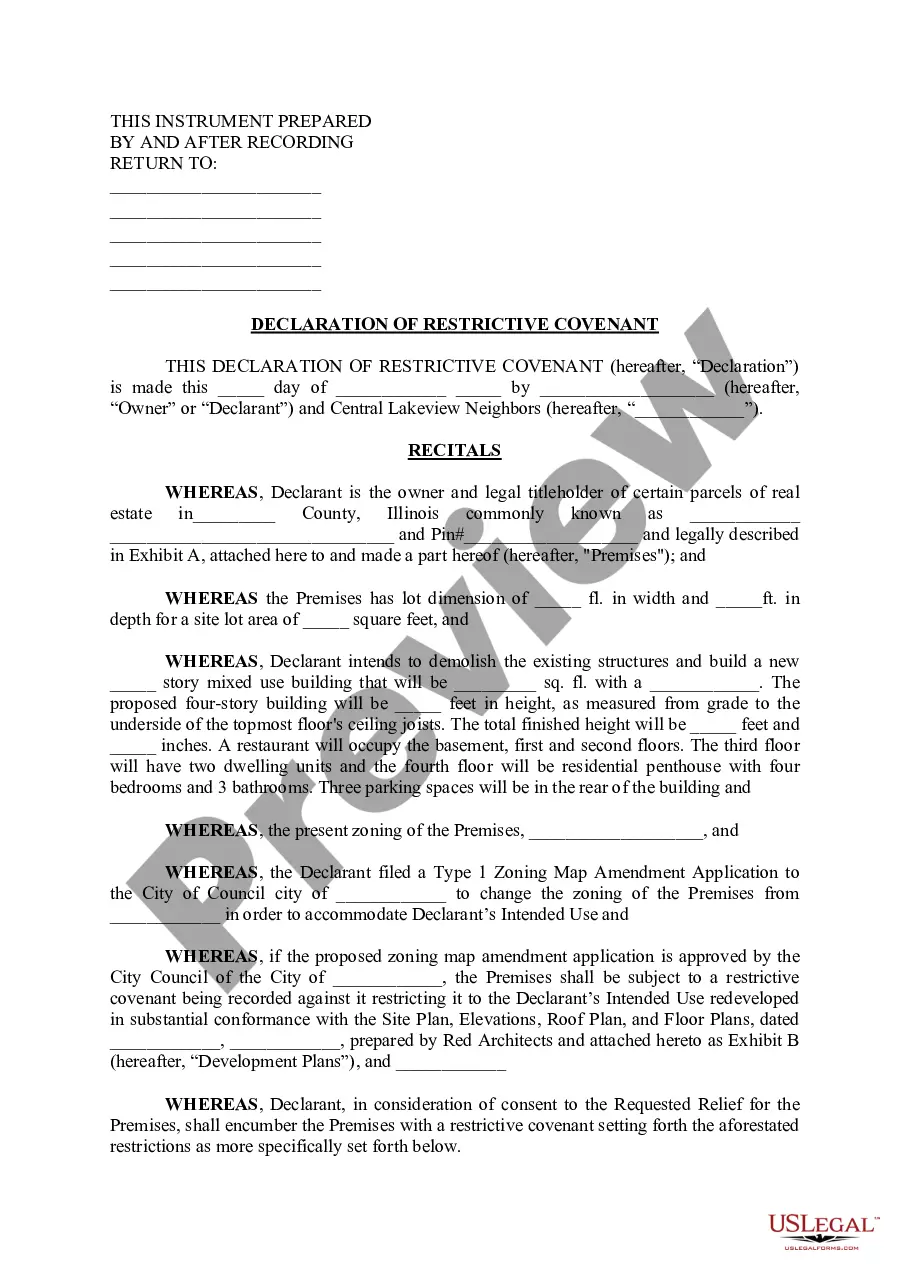
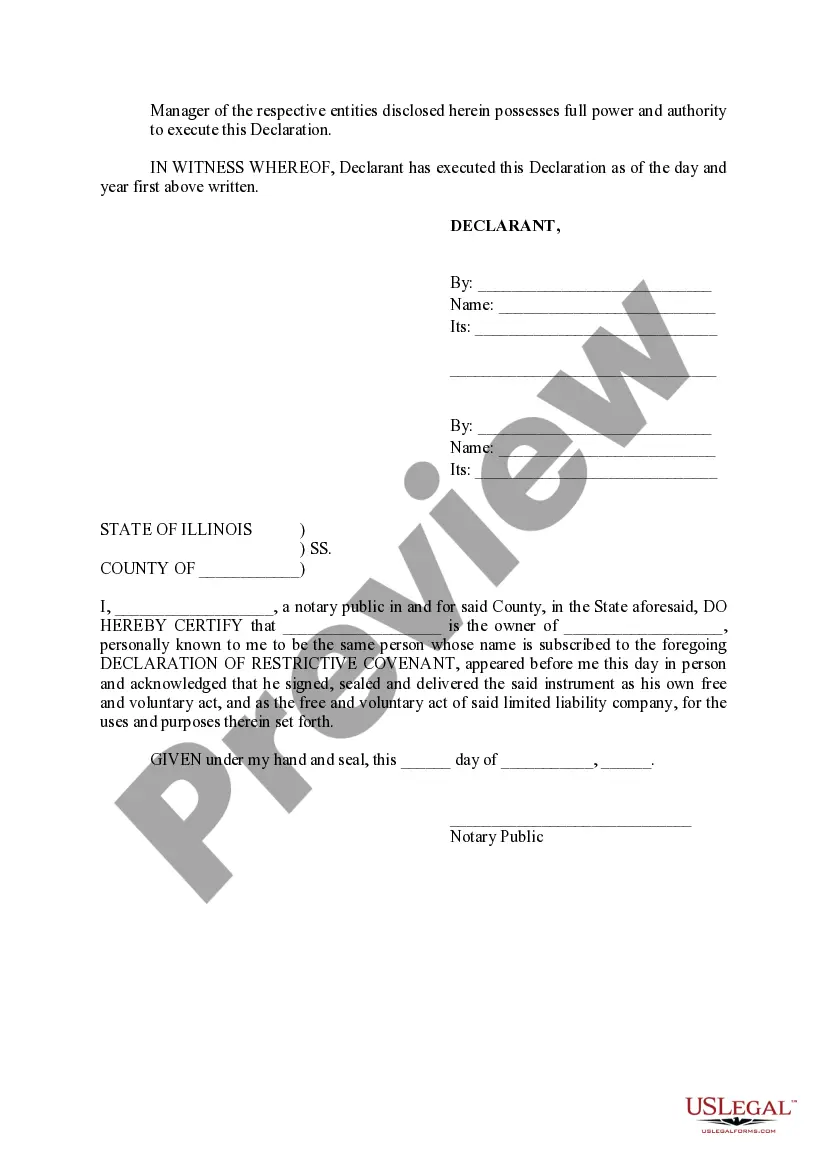
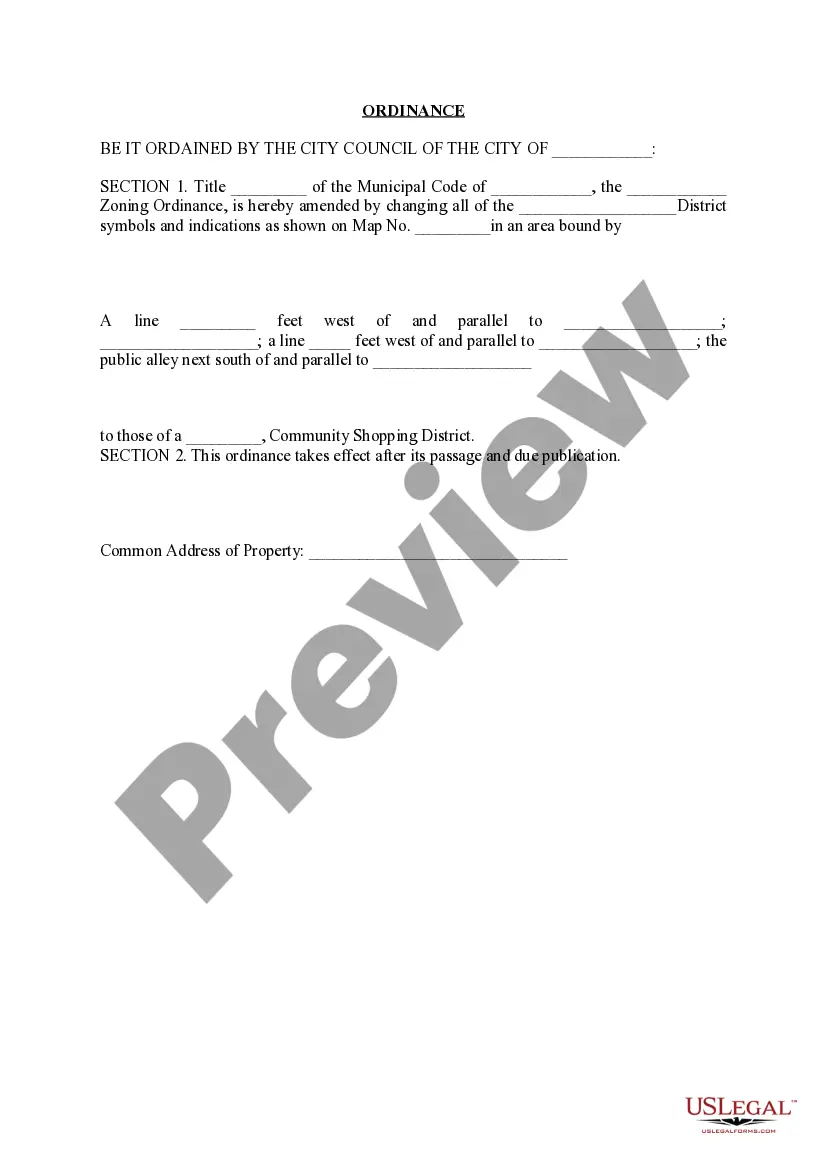
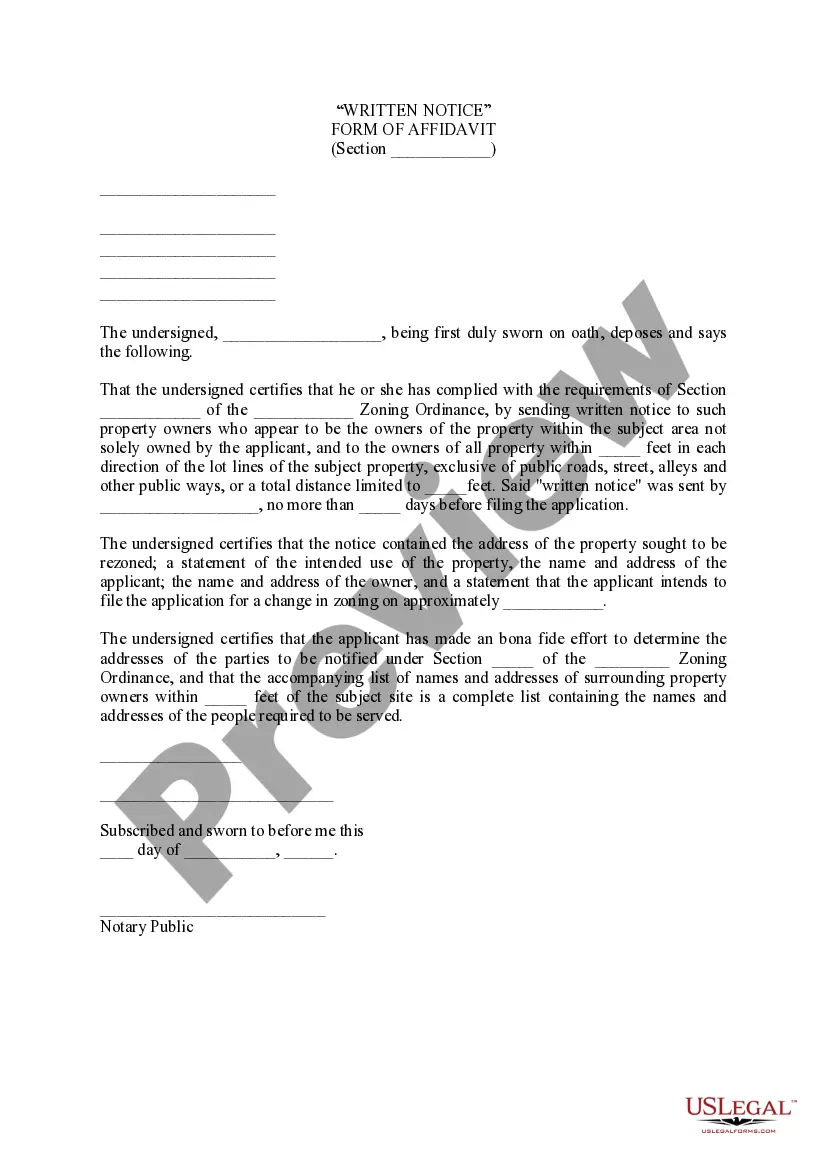
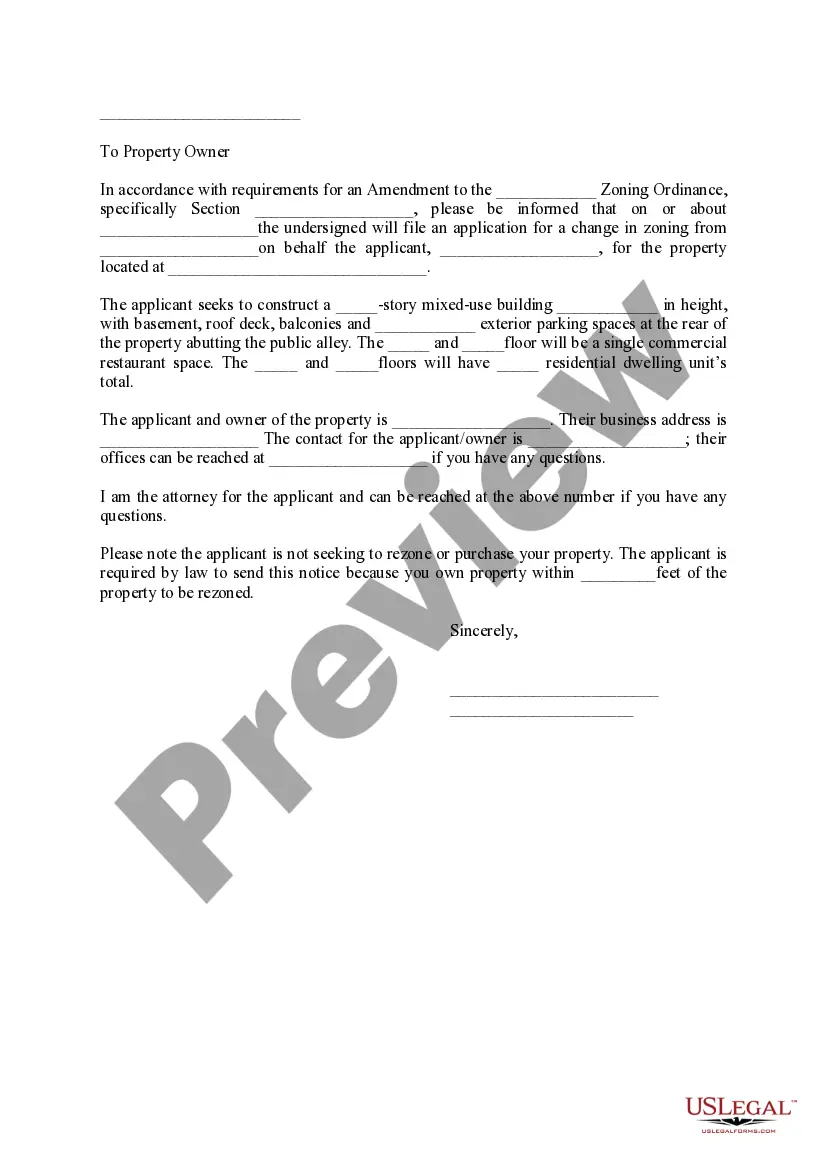
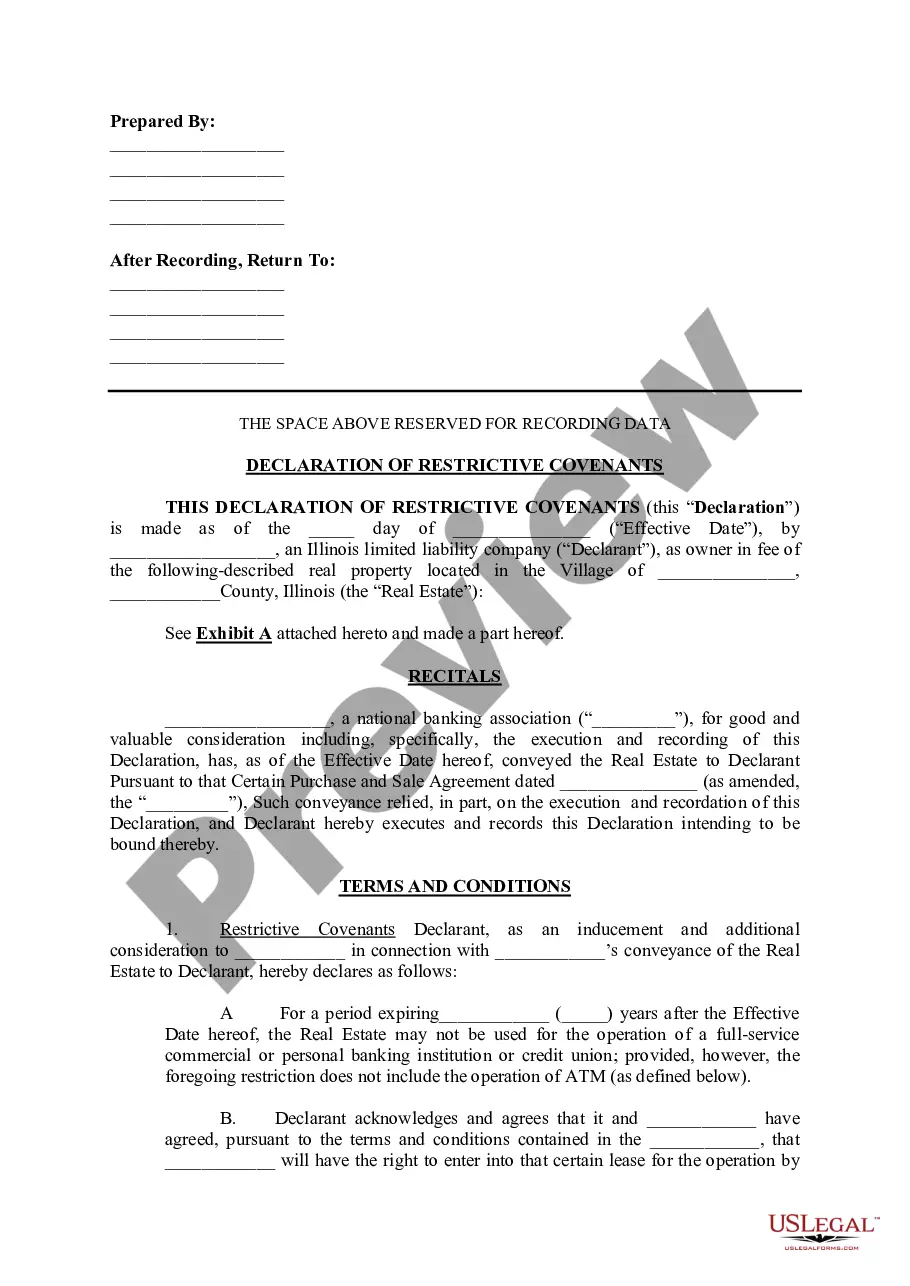
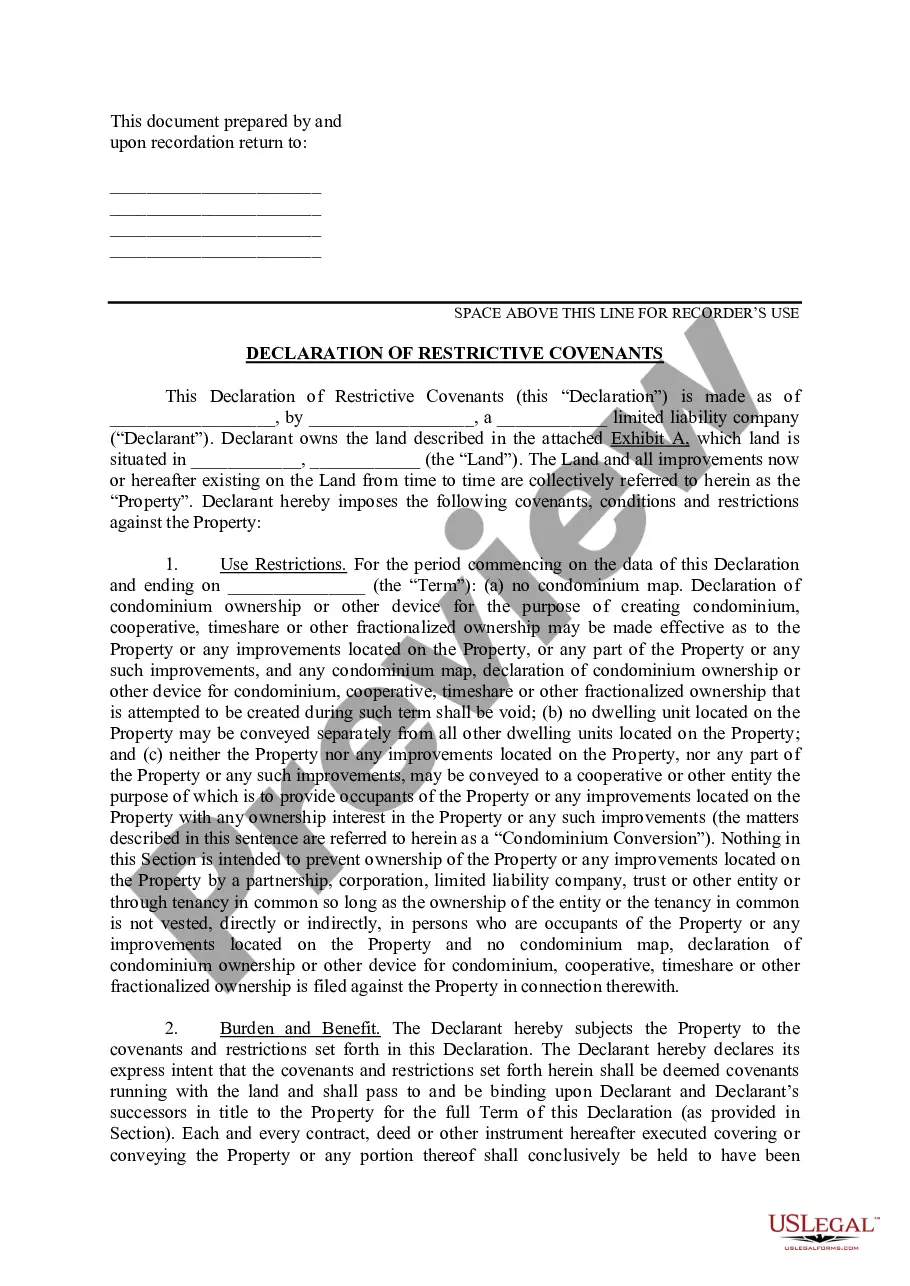
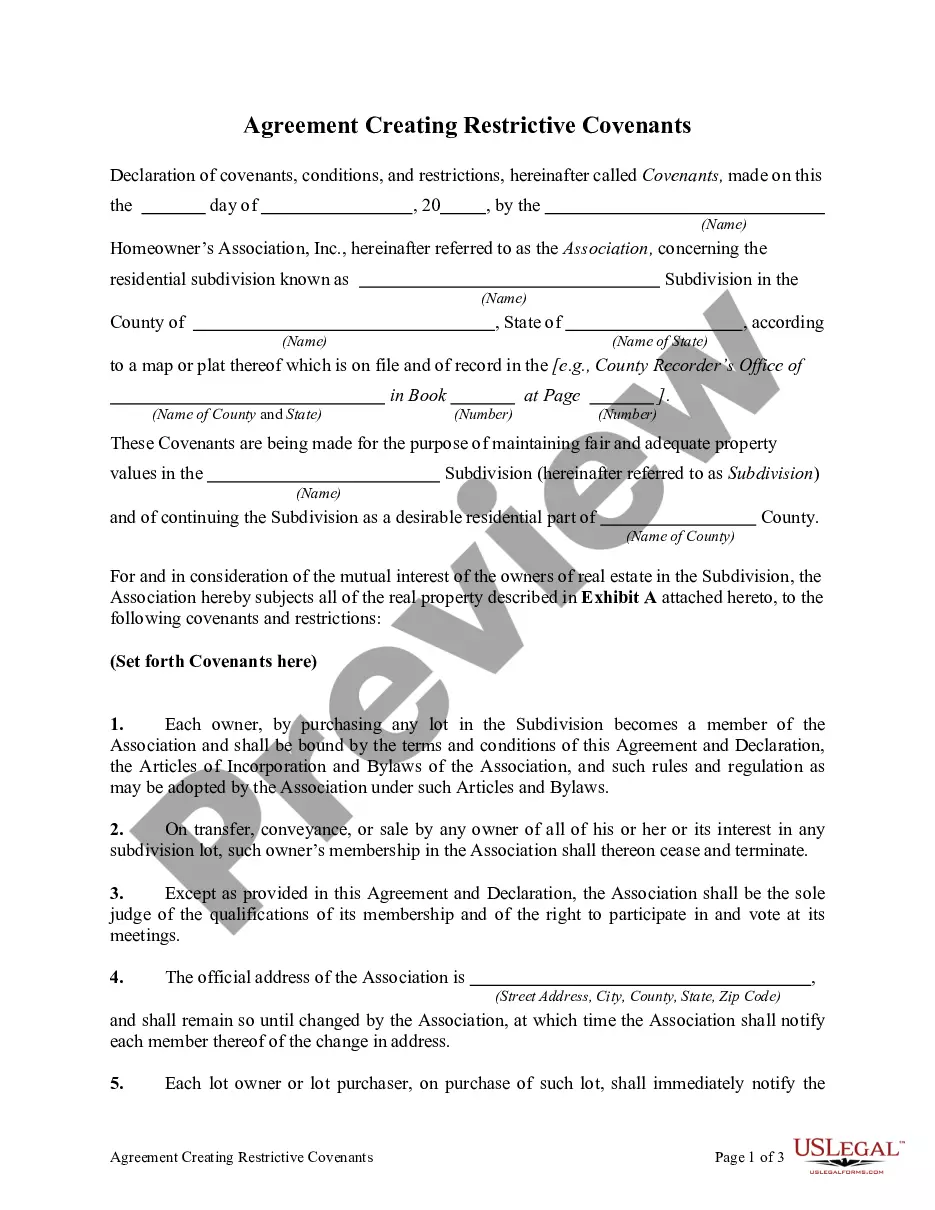
The Declaration of Restrictive Covenants is a legal document that outlines restrictions regarding property use and construction. This form is particularly significant for those looking to limit specific activities or modifications on real estate for compliance with local zoning laws. Unlike other property-related documents, this declaration uniquely binds future property owners to its terms, ensuring continuity of the specified restrictions.
Form components explained
- Introduction detailing the parties involved, including the declarant and any designated organizations.
- Recitals section providing background information, including property details and intended use.
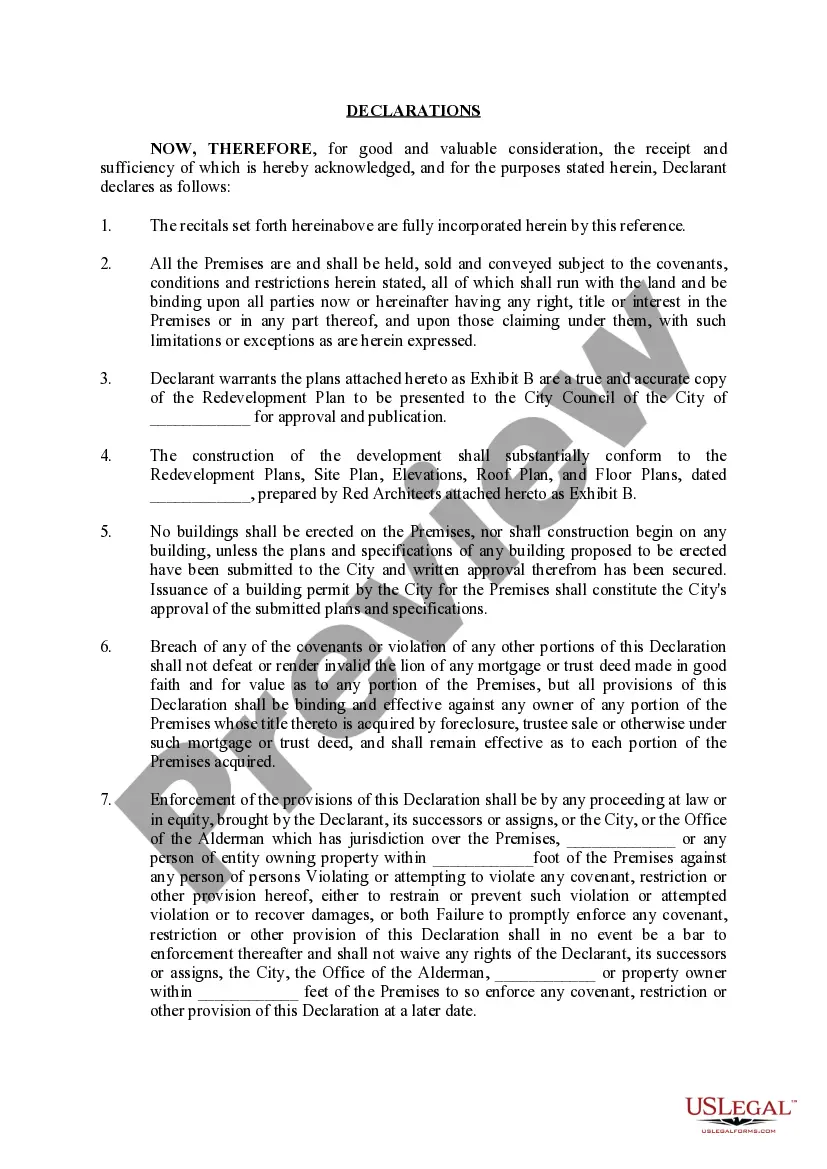
- Declarations that set forth the specific restrictions regarding property use and construction requirements.
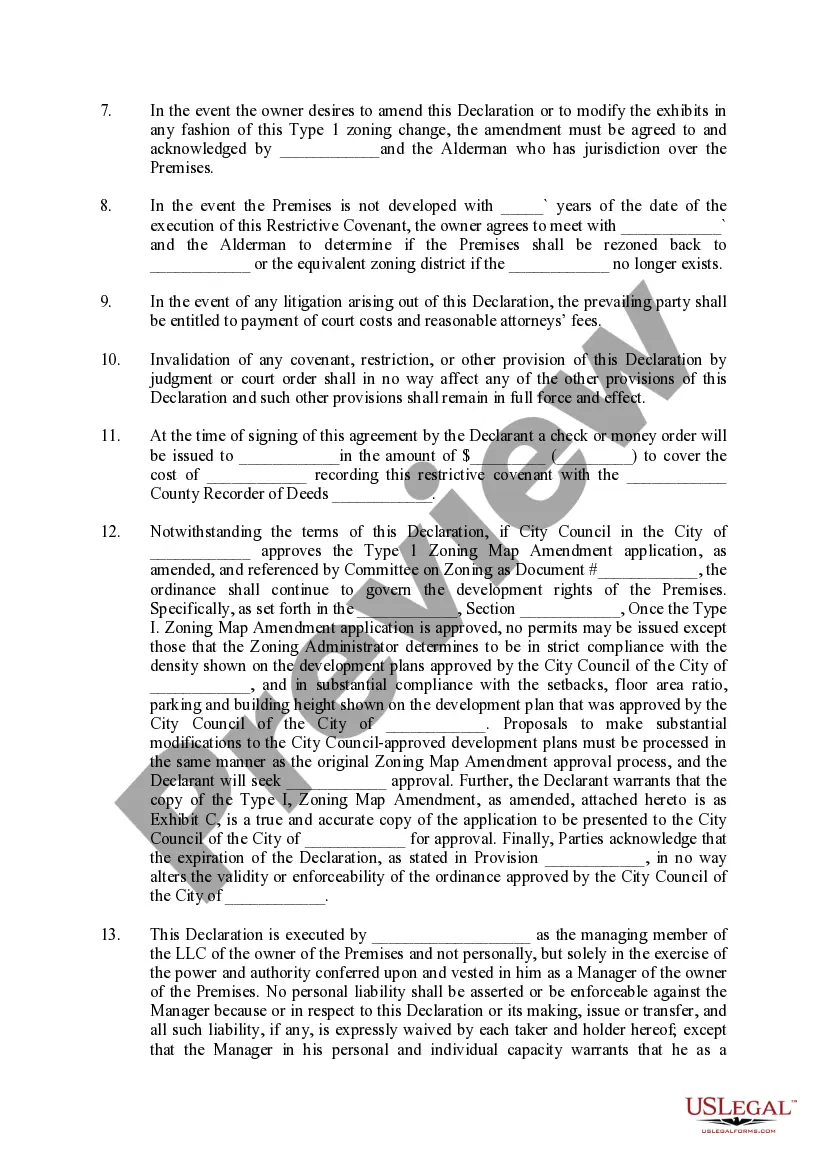
- Provisions for enforcement and amendments to the declaration.
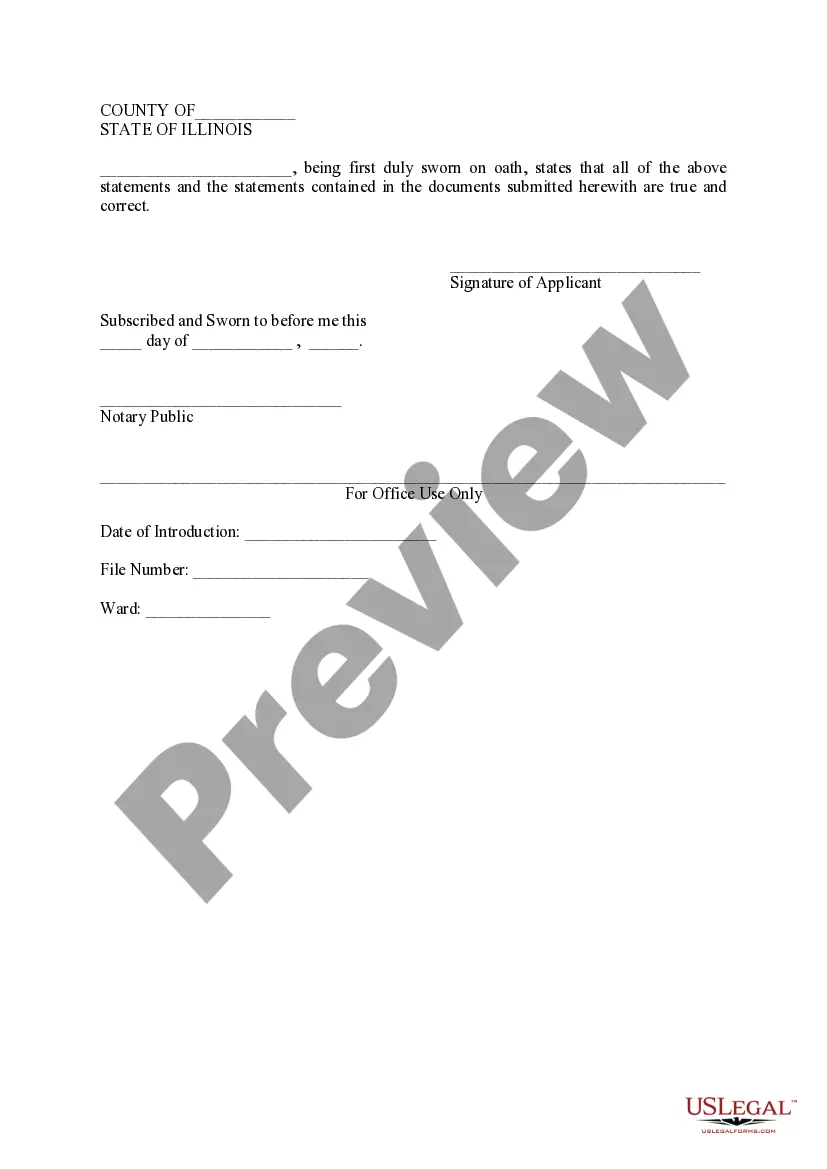
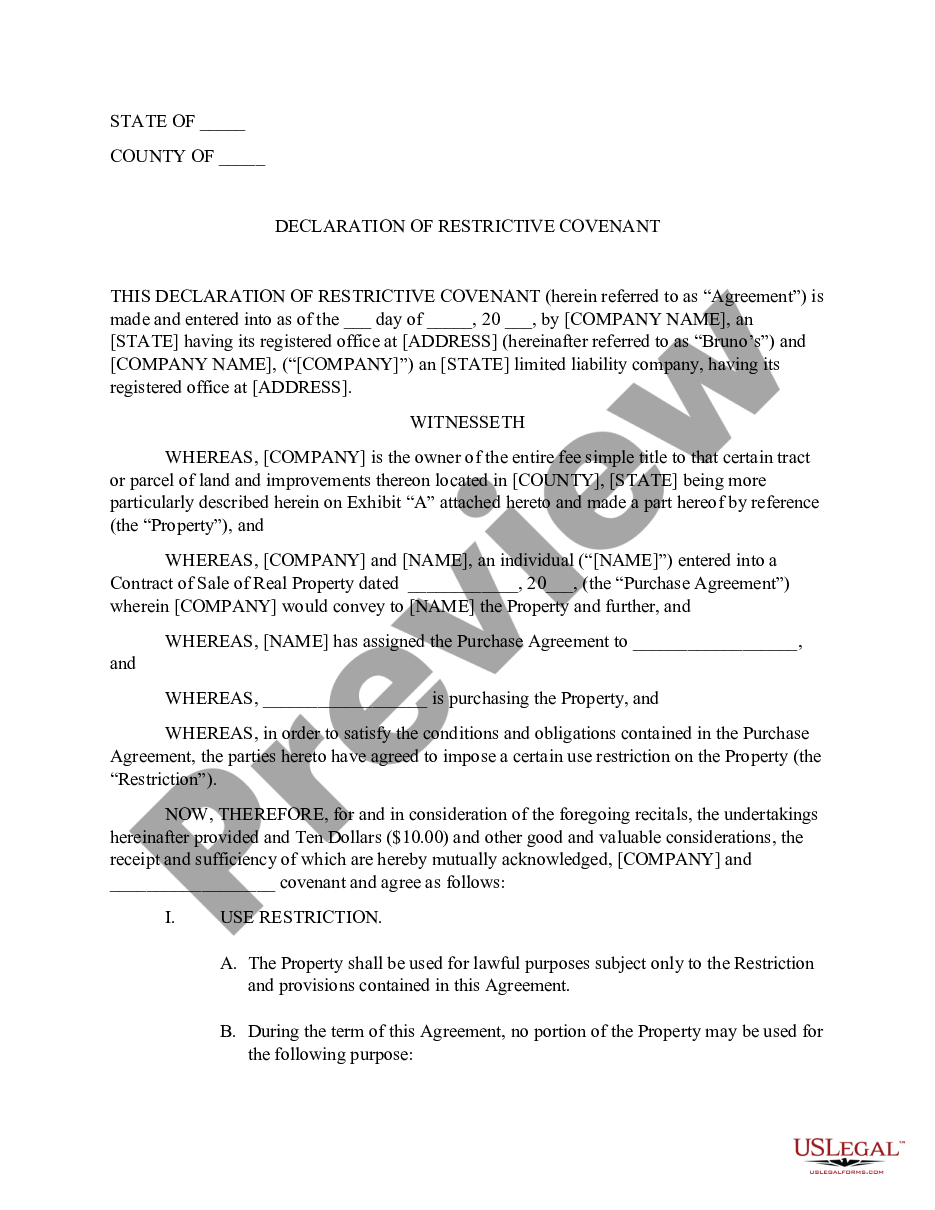
- Notarization requirements for legal validity.


Common use cases
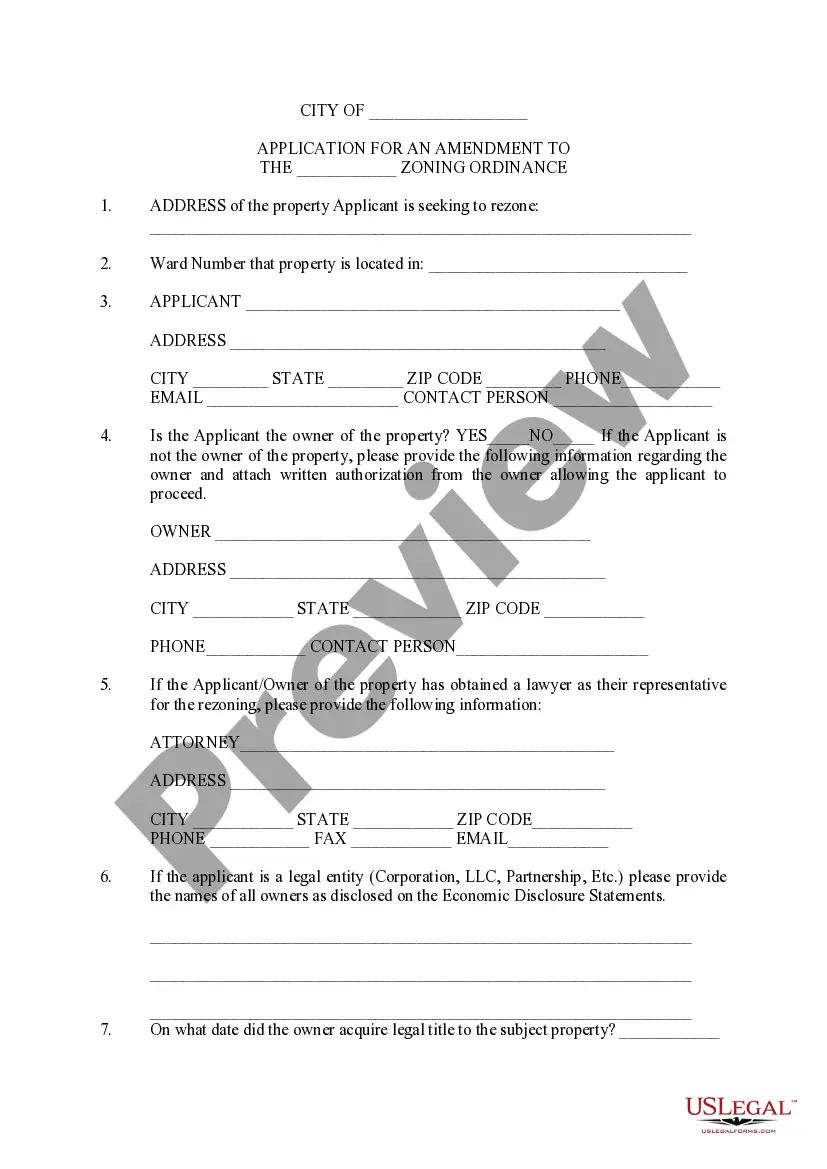
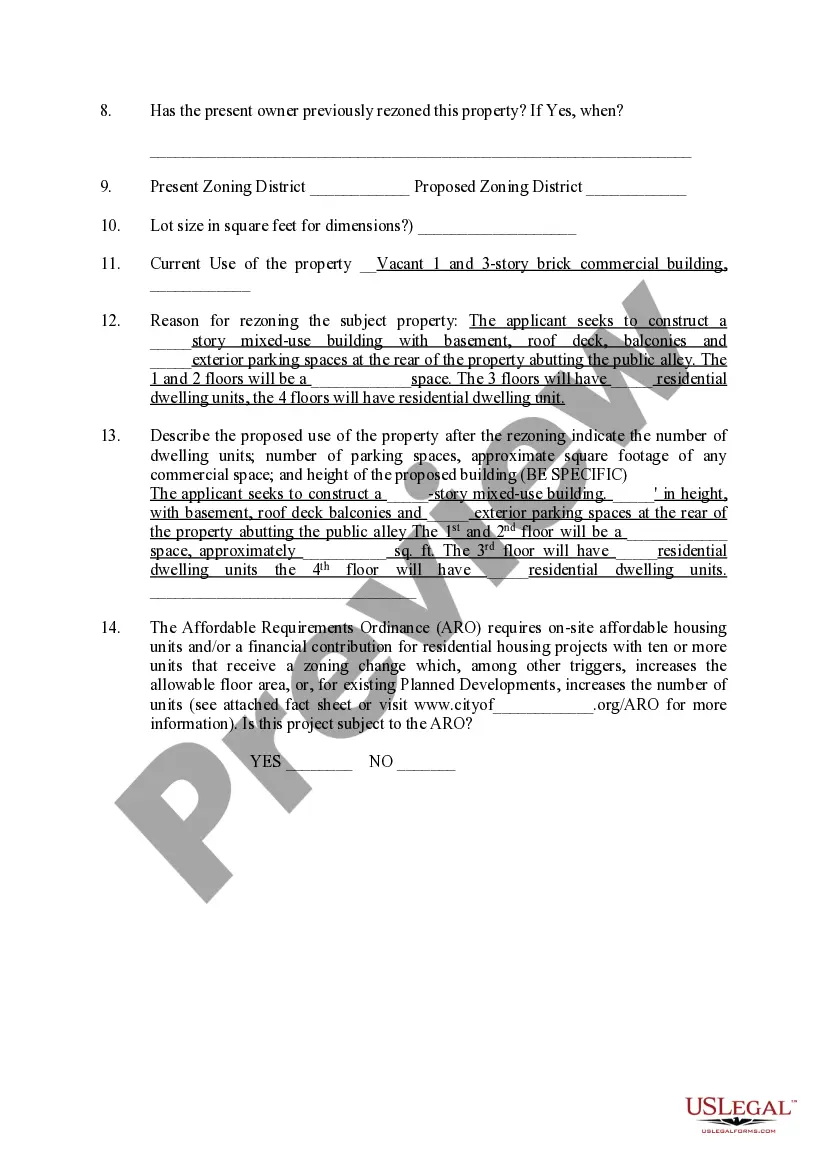
This form is essential when a property owner intends to create binding restrictions on how a property can be used or developed. It is commonly used in situations where new construction is planned to ensure that the development aligns with community standards, zoning regulations, or to maintain the character of a neighborhood. Additionally, it is necessary when seeking approval for zoning changes that impact property use.
Who should use this form
- Property owners looking to impose specific use restrictions on their land.
- Developers intending to build in accordance with local zoning regulations.
- Real estate professionals managing properties with specific usage requirements.
- Legal practitioners drafting agreements involving restrictive covenants.
Steps to complete this form
- Identify the parties: clearly state the owner (declarant) and any organizations associated with the declaration.
- Provide property details: include the legal description of the property and its designated pin number.
- Specify the restrictions and intended use: articulate the limitations on property use and the specific nature of any construction planned.
- Complete the declarations section: ensure that all declarations adhere to local law and reflect true intent.
- Sign and notarize the document: ensure all relevant parties sign the declaration and that it is notarized for legal validity.
- File with the appropriate county authority to ensure the restrictions are enforceable.
Notarization guidance
Yes, this form must be notarized to be legally valid. Notarization ensures that the document is executed according to legal standards and provides an additional layer of authenticity to the restrictive covenants. US Legal Forms offers integrated online notarization services available 24/7 through secure video calls.
Get your form ready online
Our built-in tools help you complete, sign, share, and store your documents in one place.
Make edits, fill in missing information, and update formatting in US Legal Forms—just like you would in MS Word.
Download a copy, print it, send it by email, or mail it via USPS—whatever works best for your next step.
Sign and collect signatures with our SignNow integration. Send to multiple recipients, set reminders, and more. Go Premium to unlock E-Sign.
If this form requires notarization, complete it online through a secure video call—no need to meet a notary in person or wait for an appointment.
We protect your documents and personal data by following strict security and privacy standards.

Make edits, fill in missing information, and update formatting in US Legal Forms—just like you would in MS Word.

Download a copy, print it, send it by email, or mail it via USPS—whatever works best for your next step.

Sign and collect signatures with our SignNow integration. Send to multiple recipients, set reminders, and more. Go Premium to unlock E-Sign.

If this form requires notarization, complete it online through a secure video call—no need to meet a notary in person or wait for an appointment.

We protect your documents and personal data by following strict security and privacy standards.
Typical mistakes to avoid
- Failing to include the correct legal description of the property.
- Not specifying all intended uses and restrictions clearly.
- Neglecting to notarize the document, making it potentially invalid.
- Allowing previous property owners to remain uninformed about the new restrictions.
Benefits of using this form online
- Convenience of completing the form from any location at any time.
- Immediate access to updates and revisions based largely on local regulations.
- Secure storage of completed forms for future reference or modifications.
- Reduced need for in-person appointments with legal professionals, streamlining the process.
Looking for another form?
Form popularity
FAQ
Limitations On Home Color. Rent And Lease Restrictions. Restrictions On Business Usage. Limitations On Permissible Pets. Requirements For Exterior Maintenance. Restrictions On Exterior Constructions.
A restrictive covenant is a clause in a deed or lease to real property that limits what the owner of the land or lease can do with the property. Restrictive covenants allow surrounding property owners, who have similar covenants in their deeds, to enforce the terms of the covenants in a court of law.
Enforcing Restrictive Covenants An injunction is a discretionary remedy which a court is more likely to grant if it is applied for promptly. However before taking legal action it is important to establish that you do have the right to enforce the covenant.
Can I get a restrictive covenant removed? If there is a covenant on your property which is obsolete, you can make an application to the Upper Tribunal (Lands Chamber) (which use to be known as the Lands Tribunal) asking for the covenant to be discharged or modified.