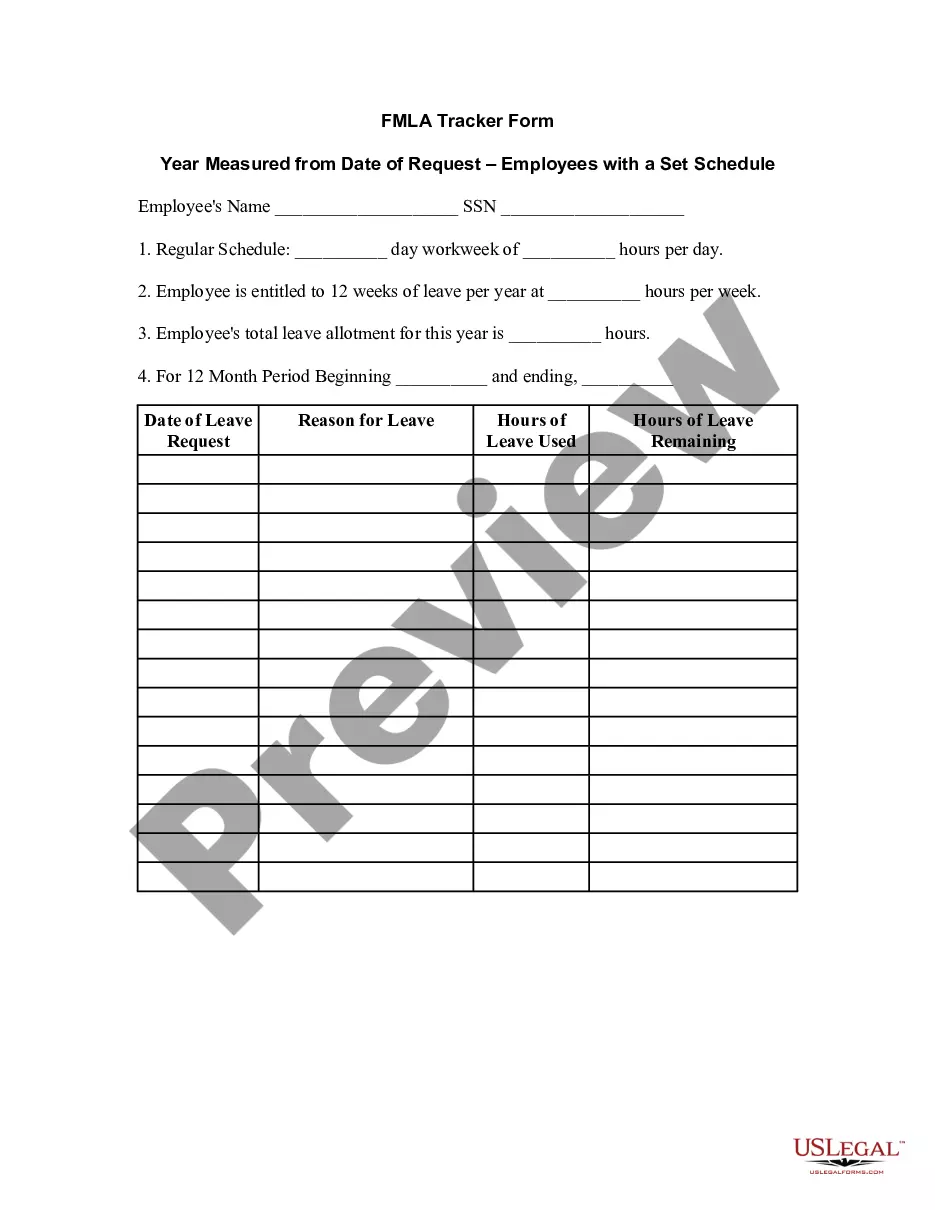
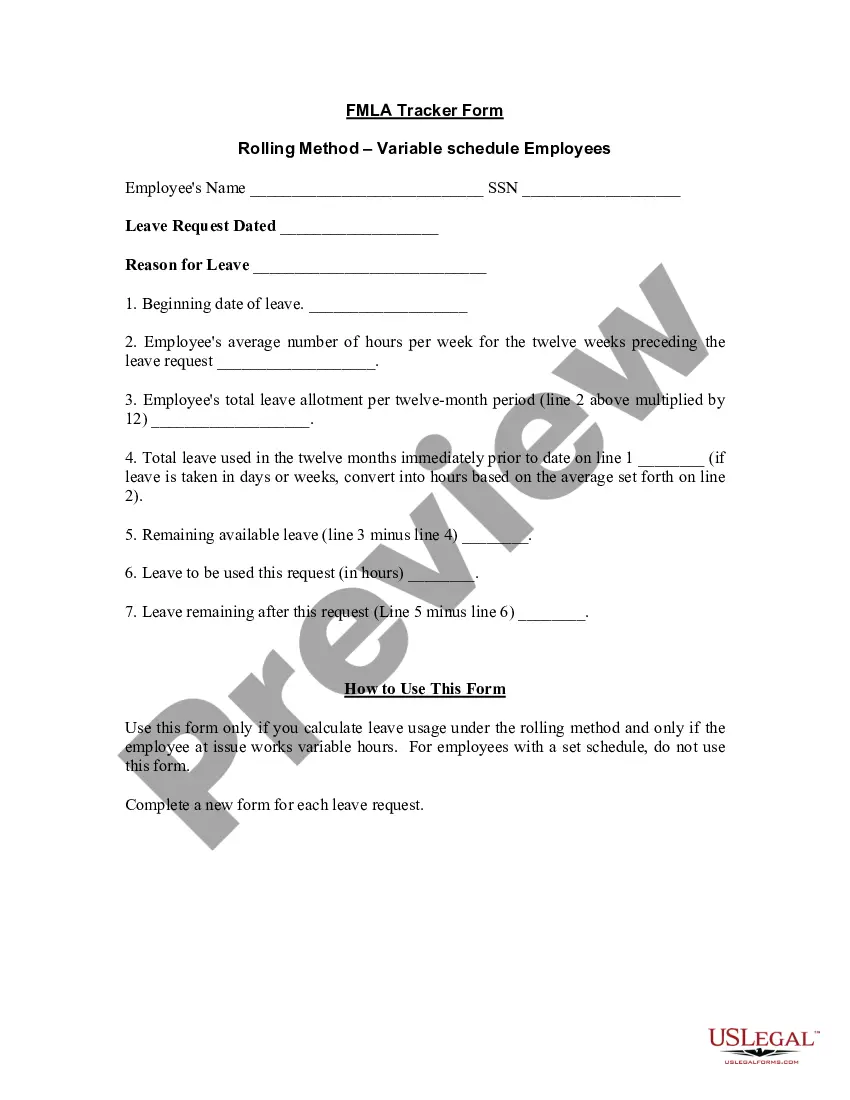
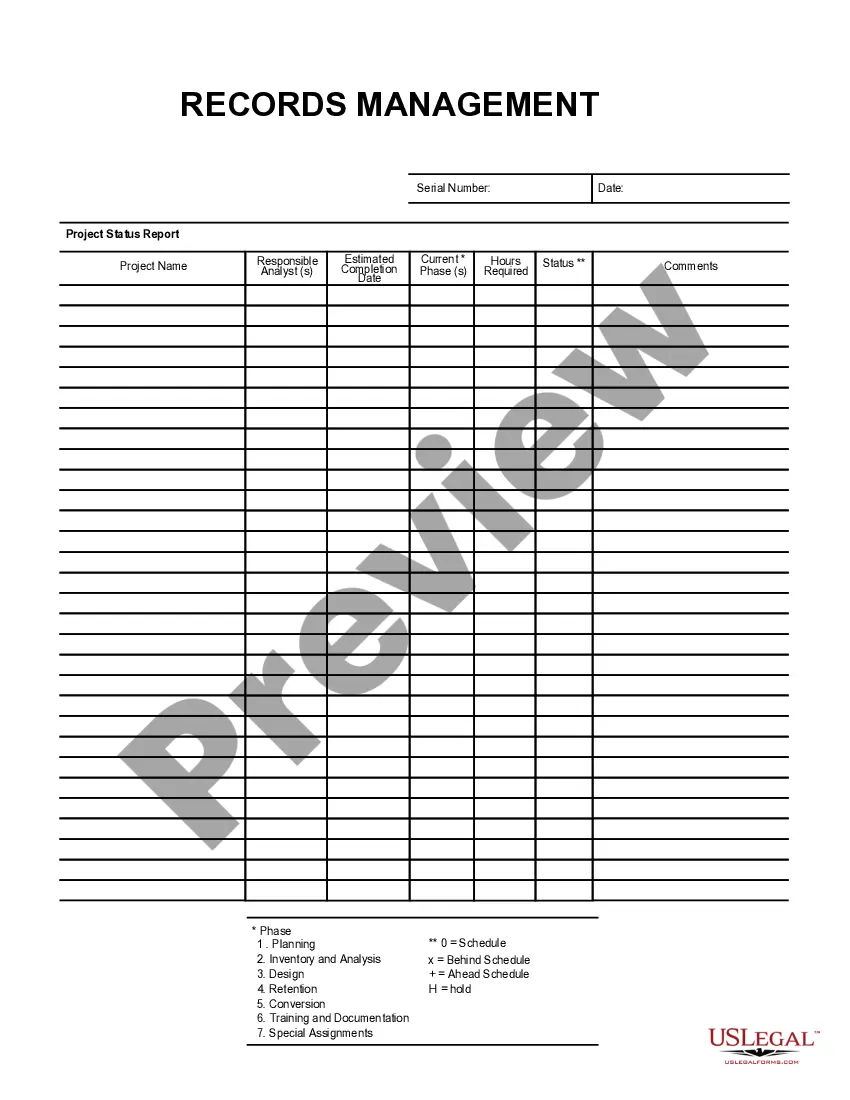
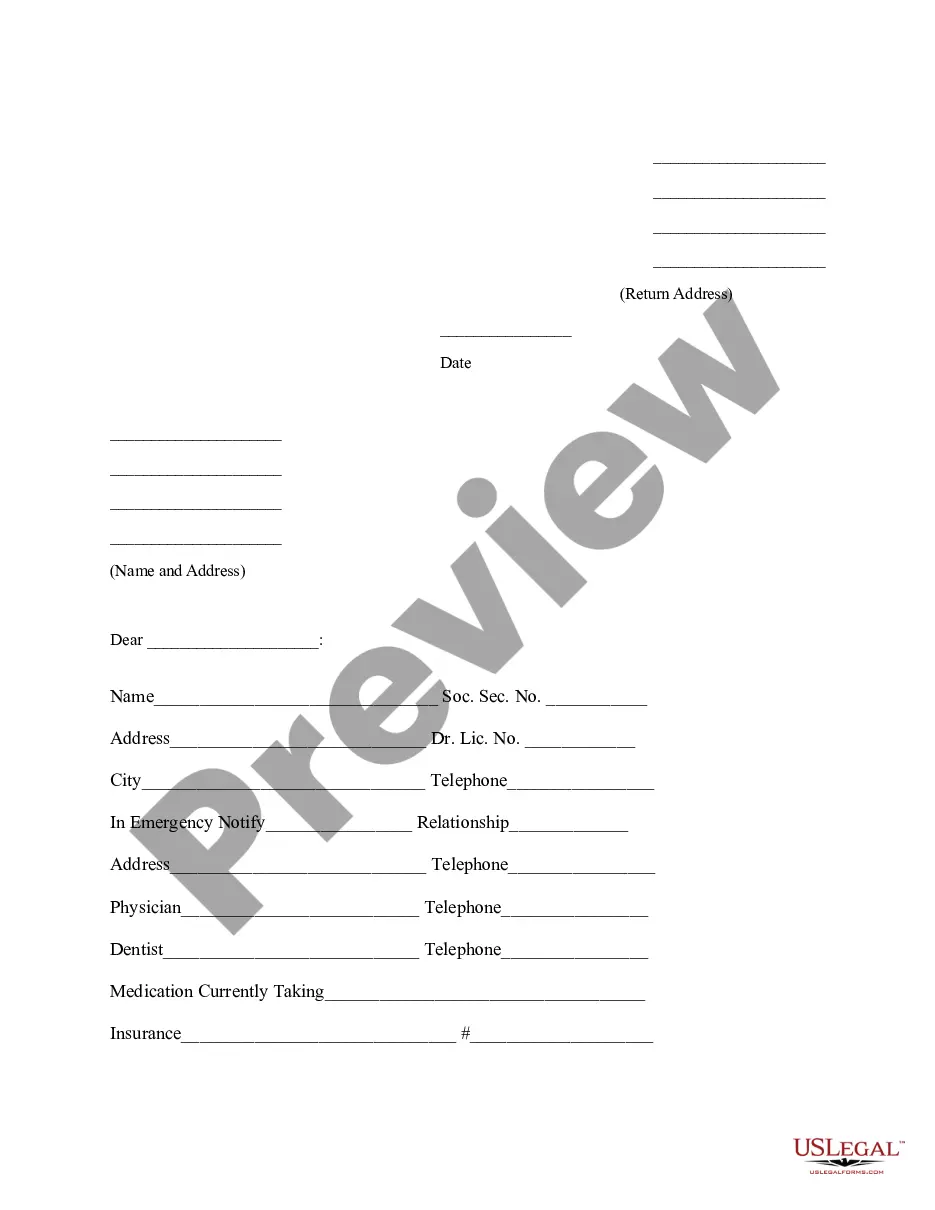
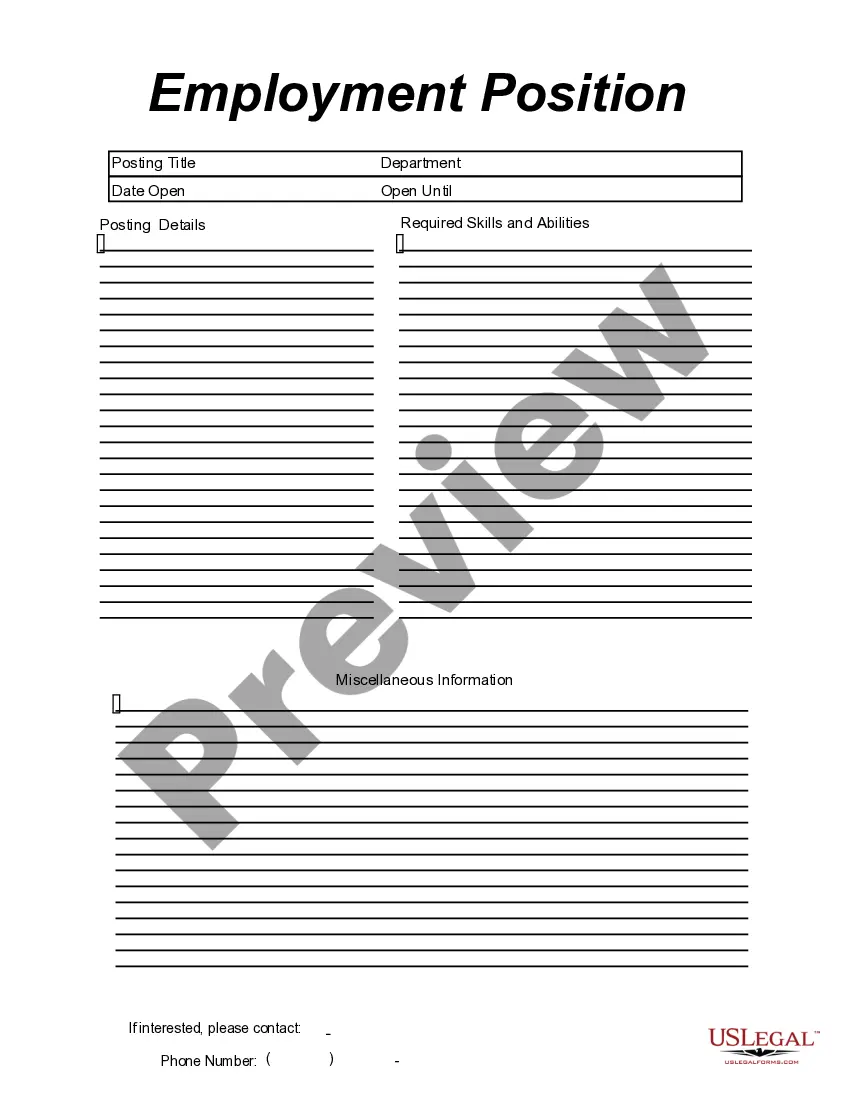
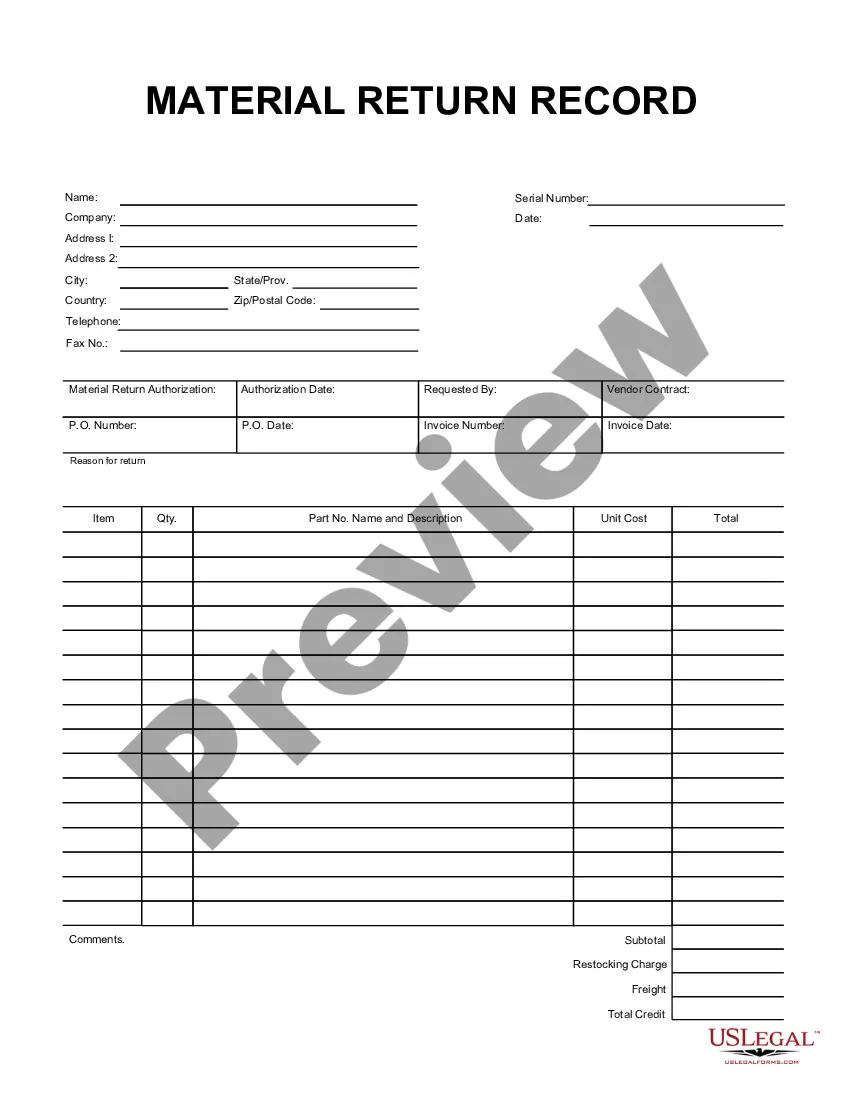
This form is a business type form that is formatted to allow you to complete the form using Adobe Acrobat or Word. The word files have been formatted to allow completion by entry into fields. Some of the forms under this category are rather simple while others are more complex. The formatting is worth the small cost.
Idaho Records Management
Category:
State:
Multi-State
Control #:
US-193-AZ
Format:
Word;
PDF;
Rich Text
Instant download
Description
Get your form ready online
Our built-in tools help you complete, sign, share, and store your documents in one place.
Built-in online Word editor
Make edits, fill in missing information, and update formatting in US Legal Forms—just like you would in MS Word.
Export easily
Download a copy, print it, send it by email, or mail it via USPS—whatever works best for your next step.
E-sign your document
Sign and collect signatures with our SignNow integration. Send to multiple recipients, set reminders, and more. Go Premium to unlock E-Sign.
Notarize online 24/7
If this form requires notarization, complete it online through a secure video call—no need to meet a notary in person or wait for an appointment.
Store your document securely
We protect your documents and personal data by following strict security and privacy standards.

Make edits, fill in missing information, and update formatting in US Legal Forms—just like you would in MS Word.

Download a copy, print it, send it by email, or mail it via USPS—whatever works best for your next step.

Sign and collect signatures with our SignNow integration. Send to multiple recipients, set reminders, and more. Go Premium to unlock E-Sign.

If this form requires notarization, complete it online through a secure video call—no need to meet a notary in person or wait for an appointment.

We protect your documents and personal data by following strict security and privacy standards.
Looking for another form?

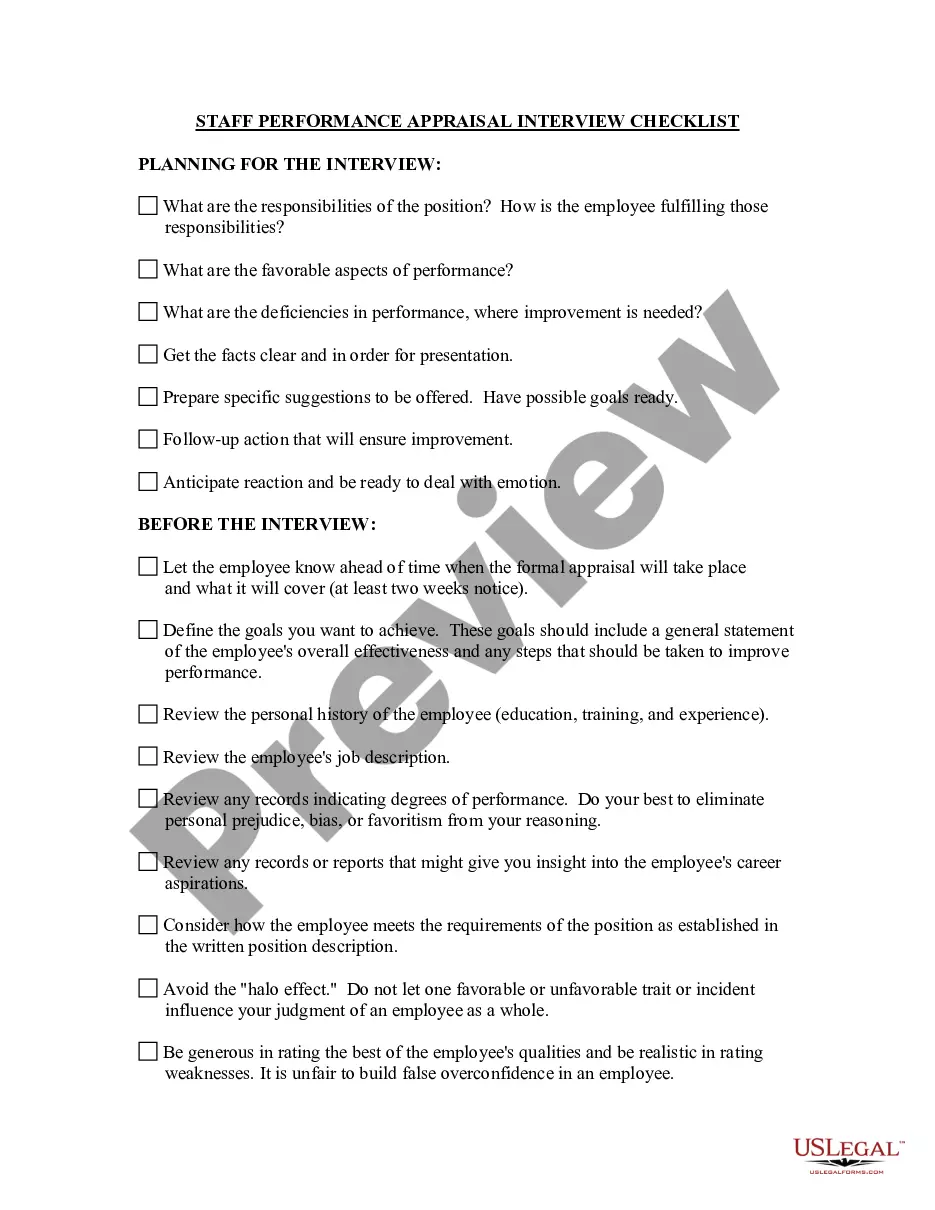

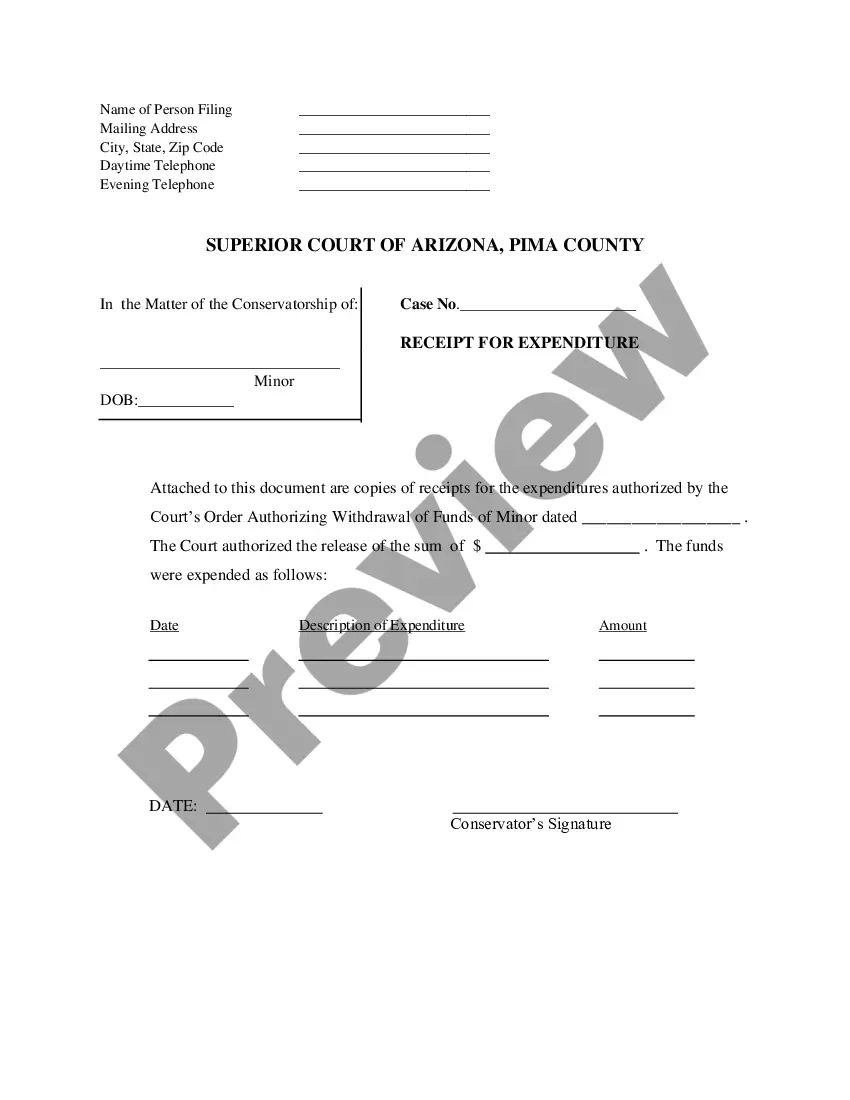
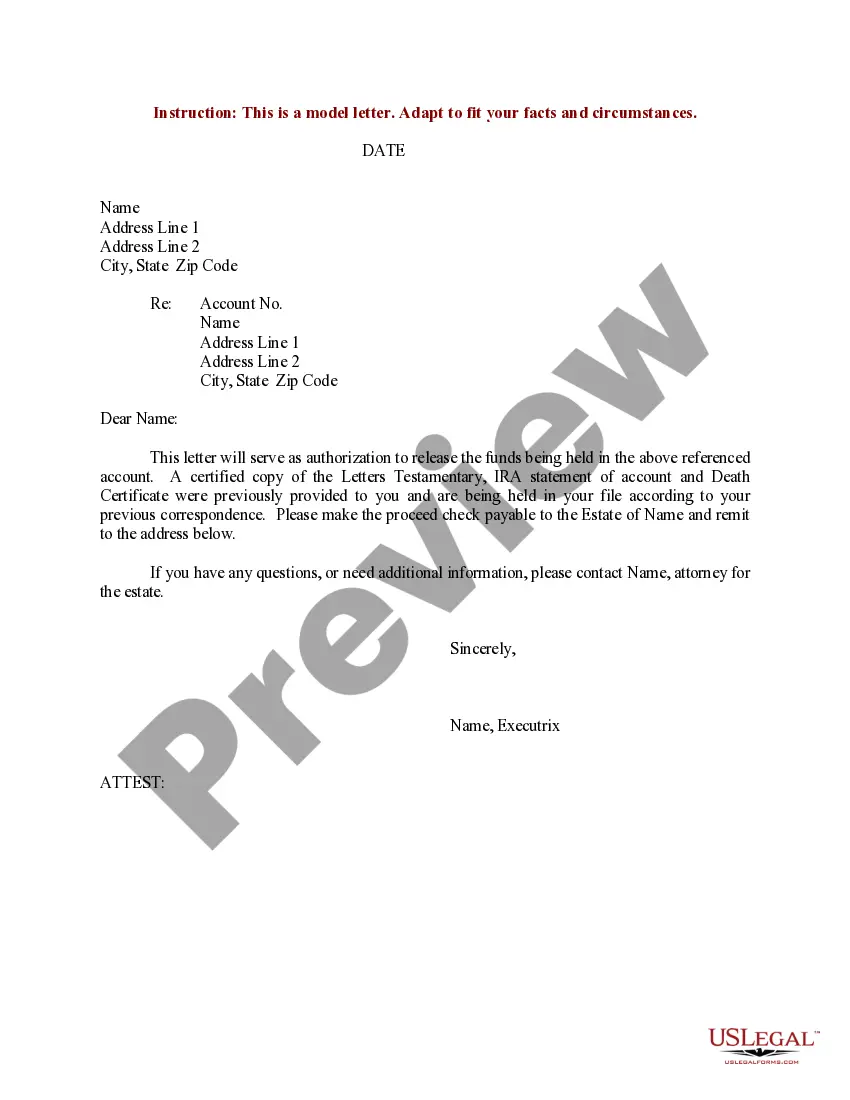

How to fill out Records Management?
You can spend hours online searching for the authentic document template that complies with the state and federal requirements you need.
US Legal Forms offers a vast array of legal documents that have been reviewed by experts.
You can easily download or print the Idaho Records Management from my resource.
If available, use the Review option to explore the document template as well.
- If you already have a US Legal Forms account, you can Log In and click the Obtain button.
- Then, you can complete, edit, print, or sign the Idaho Records Management.
- Every legal document template you purchase is yours indefinitely.
- To obtain another copy of any purchased form, navigate to the My documents section and click the relevant option.
- If you are using the US Legal Forms website for the first time, follow the simple instructions below.
- First, ensure that you have selected the correct document template for the region/city of your choice.
- Review the form description to confirm you have chosen the right form.
Form popularity
FAQ
Generally speaking, there are two types of records management systems: traditional paper record management systems, and electronic record management systems. As the name might imply, traditional paper record management systems involve the management and storage of hard-copy documents.
8 Steps to Effective Records ManagementDetermine what records you need to have.Take inventory to see what records you are keeping.Create a document retention schedule based on legal requirements and business needs.Figure out the best way to store each type of record.Create a location for records storage.More items...?
These five easy steps will help you create a simple financial record-keeping system: capture, check, record, review, and act.Capture the Information.Check to Make Sure the Information Is Complete and Correct.Record the Information to Save It.Consolidate and Review the Information.Act Based on What You Know.More items...?
The keys to an effective records management system are ensuring you have the right skill set, developing a classification scheme, defining a metadata model, ensuring records management is represented, leveraging staff for quality control, inviting regulatory input, and ensuring stakeholders are engaged.
Records Management (RM) means the application of systematic control to the creation, use, maintenance, storage, retrieval, disposition, and preservation of all forms of recorded information produced by the university in the conduct of its operations.
These steps can be further explained as:Create or receive. This is the beginning of the records management process, which starts with creating or receiving a document relating to an organization's transaction or activity.Use or modify.Maintain or protect.Dispose or destroy.Archive or preserve.
The records management processCreate or receive. This is the beginning of the records management process, which starts with creating or receiving a document relating to an organization's transaction or activity.Use or modify.Maintain or protect.Dispose or destroy.Archive or preserve.
Fundamental areas of a basic records management program include:Policy and procedure development.A records retention and disposition program.Data collection/forms management.Active records management.Inactive records management.Training and outreach program.
Fundamental ActivitiesRecords Creation.Records Inventory.Filing Plans.Retention Schedules.Records Storage.Records Retention & Disposition.Records Destruction or Historic Preservation.
Types of recordsCorrespondence records. Correspondence records may be created inside the office or may be received from outside the office.Accounting records. The records relating to financial transactions are known as financial records.Legal records.Personnel records.Progress records.Miscellaneous records.