Idaho Affidavit of Personal Representative
What this document covers
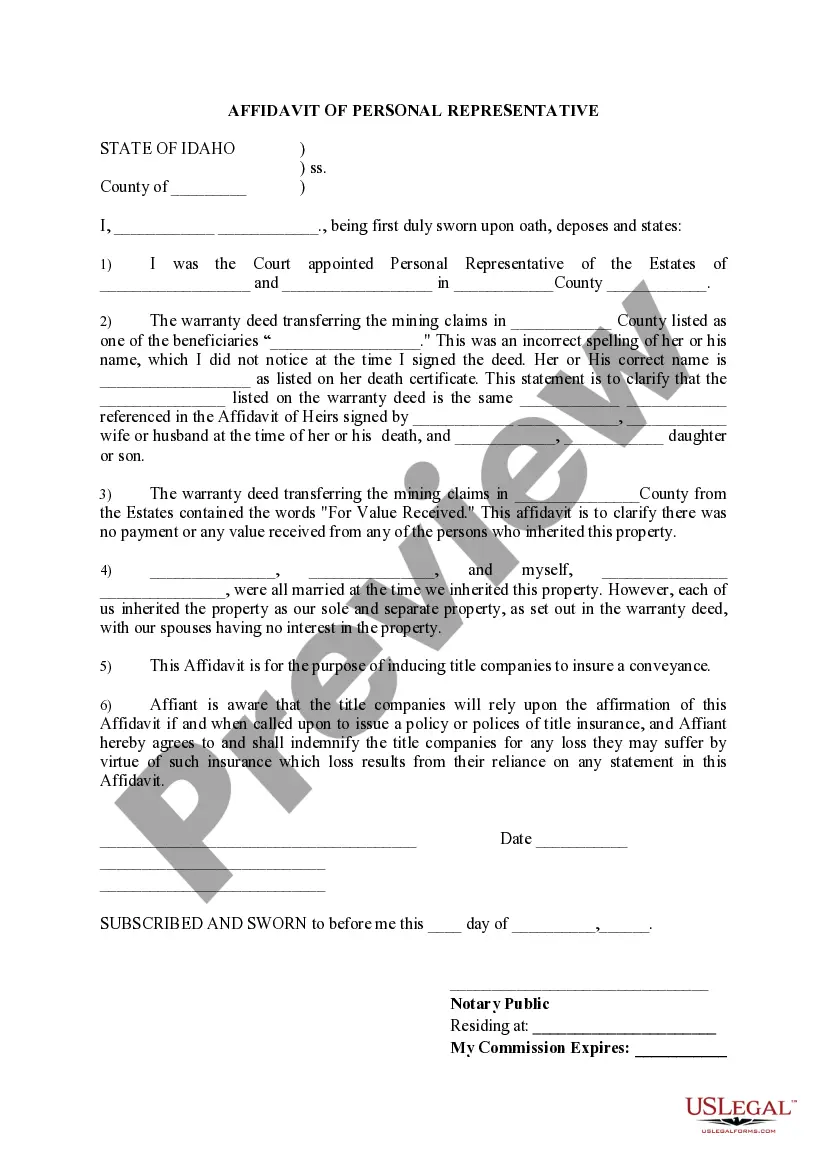
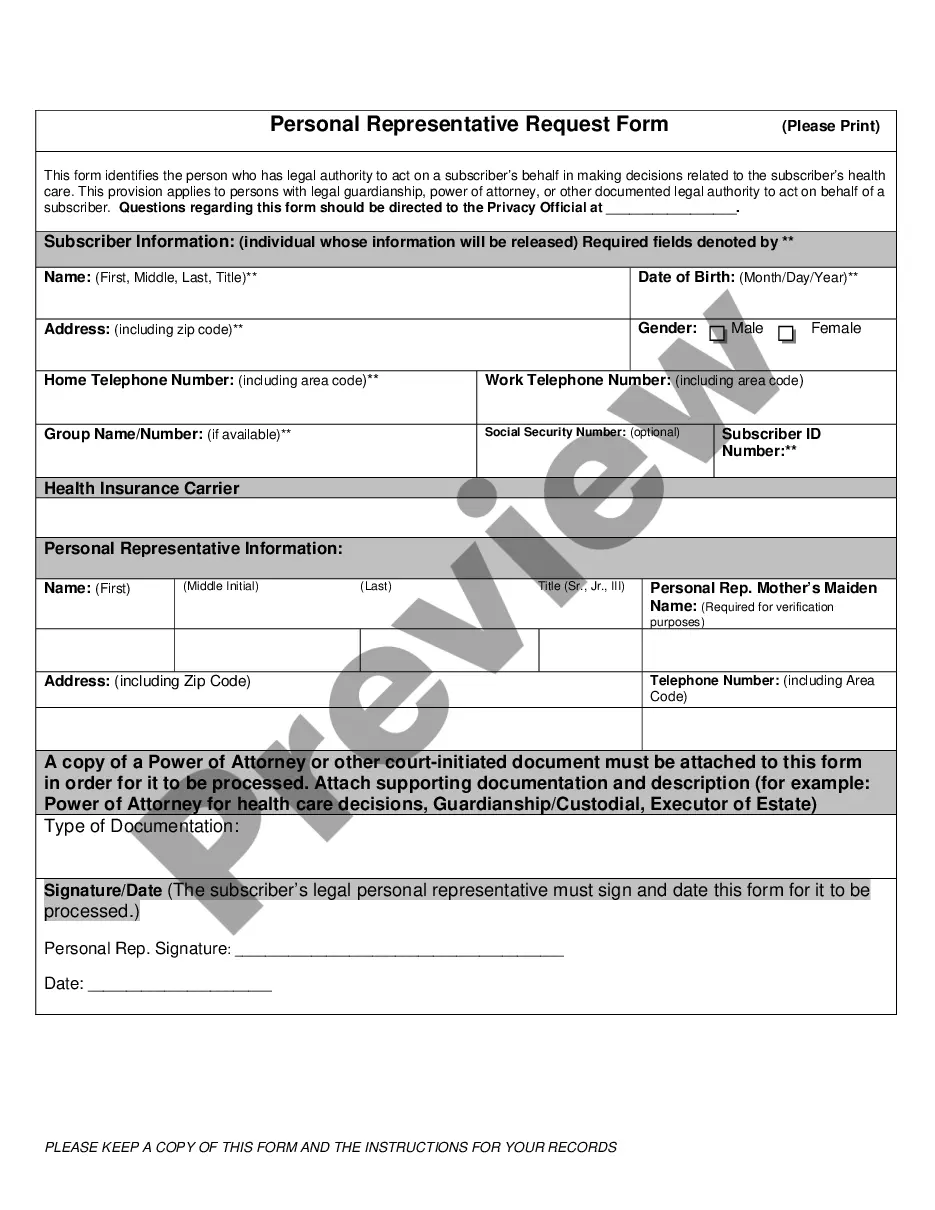
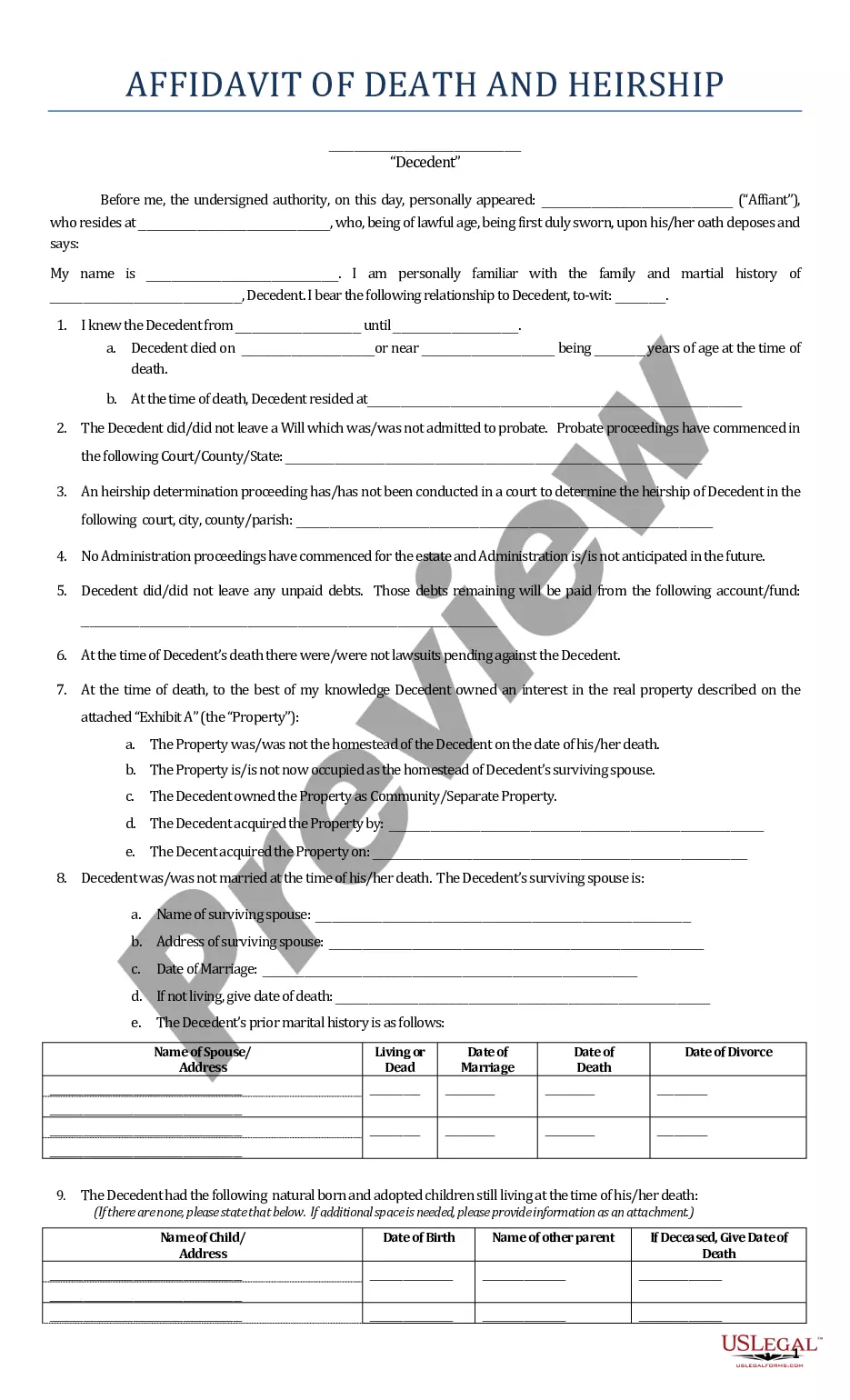
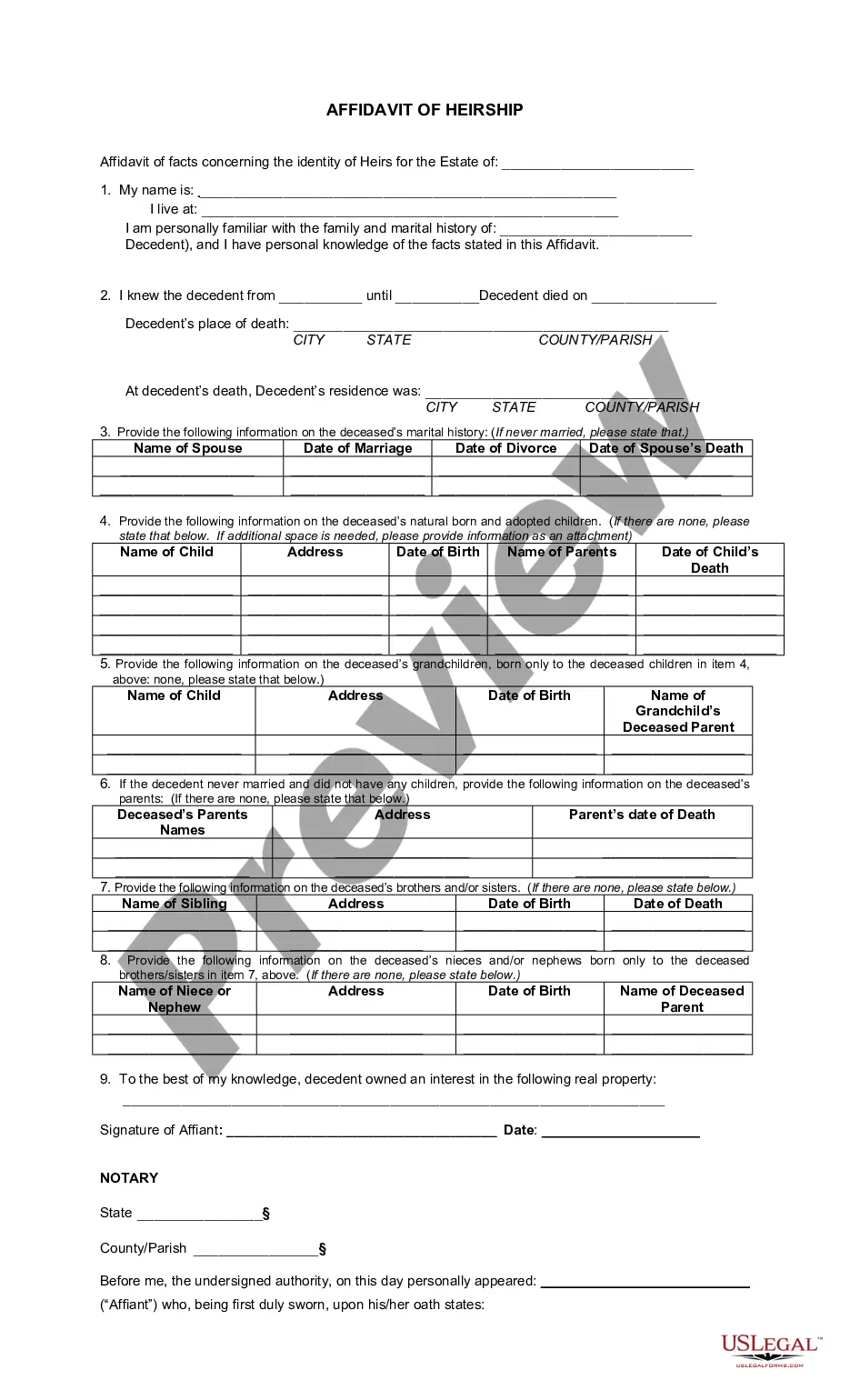
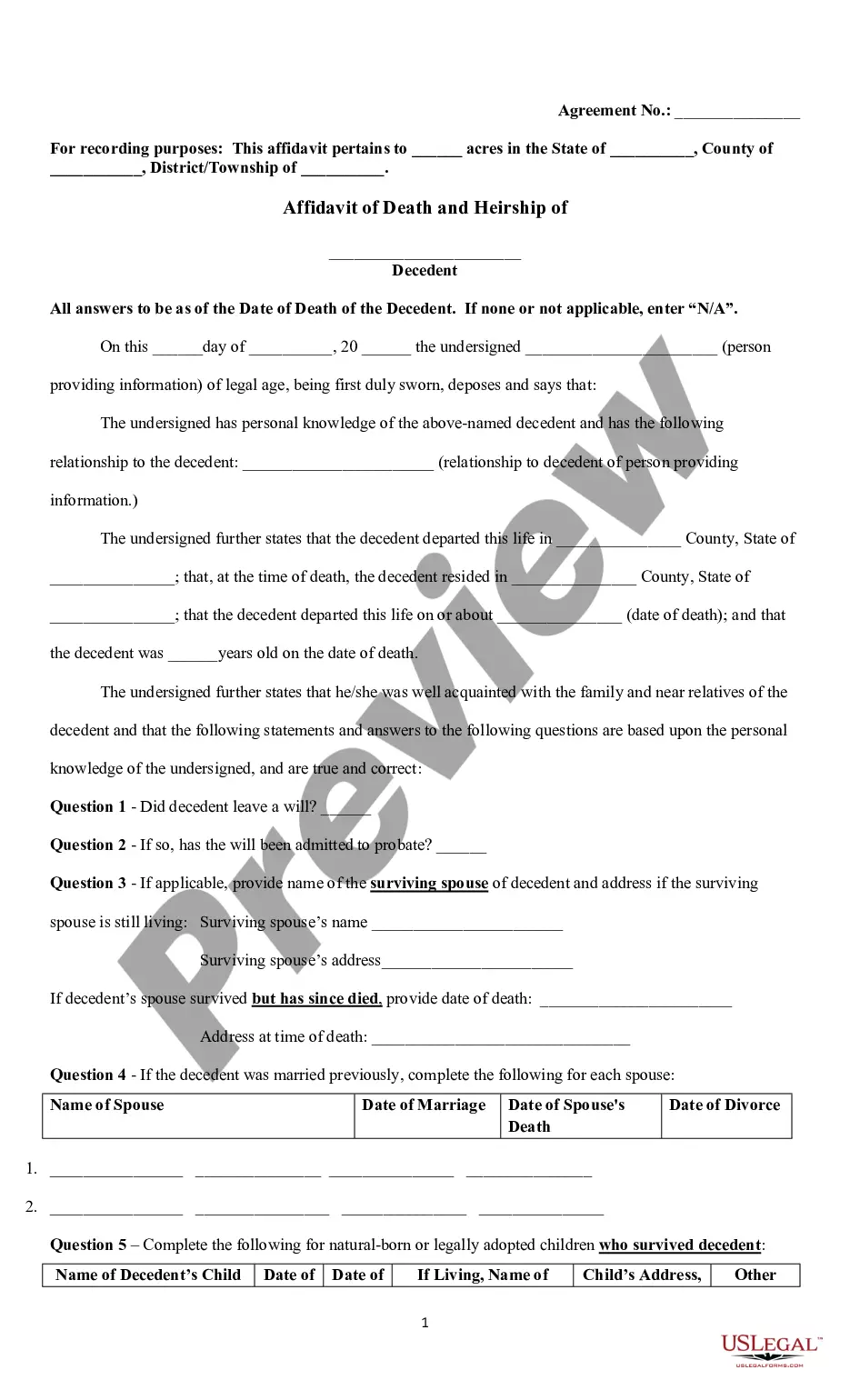
The Affidavit of Personal Representative is a legal document used to affirm the accuracy of statements made by a court-appointed personal representative of an estate. The affidavit serves to clarify the names of beneficiaries and transactions regarding the estate, ensuring proper title insurance can be issued. Unlike other affidavits, this specific form focuses on the details of the estateâs beneficiaries and the representative's verification of those details.
Main sections of this form
- Affiant's identification, including their name and appointment as the personal representative.
- Clarification of beneficiariesâ names and the discrepancies in spelling.
- Details about the property, including the warranty deed reference and transfer of mining claims.
- Statement regarding the absence of payment for inherited property, emphasizing sole and separate property ownership.
- Indemnification agreement ensuring title companies can rely on the affidavitâs truthfulness.
- Notary public section for authenticating the affidavit.
When to use this document
This affidavit is typically used after an individual has been appointed as a personal representative for an estate. It is crucial in situations where there are discrepancies in beneficiary names or when a title company requires clarification regarding property transfers associated with the estate. This ensures that all legal documents are accurate and enforceable.
Who needs this form
- Individuals appointed as personal representatives of an estate
- Executors or administrators managing estate affairs
- Beneficiaries needing clarification on property ownership
- Title companies requiring assurance for issuing policies
Steps to complete this form
- Identify the affiant and provide their full name.
- State the county and the names of the deceased individuals whose estates are being represented.
- Correct any discrepancies in beneficiary names as noted in the warranty deed.
- Clarify that there was no payment or value exchanged for the property.
- Sign the affidavit in front of a notary public to ensure its legal validity.
Does this form need to be notarized?
Yes, this form must be notarized to be legally valid. It is essential to have a notary public witness the signing of the affidavit, ensuring that the document is properly authenticated. US Legal Forms offers integrated online notarization, allowing you to complete this process securely via a video call.
Get your form ready online
Our built-in tools help you complete, sign, share, and store your documents in one place.
Make edits, fill in missing information, and update formatting in US Legal Forms—just like you would in MS Word.
Download a copy, print it, send it by email, or mail it via USPS—whatever works best for your next step.
Sign and collect signatures with our SignNow integration. Send to multiple recipients, set reminders, and more. Go Premium to unlock E-Sign.
If this form requires notarization, complete it online through a secure video call—no need to meet a notary in person or wait for an appointment.
We protect your documents and personal data by following strict security and privacy standards.

Make edits, fill in missing information, and update formatting in US Legal Forms—just like you would in MS Word.

Download a copy, print it, send it by email, or mail it via USPS—whatever works best for your next step.

Sign and collect signatures with our SignNow integration. Send to multiple recipients, set reminders, and more. Go Premium to unlock E-Sign.

If this form requires notarization, complete it online through a secure video call—no need to meet a notary in person or wait for an appointment.

We protect your documents and personal data by following strict security and privacy standards.
Avoid these common issues
- Failing to properly identify all beneficiaries by their correct legal names.
- Neglecting to clarify the absence of payment for inherited property.
- Skipping the notary public's signature, which is essential for validity.
Advantages of online completion
- Convenient access to the form from anywhere at any time.
- Editable fields allow for customization to fit specific circumstances.
- Reliability in the provided legal template, drafted by licensed attorneys.
Looking for another form?




Form popularity
FAQ
That person (it could be one or more individuals, a bank or trust company, or both) who acts for, or stands in the shoes of, the deceased is generally called the personal representative. If the decedent dies testate that is, with a Will an Executor is appointed as the personal representative.
According to California statutes, a personal representative must use ordinary care and diligence and act reasonably and in good faith in administering the estate. The personal representative has a fiduciary duty toward the estate and interested parties like heirs, will beneficiaries and estate creditors.
A personal representative is appointed by a judge to oversee the administration of a probate estate.When a personal representative is nominated to the position in a will, he's commonly called the executor of the estate.
A personal representative in California is entitled to compensation for ordinary services provided to the estate. California Probate Code § 10800. These fees are also called statutory fees, because they are provided by statute.
Under California Probate Code, the executor typically receives 4% on the first $100,000, 3% on the next $100,000 and 2% on the next $800,000, says William Sweeney, a California-based probate attorney. For an estate worth $600,000 the fee works out at approximately $15,000.
In most states, however, there is the option to use a small estate affidavit when the assets of the estate are under a certain dollar amount, which varies by state. An attorney is not required to file a small estate affidavit, although it may be helpful to consult with one prior to filing the small estate affidavit.
Before distributing assets to beneficiaries, the executor must pay valid debts and expenses, subject to any exclusions provided under state probate laws.The executor must maintain receipts and related documents and provide a detailed accounting to estate beneficiaries.
The process of removing a personal representative begins with filing a petition or removal. An heir or interested party must file the petition with the probate court and serve a copy of the petition on the personal representative. The probate court schedules a hearing date and time to hear the matter.
Can I appoint a beneficiary as my executor? Yes, your executor may also be a beneficiary to your estate. In fact, if you are leaving everything to your spouse or adult children who are capable of managing their finances, it is a natural choice to appoint your spouse or one or more of your children as your executor(s).