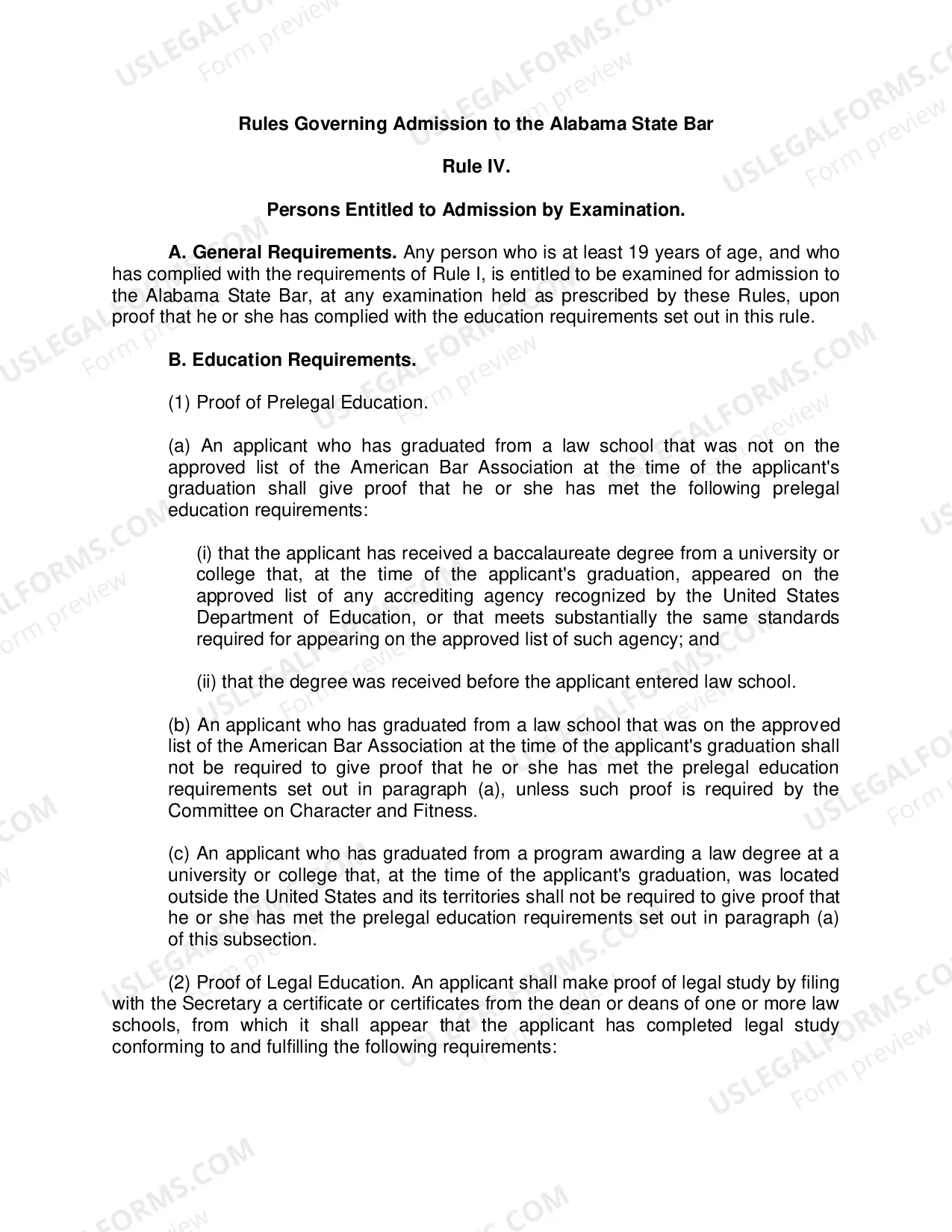
Idaho Discovery Interrogatories from Defendant to Plaintiff with Production Requests

What is this form?
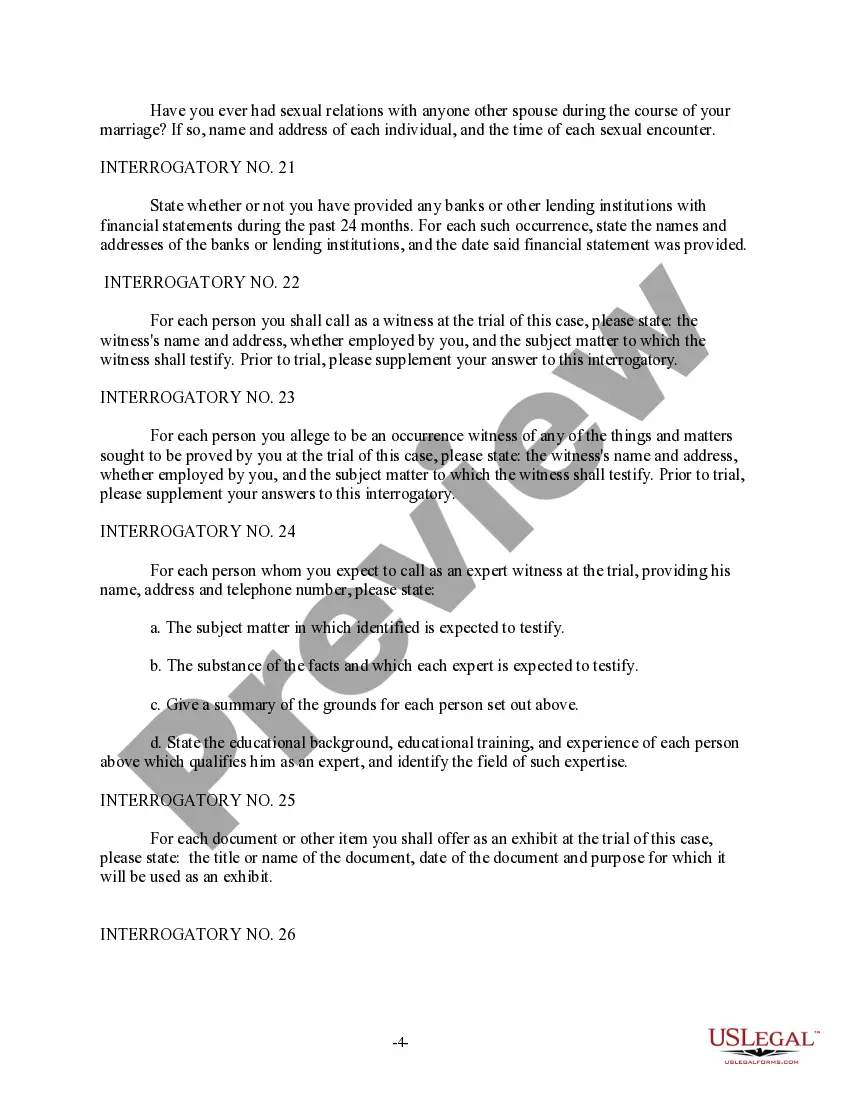
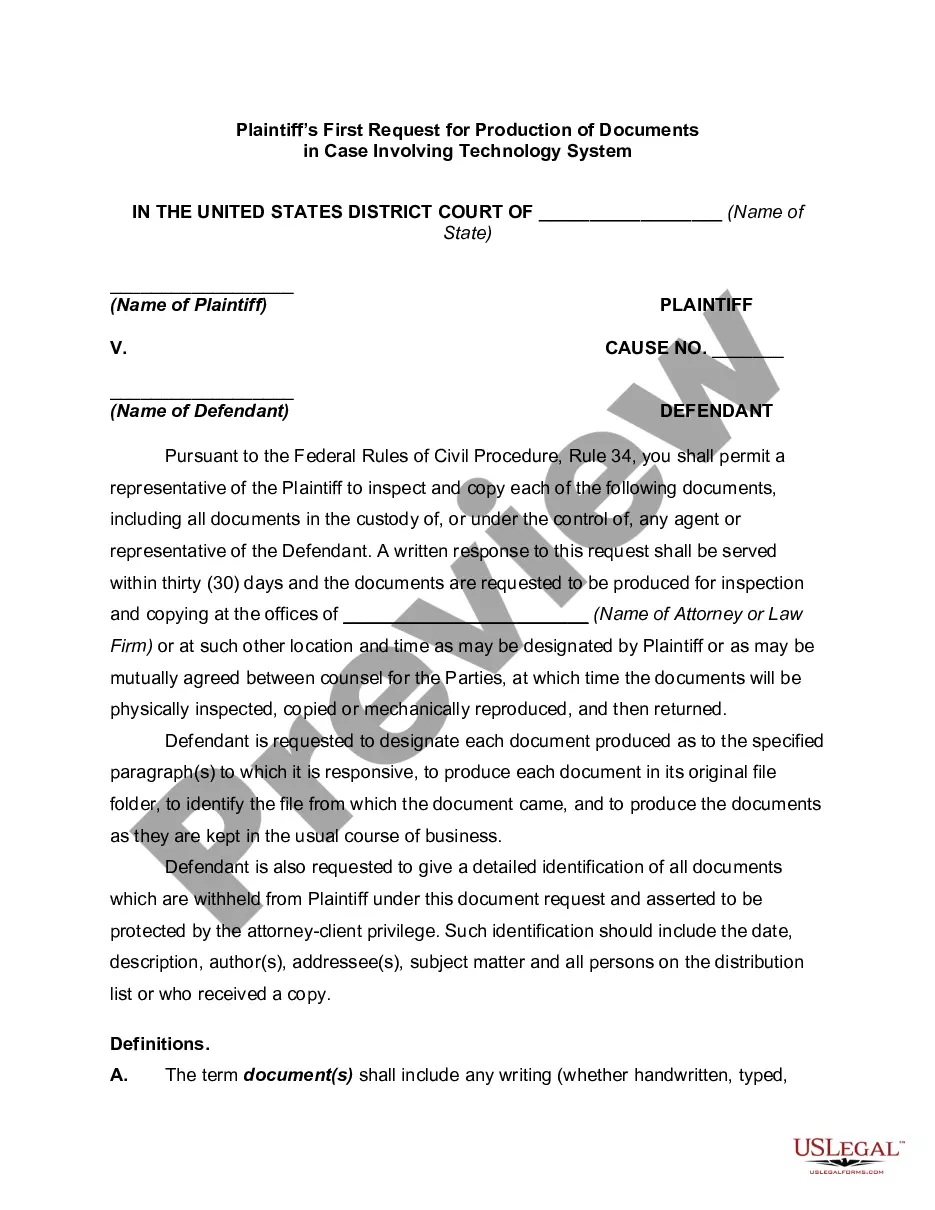
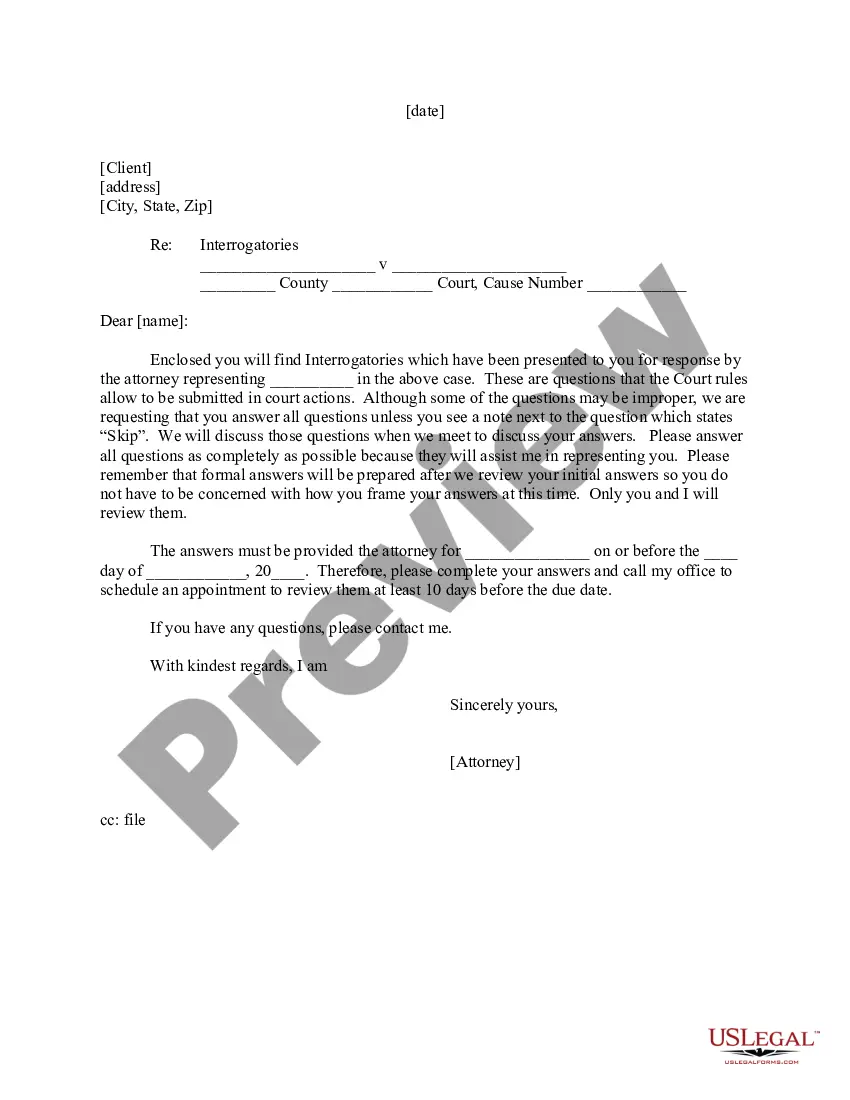
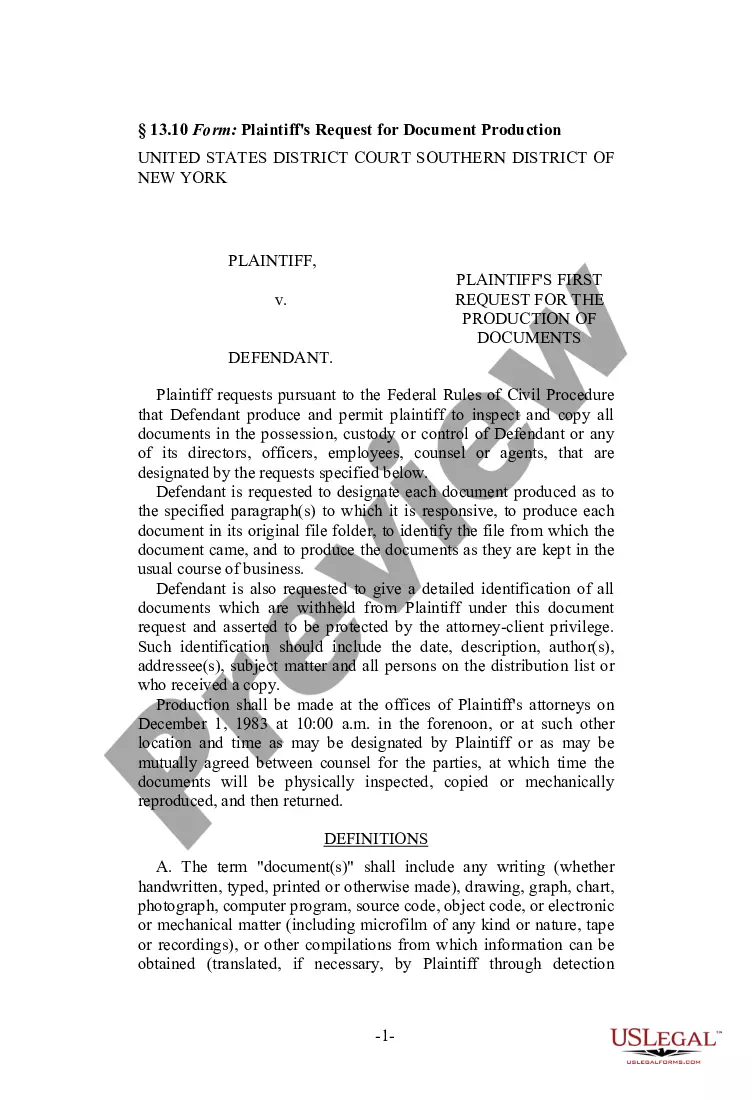
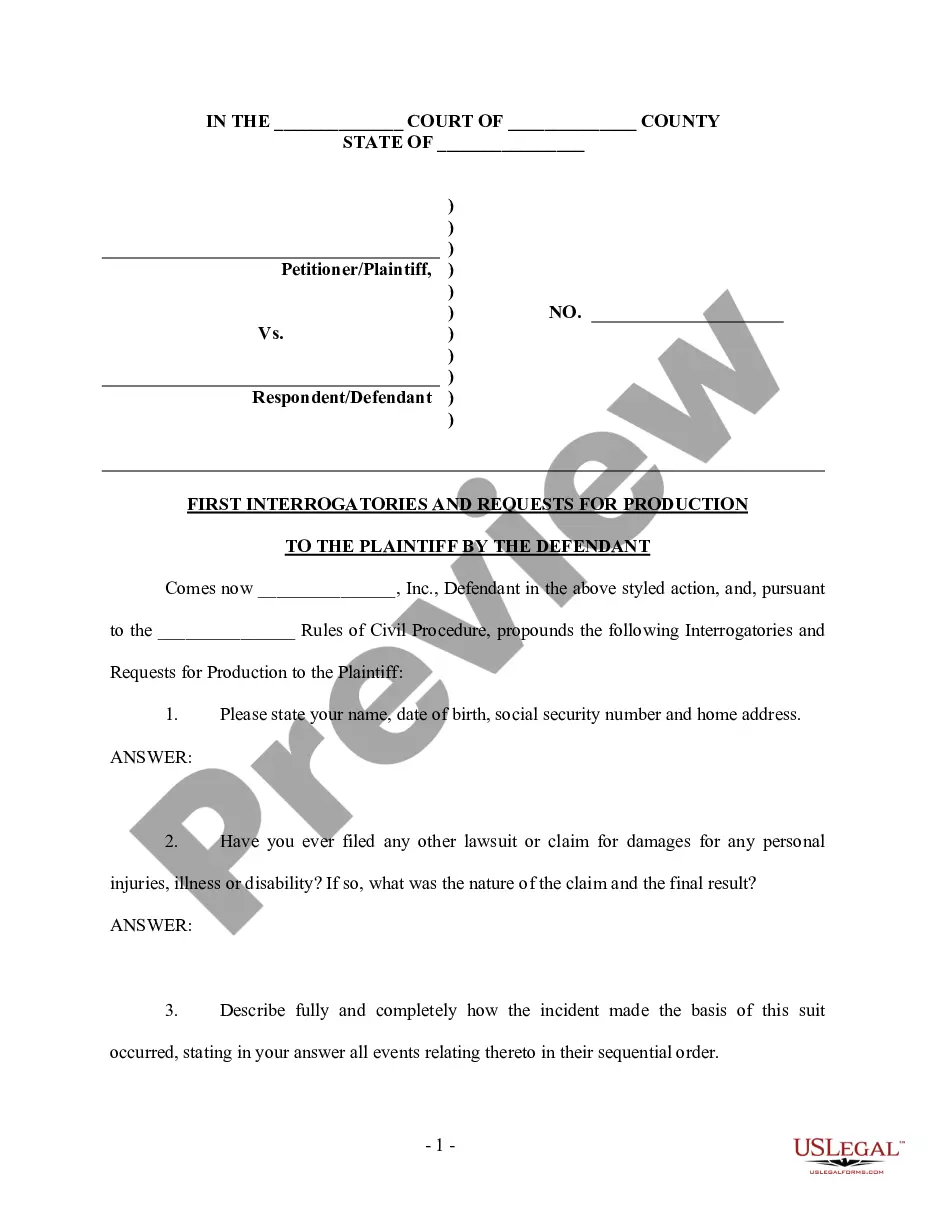
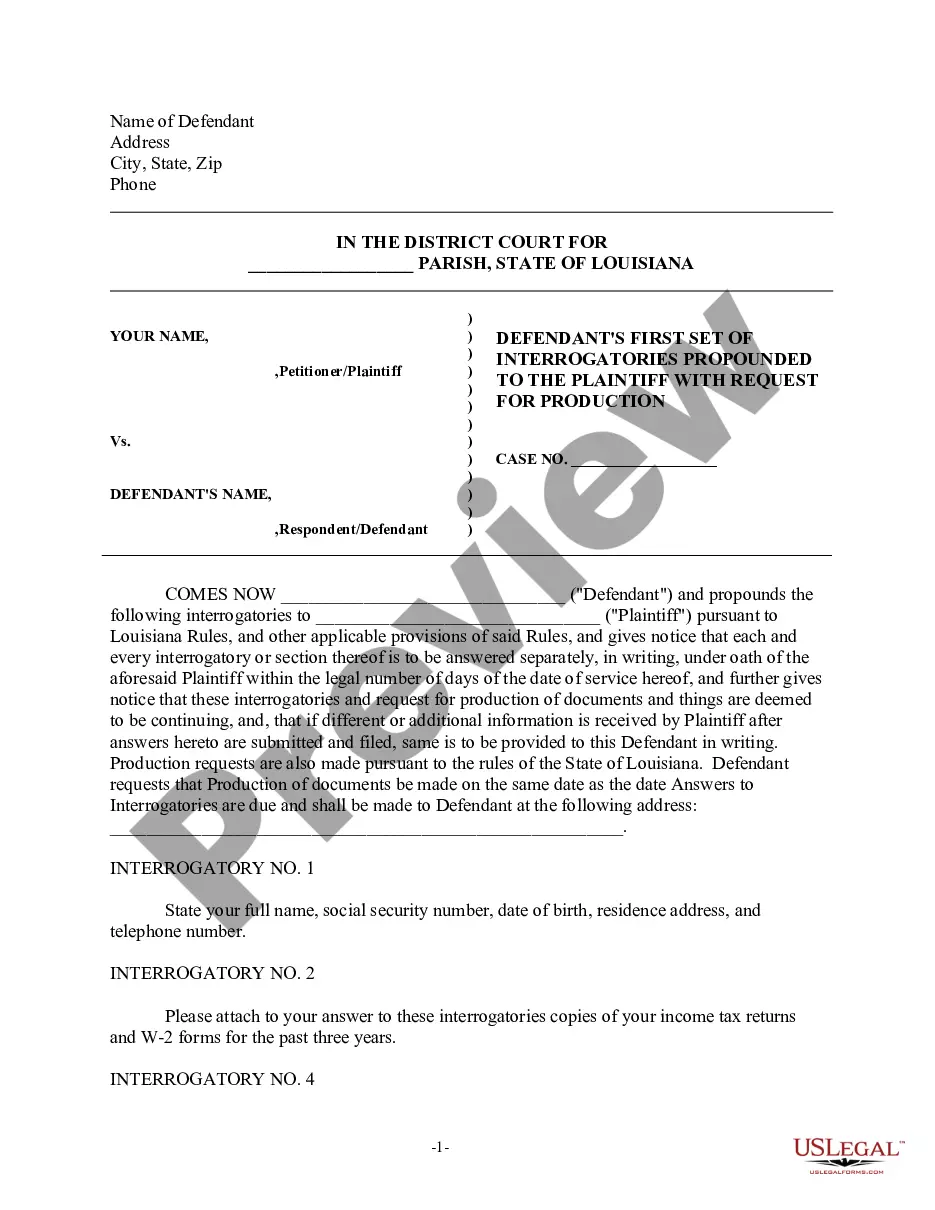
This form, known as Discovery Interrogatories from Defendant to Plaintiff with Production Requests, is a legal document used in divorce proceedings. It allows the Defendant to request specific information and documents from the Plaintiff to support their case. The interrogatories are designed to gather essential details that may pertain to financial matters, assets, and other relevant information. This type of form is unique because it combines interrogatoriesâquestions that need to be answered under oathâwith production requests for documents, enabling a thorough discovery process.
Key parts of this document
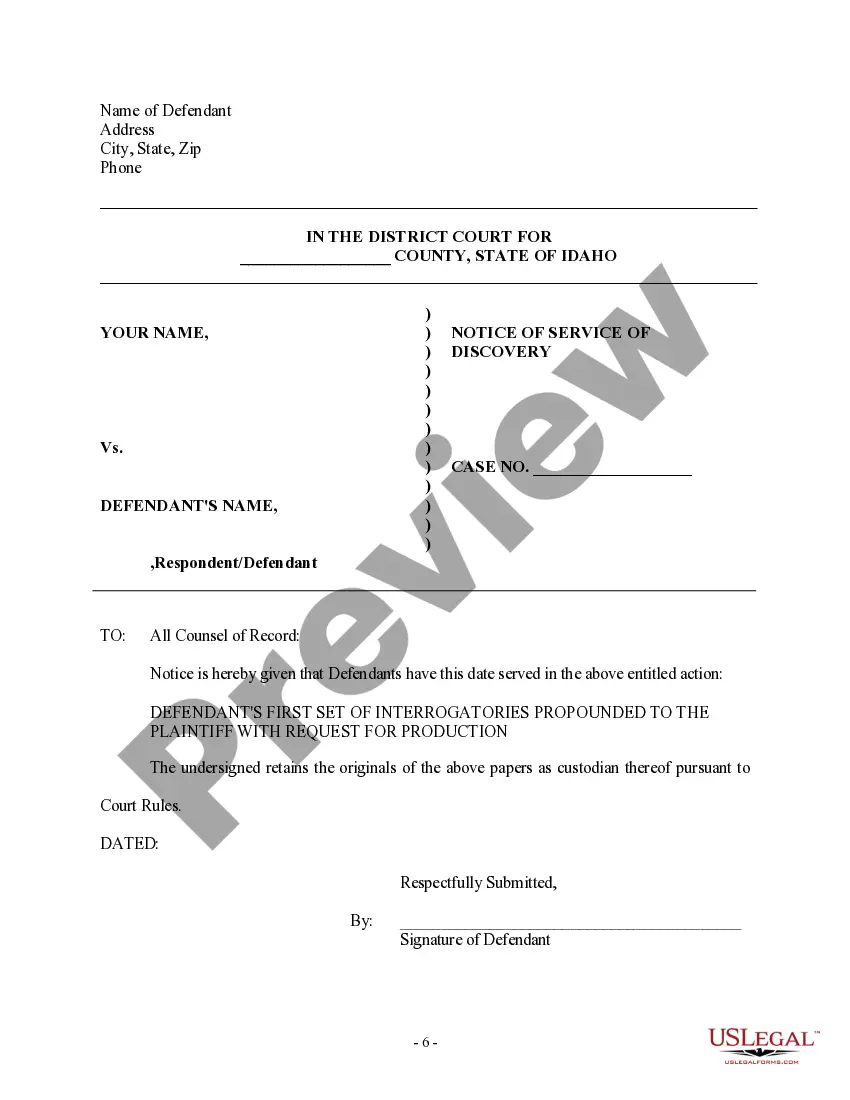
- Defendant's name and contact information.
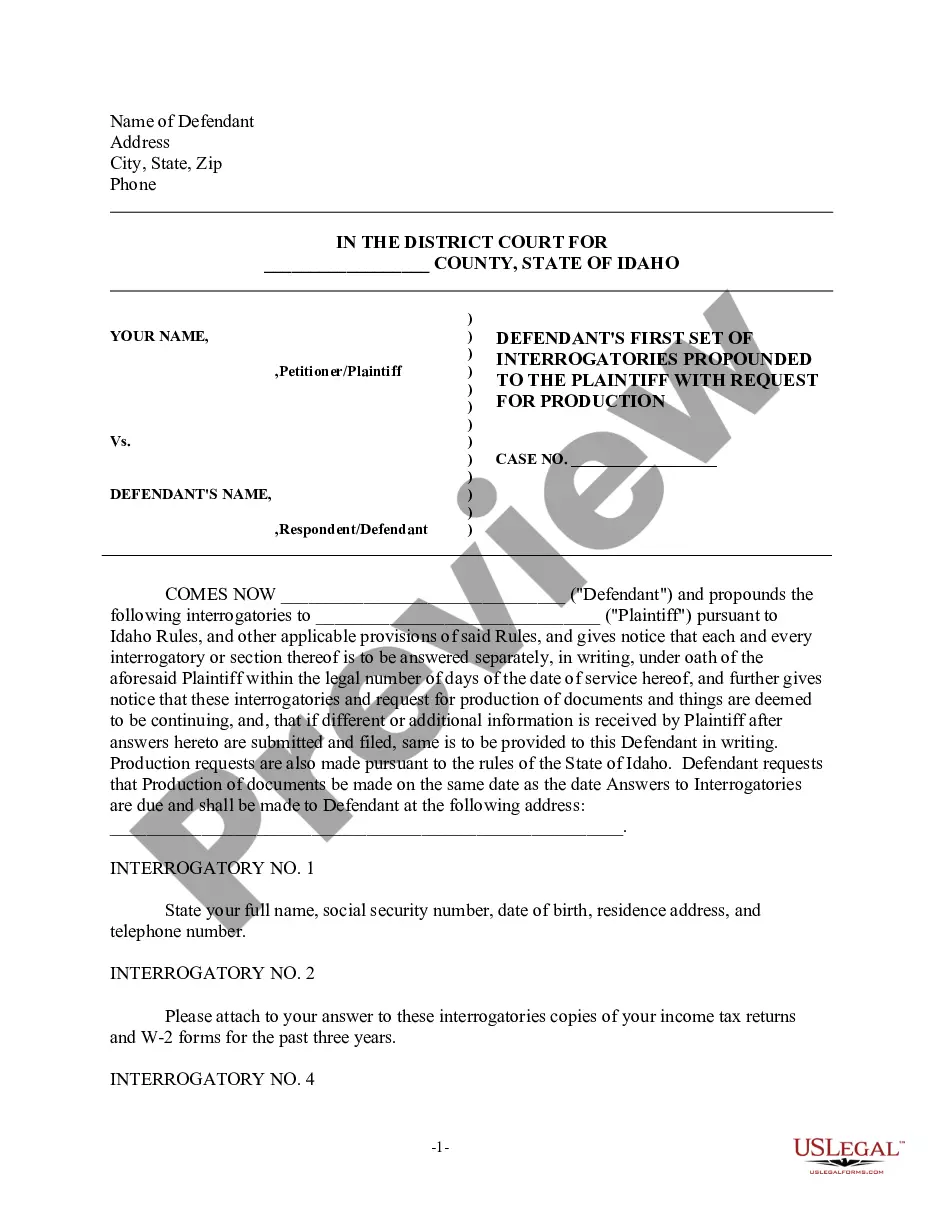
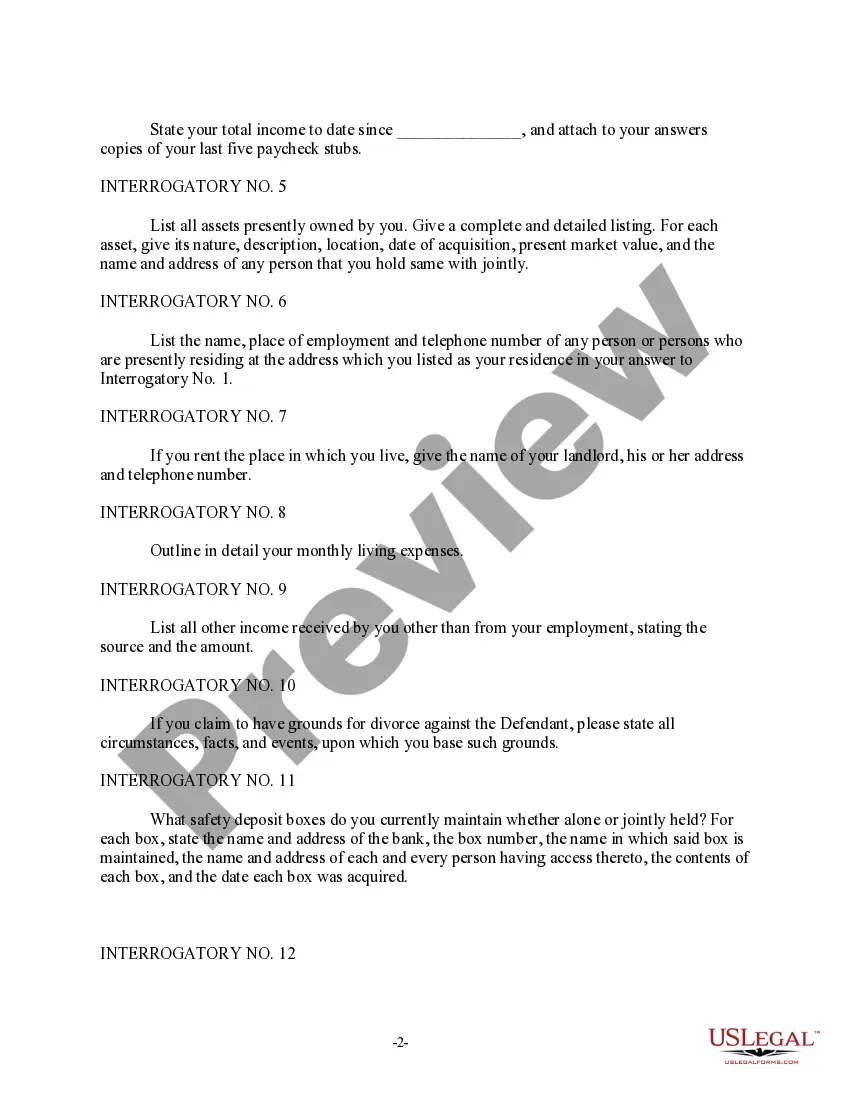
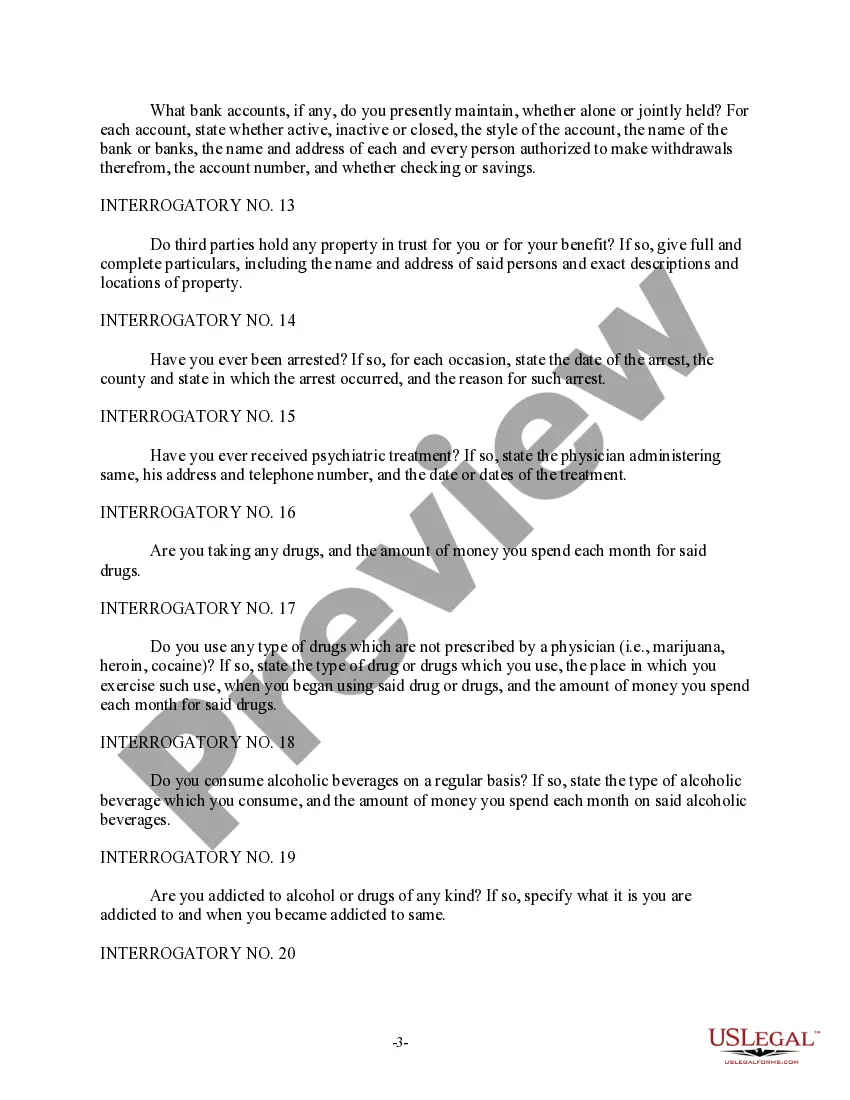
- Section detailing the questions (interrogatories) to be answered by the Plaintiff.
- Requests for production of relevant documents (e.g., financial statements, tax records).
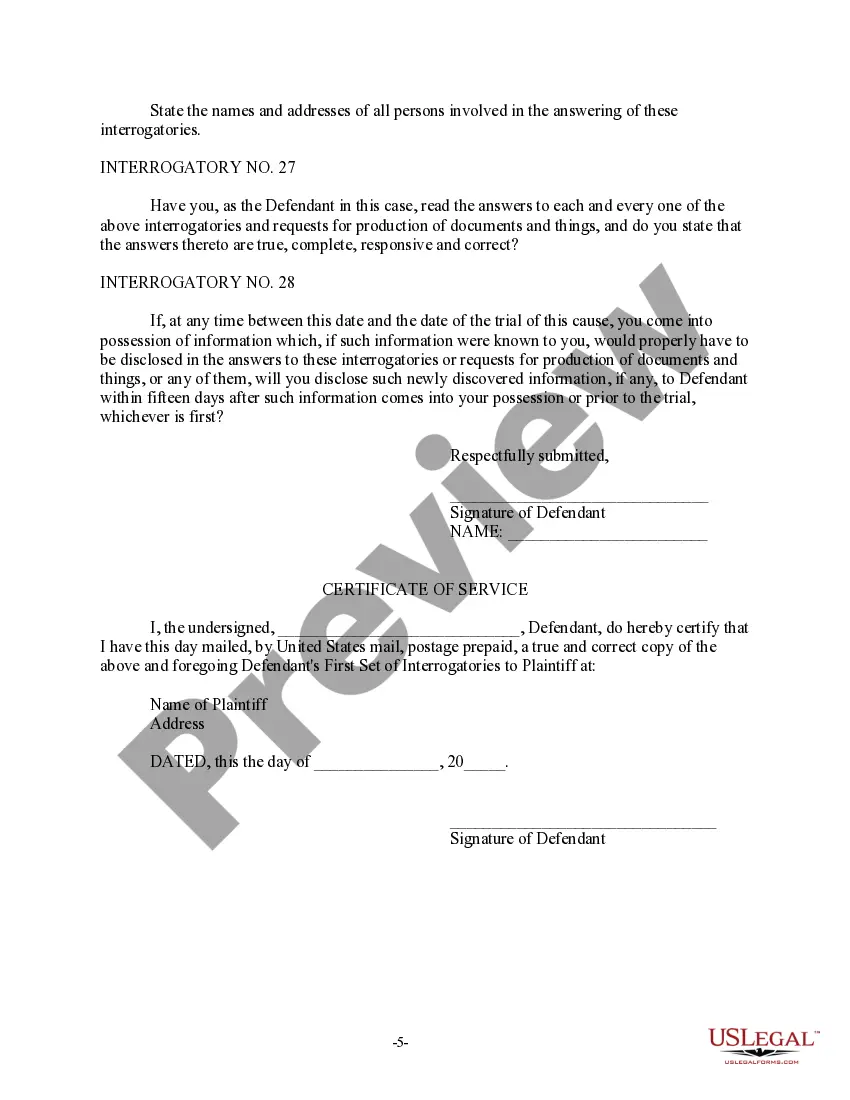
- Instructions regarding the submission timeline for responses.
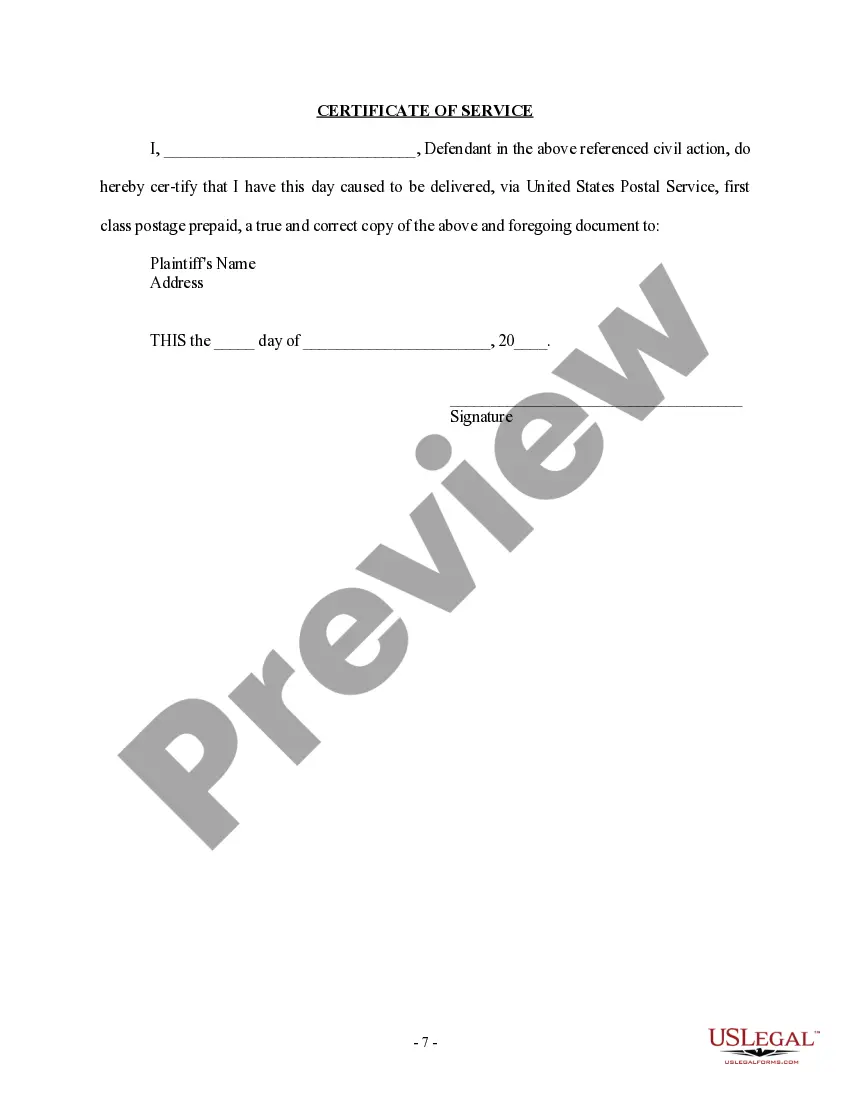
- Certification of service indicating that the Plaintiff has been informed of the requests.

Common use cases
This form should be used in divorce proceedings when the Defendant needs to obtain vital information from the Plaintiff to build their case. It is particularly useful during pre-trial discovery when both parties are required to share information. If there are discrepancies in financial disclosures, asset ownership, or grounds for divorce claims, this form can help clarify these issues through formal interrogatories and document requests.
Who should use this form
- Defendants in a divorce proceeding seeking information from the Plaintiff.
- Attorneys representing Defendants in family law cases.
- Individuals who need to ensure all relevant financial information is disclosed in divorce cases.
How to complete this form
- Identify and enter the names and addresses of the parties involved in the case.
- Complete the interrogatories by providing clear, concise questions for the Plaintiff to answer.
- Specify the documents you are requesting the Plaintiff to produce, including relevant financial records.
- Set a deadline for the Plaintiff to submit their answers and any requested documents.
- Sign and date the document to validate the request, and prepare it for filing with the court.
Does this form need to be notarized?
In most cases, this form does not require notarization. However, some jurisdictions or signing circumstances might. US Legal Forms offers online notarization powered by Notarize, accessible 24/7 for a quick, remote process.
Get your form ready online
Our built-in tools help you complete, sign, share, and store your documents in one place.
Make edits, fill in missing information, and update formatting in US Legal Forms—just like you would in MS Word.
Download a copy, print it, send it by email, or mail it via USPS—whatever works best for your next step.
Sign and collect signatures with our SignNow integration. Send to multiple recipients, set reminders, and more. Go Premium to unlock E-Sign.
If this form requires notarization, complete it online through a secure video call—no need to meet a notary in person or wait for an appointment.
We protect your documents and personal data by following strict security and privacy standards.

Make edits, fill in missing information, and update formatting in US Legal Forms—just like you would in MS Word.

Download a copy, print it, send it by email, or mail it via USPS—whatever works best for your next step.

Sign and collect signatures with our SignNow integration. Send to multiple recipients, set reminders, and more. Go Premium to unlock E-Sign.

If this form requires notarization, complete it online through a secure video call—no need to meet a notary in person or wait for an appointment.

We protect your documents and personal data by following strict security and privacy standards.
Avoid these common issues
- Failing to provide clear and specific questions in the interrogatories.
- Not specifying the deadline for responses, which can lead to delays.
- Neglecting to include all relevant requests for document production.
- Not signing or dating the document before submission to the court.
Advantages of online completion
- Convenience of downloading and filling out the form from anywhere.
- Easy editing to tailor the contents according to specific case needs.
- Access to professionally drafted templates that comply with legal standards.
Legal use & context
- This form is legally enforceable within the jurisdiction of Idaho when properly completed and filed.
- Failure to respond to interrogatories can result in legal penalties or unfavorable judgments.
- The form helps facilitate transparency and fair exchanges of information between parties in a divorce.
Looking for another form?
Form popularity
FAQ
This Idaho form is a discovery tool used in divorce proceedings that lets the Defendant request information and production of documents from the Plaintiff to support their case. It combines interrogatories (questions to be answered under oath) with production requests for documents, enabling a thorough discovery process. The form includes the Defendant’s details, the interrogatories, document requests, submission timeline, and a certification of service.
No. In this form, production requests are separate from the interrogatories. Interrogatories are questions to be answered under oath, while requests for production ask for documents. The Idaho form combines both tools in one document, with a section for each, plus instructions on timing and a certification of service.
The interrogatories are questions that must be answered under oath; production requests seek documents. This form places both in distinct sections and specifies the items to request, such as financial statements or tax records. It’s designed for Idaho divorce cases, with timelines and a certification of service for proper handling.
A request for production of documents is a discovery step asking the other party to provide specific records. In this form, the production requests cover items like financial statements and tax records. The section is separate from the interrogatories, and it includes a timeline and a service certification to ensure proper delivery.
Respondents must answer each interrogatory under oath and produce the requested documents by the form’s timeline. The form includes an instructions section for submission timing and a certification of service, ensuring that the Defendant receives proper, timely responses and that service is documented.
This form differs from a standard Idaho discovery form by combining interrogatories and production requests in one document tailored for divorce cases. It includes the defendant’s details, a question section, document requests, and explicit timelines plus service certification, all designed for use by the Defendant to obtain information from the Plaintiff.