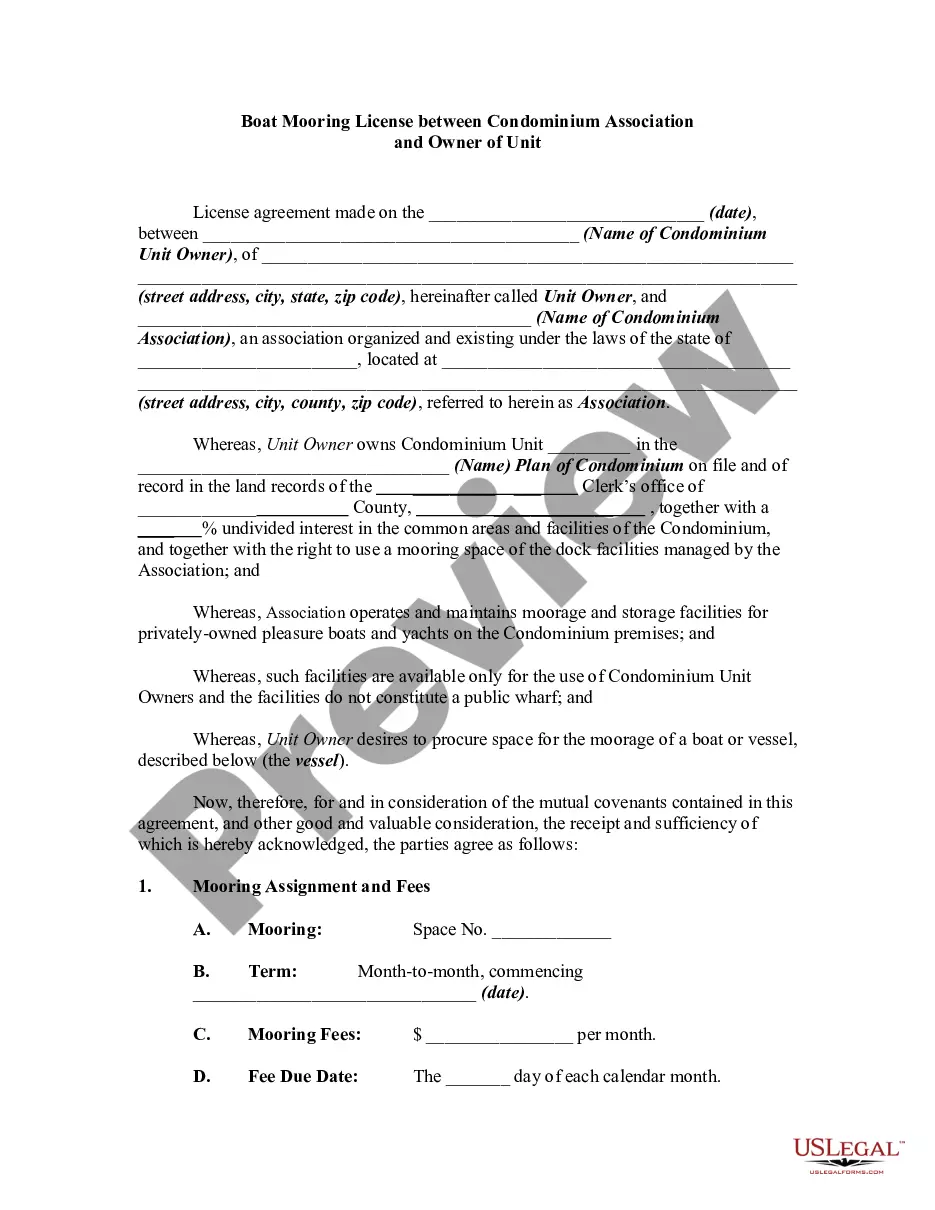
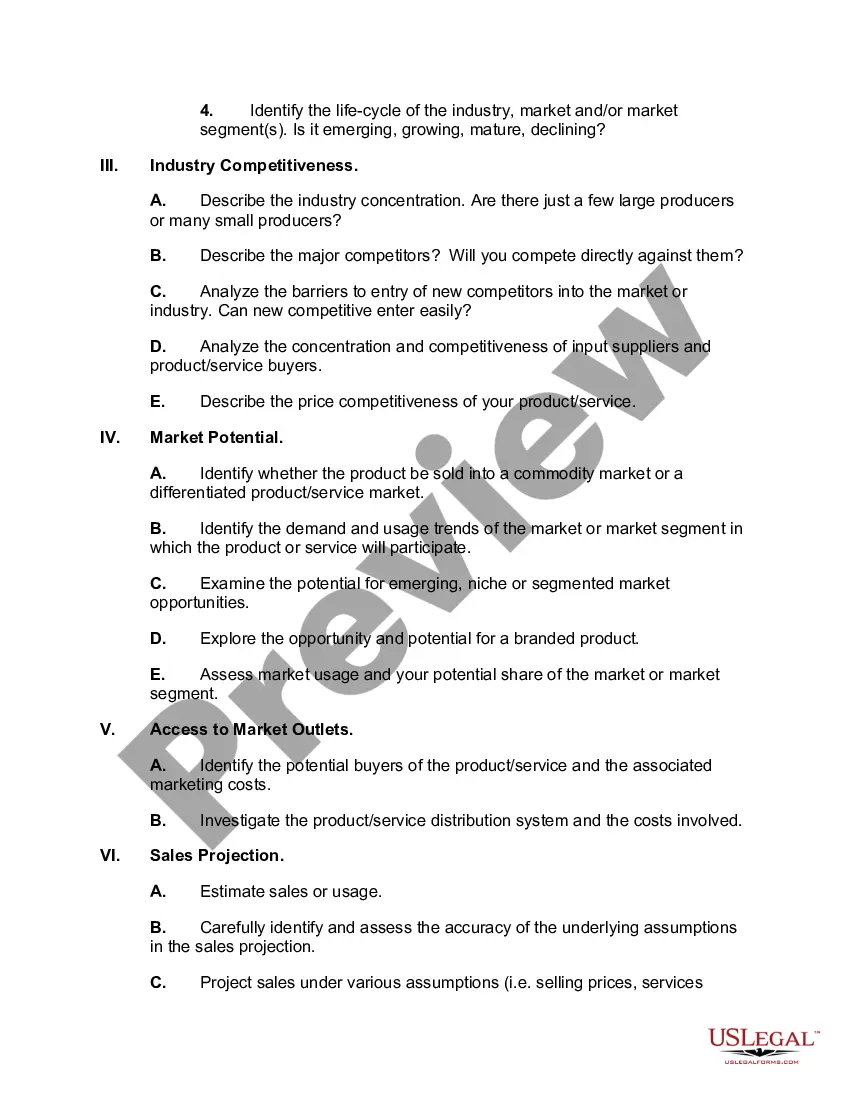
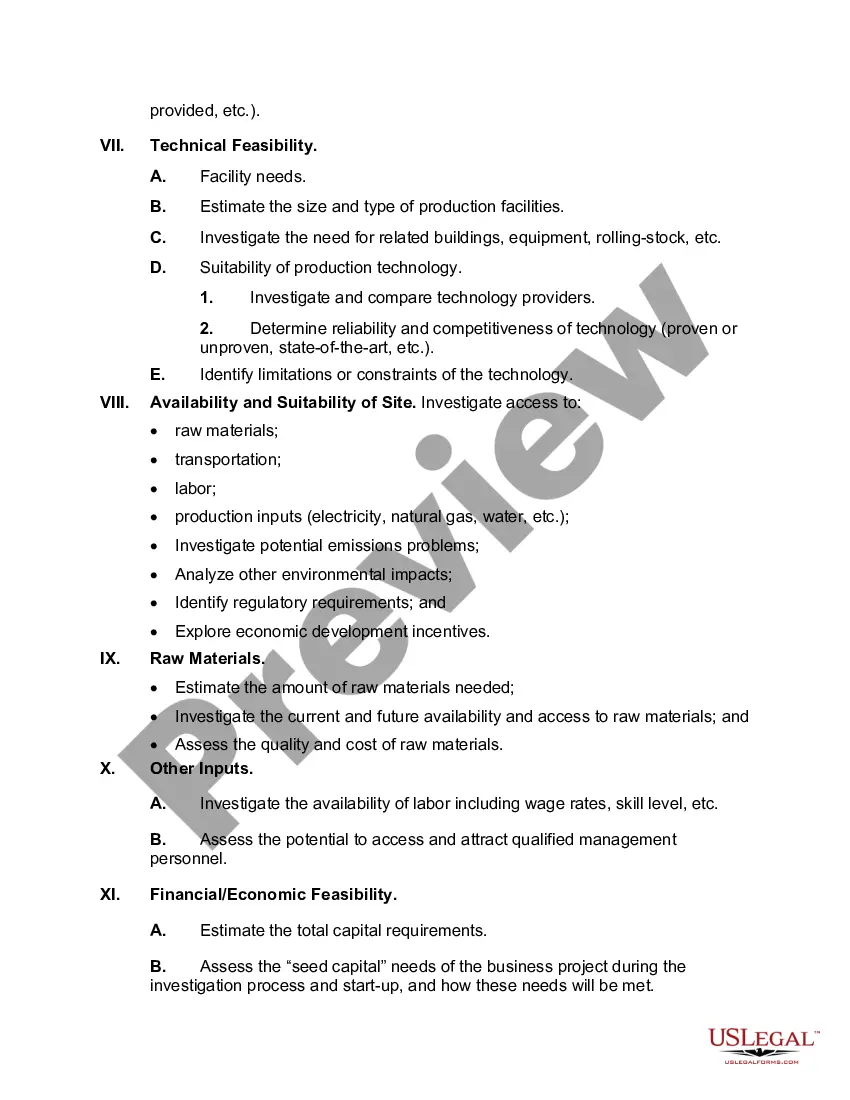
Iowa Feasibility Study Outline
Description
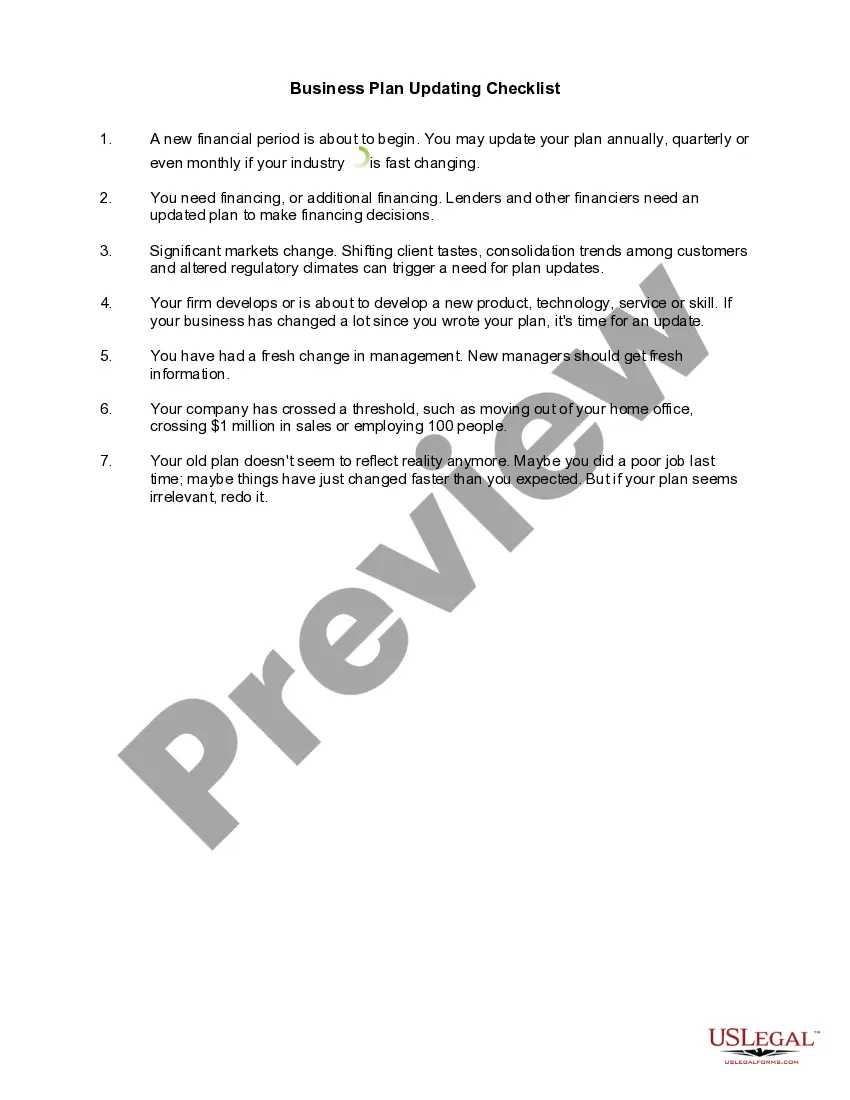
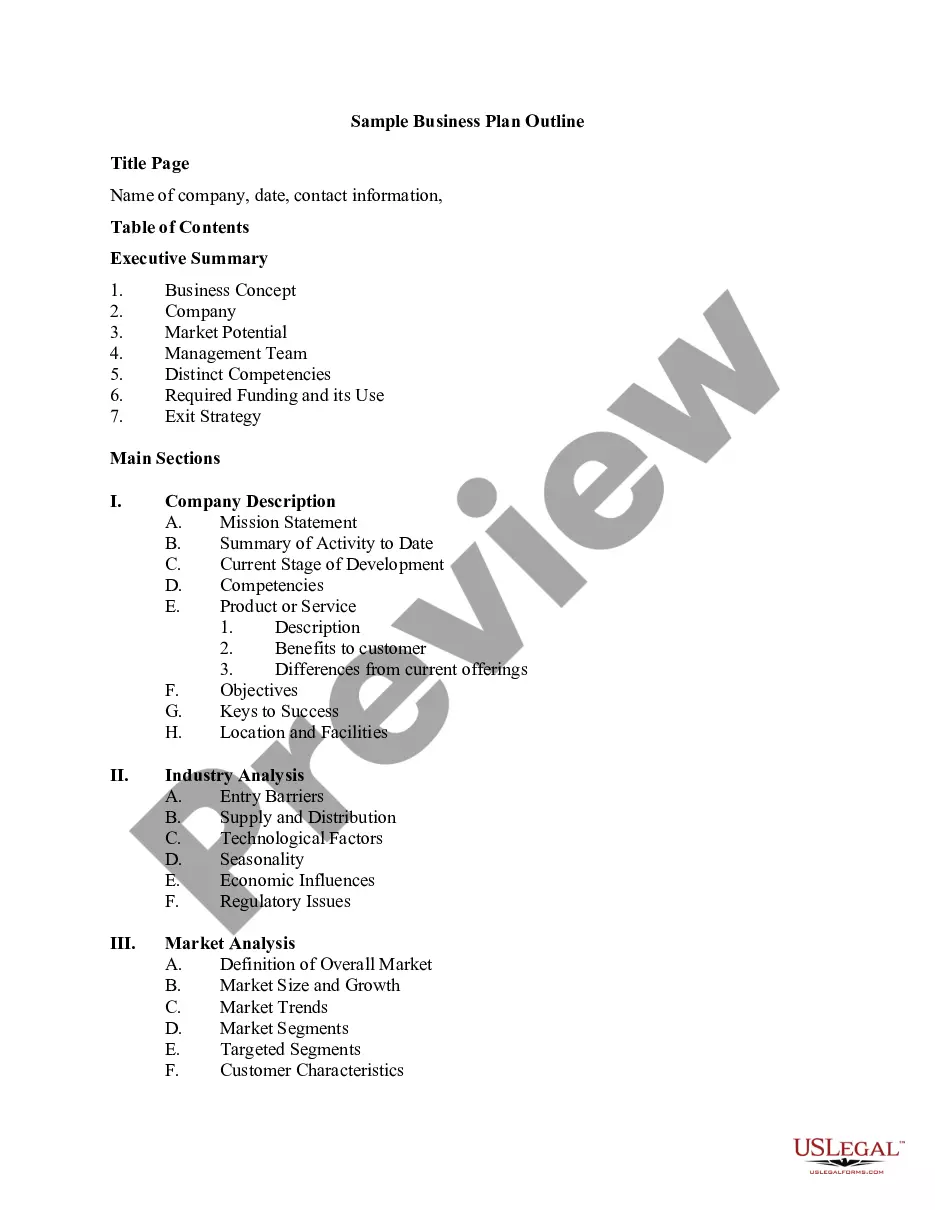
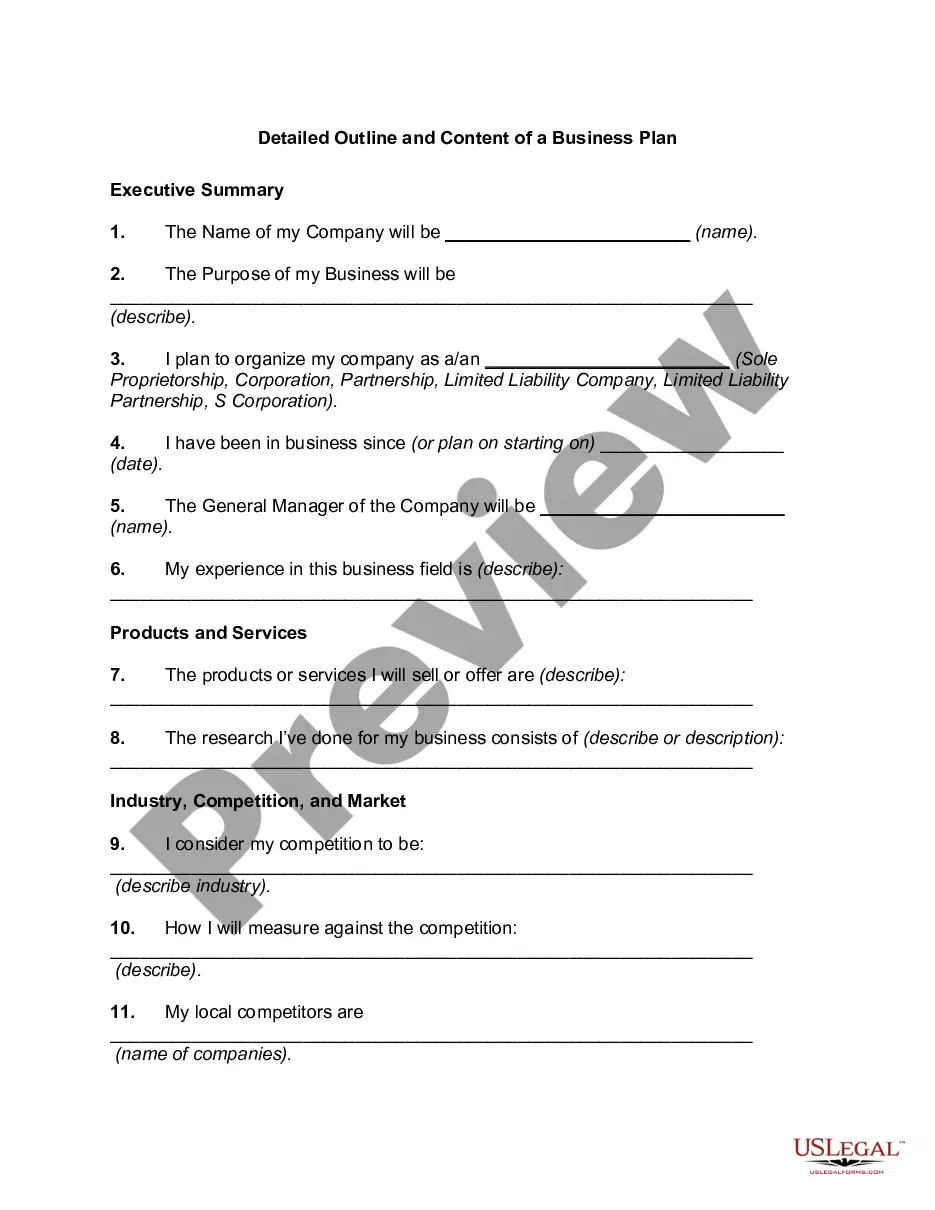
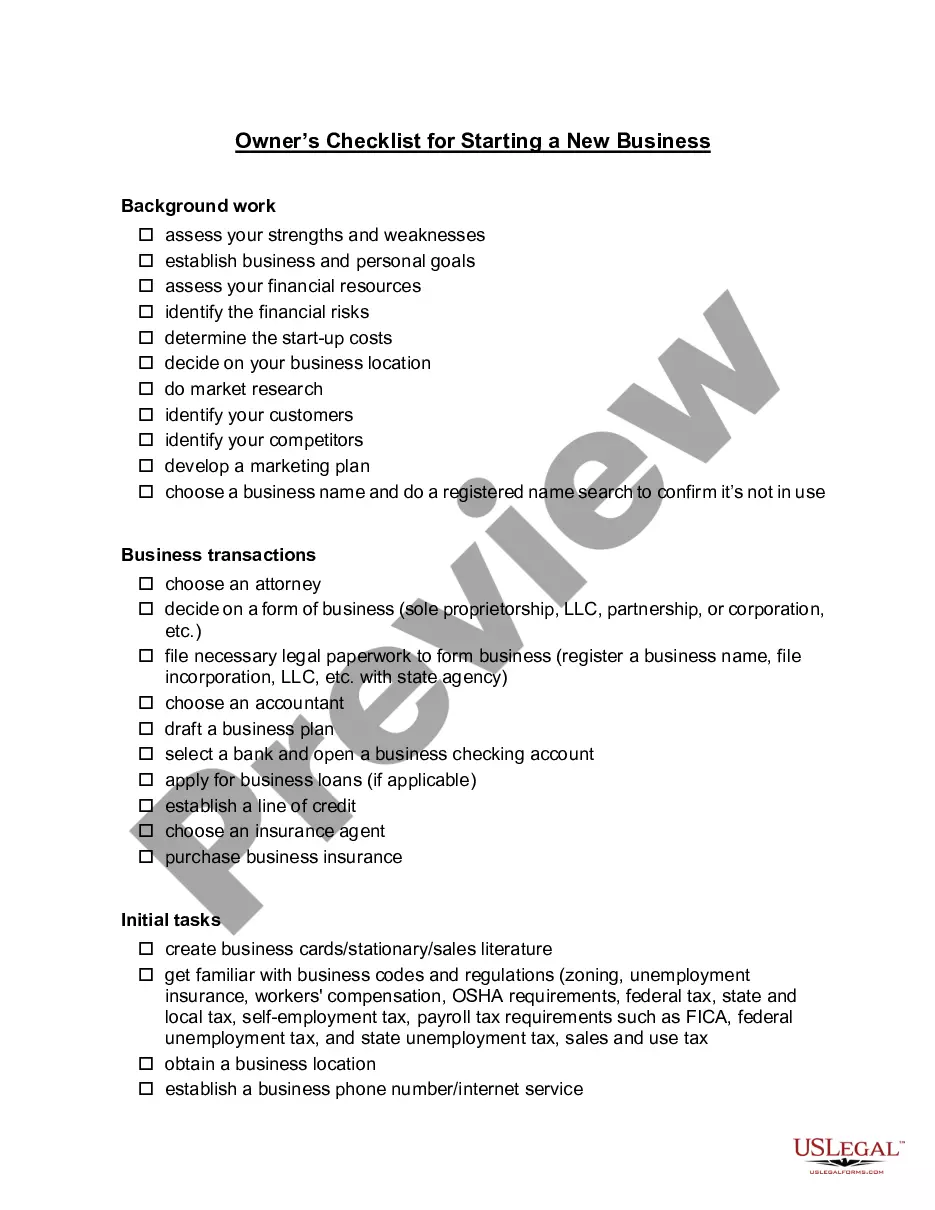
Get your form ready online
Our built-in tools help you complete, sign, share, and store your documents in one place.
Make edits, fill in missing information, and update formatting in US Legal Forms—just like you would in MS Word.
Download a copy, print it, send it by email, or mail it via USPS—whatever works best for your next step.
Sign and collect signatures with our SignNow integration. Send to multiple recipients, set reminders, and more. Go Premium to unlock E-Sign.
If this form requires notarization, complete it online through a secure video call—no need to meet a notary in person or wait for an appointment.
We protect your documents and personal data by following strict security and privacy standards.

Make edits, fill in missing information, and update formatting in US Legal Forms—just like you would in MS Word.

Download a copy, print it, send it by email, or mail it via USPS—whatever works best for your next step.

Sign and collect signatures with our SignNow integration. Send to multiple recipients, set reminders, and more. Go Premium to unlock E-Sign.

If this form requires notarization, complete it online through a secure video call—no need to meet a notary in person or wait for an appointment.

We protect your documents and personal data by following strict security and privacy standards.
Looking for another form?
How to fill out Feasibility Study Outline?
You are capable of spending time online searching for the legal document template that meets the state and federal regulations you require.
US Legal Forms offers a plethora of legal forms that have been reviewed by experts.
You can acquire or print the Iowa Feasibility Study Outline from this service.
If you would like to find another version of the document, use the Search box to locate the template that fits your needs and preferences.
- If you have an existing US Legal Forms account, you can Log In and click on the Download button.
- Then, you can complete, modify, print, or sign the Iowa Feasibility Study Outline.
- Each legal document template you purchase is yours forever.
- To retrieve another copy of a purchased form, go to the My documents section and click the appropriate button.
- If you are using the US Legal Forms site for the first time, follow the simple steps outlined below.
- First, make sure you have selected the correct document template for the state/city you choose.
- Check the form description to ensure you have selected the correct document.
Form popularity
FAQ
The seven steps of conducting a feasibility study typically include defining the project scope, researching the market, analyzing technical needs, reviewing regulatory requirements, estimating costs, assessing financing options, and compiling the study into a comprehensive report. Each of these steps aligns with the Iowa Feasibility Study Outline. By adhering to this structure, you can effectively evaluate your project's potential and viability.
Economics. The most important part of a feasibility study is the economics. Economics is the reason most projects are undertaken (with some exceptions for government and non-profit projects in which a cost benefit analysis is the primary tool).
Define the project and alternative scenariosDescribe the type and quality of product(s) or service(s) to be marketed. Outline the general business model (i.e. how the business will make money). Include the technical processes including size, location, kind of inputs, etc.
Define the project and alternative scenariosDescribe the type and quality of product(s) or service(s) to be marketed. Outline the general business model (i.e. how the business will make money). Include the technical processes including size, location, kind of inputs, etc.
How to conduct a feasibility studyStep 1: Conduct the preliminary analysis.Step 2: Create a project scope outline.Step 3: Perform your market research.Step 4: Calculate the financial cost.Step 5: Review your research and present your findings to the project stakeholders.
A feasibility study contains a detailed analysis of what's needed to complete the proposed project. The report may include a description of the new product or venture, a market analysis, the technology and labor needed, as well as the sources of financing and capital.
Contents of a Feasibility ReportTechnology Considerations. Product/ Service Marketplace. Identification of the Specific Market. Marketing Strategy.
The 5 Components In A Feasibility Study And What They MeanLegal Feasibility.Technical Feasibility.Scheduling Feasibility.Economic Feasibility.Operational Feasibility.
There are four main elements that go into a feasibility study: technical feasibility, financial feasibility, market feasibility (or market fit), and operational feasibility.
Contents of a Feasibility StudyTechnology Considerations. Product or Service Marketplace. Identification of Specific Market.