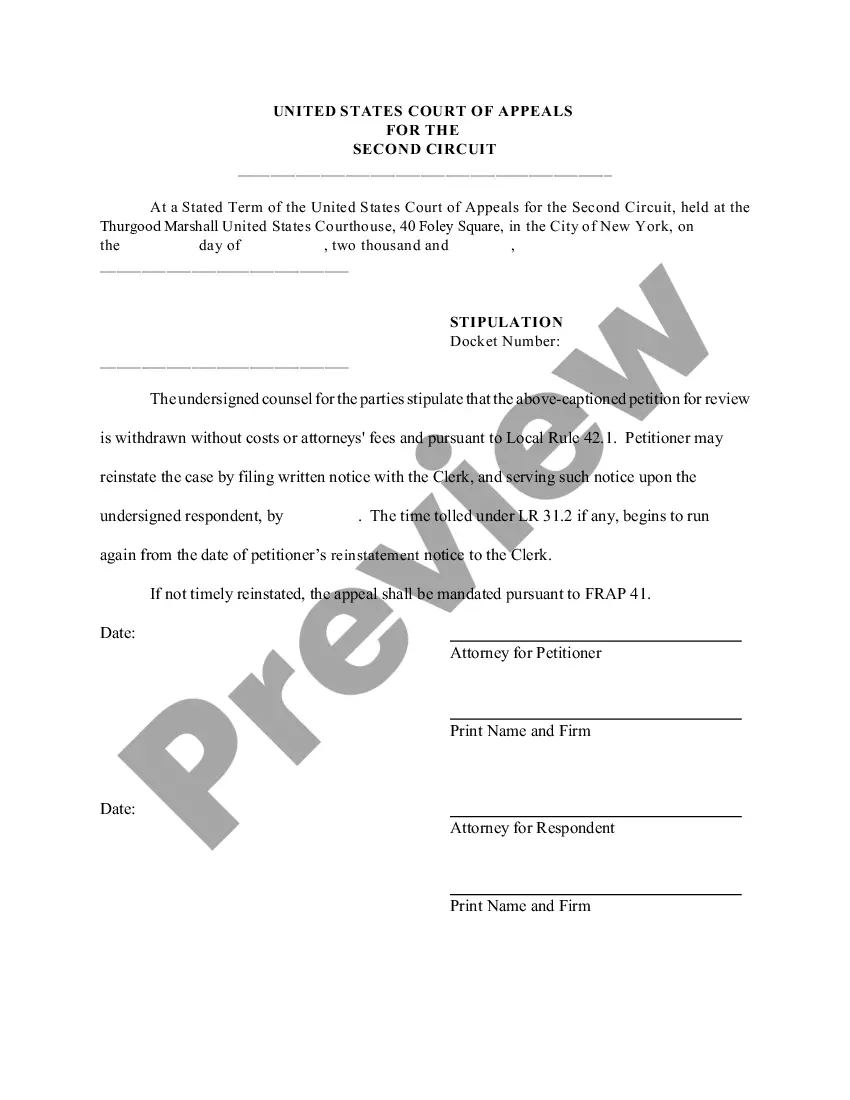
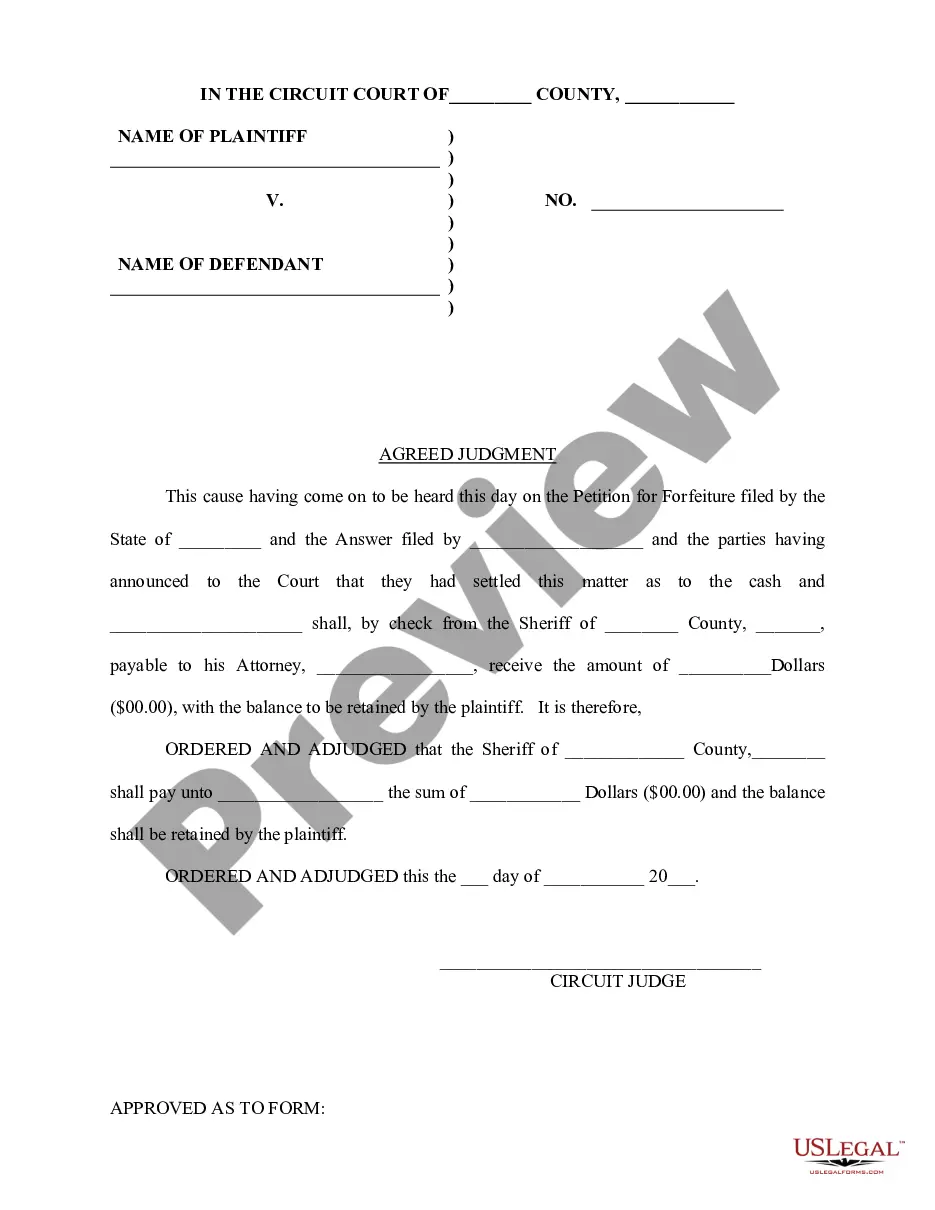
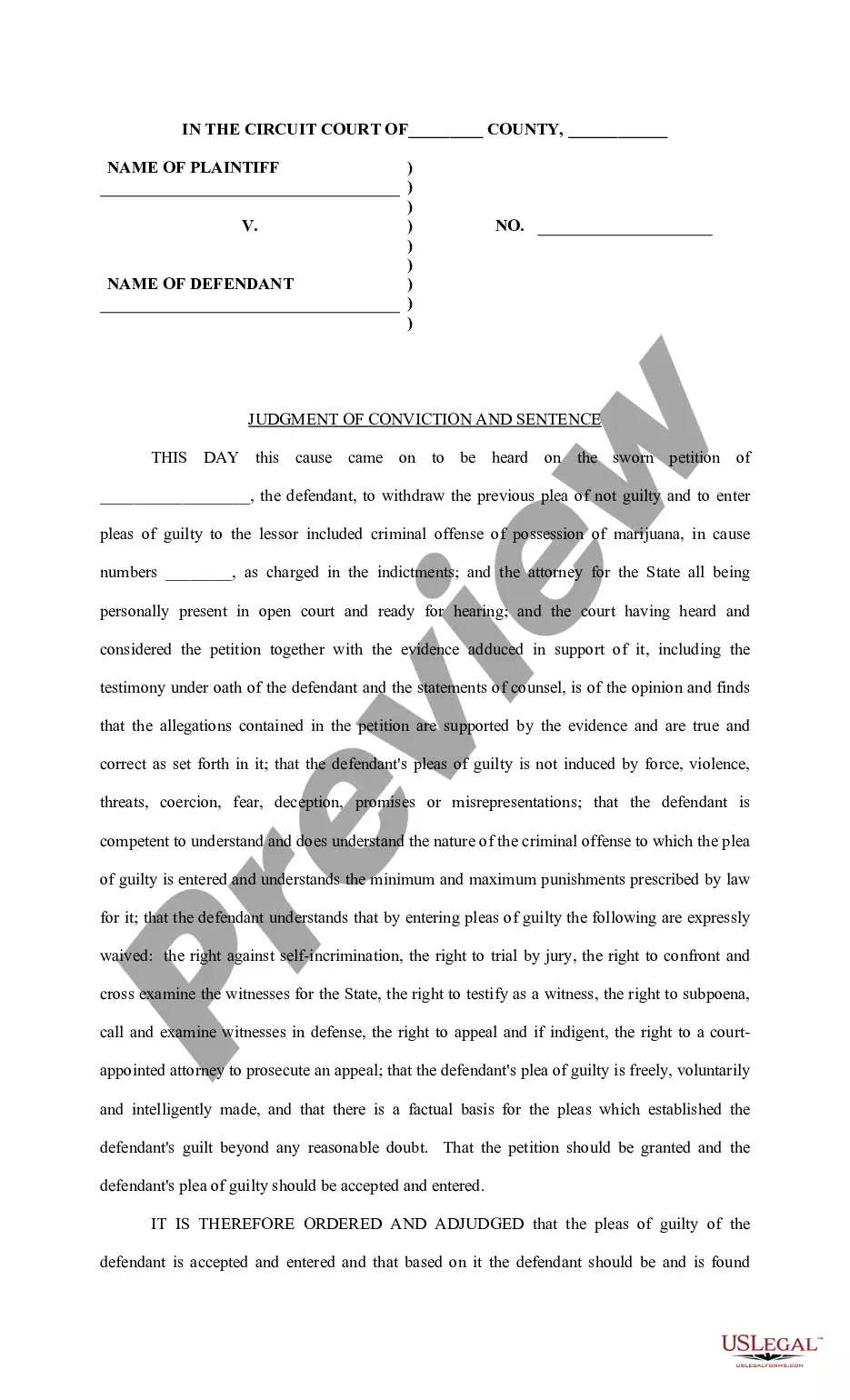
Iowa Agreed Judgment
Description
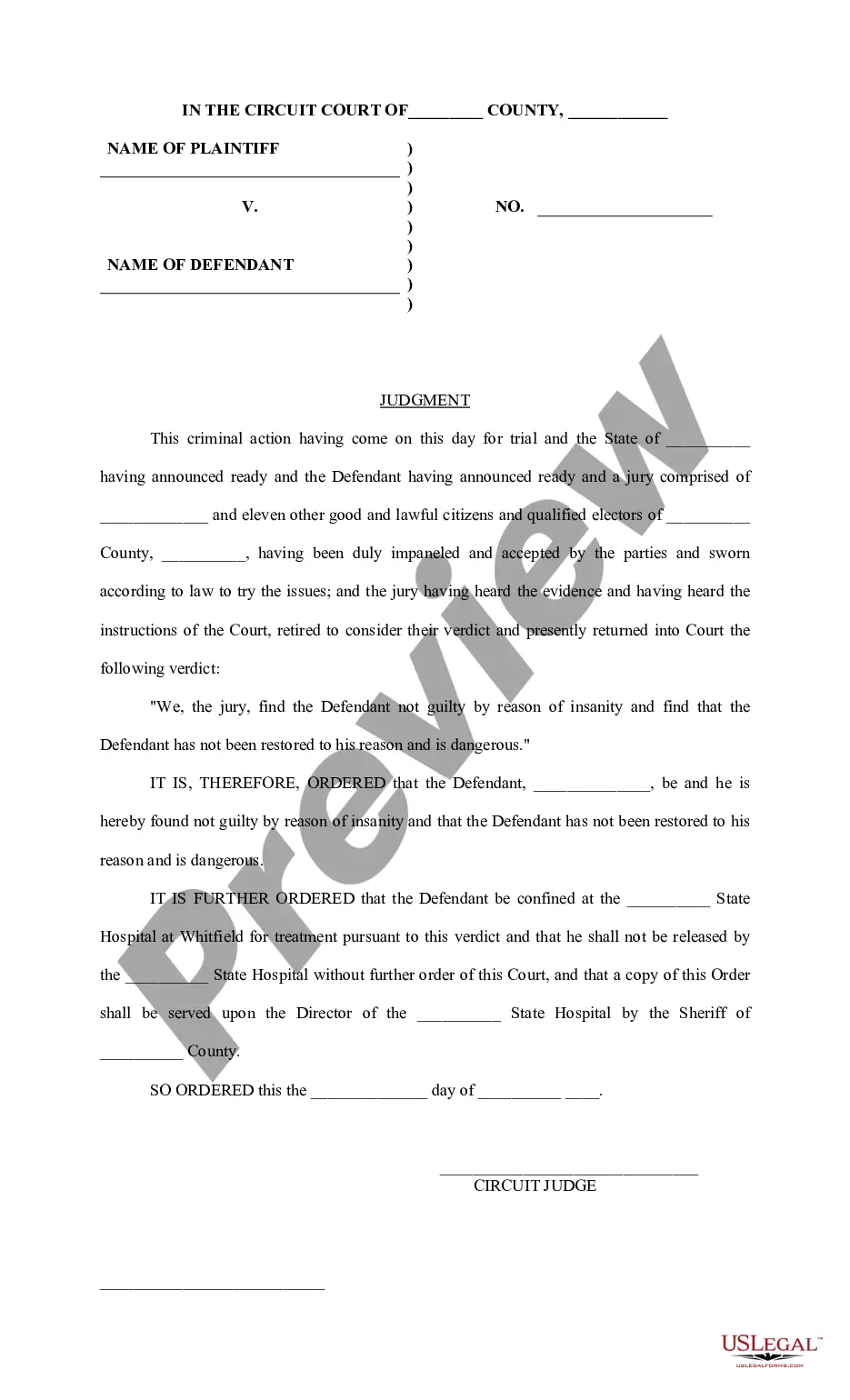
Get your form ready online
Our built-in tools help you complete, sign, share, and store your documents in one place.
Make edits, fill in missing information, and update formatting in US Legal Forms—just like you would in MS Word.
Download a copy, print it, send it by email, or mail it via USPS—whatever works best for your next step.
Sign and collect signatures with our SignNow integration. Send to multiple recipients, set reminders, and more. Go Premium to unlock E-Sign.
If this form requires notarization, complete it online through a secure video call—no need to meet a notary in person or wait for an appointment.
We protect your documents and personal data by following strict security and privacy standards.

Make edits, fill in missing information, and update formatting in US Legal Forms—just like you would in MS Word.

Download a copy, print it, send it by email, or mail it via USPS—whatever works best for your next step.

Sign and collect signatures with our SignNow integration. Send to multiple recipients, set reminders, and more. Go Premium to unlock E-Sign.

If this form requires notarization, complete it online through a secure video call—no need to meet a notary in person or wait for an appointment.

We protect your documents and personal data by following strict security and privacy standards.
Looking for another form?

How to fill out Agreed Judgment?
US Legal Forms - one of the largest collections of legal documents in the United States - offers a broad selection of legal form templates that you can download or create. With the website, you can find thousands of forms for business and personal purposes, organized by types, states, or keywords. You can access the latest versions of forms like the Iowa Agreed Judgment in moments.
If you already have an account, Log In and download the Iowa Agreed Judgment from your US Legal Forms library. The Download button will appear on every form you view. You can access all previously downloaded forms in the My documents section of your account.
To use US Legal Forms for the first time, here are some simple tips to help you get started: Make sure you have selected the correct form for your city/state. Click the Preview button to check the form’s content. Review the form summary to confirm you have chosen the right form. If the form does not meet your requirements, utilize the Search box at the top of the page to find one that does. If you are satisfied with the form, confirm your selection by clicking the Buy now button. Then, choose the payment plan you prefer and provide your credentials to create an account. Process the transaction. Use your credit card or PayPal account to complete the transaction. Select the format and download the form to your device. Make modifications. Fill out, edit, print, and sign the downloaded Iowa Agreed Judgment. Every document you added to your account does not have an expiration date and is yours permanently. Therefore, if you wish to download or create another copy, simply go to the My documents section and click on the form you desire. Access the Iowa Agreed Judgment with US Legal Forms, the most extensive collection of legal document templates. Utilize thousands of professional and state-specific templates that fulfill your business or personal needs and requirements.
If you already have an account, Log In and download the Iowa Agreed Judgment from your US Legal Forms library.
Access the Iowa Agreed Judgment with US Legal Forms, the most extensive collection of legal document templates.
- largest collections.
- broad selection.
- download.
- create.
- organized.
- moments.
Form popularity
FAQ
Example: Judgment of $2000; interest rate of 6% per year; 280 days since the date the small claims petition was filed. $2000 x .06 = $120 annual interest. $120/365 = $.329 per day. $. 329 x 280 days = $92.05 interest owed.
Following is the formula for figuring out the amount of interest earned per day on a judgment. Formula: Total amount of judgment owed x 10% (or 0.10) = interest earned per year. Example: Judgment debtor owes the judgment creditor $5,000 (the ?judgment principal?).
Post-judgment interest rate: 10.10% (the amount of post judgment interest is set by Rule 36.7 of the Uniform Civil Procedure Rules 2005).
Interest shall be calculated as of the date of judgment at a rate equal to the one-year treasury constant maturity published by the federal reserve in the H15 report settled immediately prior to the date of the judgment plus two percent.
The statute of limitations for small claims judgments for execution purposes is twenty years, and liens on those judgments exist for ten years. See Iowa Code sections 614.1(6), 624.23(1), 626.2 and 631.12. However, a judgment can be renewed by filing a new action.
If your judgment has already expired, you should consult an attorney before taking any action. California judgments last for 10 years from the date they were entered. If you win a judgment issued by a federal court, you may start collecting right away. The defendant has 30 days to file an appeal or post a bond.
A Praecipe is a legal document that tells the clerk of court to begin the legal process of collecting (executing on) a judgment that the defendant is not paying. The praceipe directs the clerk of court to issue an execution directed to the sheriff of the county where the asset or property is located.
When and at what rate do judgment debts attract interest? Judgment debts accrue simple interest at a rate of 8% a year until payment, unless rules of court provide otherwise, pursuant to section 17 of the Judgments Act 1838 (JA 1838) and the Judgment Debts (Rate of Interest) Order 1993, SI 1993/564.