Iowa Environment Protection Easement To Prevent Exposure to Know Property Contaminants
What this document covers
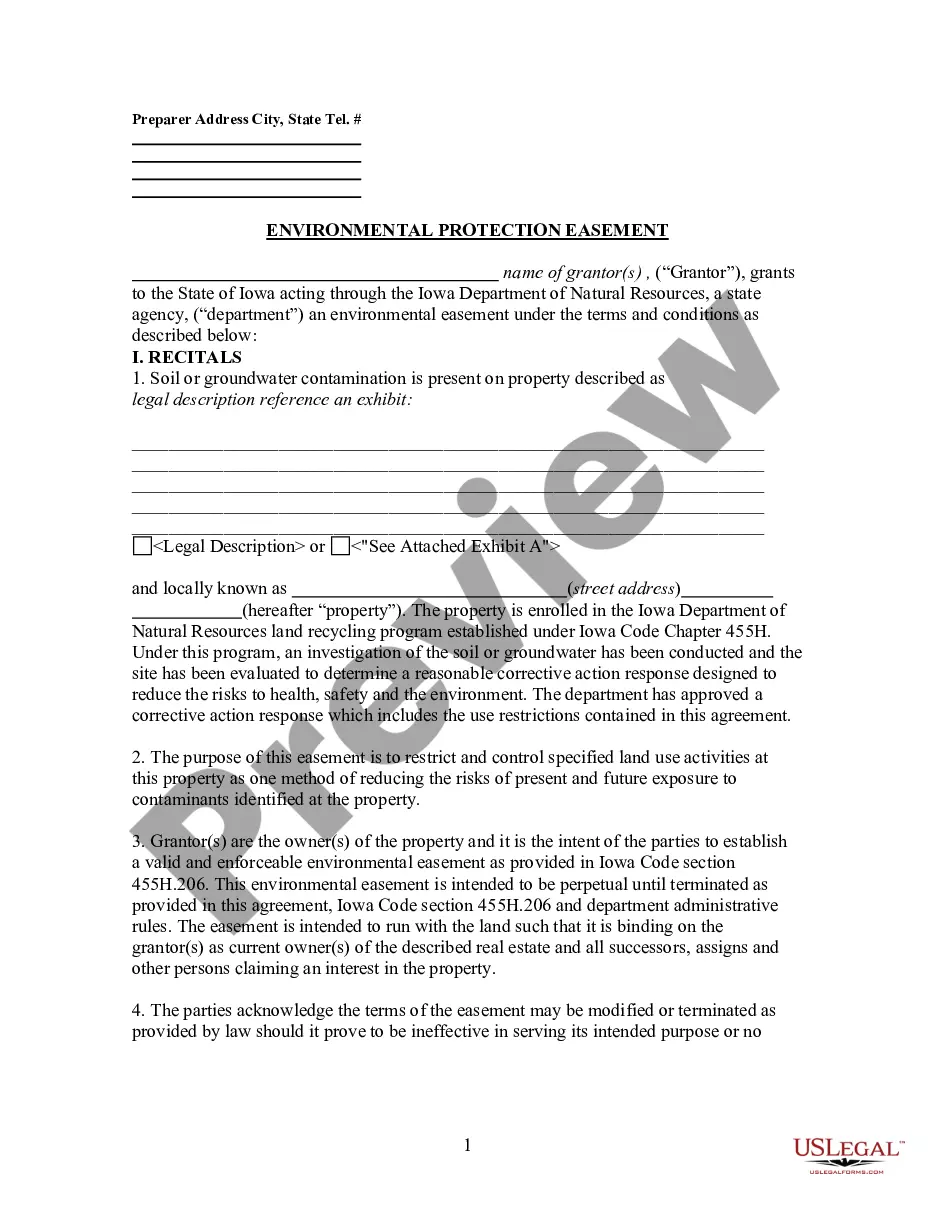
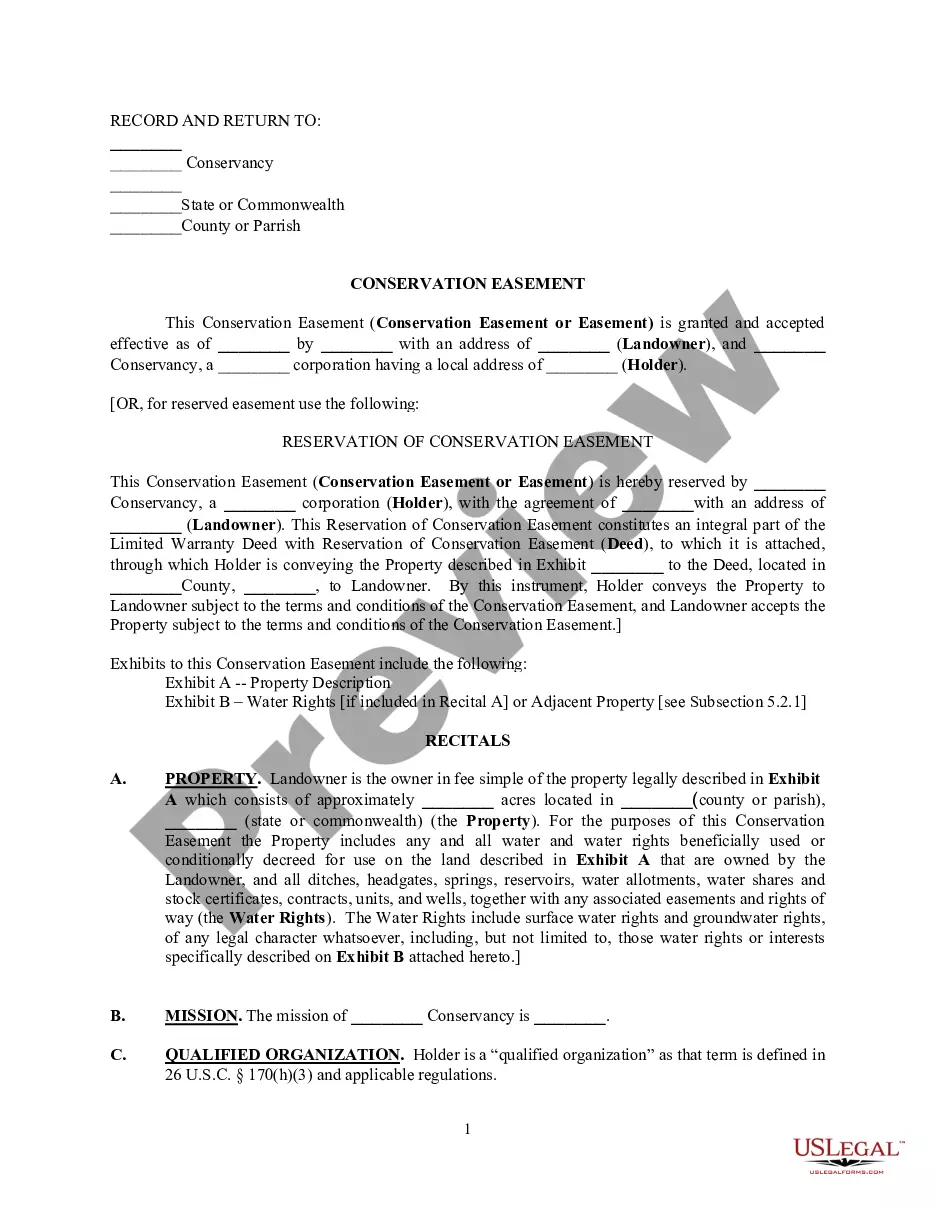
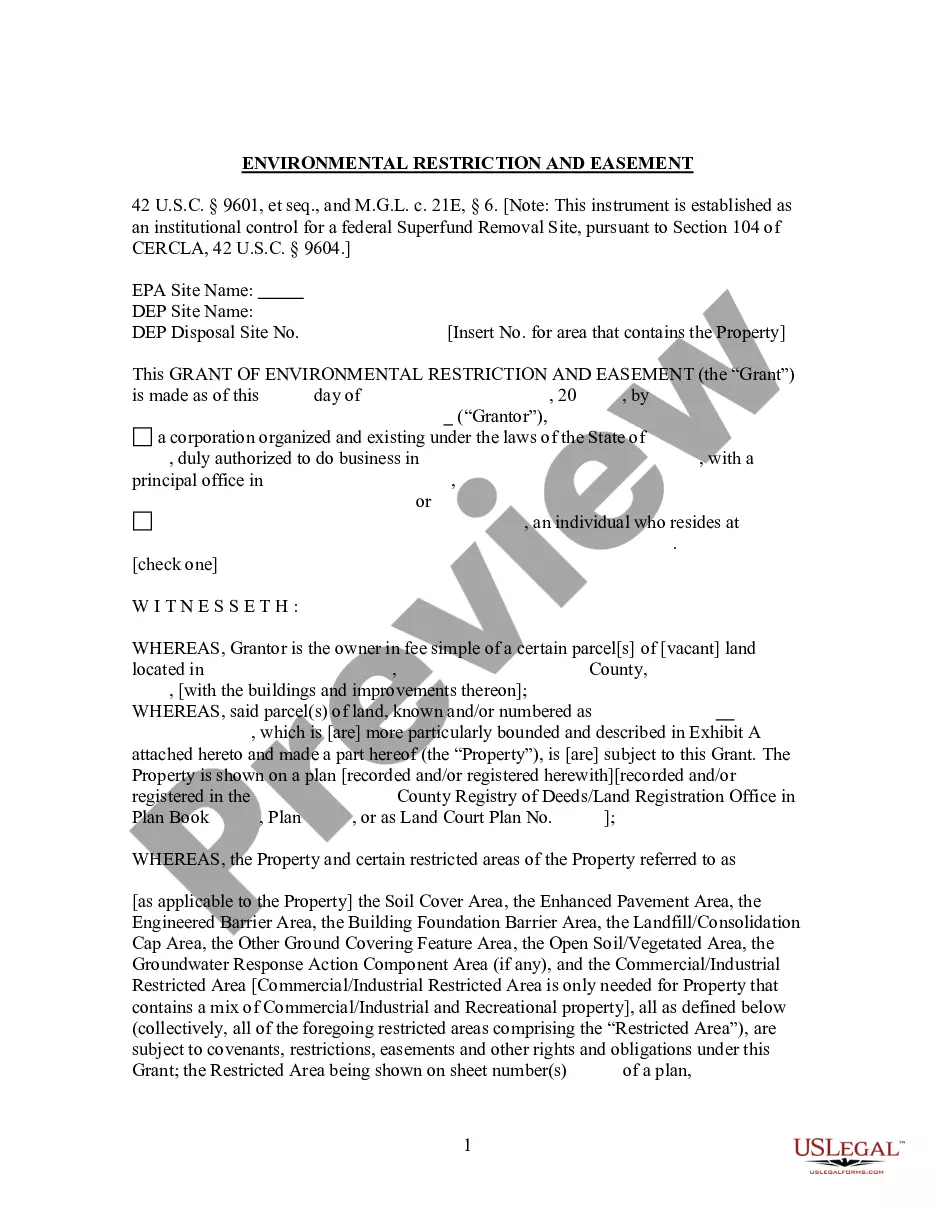
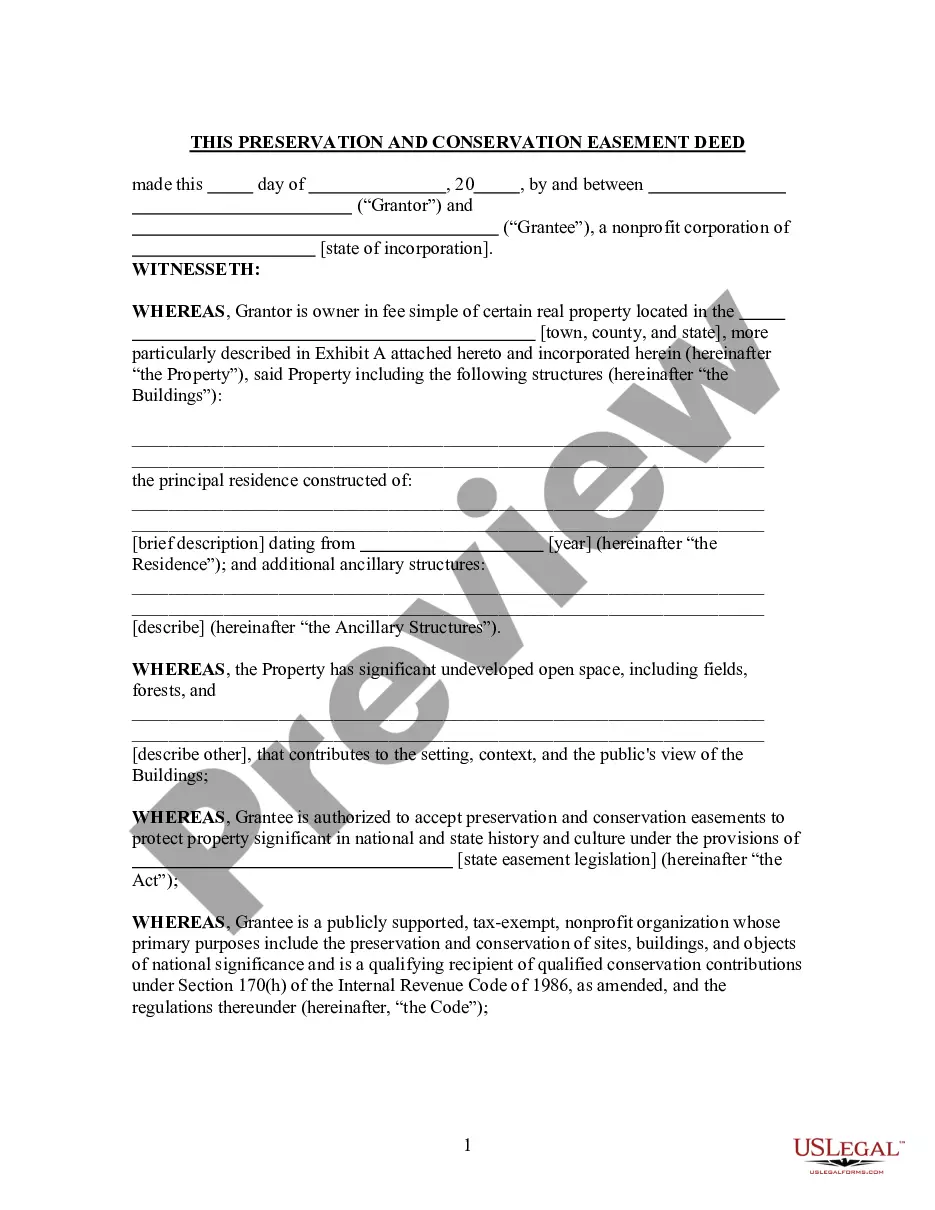
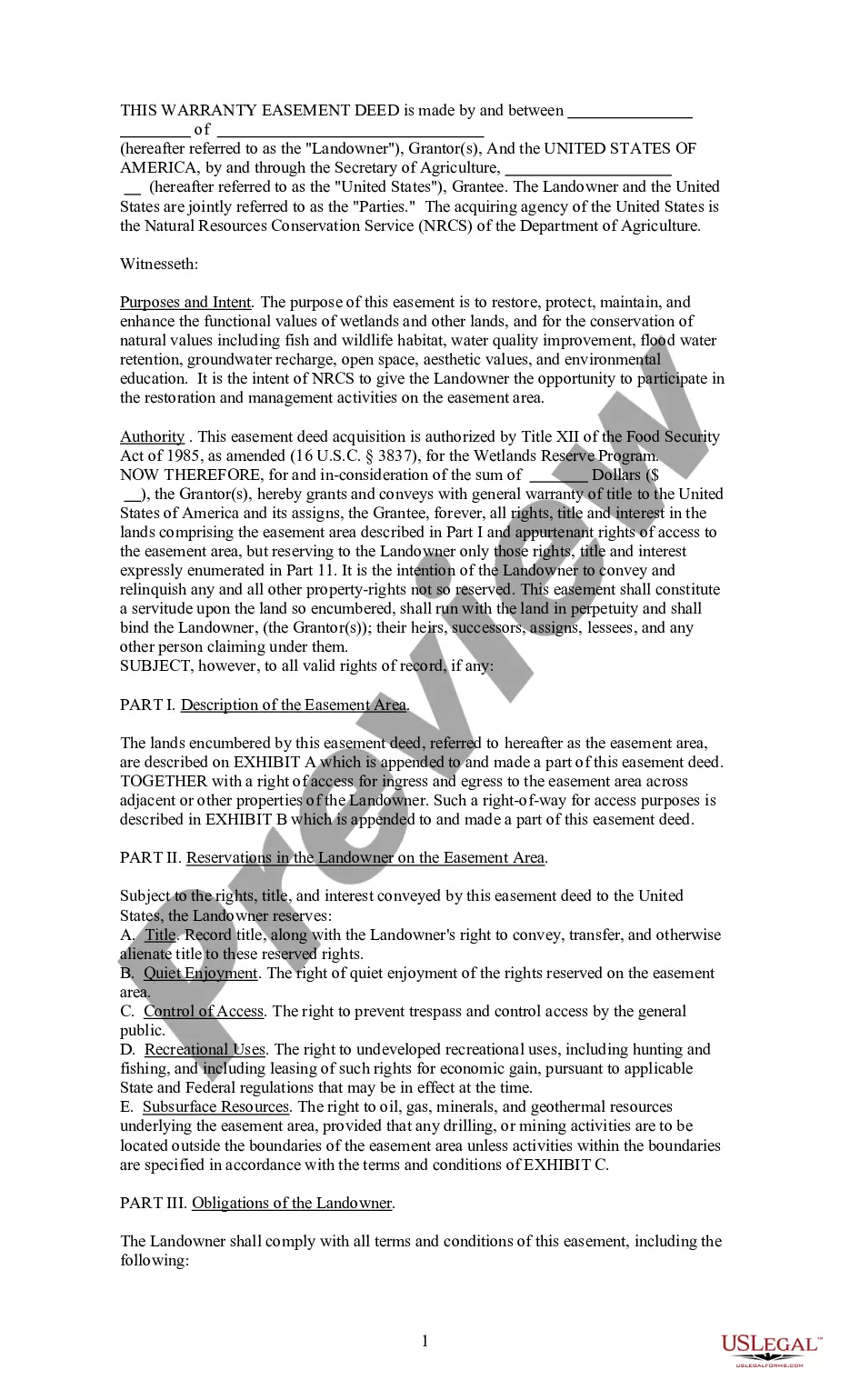
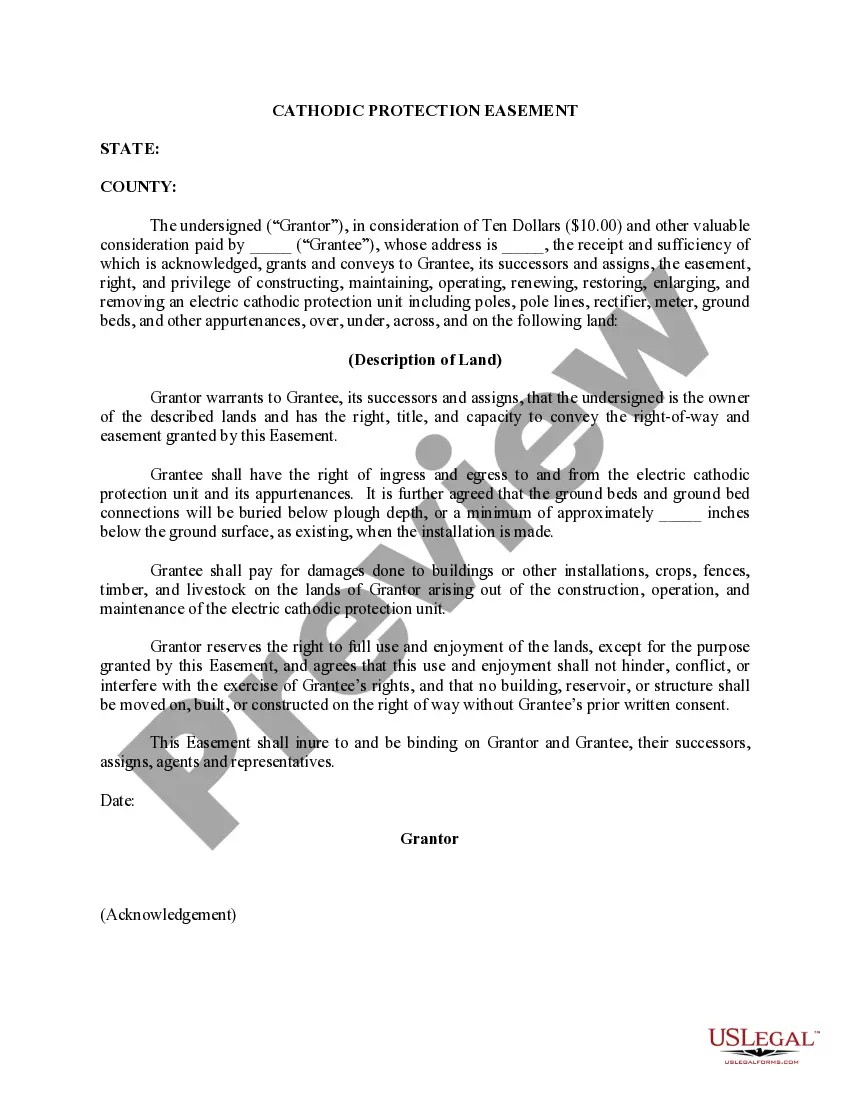
The Environment Protection Easement to Prevent Exposure to Known Property Contaminants is a legal document designed to restrict and control specific land use activities on a property contaminated by hazardous substances. This easement helps mitigate the risks of current and future exposure to these contaminants and establishes a binding agreement that remains in effect even if the property is sold or transferred. It is crucial for property owners to understand how this easement functions, including its implications for land use and environmental protection.
Key components of this form
- Recitals describing the presence of contamination on the property
- Grant of easement outlining the perpetual nature and binding terms
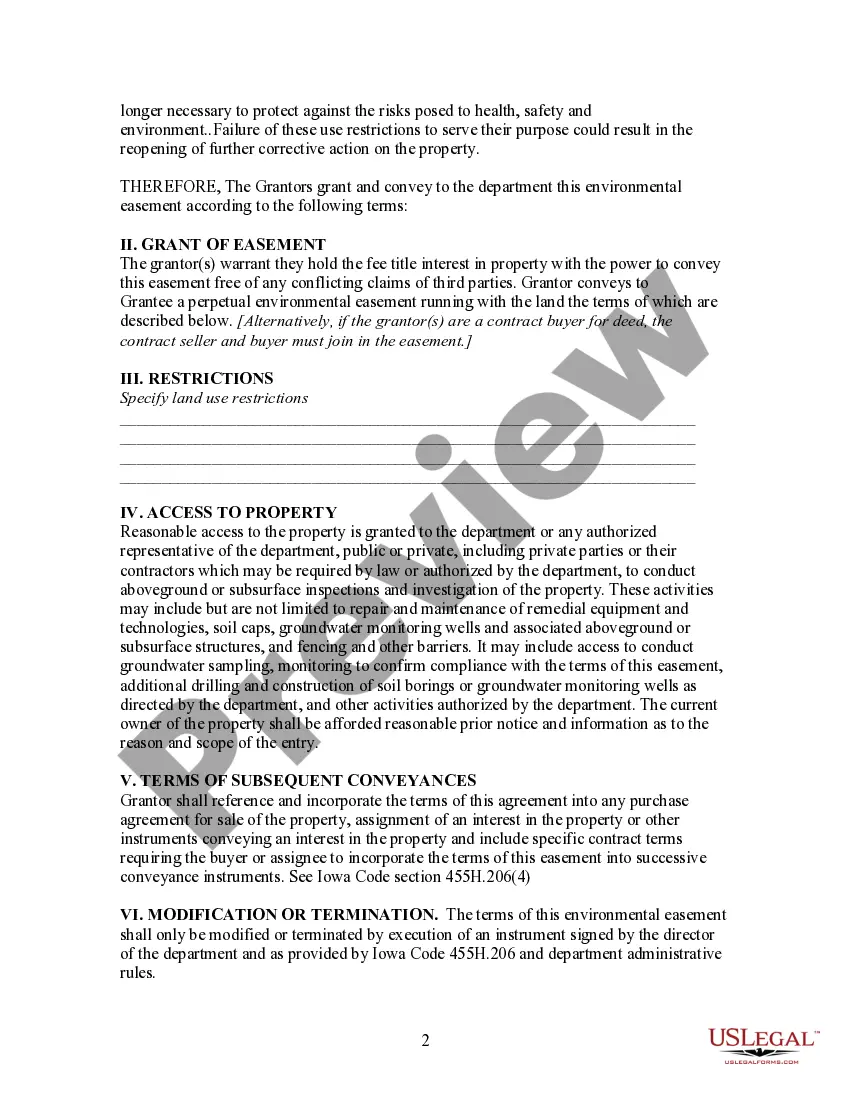
- Restrictions detailing specific land use limitations
- Access provisions for authorized inspections and investigations
- Terms regarding subsequent property conveyance
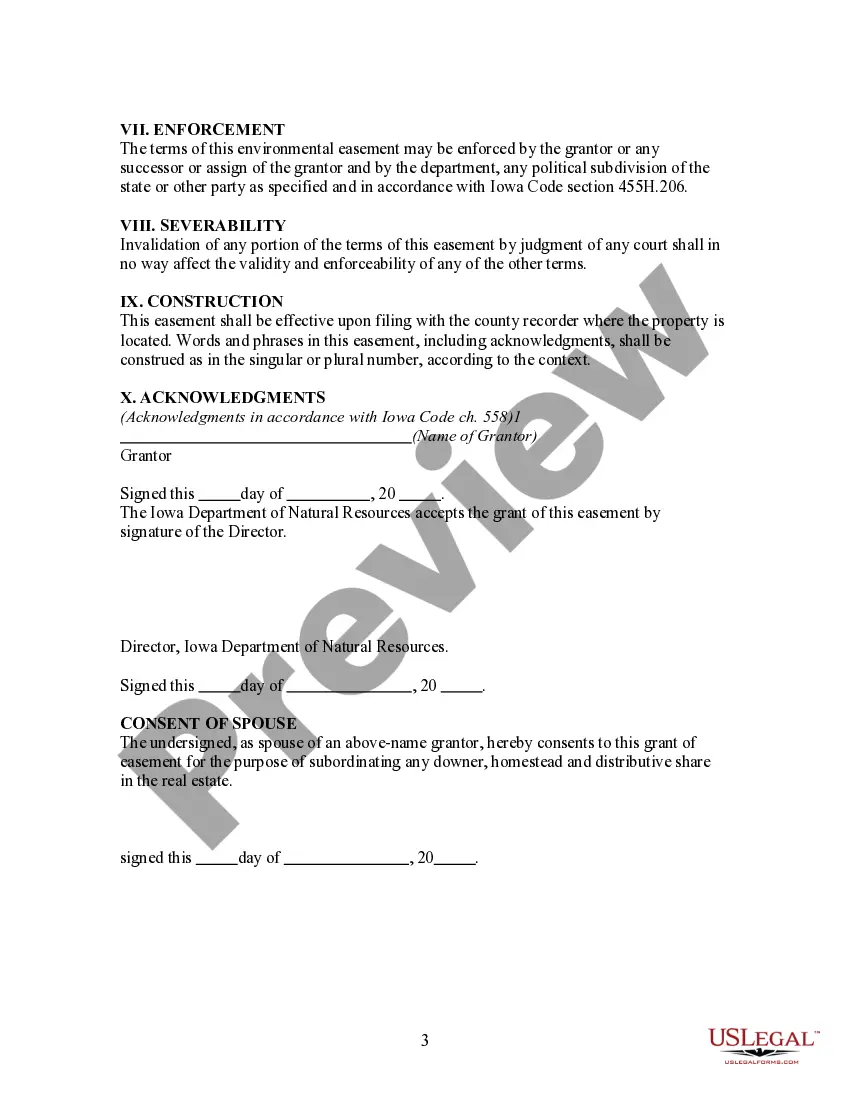
- Modification and termination conditions for the easement
- Enforcement rights for grantors and the department
- Severability clause ensuring other terms remain valid if parts are invalidated
When to use this document
This form should be utilized by property owners when their land is identified as contaminated by hazardous substances, such as soil or groundwater contamination. It is particularly necessary when local or state authorities recommend restrictions to protect human health and the environment. By implementing this easement, property owners can help minimize exposure risks to current and future inhabitants and meet legal obligations under environmental regulations.
Who needs this form
This form is suitable for:
- Property owners aware of existing contamination on their land
- Developers planning to use or sell contaminated properties
- Environmental and legal professionals assisting property owners with compliance
- Government agencies addressing environmental hazards and land use regulations
Completing this form step by step
- Identify the parties involved, including the grantor(s) and grantee.
- Specify the property by including its legal description or referencing an attached exhibit.
- Detail any land use restrictions that need to be enforced under the easement.
- Provide access provisions for inspections and public or private parties as needed.
- Include terms for subsequent conveyances to ensure future buyers are aware of the easement.
- Sign and date the document to finalize the agreement.
Notarization guidance
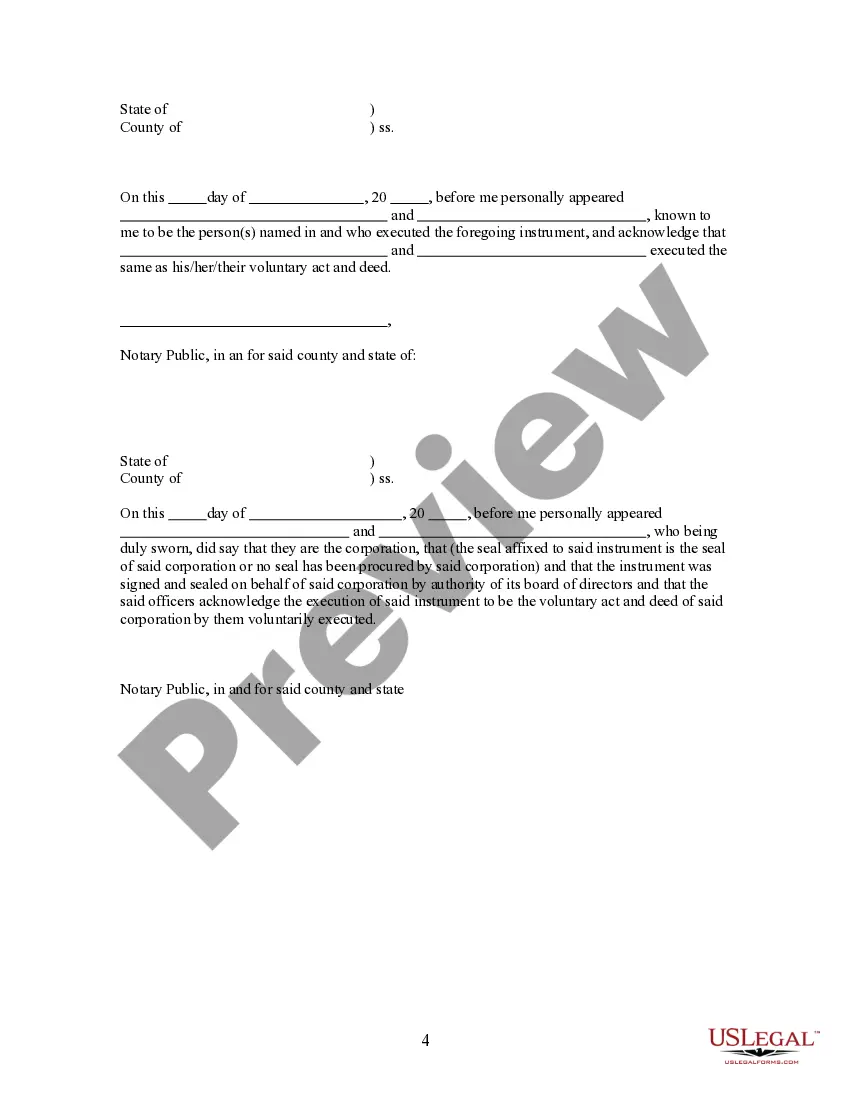
This document requires notarization to meet legal standards. US Legal Forms provides secure online notarization powered by Notarize, allowing you to complete the process through a verified video call, available 24/7.
Get your form ready online
Our built-in tools help you complete, sign, share, and store your documents in one place.
Make edits, fill in missing information, and update formatting in US Legal Forms—just like you would in MS Word.
Download a copy, print it, send it by email, or mail it via USPS—whatever works best for your next step.
Sign and collect signatures with our SignNow integration. Send to multiple recipients, set reminders, and more. Go Premium to unlock E-Sign.
If this form requires notarization, complete it online through a secure video call—no need to meet a notary in person or wait for an appointment.
We protect your documents and personal data by following strict security and privacy standards.

Make edits, fill in missing information, and update formatting in US Legal Forms—just like you would in MS Word.

Download a copy, print it, send it by email, or mail it via USPS—whatever works best for your next step.

Sign and collect signatures with our SignNow integration. Send to multiple recipients, set reminders, and more. Go Premium to unlock E-Sign.

If this form requires notarization, complete it online through a secure video call—no need to meet a notary in person or wait for an appointment.

We protect your documents and personal data by following strict security and privacy standards.
Avoid these common issues
- Failing to adequately describe the contamination or legal description of the property.
- Not clearly outlining the land use restrictions or access provisions.
- Neglecting to include the required signatures from all relevant parties.
- Overlooking the need to reference this easement in any future property sale agreements.
Why complete this form online
- Convenient access: Downloadable forms allow for immediate use without the need for in-person legal consultations.
- Editability: Users can customize the form to fit their specific property and situation easily.
- Reliable templates: Ensure that the forms are drafted by licensed attorneys, providing legal peace of mind.
Looking for another form?

Form popularity
FAQ
An easement is the right to use another person's real property for a specific purpose. There are four ways to create an easement in Iowa: by an express grant or reservation, by prescription, by necessity, and by implication. Solar easements may also be granted in Iowa.
When one of the owners of either the dominant estate which an easement benefits or the servient estate over which the easement runs becomes the owner of both properties, then there is a unity of the two titles, and since an owner does not need an easement over the owner's own property, according to Florida law, the
An easement is a limited right to use another person's land for a stated purpose. Examples of easements include the use of private roads and paths, or the use of a landowner's property to lay railroad tracks or electrical wires.
The party gaining the benefit of the easement is the dominant estate (or dominant tenement), while the party granting the benefit or suffering the burden is the servient estate (or servient tenement). For example, the owner of parcel A holds an easement to use a driveway on parcel B to gain access to A's house.
An easement is a property right that provides its holder with a non-possessory interest on another person's land.If there are only personal individual benefits from an easement the term used is in gross. The majority of easements are affirmative, this means that they authorise the use of another person's land.
An easement is a "nonpossessory" property interest that allows the holder of the easement to have a right of way or use property that they do not own or possess.In contrast, the property owner may continue to use the easement and may exclude everyone except the easement holder from the land.
Easement holders have the right to use the land to their enjoyment as long as it does not place an unreasonable burden on the servient estate. Landowners have the right to make whatever use of the land as long as it doesn't unduly affect the easement.
If an authority has an easement registered over your land, they have the right to access the easement to maintain or repair the easement land or their equipment on the land.
Easements generally survive conveyances and can only be terminated by completion, destruction, or expiration. So, having an easement on a property may have a permanent outcome on the property with rights of the home owner. But not all easements are bad.