Iowa Release of Retainage Request
About this form
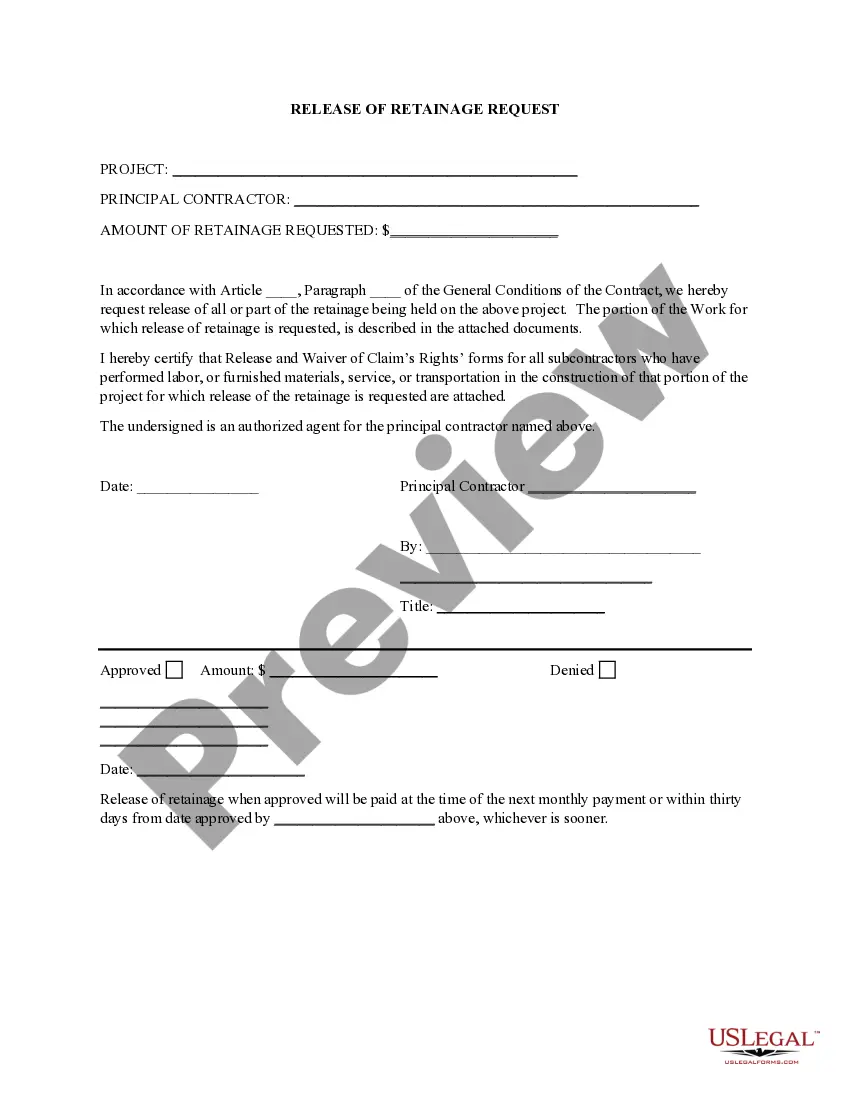
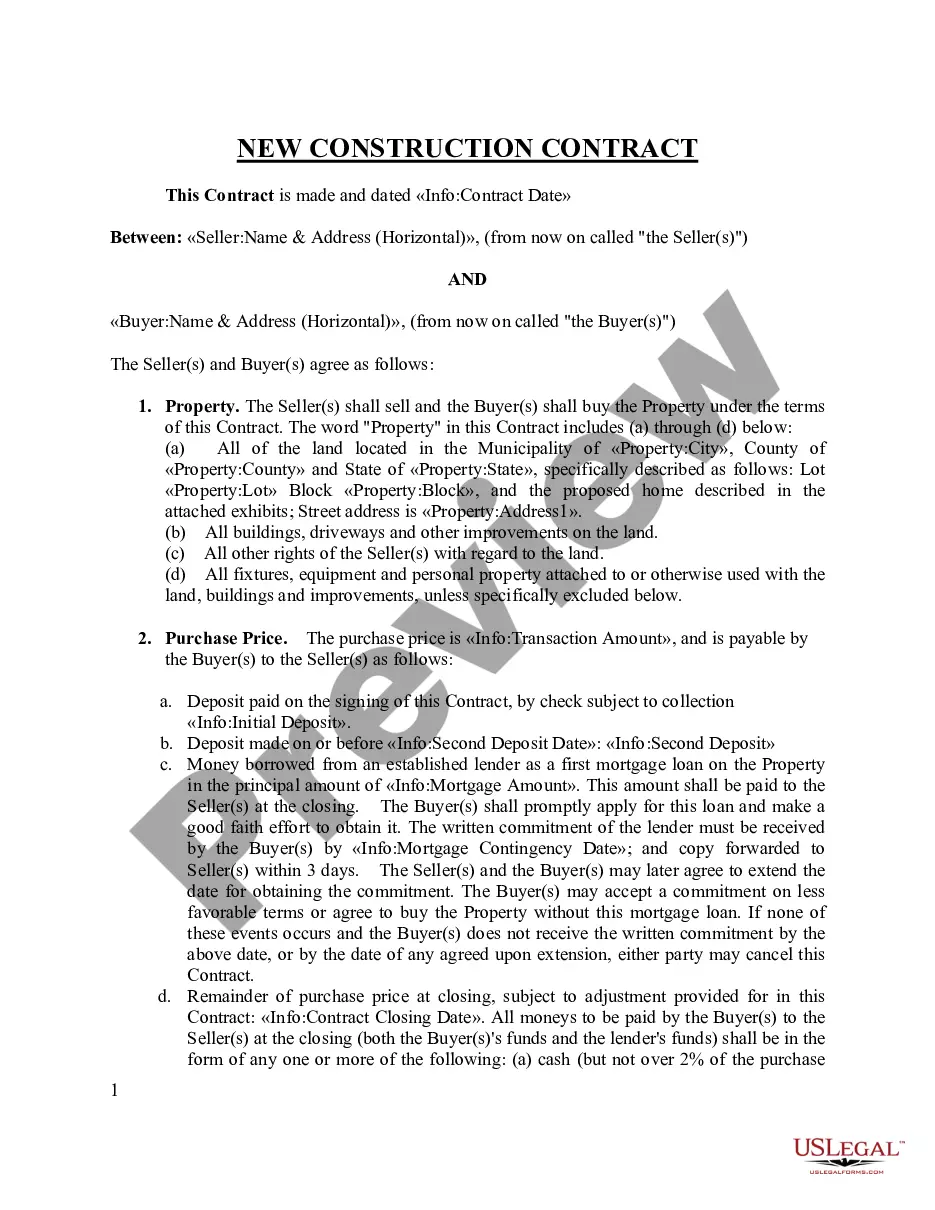
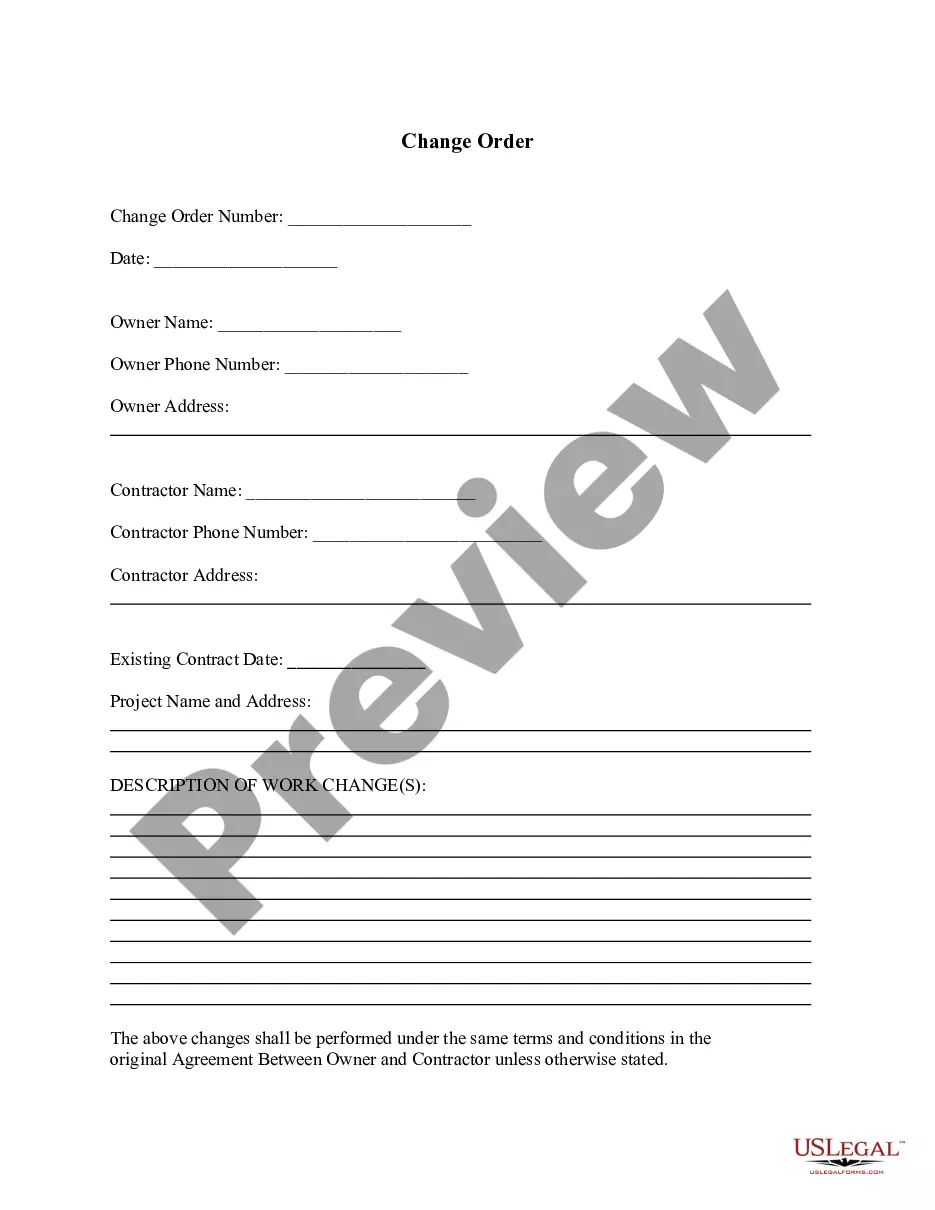
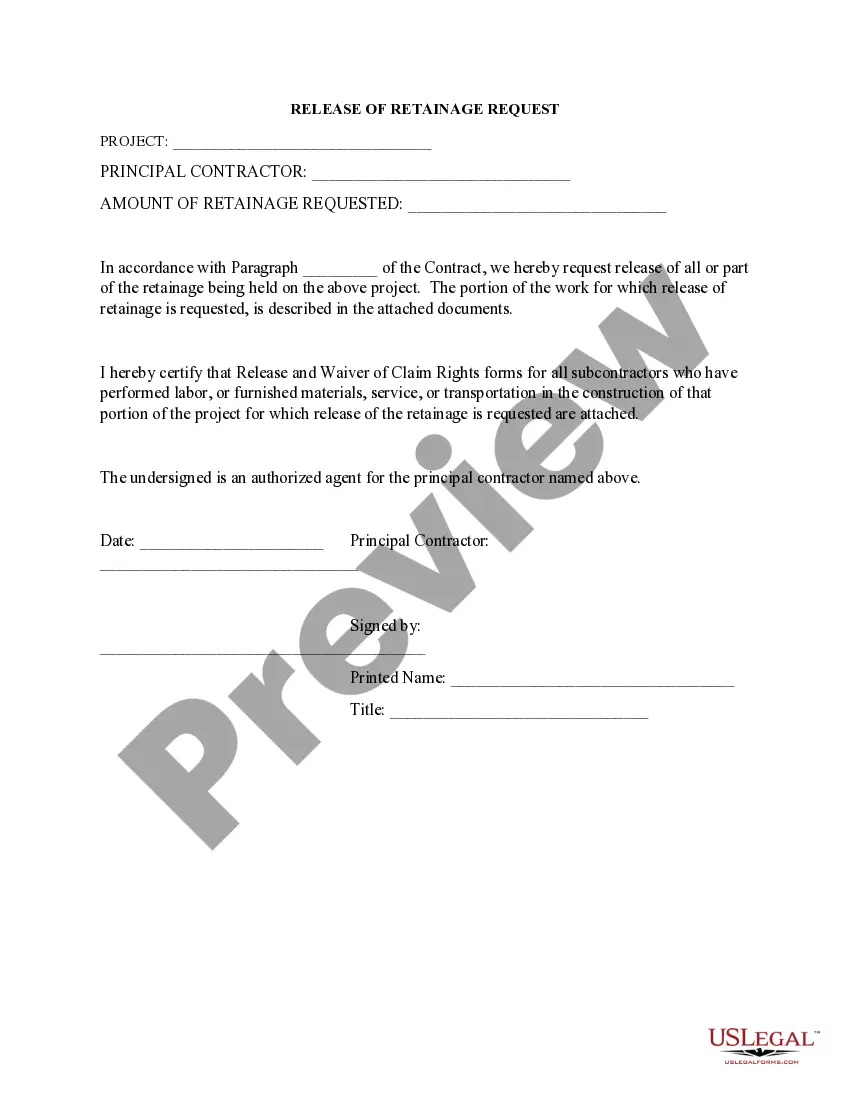
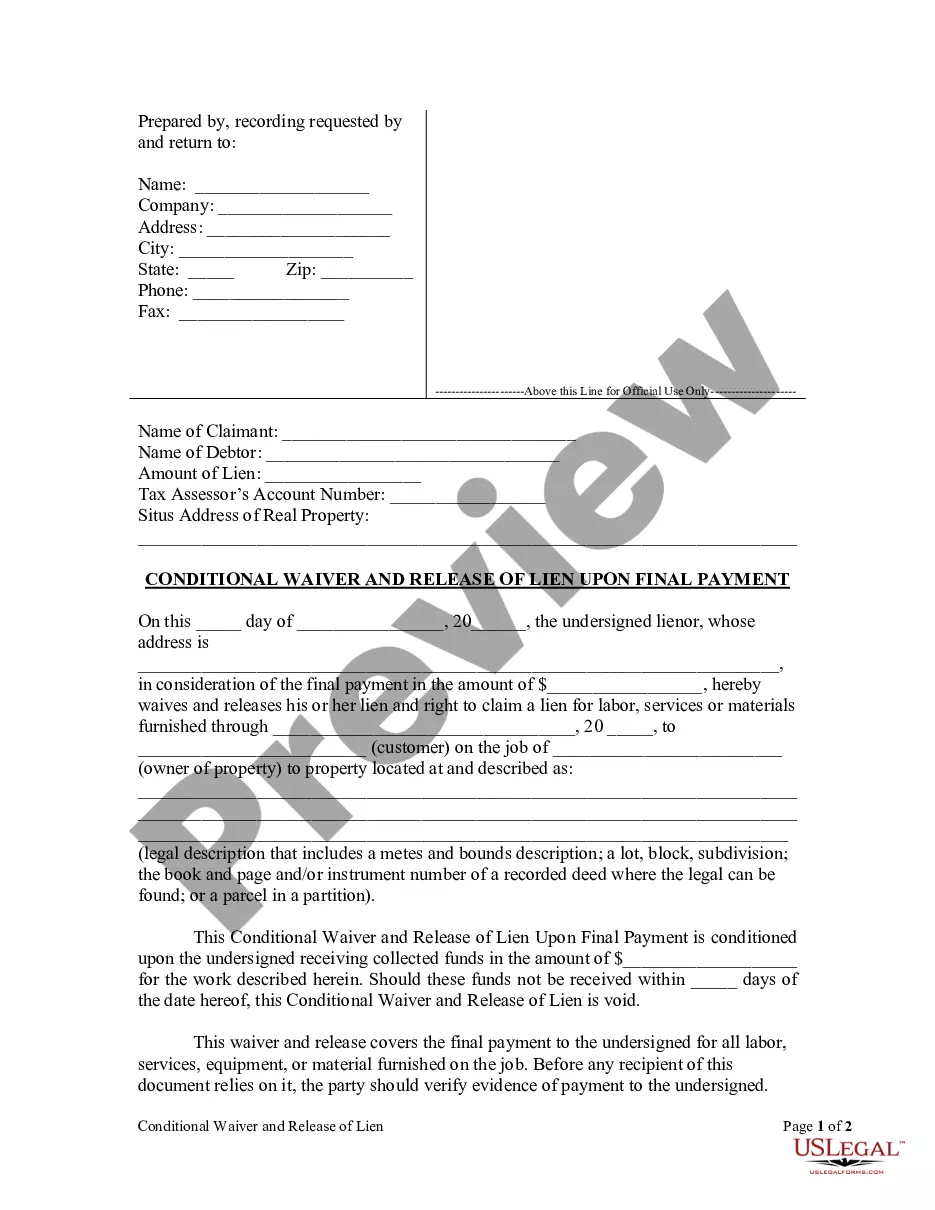
The Release of Retainage Request form is a legal document used in construction projects to request the release of retainage held by a principal contractor. Retainage is typically a percentage of the payment withheld until the completion of a project, ensuring obligations to subcontractors and suppliers are met. This form is essential for contractors seeking to access funds that have been temporarily withheld as part of the contractual agreement.
Key components of this form
- Project details: Captures the specific project for which the retainage is being requested.
- Principal contractor information: Identifies the general contractor responsible for the project.
- Amount of retainage requested: Specifies the dollar value of the retainage being requested for release.
- General Conditions reference: Indicates the contractual clauses governing the retainage request.
- Certification of subcontractor claims: Confirms that all necessary release and waiver forms from subcontractors are attached.
- Approval and denial space: Provides formal acknowledgment of the retainage request by designated authority.

When this form is needed
This form is used when a contractor has completed a portion of work on a project and is requesting the release of the retainage that has been withheld. It is typically used when the contractor believes that all contractual obligations related to the project segment have been satisfied, and they need these funds to sustain cash flow or settle outstanding payments with subcontractors or suppliers.
Intended users of this form
- General contractors: Those who manage the overall construction project.
- Subcontractors: When they have completed their portion of work and need to ensure retainage is released to the general contractor.
- Construction project managers: Individuals overseeing construction operations who facilitate retainage requests.
- Suppliers: Those providing materials or services who may be waiting for payment from general contractors.
Steps to complete this form
- Identify the project: Clearly write the name of the project at the top of the form.
- Fill in principal contractor details: Enter the name and contact information of the principal contractor responsible for the project.
- Specify the retainage amount: State the dollar amount of the retainage you are requesting to be released.
- Reference the contract clauses: Include the relevant article and paragraph numbers from the General Conditions of the Contract.
- Attach necessary documents: Ensure that all required Release and Waiver of Claim's Rights forms are included with the submission.
- Sign and date the request: The authorized agent representing the principal contractor must sign and date the form before submission.
Does this form need to be notarized?
This form does not typically require notarization unless specified by local law. Always check with your legal counsel or local regulations to verify the requirements in your jurisdiction.
Get your form ready online
Our built-in tools help you complete, sign, share, and store your documents in one place.
Make edits, fill in missing information, and update formatting in US Legal Forms—just like you would in MS Word.
Download a copy, print it, send it by email, or mail it via USPS—whatever works best for your next step.
Sign and collect signatures with our SignNow integration. Send to multiple recipients, set reminders, and more. Go Premium to unlock E-Sign.
If this form requires notarization, complete it online through a secure video call—no need to meet a notary in person or wait for an appointment.
We protect your documents and personal data by following strict security and privacy standards.

Make edits, fill in missing information, and update formatting in US Legal Forms—just like you would in MS Word.

Download a copy, print it, send it by email, or mail it via USPS—whatever works best for your next step.

Sign and collect signatures with our SignNow integration. Send to multiple recipients, set reminders, and more. Go Premium to unlock E-Sign.

If this form requires notarization, complete it online through a secure video call—no need to meet a notary in person or wait for an appointment.

We protect your documents and personal data by following strict security and privacy standards.
Mistakes to watch out for
- Failing to attach required subcontractor claims documentation.
- Leaving the project details incomplete or inaccurate.
- Not specifying the correct amount of retainage being requested.
- Missing signatures or dates from the authorized representative.
- Neglecting to reference the correct contract clauses.
Why use this form online
- Convenience: Easily fill out and download the form from anywhere at any time.
- Editability: Make instant changes without the need for printing multiple copies.
- Reliability: Ensure you are using a legally vetted and up-to-date form prepared by licensed attorneys.
Legal use & context
- Enforceable in construction contracts that stipulate retainage terms.
- Helps protect the rights of contractors and subcontractors regarding payment.
- May be subject to state-specific laws regarding the completion of work and payment timelines.
Key takeaways
- The Release of Retainage Request form is crucial for accessing withheld funds in construction projects.
- Carefully follow the instructions to ensure accurate and complete submissions.
- Consult local laws to ensure compliance with any specific regional requirements.
Looking for another form?

Form popularity
FAQ
The city must hold the retainage for a period of 30 days after the completion and final acceptance of the improvement. If at the end of the 30-day period claims are on file, the city shall continue to retain from the unpaid funds a sum equal to double the total amount of all claims on file.
An action arising from or related to: residential construction: 10 years; any other kind of improvement to real property: 8 years after the date on which the act or omission of the defendant alleged to have been the cause of the injury or death.
573.2 Public improvements ? bond ? waiver and remedies. The bond may also be required when the contract price does not equal that amount.
Iowa has a two-year general statute of limitations for injuries to persons, ?whether based on contract or tort.? See Iowa Code § 614.1(2). But, two limitation periods typically apply more specifically to construction defect claims in Iowa.
An itemization of the labor or materials yet to be provided, or the reason that the request for release of retained funds is denied, shall be provided to the contractor in writing within thirty calendar days of the receipt of the request for release of retained funds. e.
Statutes of Limitation in Iowa: At a Glance Code SectionIowa Code Annotated (I.C.A.) § 614 et seq.Collection of RentsFive years (I.C.A. § 614.1(5)(b))ContractsWritten: 10 years (I.C.A. § 614.1(5)) Oral: Five years (I.C.A. § 614.1(4))Collection of Debt on AccountFive years (I.C.A. § 614.1(5)(b))7 more rows
Retainage is a percentage of the contract amount that is held until a specific date after the completion of the work. You release retainage by creating a voucher pay item with a Pay Status of A (Available to Pay) for the amount that you want to release. The retainage amount is also referred to as holdback.
Accounting Treatment The client, who owes retainage to the contractor, records retainage as a liability. For example, if a contractor works on a $100,000 project with a ten percent retainage, then they will record $90,000 as accounts receivable and $10,000 as retainage due.