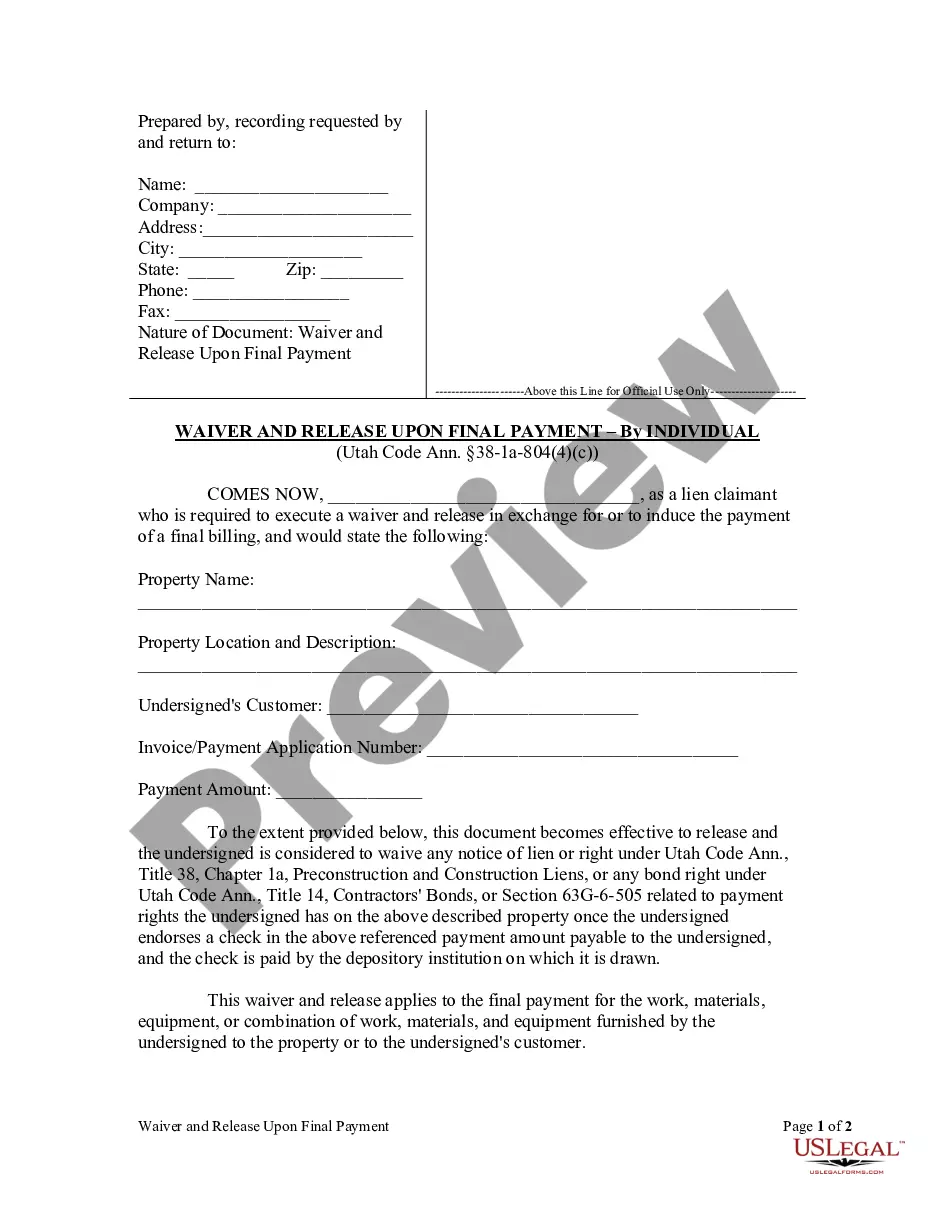
Hawaii Motion For Discovery
About this form
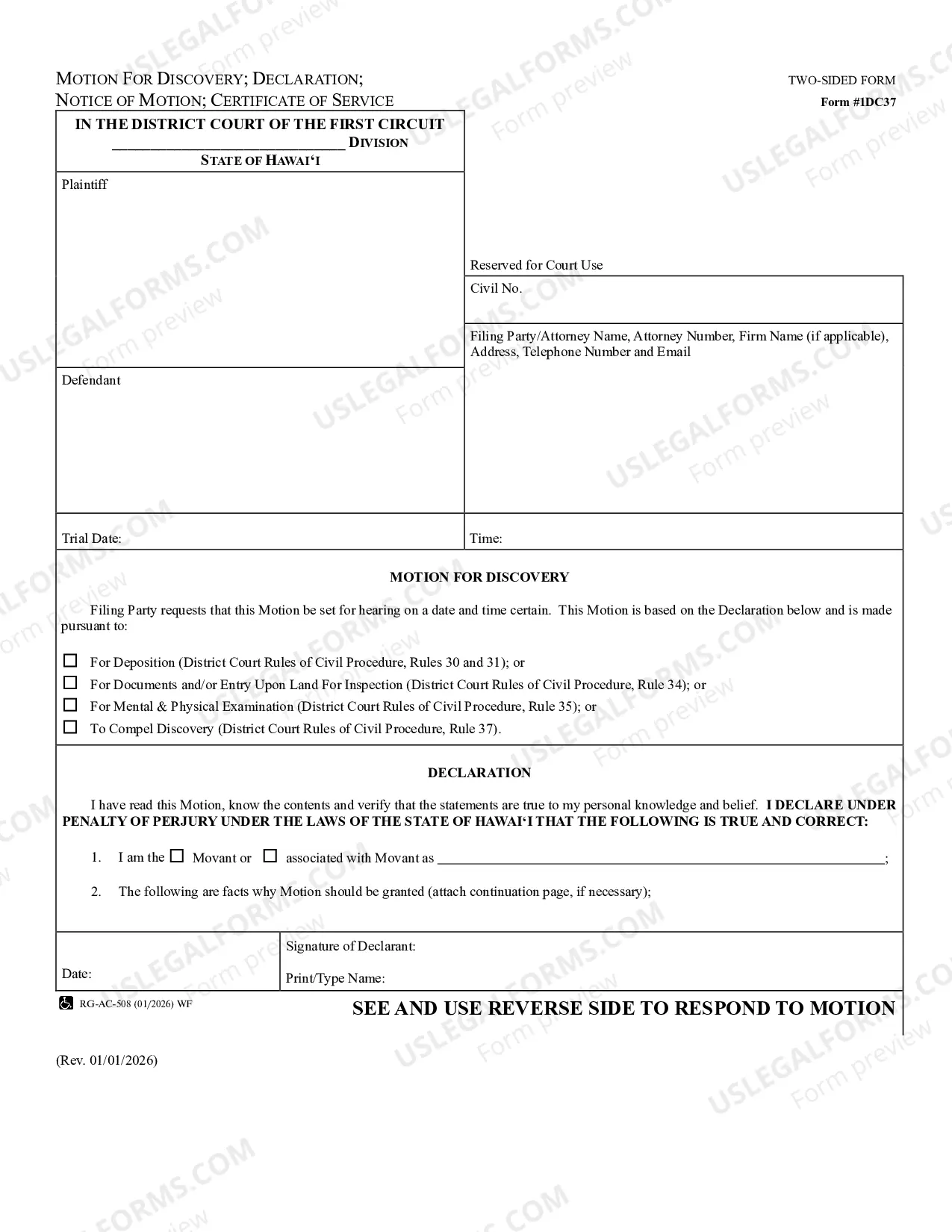
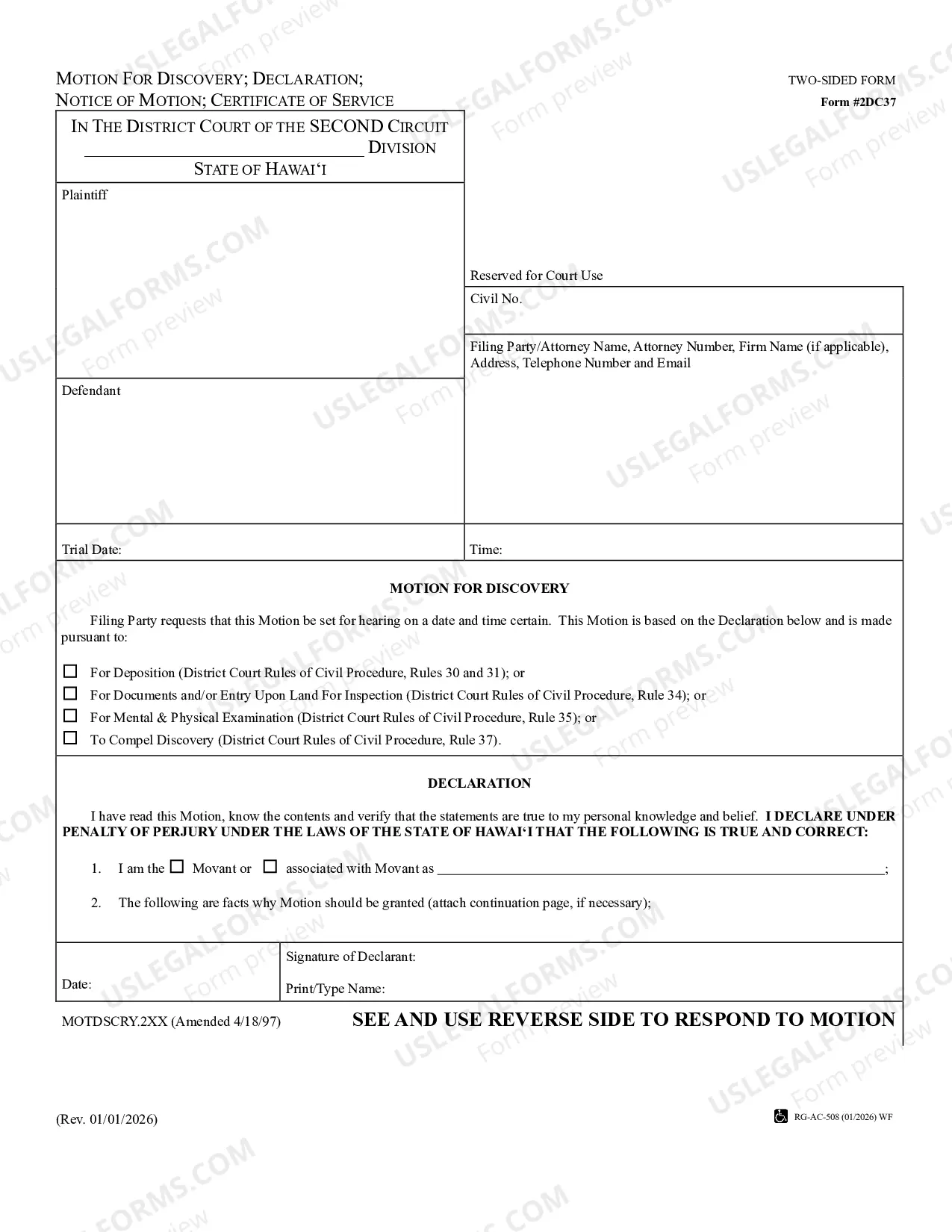
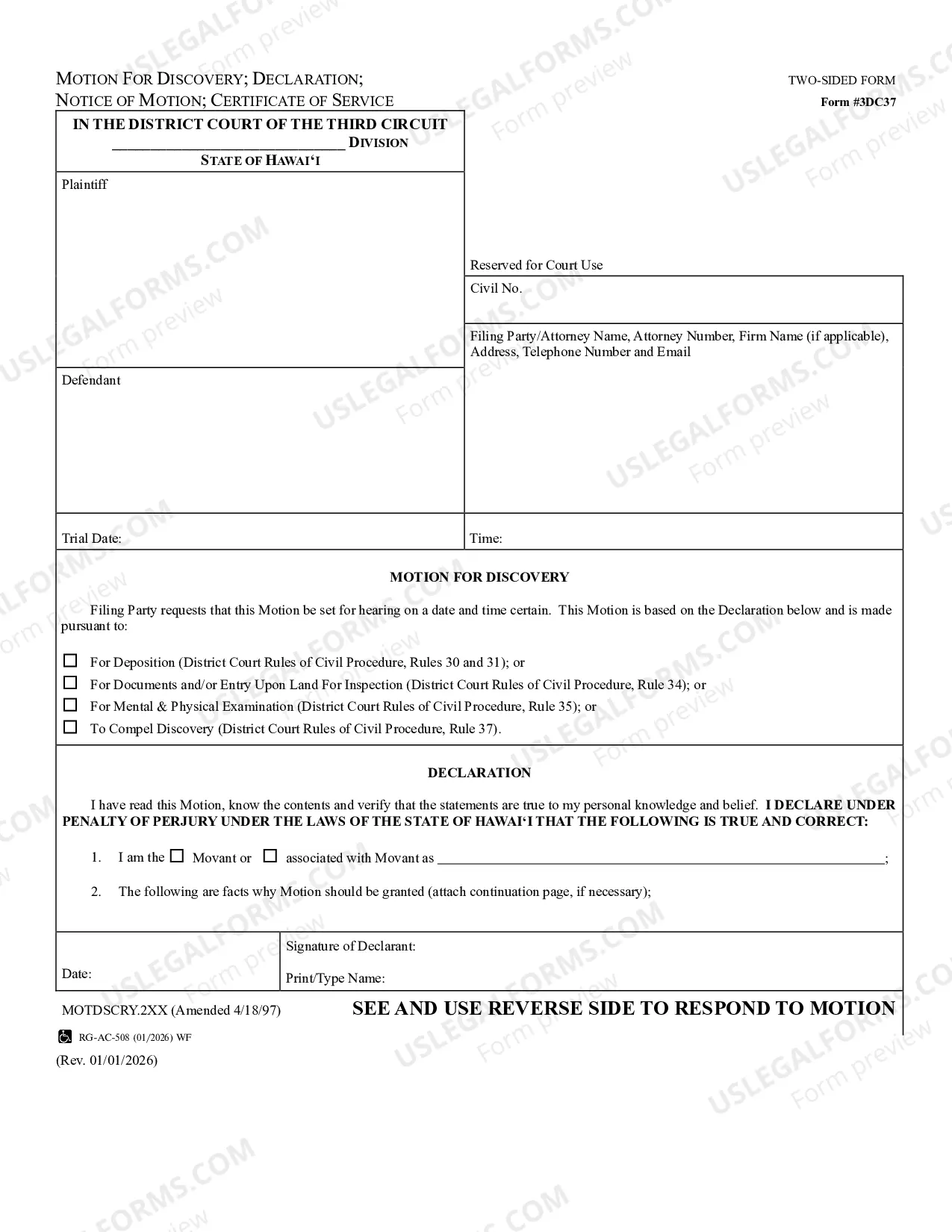
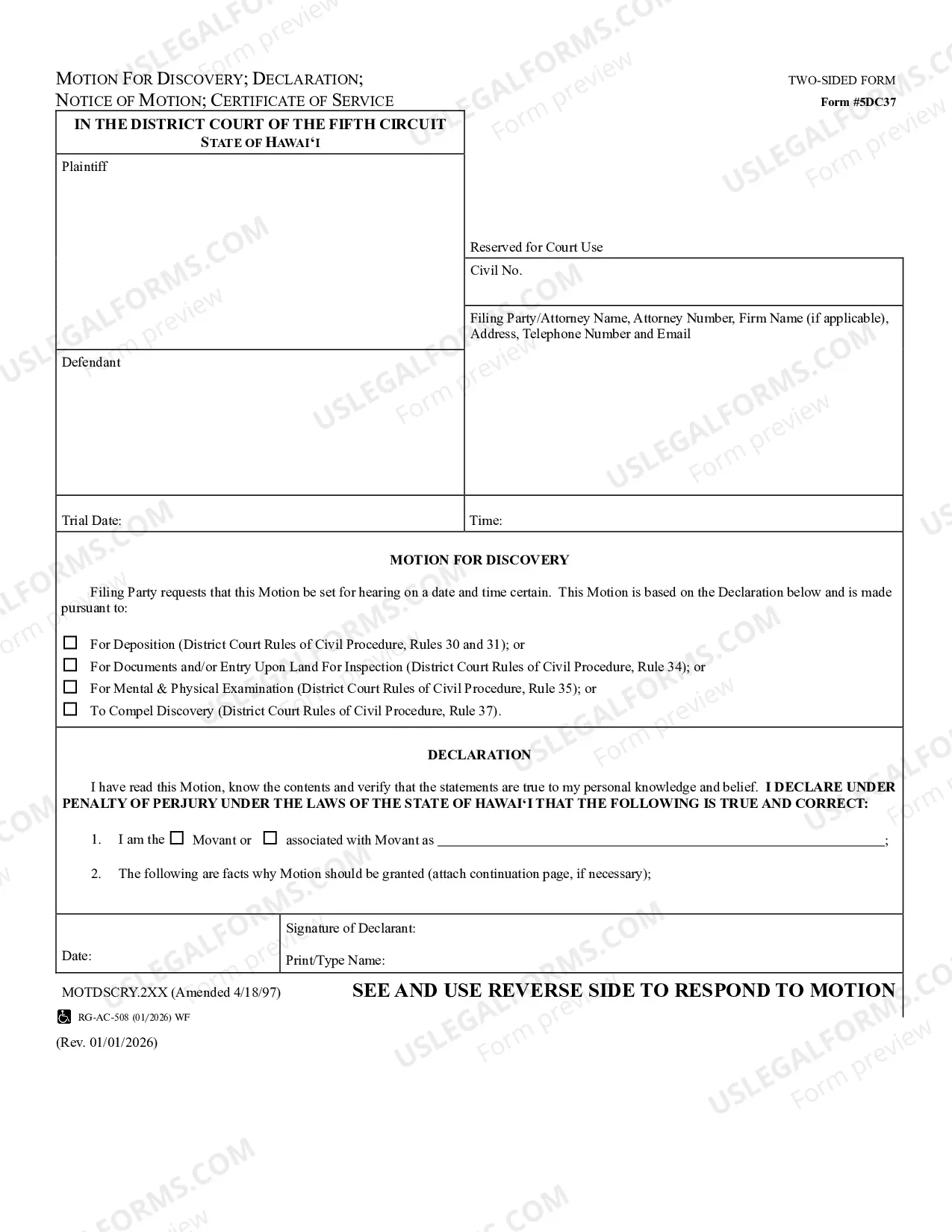
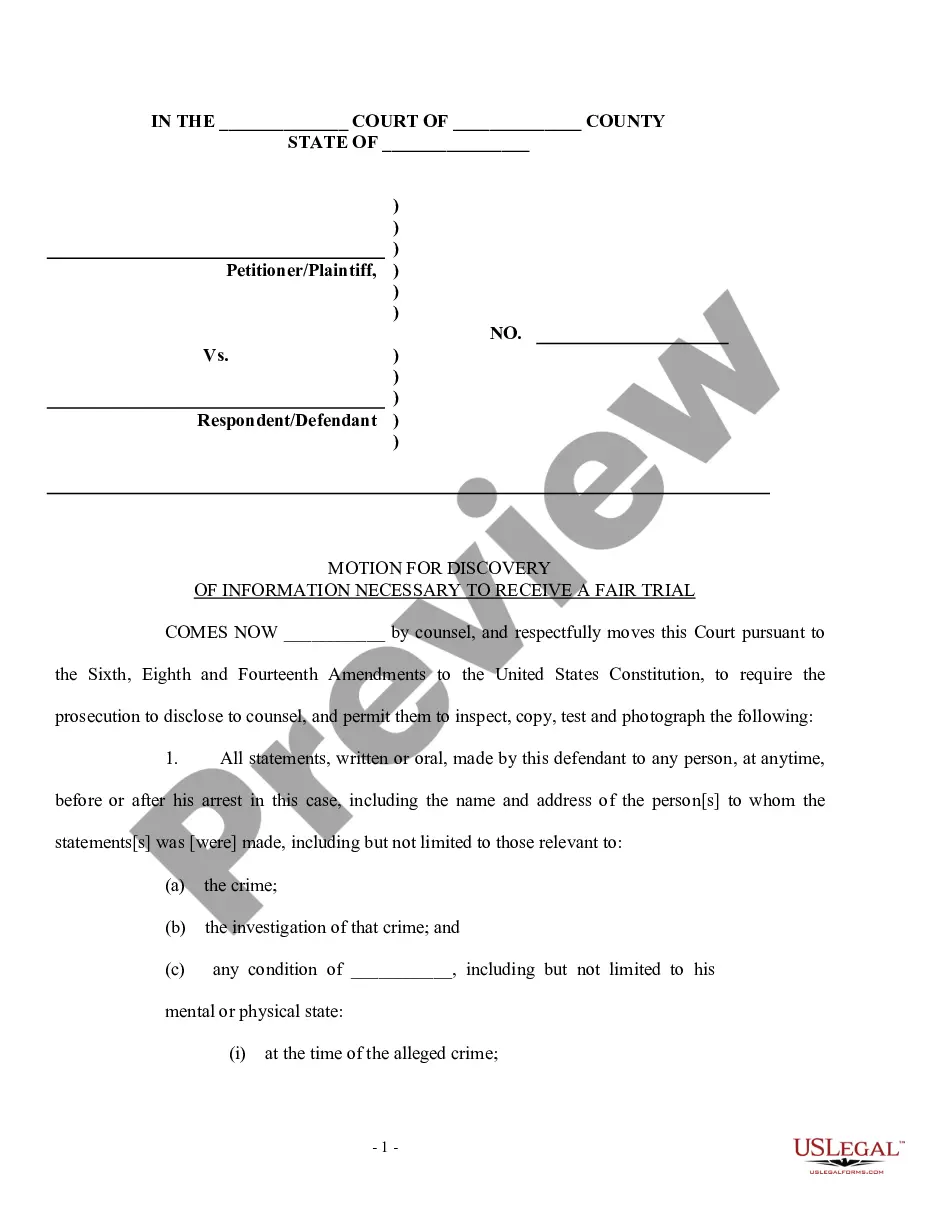
The Motion for Discovery is a legal document used in civil court proceedings to request the disclosure of evidence or information relevant to a case. This form is essential for engaging in the discovery process, allowing parties to obtain crucial documentation, witness statements, and other materials that may affect the outcome of a trial. It differs from other legal motions in that it is specifically focused on gathering information as part of legal proceedings.
Main sections of this form
- Filing Party Information: Section to include the names, contact details, and attorney information of the plaintiff and defendant.
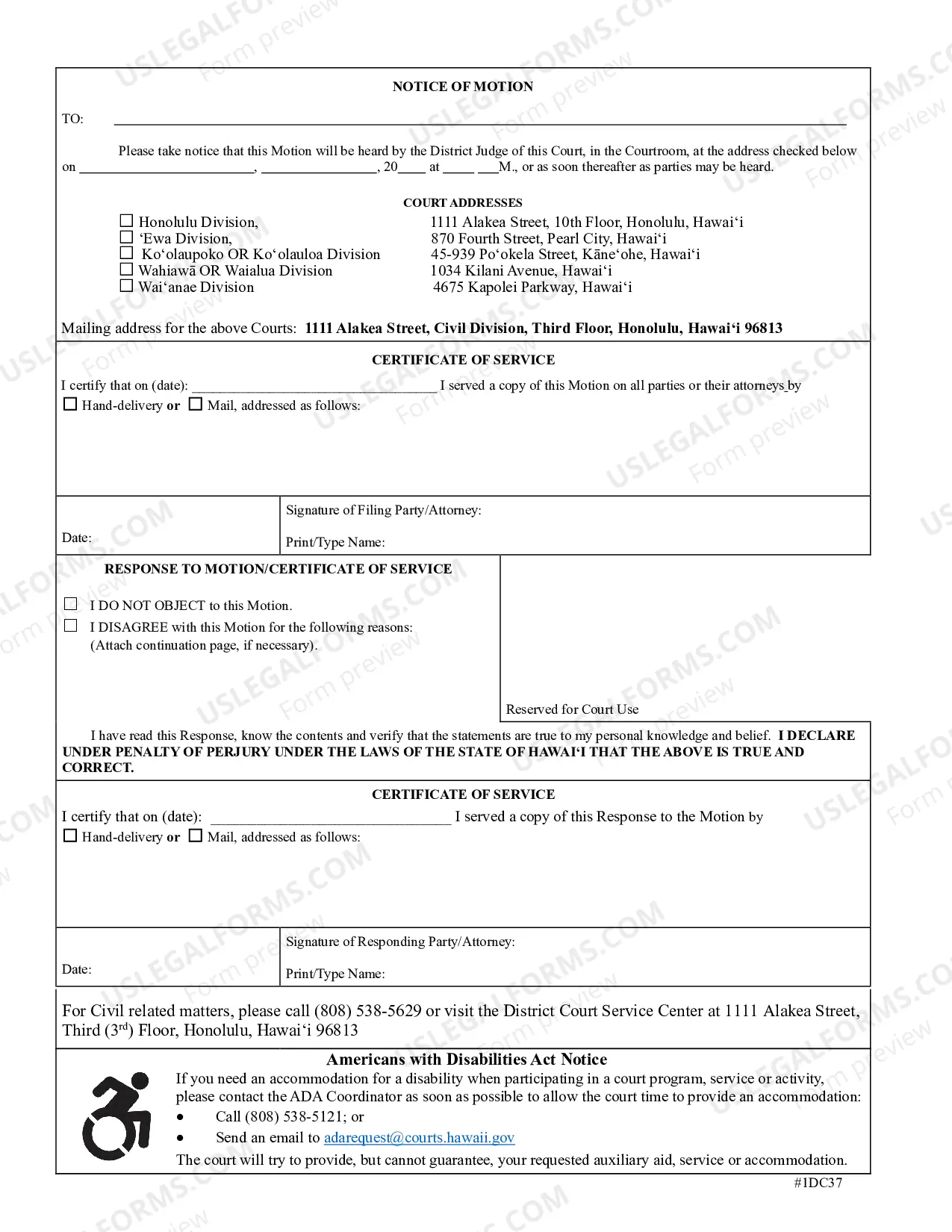
- Notice of Motion: Specifies when and where the motion will be heard.
- Declaration: An affidavit where the filing party verifies the truth of the motion's content.
- Request for Discovery: Seeks specific types of discovery such as depositions, documents, or examinations.
- Certificate of Service: Confirms that all parties have been notified about the motion.
Common use cases
This form should be used when a party in a civil lawsuit needs to request specific information or documents from another party to build their case. Common scenarios for using the Motion for Discovery include when one party believes that the other has evidence that is critical for trial, when seeking records that could reveal relevant facts, or when there is a need to compel the other party to comply with discovery requests.
Who should use this form
- Individuals involved in a civil lawsuit in the District Court of Hawaiʻi.
- Attorneys representing clients in matters requiring evidence disclosure.
- Parties needing to gather information for depositions, document requests, or inspections.
How to prepare this document
- Identify and fill in the information for all parties involved, including names and contact details.
- Select the appropriate type of discovery being requested (depositions, documents, etc.).
- Complete the declaration section, confirming the accuracy of the motion's content.
- Fill in the details for the notice of motion, including the hearing date, time, and location.
- Sign and date the form, ensuring it is served to all relevant parties in compliance with court rules.
Is notarization required?
Notarization is generally not required for this form. However, certain states or situations might demand it. You can complete notarization online through US Legal Forms, powered by Notarize, using a verified video call available anytime.
Get your form ready online
Our built-in tools help you complete, sign, share, and store your documents in one place.
Make edits, fill in missing information, and update formatting in US Legal Forms—just like you would in MS Word.
Download a copy, print it, send it by email, or mail it via USPS—whatever works best for your next step.
Sign and collect signatures with our SignNow integration. Send to multiple recipients, set reminders, and more. Go Premium to unlock E-Sign.
If this form requires notarization, complete it online through a secure video call—no need to meet a notary in person or wait for an appointment.
We protect your documents and personal data by following strict security and privacy standards.

Make edits, fill in missing information, and update formatting in US Legal Forms—just like you would in MS Word.

Download a copy, print it, send it by email, or mail it via USPS—whatever works best for your next step.

Sign and collect signatures with our SignNow integration. Send to multiple recipients, set reminders, and more. Go Premium to unlock E-Sign.

If this form requires notarization, complete it online through a secure video call—no need to meet a notary in person or wait for an appointment.

We protect your documents and personal data by following strict security and privacy standards.
Typical mistakes to avoid
- Failing to provide complete contact information for all parties involved.
- Not specifying the type of discovery being requested properly.
- Omitting important details in the declaration that could support the motion.
- Neglecting to serve the motion to all relevant parties.
Benefits of using this form online
- Convenient access to a legally vetted form without the need for a physical visit to a law office.
- Editable format that allows users to tailor the document to their specific case needs.
- Assurance of compliance with current legal standards and requirements.
Legal use & context
- This motion is crucial in civil litigation and helps parties gather adequate evidence for trial.
- Failure to comply with discovery requests can lead to sanctions and adversely affect your case.
Summary of main points
- The Motion For Discovery is an essential tool for obtaining evidence in civil cases.
- Completing the form accurately is vital to avoid delays in court proceedings.
- Ensure compliance with Hawaiʻi specific rules regarding discovery when using this form.
Looking for another form?

Form popularity
FAQ
Rule 7 in Hawaii pertains to the filing and service of motions and other papers in legal proceedings. This rule outlines the necessary procedures and relevant timelines for submitting motions, including a Hawaii Motion For Discovery. Familiarity with Rule 7 can streamline your legal processes and increase your chances of successfully obtaining critical information.
A discovery motion is a formal request to the court to compel the opposing party to provide information or documents that are essential for your case. In a Hawaii Motion For Discovery, this process is crucial to ensure transparency and access to relevant evidence. Effectively filing such motions can help you receive the information you need to solidify your legal strategy.
Bill 7 in Hawaii refers to a legislative measure that focuses on specific policies impacting community health and safety. Its relevance may come into play during legal cases related to public health issues. Understanding the implications of such bills can help in preparing arguments and may indirectly inform your Hawaii Motion For Discovery.
The four main types of discovery are interrogatories, requests for production, requests for admission, and depositions. Each type plays a critical role in gathering evidence during a case, enhancing your ability to present strong, factual arguments, especially in a Hawaii Motion For Discovery. Utilizing these tools effectively can significantly impact the outcome of your legal proceedings.
While this question may not seem directly related to a Hawaii Motion For Discovery, the #1 cause of death in Hawaii is heart disease. Knowledge of such statistics can be significant in personal injury cases involving medical conditions. When exploring legal matters, especially health-related cases, an accurate understanding of relevant data can be crucial.
Rule 11 in Hawaii is a procedural rule that mandates attorneys to sign all pleadings, motions, or legal documents, ensuring they are filed in good faith. It prohibits filing frivolous claims or defenses, thus promoting a fair legal process. Understanding Rule 11 is vital, especially when filing a Hawaii Motion For Discovery, as adherence can prevent penalties or the dismissal of your filings.
In the context of a Hawaii Motion For Discovery, examples of discovery motions include requests for admissions, interrogatories, and motions to compel. These motions aim to obtain necessary information and evidence from the opposing party to strengthen your case. By understanding these motions, you can effectively gather evidence and prepare for trial.
A discovery procedure refers to the formal processes used to gather evidence in a legal case. This includes the submission of initial disclosures, interrogatories, document requests, and depositions. Understanding this procedure ensures that you properly handle your Hawaii Motion For Discovery, thereby allowing you to gather necessary information for your case.
The four key steps of discovery include preparing initial disclosures, serving written discovery requests, conducting depositions, and reviewing evidence. Initially, both parties share relevant information. Next, written requests gather further details, followed by depositions where testimony is obtained. These steps are vital for a successful Hawaii Motion For Discovery outcome.
To file a motion, you need to prepare a written document that outlines your request and includes supporting evidence. This document should clearly state the basis for your motion and any requested action, along with an appropriate caption and signatures. When filing a Hawaii Motion For Discovery, ensure compliance with court rules to avoid delays.