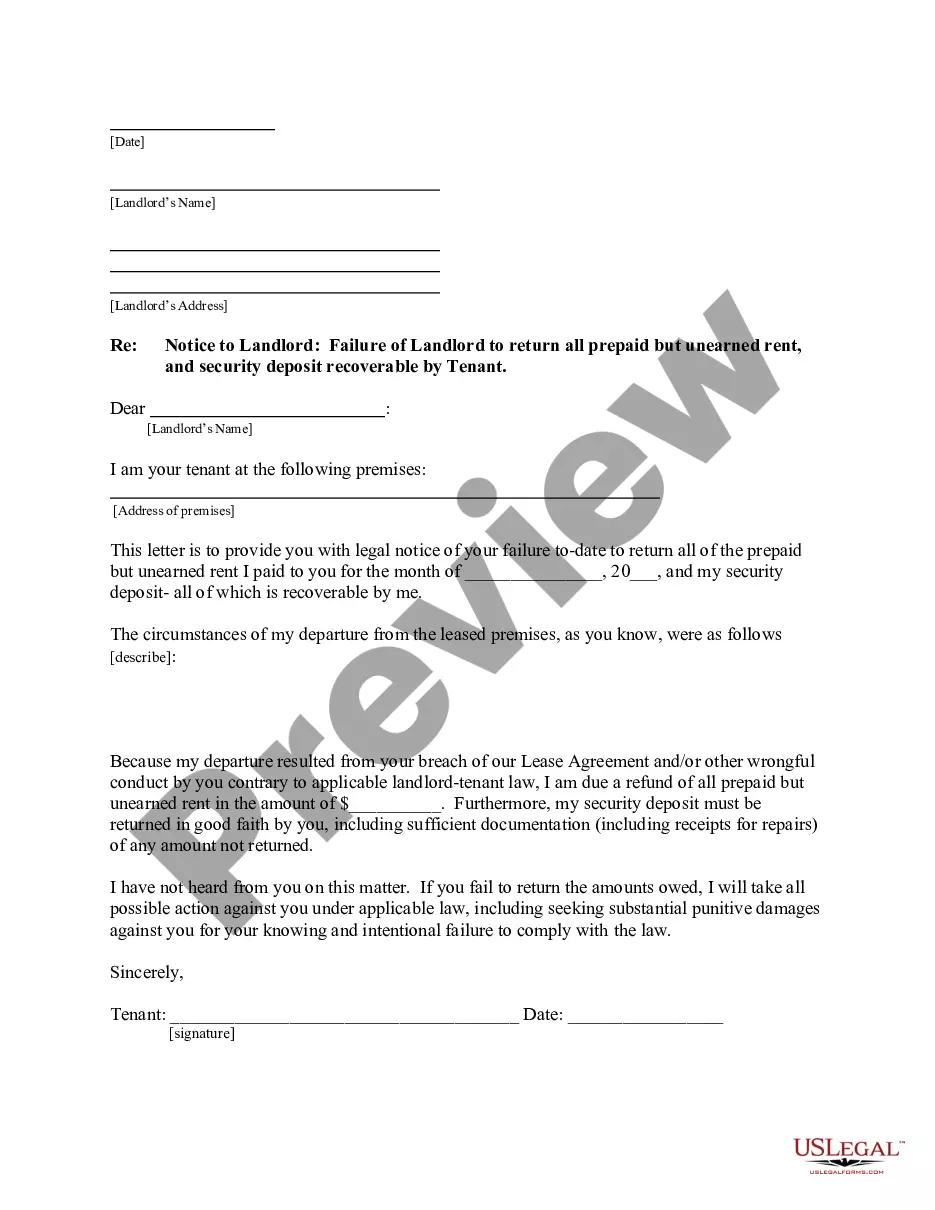
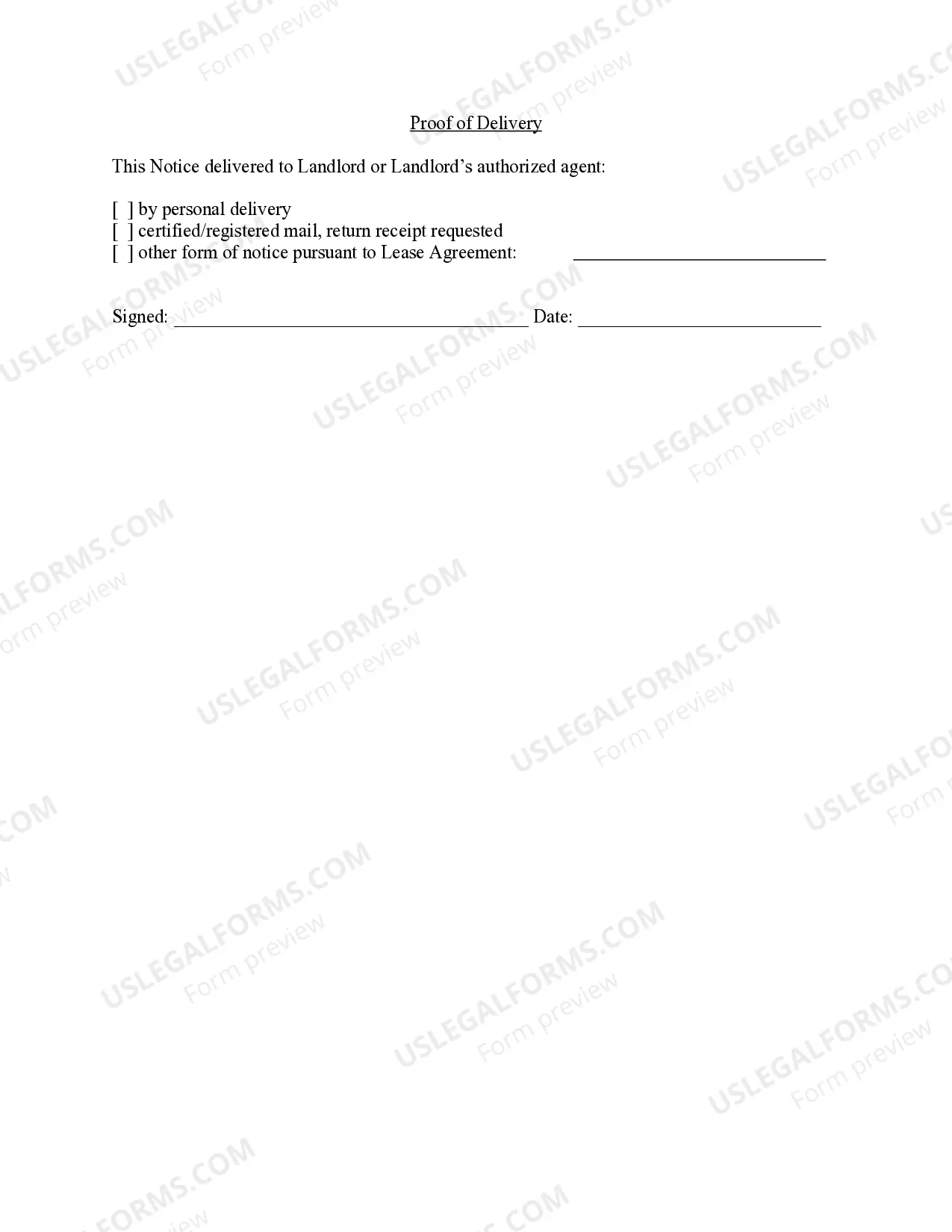
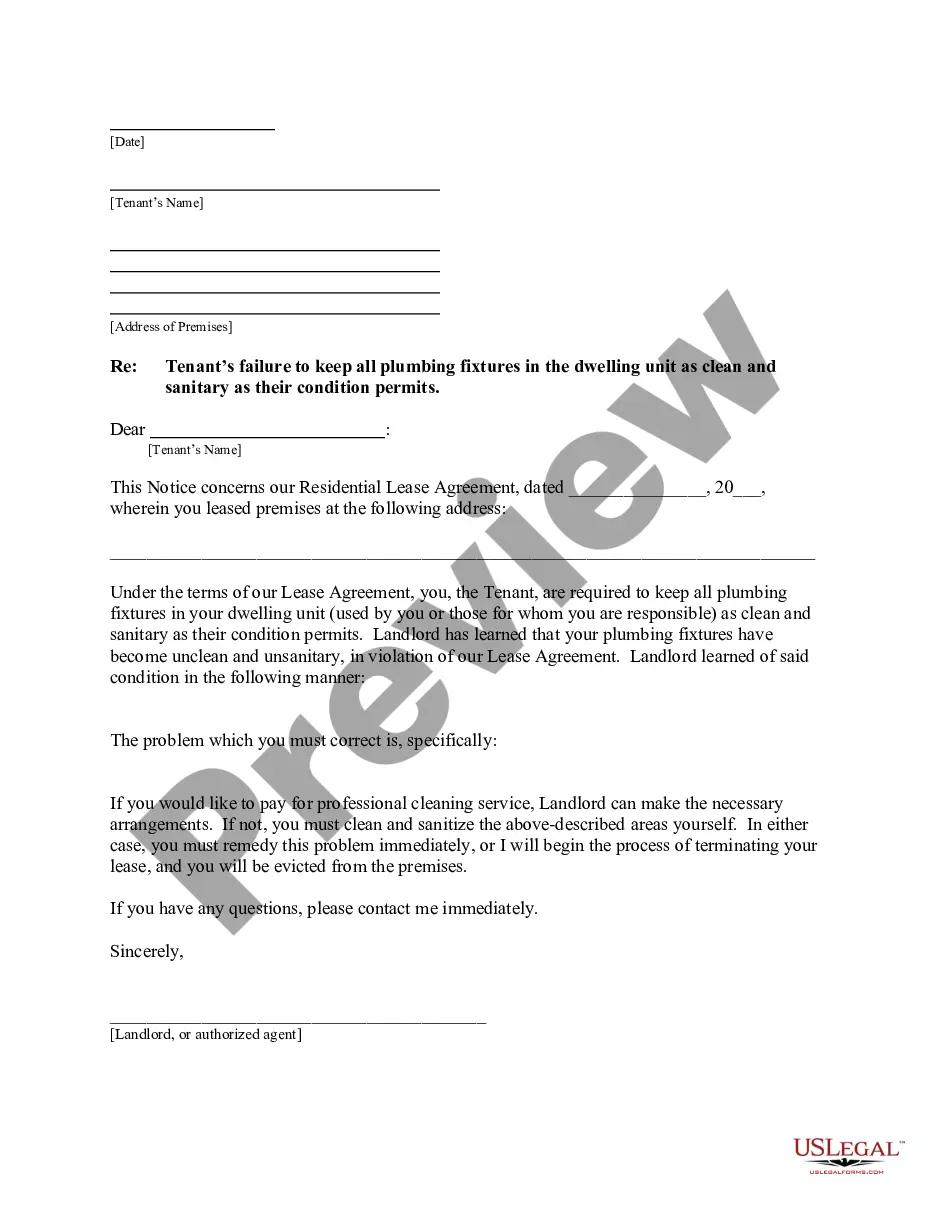
This is a sample letter from a Tenant to a Landlord. This particular letter is a Notice to the Landlord that he/she is illegally retaining certain prepaid and/or uneanred rent, as well as security deposits which are the property of the Tenant.
Hawaii Letter from Tenant to Landlord for Failure of Landlord to return all prepaid and unearned rent and security recoverable by Tenant
Category:
State:
Hawaii
Control #:
HI-1038LT
Format:
Word;
Rich Text
Instant download
Description
Free preview
How to fill out Hawaii Letter From Tenant To Landlord For Failure Of Landlord To Return All Prepaid And Unearned Rent And Security Recoverable By Tenant?
Obtain one of the most extensive collections of legal documents.
US Legal Forms is a resource to locate any state-specific paperwork within moments, like the Hawaii Communication from Tenant to Landlord regarding the Landlord's failure to return all prepaid and unearned rent and security recoverable by Tenant instances.
No need to waste several hours searching for a court-admissible document. Our certified experts guarantee that you receive current examples every time.
After selecting a pricing plan, create an account. Pay with a credit card or PayPal. Download the document by clicking Download. That's all! You should complete the Hawaii Communication from Tenant to Landlord regarding the Landlord's failure to return all prepaid and unearned rent and security recoverable by Tenant template and verify it. To ensure everything is accurate, consult your local legal counsel for assistance. Register and easily browse over 85,000 useful templates.
- To utilize the forms collection, select a subscription and create your account.
- If you have already registered, simply Log In and then click Download.
- The Hawaii Communication from Tenant to Landlord regarding the Landlord's failure to return all prepaid and unearned rent and security recoverable by Tenant example will immediately be saved in the My documents section (a section for every form you download on US Legal Forms).
- To create a new account, review the brief instructions provided below.
- If you plan to use a state-specific template, be sure to select the correct state.
- If possible, review the description to comprehend all the details of the document.
- Utilize the Preview feature if it’s available to examine the document's details.
- If everything seems appropriate, click Buy Now.
Form popularity
FAQ
For lease non-renewal in Hawaii, a landlord must give at least 45 days' advance notice. This period is intended to protect both landlords and tenants in their planning. If this situation leads to potential disagreements over deposits, consider using a Hawaii Letter from Tenant to Landlord for Failure of Landlord to return all prepaid and unearned rent and security recoverable by Tenant to communicate your rights and expectations effectively.
Should your landlord choose not to renew your lease, they are required to follow the proper notice period under Hawaii law. You have the right to seek clarification on their decision and any financial responsibilities you may have. If there are disputes regarding unreturned deposits, a Hawaii Letter from Tenant to Landlord for Failure of Landlord to return all prepaid and unearned rent and security recoverable by Tenant can help document your concerns formally.
If your lease is not renewed, you typically have at least 45 days to move out. This timeframe allows you to find a new place without rushing. It’s wise to prepare for any financial discussions regarding your deposits, possibly using a Hawaii Letter from Tenant to Landlord for Failure of Landlord to return all prepaid and unearned rent and security recoverable by Tenant to facilitate this process.
Hawaii law requires landlords to provide at least 45 days' notice if they do not intend to renew a lease. This notice period gives tenants adequate time to plan their next steps. If you find yourself needing to address unpaid rents or security deposits, a Hawaii Letter from Tenant to Landlord for Failure of Landlord to return all prepaid and unearned rent and security recoverable by Tenant can be a vital tool.
To obtain a landlord letter, you can either request one directly from your landlord or create one yourself. If you choose to write it, clearly state your concerns or requests. Additionally, if the landlord fails to respond or remedy an issue, consider drafting a Hawaii Letter from Tenant to Landlord for Failure of Landlord to return all prepaid and unearned rent and security recoverable by Tenant, which formalizes your requests.
In Hawaii, a landlord must provide a minimum of 45 days' notice for a periodic lease or a lease that is not month-to-month. This notice is essential for transparent communication. When you receive your notice, it may be helpful to draft a Hawaii Letter from Tenant to Landlord for Failure of Landlord to return all prepaid and unearned rent and security recoverable by Tenant to ensure your rights are protected.
Receiving an adverse action notice means that a landlord has made a decision that negatively affects your tenancy or rental application. This notice usually includes information on why the decision was made and outlines your rights moving forward. It's important to address this situation promptly, and using resources such as the Hawaii Letter from Tenant to Landlord for Failure of Landlord to return all prepaid and unearned rent and security recoverable by Tenant can safeguard your interests.
A letter of adverse action provides essential information to a tenant about a landlord's negative decision. It should specify the reasons for rejecting an application and the rights of the tenant in such a situation. By understanding how to respond, especially with documents like the Hawaii Letter from Tenant to Landlord for Failure of Landlord to return all prepaid and unearned rent and security recoverable by Tenant, you can better navigate the rental landscape.
An adverse action letter is a formal communication that informs a tenant about a negative decision related to their rental application. This letter typically outlines the reasons for the decision, which may include factors like insufficient income or poor rental history. If you face an adverse action, utilizing the Hawaii Letter from Tenant to Landlord for Failure of Landlord to return all prepaid and unearned rent and security recoverable by Tenant can help you assert your rights.
Adverse action in rental contexts refers to a negative decision made by a landlord regarding a tenant's application or rental history. This can include denying a rental application or failing to return deposits. Understanding this concept is crucial for tenants, especially those addressing issues like the Hawaii Letter from Tenant to Landlord for Failure of Landlord to return all prepaid and unearned rent and security recoverable by Tenant.