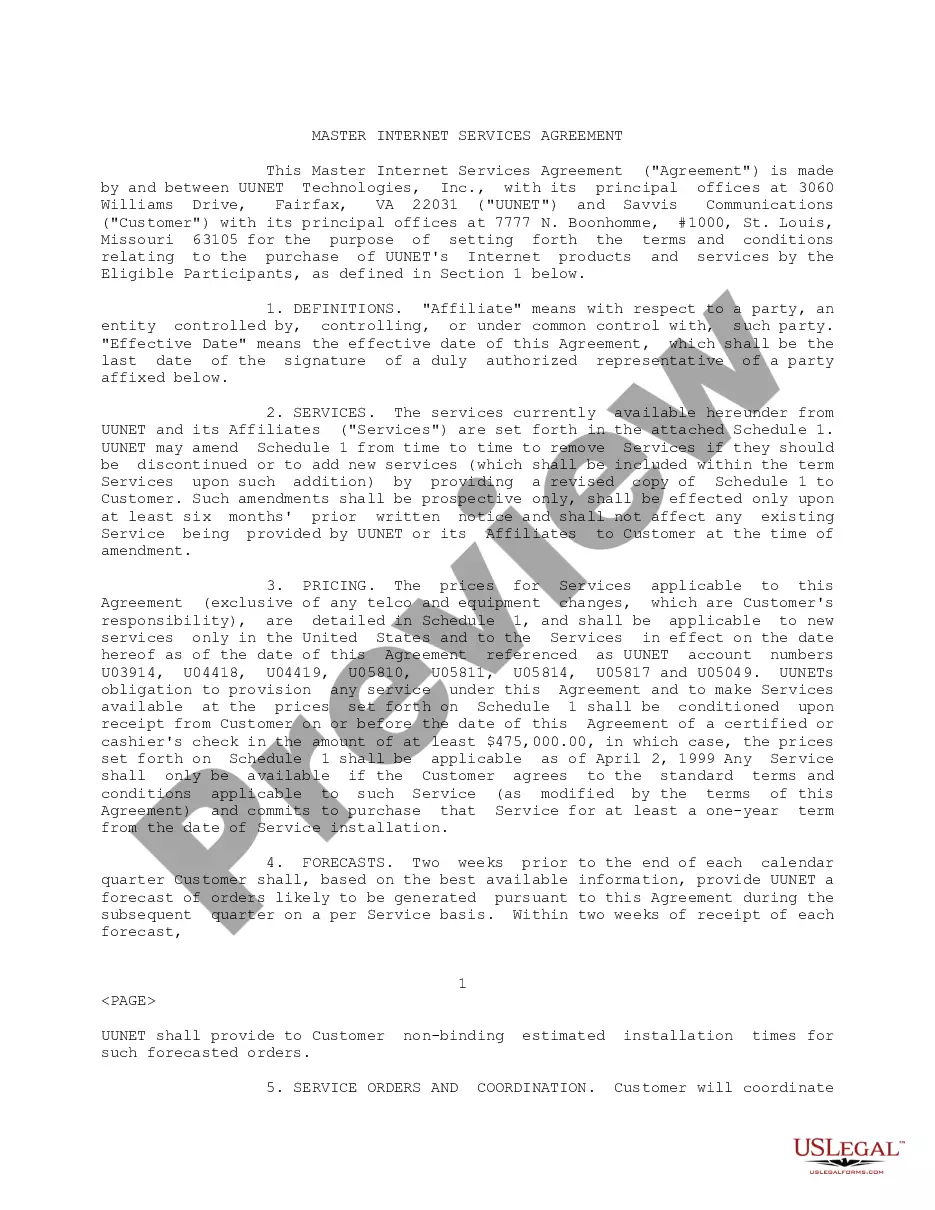
Guam Stockholder derivative actions
Description
Get your form ready online
Our built-in tools help you complete, sign, share, and store your documents in one place.
Make edits, fill in missing information, and update formatting in US Legal Forms—just like you would in MS Word.
Download a copy, print it, send it by email, or mail it via USPS—whatever works best for your next step.
Sign and collect signatures with our SignNow integration. Send to multiple recipients, set reminders, and more. Go Premium to unlock E-Sign.
If this form requires notarization, complete it online through a secure video call—no need to meet a notary in person or wait for an appointment.
We protect your documents and personal data by following strict security and privacy standards.

Make edits, fill in missing information, and update formatting in US Legal Forms—just like you would in MS Word.

Download a copy, print it, send it by email, or mail it via USPS—whatever works best for your next step.

Sign and collect signatures with our SignNow integration. Send to multiple recipients, set reminders, and more. Go Premium to unlock E-Sign.

If this form requires notarization, complete it online through a secure video call—no need to meet a notary in person or wait for an appointment.

We protect your documents and personal data by following strict security and privacy standards.
Looking for another form?





How to fill out Stockholder Derivative Actions?
US Legal Forms - among the greatest libraries of legal forms in the USA - gives a variety of legal papers web templates you can acquire or print. Using the website, you can get a huge number of forms for organization and individual functions, sorted by groups, says, or keywords.You can find the most up-to-date versions of forms such as the Guam Stockholder derivative actions in seconds.
If you have a registration, log in and acquire Guam Stockholder derivative actions in the US Legal Forms catalogue. The Download switch will show up on every single kind you see. You have accessibility to all in the past acquired forms within the My Forms tab of your respective accounts.
If you want to use US Legal Forms for the first time, listed here are simple recommendations to help you get started:
- Make sure you have picked the correct kind to your metropolis/region. Click on the Review switch to analyze the form`s content. Browse the kind information to actually have chosen the appropriate kind.
- If the kind does not suit your needs, make use of the Lookup industry at the top of the screen to obtain the one who does.
- If you are satisfied with the form, validate your decision by simply clicking the Get now switch. Then, select the prices prepare you favor and provide your accreditations to sign up for an accounts.
- Approach the purchase. Use your Visa or Mastercard or PayPal accounts to perform the purchase.
- Select the formatting and acquire the form on your own gadget.
- Make modifications. Fill out, modify and print and indication the acquired Guam Stockholder derivative actions.
Each and every web template you included in your account does not have an expiry date and is your own property permanently. So, if you wish to acquire or print one more duplicate, just visit the My Forms segment and click about the kind you need.
Gain access to the Guam Stockholder derivative actions with US Legal Forms, probably the most considerable catalogue of legal papers web templates. Use a huge number of professional and express-distinct web templates that fulfill your business or individual demands and needs.
Form popularity
FAQ
A shareholder (stockholder) derivative suit is a lawsuit brought by a shareholder or group of shareholders on behalf of the corporation against the corporation's directors, officers, or other third parties who breach their duties. The claim of the suit is not personal but belongs to the corporation.
Examples of successful derivative actions may include lawsuits against directors or officers for mismanagement of funds, failure to divulge material information, or breach of fiduciary duty.
Grounds for bringing a derivative claim The duty to act in the company's best interests. The duty to exercise reasonable care, skill and diligence. The duty to promote the success of the company. The duty to declare an interest in a proposed transaction or arrangement.
What is the difference between a stockholder's derivative suit and a class action? A derivative lawsuit is brought by a shareholder of a corporation for the benefit of the corporation. A shareholder's class action lawsuit is brought by a shareholder for the benefit of themselves and the other shareholders.
A derivative action may be settled, voluntarily dismissed, or compromised only with the court's approval. Notice of a proposed settlement, voluntary dismissal, or compromise must be given to shareholders or members in the manner that the court orders.
A shareholder (stockholder) derivative suit is a lawsuit brought by a shareholder or group of shareholders on behalf of the corporation against the corporation's directors, officers, or other third parties who breach their duties. The claim of the suit is not personal but belongs to the corporation.
The derivative action is the route by which shareholders, usually minority shareholders, are able to enforce the company's rights where directors have breached their duties (since in these circumstances it is unlikely that the directors, who usually act on behalf of the company, will want to take action).