See Preview
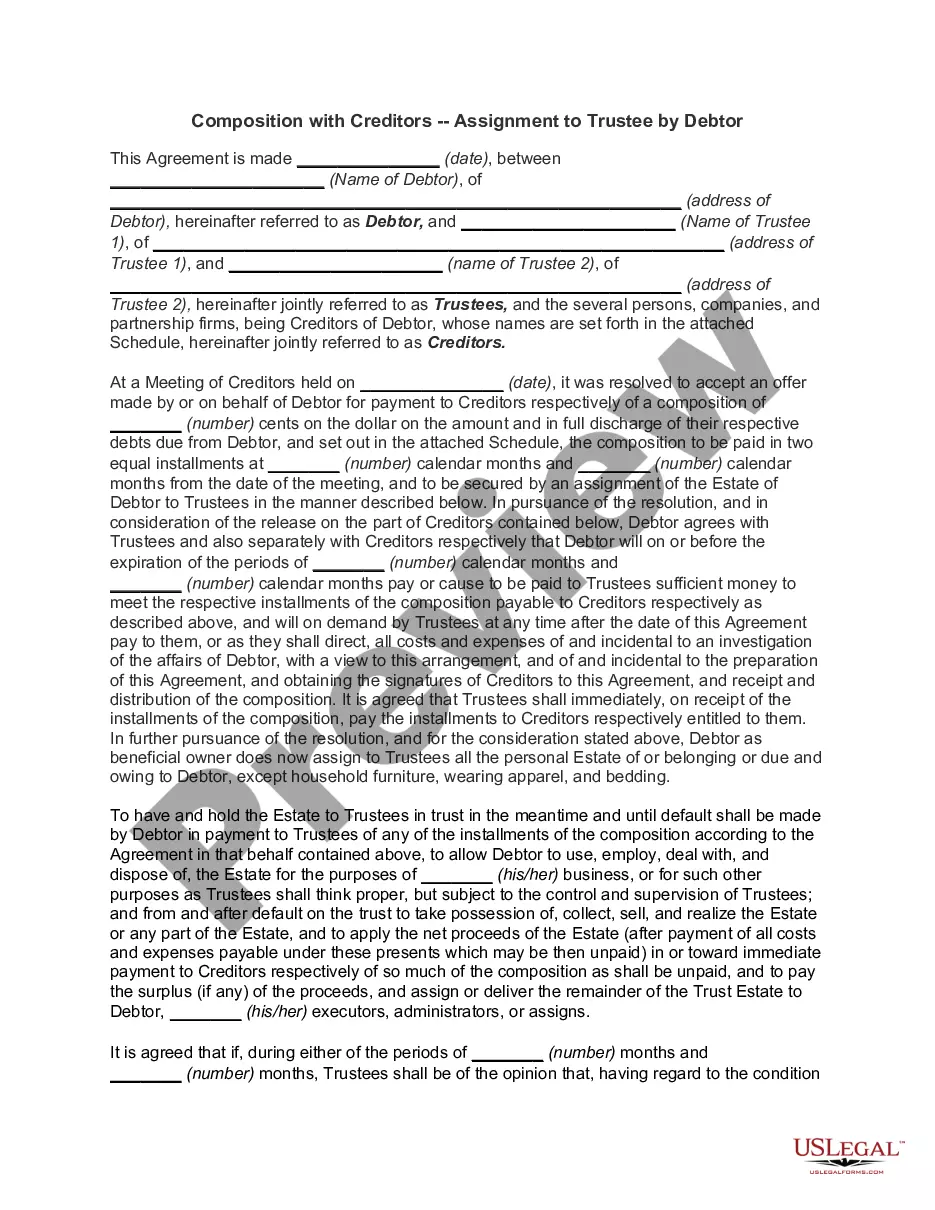
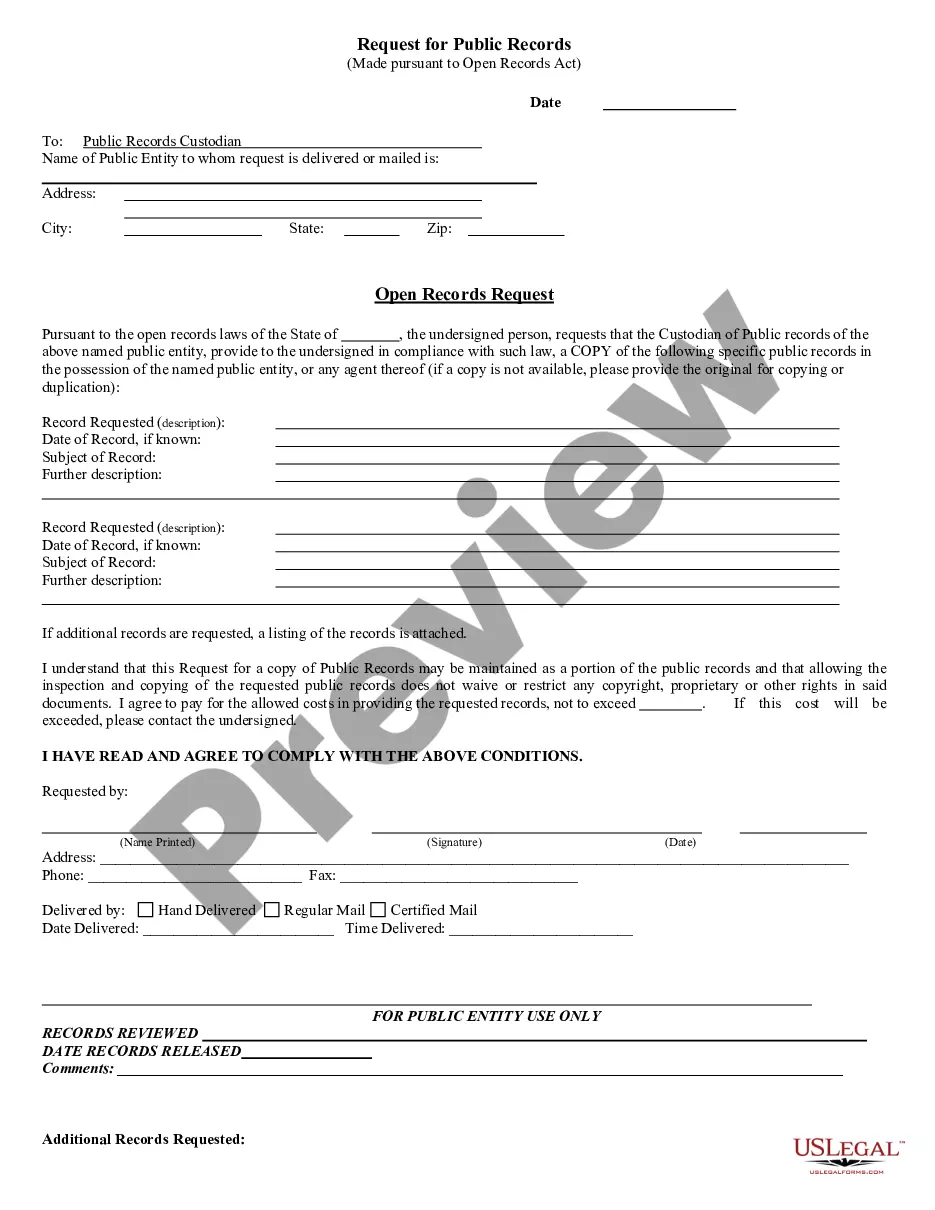
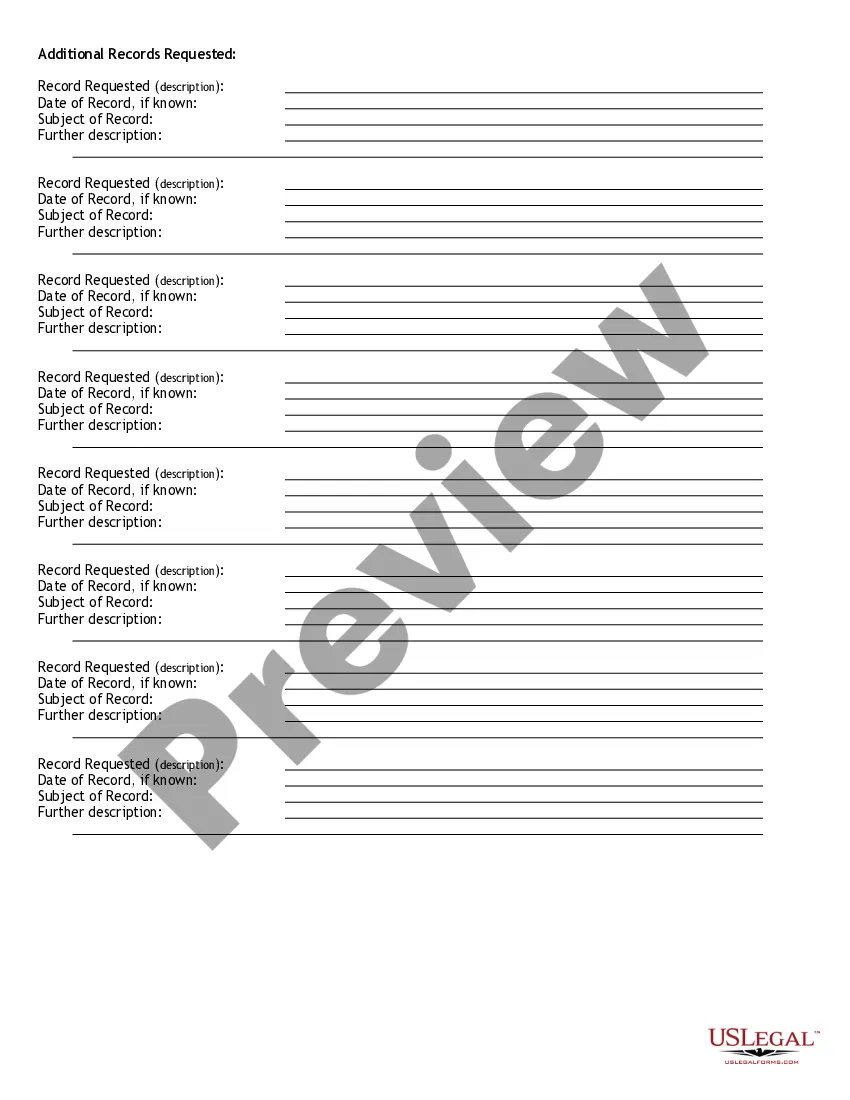
Guam Public Records Request - Open Public Records Act
Category:
State:
Multi-State
Control #:
US-004-PR
Format:
Word;
Rich Text
Instant download
Description
Free preview
Get your form ready online
Our built-in tools help you complete, sign, share, and store your documents in one place.
Built-in online Word editor
Make edits, fill in missing information, and update formatting in US Legal Forms—just like you would in MS Word.
Export easily
Download a copy, print it, send it by email, or mail it via USPS—whatever works best for your next step.
E-sign your document
Sign and collect signatures with our SignNow integration. Send to multiple recipients, set reminders, and more. Go Premium to unlock E-Sign.
Notarize online 24/7
If this form requires notarization, complete it online through a secure video call—no need to meet a notary in person or wait for an appointment.
Store your document securely
We protect your documents and personal data by following strict security and privacy standards.

Make edits, fill in missing information, and update formatting in US Legal Forms—just like you would in MS Word.

Download a copy, print it, send it by email, or mail it via USPS—whatever works best for your next step.

Sign and collect signatures with our SignNow integration. Send to multiple recipients, set reminders, and more. Go Premium to unlock E-Sign.

If this form requires notarization, complete it online through a secure video call—no need to meet a notary in person or wait for an appointment.

We protect your documents and personal data by following strict security and privacy standards.
Looking for another form?


How to fill out Public Records Request - Open Public Records Act?
Finding the appropriate legal document template can be a challenge. Clearly, there are numerous designs accessible online, but how do you secure the legal form you require? Utilize the US Legal Forms site.
The platform offers thousands of templates, including the Guam Public Records Request - Open Public Records Act, suitable for both business and personal needs. All of the forms are reviewed by professionals and comply with federal and state regulations.
If you are already registered, Log In to your account and then click the Download button to retrieve the Guam Public Records Request - Open Public Records Act. Use your account to search through the legal forms you have previously purchased. Navigate to the My documents section of your account to obtain another copy of the document you require.
Choose the file format and download the legal document template to your device. Complete, modify, print, and sign the obtained Guam Public Records Request - Open Public Records Act. US Legal Forms is the largest repository of legal documents where you can find various document templates. Utilize the service to obtain professionally crafted documents that adhere to state requirements.
- If you are a new user of US Legal Forms, here are straightforward instructions for you to follow.
- First, make sure you have selected the correct form for your city/region.
- You can preview the form using the Preview button and review the form details to confirm it is the right one for you.
- If the form does not meet your requirements, use the Search field to find the appropriate form.
- Once you are confident the form is suitable, click the Buy now button to acquire the form.
- Select the payment option you prefer and enter the necessary information. Create your account and pay for your order using your PayPal account or credit card.
Form popularity
FAQ
In New Jersey, the law requires that agencies respond to open records requests within seven business days. This time frame allows agencies to process the requests and determine whether the records can be disclosed. However, it’s important to note that some requests may take longer if they involve extensive searches or require legal review. For a smoother experience with your Guam Public Records Request - Open Public Records Act, consider using the US Legal Forms platform, which provides helpful resources and templates.
The Open Public Records Act grants individuals the right to access public records held by government agencies. This law promotes transparency and accountability in government operations. Under this act, you can request various documents, including reports, emails, and other public records. By utilizing the Guam Public Records Request - Open Public Records Act, you can ensure that you obtain the information you need in a straightforward manner.
To get a traffic clearance in Guam, you should visit the appropriate government office or use an online platform that facilitates requests. The process involves filling out an application and submitting required documents. The Guam Public Records Request - Open Public Records Act allows you to request the clearance efficiently. Platforms like uslegalforms can guide you through the process, ensuring you complete your request accurately.
In Guam, a traffic clearance is typically valid for a specific period, often ranging from 30 to 90 days. This timeframe may depend on various factors, including the purpose for which it is requested. To ensure compliance, it's essential to check the details provided with your traffic clearance. Using the Guam Public Records Request - Open Public Records Act can assist you in keeping track of your clearance status.
Yes, all states in the U.S. have public records laws, although the specifics can vary significantly. These laws govern how public records are created, maintained, and accessed. In Guam, the Guam Public Records Request - Open Public Records Act provides a framework for individuals to request and obtain public records. Understanding these laws can help you navigate the process effectively.
Guam has a unicameral legislature, named the Legislature of Guam. The Legislature is made up of 15 senators representing 15 at-large districts, serving two-year terms, without a term limit.
FOIA provides every person the right to inspect and take a copy of any public document on Guam, except as otherwise expressly prohibited in law, and except as provided in 5 GCA § 10108. The CCU FOIA Coordinator shall prepare a response to all requests and determine any fee charged for responding to a request.
Guam, an unincorporated United States territory, has not yet adopted a constitution. It was designated an unincorporated U.S. Territory by the "Guam Organic Act of 1950." The act serves as the governing document for Guam. It was approved the U.S. Congress and approved by the president on Aug. 1, 1950.
It is a petty misdemeanor for any minor to be or remain upon any of the alleys, streets or public places or places of business and amusement, including parks, playgrounds or other public places or grounds in the Territory of Guam between the hours of 10: 00 p.m. and 6: 00 a.m. of the following day.
On August 1, 1950, President Truman signed into law the Guam Organic Act of 1950, which gave the Chamorro people certain rights and protections under the U.S. Constitution. The people of Guam were afforded the opportunity to set and administer policy and laws for the island of Guam.