This is a Complaint pleading for use in litigation of the title matter. Adapt this form to comply with your facts and circumstances, and with your specific state law. Not recommended for use by non-attorneys.
Guam Petition to Set Aside Conveyance of Cemetery
Instant download
Description
Free preview


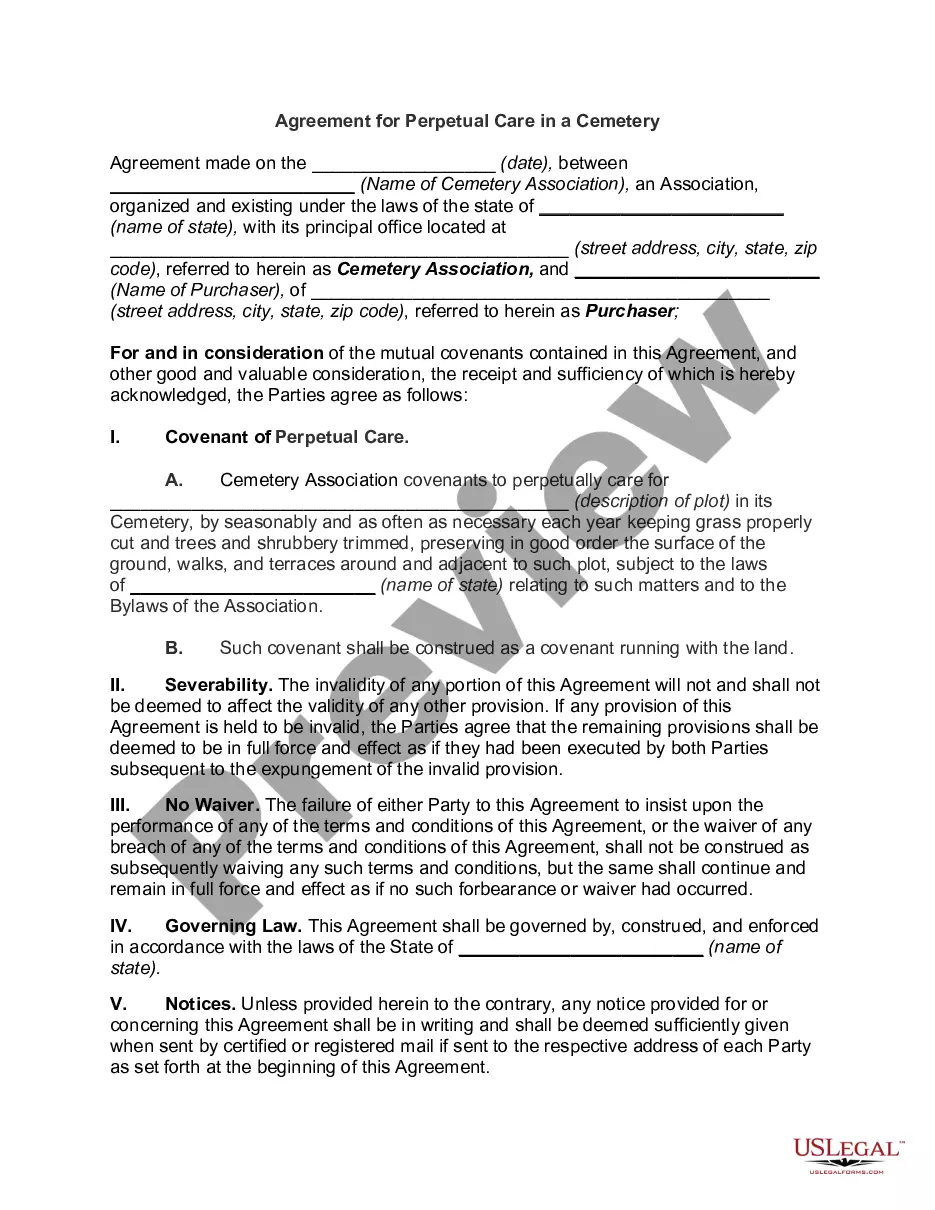
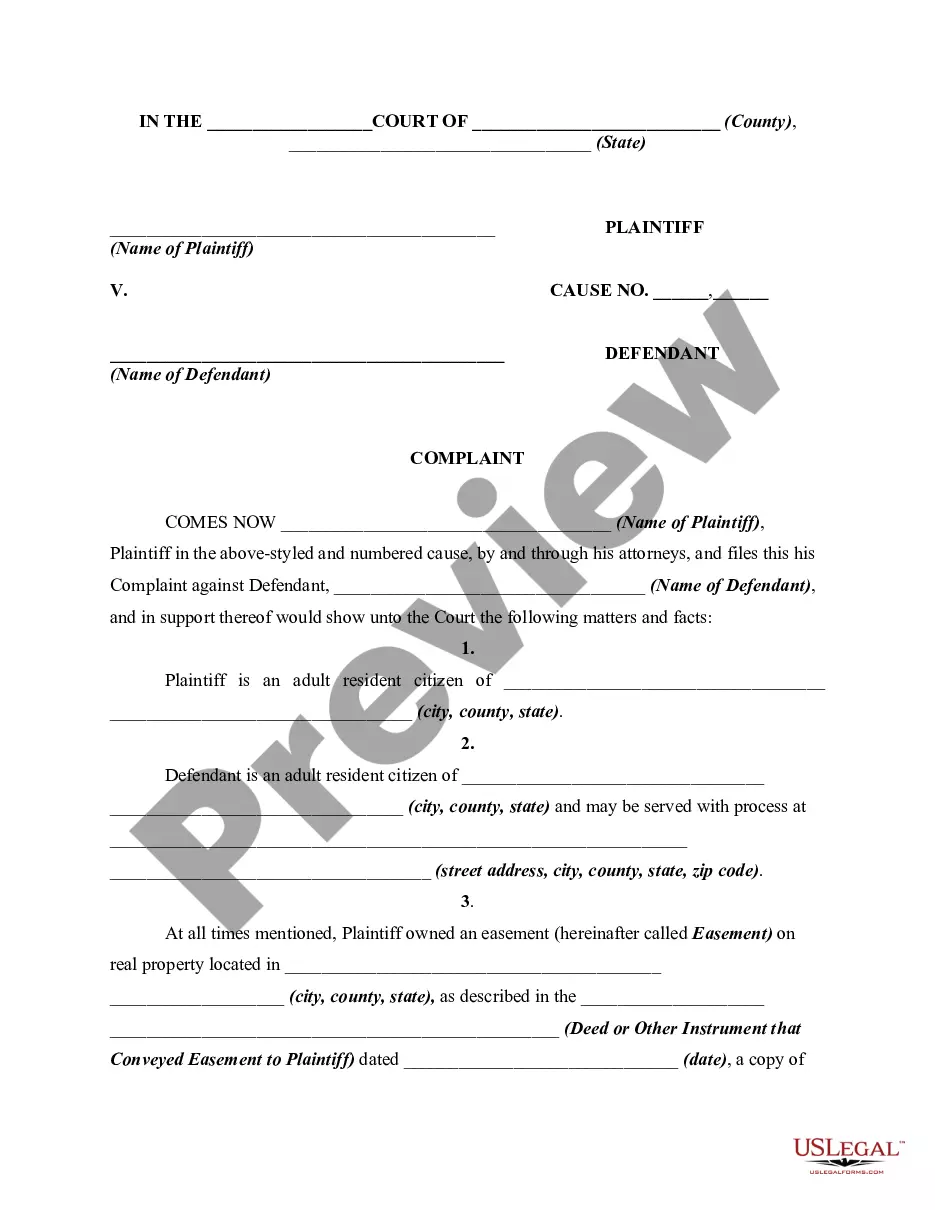
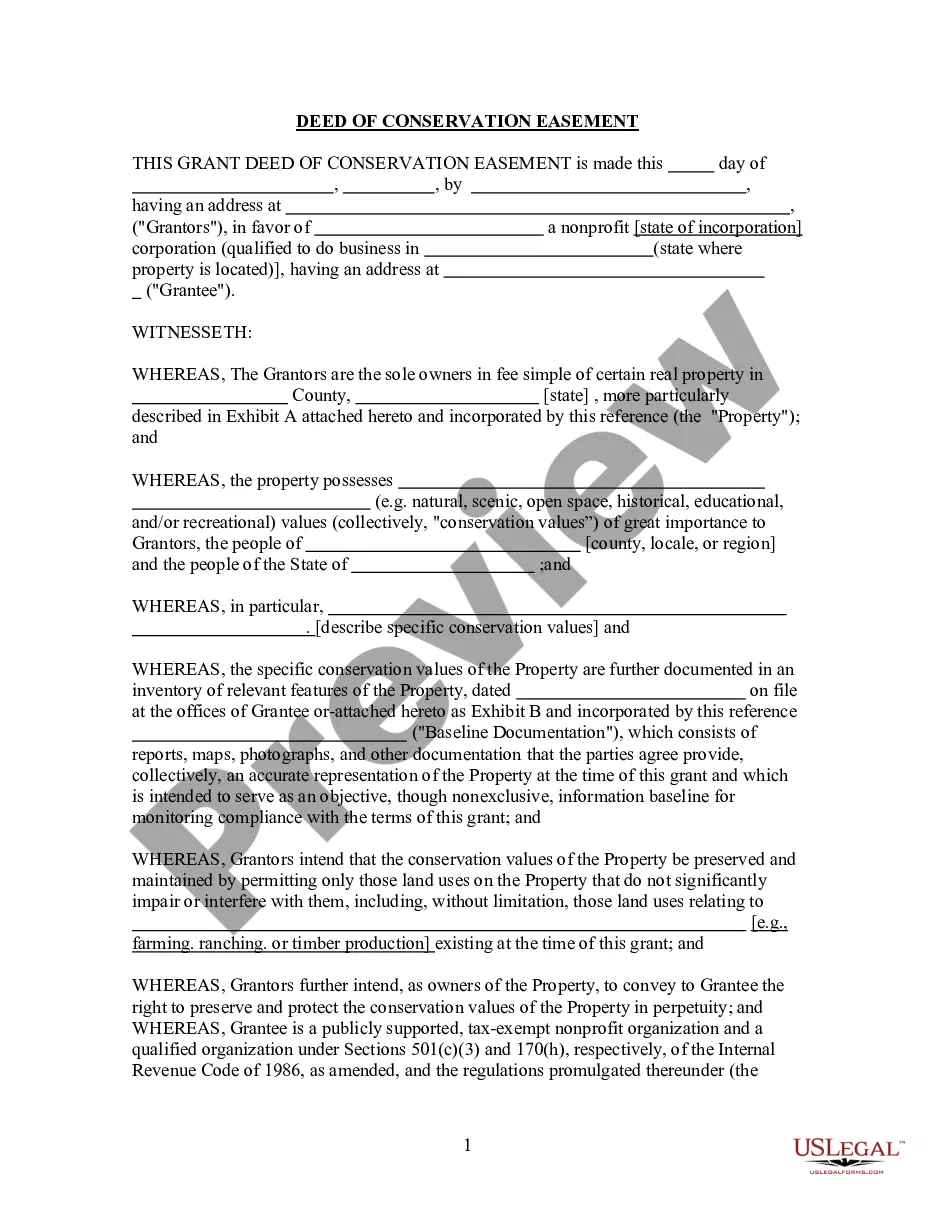

How to fill out Petition To Set Aside Conveyance Of Cemetery?
US Legal Forms - one of the most important collections of legal documents in the United States - provides a broad selection of legal document formats that you can download or print.
By using the website, you can access thousands of forms for business and personal purposes, organized by categories, states, or keywords.
You can find the most recent versions of documents like the Guam Petition to Set Aside Conveyance of Cemetery in moments.
Read the form description to confirm you have selected the appropriate document.
If the form does not meet your requirements, utilize the Search area at the top of the page to find one that does.
- If you already have a subscription, Log In and download the Guam Petition to Set Aside Conveyance of Cemetery from the US Legal Forms library.
- The Download button will appear on every form you view.
- You can access all previously downloaded forms in the My documents section of your account.
- If you are using US Legal Forms for the first time, here are straightforward instructions to get started.
- Ensure you have chosen the correct form for your region/county.
- Click the Preview button to review the content of the form.
Form popularity
FAQ
The laws in the Guam Code are passed by the Legislature of Guam, which was created by the Organic Act of Guam in 1950. The Legislature of Guam contains 15 members, who serve two-year terms and are not subject to any term limits. A proposed law is known as a bill.
Q: Can I bury my deceased father on my property? A: Maybe. There are no state laws that prohibit where you can bury your deceased loved one. However, your county or local municipality may have ordinances you have to follow.
Guam Organic Law and Legislation It is ?unincorporated? because not all provisions of the U.S. Constitution apply to the territory. Guam is an ?organized? territory because Congress provided the territory with an organic act, under which the Secretary of the Interior has administrative responsibility for the territory.
Does California allow home burials? Matt Woodcheke, a spokesperson for the California Department of Consumer Affairs, said burials can only take place in established cemeteries.
The Compiler of Laws is responsible for officially publishing the Session Laws of the Guam Legislature, the Guam Code Annotated and updates thereto, the Guam Administrative Rules and Regulations, Supreme Court of Guam Opinions, Executive Orders and Attorney General Opinions.
The main governing document of Guam is the Organic Act of Guam, which was passed by the U.S. Congress in 1950. Other Guam laws include laws that are passed by the Legislature of Guam and periodically codified in the Guam Code, as well as decisions by courts that interpret Guam laws.
When a cemetery plot or grave is purchased, the cemetery retains ownership of the land. The purchase allows the owner the right to be buried on cemetery property. This burial right is owned in perpetuity, and can be handed down in a family or willed to another family member or friend.
Guam, an unincorporated United States territory, has not yet adopted a constitution. It was designated an unincorporated U.S. Territory by the "Guam Organic Act of 1950." The act serves as the governing document for Guam. It was approved the U.S. Congress and approved by the president on Aug. 1, 1950.