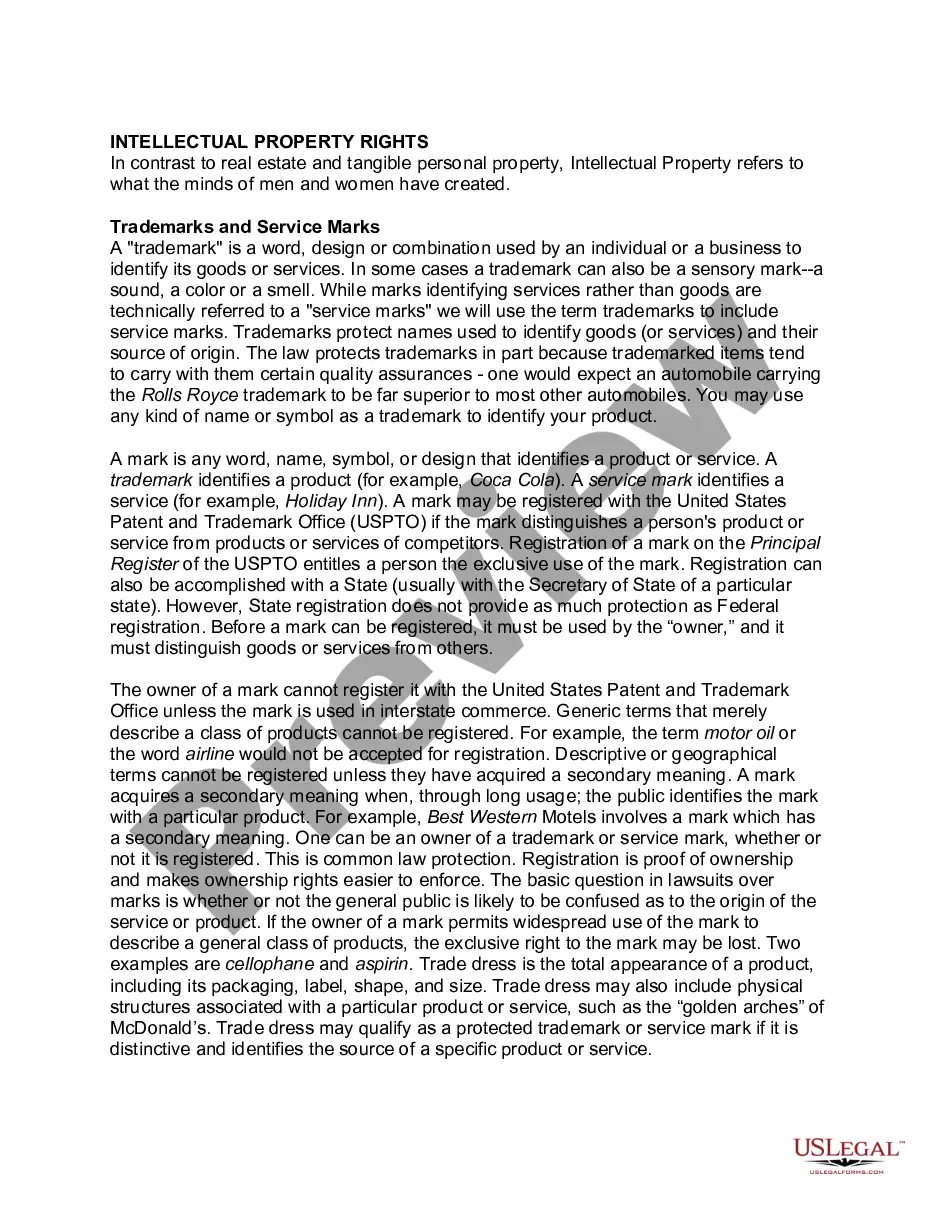
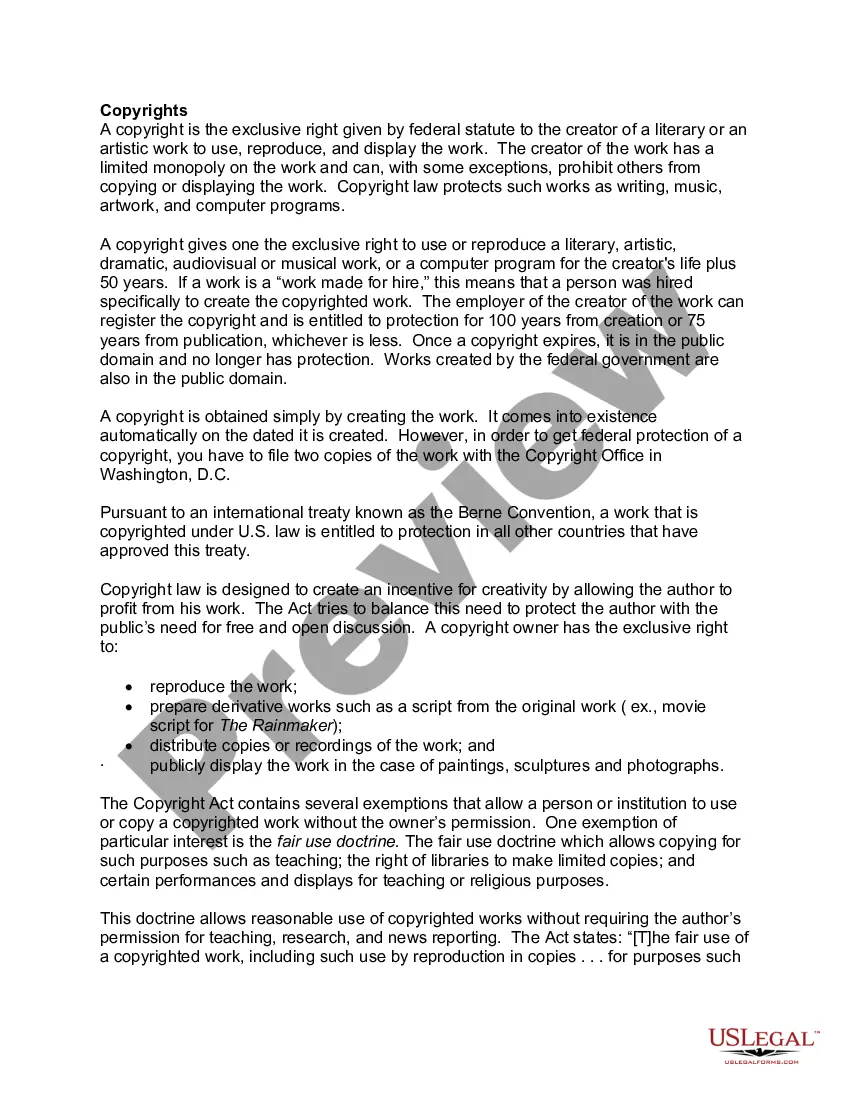
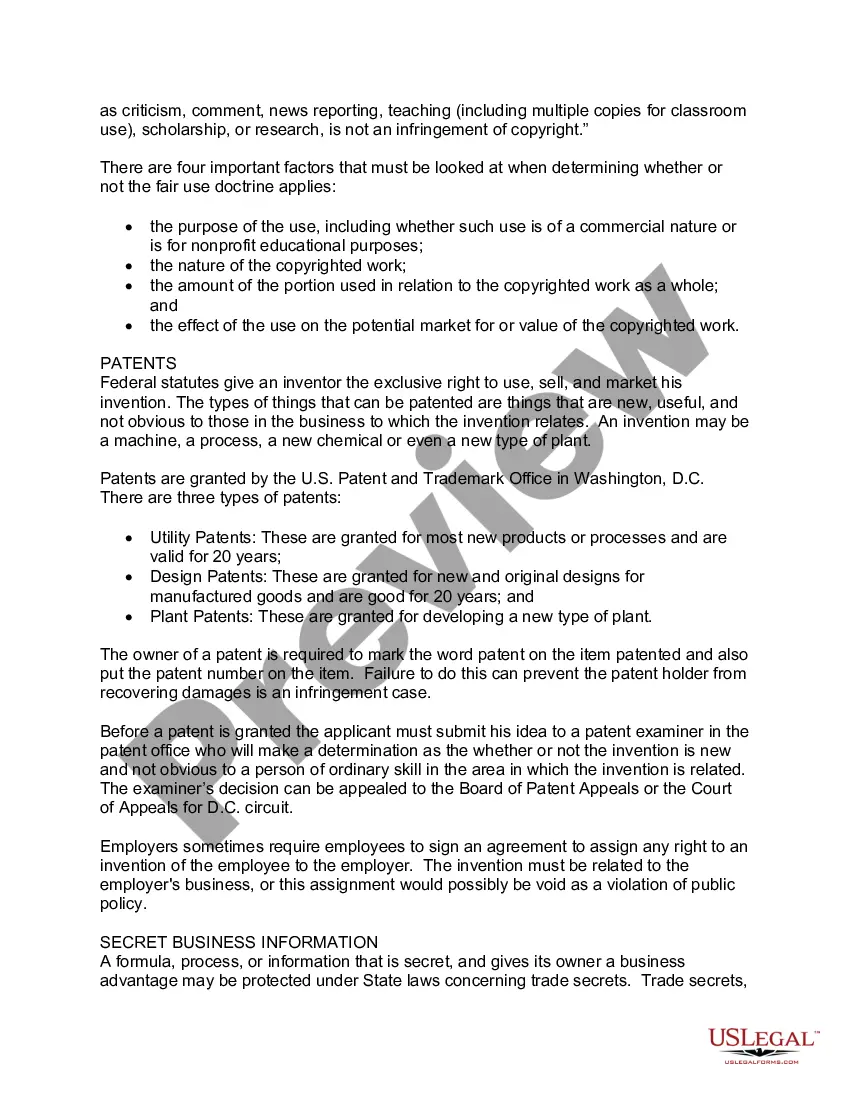
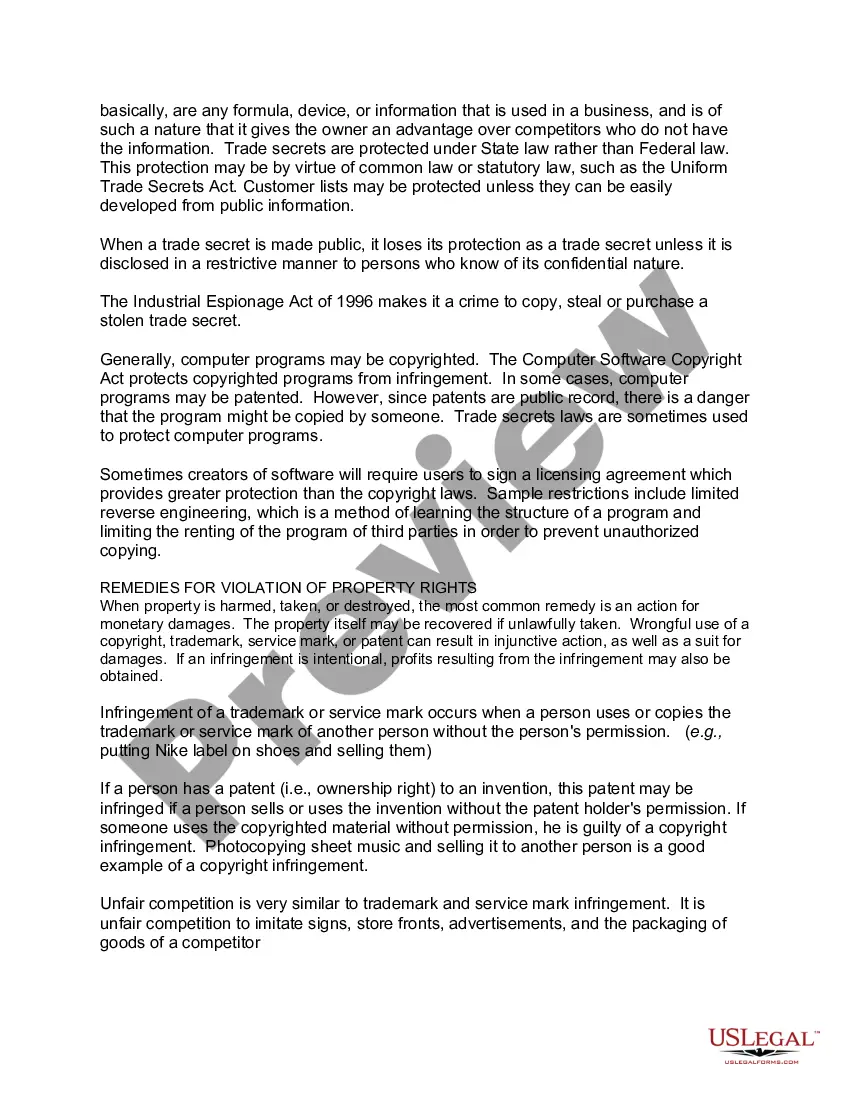
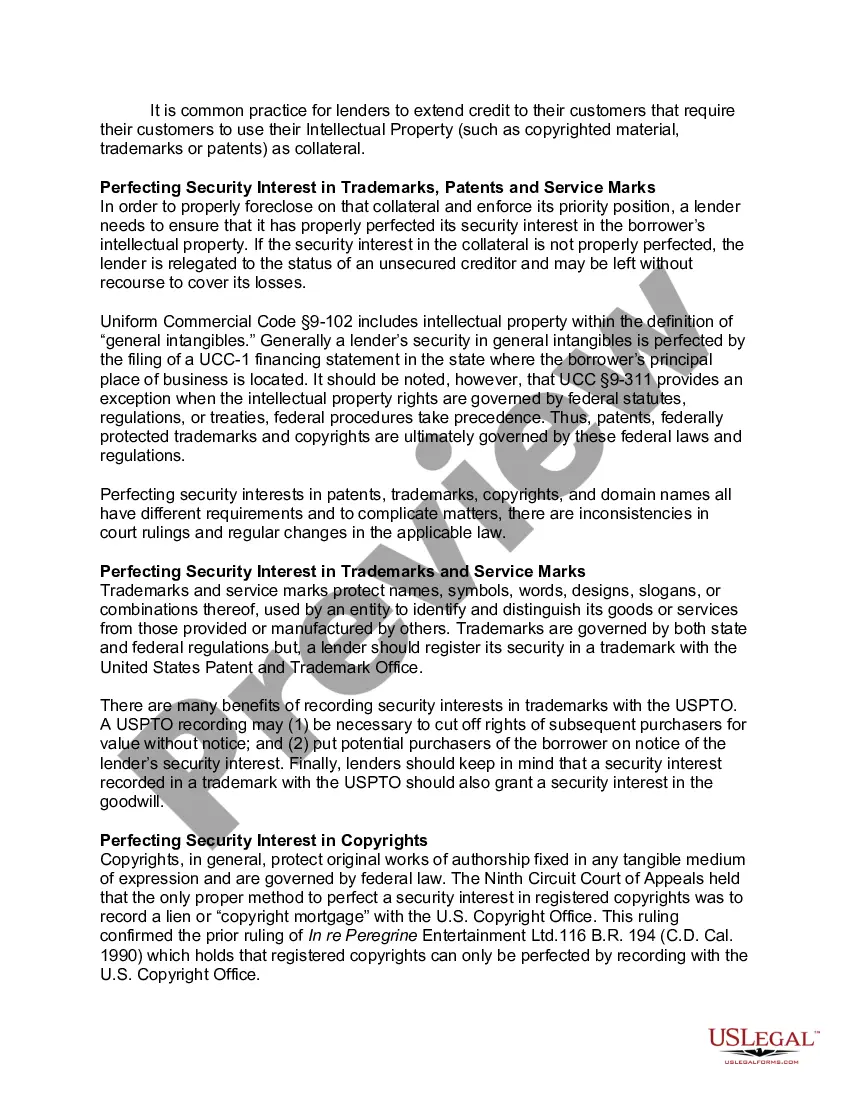
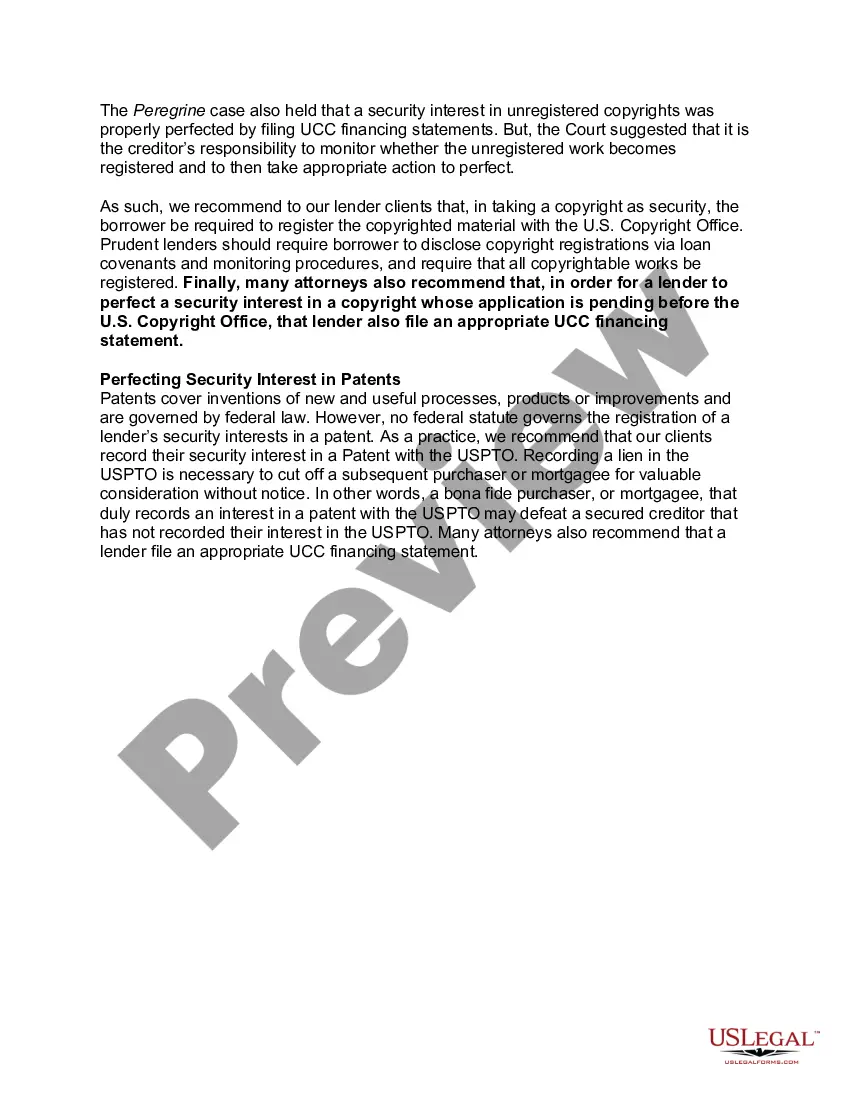
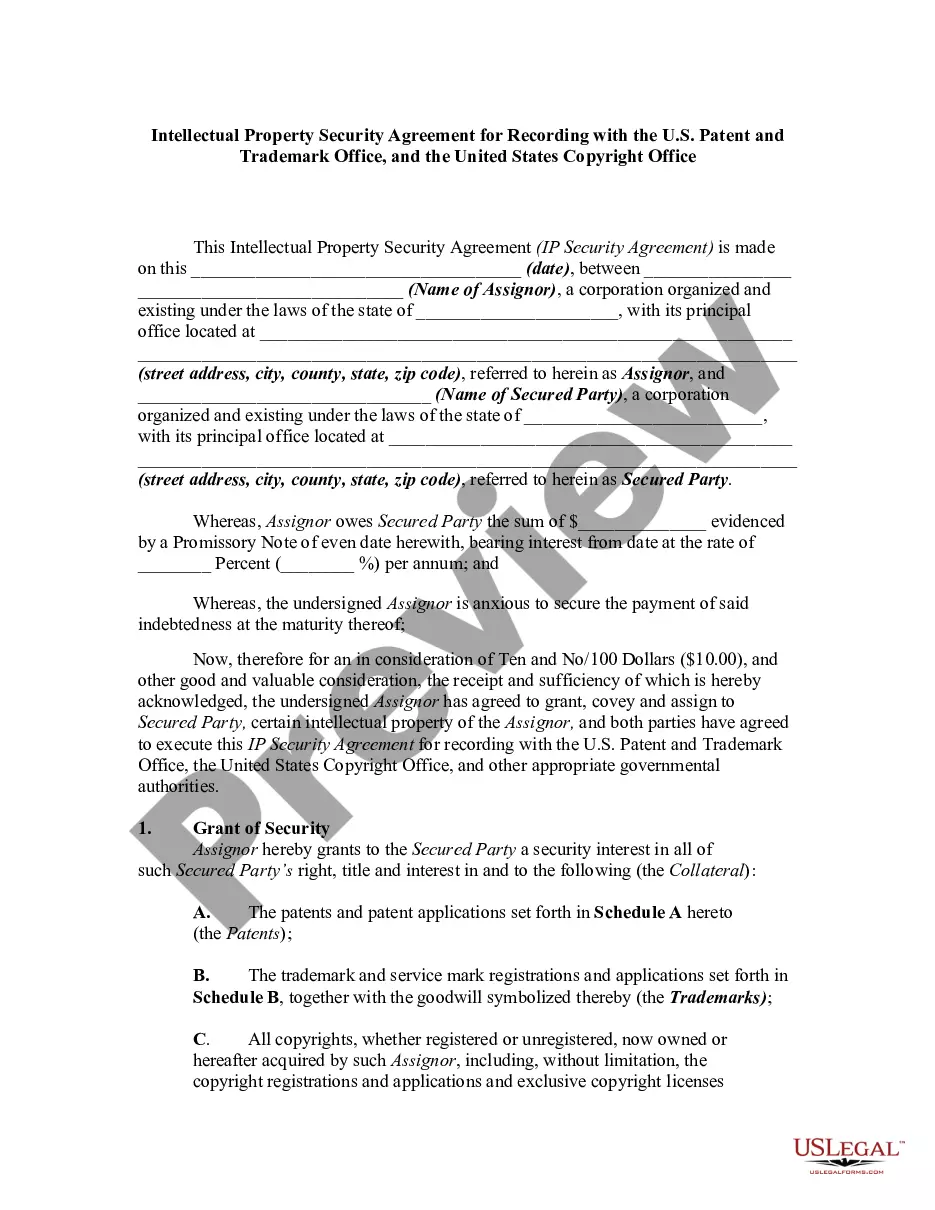
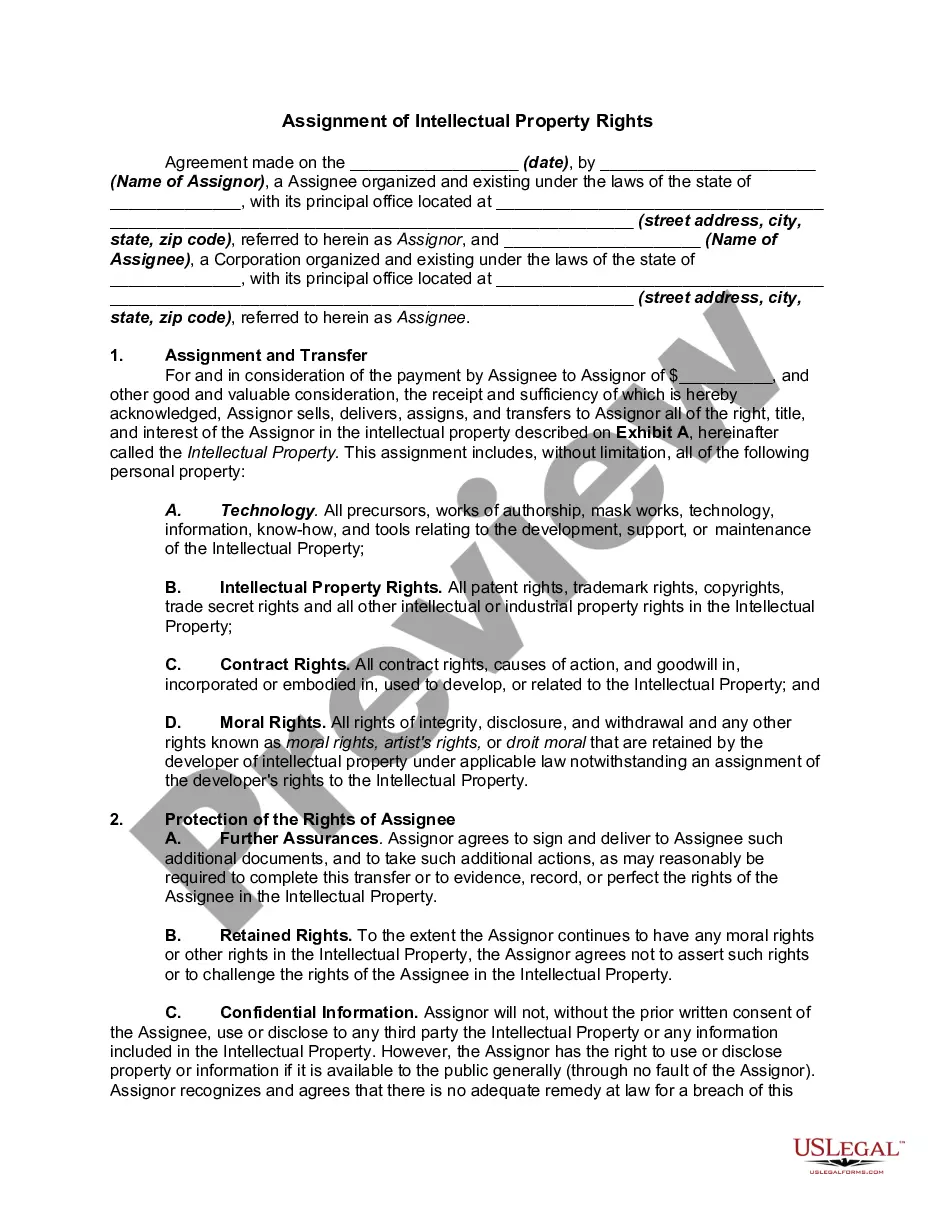
This guide provides an overview of intellectual property rights. Topics included cover trademarks, service marks, copyrights, patents, and trade secrets. Information on remedies for infringement is also provided.
Georgia USLegal Guide to Intellectual Property Rights
State:
Multi-State
Control #:
US-GDE-22
Format:
Word;
Rich Text
Instant download
Description
Free preview



How to fill out USLegal Guide To Intellectual Property Rights?
In case you need complete, download, or print legal document templates, utilize US Legal Forms, the largest collection of legal forms available online.
Take advantage of the website's straightforward and convenient search to locate the documents you require.
A range of templates for business and personal purposes is organized by categories and states, or keywords.
Step 4. Once you have located the form you need, click the Purchase now button. Choose the pricing plan you prefer and provide your details to register for an account.
Step 5. Complete the transaction. You can use your credit card or PayPal account to finalize the payment.
- Utilize US Legal Forms to discover the Georgia USLegal Guide to Intellectual Property Rights with just a few clicks.
- If you are already a US Legal Forms user, Log In to your account and click on the Obtain button to get the Georgia USLegal Guide to Intellectual Property Rights.
- You can also access forms you previously saved in the My documents tab of your account.
- If you are using US Legal Forms for the first time, follow the steps below.
- Step 1. Ensure that you have chosen the form for the correct city/state.
- Step 2. Utilize the Preview option to review the content of the form. Be sure to read the details.
- Step 3. If you are not satisfied with the form, use the Search area at the top of the screen to find other types of your legal form template.
Form popularity
FAQ
To obtain intellectual property rights, you must first determine the type of protection you need based on your creation or invention. For patents, you’ll need to file an application with the United States Patent and Trademark Office. For copyrights and trademarks, registration may also be required, and you will need to follow specific procedures. The Georgia USLegal Guide to Intellectual Property Rights offers a step-by-step approach to navigate this process effectively.
A university's IP policy typically governs the ownership and management of intellectual property created by faculty, students, and staff. This policy usually ensures that the university retains rights to university-funded inventions while allowing creators certain rights over their creations. Understanding this policy is essential for students and faculty engaged in research. For comprehensive insights, reference the Georgia USLegal Guide to Intellectual Property Rights.
Intellectual property lawyers in the USA can earn a competitive salary, with many making between $100,000 and $200,000 annually, depending on experience and location. Those in major metropolitan areas often earn more due to higher demand. The focus on intellectual property law continues to grow, making this an attractive field. For a detailed breakdown, consult the Georgia USLegal Guide to Intellectual Property Rights.
The four types of intellectual property include copyrights, trademarks, patents, and trade secrets. Copyrights protect original works of authorship, trademarks signify brand identity, patents safeguard inventions, and trade secrets cover confidential business practices. Understanding these categories is crucial for anyone in creative or technological fields. You can learn more about these in the Georgia USLegal Guide to Intellectual Property Rights.
The basic intellectual property policy serves to protect the creations of individuals and organizations. This policy outlines the rights associated with inventions, creative works, and brands. It ensures that creators can control the use of their intellectual property and benefit from its commercial value. For further details, refer to the Georgia USLegal Guide to Intellectual Property Rights.
To become an intellectual property IP lawyer, you typically need to earn a law degree and pass the bar exam. Many law schools offer specialized courses in intellectual property law, which can greatly enhance your knowledge. Additionally, gaining experience through internships or working with legal firms that focus on IP will be beneficial. For guidance, the Georgia USLegal Guide to Intellectual Property Rights can help you understand the competencies needed.
Filing for intellectual property rights involves preparing the necessary documentation and submitting your application to the appropriate authority. This process may include detailed descriptions, claims, and supporting materials, depending on the type of intellectual property. The Georgia USLegal Guide to Intellectual Property Rights simplifies this process, providing step-by-step instructions and helpful tips, making it easier for you to secure your intellectual property.
You should apply for intellectual property rights with the relevant governmental agency based on the type of protection you seek. For instance, patents are filed with the United States Patent and Trademark Office, while copyrights are registered through the U.S. Copyright Office. The Georgia USLegal Guide to Intellectual Property Rights can direct you to the correct resources and provide guidance on the application process to ensure your rights are properly established.
To obtain intellectual property rights, it is essential to create an original work that qualifies for protection, such as an invention, a design, or a piece of art. Next, you must register your work with the appropriate authority, whether it be a patent office for inventions or a copyright office for artistic works. The Georgia USLegal Guide to Intellectual Property Rights can serve as your roadmap, helping you understand the necessary steps and ensuring that your rights are protected.
The University of Georgia has a comprehensive intellectual property policy designed to protect the rights of creators and innovators within its community. This policy outlines how intellectual property is categorized, owned, and managed, ensuring that faculty, students, and staff understand their rights. If you want to learn more about this policy, the Georgia USLegal Guide to Intellectual Property Rights provides valuable insights and details to help you navigate the complexities.