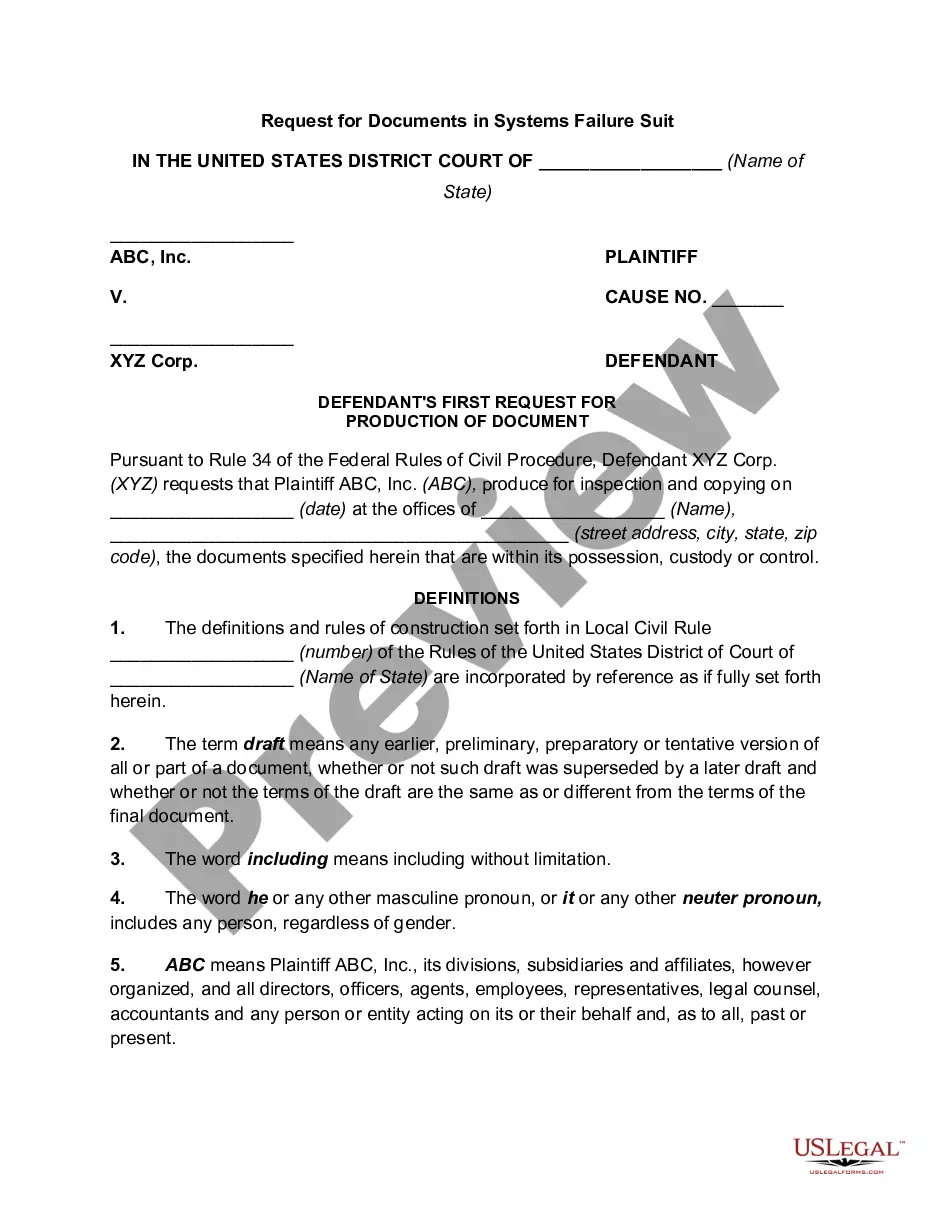
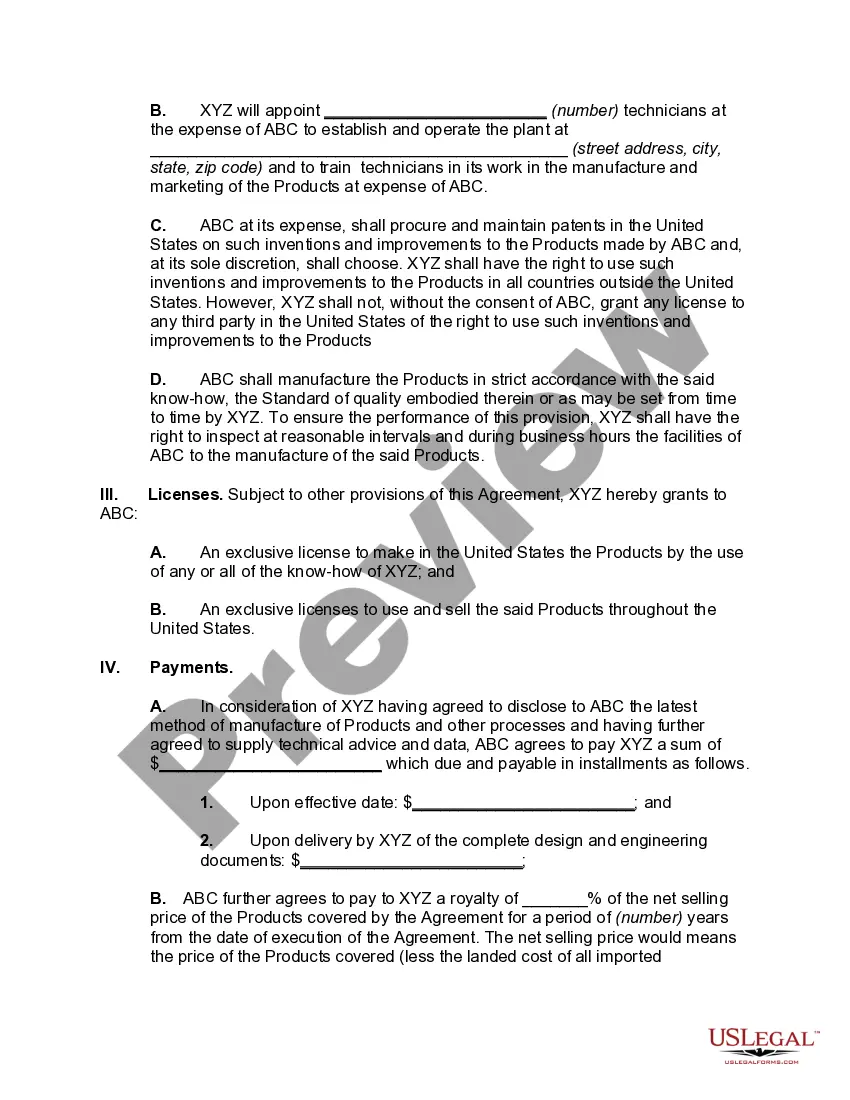
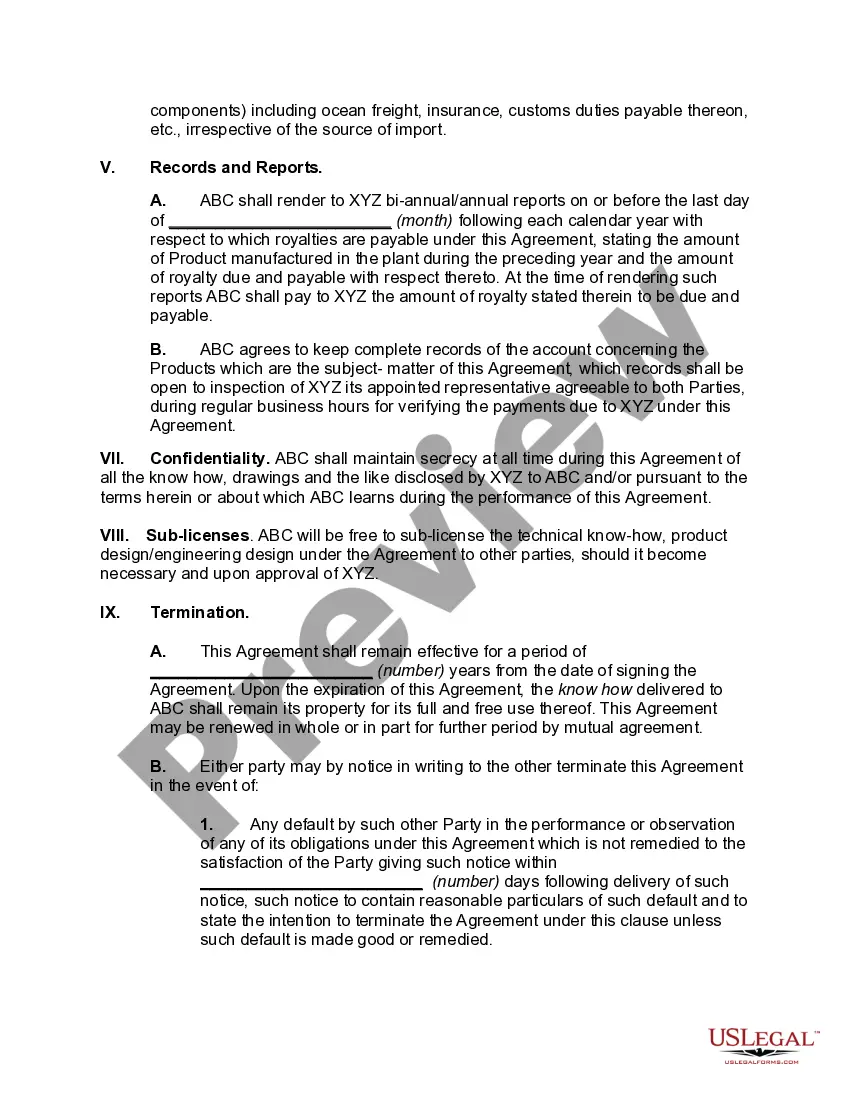
Georgia Technical Collaboration Agreement
Description
Get your form ready online
Our built-in tools help you complete, sign, share, and store your documents in one place.
Make edits, fill in missing information, and update formatting in US Legal Forms—just like you would in MS Word.
Download a copy, print it, send it by email, or mail it via USPS—whatever works best for your next step.
Sign and collect signatures with our SignNow integration. Send to multiple recipients, set reminders, and more. Go Premium to unlock E-Sign.
If this form requires notarization, complete it online through a secure video call—no need to meet a notary in person or wait for an appointment.
We protect your documents and personal data by following strict security and privacy standards.

Make edits, fill in missing information, and update formatting in US Legal Forms—just like you would in MS Word.

Download a copy, print it, send it by email, or mail it via USPS—whatever works best for your next step.

Sign and collect signatures with our SignNow integration. Send to multiple recipients, set reminders, and more. Go Premium to unlock E-Sign.

If this form requires notarization, complete it online through a secure video call—no need to meet a notary in person or wait for an appointment.

We protect your documents and personal data by following strict security and privacy standards.
Looking for another form?





How to fill out Technical Collaboration Agreement?
Are you presently in a scenario where you require documents for both business and personal use nearly every day? There are numerous legal document templates accessible online, but finding reliable ones is not easy.
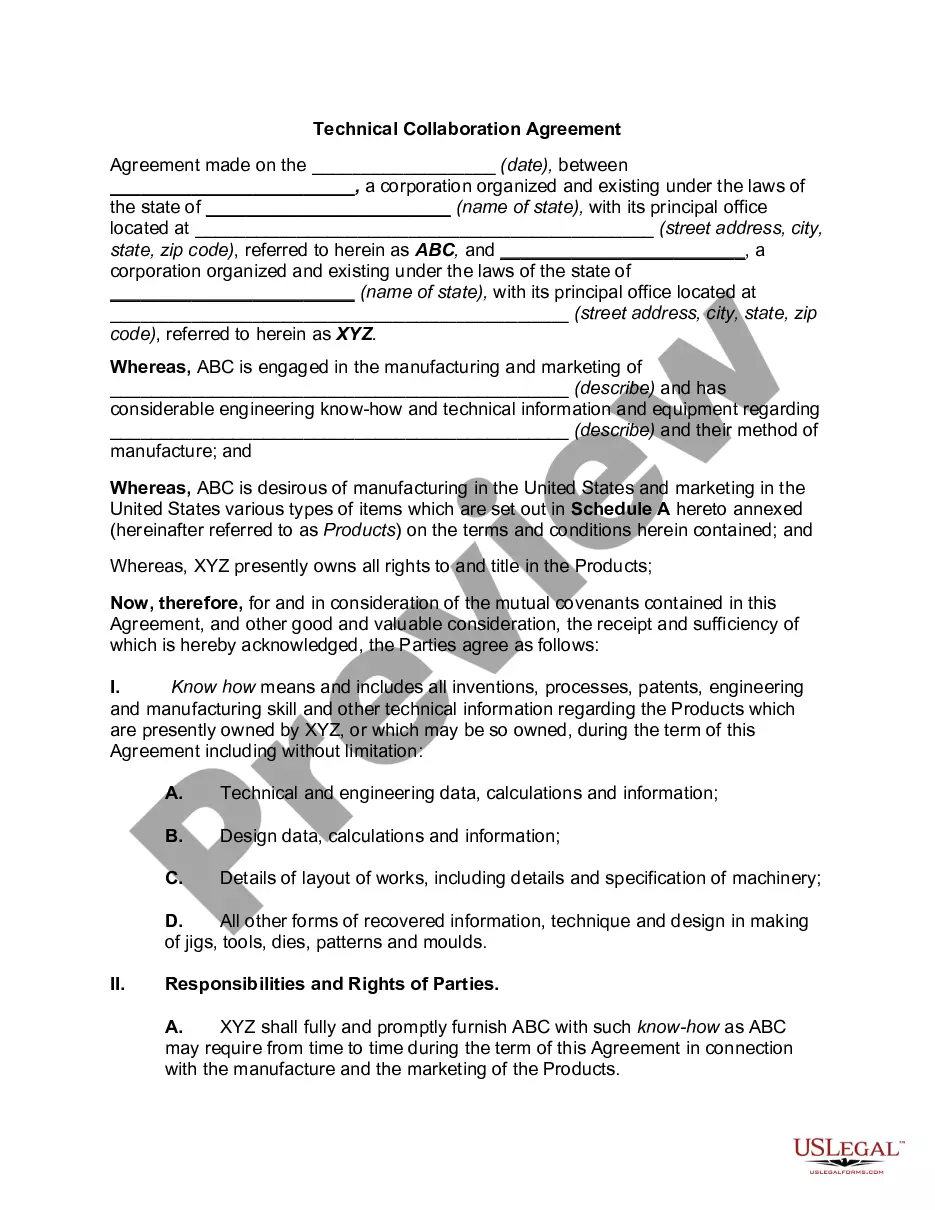
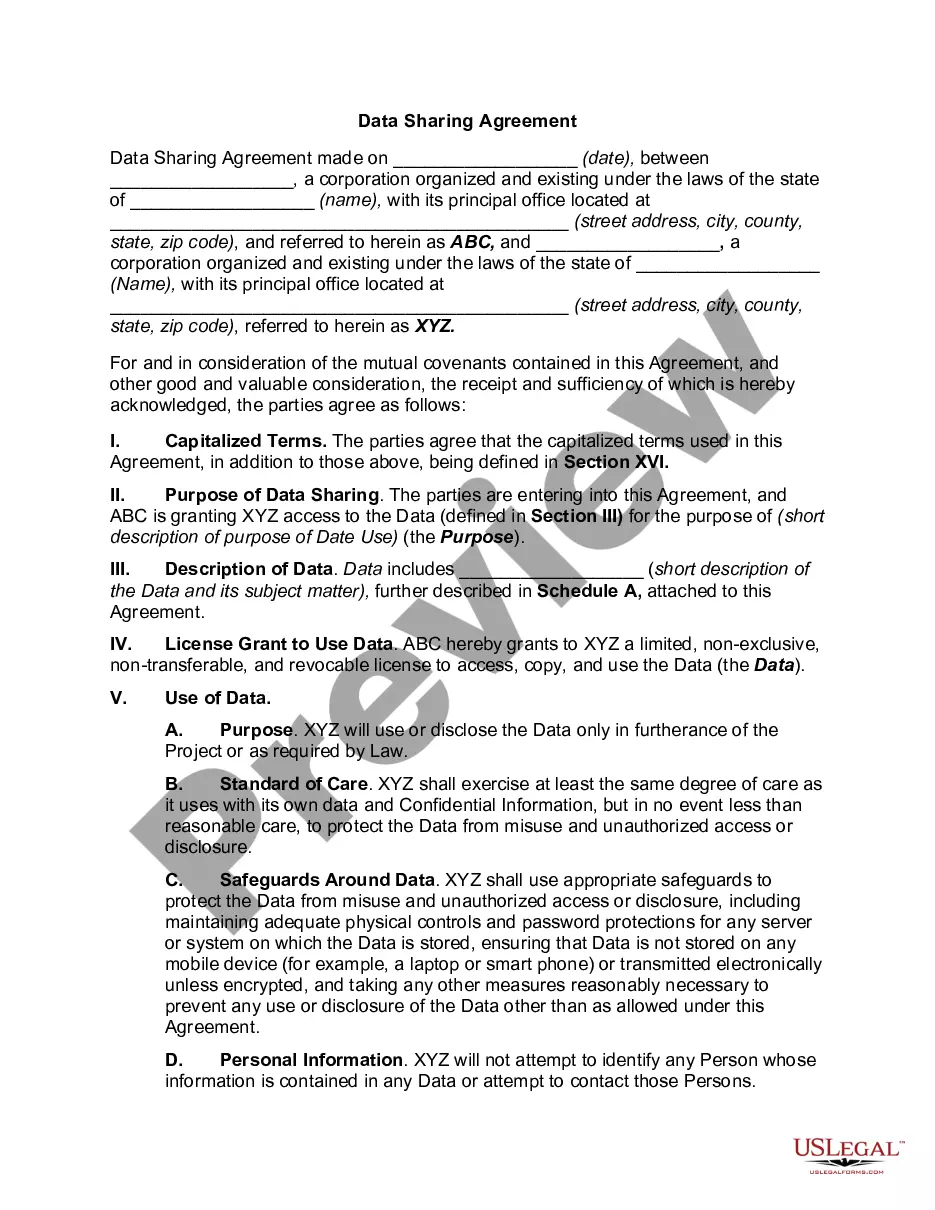
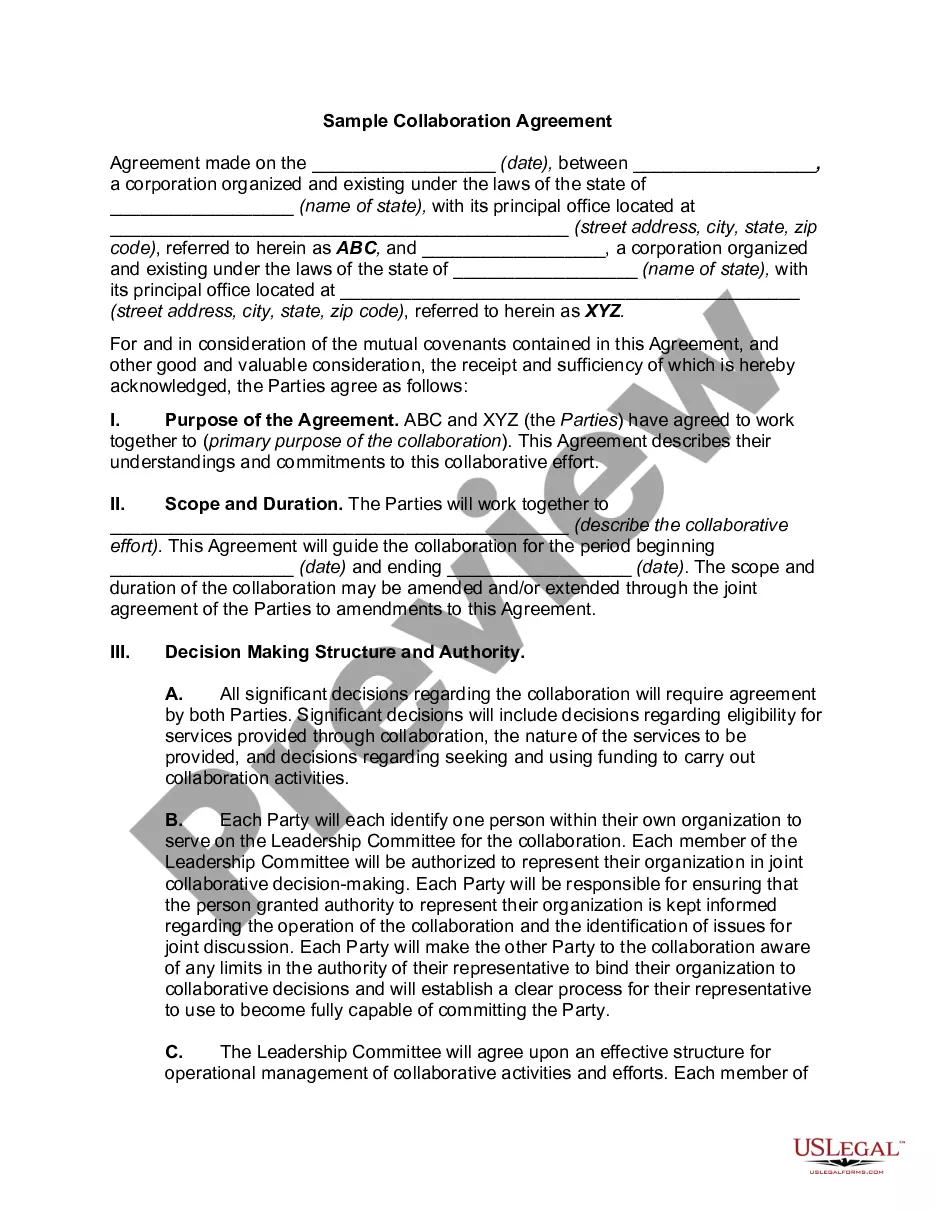
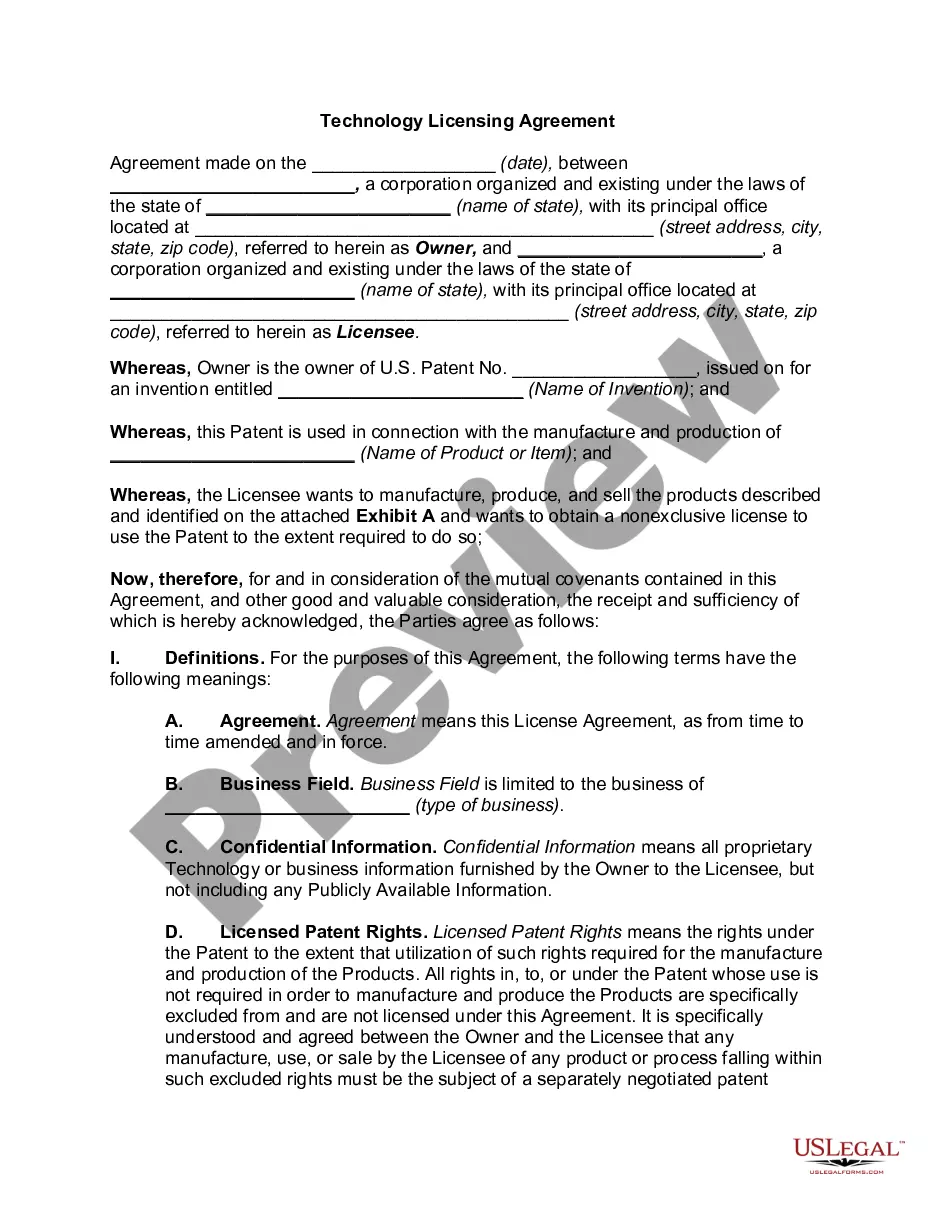
US Legal Forms provides thousands of form templates, similar to the Georgia Technical Collaboration Agreement, designed to satisfy state and federal requirements.
If you are already familiar with the US Legal Forms website and have your account, simply Log In. Afterwards, you can download the Georgia Technical Collaboration Agreement template.
- Find the form you need and ensure it is for the correct area/state.
- Use the Preview button to review the form.
- Read the description to confirm you have chosen the correct form.
- If the form is not what you are looking for, utilize the Search field to locate the form that fits your needs and requirements.
- Once you find the appropriate form, click Get now.
- Select the pricing plan you want, complete the required information to create your account, and pay for the order using your PayPal or Visa or Mastercard.
- Choose a convenient file format and download your copy.
Form popularity
FAQ
A collaboration agreement is a binding contract between parties that outlines roles, responsibilities, and expectations for a partnership. In contrast, a Memorandum of Understanding (MOU) is typically a non-binding document that establishes a mutual understanding between parties. While both documents serve to clarify intentions, the Georgia Technical Collaboration Agreement is more formal and legally enforceable.