Georgia Affidavit by an Attorney-in-Fact in the Capacity of an Administrator of an Estate
Description

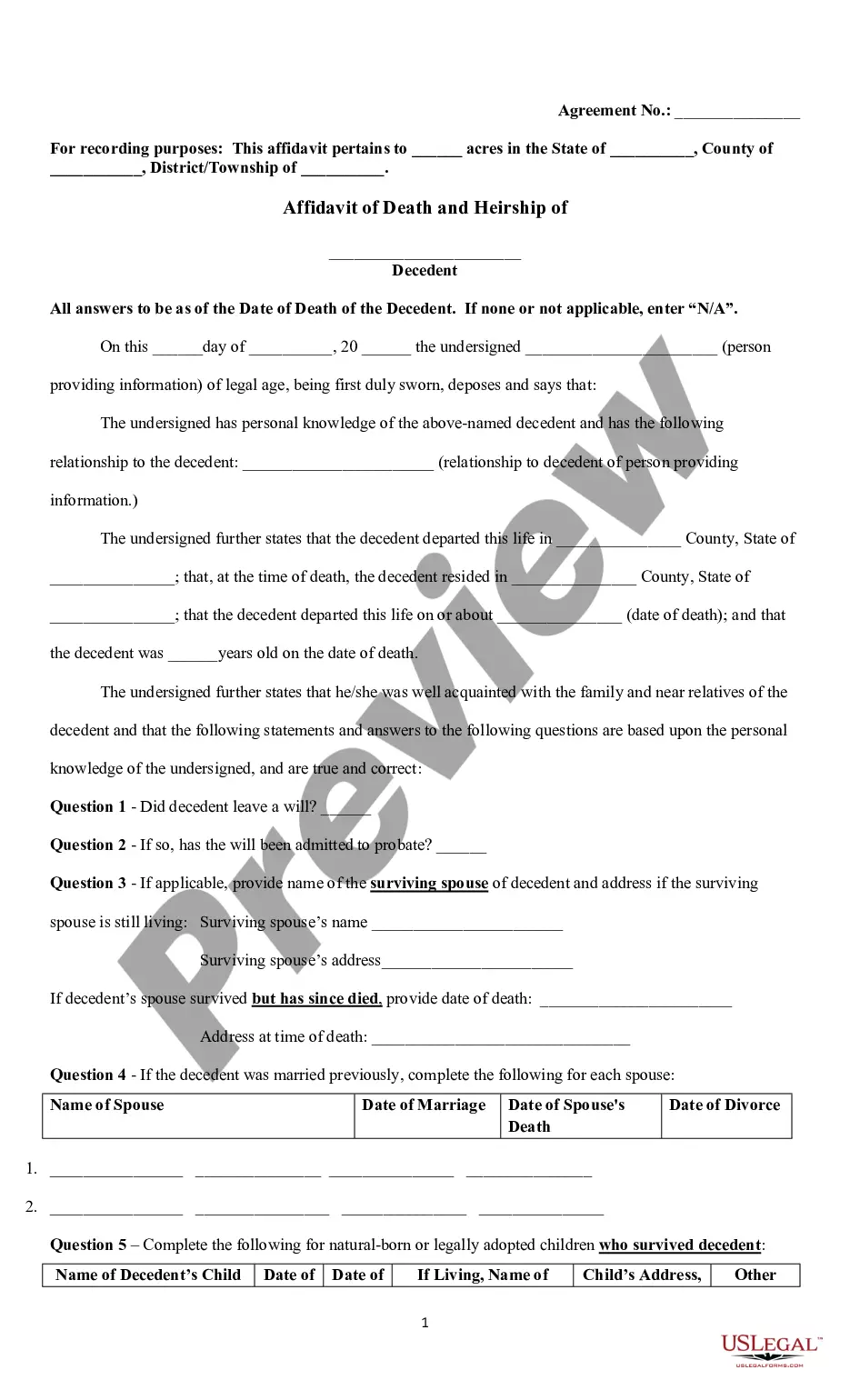
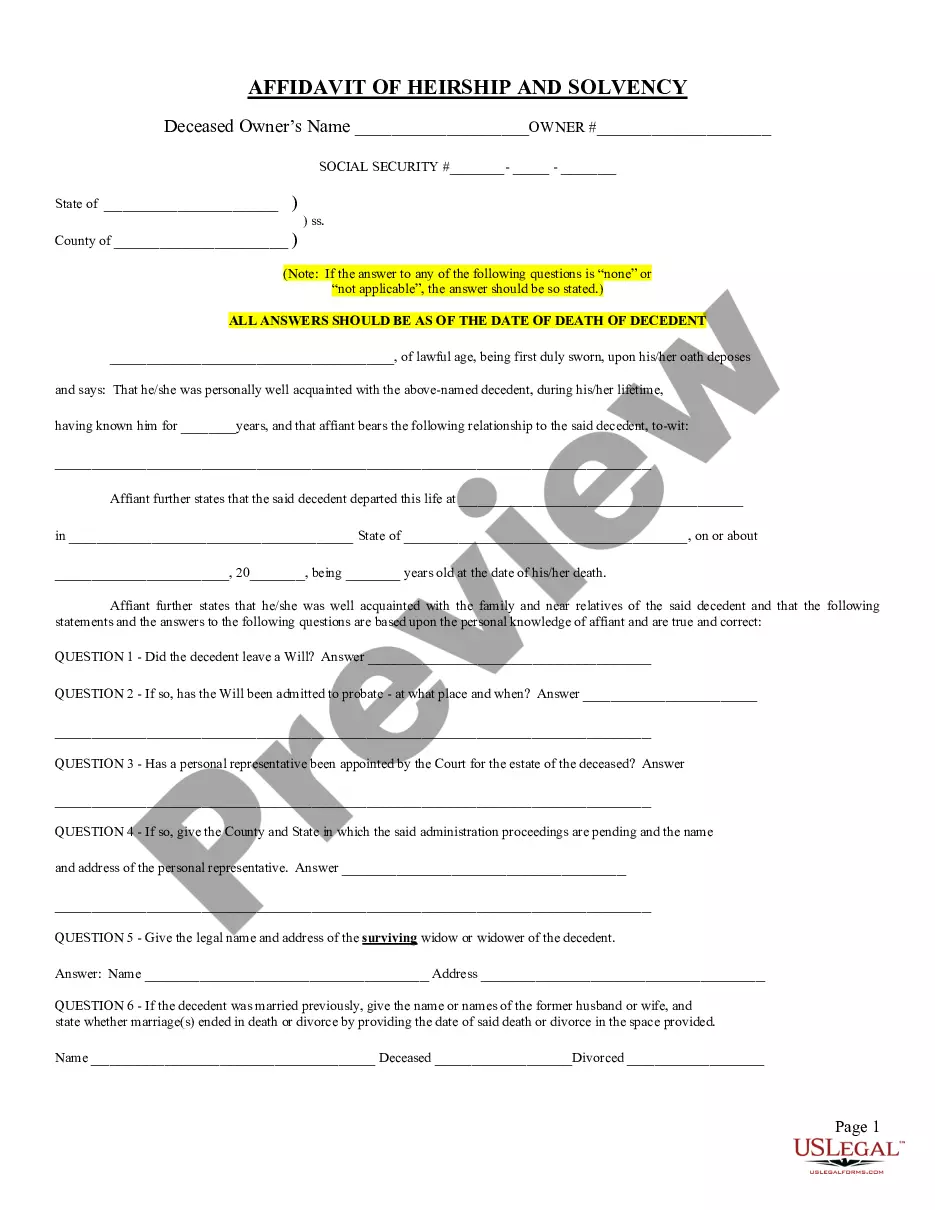
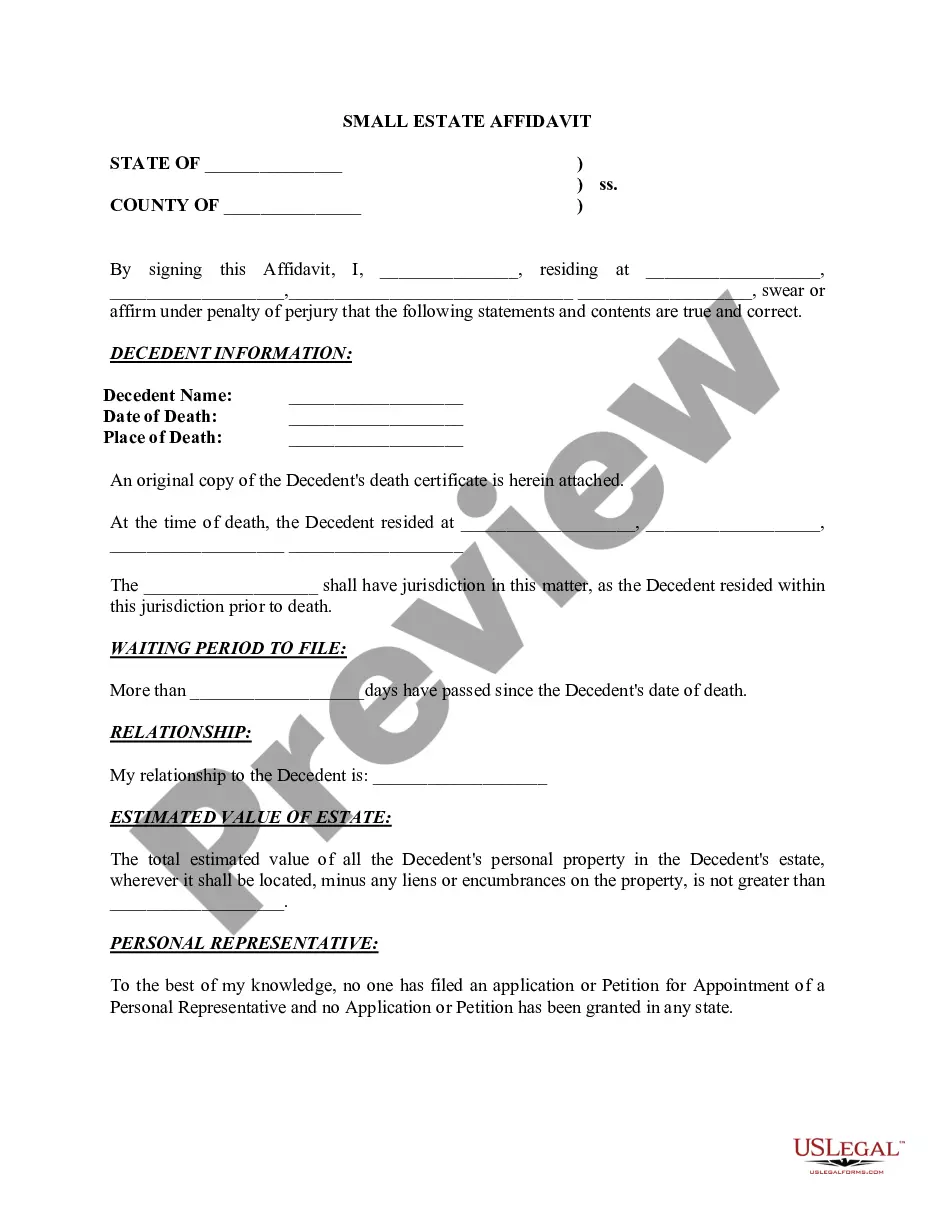

How to fill out Affidavit By An Attorney-in-Fact In The Capacity Of An Administrator Of An Estate?
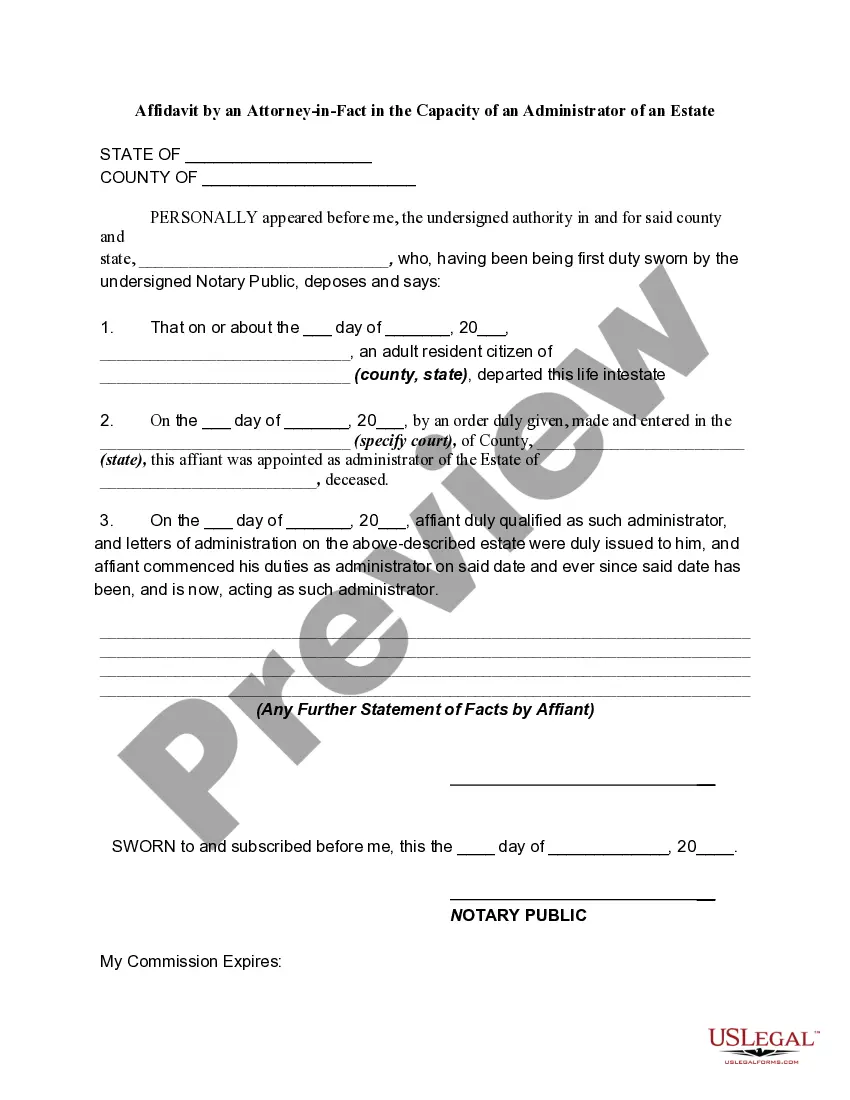
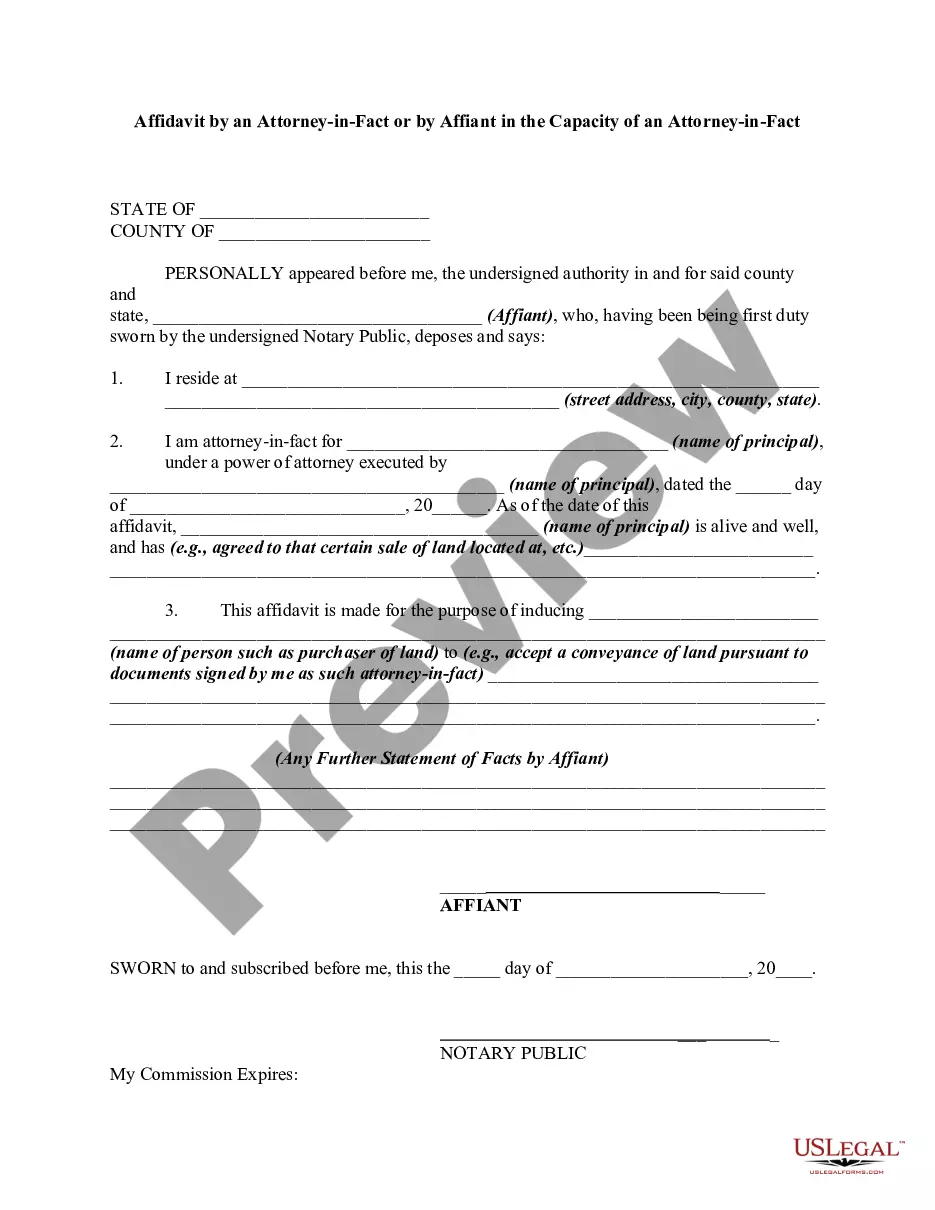
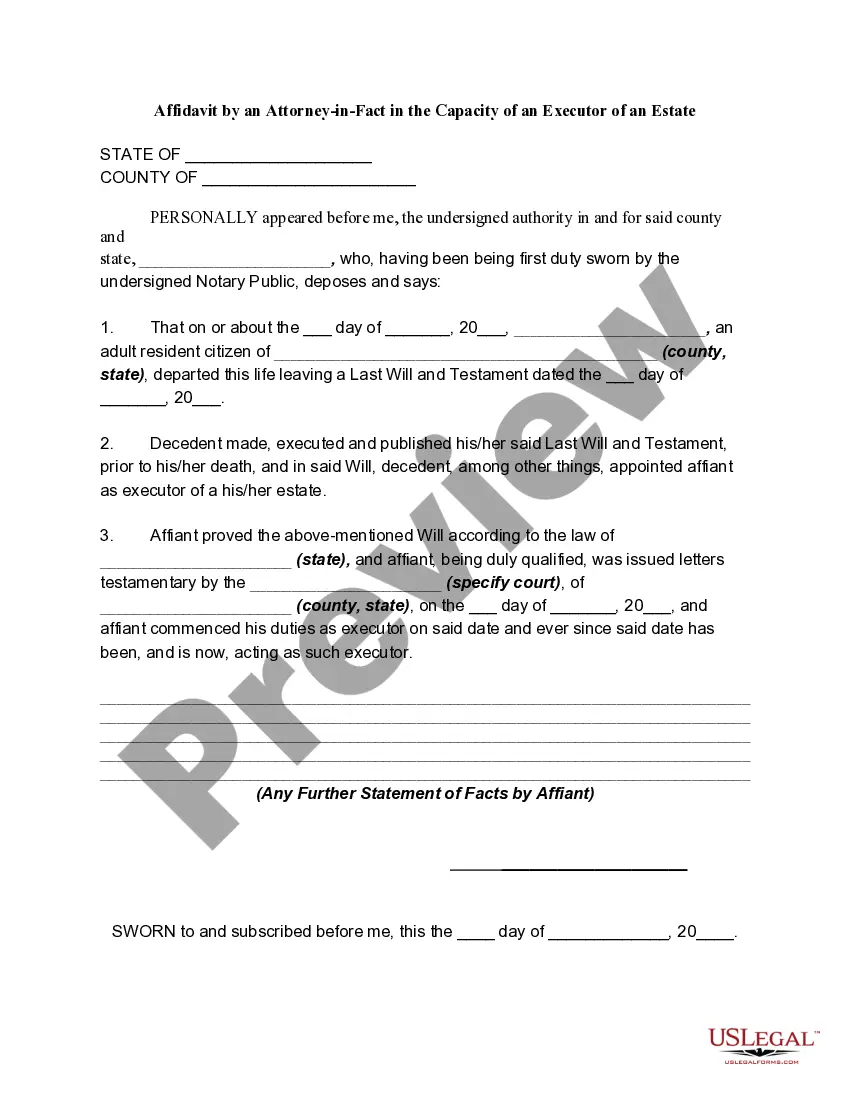
Selecting the optimal legal document template can be a challenge. Naturally, there are numerous templates accessible online, but how can you locate the legal form you require? Utilize the US Legal Forms website. The service offers a vast array of templates, such as the Georgia Affidavit by an Attorney-in-Fact in the Role of an Administrator of an Estate, that you can use for business and personal purposes. All of the forms are reviewed by professionals and comply with state and federal regulations.
If you are already registered, Log In to your account and click the Download button to access the Georgia Affidavit by an Attorney-in-Fact in the Role of an Administrator of an Estate. Use your account to search for the legal forms you have purchased previously. Go to the My documents tab in your account to retrieve another copy of the document you need.
If you are a new user of US Legal Forms, here are simple instructions for you to follow: First, ensure you have selected the correct form for your city/state. You can view the form using the Preview button and read the form description to ensure it is the right one for you. If the form does not meet your requirements, utilize the Search field to find the appropriate form. Once you are certain that the form is suitable, click the Purchase now button to obtain the form. Choose the pricing plan you prefer and enter the necessary information. Create your account and pay for the order using your PayPal account or credit card. Select the file format and download the legal document template to your device. Complete, modify, and print and sign the obtained Georgia Affidavit by an Attorney-in-Fact in the Role of an Administrator of an Estate.
- US Legal Forms is the largest repository of legal forms from which you can find numerous document templates.
- Utilize the service to download properly crafted paperwork that adhere to state requirements.
- The templates are designed to simplify the process of obtaining legal documents.
- All forms are compliant with legal standards, ensuring their validity.
- Professional reviews ensure the templates meet necessary criteria.
- The website provides an efficient way to access necessary legal documents.
Form popularity
FAQ
To obtain Letters of Administration, the deceased must not have left a Will. You will need to file an appropriate petition in the Probate Court to begin the process. If the deceased did leave a Will, then you would use a different process and receive a different order called Letters Testamentary.
The executor or personal representative is often a family member or friend who has been designated by the deceased to manage their affairs after their death. If no executor is named, then the court will appoint an administrator.
The affidavit must be notarized and the notary public must complete all information in Part 4 of the affidavit. If this affidavit is not submitted to document legal name discrepancies in signatures and title assignments, new documents and/or signatures without discrepancies must be obtained.
Letters of Administration are a court order issued by the Probate Court. It is the formal document where the Probate Court officially appoints an Administrator to represent the Estate. As a result, the Letters of Administration give the Administrator the authority to: ? Collect Estate assets.
Georgia law provides a specific fee schedule for executor compensation. ing to Georgia Code Section 53-6-60, executors are entitled to a fee of 2.5% of all money received by the executor and 2.5% of all money paid out by the executor during the administration process.
Estate Administrator Duties Collecting all the assets of the decedent. Keeping an inventory of the Estate. Verifying and settling any tax obligations with federal and state authorities. Paying the deceased person's bills, debts, and expenses of estate administration (e.g., cost of hiring a lawyer, if any)
To begin the process, a Petition for Letters of Administration must be filed with the Court. The Initial Filing Fees must be paid upon filing the petition. Any interested party or heir can file the Petition for Letters of Administration.
An administrator may be unanimously selected by all the heirs of a deceased intestate unless the sole heir is the decedent's surviving spouse and an action for divorce or separate maintenance was pending between the deceased intestate and the surviving spouse at the time of death.