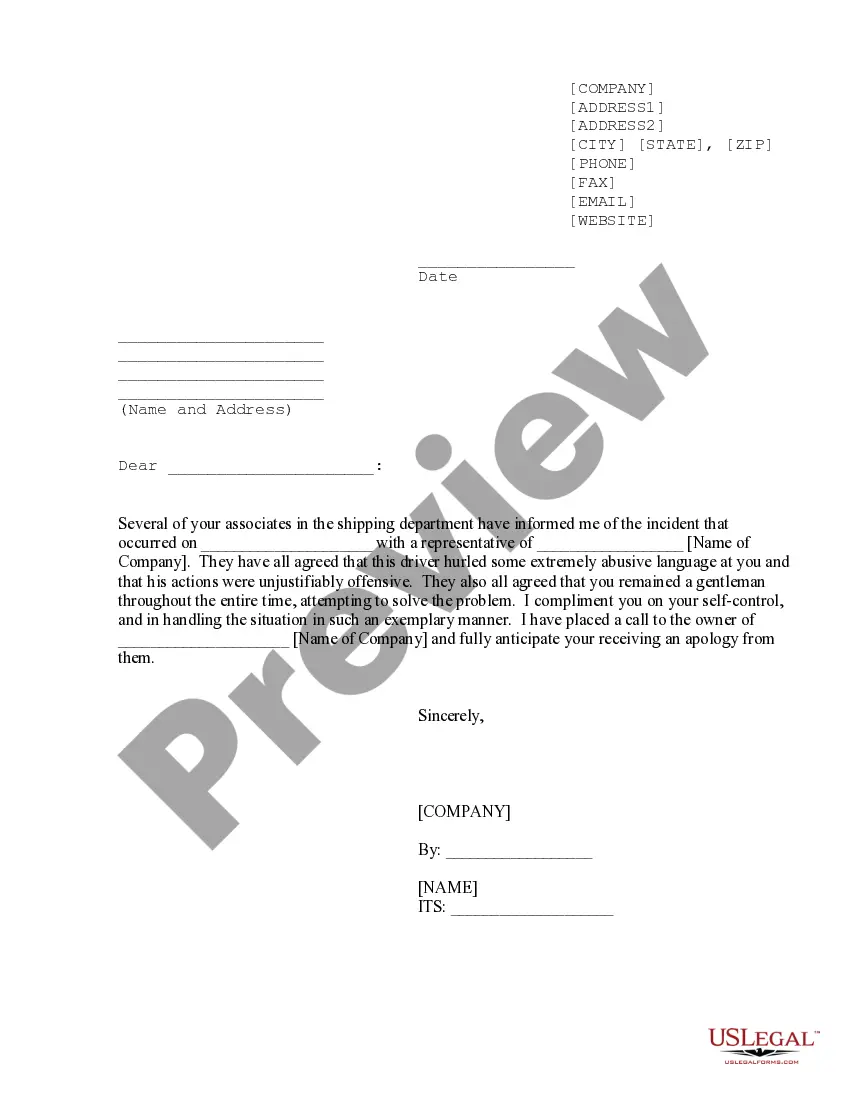
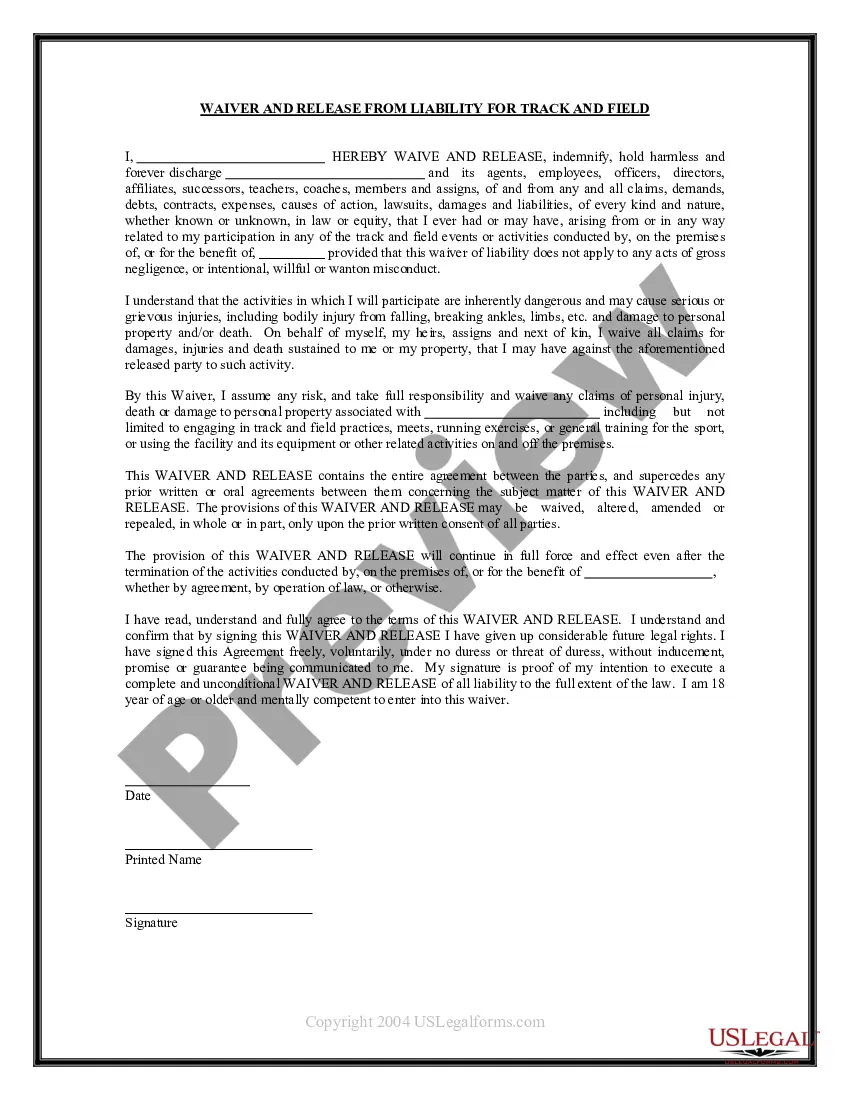
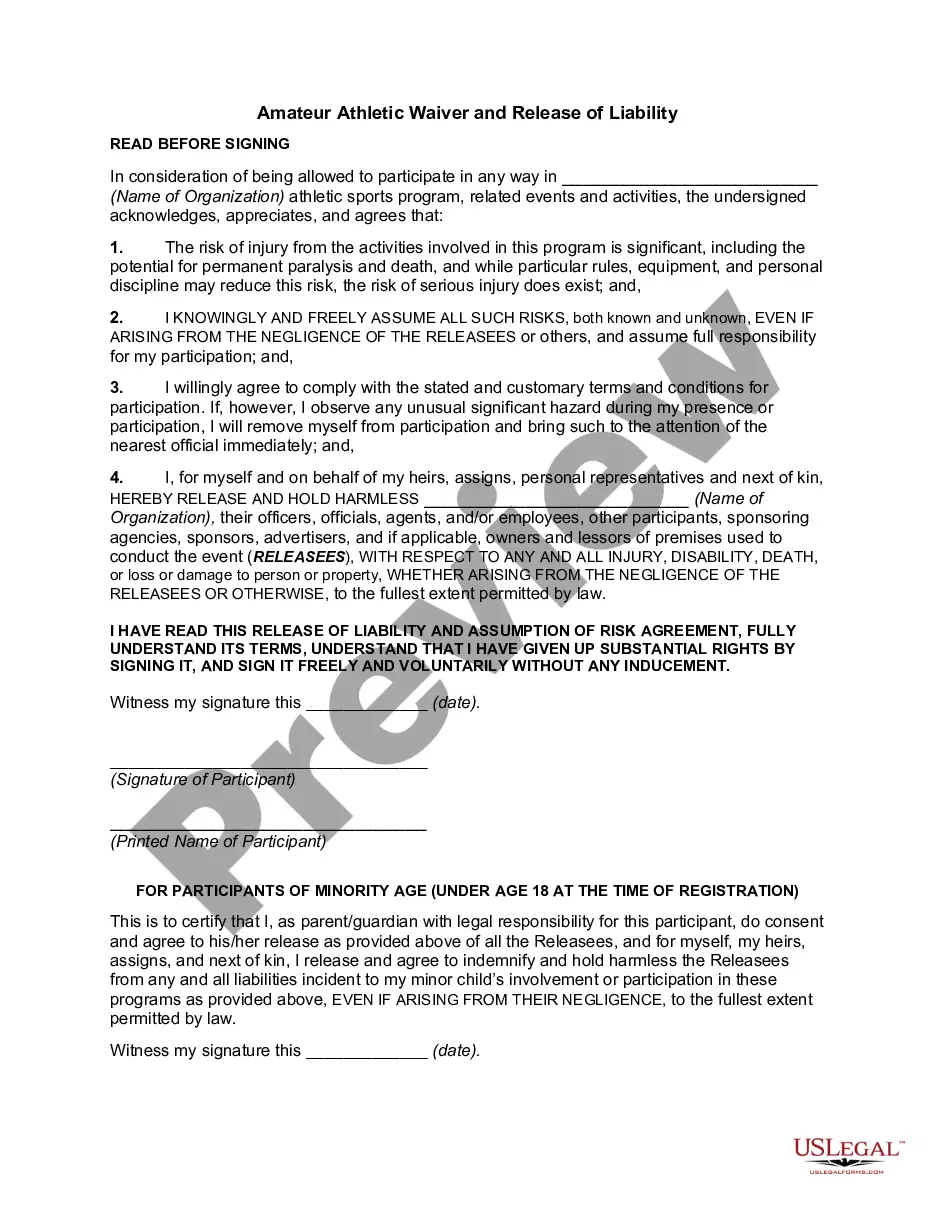
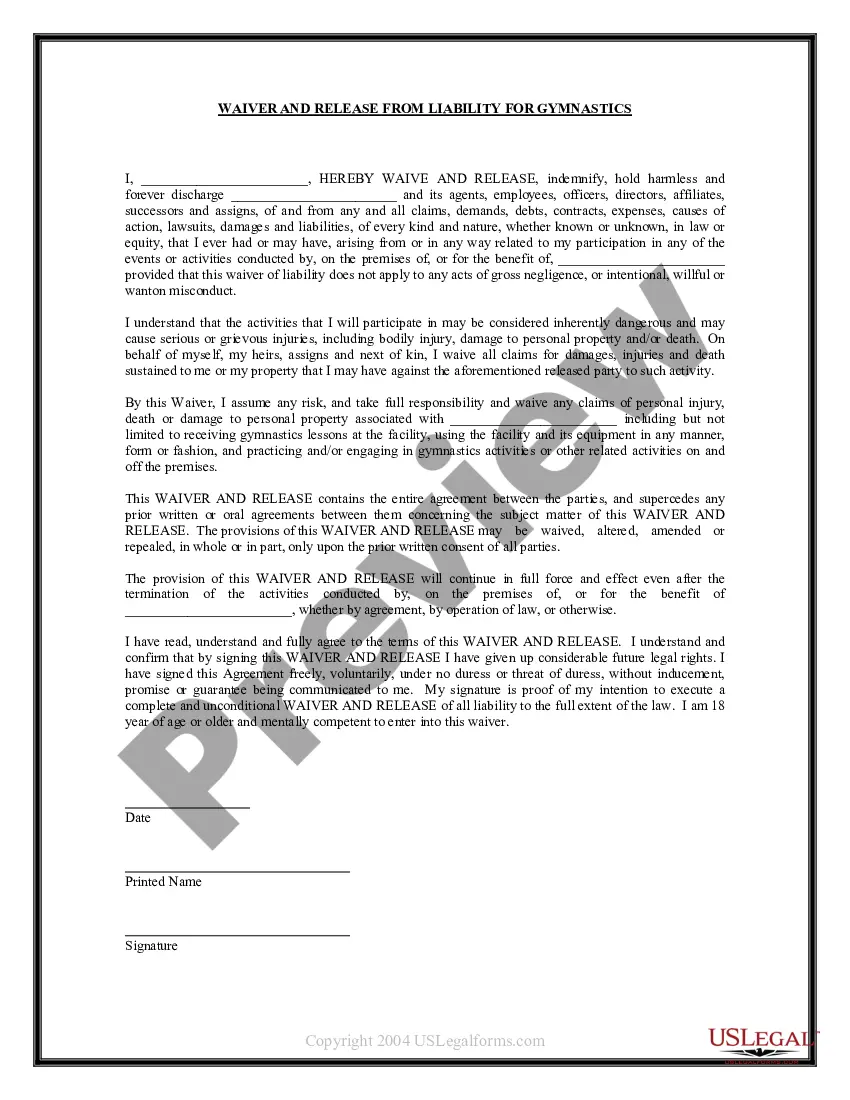
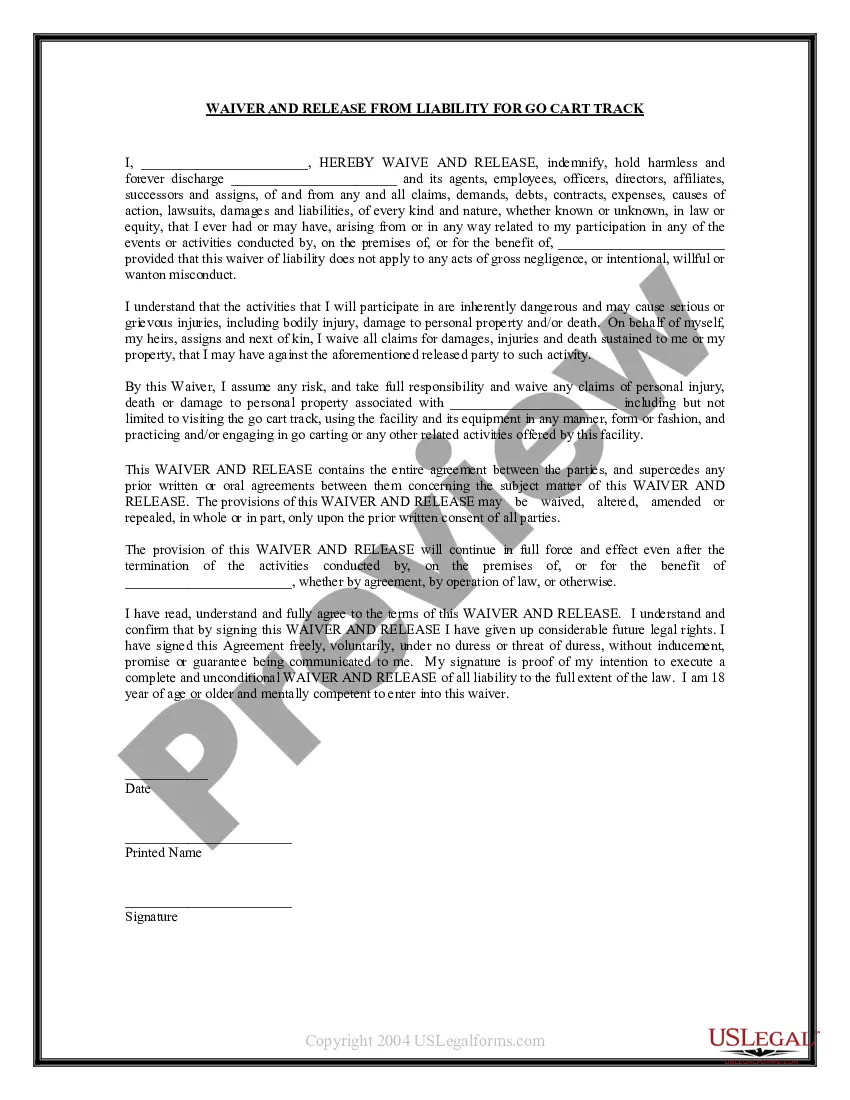
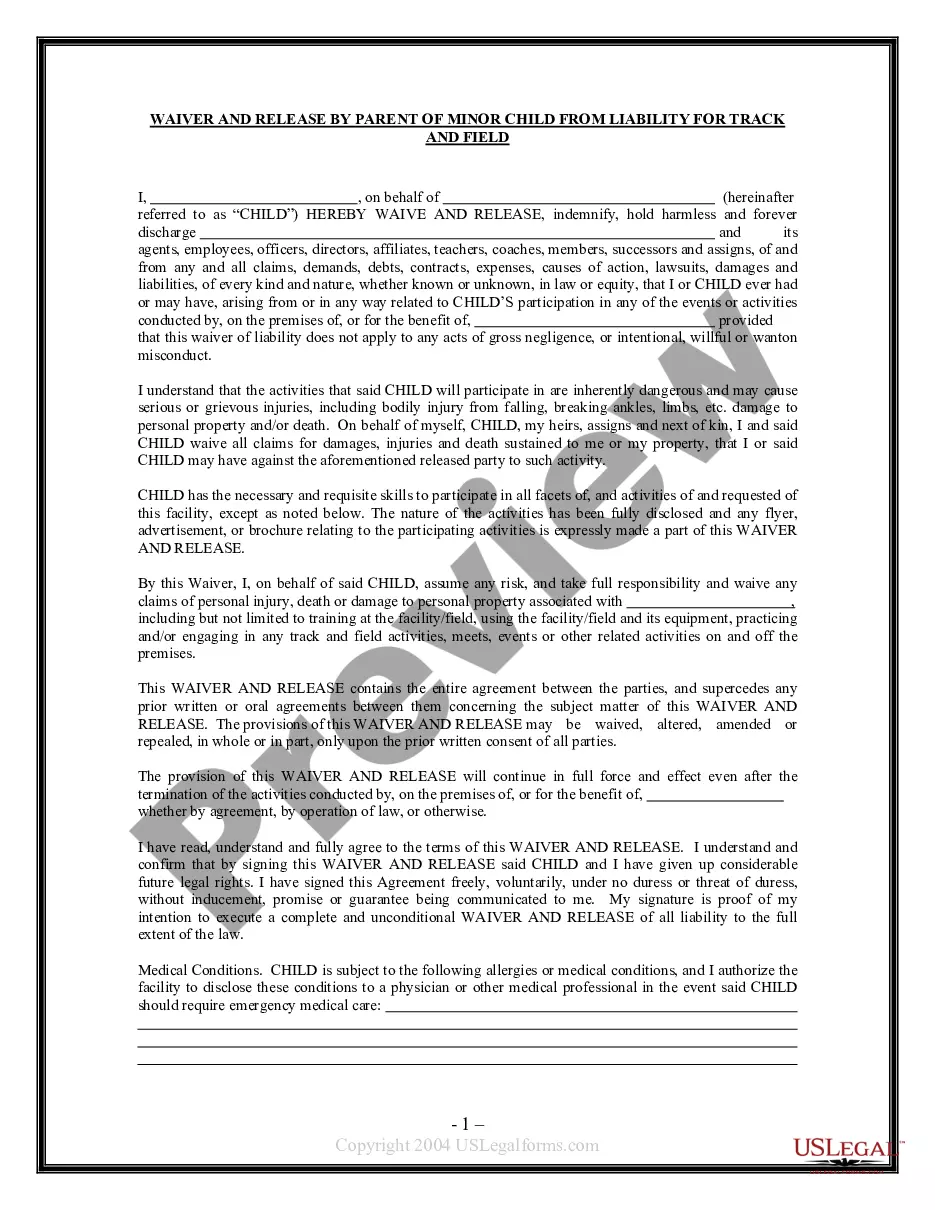
This form releases a property owner from liability for permitting an individual to participate in track and field events.
Florida Waiver and Release From Liability For Adult for Track and Field
Category:
State:
Multi-State
Control #:
US-WAV-92A
Format:
Word;
Rich Text
Instant download
Description
How to fill out Waiver And Release From Liability For Adult For Track And Field?
If you need to complete, obtain, or print legal document templates, utilize US Legal Forms, the largest collection of legal forms available online.
Take advantage of the site’s straightforward and user-friendly search function to find the documents you require.
A range of templates for business and personal purposes are organized by categories and states, or keywords. Use US Legal Forms to locate the Florida Waiver and Release From Liability For Adult for Track and Field in just a few clicks.
Every legal document template you purchase is yours to keep indefinitely. You will have access to each form you acquired in your account. Click the My documents section and select a form to print or download again.
Complete and obtain, and print the Florida Waiver and Release From Liability For Adult for Track and Field with US Legal Forms. There are thousands of professional and state-specific forms you can utilize for your business or personal needs.
- If you are already a US Legal Forms user, Log In to your account and click the Download button to access the Florida Waiver and Release From Liability For Adult for Track and Field.
- You can also access forms you previously obtained from the My documents tab of your account.
- If this is your first time using US Legal Forms, follow the steps below.
- Step 1. Ensure you have selected the form for your appropriate region/country.
- Step 2. Use the Preview option to review the form’s content. Don’t forget to check the summary.
- Step 3. If you are not satisfied with the form, use the Search field at the top of the screen to find other versions of the legal form template.
- Step 4. Once you have found the form you want, click the Buy now button. Choose the payment plan you prefer and enter your details to register for an account.
- Step 5. Complete the transaction. You can use your Visa or Mastercard or PayPal account to finalize the payment.
- Step 6. Select the format of the legal form and download it to your device.
- Step 7. Fill out, edit, and print or sign the Florida Waiver and Release From Liability For Adult for Track and Field.
Form popularity
FAQ
A release of liability waiver in Florida is a legal document that helps protect organizations from claims resulting from injuries during activities like track and field. This document outlines the risks involved and asks participants to acknowledge and accept those risks. By signing a Florida Waiver and Release From Liability For Adult for Track and Field, participants agree not to hold the organization liable for any injuries sustained. This waiver is essential for ensuring safety and managing risk effectively.
You can write your own Florida Waiver and Release From Liability For Adult for Track and Field, but it is crucial to ensure it meets legal standards. While drafting a waiver, consider using templates or guidelines available from trusted resources like USLegalForms. A well-structured waiver protects your interests and minimizes legal risks. Consulting a legal professional can also enhance the effectiveness of your waiver.
To create an effective Florida Waiver and Release From Liability For Adult for Track and Field, you need to ensure it is clear, voluntary, and specific. First, the language should be easy to understand, avoiding complex legal terms. Secondly, participants must willingly sign the waiver, indicating they understand the risks involved. Lastly, the waiver should explicitly detail the activities and risks covered, ensuring there is no ambiguity.
Here is all that pertains writing an effective liability waiver:Get help. Writing a waiver should not be complicated.Use the correct structure.Proper formatting.Include a subject line.Include a caution!Talk about the activity risks.Do not forget an assumption of risk.Hold harmless.More items...?22-Jun-2019
To sum it up, customers can still sue business owners even when they've signed a waiver to use the business.
A release and waiver agreement is an enforceable promise not to pursue legal action in exchange for compensation. The releasee gives money or some other form of compensation to the releasor, who then agrees not to press charges, sue, or take any other legal action against the releasee.
As tempting as it may be, you should never write your own liability waiver. Unless you're a fully qualified lawyer with experience in this area, it's likely that you'll omit critical language that puts your business at risk for lawsuits.
The main difference between releases and waivers is the transferring of ownership. When rights are released, they are transferred to another party. When rights are waived, they are gone altogether. If intellectual property rights are waived, the IP can be used by any other party that has access to it.
The answer under Florida law is complicated. Generally, a court will enforce a waiver if certain requirements are met. However, waivers cannot eliminate a company's liability for personal injuries in all cases. Before a court will enforce a waiver, they must take a close look at it.
What criteria are required for a liability waiver to be valid and enforceable in Florida? To be valid and enforceable, liability waivers in Florida must contain language that is clearly written, unequivocal, unambiguous and specific on the risks and rights being waived by the signee.