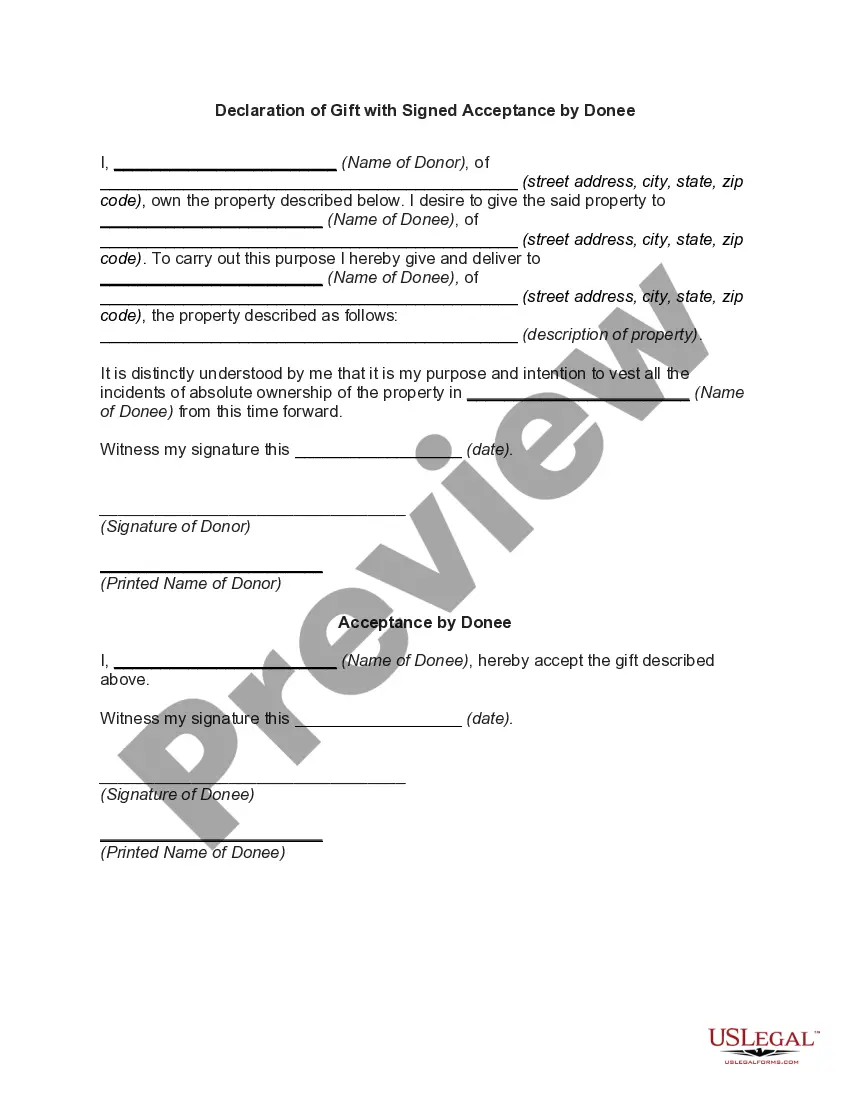
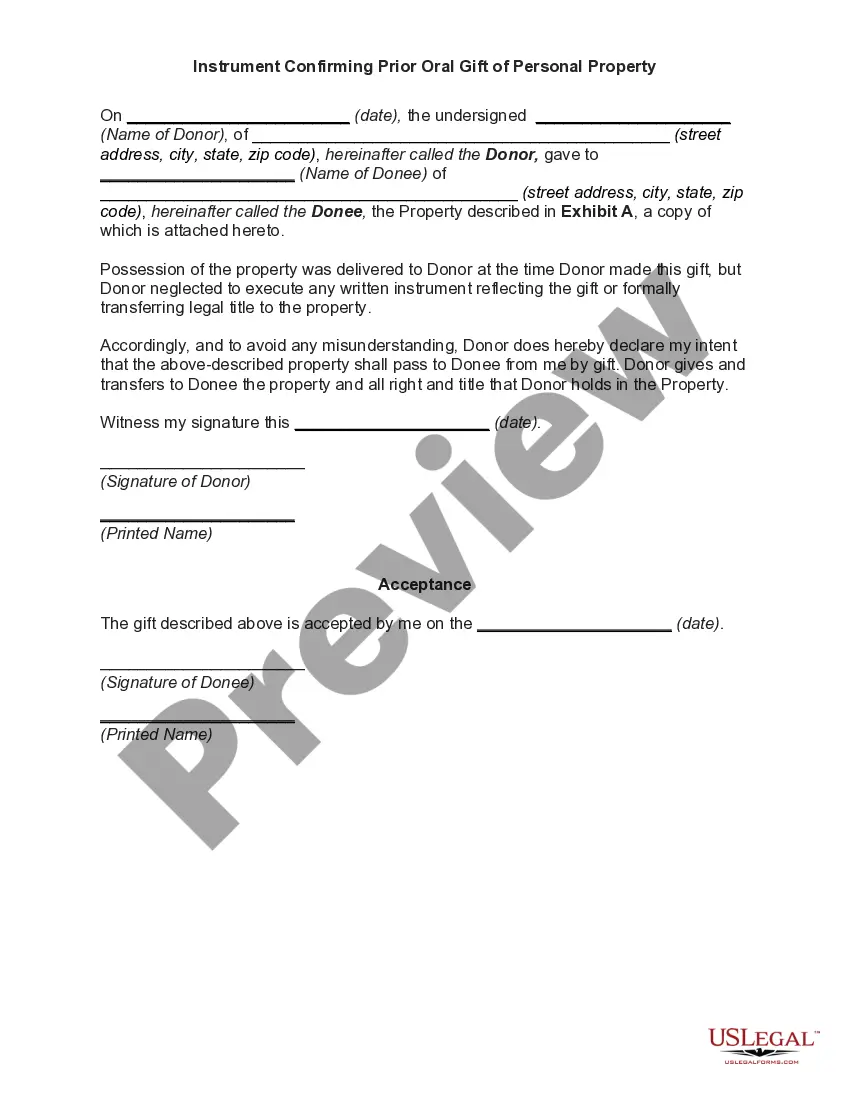
Florida Declaration of Gift with Signed Acceptance by Donee
Description
Get your form ready online
Our built-in tools help you complete, sign, share, and store your documents in one place.
Make edits, fill in missing information, and update formatting in US Legal Forms—just like you would in MS Word.
Download a copy, print it, send it by email, or mail it via USPS—whatever works best for your next step.
Sign and collect signatures with our SignNow integration. Send to multiple recipients, set reminders, and more. Go Premium to unlock E-Sign.
If this form requires notarization, complete it online through a secure video call—no need to meet a notary in person or wait for an appointment.
We protect your documents and personal data by following strict security and privacy standards.

Make edits, fill in missing information, and update formatting in US Legal Forms—just like you would in MS Word.

Download a copy, print it, send it by email, or mail it via USPS—whatever works best for your next step.

Sign and collect signatures with our SignNow integration. Send to multiple recipients, set reminders, and more. Go Premium to unlock E-Sign.

If this form requires notarization, complete it online through a secure video call—no need to meet a notary in person or wait for an appointment.

We protect your documents and personal data by following strict security and privacy standards.
Looking for another form?
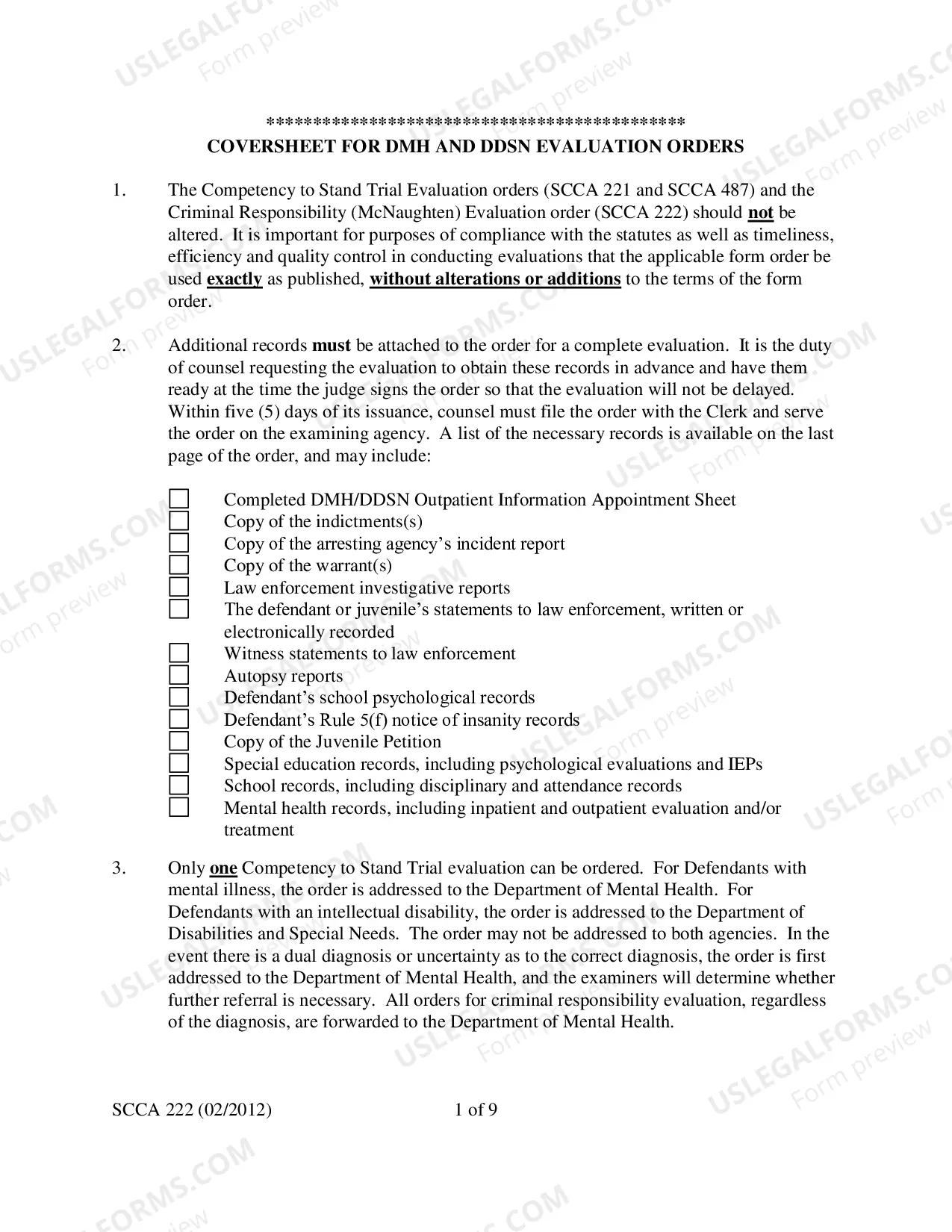

How to fill out Declaration Of Gift With Signed Acceptance By Donee?
If you aspire to finalize, obtain, or generate legal document templates, utilize US Legal Forms, the most extensive collection of legal forms available online.
Take advantage of the site's straightforward and trouble-free search to locate the documents you need.
An assortment of templates for business and personal use are categorized by groups and states, or keywords.
Every legal document template you purchase is yours indefinitely.
You have access to all forms you have acquired within your account. Click the My documents section and select a form to print or download again.
- Use US Legal Forms to find the Florida Declaration of Gift with Signed Acceptance by Donee in a few clicks.
- If you are already a US Legal Forms member, Log In to your account and click the Acquire button to access the Florida Declaration of Gift with Signed Acceptance by Donee.
- You can also view forms previously obtained in the My documents section of your account.
- If you are using US Legal Forms for the first time, follow these steps.
- Step 1. Ensure you have selected the form relevant to your city/state.
- Step 2. Use the Review option to examine the content of the form. Make sure to read the details carefully.
- Step 3. If you are not satisfied with the form, utilize the Search field at the top of the screen to find alternative types in the legal document template.
- Step 4. Once you have found the form you need, click the Get now button. Choose your preferred pricing plan and enter your information to register for an account.
- Step 5. Complete the payment. You can use your Мisa or Ьastercard or PayPal account to proceed with the transaction.
- Step 6. Choose the format of the legal document and download it to your device.
- Step 7. Complete, modify, print, or sign the Florida Declaration of Gift with Signed Acceptance by Donee.
Form popularity
FAQ
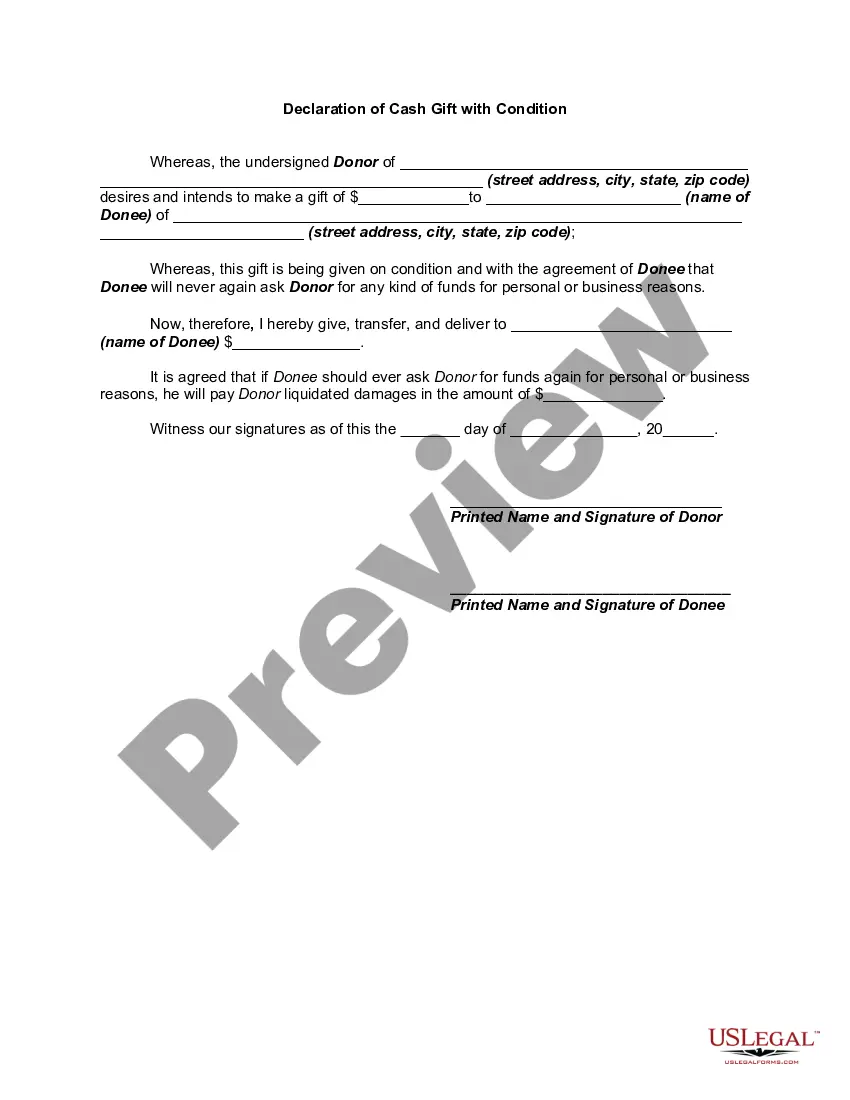
Can a Parent Gift a House to a Child? If a person gives anyone other than their spouse property valued at more than $15,000 ($30,000 per couple) in any one year, they need to file a gift tax form. Tax law allows gifting of assets of up to $11.7 million (in 2021) over a person's lifetime without incurring a gift tax.
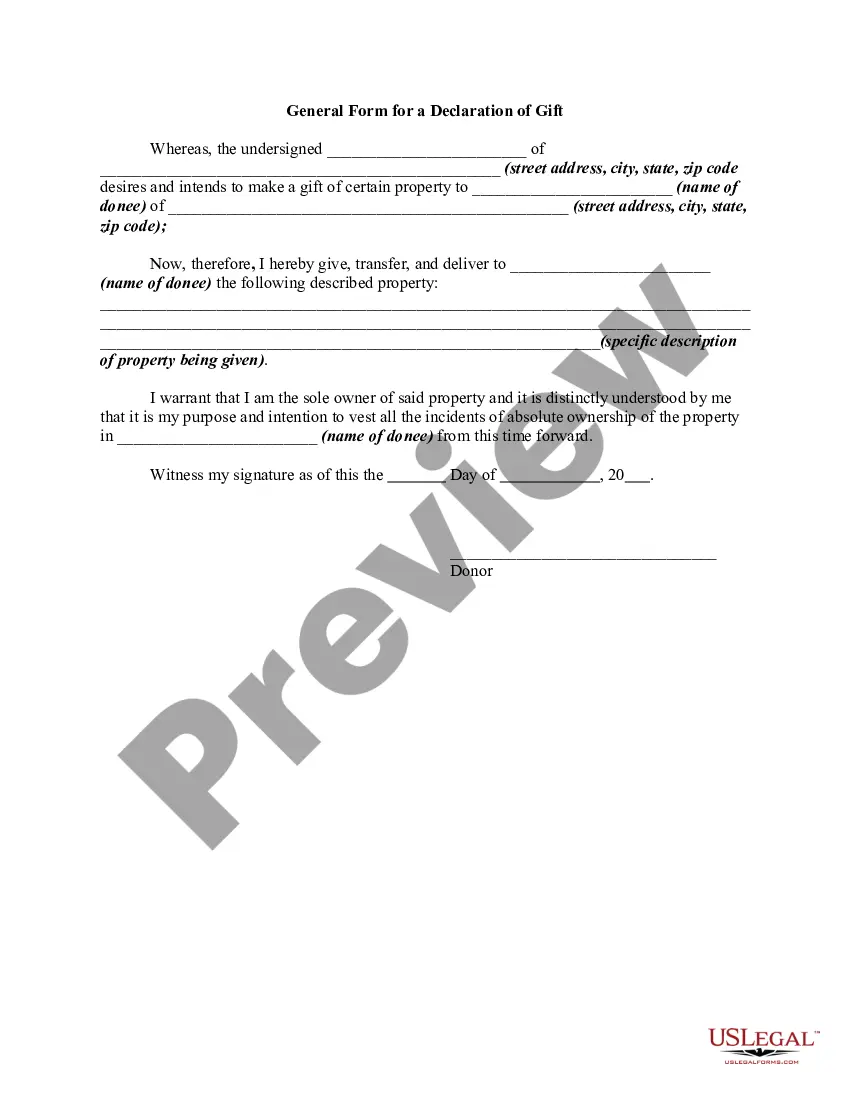
A valid gift requires: (1) a competent donor; (2) an eligible donee; (3) an existing identifiable thing or interest; (4) an intention to donate; (5) delivery; i.e., a transfer of possession to or for the donee and a relinquishment by the donor of ownership, control, and power to revoke (except in gifts mortis causa;
Acceptance The final requirement for a valid gift is acceptance, which means that the donee unconditionally agrees to take the gift. It is necessary for the donee to agree at the same time the delivery is made. The gift can, however, be revoked at any time prior to acceptance.
Donor agrees and acknowledges that all gifts of money or property to the Fund are accepted subject at all times to applicable law, including, but not by way of limitation, provisions for presumption of donor intent and variance from donor direction.
Guidelines say no gifts can be solicited, and only gifts of minimal value, such as inexpensive cups or pens, can be accepted. Gifts such as fruit baskets are to be shared with a work group or donated.
One of the easiest and most common ways to transfer property rights to another party in Florida is through the use of a quit claim deed. This type of deed conveys the interest you have in a property without providing any warranties or guarantees about the interest you are conveying.
One of the easiest and most common ways to transfer property rights to another party in Florida is through the use of a quit claim deed. This type of deed conveys the interest you have in a property without providing any warranties or guarantees about the interest you are conveying.
In Florida, there is no state gift tax. Gifts of real property in Florida are, however, subject to the federal gift tax.
You may accept a gift given under circumstances that make it clear that the gift is motivated by a family relationship or personal friendship rather than your official position.
In Florida, there is no state gift tax. Gifts of real property in Florida are, however, subject to the federal gift tax. The person or entity making the gift (grantor or donor) is responsible for paying the federal gift tax; however, if the donor does not pay the gift tax, the donee (grantee) will be held liable 1.