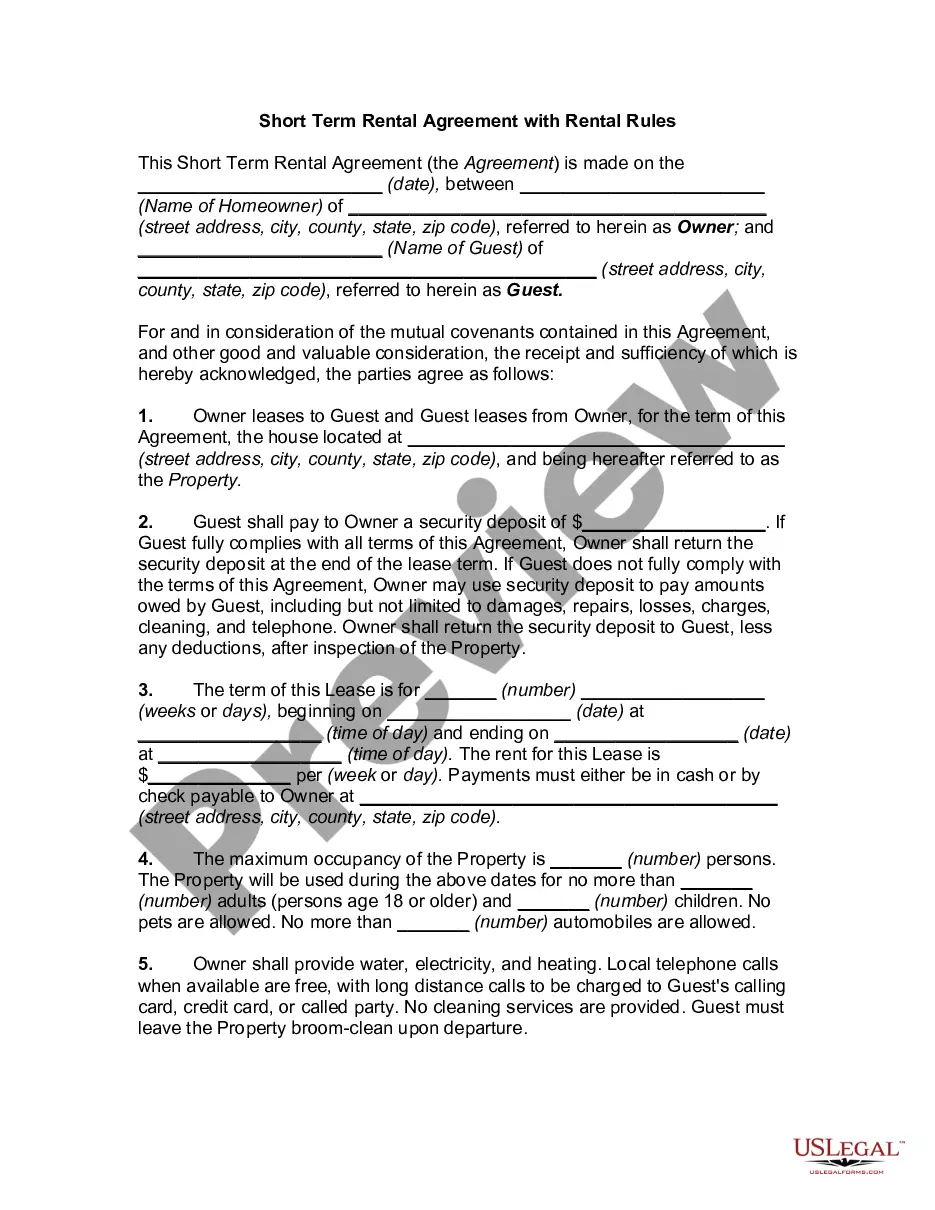
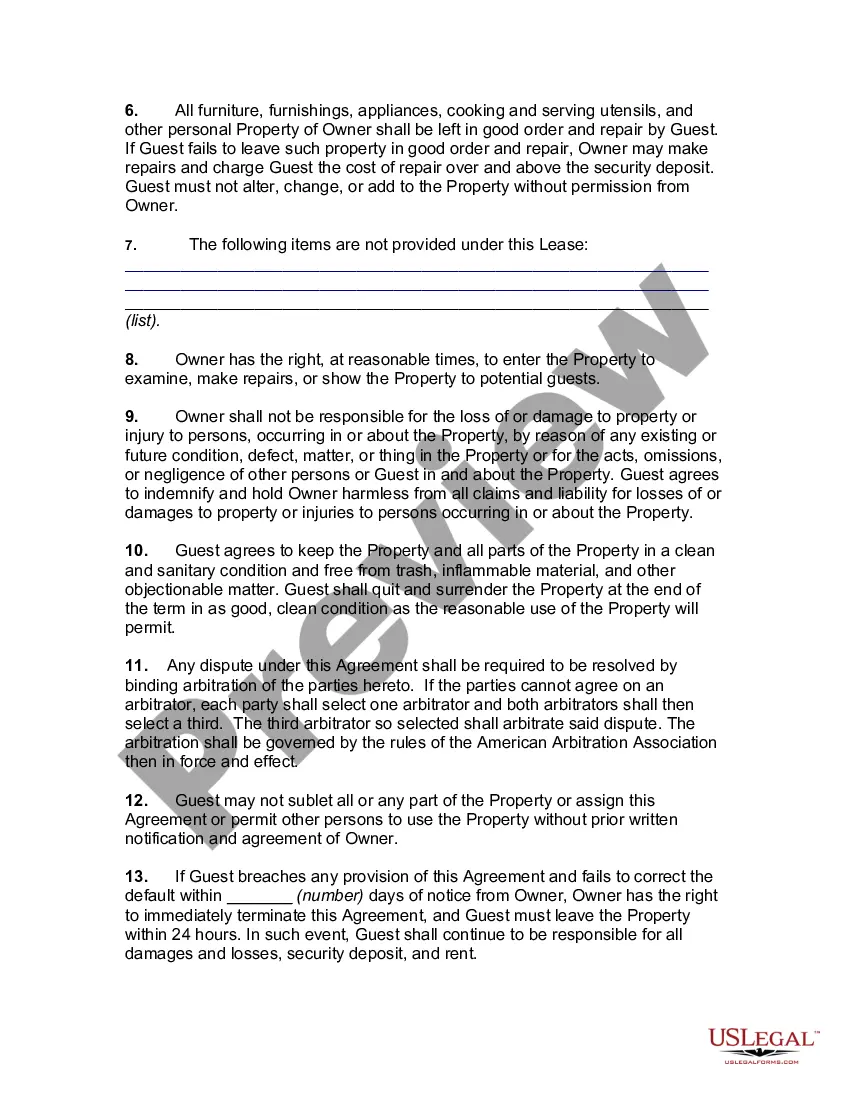
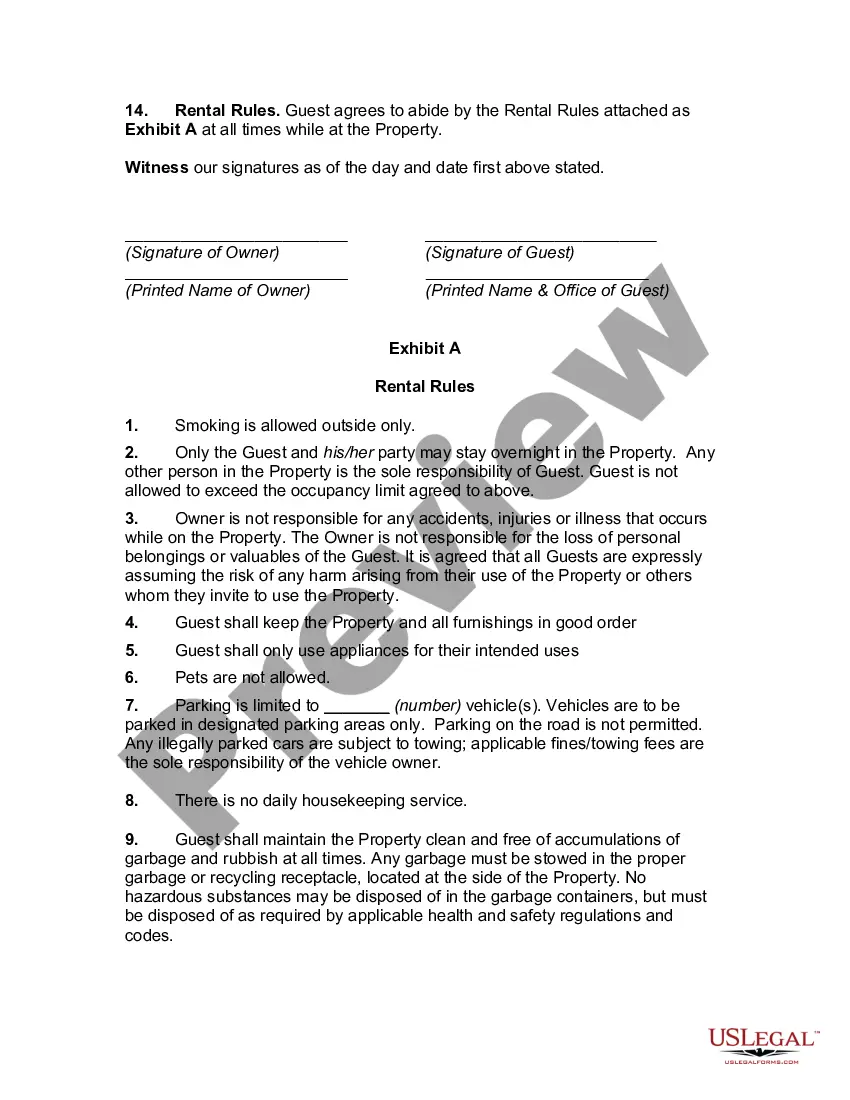
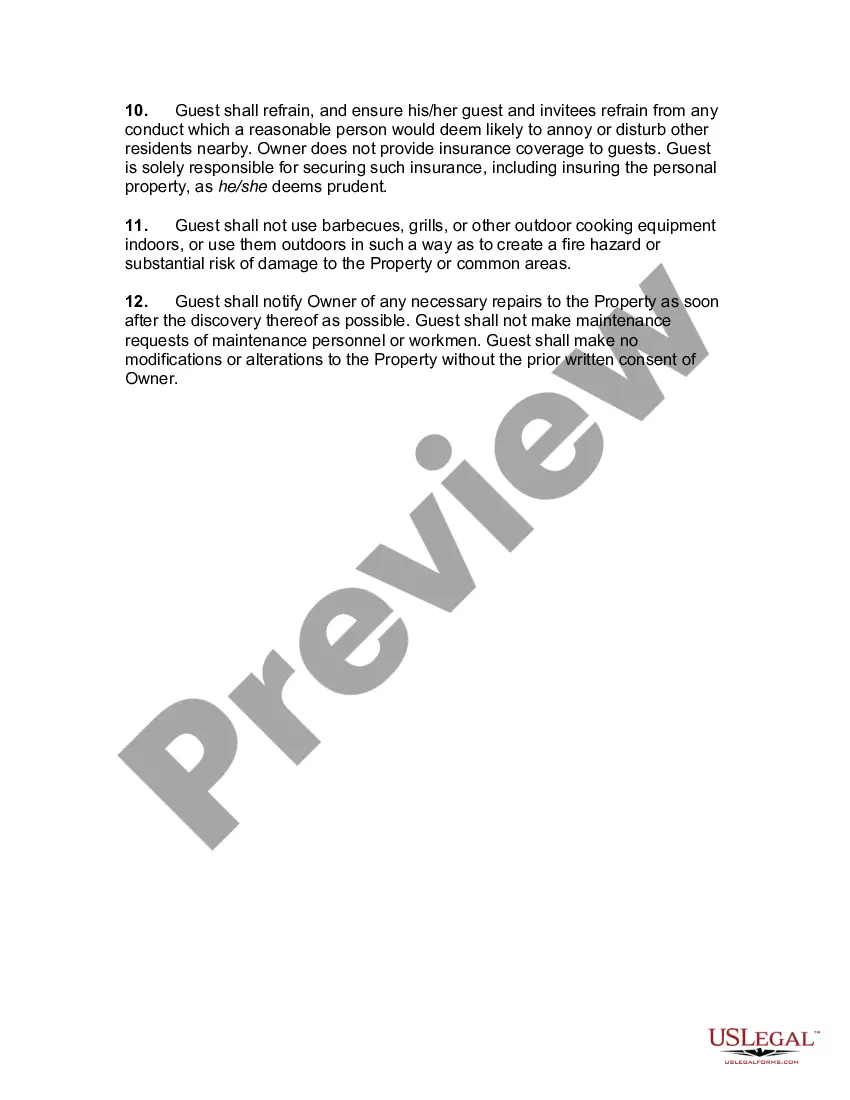
Florida Short Term Rental Agreement with Rental Rules
Description
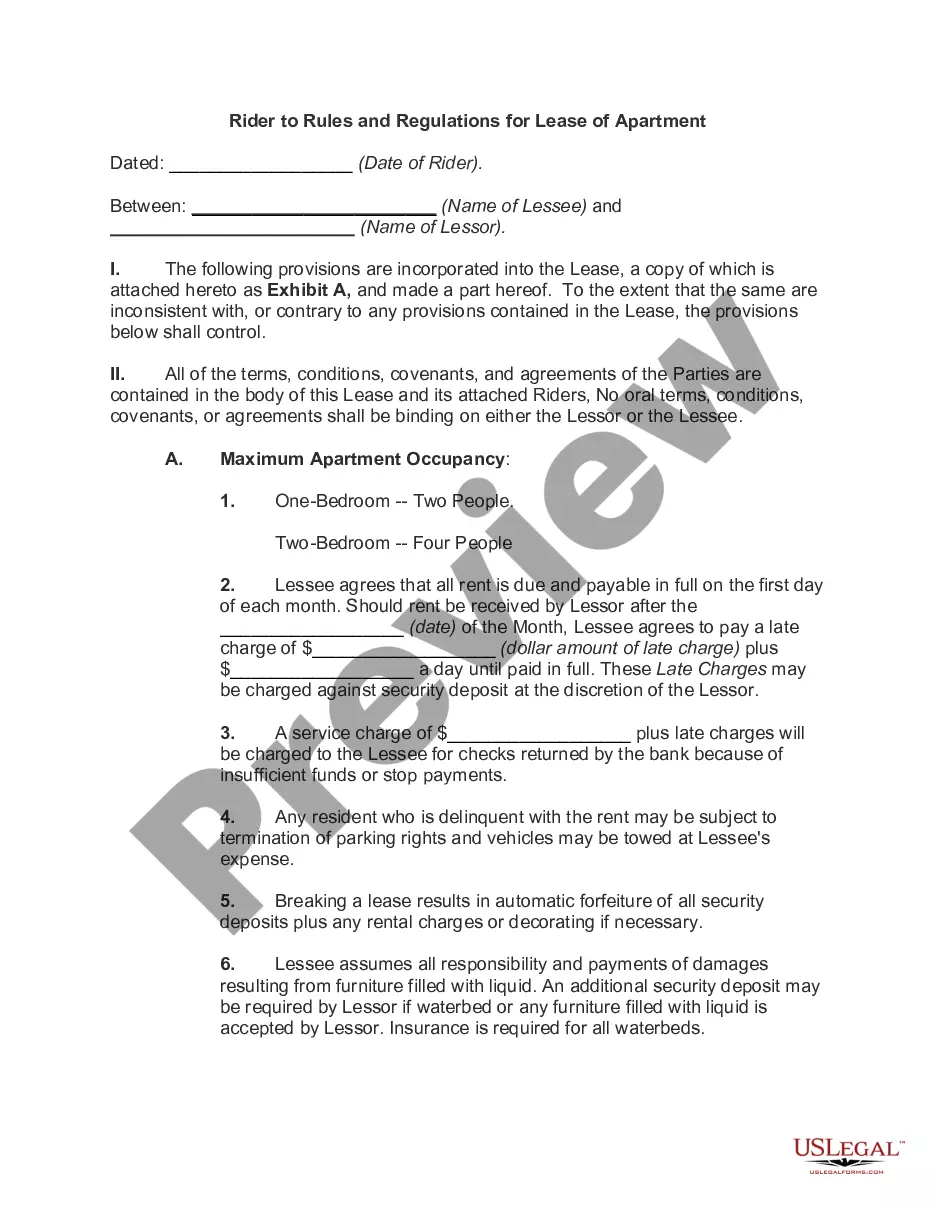
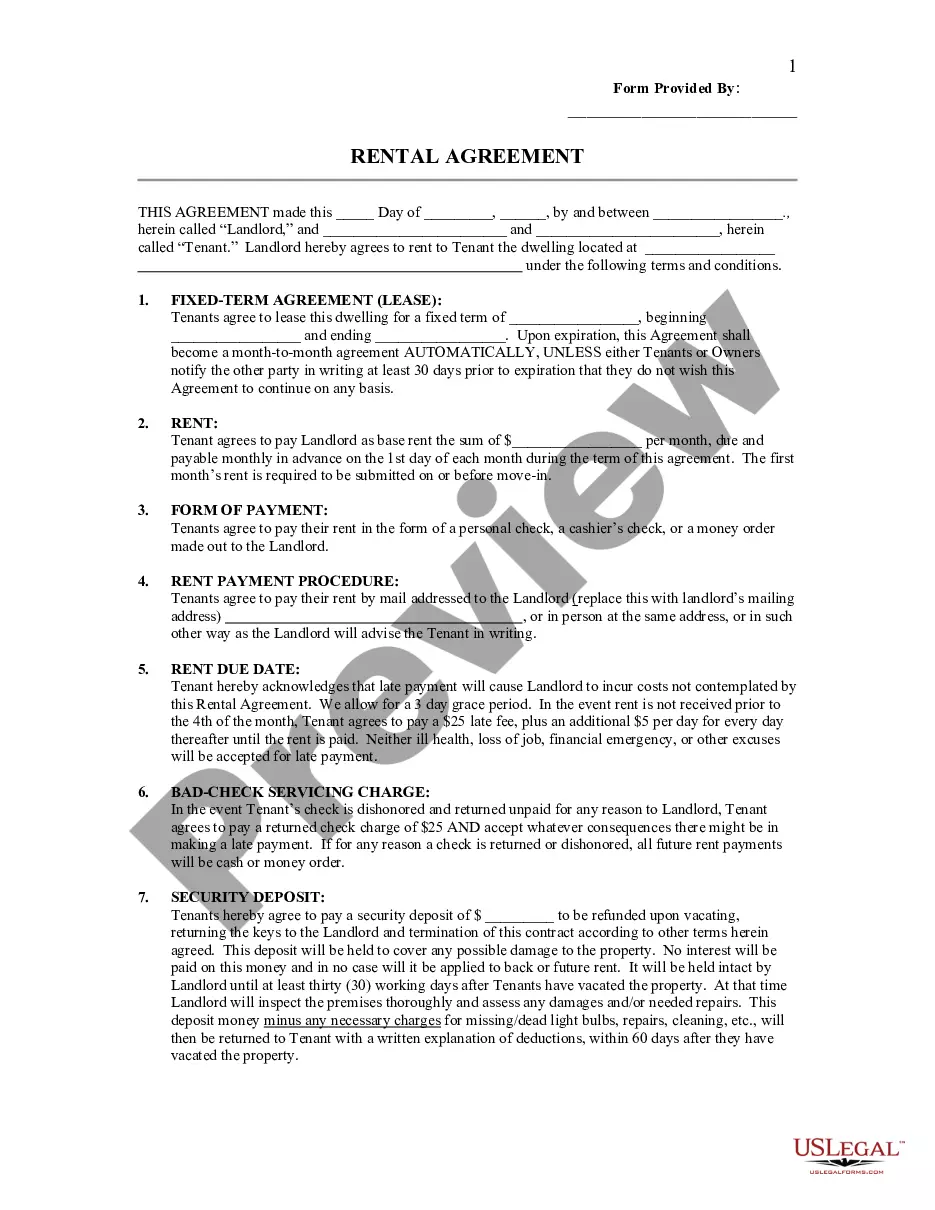
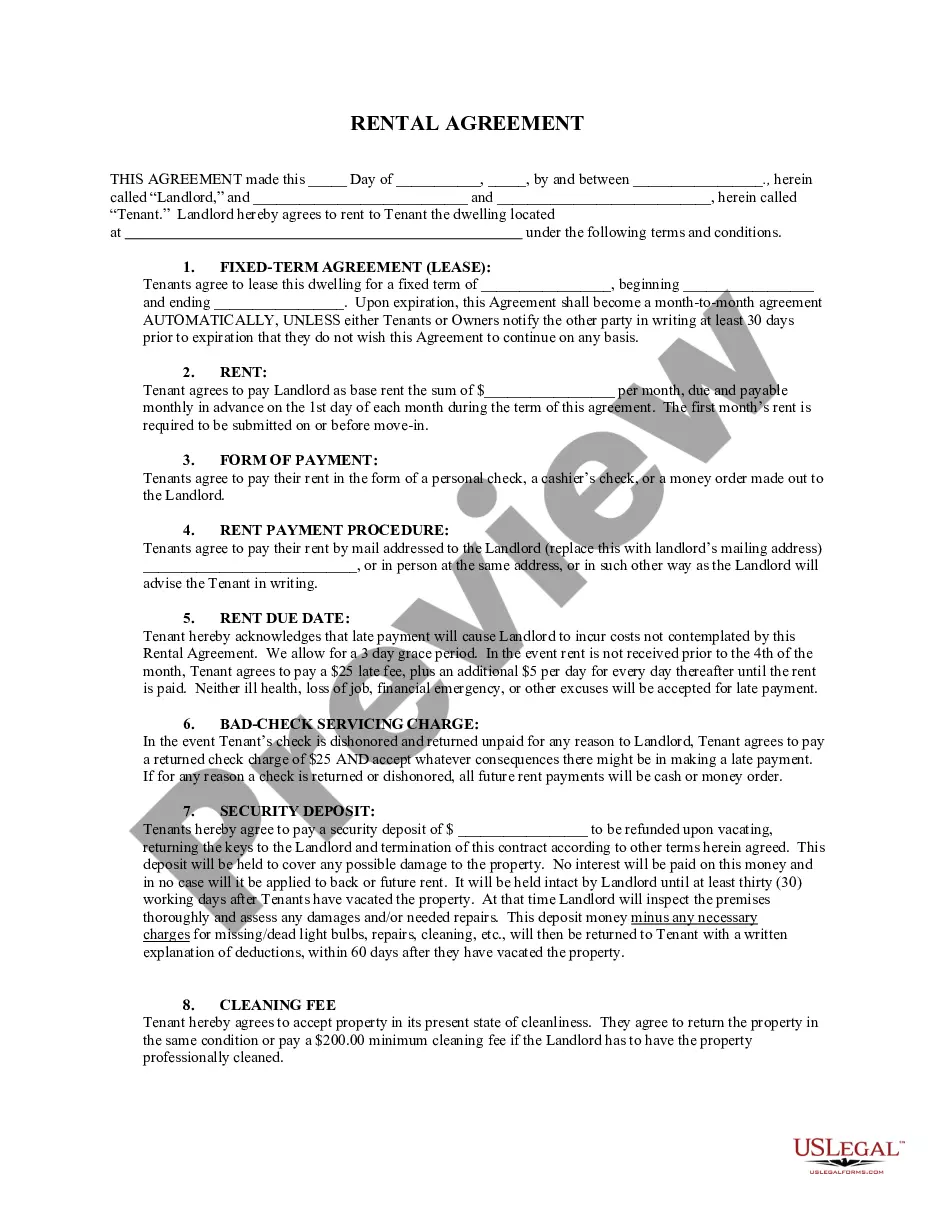
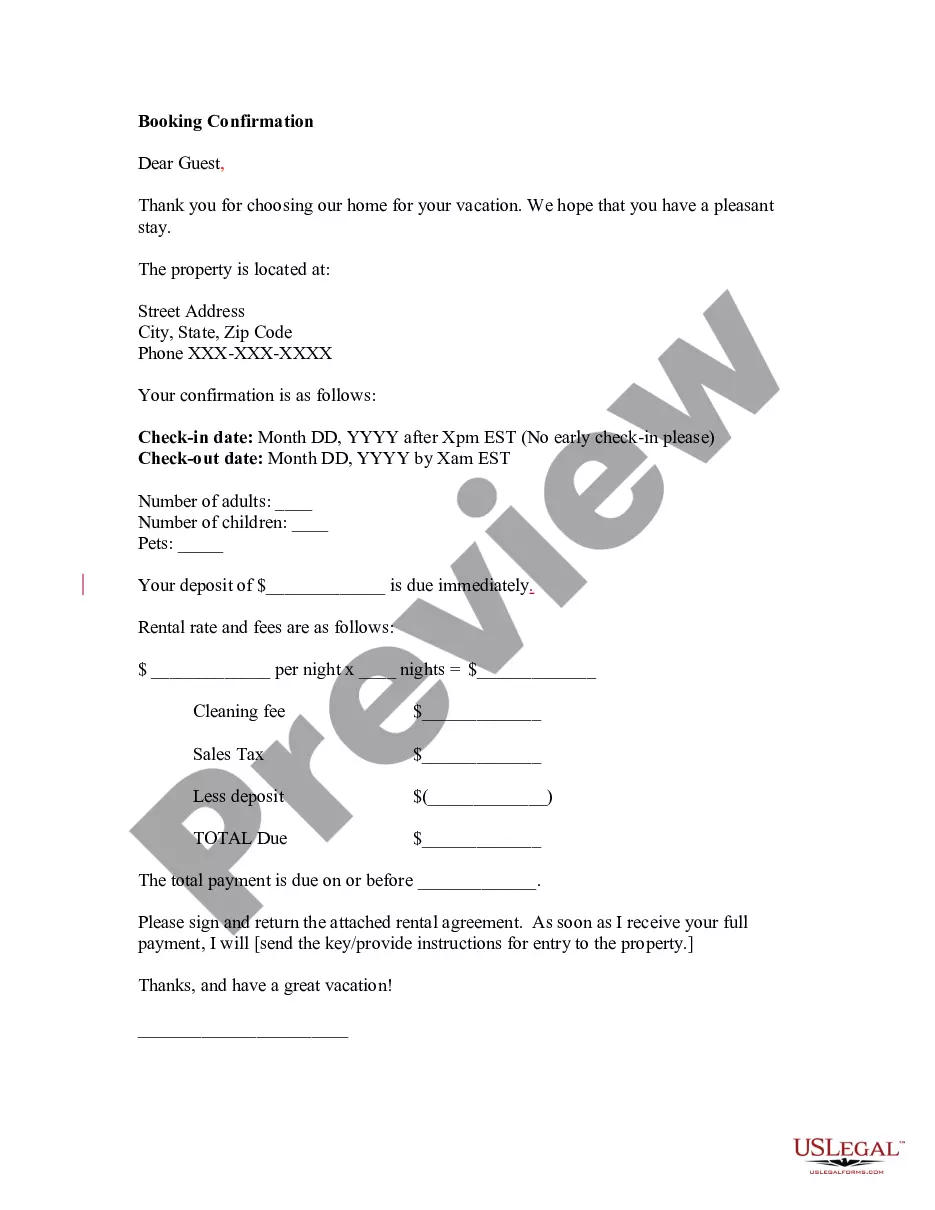
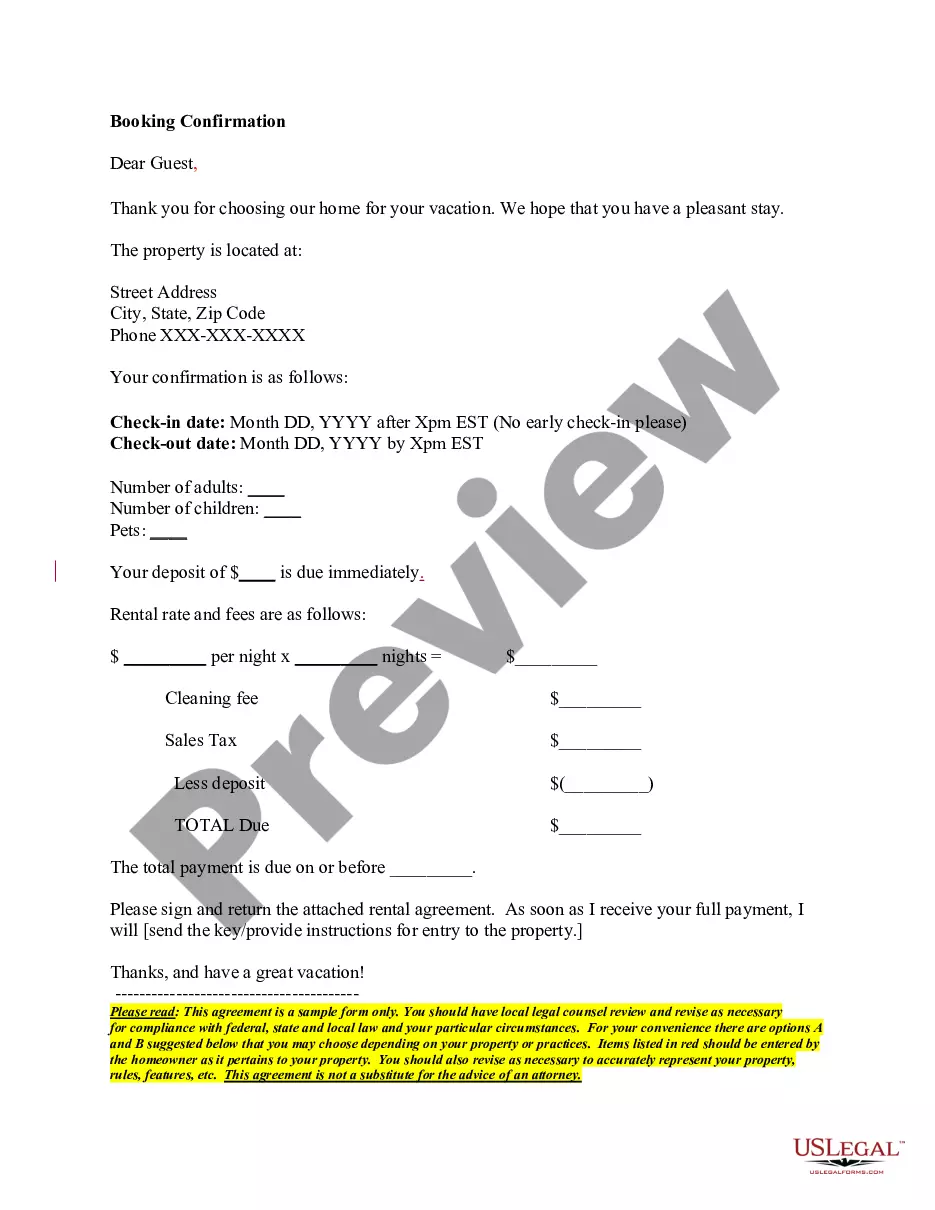
Get your form ready online
Our built-in tools help you complete, sign, share, and store your documents in one place.
Make edits, fill in missing information, and update formatting in US Legal Forms—just like you would in MS Word.
Download a copy, print it, send it by email, or mail it via USPS—whatever works best for your next step.
Sign and collect signatures with our SignNow integration. Send to multiple recipients, set reminders, and more. Go Premium to unlock E-Sign.
If this form requires notarization, complete it online through a secure video call—no need to meet a notary in person or wait for an appointment.
We protect your documents and personal data by following strict security and privacy standards.
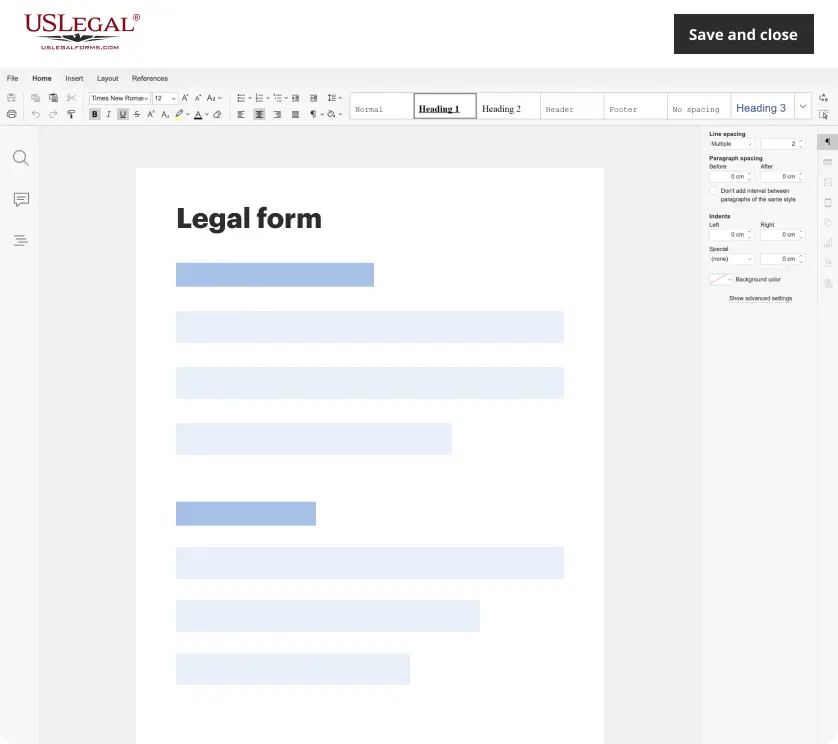
Make edits, fill in missing information, and update formatting in US Legal Forms—just like you would in MS Word.
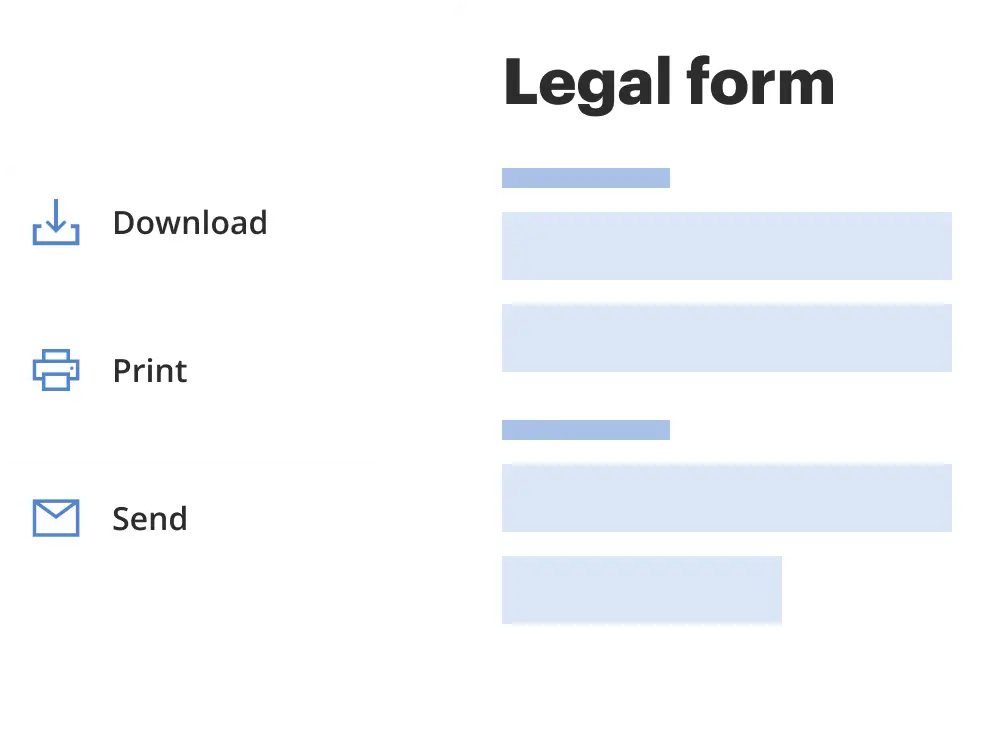
Download a copy, print it, send it by email, or mail it via USPS—whatever works best for your next step.
Sign and collect signatures with our SignNow integration. Send to multiple recipients, set reminders, and more. Go Premium to unlock E-Sign.
If this form requires notarization, complete it online through a secure video call—no need to meet a notary in person or wait for an appointment.
We protect your documents and personal data by following strict security and privacy standards.
Looking for another form?
How to fill out Short Term Rental Agreement With Rental Rules?
You might spend hours online looking for the legal document template that meets the state and federal requirements you need.
US Legal Forms offers thousands of legal templates that have been reviewed by experts.
You can easily download or print the Florida Short Term Rental Agreement with Rental Rules from the service.
If you wish to find another variation of the form, use the Search section to locate the template that fulfills your needs and requirements.
- If you already possess a US Legal Forms account, you can sign in and click the Download button.
- After that, you may complete, modify, print, or sign the Florida Short Term Rental Agreement with Rental Rules.
- Every legal document template you obtain is yours permanently.
- To get another version of any purchased form, visit the My documents tab and click the appropriate button.
- If you are using the US Legal Forms website for the first time, follow the basic instructions below.
- First, ensure that you have selected the right document format for your state/city of preference. Review the form description to confirm you have chosen the correct one.
- If available, utilize the Preview button to review the document format as well.
Form popularity
FAQ
How to start a short-term rental businessCheck local zoning laws. Before you rent a property, be sure that it is zoned for short-term rental.Write a business plan.Consider forming a business entity.Follow tax rules.Apply for licenses and permits.Make your rental stand out.Invest in good security.Determine pricing.More items...?
As a general rule of thumb, all hosts should assume they must have a license to operate a short-term rental in Florida. Florida requires that anyone renting an entire unit for more than three times in a calendar year, for periods of less than 30 days or 1 month, must acquire a license.
10 Essential Things to Have in Your Short-Term Rental PropertyKey Box. Guests love being able to check-in at any given time- no restrictions whatsoever.Slide Latch.Night Lights.Local Maps, GuideBooks, and Recommendations.Framed Instructions.Smart TV or Streaming Services.Throw Blanket.Hair Dryer.More items...
5 Ways To Make Your Vacation Rental Property Stand Out OnlineMarket Your Home With High-Quality Photos.Highlight Your Home's Best Features.Write a Strong, Detailed Description.Invest in Marketable Upgrades.Offer a City Guide or Local Recommendations.
15 Key Things to Include in a Short-term Rental AgreementRental Property Details. Write a clear description of your property.Information About the Rental Parties.Rental Period.Maximum Occupancy.Keys and Access.Rental Rules and Restrictions.Payment Details.Security Deposit.More items...?
Yes, you will need to obtain a Short-Term Vacation Rental License and Local Business Tax Receipt from the City.
A property that is rented anywhere between one evening up to one month is often considered a short term rental. In contrast, a property rented for one month or longer is usually considered a long term vacation rental.
Legal RegulationsShort-term vacation rentals are perfectly legal in Florida, however, there are still some regulations you should know. At the state level, short-term property managers are required to have a license in order to host guests at their property.
YES. Key components of property management (renting and leasing) are considered a real estate activity under existing Florida real estate licensing laws. A property manager needs broker license if he or she is paid by commission, and is handling rentals and leases for others.
All vacation rentals in Florida must be licensed through the Department of Business & Professional Regulation (DBPR) in order to operate.