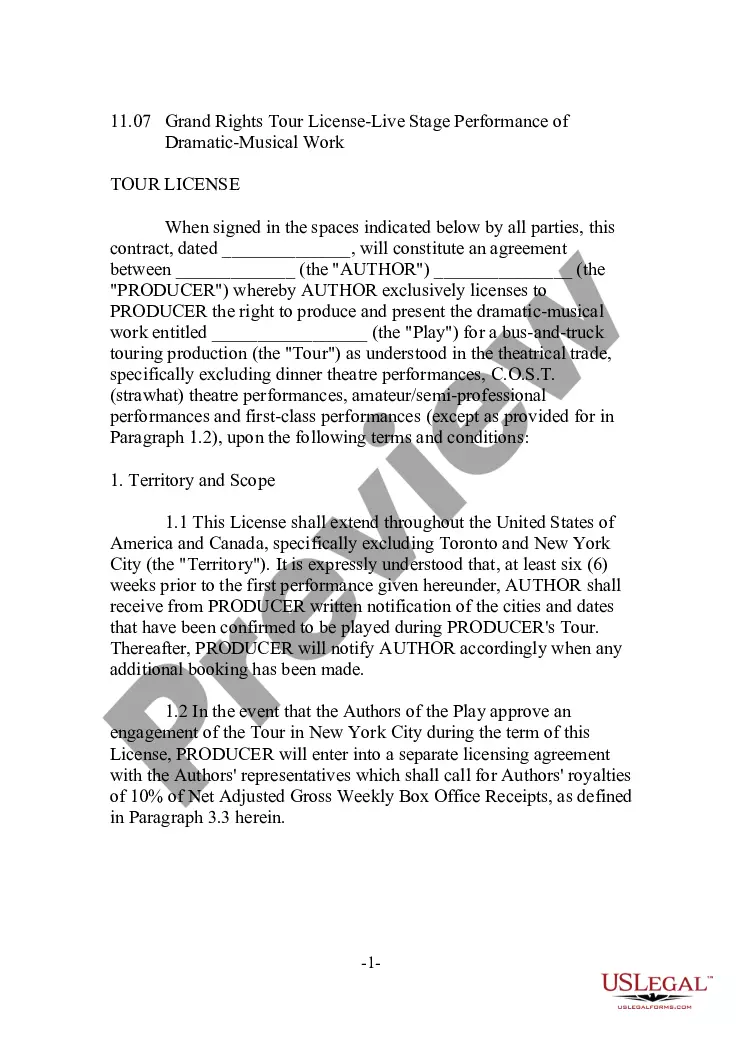
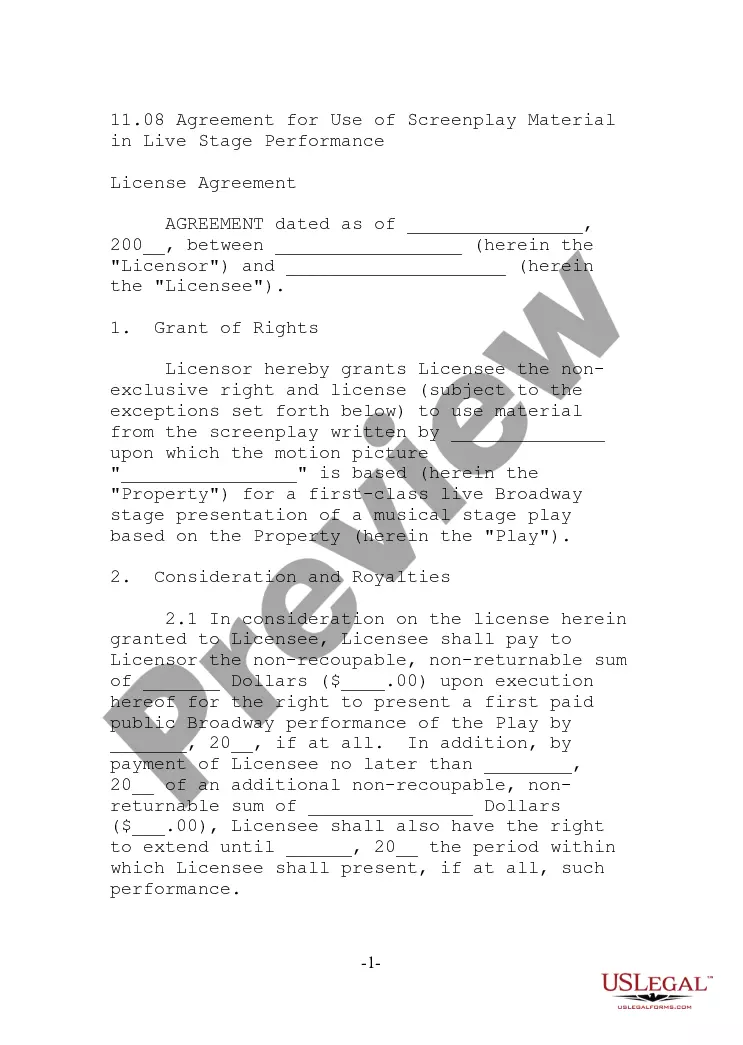
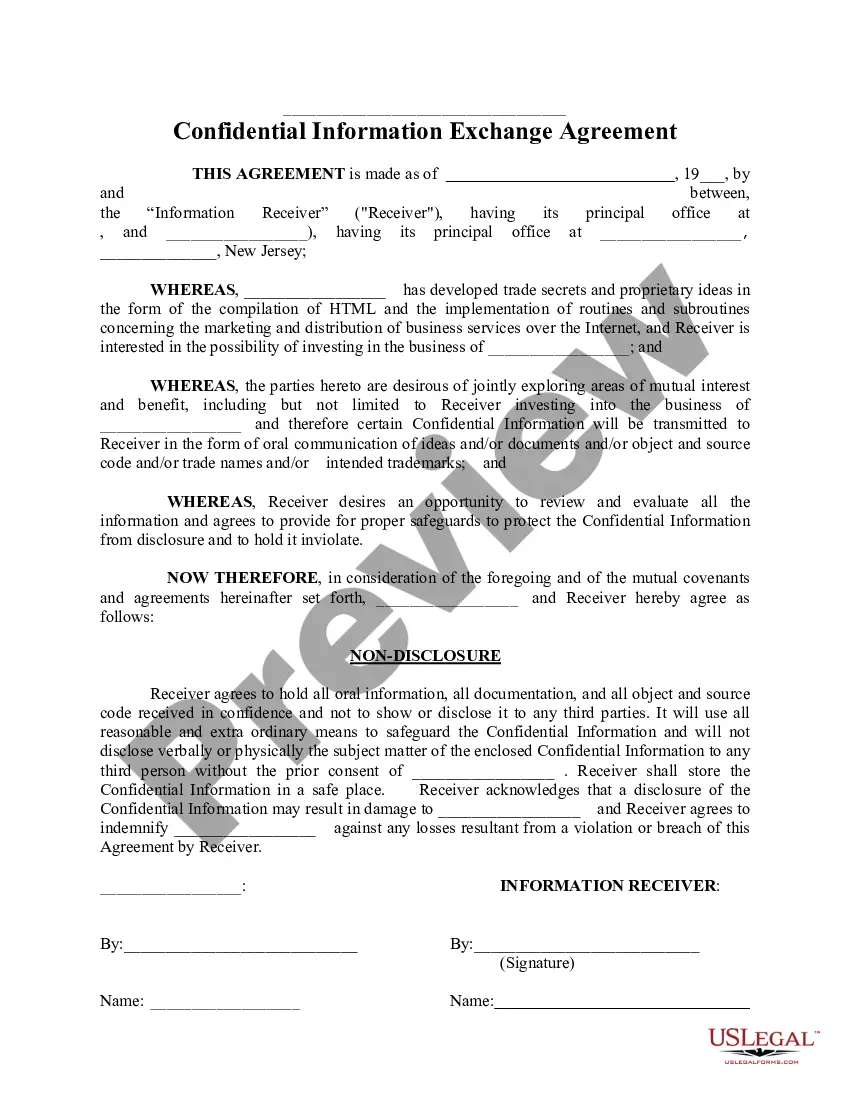
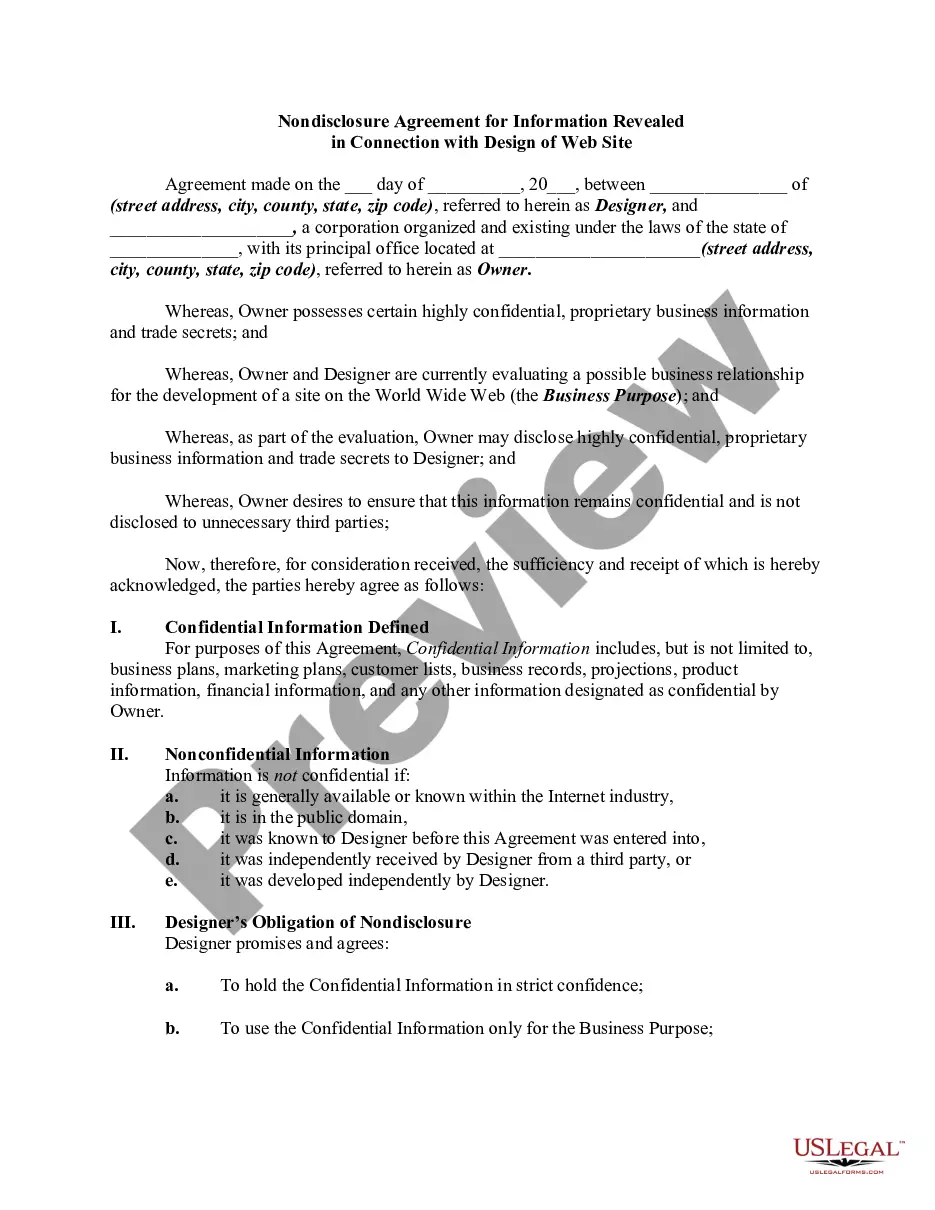
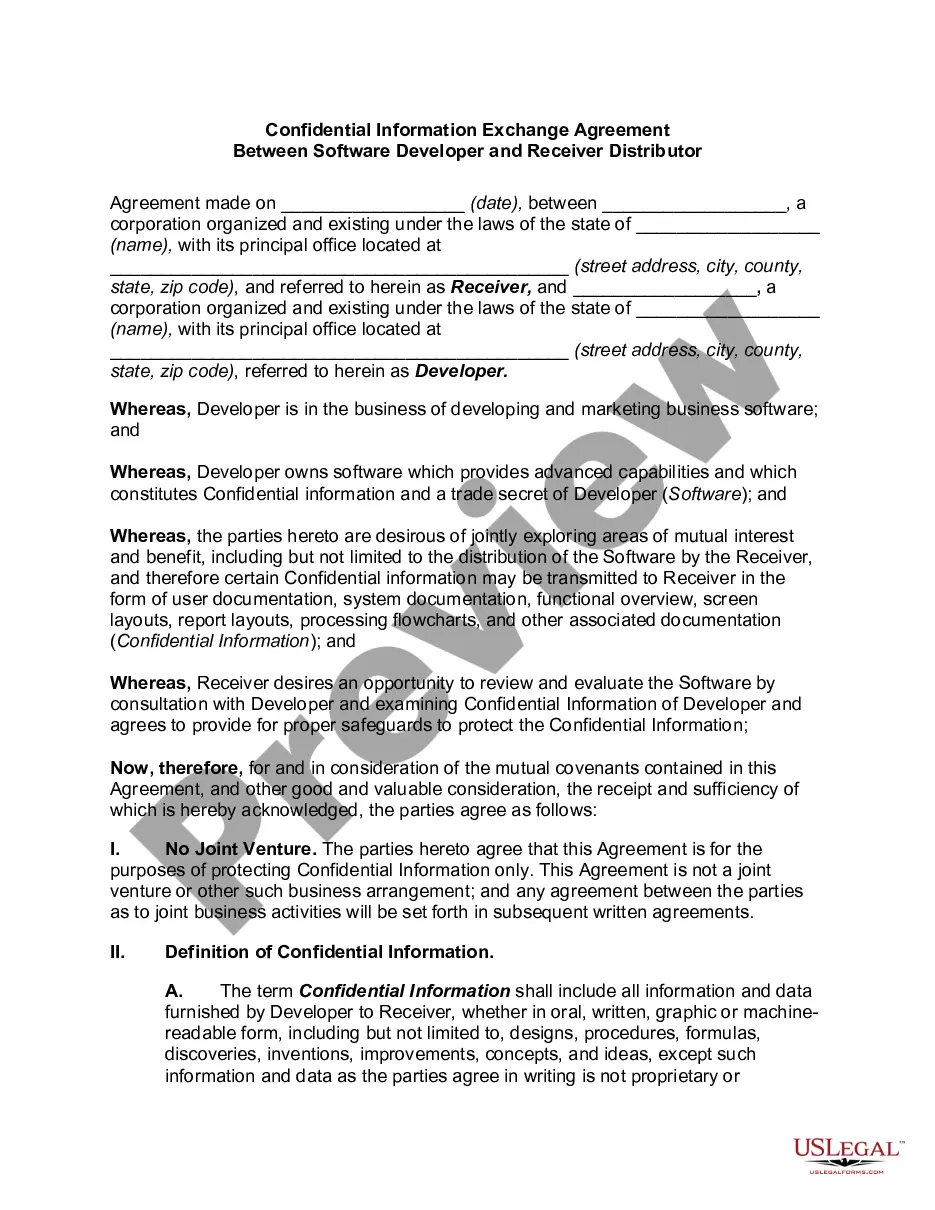
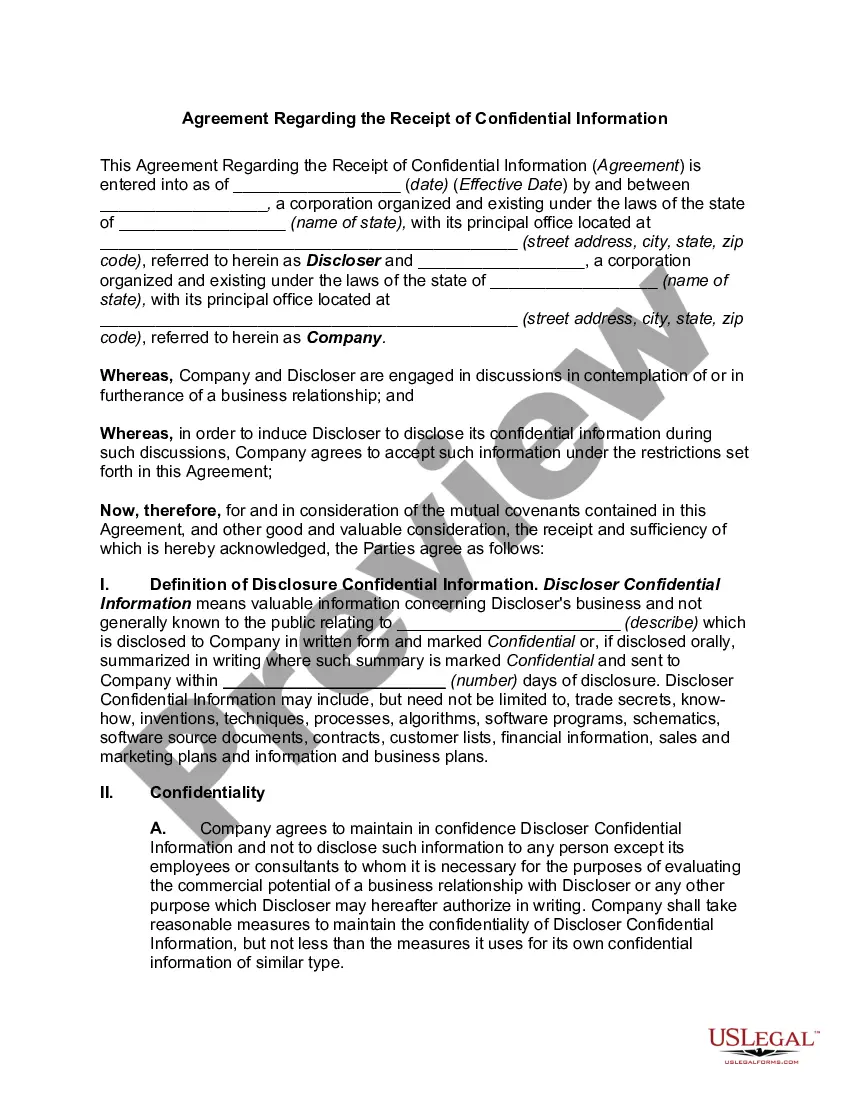
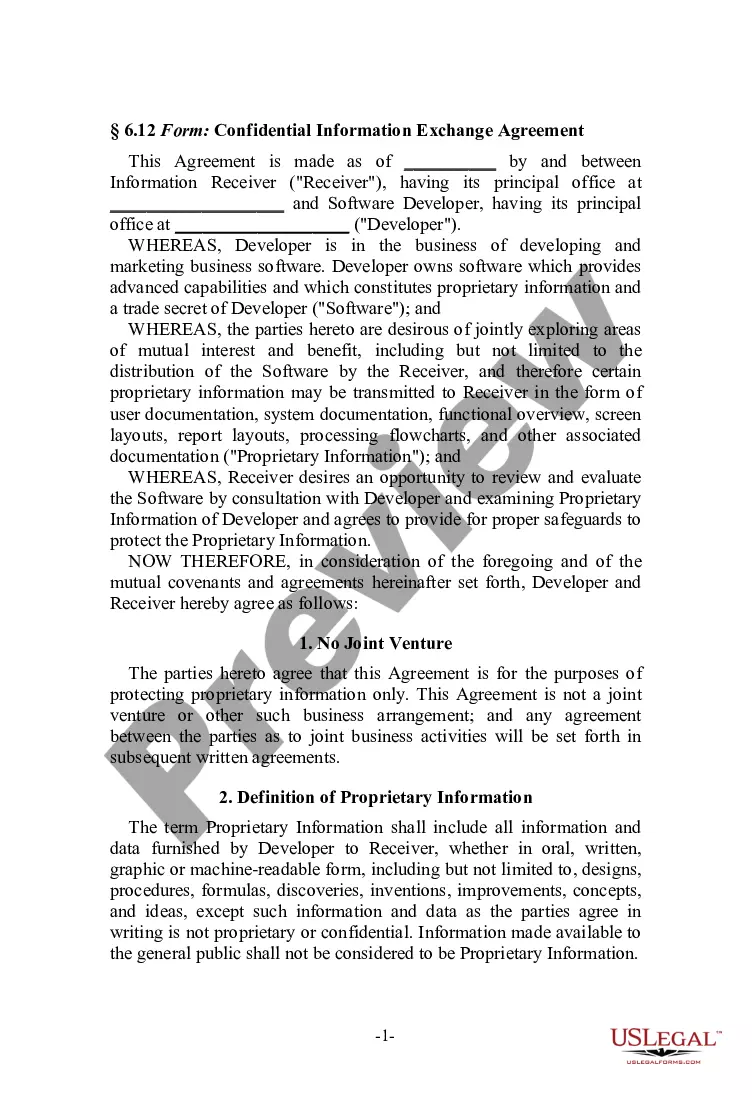
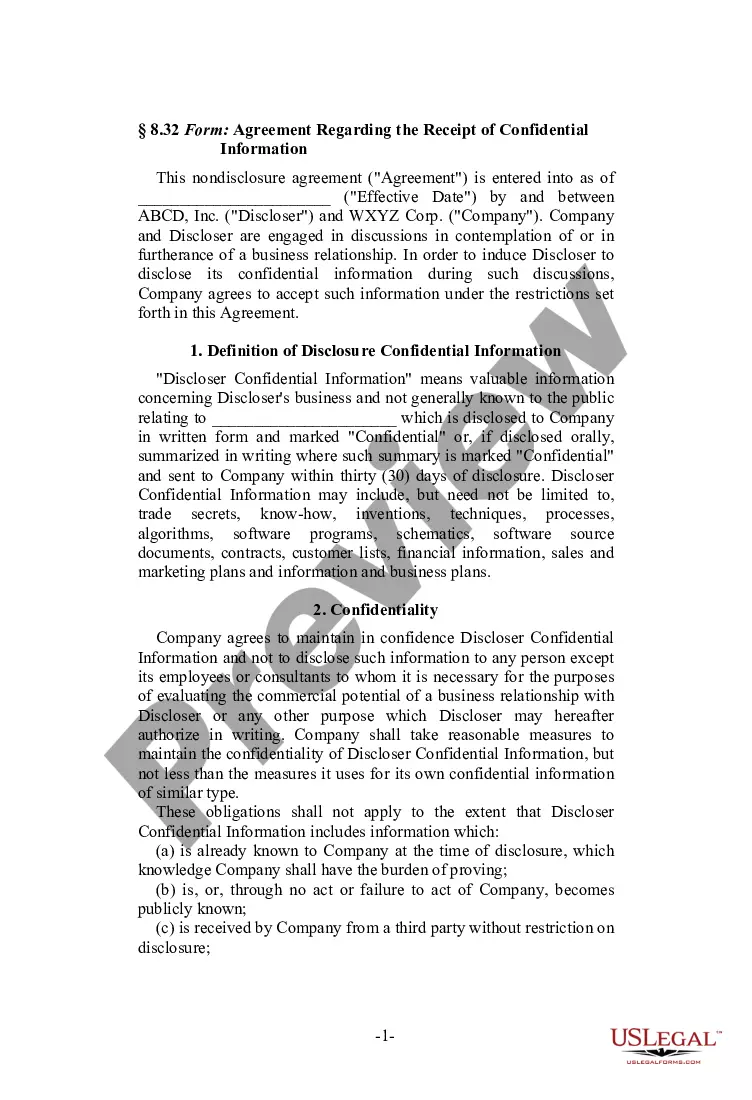
This form is a Confidential Information Exchange Agreement. The information receiver is interested in the possibility of investing in a corporation's business venture. The agreement provides that the information receiver will hold all documentation in confidence and will not disclose the information to any third parties.
Delaware Confidential Information Exchange Agreement between Website Service Provider and Receiver of Trade Secrets
Instant download
Description
Free preview

Get your form ready online
Our built-in tools help you complete, sign, share, and store your documents in one place.
Built-in online Word editor
Make edits, fill in missing information, and update formatting in US Legal Forms—just like you would in MS Word.
Export easily
Download a copy, print it, send it by email, or mail it via USPS—whatever works best for your next step.
E-sign your document
Sign and collect signatures with our SignNow integration. Send to multiple recipients, set reminders, and more. Go Premium to unlock E-Sign.
Notarize online 24/7
If this form requires notarization, complete it online through a secure video call—no need to meet a notary in person or wait for an appointment.
Store your document securely
We protect your documents and personal data by following strict security and privacy standards.

Make edits, fill in missing information, and update formatting in US Legal Forms—just like you would in MS Word.

Download a copy, print it, send it by email, or mail it via USPS—whatever works best for your next step.

Sign and collect signatures with our SignNow integration. Send to multiple recipients, set reminders, and more. Go Premium to unlock E-Sign.

If this form requires notarization, complete it online through a secure video call—no need to meet a notary in person or wait for an appointment.

We protect your documents and personal data by following strict security and privacy standards.
Looking for another form?
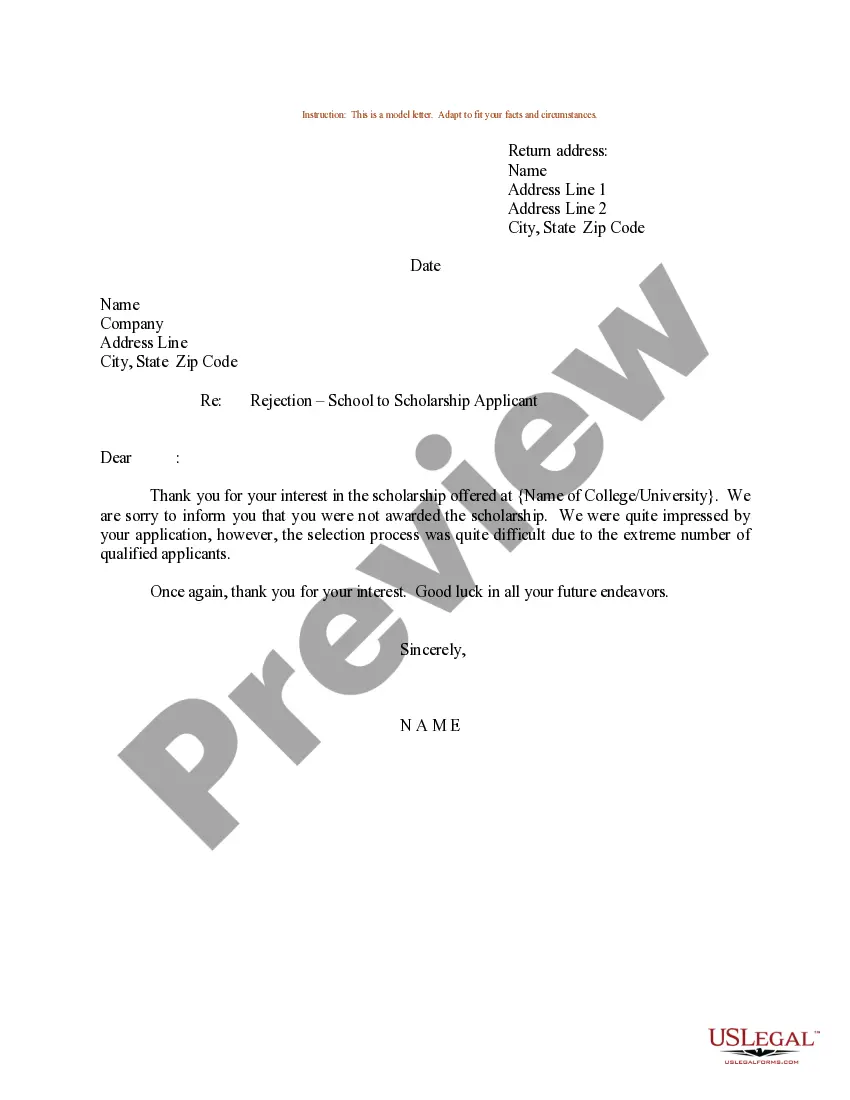
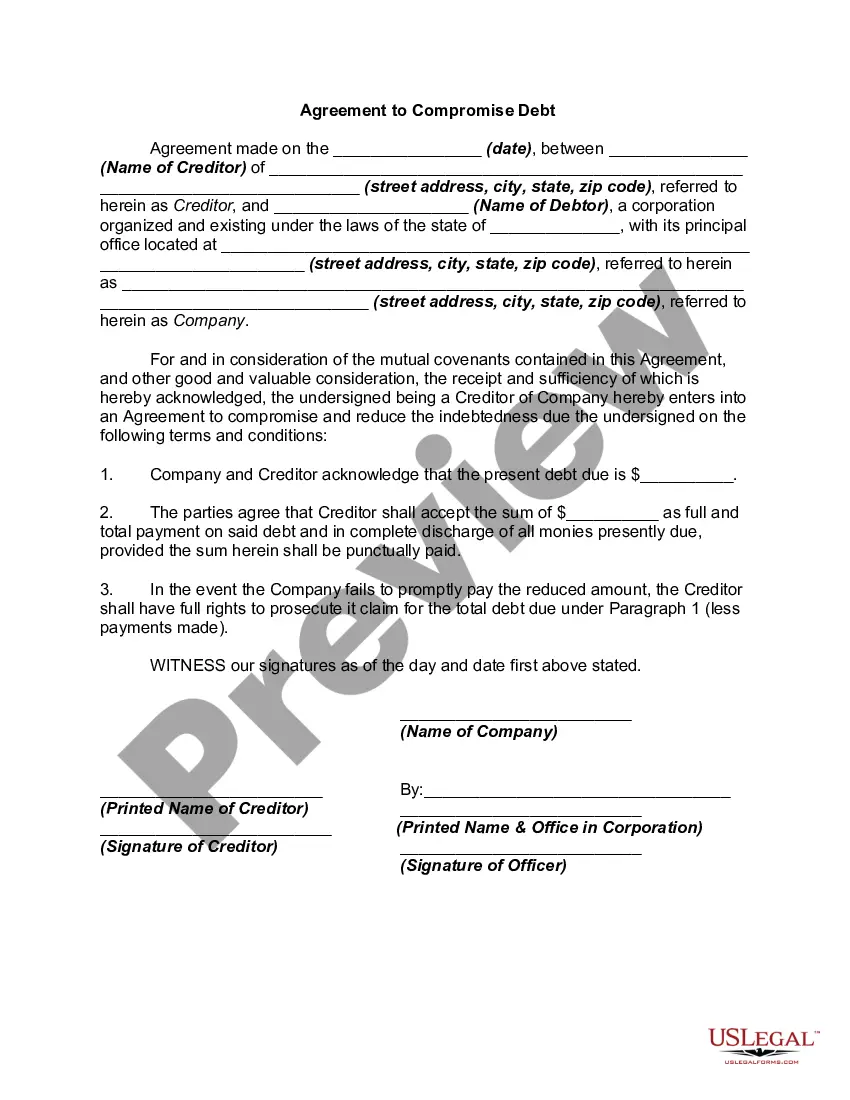
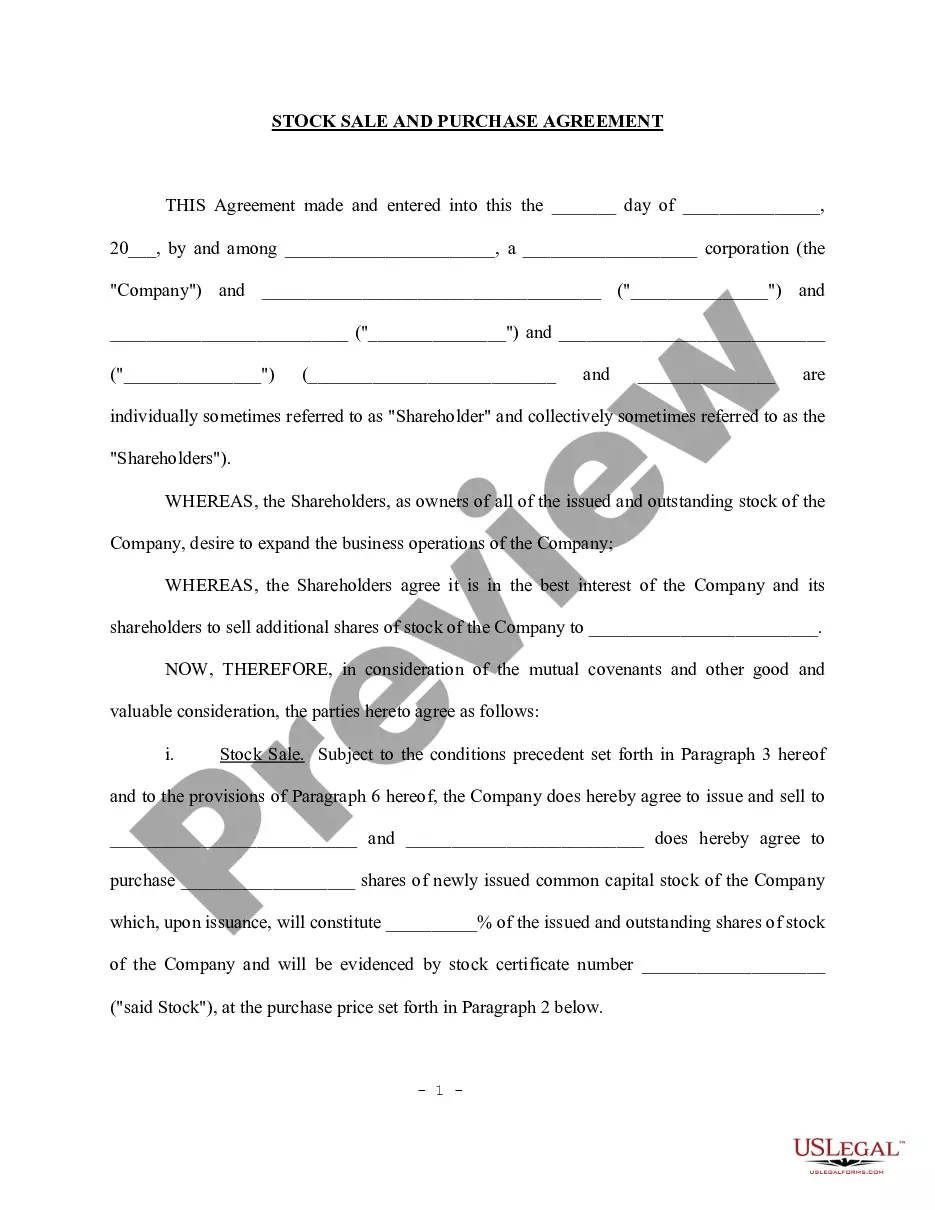
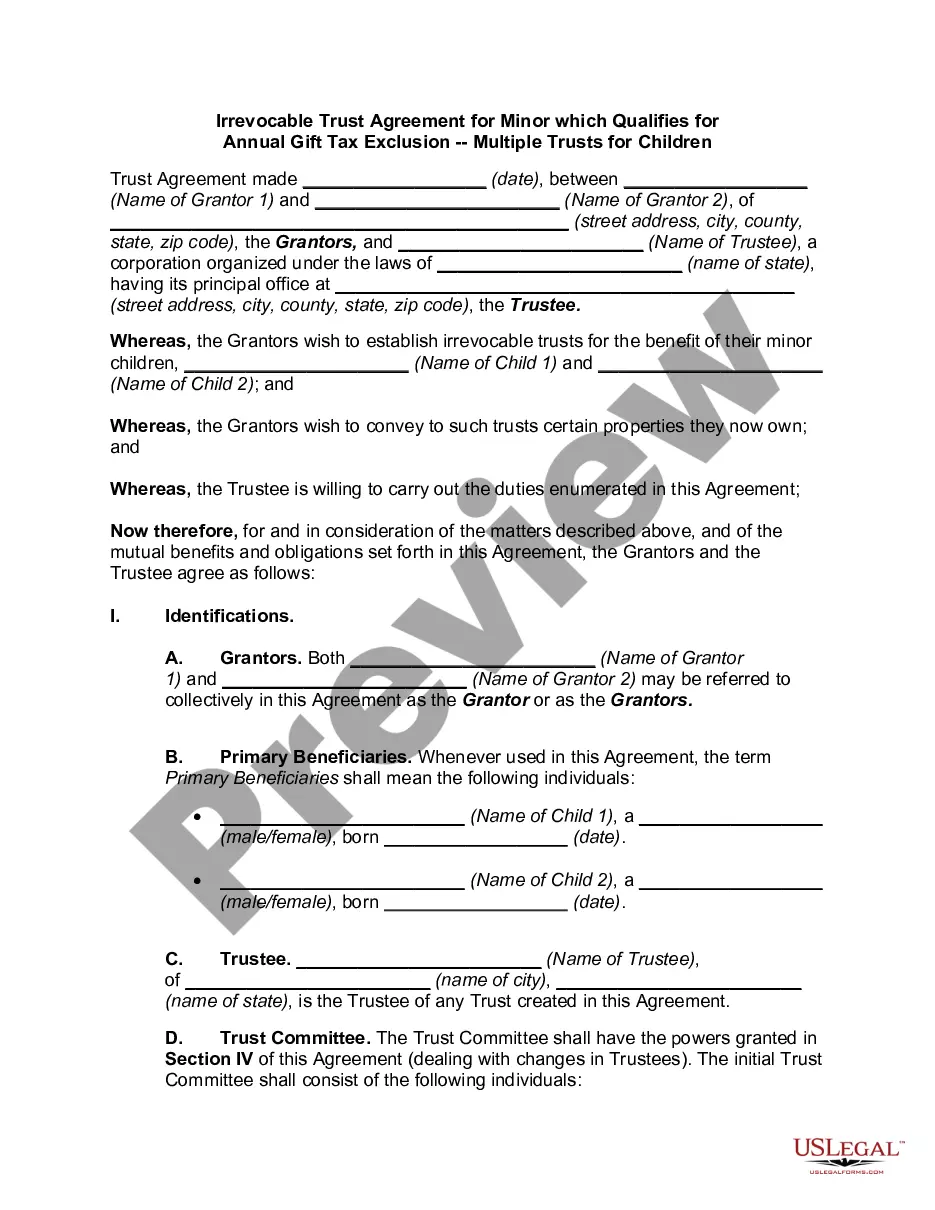
How to fill out Confidential Information Exchange Agreement Between Website Service Provider And Receiver Of Trade Secrets?
Are you in a position where you need documents for either business or specific tasks almost every workday.
There are numerous legal document templates available online, but finding versions you can trust is not easy.
US Legal Forms provides thousands of document templates, such as the Delaware Confidential Information Exchange Agreement between Website Service Provider and Receiver of Trade Secrets, which can be customized to fulfill state and federal requirements.
Avoid modifying or removing any HTML tags. Only synonymize plain text outside of the HTML tags.
- If you are already familiar with the US Legal Forms website and have an account, simply Log In.
- Then, you can download the Delaware Confidential Information Exchange Agreement between Website Service Provider and Receiver of Trade Secrets template.
- If you do not have an account and wish to start using US Legal Forms, follow these steps.
- Find the template you need and ensure it is for the correct city/region.
- Utilize the Preview feature to review the document.
- Check the description to confirm that you have selected the appropriate template.
- If the document is not what you are looking for, use the Search field to find the template that fits your requirements.
- Once you locate the correct document, click on Buy now.
- Choose the pricing plan you want, complete the necessary information to create your account, and pay for your order using PayPal or Visa or Mastercard.
- Select a convenient file format and download your copy.
- Access all of the document templates you have purchased in the My documents menu. You can download another copy of the Delaware Confidential Information Exchange Agreement between Website Service Provider and Receiver of Trade Secrets at any time if needed. Simply click the required template to download or print the document.
- Use US Legal Forms, the most extensive collection of legal forms, to save time and avoid errors. The service offers professionally created legal document templates that can be utilized for various purposes. Create an account on US Legal Forms and start making your life easier.
Form popularity
FAQ
To fill out a confidentiality agreement effectively, start with the correct title and date. Next, include the names of all parties, define the confidentiality terms, and describe the confidential information. Finally, ensure you include any exceptions and sign the document. Utilizing tools from US Legal Forms can assist you in completing a precise and comprehensive Delaware Confidential Information Exchange Agreement between Website Service Provider and Receiver of Trade Secrets.
When filling out a confidentiality form, begin by accurately providing the names of all parties involved, ensuring no spelling errors. Specify the nature of the confidential information, and clarify how long this information must remain confidential. Along with these details, use a reliable format from resources like US Legal Forms to simplify your efforts, especially in crafting a Delaware Confidential Information Exchange Agreement between Website Service Provider and Receiver of Trade Secrets.
Filling a confidentiality agreement requires careful attention to detail. First, enter your name and the other party's name at the designated spots. Next, clearly state the types of confidential information being protected, then outline the responsibilities of both parties regarding that information. For added assurance, consider consulting resources from US Legal Forms to streamline the process and ensure all critical aspects are included.
Writing a simple confidentiality agreement involves a few straightforward steps. Start by clearly defining the involved parties, outlining what information is considered confidential, and specifying how the information will be handled. Make sure to include the duration of confidentiality obligations and any exceptions. Utilizing platforms like US Legal Forms can guide you through creating a Delaware Confidential Information Exchange Agreement between Website Service Provider and Receiver of Trade Secrets tailored to your needs.
Yes, Non-Disclosure Agreements (NDAs) effectively protect trade secrets under the Delaware Confidential Information Exchange Agreement between Website Service Provider and Receiver of Trade Secrets framework. These agreements legally bind the receiving party from disclosing or using confidential information for unauthorized purposes. They play a crucial role in safeguarding intellectual property and maintaining competitive advantages in the market.
To create an effective Delaware Confidential Information Exchange Agreement between Website Service Provider and Receiver of Trade Secrets, ensure it includes these five key elements: a clear definition of confidential information, the obligations of both parties to maintain confidentiality, the duration of the agreement, exceptions to confidentiality, and the consequences of breach. By including these elements, you establish solid ground for protecting sensitive information. This clarity facilitates trust and ensures compliance between both parties.
The three types of Non-Disclosure Agreements (NDAs) are unilateral, bilateral, and multilateral. A unilateral NDA involves one party disclosing information to another, while a bilateral NDA allows for two parties to exchange sensitive information. Multilateral NDAs come into play when multiple parties are involved, helping to protect everyone's interests under an agreement. Each type can be crucial when forming a Delaware Confidential Information Exchange Agreement between Website Service Provider and Receiver of Trade Secrets.
The confidentiality clause for trade secrets is a specific section within legal agreements that outlines the definition of trade secrets and the obligations of the parties. This clause mandates that both parties must not disclose, use, or allow the information to be revealed without permission. By including this in the Delaware Confidential Information Exchange Agreement, parties can ensure that their sensitive information remains protected and that legal recourse is available in the event of a breach.
An example of a confidentiality clause is a statement that requires the receiving party to keep the disclosed information confidential and not to disclose it to any third party without prior written consent. In the context of the Delaware Confidential Information Exchange Agreement between Website Service Provider and Receiver of Trade Secrets, this clause protects sensitive information shared for business purposes. Clear, concise language ensures all parties understand their responsibilities.
Confidential Disclosure Agreements (CDAs) are generally enforceable as long as they meet specific legal criteria under state law, including the Delaware Confidential Information Exchange Agreement. Courts often uphold these agreements if they are clear in their terms and if the confidential information qualifies for protection. This makes it crucial for businesses to draft their agreements carefully and to seek legal guidance when necessary.