Delaware Lease Agreement Medical Facility
Description
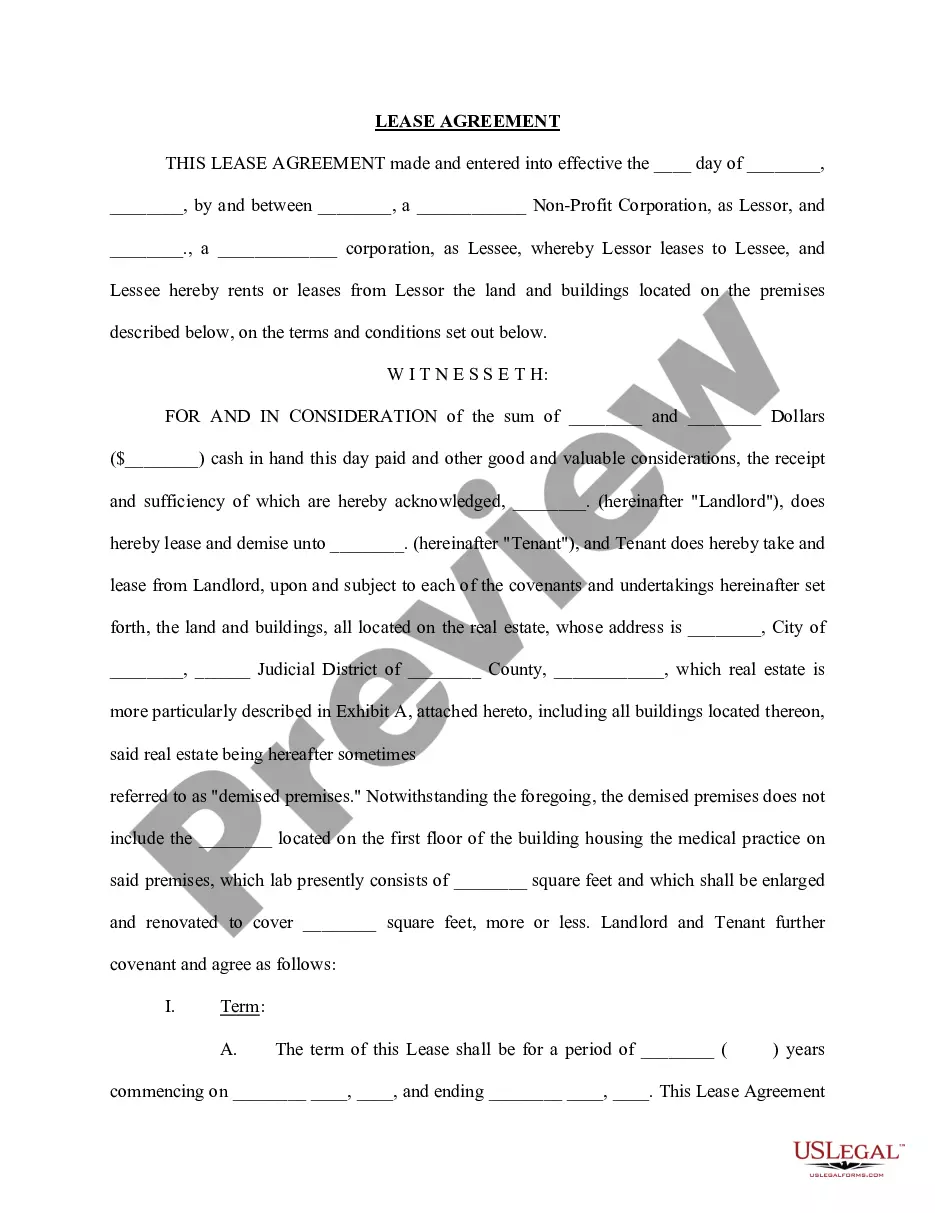
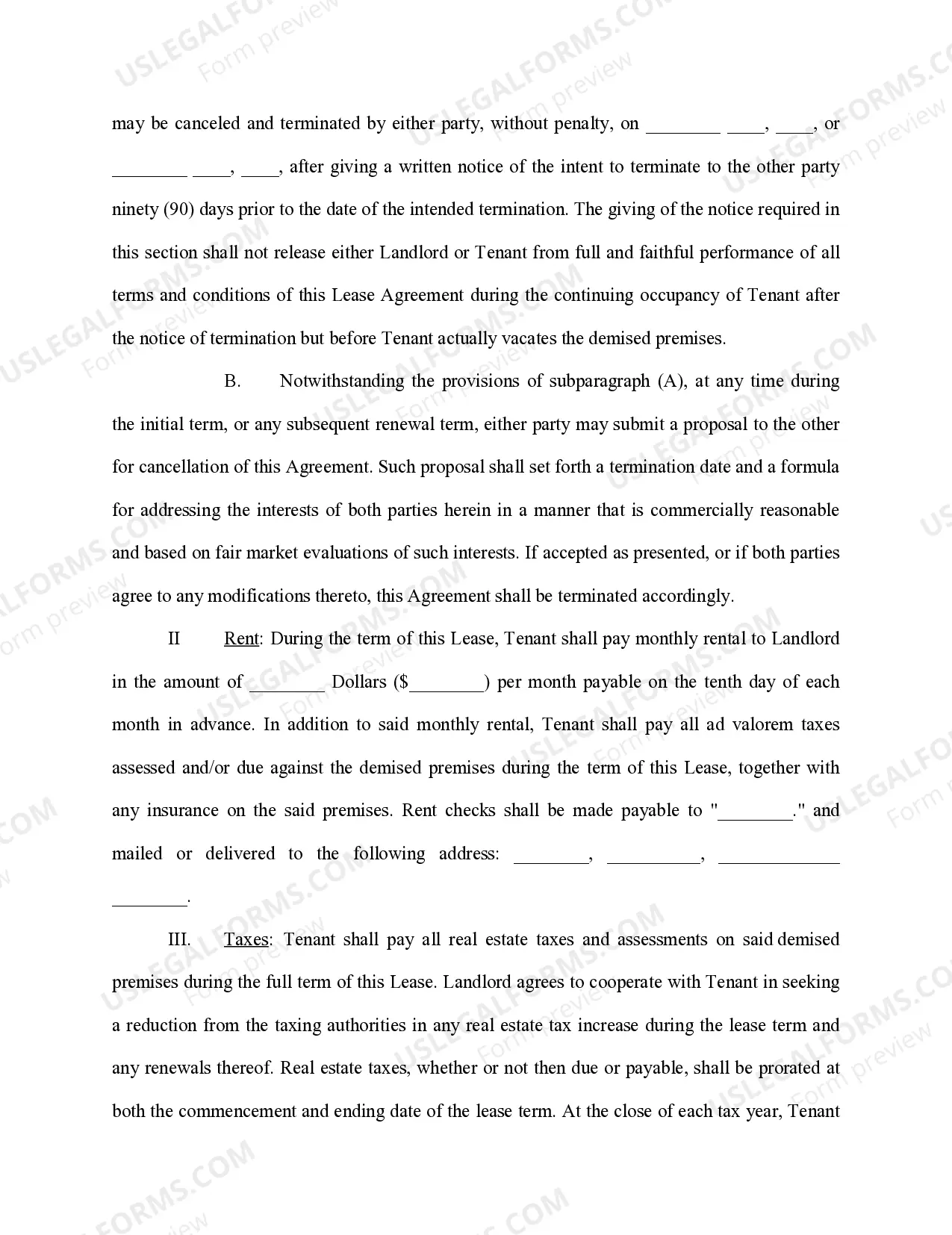
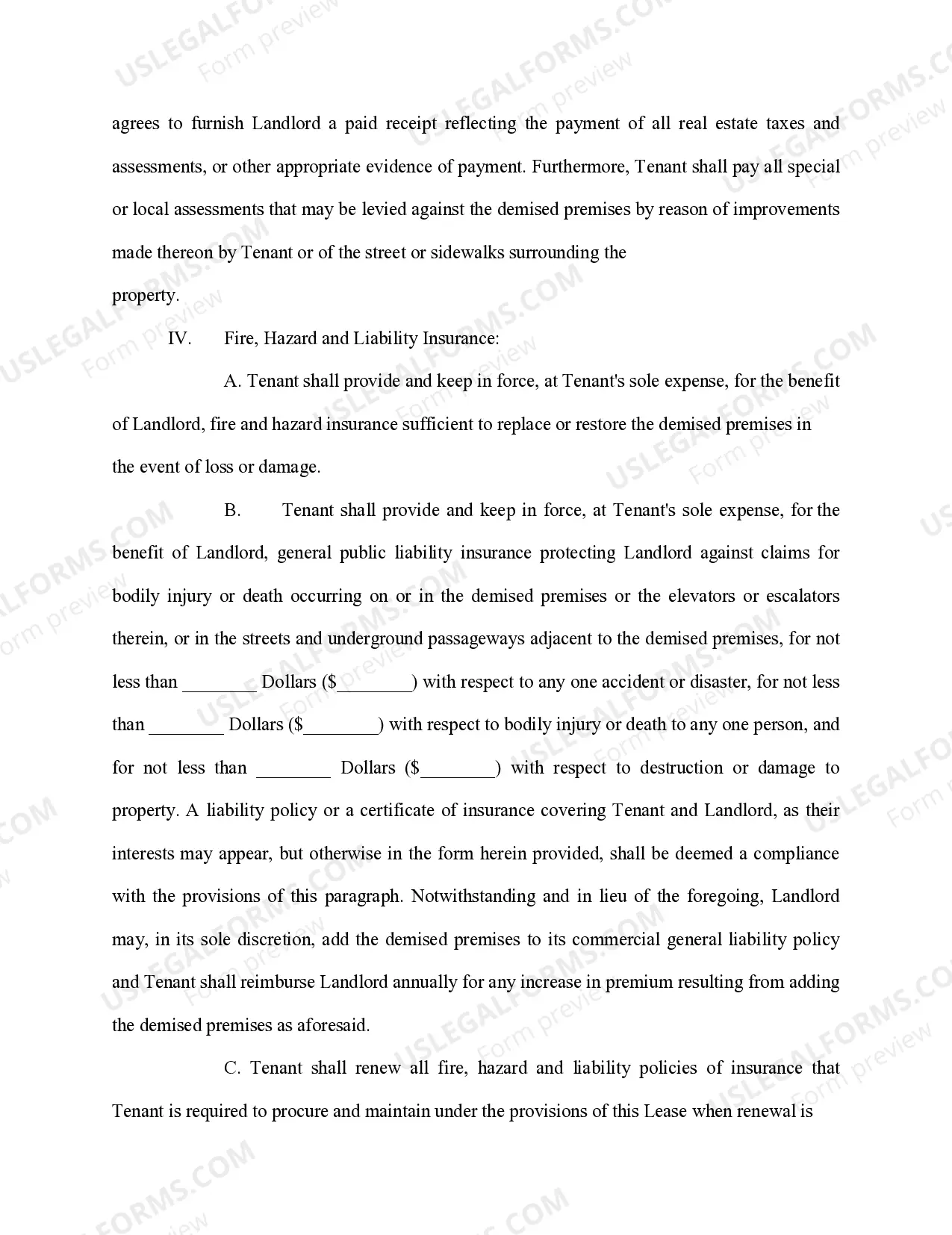
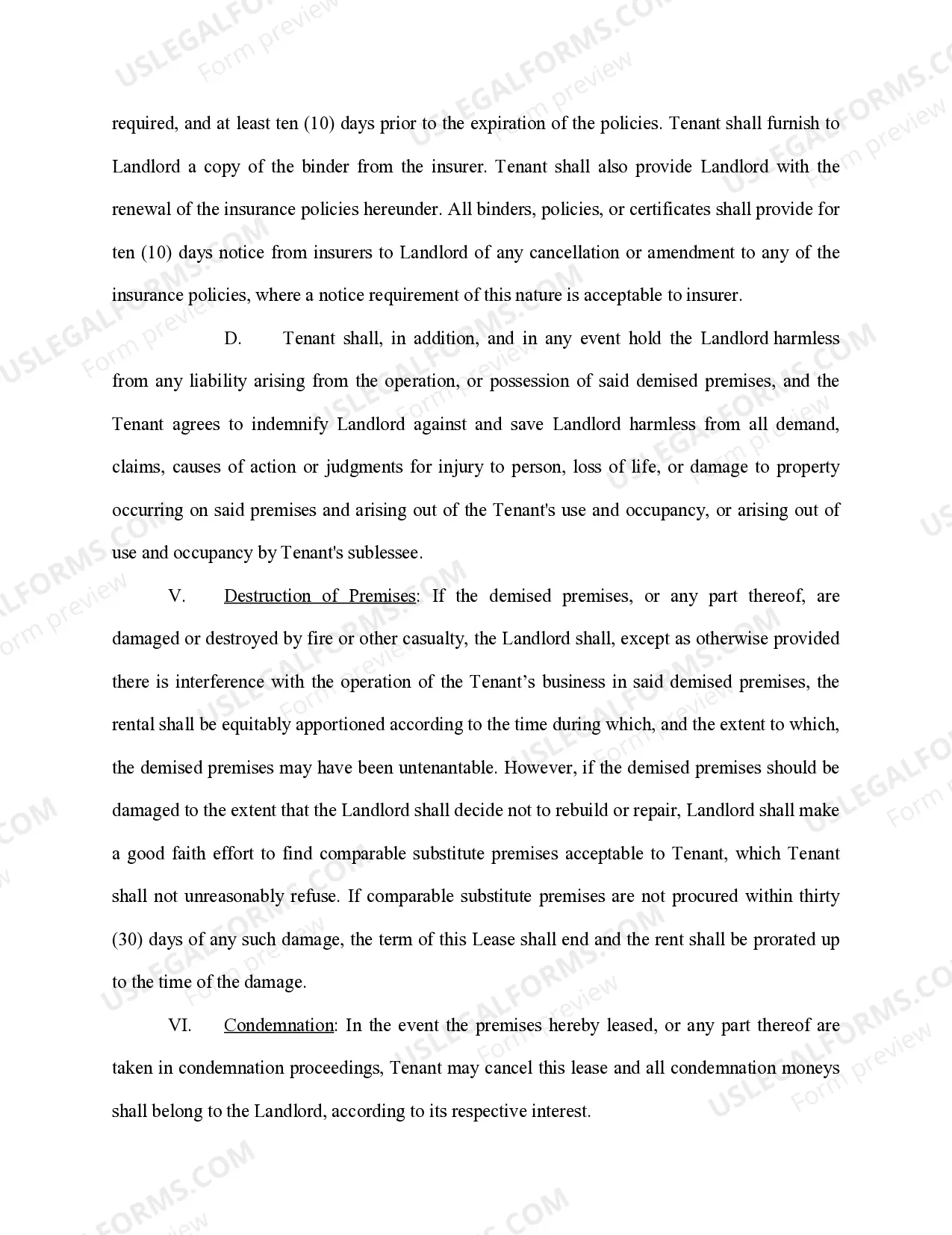
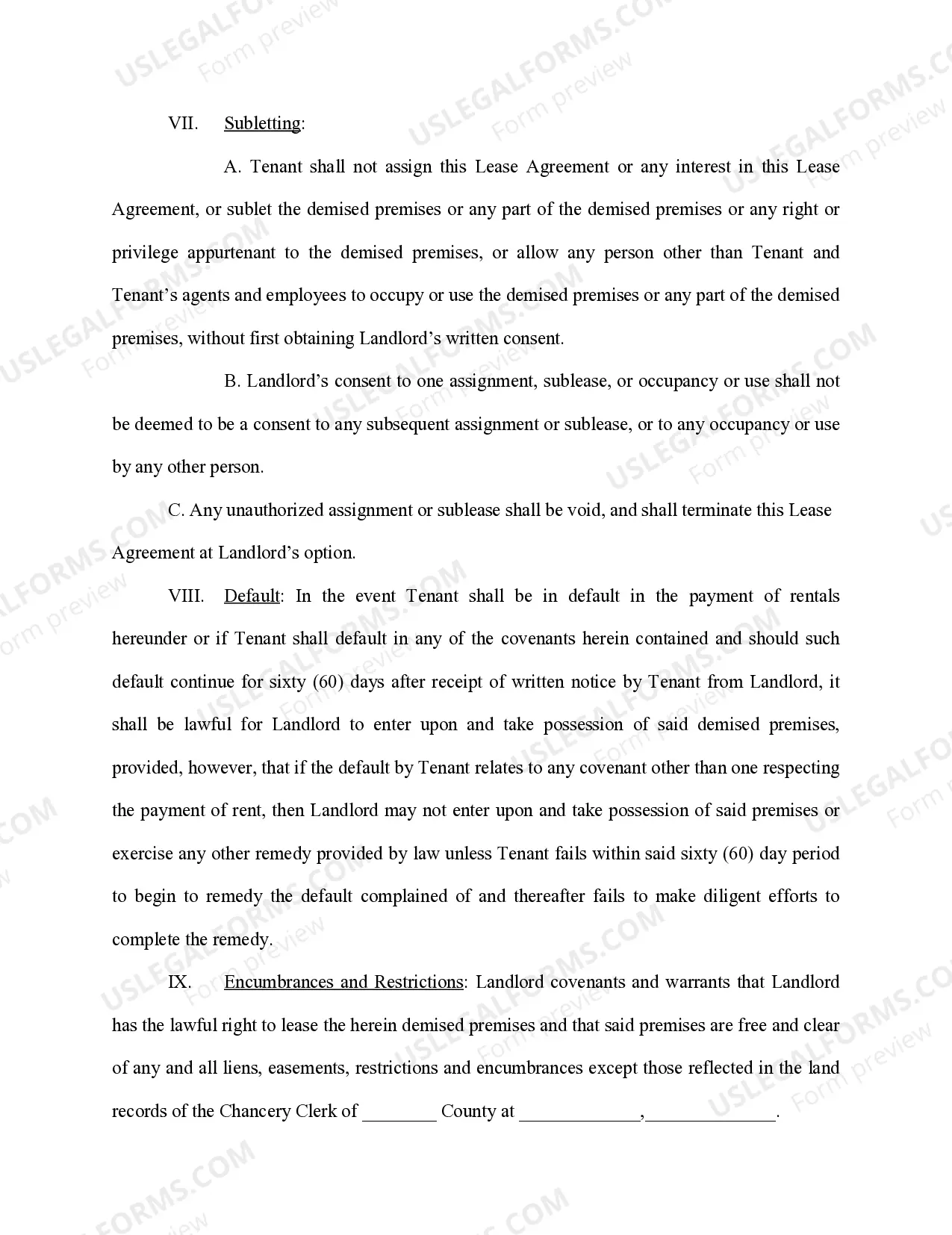
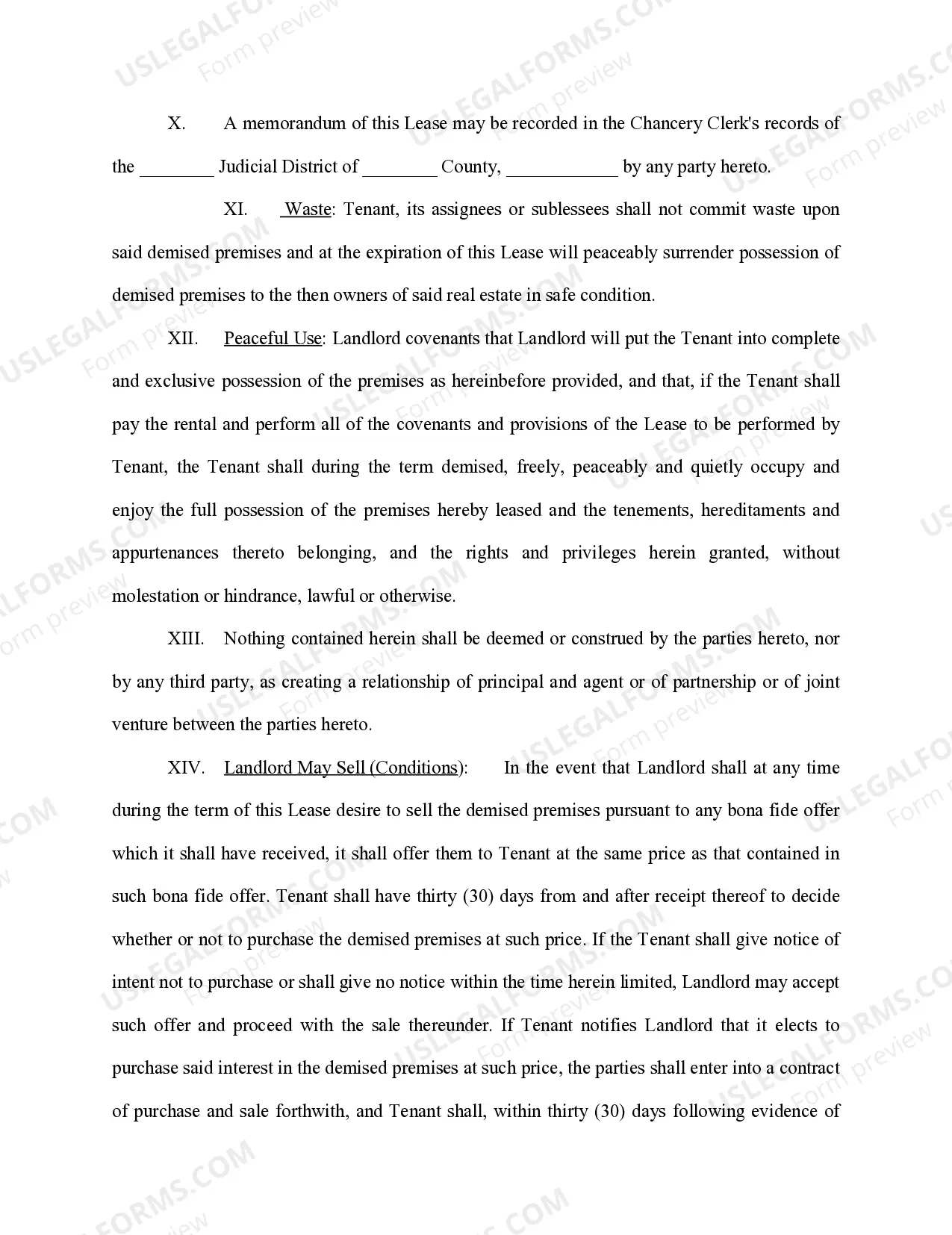
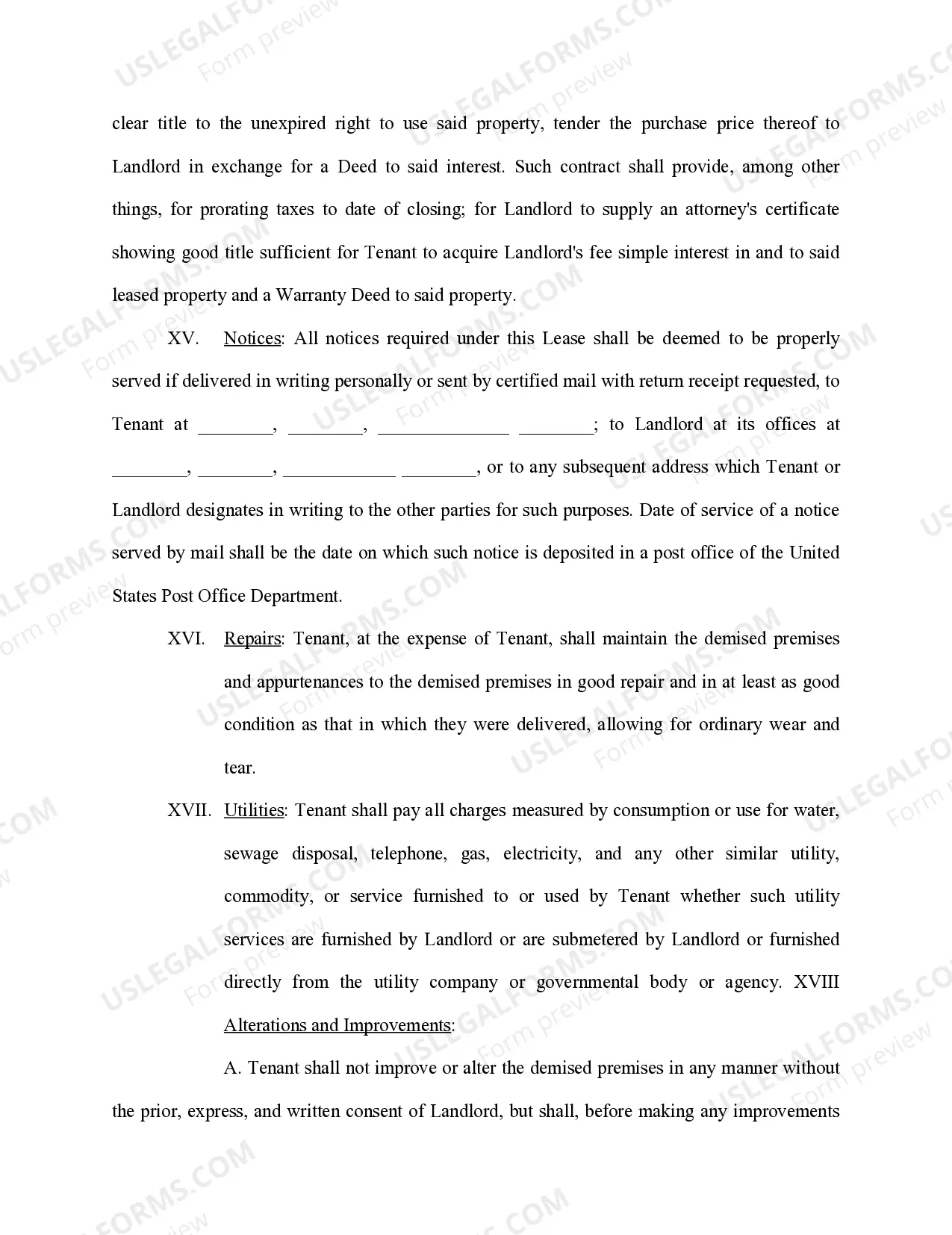
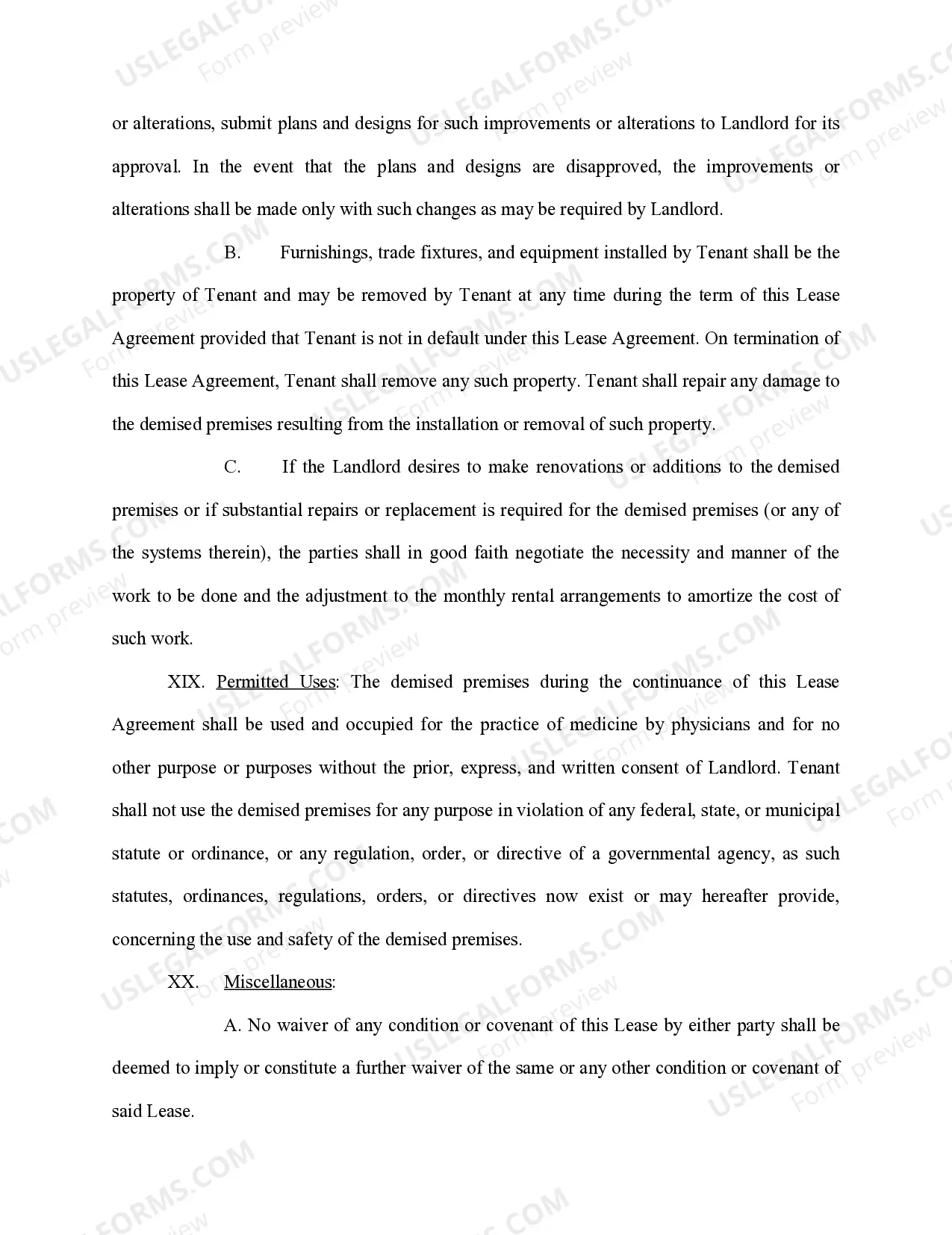
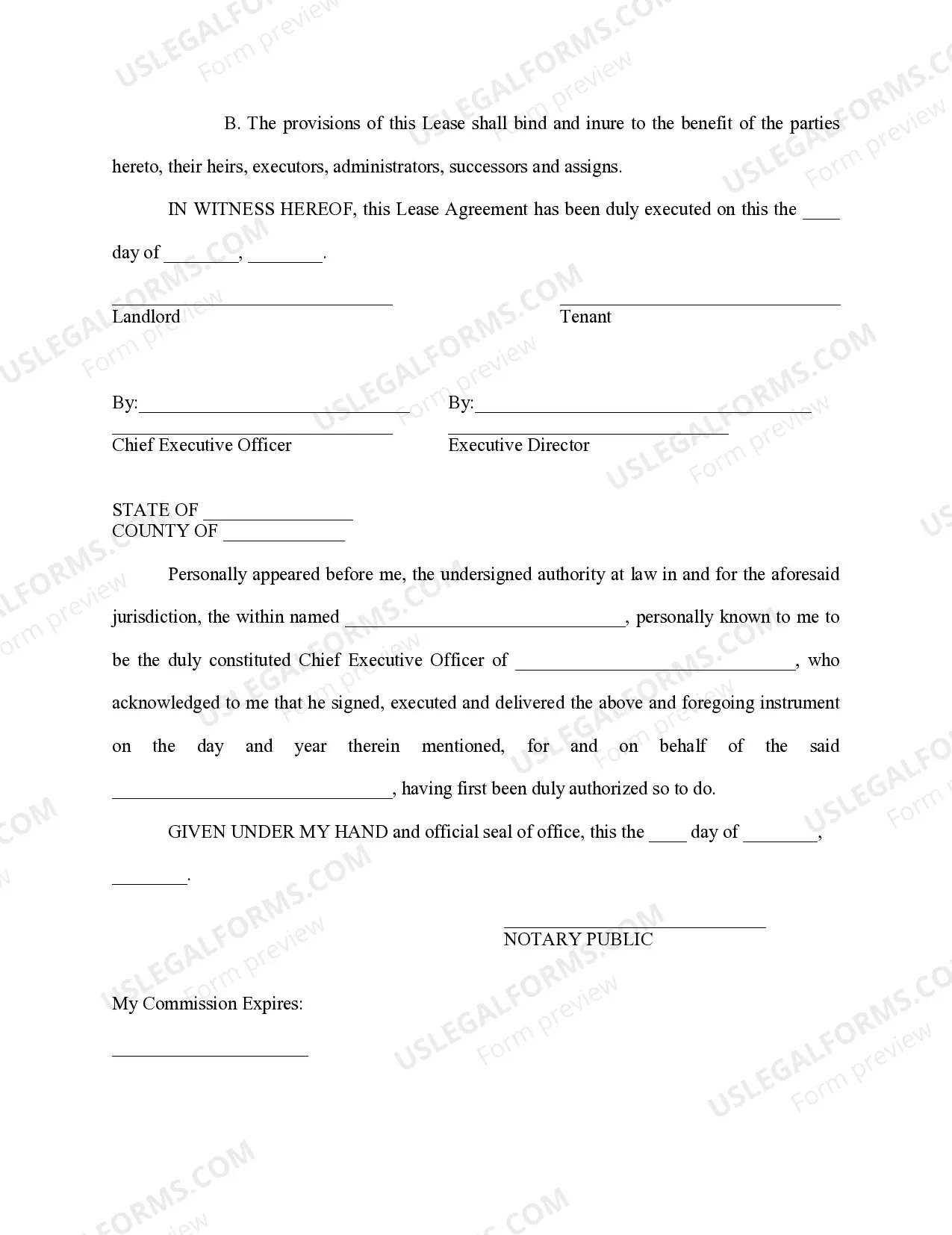
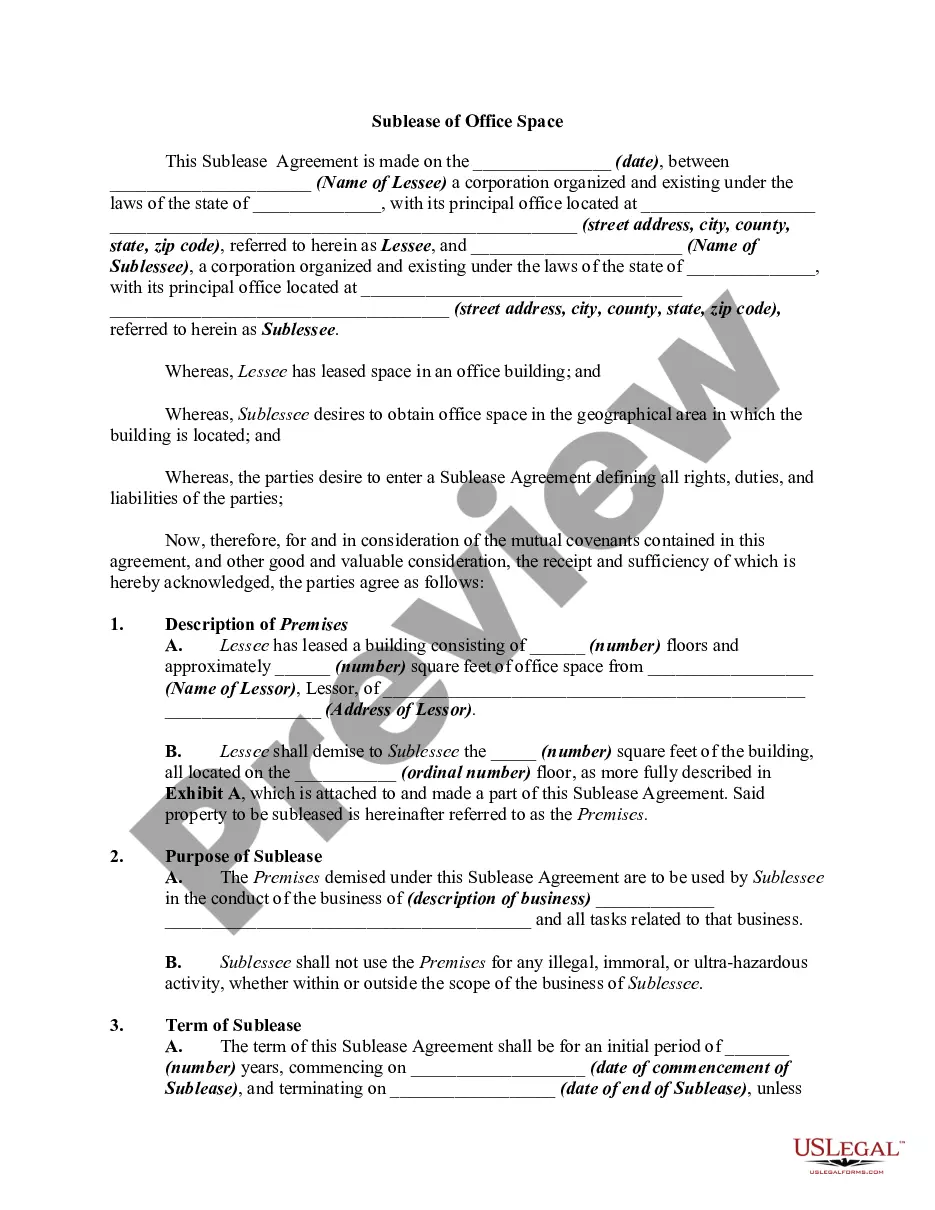
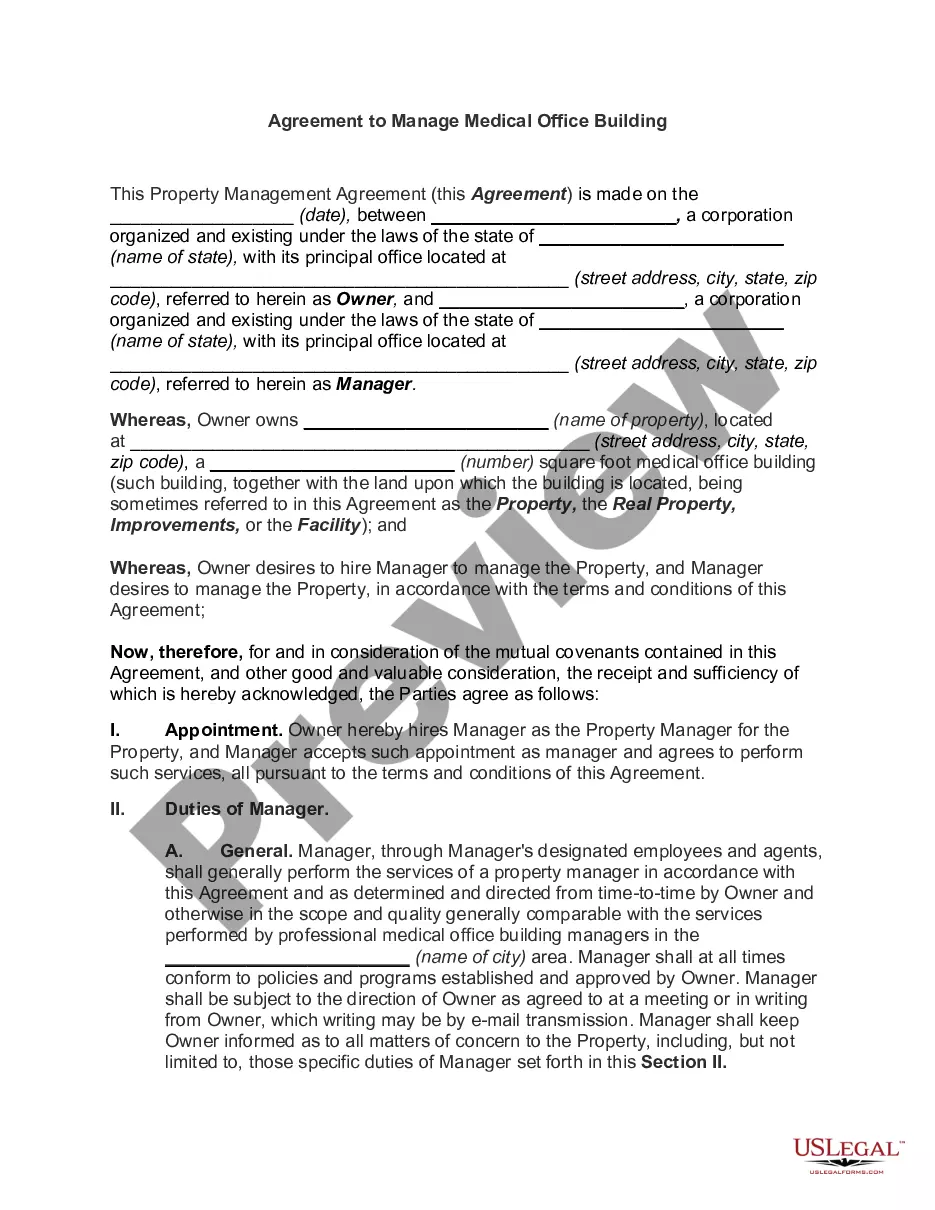
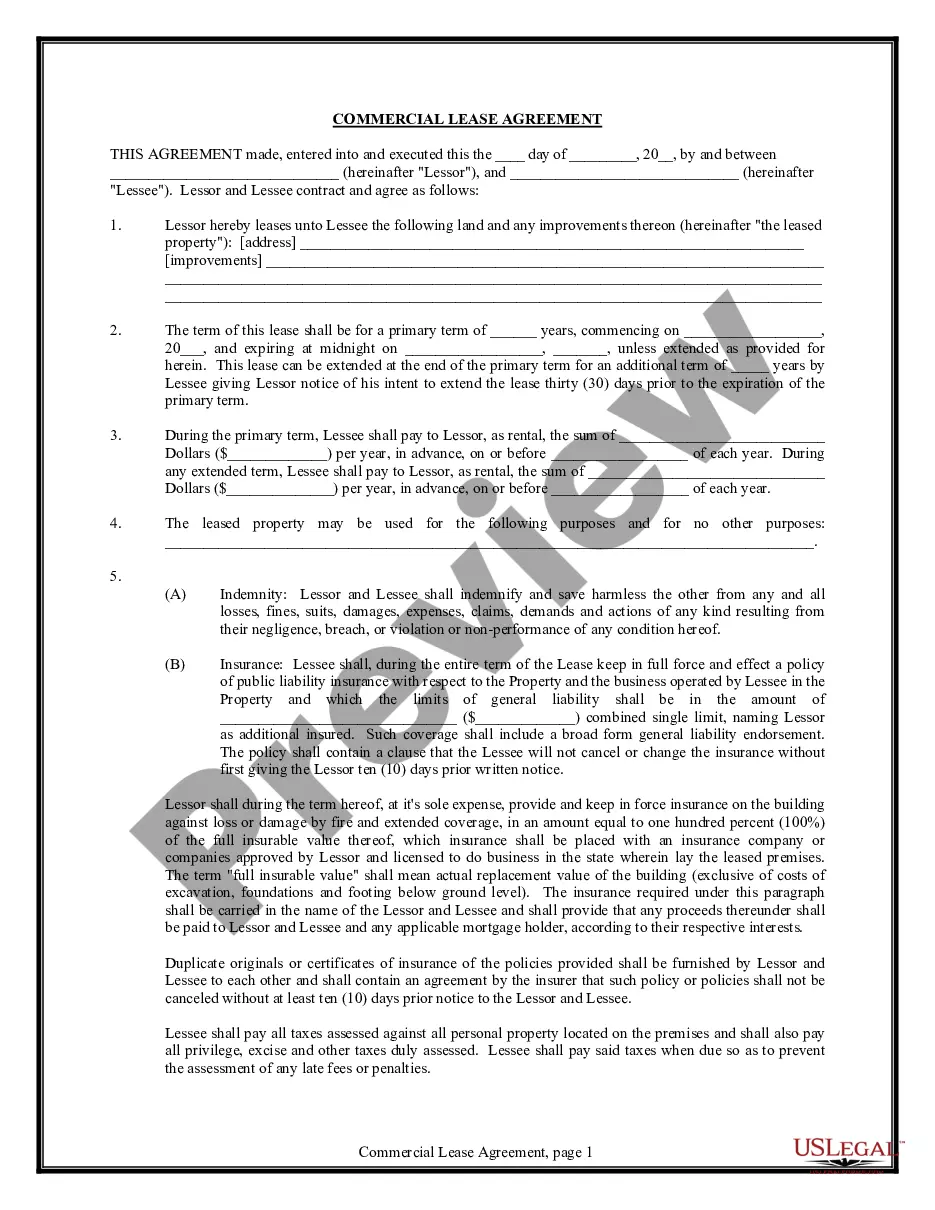
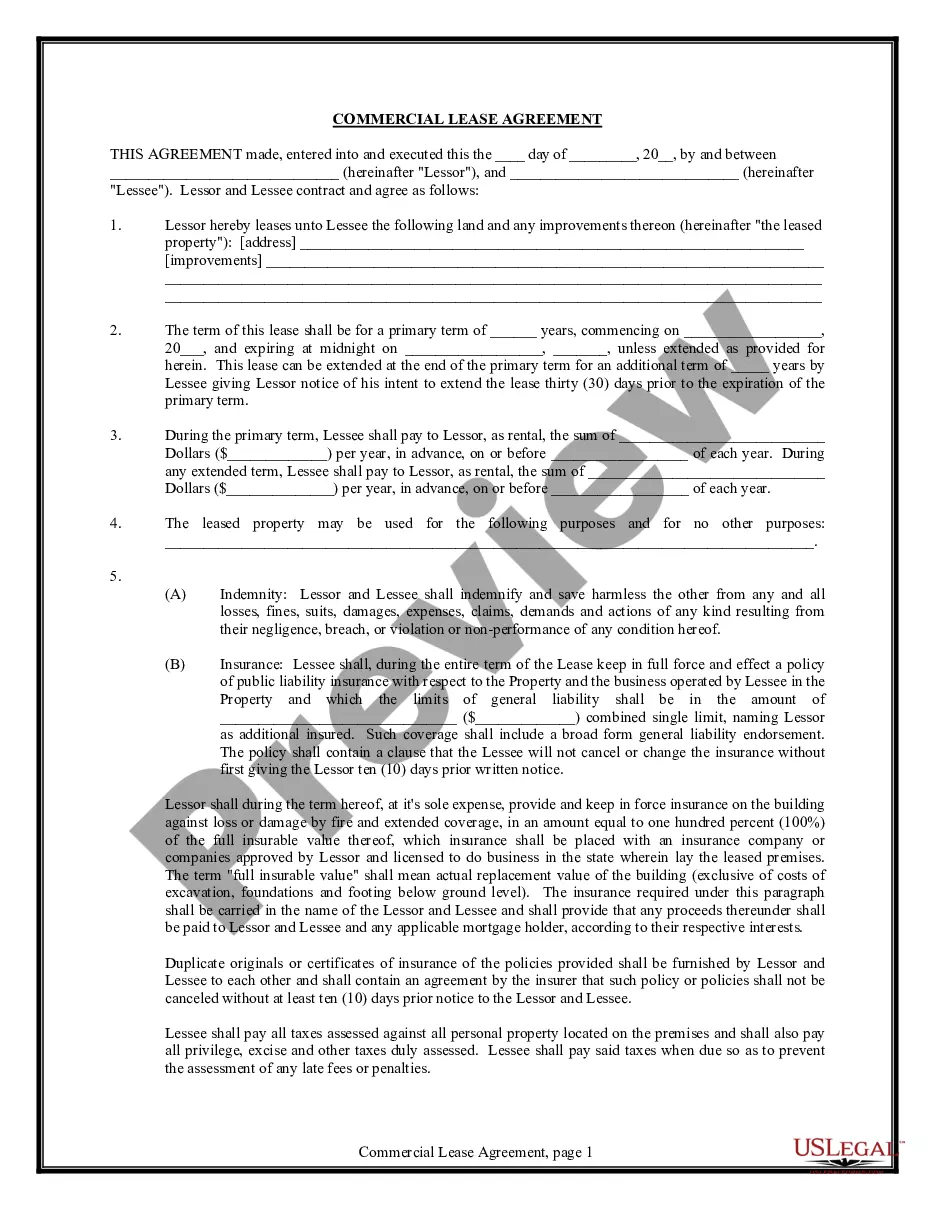
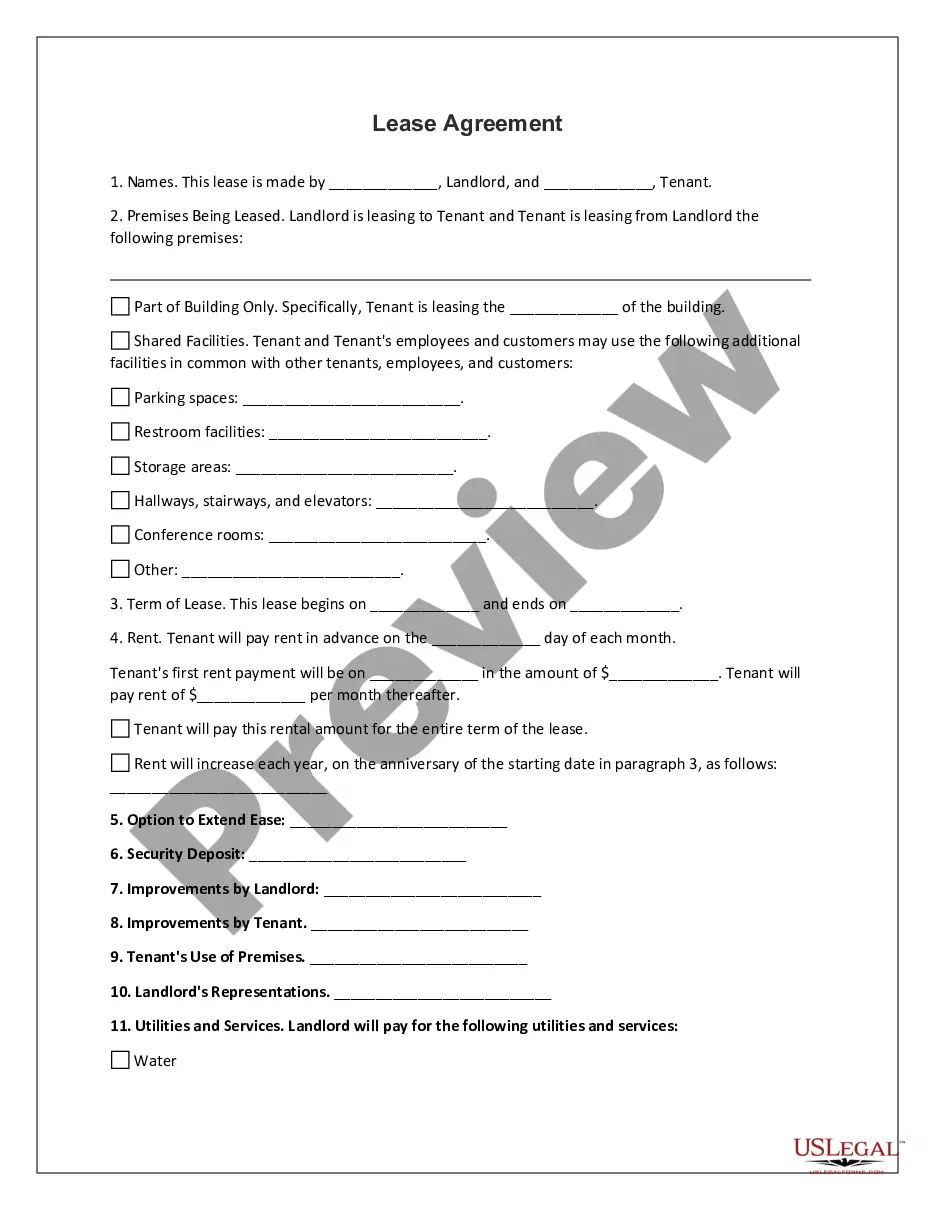
How to fill out Lease Agreement Medical Facility?
US Legal Forms - one of the most prominent repositories of legal documents in the United States - provides a variety of legal template documents that you can download or print.
By using the website, you can obtain thousands of documents for business or personal use, organized by categories, claims, or keywords. You can find the latest versions of documents such as the Delaware Lease Agreement Medical Facility in just a few moments.
If you have a monthly membership, Log In to obtain the Delaware Lease Agreement Medical Facility from the US Legal Forms collection. The Download button will appear on every document you view. You can access all previously downloaded documents in the My documents section of your account.
Complete the payment. Use your credit card or PayPal account to finalize the transaction.
Select the format and download the document to your device. Edit. Fill in, modify, and print and sign the downloaded Delaware Lease Agreement Medical Facility. Every template you added to your account doesn't have an expiration date and belongs to you permanently. Therefore, if you wish to download or print another copy, just navigate to the My documents section and click on the document you want. Access the Delaware Lease Agreement Medical Facility with US Legal Forms, the most comprehensive collection of legal document templates. Utilize thousands of professional and state-specific templates that cater to your business or personal requirements.
- Ensure you have selected the correct document for your city/state.
- Click the Review button to check the document's details.
- Consult the document summary to verify that you have chosen the right file.
- If the document does not meet your needs, use the Search field at the top of the page to find one that does.
- If you are satisfied with the document, confirm your choice by clicking the Purchase now button.
- Then, choose the pricing plan you prefer and provide your information to register for an account.
Form popularity
FAQ
Filling out the condition form for your apartment is straightforward when you follow the guidelines in the Delaware Lease Agreement Medical Facility. Start by noting any existing damages and be as detailed as possible about the unit's condition. Use clear descriptions for any issues, and take photos to document your claims. This ensures transparency between you and your landlord and protects your rights as a tenant.
In Delaware, tenants have specific rights under the Delaware Lease Agreement Medical Facility. These rights include the right to a habitable living space, protection from unfair eviction, and the ability to seek repairs if the property is not maintained. Tenants can also feel secure knowing they have the right to privacy and quiet enjoyment of their home. Understanding your rights helps you navigate your lease effectively.
Section 5106 of the Delaware landlord-tenant code outlines the rights of tenants to privacy and the conditions under which landlords can enter a rental property. This section protects tenants from unwarranted intrusions while also allowing landlords to fulfill their responsibilities. When engaging in a Delaware Lease Agreement Medical Facility, being aware of this section can help establish a respectful relationship between landlords and tenants.
In Delaware, landlords must provide at least 60 days' written notice to tenants for lease termination if there is a month-to-month agreement. However, the notice period may vary depending on the lease agreement terms. If you are involved in a Delaware Lease Agreement Medical Facility, being informed about notice requirements can assist in ensuring a smooth transition for both landlords and tenants.
In Delaware, there is no statutory cap on how much a landlord can increase rent, but they must provide proper notice to tenants. Depending on the type of lease you have, a landlord typically must give 60 days' notice for any rent increase. For professionals operating a Delaware Lease Agreement Medical Facility, understanding the implications of rent increases is crucial for budgeting and financial planning.
Normal wear and tear in Delaware refers to the gradual deterioration of a property resulting from regular use over time. This may include things like minor scuffs on the walls or slight fading of paint. Understanding normal wear and tear is vital for both landlords and tenants in a Delaware Lease Agreement Medical Facility, as it helps clarify the expectations for property condition at the end of the lease.
Section 5514 of the Delaware landlord/tenant code addresses the obligations of landlords regarding repairs and maintenance within a rental property. It emphasizes the importance of ensuring that the premises are fit for habitation. When drafting a Delaware Lease Agreement Medical Facility, it is essential to understand this section, as it directly impacts tenant rights regarding repairs.
Renters in Delaware have several important rights designed to protect them in their housing situations. These rights include the right to habitable housing, the right to privacy, and the right to have security deposits returned promptly. Those entering into a Delaware Lease Agreement Medical Facility should familiarize themselves with these rights to ensure they enjoy a fair and safe living environment.
Section 5314 of the Delaware Residential Landlord Tenant Code specifies the rights and duties of landlords and tenants in residential leasing scenarios. This provision includes details on security deposits, rental payments, and lease terms. For those looking to create a Delaware Lease Agreement Medical Facility, it's essential to be aware of these requirements to ensure compliance and mitigate disputes.
Section 5314 of the Delaware tenant code outlines the requirements for rental agreements, particularly focusing on disclosures landlords must provide. This section mandates that all lease agreements, including a Delaware Lease Agreement Medical Facility, must be in writing, ensuring clarity for both parties. Understanding this section is crucial for both tenants and landlords to comply with legal obligations and protect their interests.