This is a multi-state form covering the subject matter of the title.
District of Columbia Subordination and Attornment Agreement - Landlord - Tenant - Lender
Category:
State:
Multi-State
Control #:
US-XS-0014
Format:
Word;
Rich Text
Instant download
Description
Free preview
How to fill out Subordination And Attornment Agreement - Landlord - Tenant - Lender?
Are you currently in a location that necessitates documents for either business or personal purposes nearly every day? There are numerous legal document templates accessible online, but locating reliable ones can be challenging. US Legal Forms provides thousands of form templates, including the District of Columbia Subordination and Attornment Agreement - Landlord - Tenant - Lender, crafted to meet state and federal requirements.
If you are already acquainted with the US Legal Forms website and possess an account, simply Log In. After that, you can download the District of Columbia Subordination and Attornment Agreement - Landlord - Tenant - Lender template.
If you do not have an account and wish to utilize US Legal Forms, follow these steps: Obtain the form you need and ensure it is for the correct city/state. Use the Preview feature to review the document. Check the description to confirm you have selected the right form. If the form does not match your requirements, use the Lookup section to find the form that suits your needs. Once you find the correct form, click Acquire now. Select the pricing plan you prefer, provide the required information to create your account, and purchase the order using your PayPal or credit card. Choose a convenient file format and download your version. Access all the document templates you have purchased in the My documents menu. You can acquire another copy of the District of Columbia Subordination and Attornment Agreement - Landlord - Tenant - Lender at any time, if needed. Click on the desired form to download or print the document template.
Leverage US Legal Forms to efficiently handle your legal documentation needs with confidence.
Start your journey towards hassle-free document management today.
- Utilize US Legal Forms, the largest collection of legal documents, to save time and minimize mistakes.
- The service provides professionally crafted legal document templates that can be used for various purposes.
- Create an account on US Legal Forms and start simplifying your life.
- Access a wide range of templates tailored for your specific needs.
- Download forms easily and manage your documents effectively.
- Ensure compliance with state and federal regulations with reliable templates.
- Streamline your document process and avoid common pitfalls.
Form popularity
FAQ
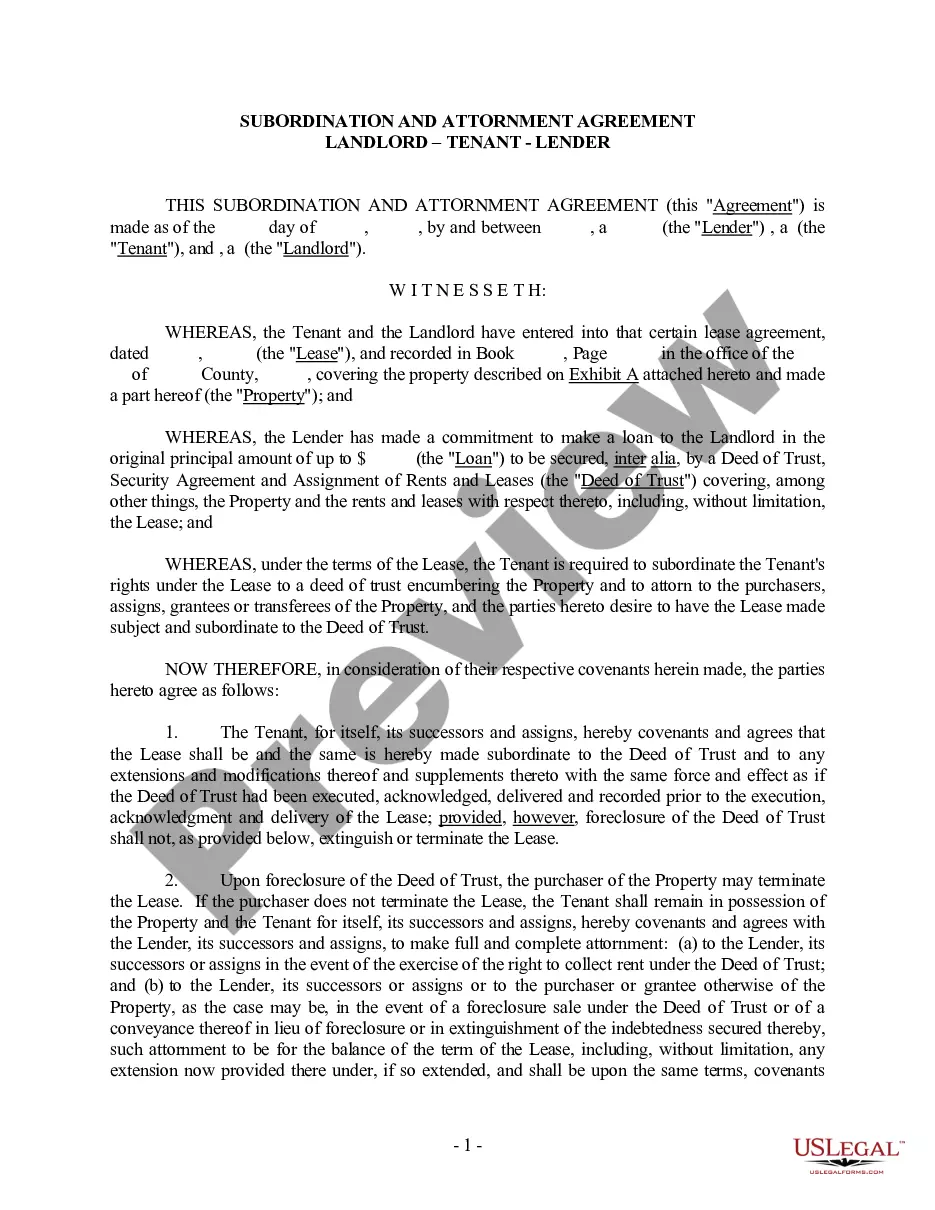
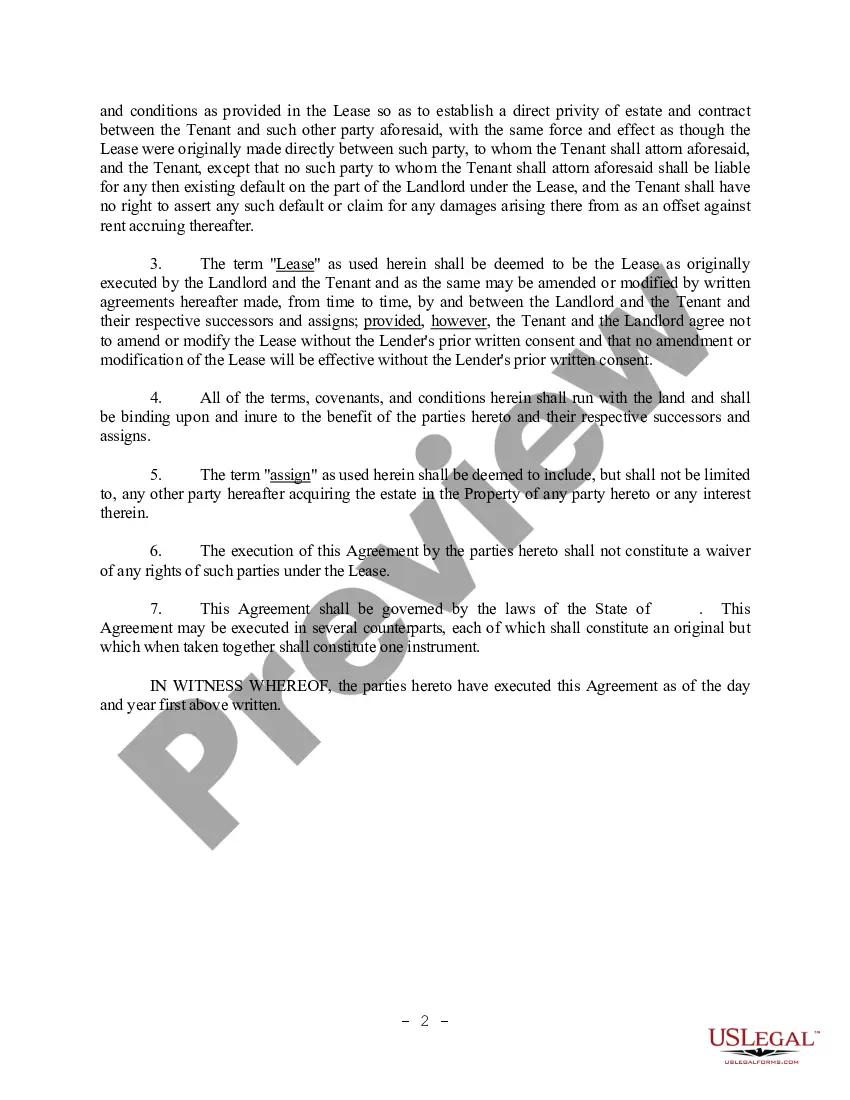
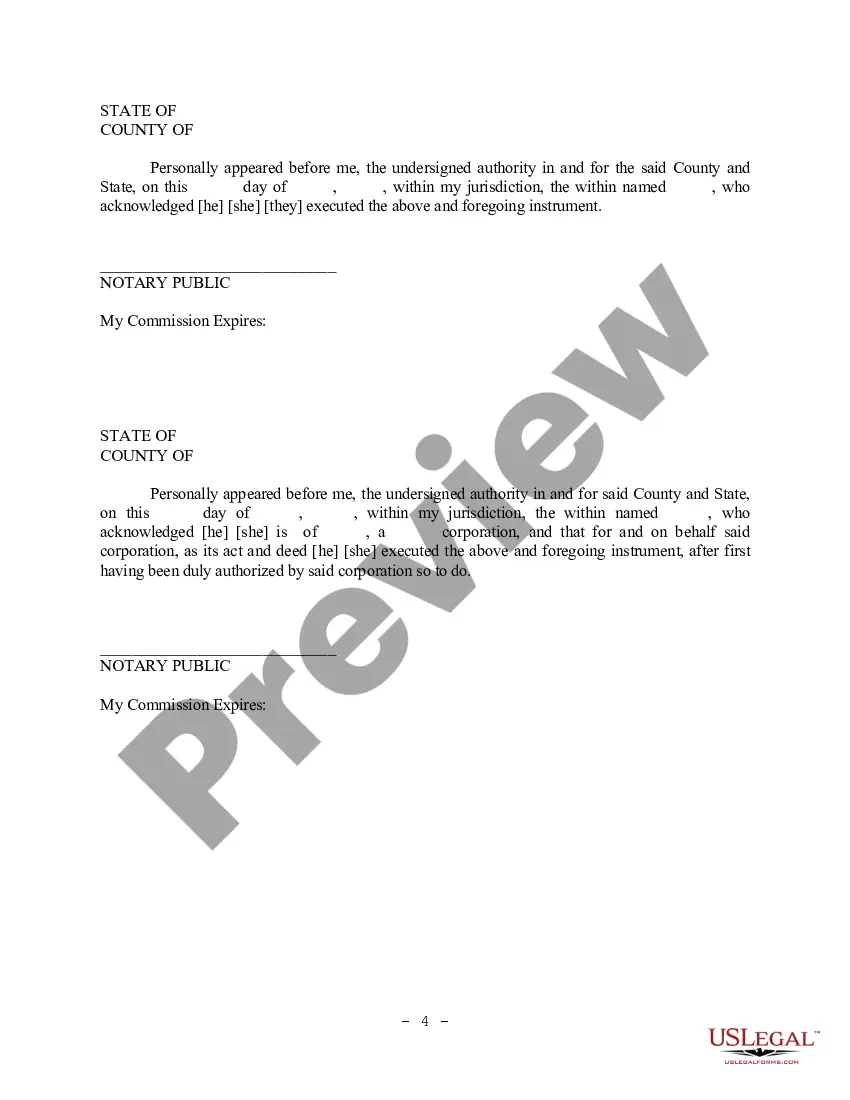
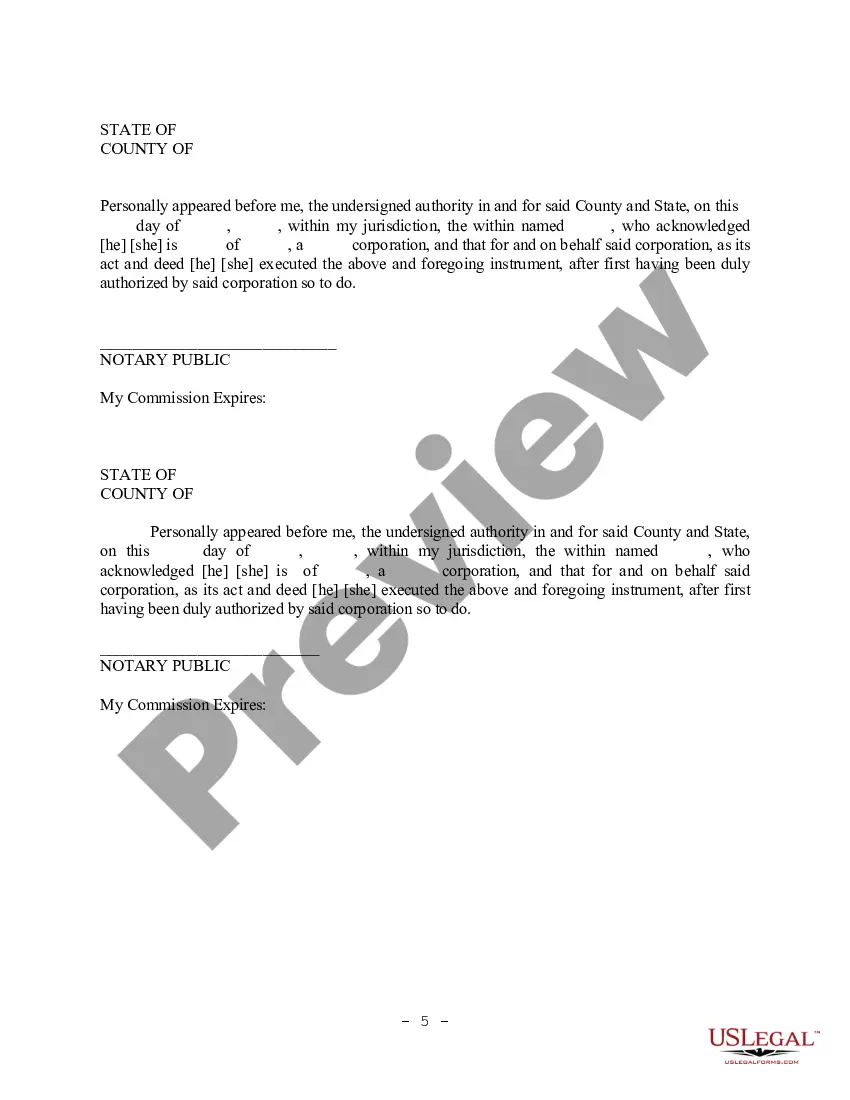
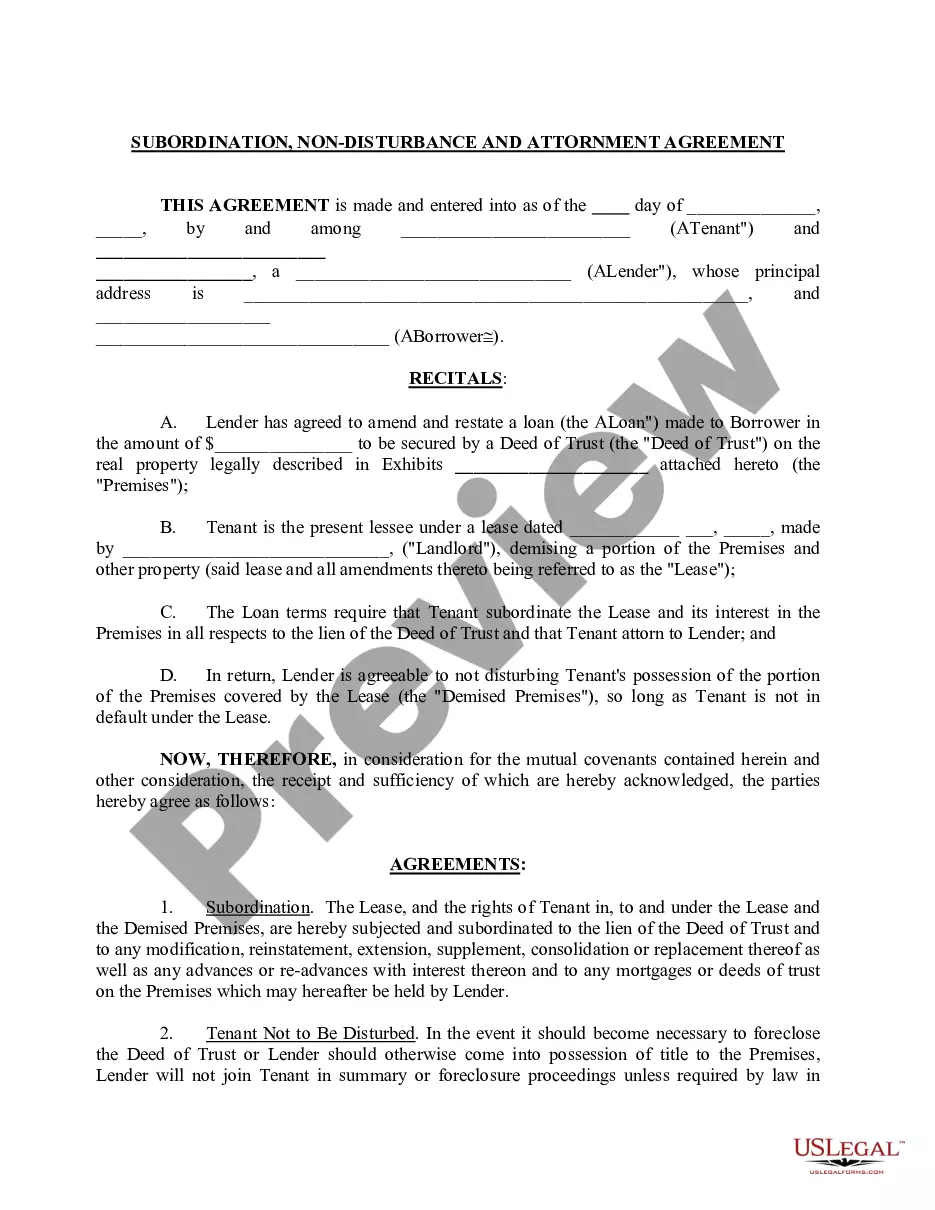
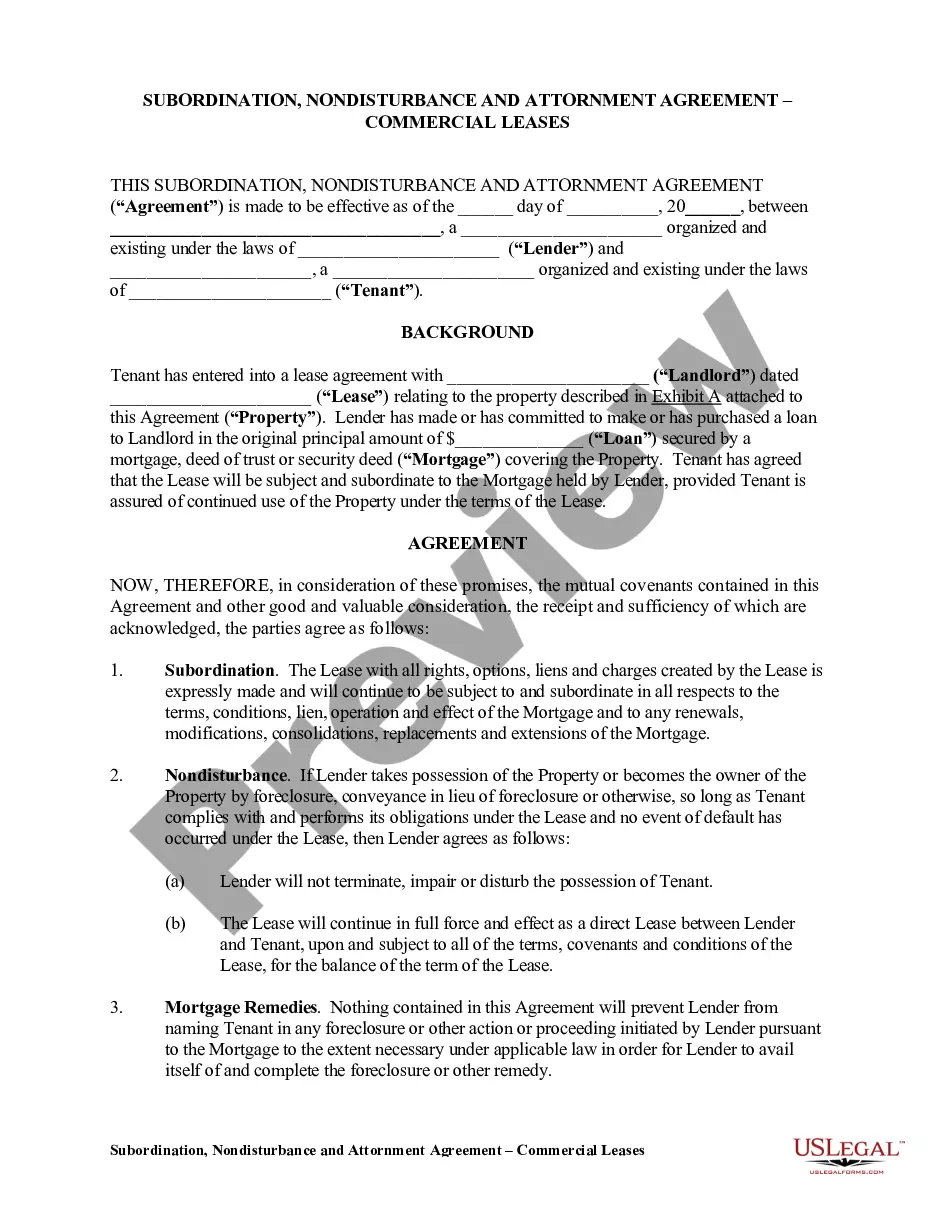
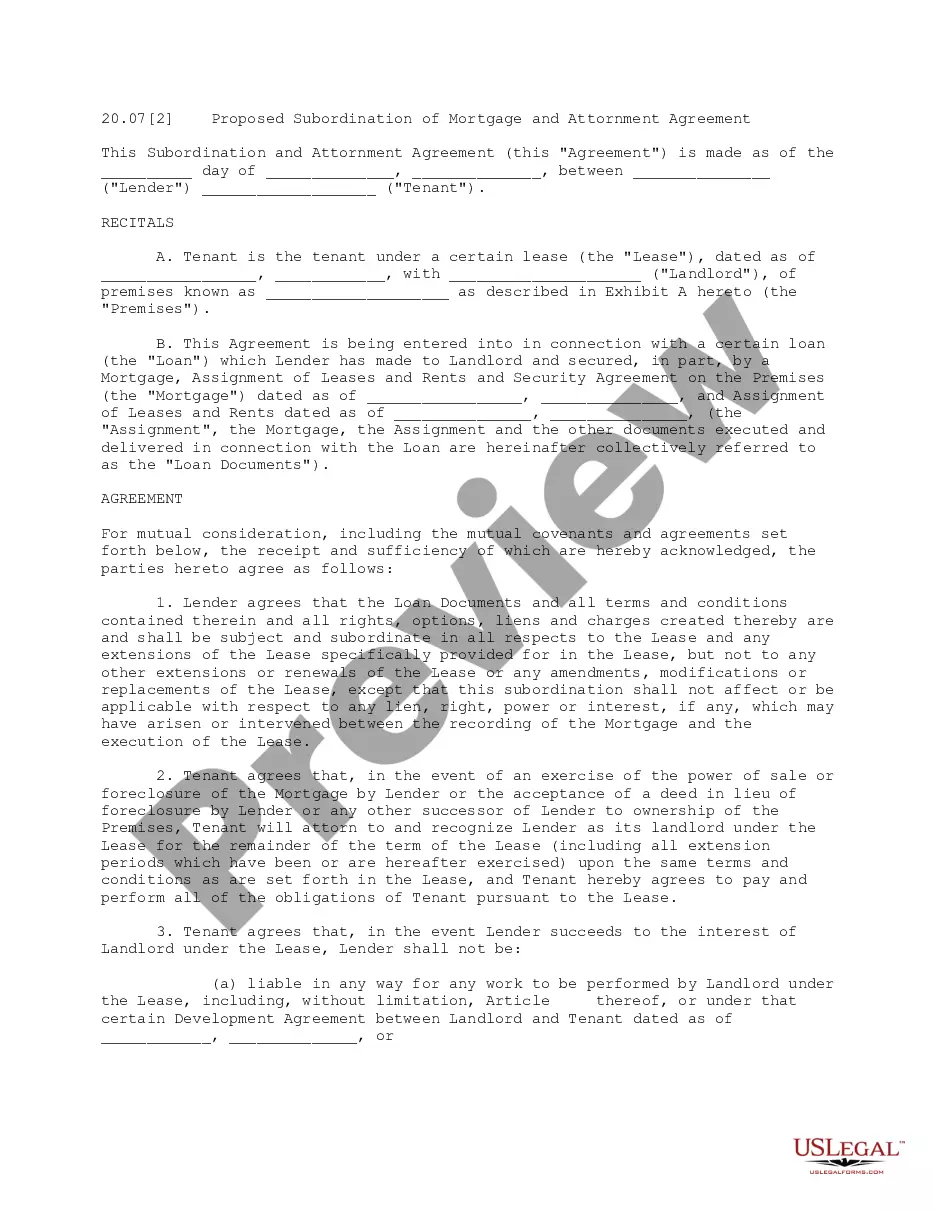
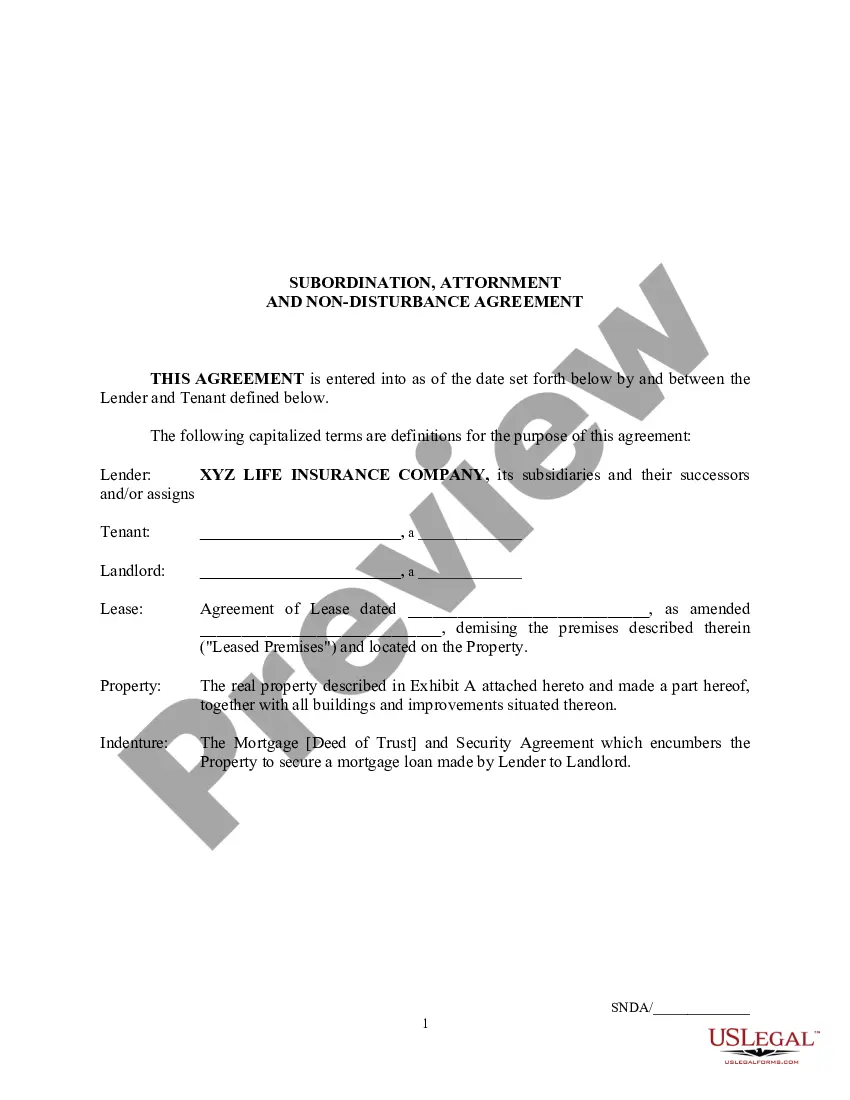
A subordination and attornment agreement is a legal document that defines the relationship between a landlord, tenant, and lender. In the context of a District of Columbia Subordination and Attornment Agreement - Landlord - Tenant - Lender, this agreement ensures that the tenant recognizes the lender's rights over the property in case of default by the landlord. It helps to clarify the tenant's position and rights in the event of property ownership changes. Using platforms like US Legal Forms can simplify the process of creating and managing these agreements.
In the District of Columbia, landlords must comply with specific regulations to ensure tenant rights and safety. This includes providing habitable living conditions, adhering to rent control laws, and following proper eviction procedures. Additionally, landlords should consider the implications of a District of Columbia Subordination and Attornment Agreement - Landlord - Tenant - Lender to safeguard their interests. By understanding these requirements, landlords can maintain a positive relationship with tenants while protecting their property.
The SNDA lease provision stands for Subordination, Non-Disturbance, and Attornment. This provision is crucial in the context of a District of Columbia Subordination and Attornment Agreement - Landlord - Tenant - Lender. It ensures that tenants maintain their rights to occupy the property even if the property undergoes ownership changes. Essentially, this agreement protects tenants by guaranteeing their lease terms remain intact despite any lender actions.
Attornment is not always required for leases; however, it plays a vital role in ensuring the continuity of the tenant's rights. In the context of a District of Columbia Subordination and Attornment Agreement - Landlord - Tenant - Lender, attornment acknowledges the new landlord after a property transfer, which is beneficial for both parties. By agreeing to attornment, tenants protect their interests and maintain the lease's validity. USLegalForms provides templates and guidance to help tenants navigate these agreements with confidence.
A tenant may want a Subordination, Non-Disturbance, and Attornment Agreement (SNDA) to ensure their rights are protected in the event of a landlord's default or foreclosure. With a District of Columbia Subordination and Attornment Agreement - Landlord - Tenant - Lender, tenants gain peace of mind knowing they can continue their lease even if the property changes ownership. This agreement creates a direct relationship between the tenant and the lender, which fosters stability and security for the tenant's business operations. Utilizing resources like USLegalForms can help tenants draft and understand these important documents.
What are they, and why do landlords require them? Estoppel certificates and Subordination and Non-Disturbance Agreements (SNDAs) are the legal documentation that assures the rights of all parties are upheld. Tenants should not be concerned, but rather should welcome the documents with open arms.
A subordination clause is a lease provision whereby the tenant subordinates its possessory interest in the leased premises to a third-party lender, usually a bank (the rights of the tenant are thus subject to the rights of the lender).
The purpose of an estoppel statement is twofold: (1) to give a prospective purchaser or lender information about the lease and the leased premises and (2) to give assurance to the purchaser or lender that the les- see at a later date will not make claims that are inconsistent with the statements contained in the
Attornment" also implies continuity of tenancy, though landlord might change when titleaffect the relationship created by attornment. ' Attornment' also implies continuity of tenancy, though landlord might change when title.
Attornment acknowledges the relationship between the parties in a transaction. Attornment may occur when a tenant leases an apartment and the building change hands to a new owner during the course of the lease. The attornment agreement only changes the rights of the new owner if it is signed by the tenant.