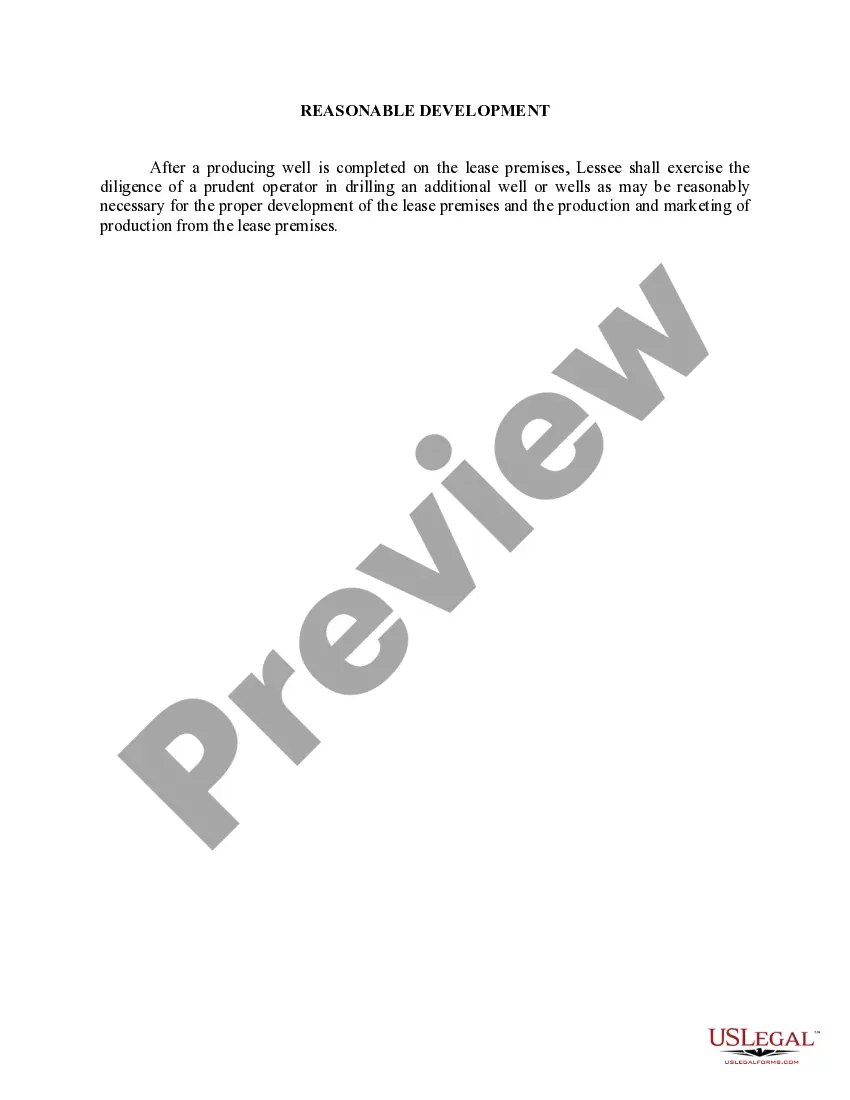
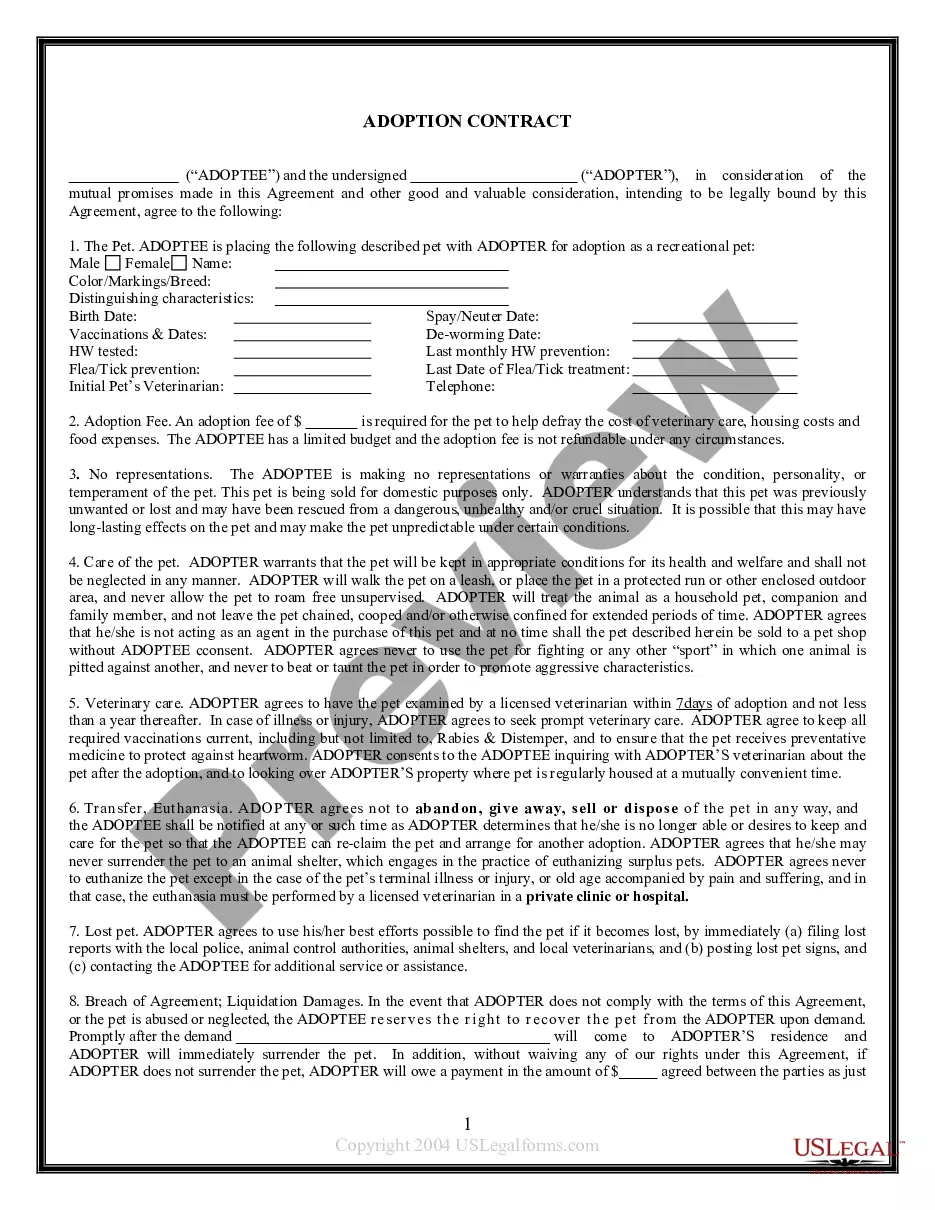
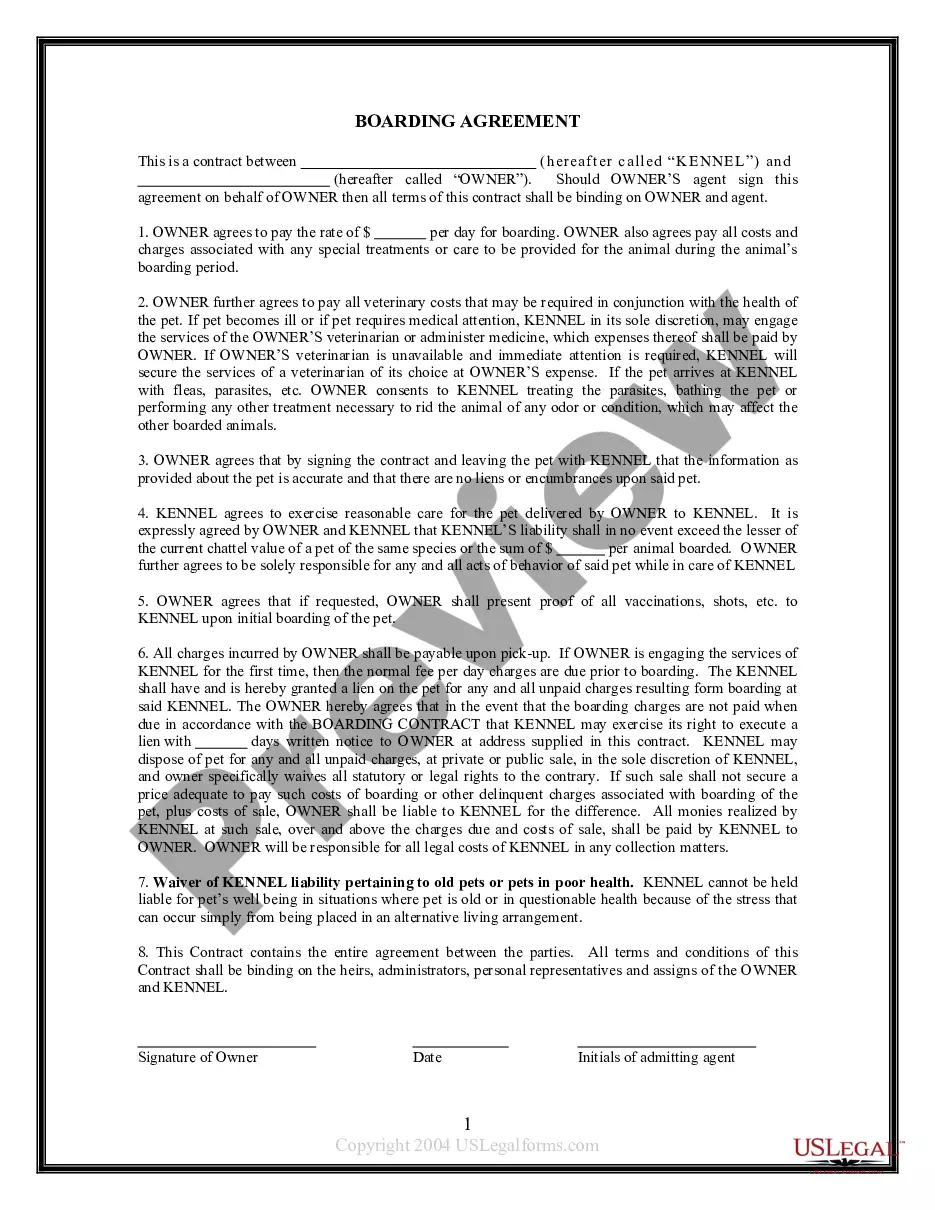
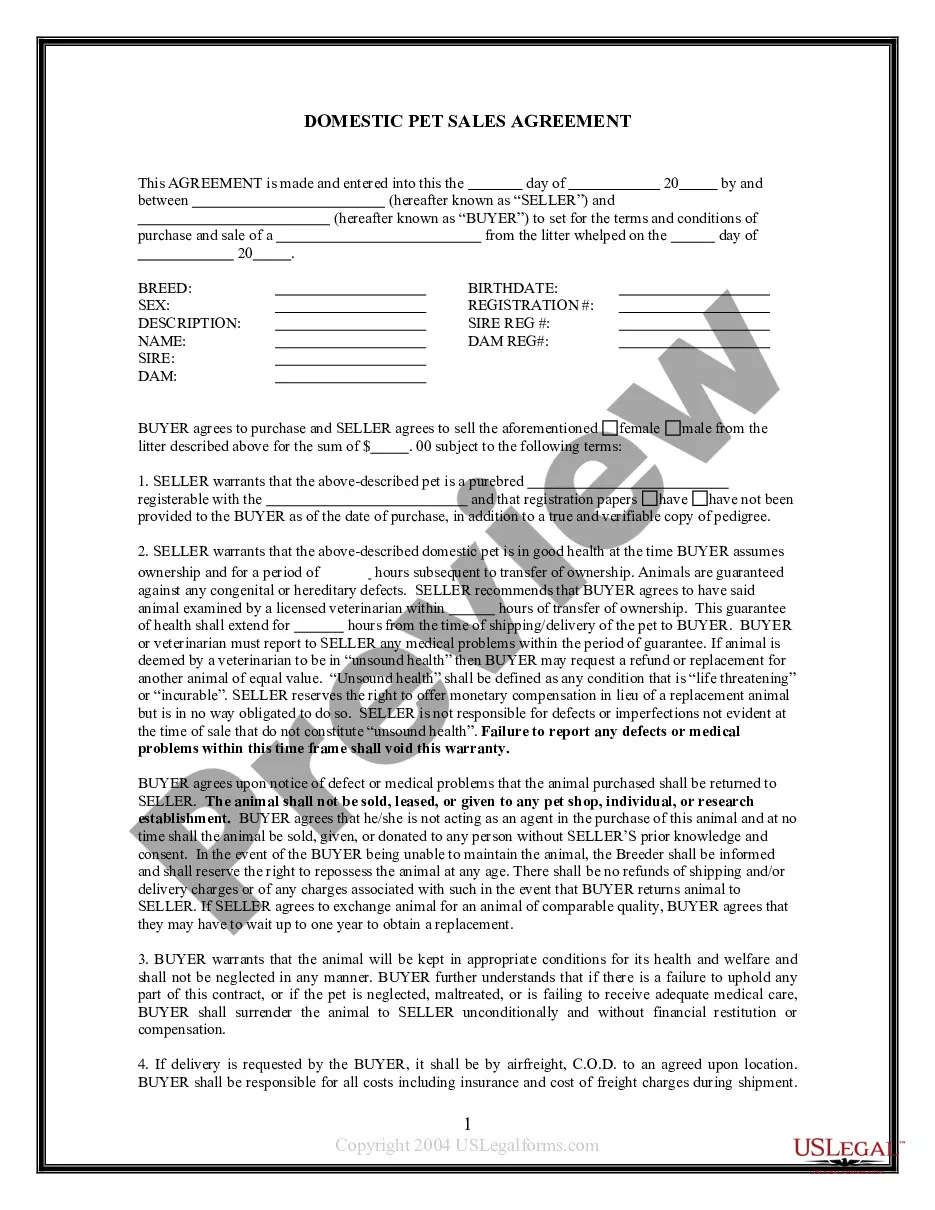
This form is an agreement between a pet owner and a caretaker.
District of Columbia Pet Care Agreement
Instant download
Description
Free preview
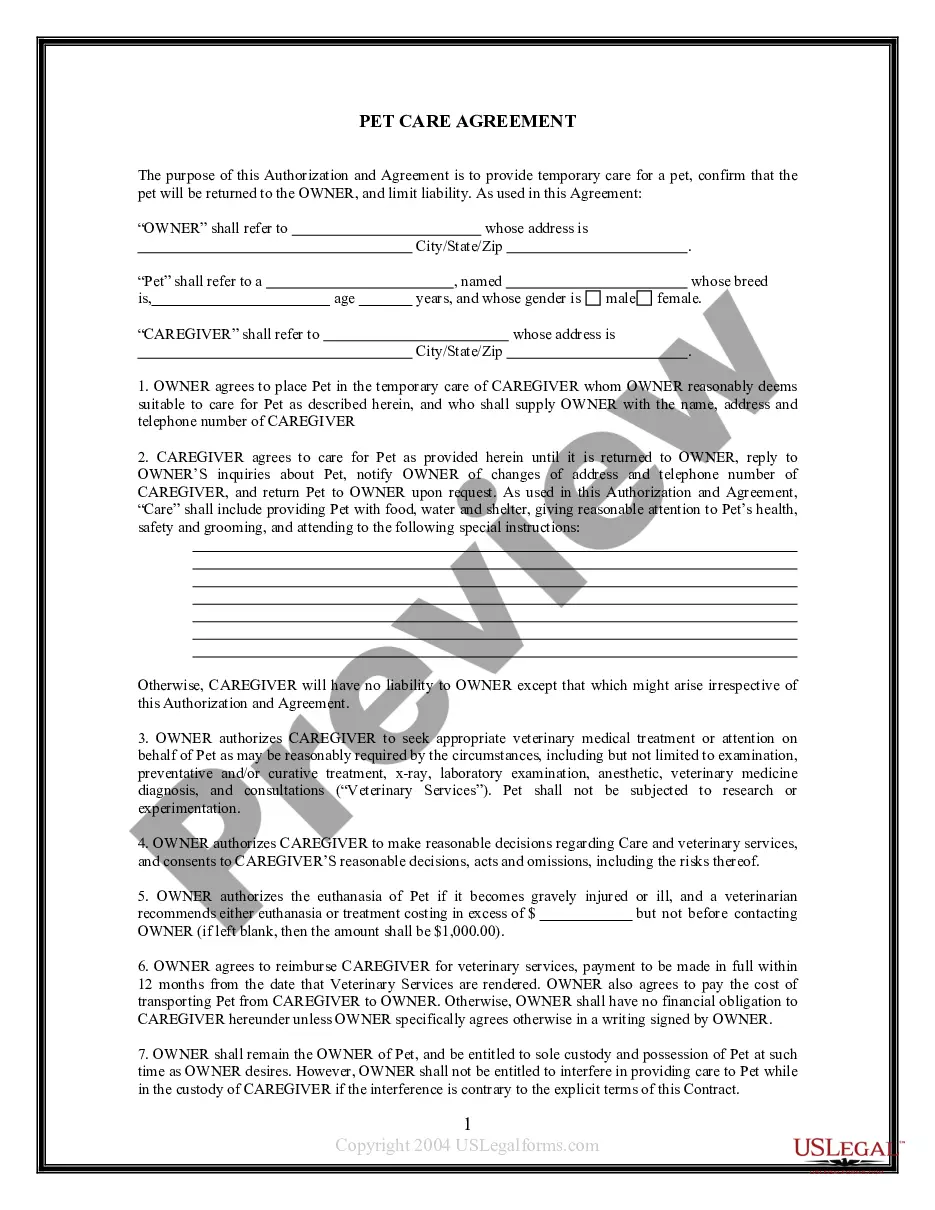
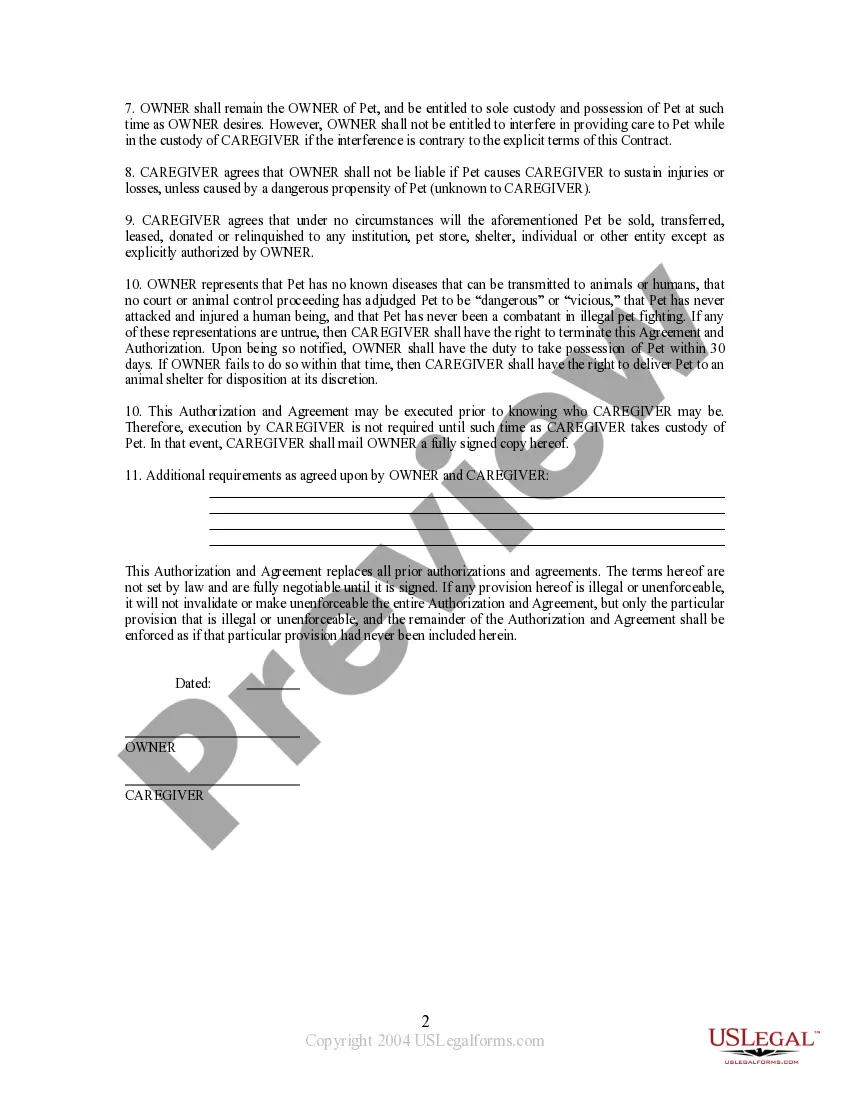

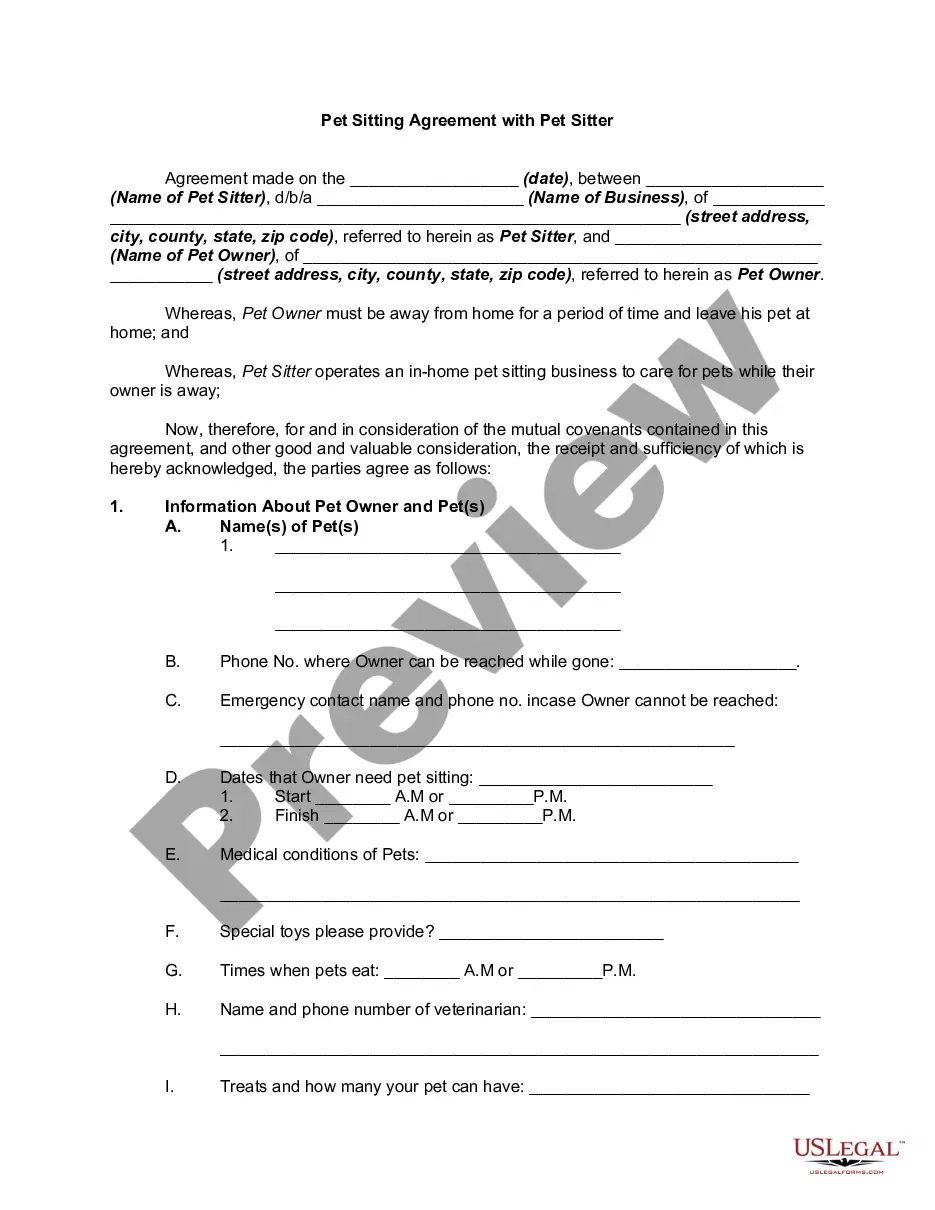
Get your form ready online
Our built-in tools help you complete, sign, share, and store your documents in one place.
Built-in online Word editor
Make edits, fill in missing information, and update formatting in US Legal Forms—just like you would in MS Word.
Export easily
Download a copy, print it, send it by email, or mail it via USPS—whatever works best for your next step.
E-sign your document
Sign and collect signatures with our SignNow integration. Send to multiple recipients, set reminders, and more. Go Premium to unlock E-Sign.
Notarize online 24/7
If this form requires notarization, complete it online through a secure video call—no need to meet a notary in person or wait for an appointment.
Store your document securely
We protect your documents and personal data by following strict security and privacy standards.

Make edits, fill in missing information, and update formatting in US Legal Forms—just like you would in MS Word.

Download a copy, print it, send it by email, or mail it via USPS—whatever works best for your next step.

Sign and collect signatures with our SignNow integration. Send to multiple recipients, set reminders, and more. Go Premium to unlock E-Sign.

If this form requires notarization, complete it online through a secure video call—no need to meet a notary in person or wait for an appointment.

We protect your documents and personal data by following strict security and privacy standards.
Looking for another form?


How to fill out Pet Care Agreement?
If you require to complete, acquire, or generate valid document templates, utilize US Legal Forms, the largest assortment of valid forms, which can be accessed online.
Utilize the site’s straightforward and user-friendly search to find the documents you require.
A range of templates for business and personal purposes are organized by categories and states, or keywords.
Step 4. Once you have identified the form you need, click the Purchase now button. Choose the pricing plan you prefer and enter your details to register for an account.
Step 5. Process the payment. You can use your credit card or PayPal account to complete the transaction.
- Use US Legal Forms to obtain the District of Columbia Pet Care Agreement with just a few clicks.
- If you are already a US Legal Forms user, sign in to your account and click on the Download option to retrieve the District of Columbia Pet Care Agreement.
- You can also access forms you have previously downloaded in the My documents section of your account.
- If you are using US Legal Forms for the first time, follow the steps below.
- Step 1. Make sure you have chosen the form for the correct state/country.
- Step 2. Use the Review option to examine the form’s content. Always remember to read through the description.
- Step 3. If you are not satisfied with the form, use the Search box at the top of the screen to find alternative versions of the legal form template.
Form popularity
FAQ
The new pet law in DC focuses on improving the welfare of pets in residential settings. It promotes responsible pet ownership and outlines legal requirements for pet care and housing. Implementing a District of Columbia Pet Care Agreement will help both landlords and tenants comply with this law. This agreement serves as a proactive measure to address any concerns related to pet ownership in rental properties.
An example of a pet agreement includes terms such as pet type, size, and behavior expectations. It may also cover responsibilities for pet care, maintenance of the property, and any associated fees. A comprehensive District of Columbia Pet Care Agreement will serve as a valuable reference for pet owners and landlords alike. This document ensures that both parties understand their obligations, reducing potential conflicts.
The DC Pets in Housing Amendment Act aims to enhance the rights of pet owners in rental housing. This law outlines the responsibilities of landlords and tenants regarding pet ownership. It emphasizes the importance of a well-structured District of Columbia Pet Care Agreement to clarify expectations and responsibilities. With this framework, both parties can enjoy a harmonious living environment.
Today, most jurisdictions in the region no longer have pit bull laws. Virginia bans breed-specific laws entirely. DC restricts dogs that without provocation cause a serious injury to a person or another animal. The focus is now on bad owners, not dogs.
All dogs and cats four months of age or older and kept in Baltimore County for longer than 30 days per year must be licensed annually. You must provide a copy of a valid rabies certificate to apply for or to renew an animal license. The license period is July 1 through June 30.
No household can have more than three dogs or more than three cats, or a combination of more than five animals exceeding six months of age in the family dwelling unit or on the family premises.
Unlike dogs, which are regulated by the gov- ernment with licensing requirements, New York animal care and control and municipal animal shelters, are not required by law to take in cats whether they be domestic or otherwise.
DC law requires dog licenses to be renewed annually.
Overview. King County pet licenses are required for all dogs and cats eight weeks of age or older living in the Regional Animal Services coverage area. A pet license identifies and protects your dog or cat in case they get lost.
Since 1997, it has been illegal in the county to own, harbor, sell or give away any dogs that "exhibit the characteristics of a pit bull more than any other breed of dog." Anyone who violates the ban can face a fine of as much as $1,000 or six months in jail.