District of Columbia USLegal Guide to Advance Directives for Health Care
Description
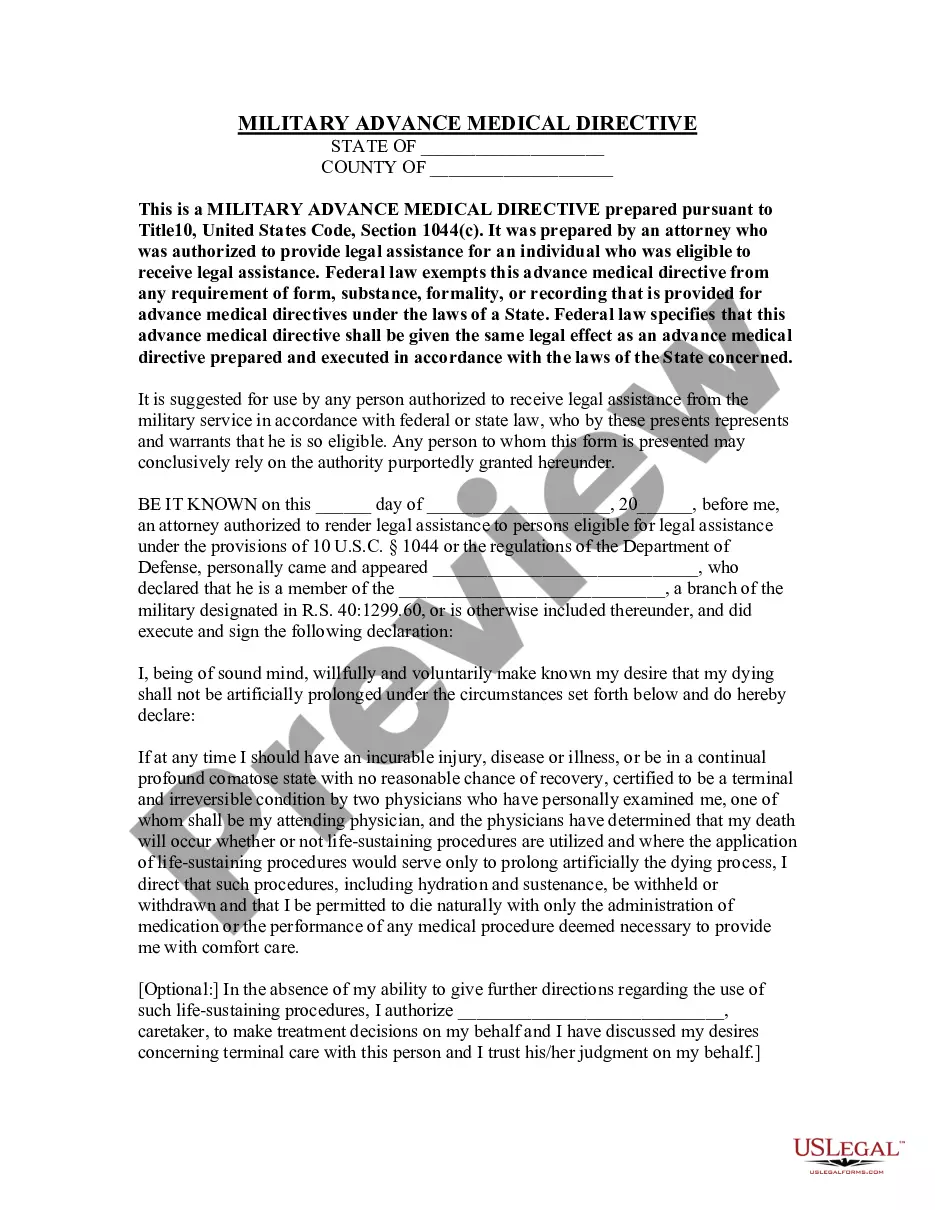
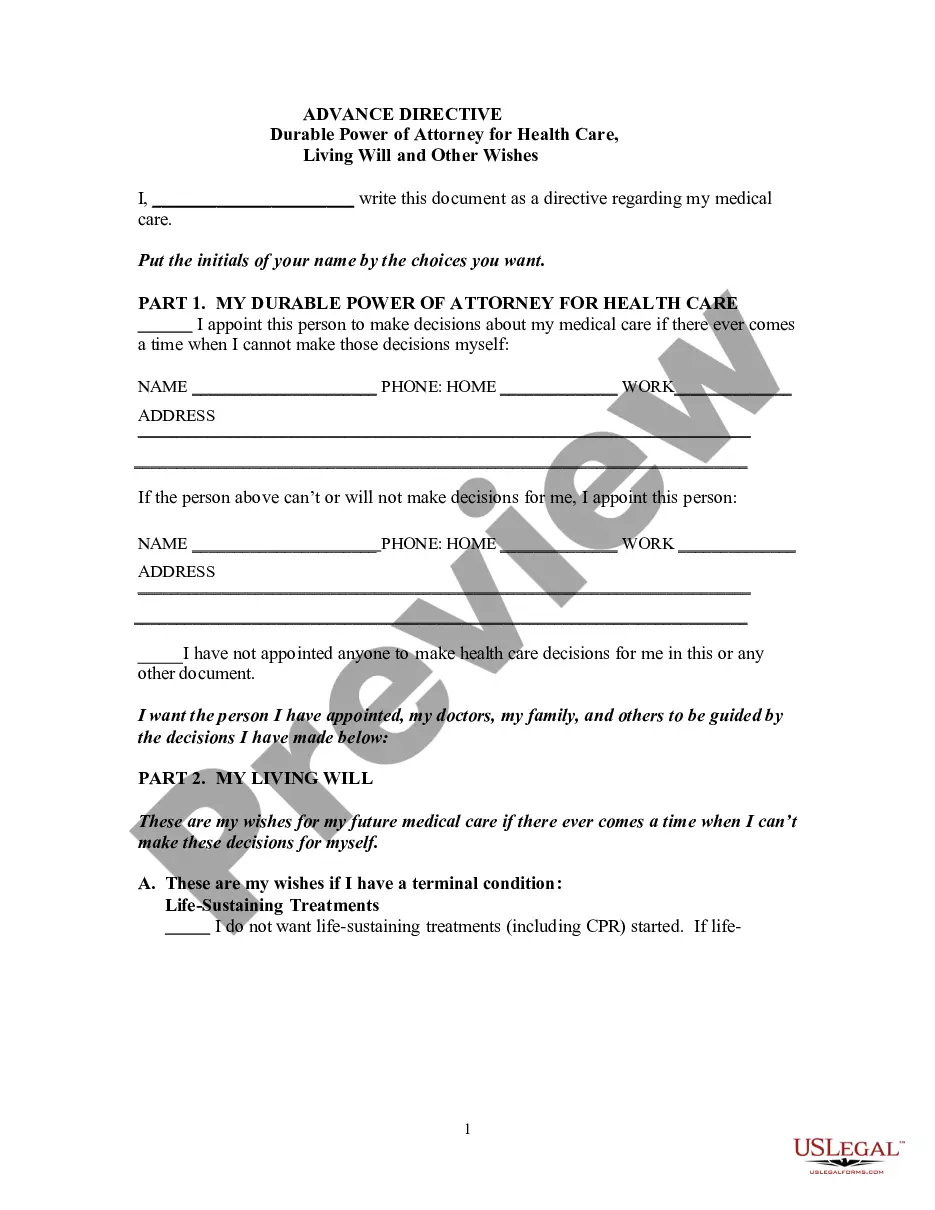
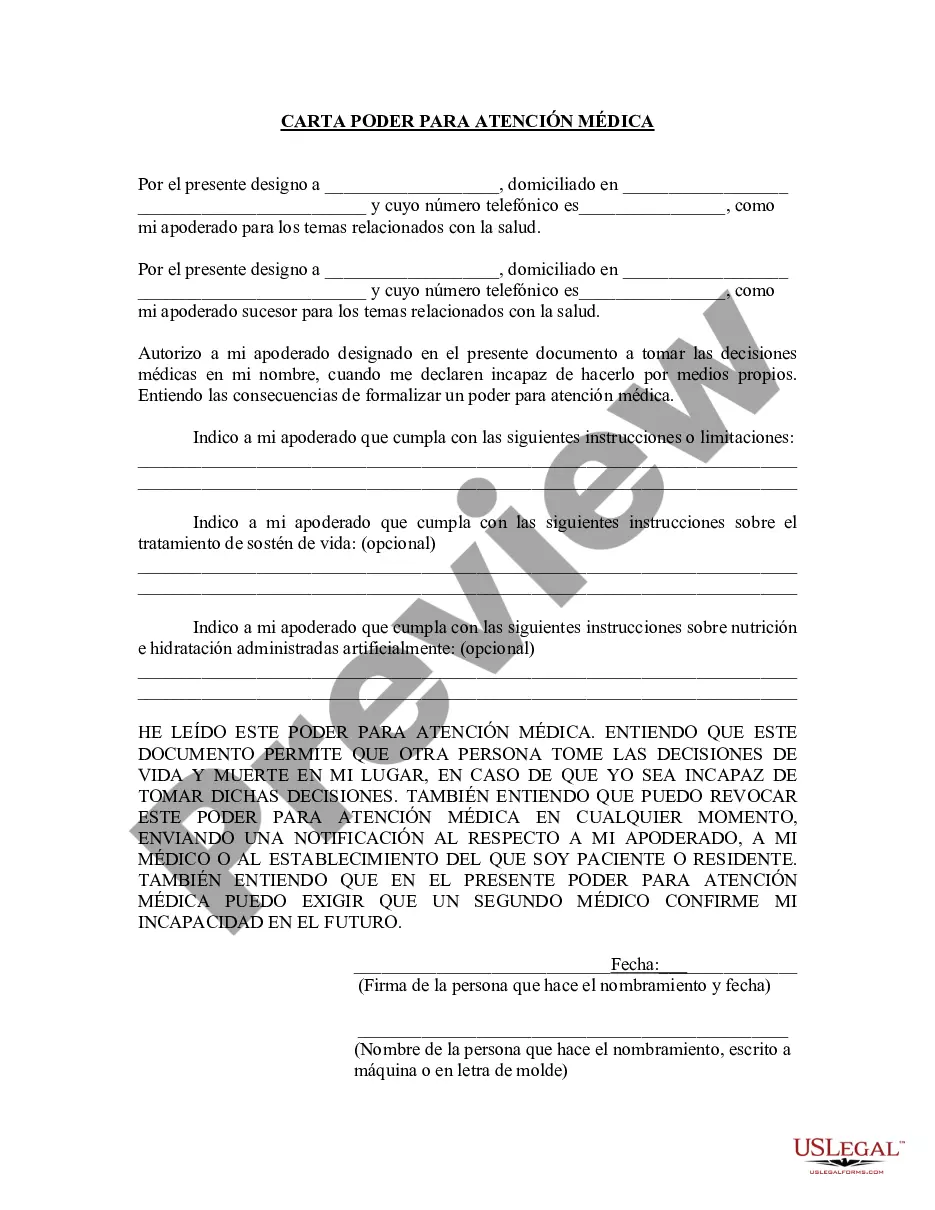
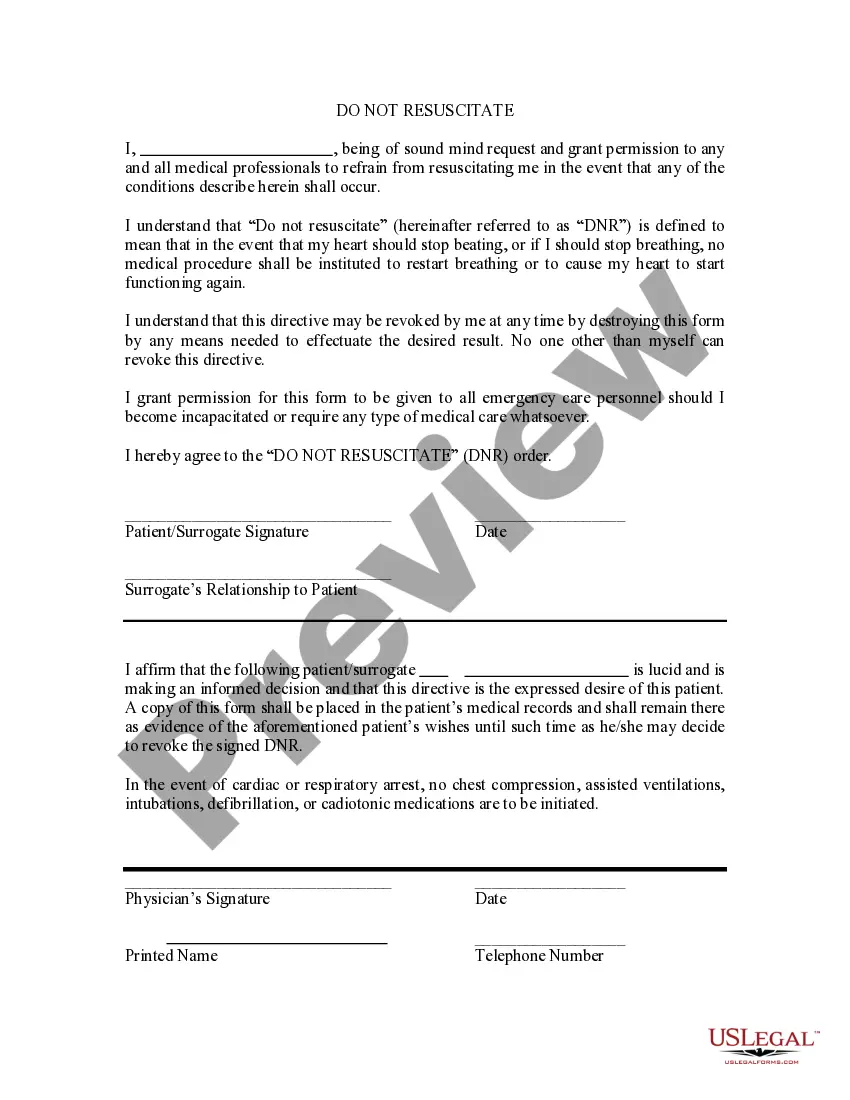
How to fill out USLegal Guide To Advance Directives For Health Care?
You can spend hours online attempting to locate the legal document template that fulfills the federal and state criteria you need.
US Legal Forms provides thousands of legal forms that can be reviewed by experts.
It is easy to download or print the District of Columbia USLegal Guide to Advance Directives for Health Care from my service.
If available, use the Review button to look through the document template as well.
- If you possess a US Legal Forms account, you can Log In and then click the Download button.
- Afterward, you can fill out, edit, print, or sign the District of Columbia USLegal Guide to Advance Directives for Health Care.
- Each legal document template you obtain is yours permanently.
- To get another copy of any purchased form, visit the My documents section and click the respective button.
- If you are using the US Legal Forms website for the first time, follow the simple instructions below.
- First, ensure you have selected the correct document template for your area/city of choice.
- Check the form description to ensure you have chosen the right form.
Form popularity
FAQ
In Maine, an advance directive does not require notarization, but it must be signed by two witnesses to be valid. This process helps ensure that your choices are respected and that the document meets legal standards. The District of Columbia USLegal Guide to Advance Directives for Health Care offers clarity on these requirements, making it easier for you to prepare your directive correctly. With this guide, you can confidently secure your health care preferences.
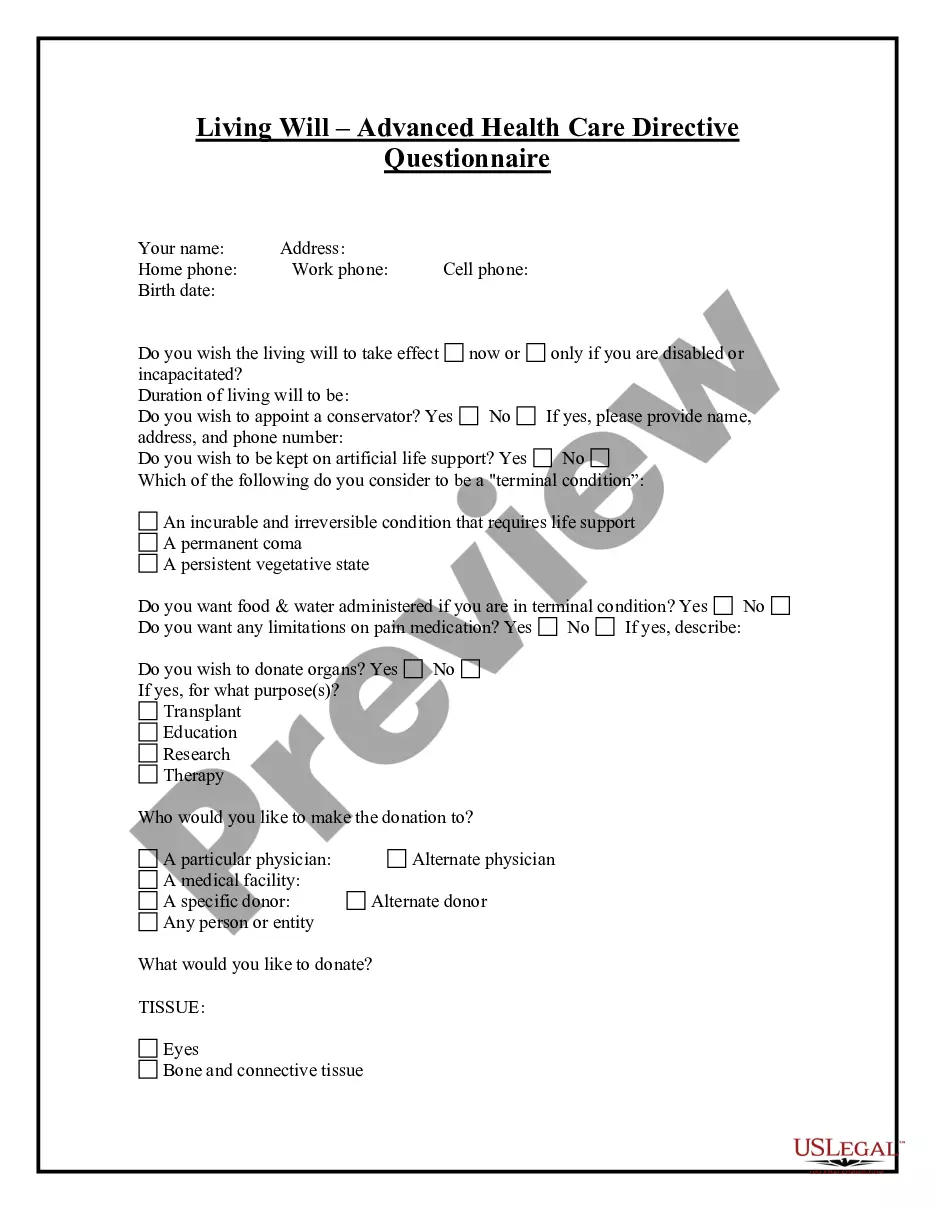
The three primary types of advance directives are living wills, durable power of attorney for health care, and do-not-resuscitate (DNR) orders. A living will outlines your preferences for medical treatment, while a durable power of attorney designates someone to make decisions on your behalf if you're unable to do so. The District of Columbia USLegal Guide to Advance Directives for Health Care provides detailed information on each type, helping you make informed decisions about your health care.
In Utah, an advance directive does not require notarization, but it does need to be signed by two witnesses. This requirement ensures that the document is authentic and reflects your wishes. The District of Columbia USLegal Guide to Advance Directives for Health Care offers comprehensive information for residents, helping you understand the specific requirements in your state. Trusting this guide can simplify the process and ensure compliance with local laws.
A directive statement example could be, 'I do not wish to receive CPR or any form of resuscitation if my heart stops beating.' According to the District of Columbia USLegal Guide to Advance Directives for Health Care, incorporating clear directive statements helps convey your wishes during critical health situations. This specificity supports health care professionals in making decisions that align with your values.
Writing an advance directive involves several straightforward steps: first, choose a format that complies with your state laws, such as those outlined in the District of Columbia USLegal Guide to Advance Directives for Health Care. Next, clarify your health care preferences and appoint a health care proxy if desired. Finally, ensure you sign the document in the presence of witnesses or a notary as required by state law.
Yes, you can fill out an advance directive online through platforms like USLegalForms. The District of Columbia USLegal Guide to Advance Directives for Health Care encourages using these resources for convenience and ease. Online services often provide templates and instructions tailored to your state, making the process straightforward and accessible.
An example of an advanced statement includes specifying that you do not want life-sustaining treatments if you are diagnosed with a terminal illness. The District of Columbia USLegal Guide to Advance Directives for Health Care recommends including clear examples of your health care wishes in your advance directive. Using specific language ensures that your health care team understands your values and preferences.
A sample wording for an advance directive might include phrases like, 'If I am unable to make decisions for myself, I direct that my health care providers follow the treatment preferences outlined in this document.' In the District of Columbia USLegal Guide to Advance Directives for Health Care, it's crucial to clearly articulate your wishes to avoid any confusion among caregivers. This clarity can help your loved ones make difficult decisions during stressful times.
The most common written advance directive is the living will, as explained in the District of Columbia USLegal Guide to Advance Directives for Health Care. This document allows individuals to specify which medical treatments they wish to accept or refuse during situations where they cannot express their wishes. It is essential to complete this directive to ensure your health care preferences are honored.
In the District of Columbia USLegal Guide to Advance Directives for Health Care, advance directives typically consist of two primary documents: a living will and a durable power of attorney for health care. The living will outlines your preferences for medical treatment in the event that you become unable to communicate. Meanwhile, the durable power of attorney designates someone you trust to make health care decisions on your behalf.