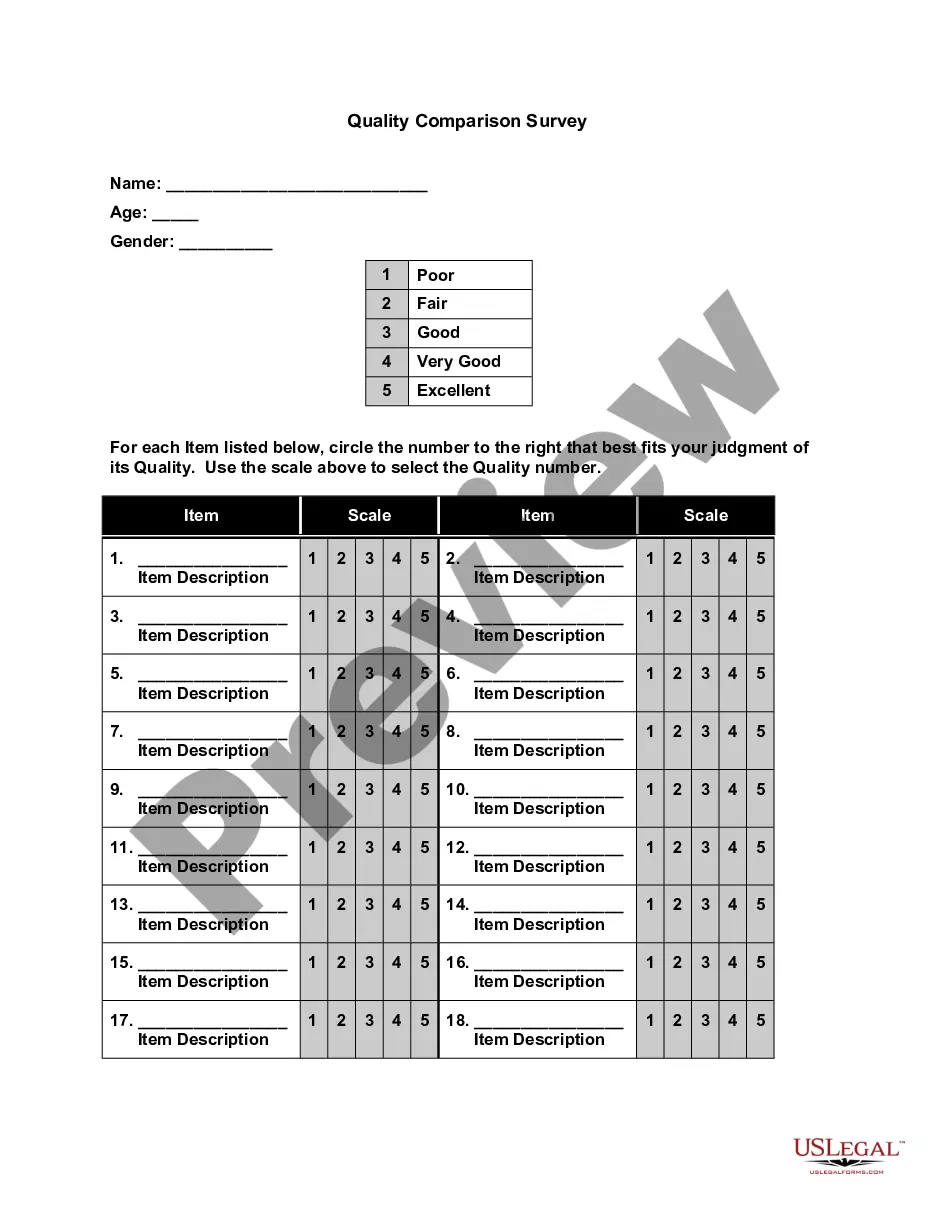
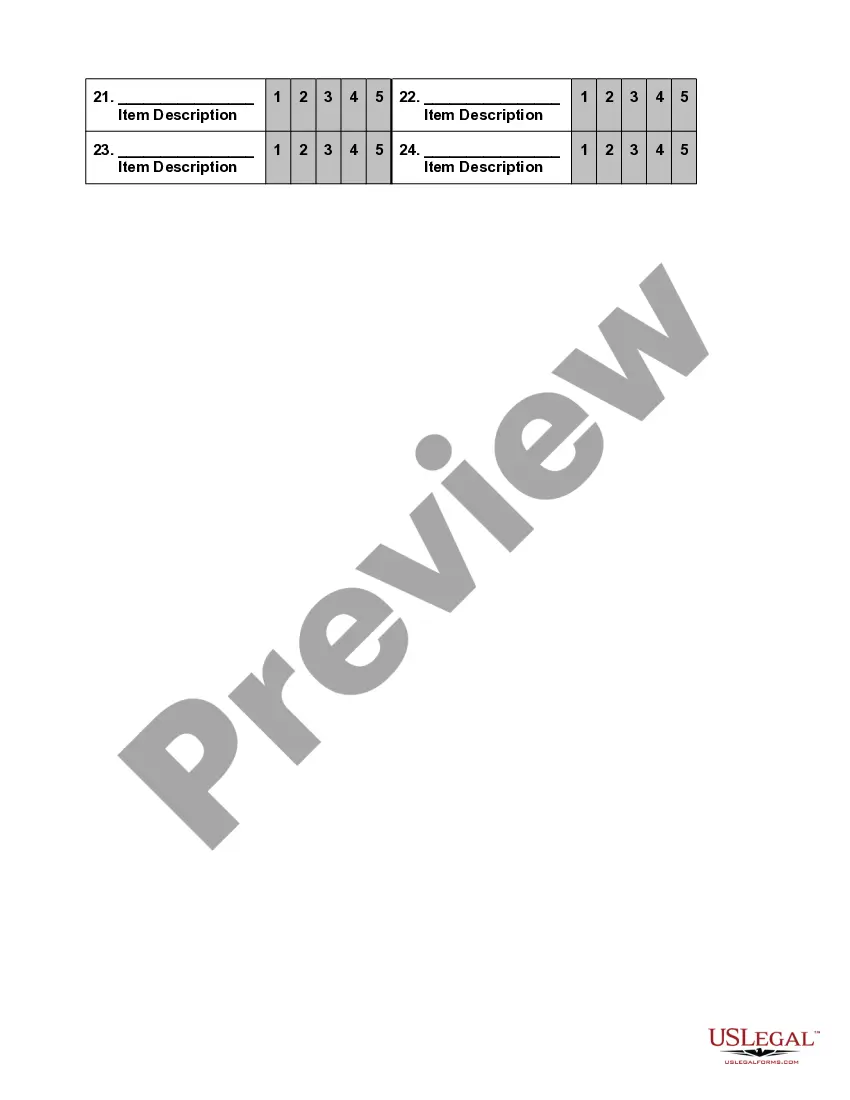
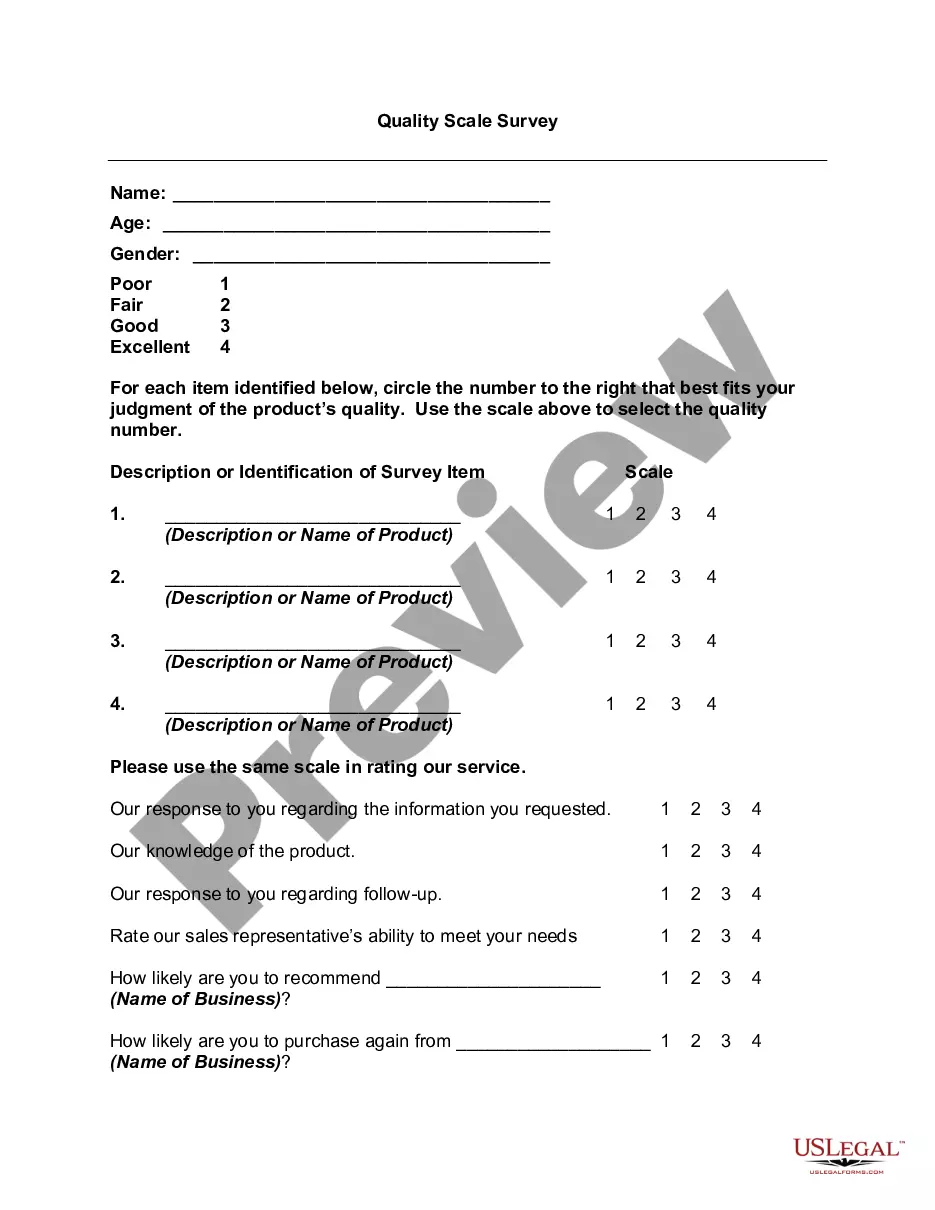
District of Columbia Quality Comparison Survey
Description
Get your form ready online
Our built-in tools help you complete, sign, share, and store your documents in one place.
Make edits, fill in missing information, and update formatting in US Legal Forms—just like you would in MS Word.
Download a copy, print it, send it by email, or mail it via USPS—whatever works best for your next step.
Sign and collect signatures with our SignNow integration. Send to multiple recipients, set reminders, and more. Go Premium to unlock E-Sign.
If this form requires notarization, complete it online through a secure video call—no need to meet a notary in person or wait for an appointment.
We protect your documents and personal data by following strict security and privacy standards.

Make edits, fill in missing information, and update formatting in US Legal Forms—just like you would in MS Word.

Download a copy, print it, send it by email, or mail it via USPS—whatever works best for your next step.

Sign and collect signatures with our SignNow integration. Send to multiple recipients, set reminders, and more. Go Premium to unlock E-Sign.

If this form requires notarization, complete it online through a secure video call—no need to meet a notary in person or wait for an appointment.

We protect your documents and personal data by following strict security and privacy standards.
Looking for another form?



How to fill out Quality Comparison Survey?
You can devote multiple hours on the web searching for the legal document template that satisfies the state and federal requirements you need.
US Legal Forms offers thousands of legal forms that have been reviewed by professionals.
You can download or print the District of Columbia Quality Comparison Survey from their services.
If available, use the Preview button to check the document template as well.
- If you already have a US Legal Forms account, you can sign in and click the Download button.
- After that, you can complete, modify, print, or sign the District of Columbia Quality Comparison Survey.
- Each legal document template you purchase is yours permanently.
- To obtain another copy of a purchased form, visit the My documents tab and click the relevant button.
- If you are accessing the US Legal Forms website for the first time, follow the simple instructions below.
- First, ensure that you have chosen the correct document template for the state/region you select.
- Read the form description to confirm you have selected the appropriate form.
Form popularity
FAQ
Washington, D.C., is commonly used to refer to the capital city of the United States, while the District of Columbia refers to the federal district that contains the city. Essentially, they represent the same area, but the full name, District of Columbia, emphasizes its status as a federal district. This distinction is important in understanding various legal, administrative, and public service frameworks, including those assessed in the District of Columbia Quality Comparison Survey.
Residents of Washington, D.C., cannot vote for Congressional representatives due to the unique position of the district. While they can vote for the President and have local governance rights, their lack of representation in Congress is a longstanding issue. This context is often highlighted in discussions about the District of Columbia Quality Comparison Survey.
The quality of life in Washington, D.C. varies widely among its residents. Factors such as access to education, public services, and employment contribute to this diversity. The District of Columbia Quality Comparison Survey can provide insights into these aspects, enabling potential residents to make informed decisions.
Yes, Washington, D.C., is often referred to as the District of Columbia. The term 'District of Columbia' describes the federal district created to serve as the nation’s capital. Hence, both terms are interchangeable. Understanding this distinction is key when considering the District of Columbia Quality Comparison Survey.
Yes, residents of Washington, D.C., are US citizens. They have the same rights and responsibilities as citizens living in the 50 states. However, voting representation in Congress is limited, which can create confusion about their status. This unique situation relates to the District of Columbia Quality Comparison Survey focusing on civic engagement.