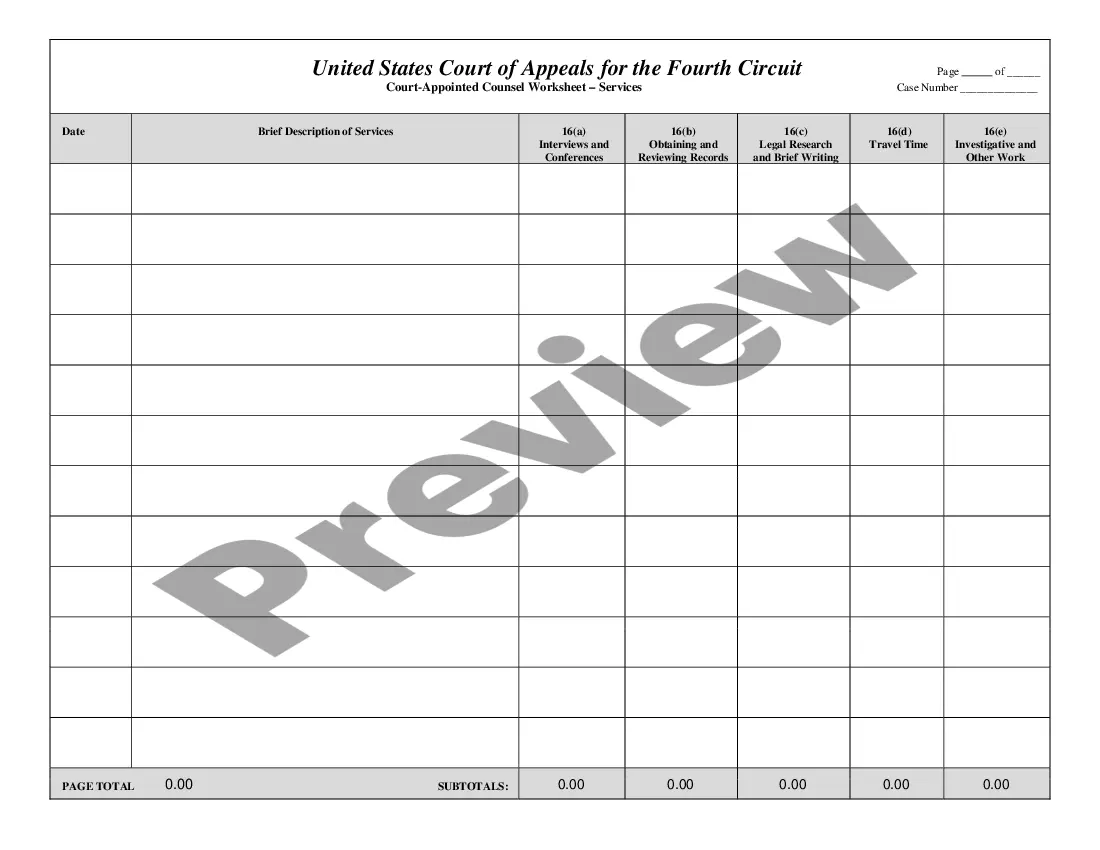
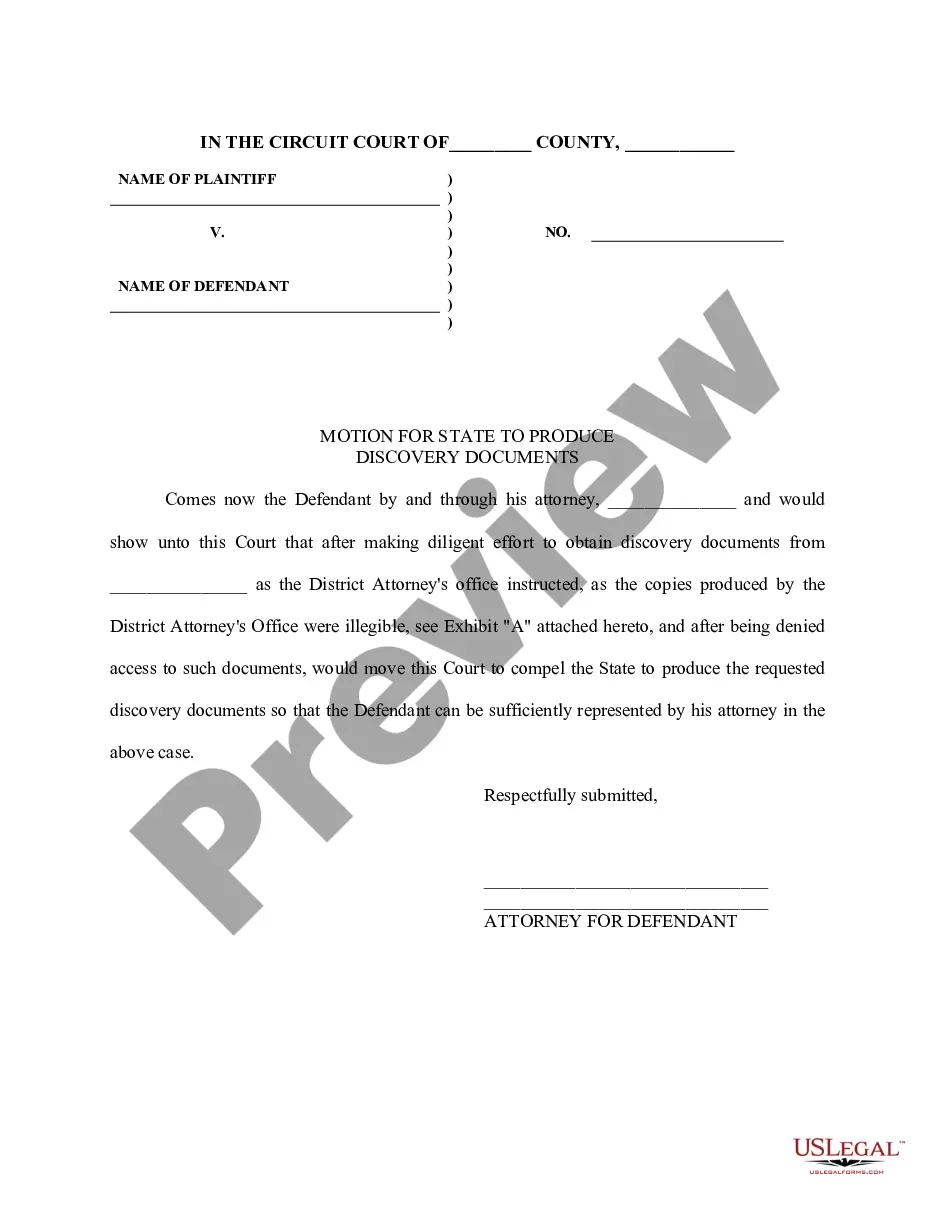
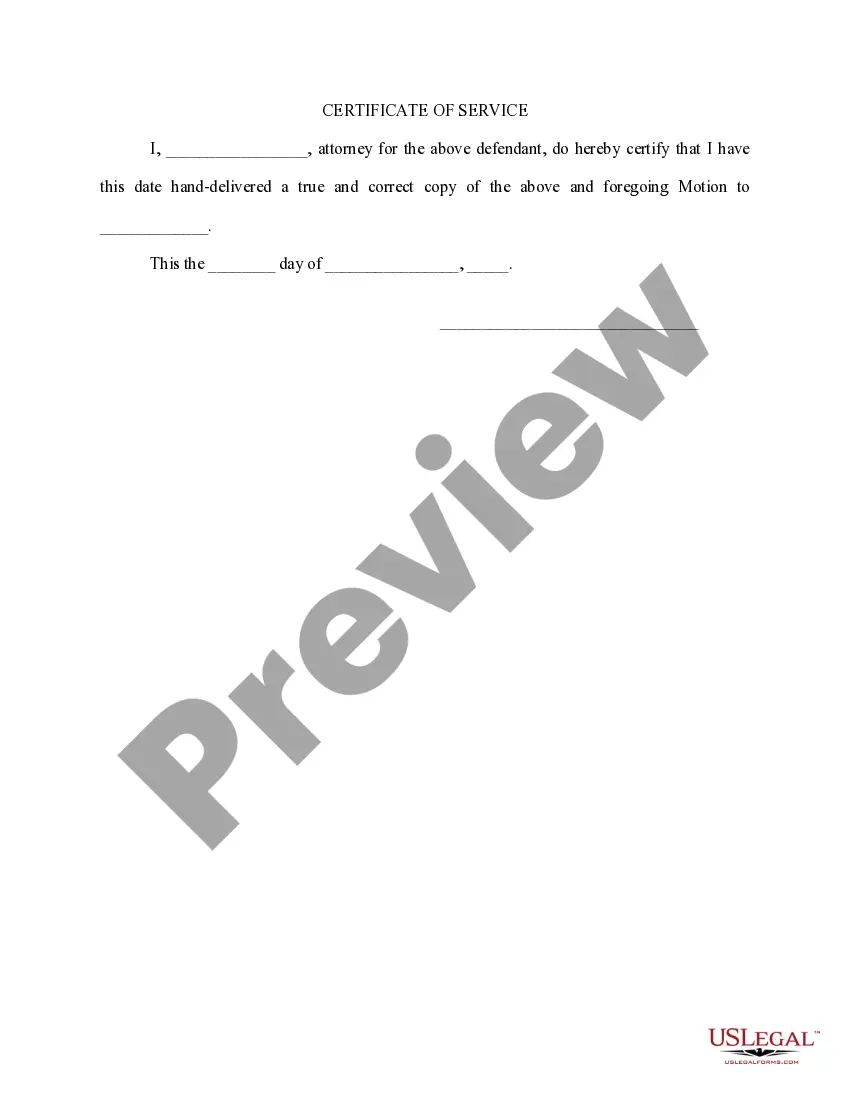
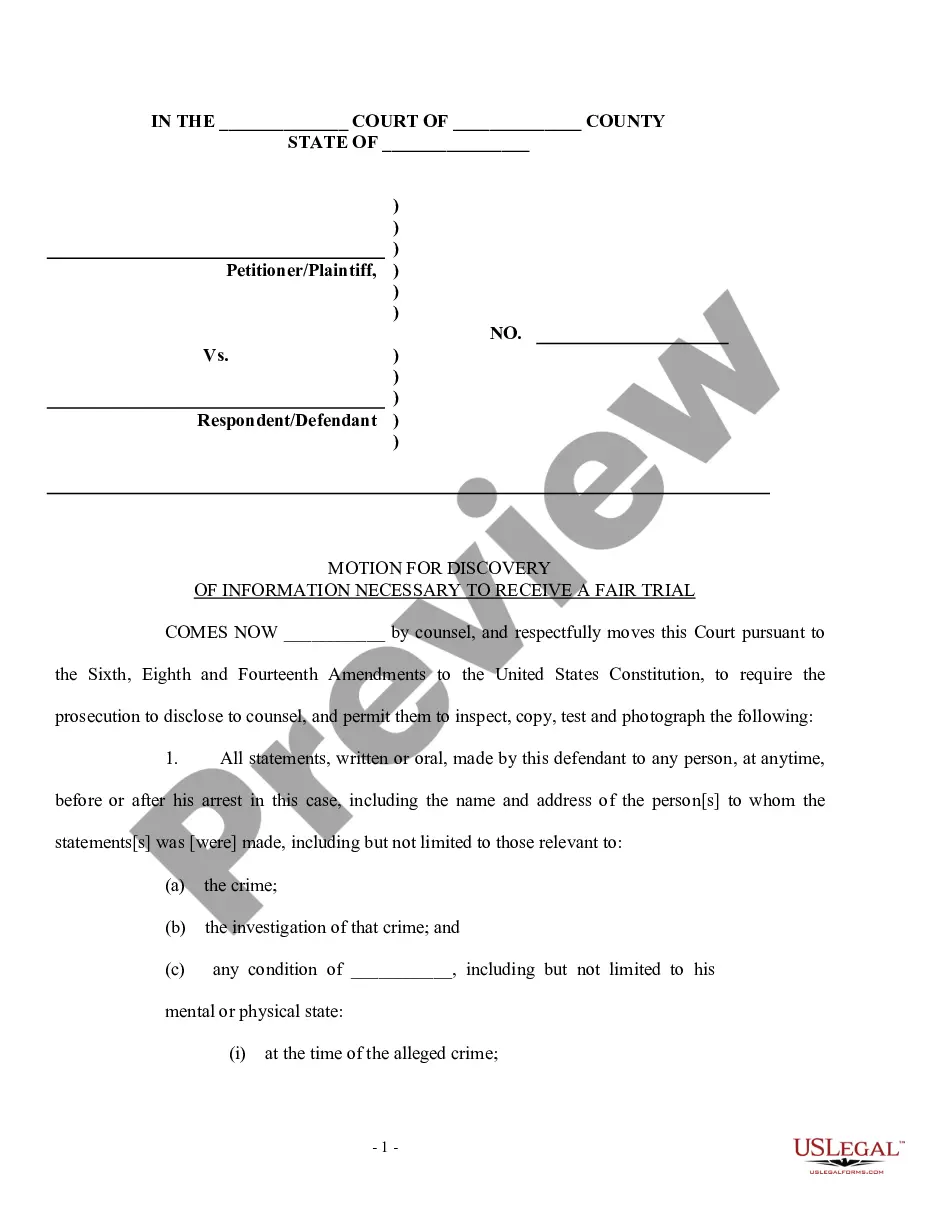
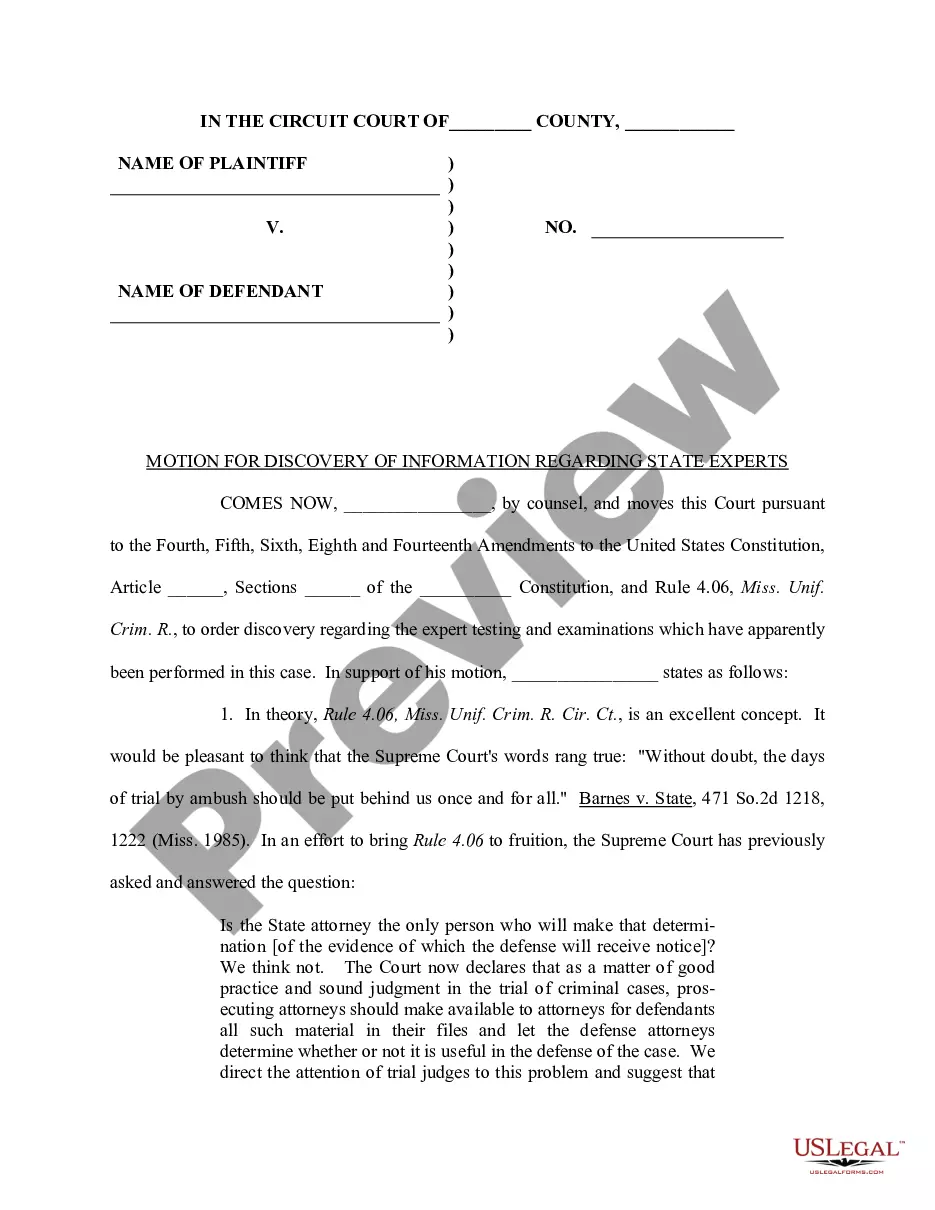
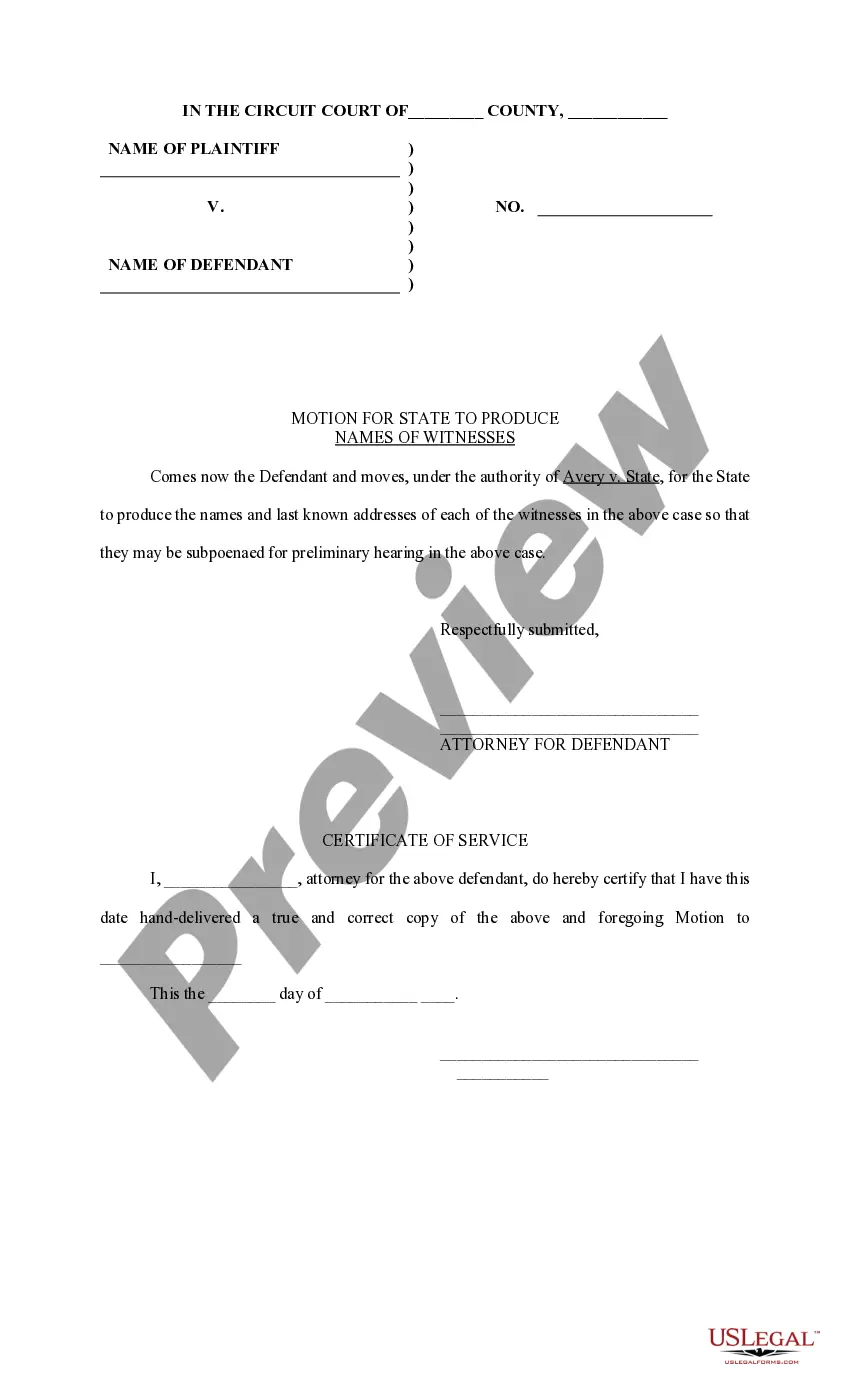
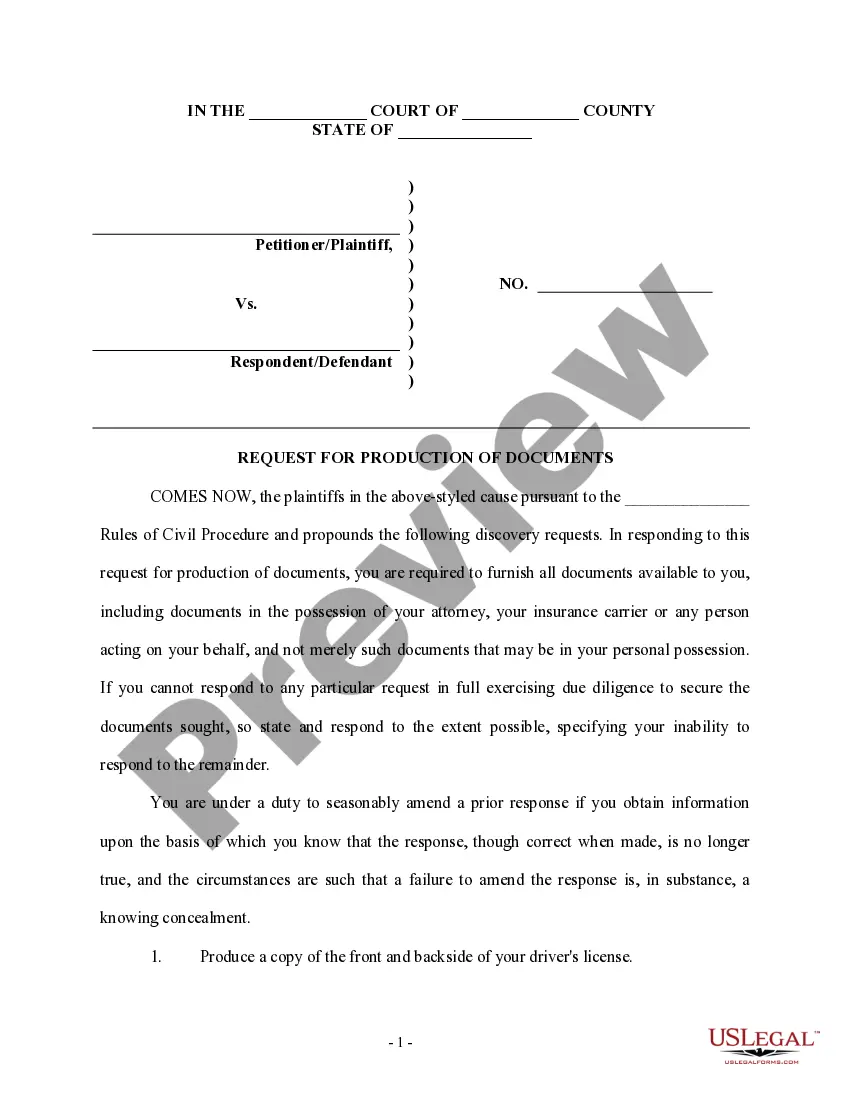
District of Columbia Motion for State to Produce Discovery Document
Description
Get your form ready online
Our built-in tools help you complete, sign, share, and store your documents in one place.
Make edits, fill in missing information, and update formatting in US Legal Forms—just like you would in MS Word.
Download a copy, print it, send it by email, or mail it via USPS—whatever works best for your next step.
Sign and collect signatures with our SignNow integration. Send to multiple recipients, set reminders, and more. Go Premium to unlock E-Sign.
If this form requires notarization, complete it online through a secure video call—no need to meet a notary in person or wait for an appointment.
We protect your documents and personal data by following strict security and privacy standards.

Make edits, fill in missing information, and update formatting in US Legal Forms—just like you would in MS Word.

Download a copy, print it, send it by email, or mail it via USPS—whatever works best for your next step.

Sign and collect signatures with our SignNow integration. Send to multiple recipients, set reminders, and more. Go Premium to unlock E-Sign.

If this form requires notarization, complete it online through a secure video call—no need to meet a notary in person or wait for an appointment.

We protect your documents and personal data by following strict security and privacy standards.
Looking for another form?







How to fill out Motion For State To Produce Discovery Document?
Locating the appropriate legal document template can be challenging. Of course, there are numerous designs available online, but how can you find the legal form you need? Utilize the US Legal Forms website. This service offers thousands of templates, including the District of Columbia Motion for State to Produce Discovery Document, suitable for both business and personal purposes. All forms are reviewed by experts and comply with state and federal regulations.
If you are already registered, Log In to your account and click on the Download button to obtain the District of Columbia Motion for State to Produce Discovery Document. Use your account to search for the legal forms you have previously acquired. Navigate to the My documents section of your account and retrieve another copy of the document you need.
If you are a new user of US Legal Forms, here are simple instructions for you to follow: First, ensure you have selected the correct form for your city/county. You may review the form using the Preview option and check the form description to confirm it is the right one for you. If the form does not meet your needs, use the Search field to find the appropriate form. Once you are certain that the form is correct, click on the Purchase now button to obtain the form. Choose the pricing plan you prefer and enter the required information. Create your account and complete the transaction using your PayPal account or credit card. Select the file format and download the legal document template to your device. Fill out, edit, print, and sign the acquired District of Columbia Motion for State to Produce Discovery Document.
US Legal Forms is an excellent resource for obtaining legal documents that comply with state regulations, providing ease of access and a wide selection of templates.
- US Legal Forms is the largest repository of legal forms with numerous document templates.
- Utilize the service to download professionally crafted documents that meet state requirements.
- Ensure you have the correct form for your specific needs.
- Check document descriptions carefully before downloading.
- Take advantage of the account features for easy access to previously downloaded forms.
- Complete your purchase securely through PayPal or credit card options.
Form popularity
FAQ
Unless otherwise limited by court order, the scope of discovery is as follows: Parties may obtain discovery regarding any nonprivileged matter that is relevant to any party's claim or defense and proportional to the needs of the case, considering the importance of the issues at stake in the action, the amount in ...
You use discovery to get information or evidence from the other side in a lawsuit that will help you make your case. In order to get the information you need, you must make a request using a specific procedure and written format, within a specific timeframe.
The court must set a time for the defendant to make the defendant's disclosures. The time must be sufficiently before trial to provide a fair opportunity for the government to meet the defendant's evidence. testified as an expert at trial or by deposition.
If the court where the discovery is taken orders a deponent to be sworn or to answer a question and the deponent fails to obey, the failure may be treated as contempt of court.
Unless otherwise limited by court order, the scope of discovery is as follows: Parties may obtain discovery regarding any nonprivileged matter that is relevant to any party's claim or defense and proportional to the needs of the case, considering the importance of the issues at stake in the action, the amount in ...
Discovery is designed to enable a party to obtain relevant information needed to prepare the party's case. Parties are expected to start and complete discovery with a minimum of OARM intervention. Discovery requests and responses thereto are not to be filed in the first instance with OARM.
(A) In General. A party must disclose to the other parties the identity of any witness it may use at trial to present expert testimony.