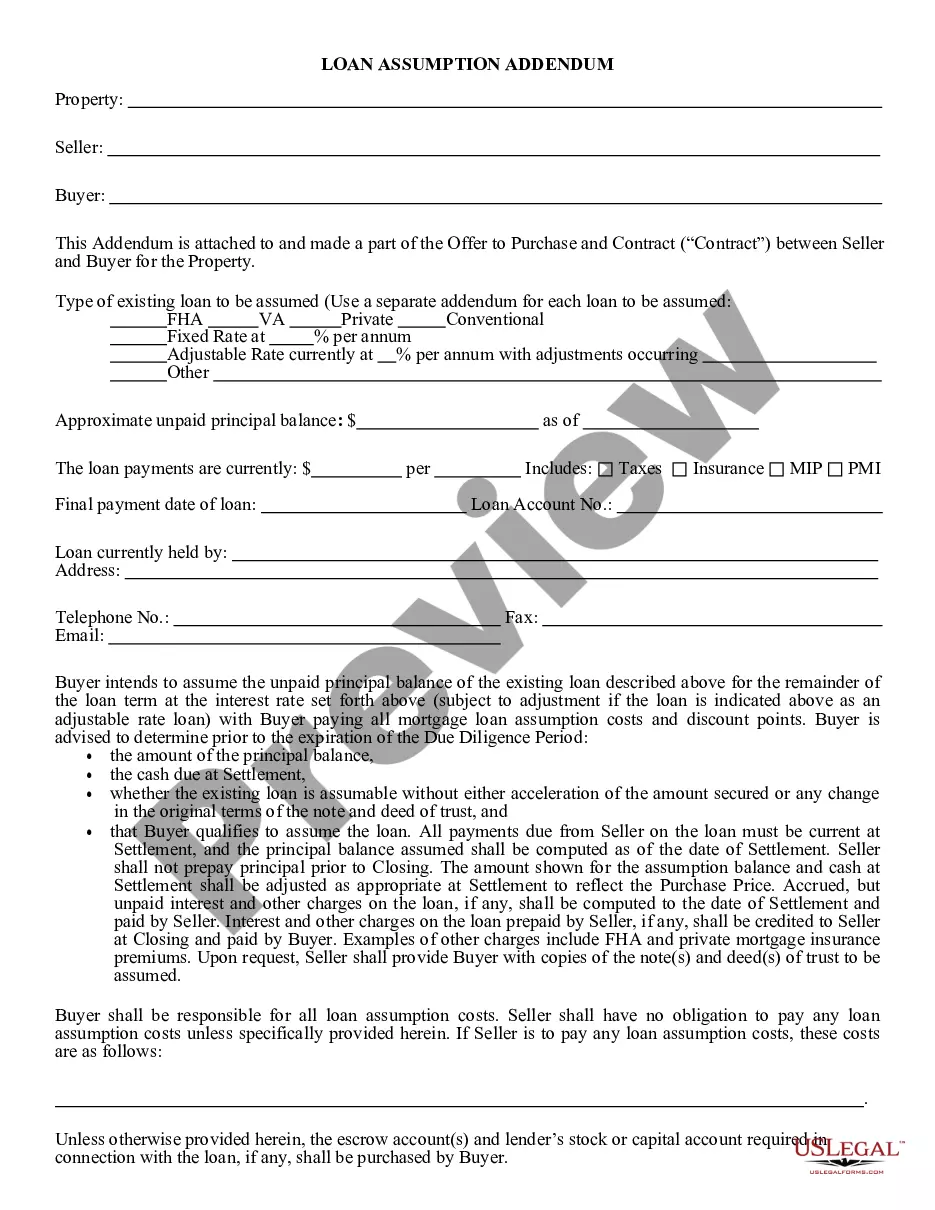
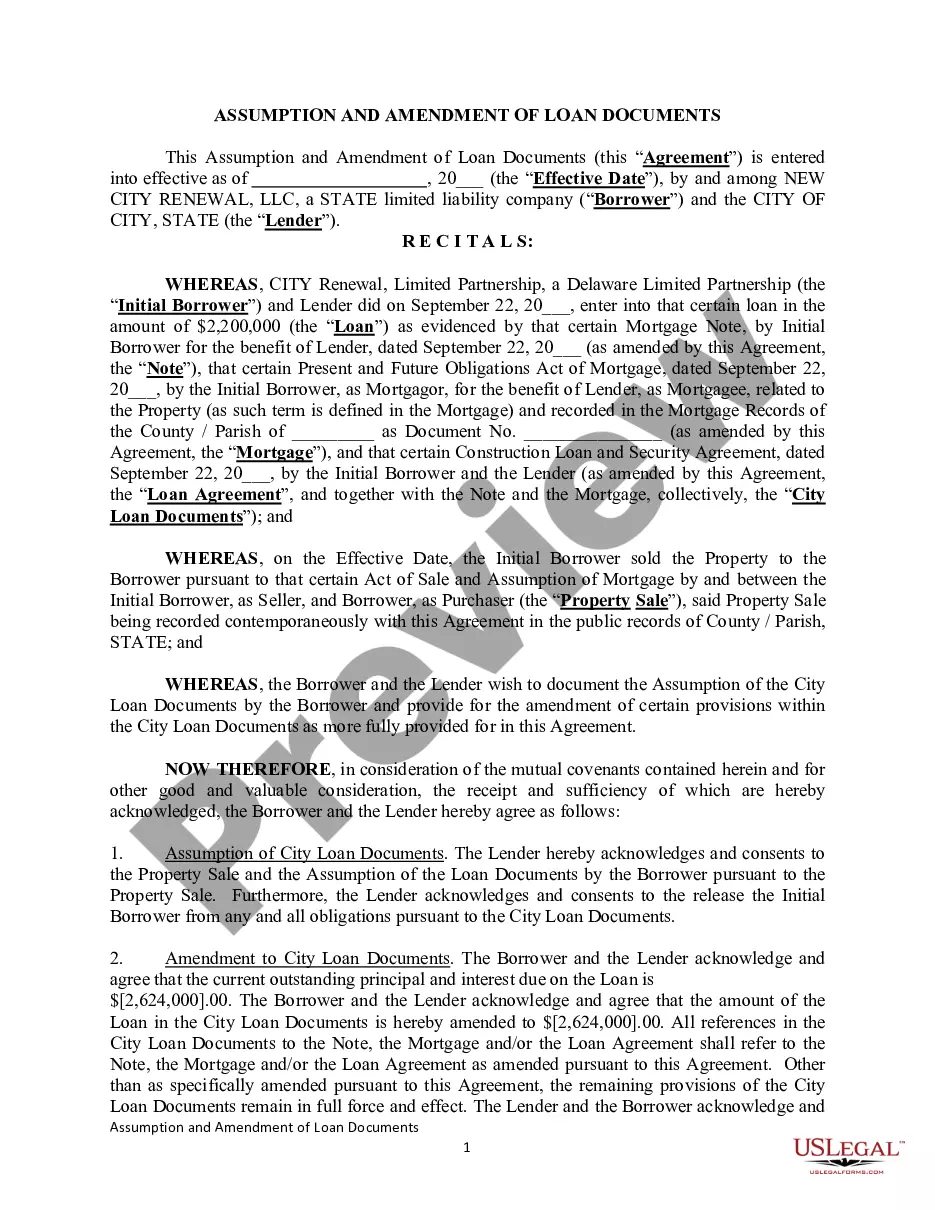
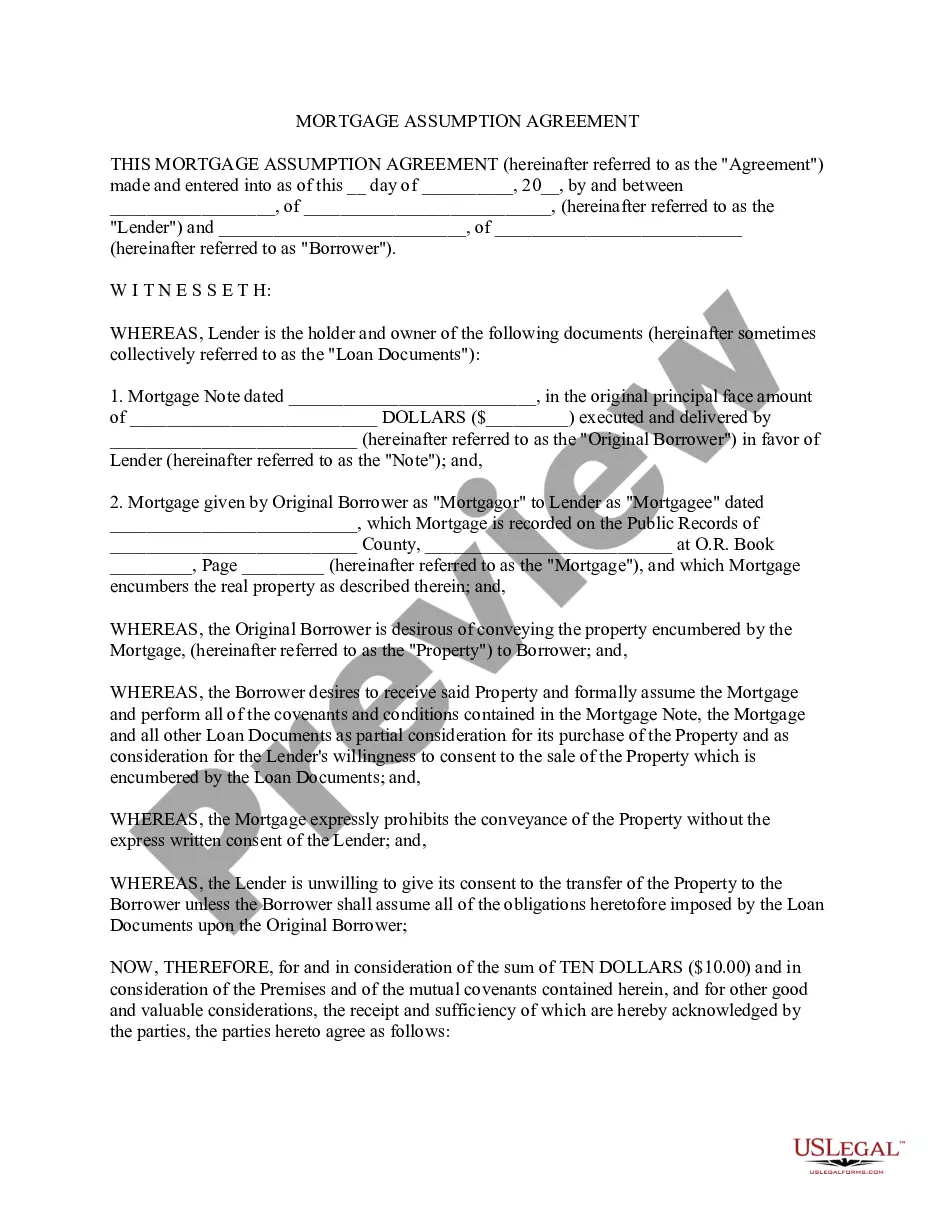
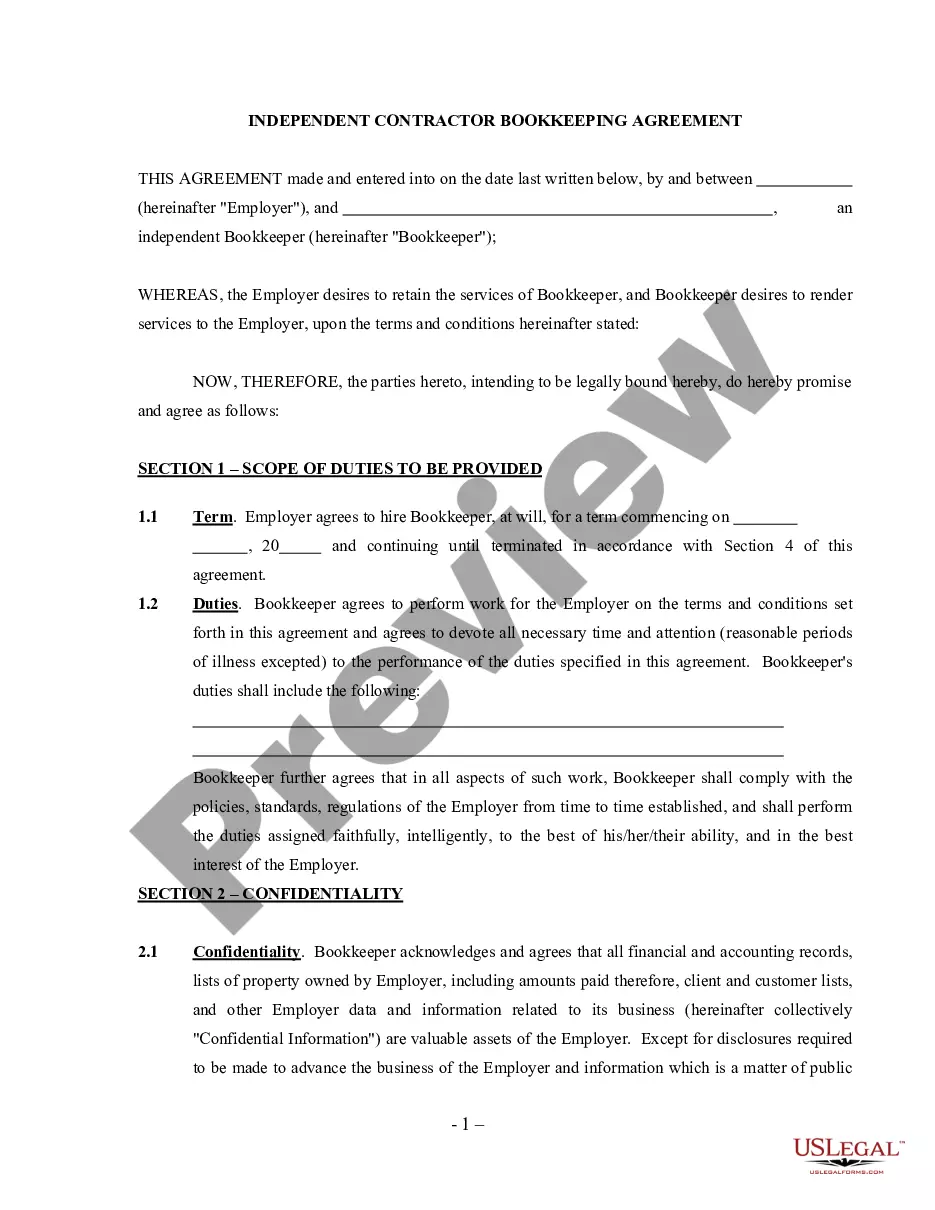
This form is an Assumption Agreement. The form provides that the grantee will assume a lien on property described in the agreement. The assumption will become effective on the date provided in the agreement.
District of Columbia Assumption Agreement of Loan Payments
Category:
State:
Multi-State
Control #:
US-00424
Format:
Word;
Rich Text
Instant download
Description
Free preview
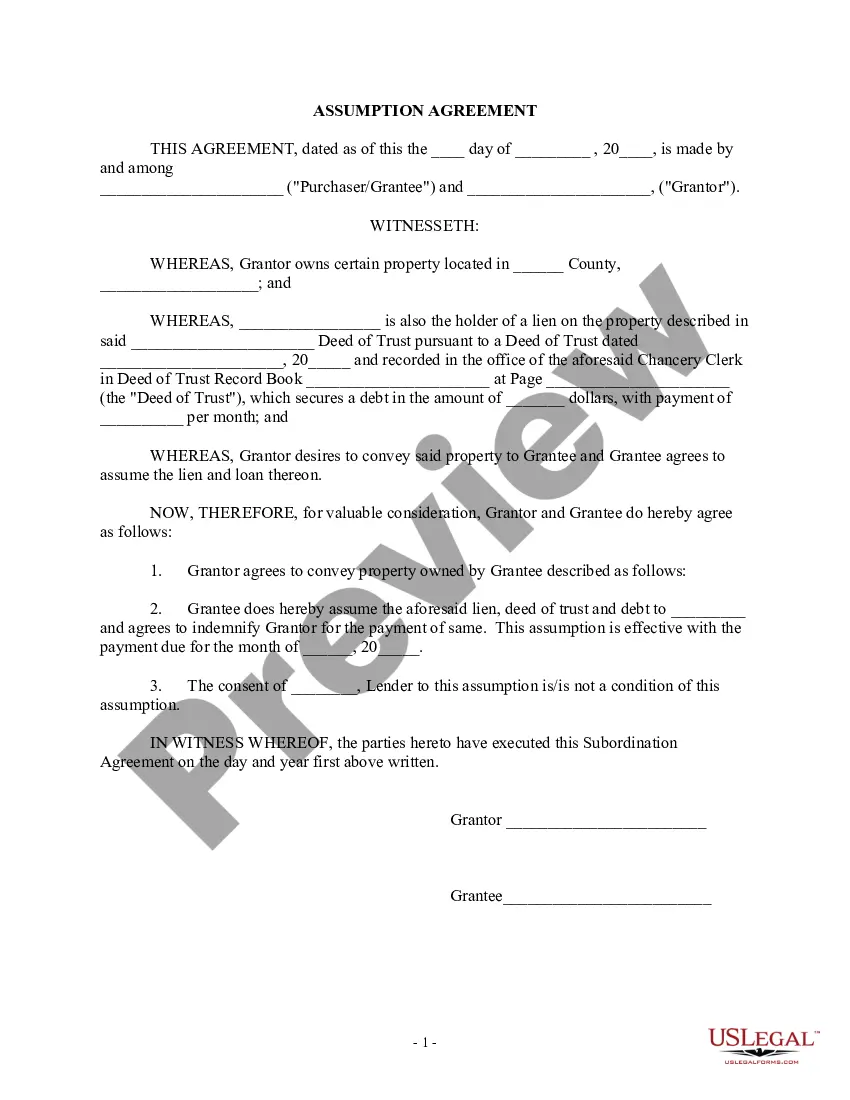
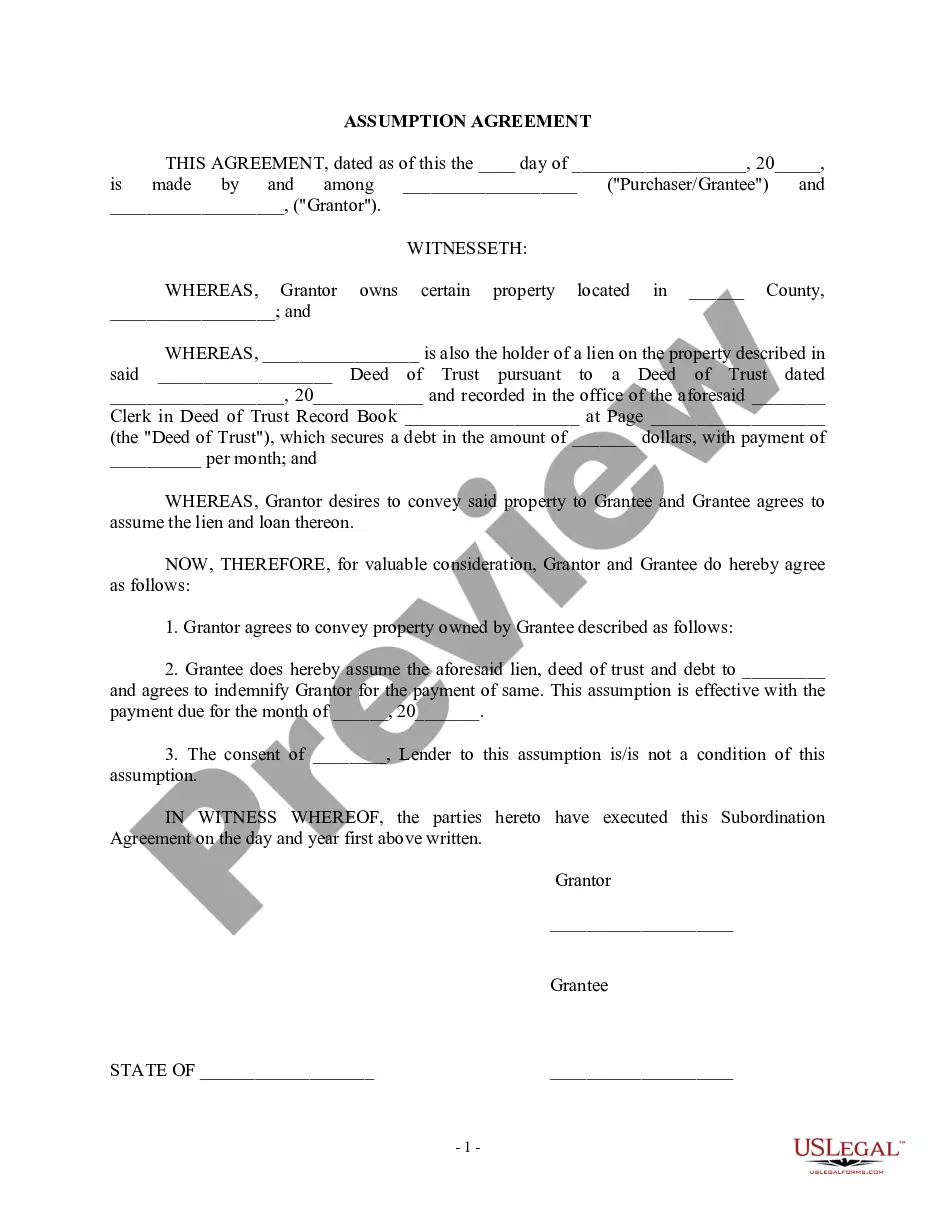
How to fill out Assumption Agreement Of Loan Payments?
You might spend numerous hours online looking for the legal document template that meets the state and federal requirements you desire. US Legal Forms offers thousands of legal forms that have been reviewed by professionals.
It is easy to obtain or generate the District of Columbia Assumption Agreement of Loan Payments from our platform. If you already possess a US Legal Forms account, you can Log In and then click the Download button. After that, you can fill out, modify, print, or sign the District of Columbia Assumption Agreement of Loan Payments.
Every legal document template you acquire is yours forever. To obtain another copy of any purchased form, navigate to the My documents section and click the corresponding button. If this is your first time using the US Legal Forms website, follow the straightforward instructions below: First, ensure you have selected the correct document template for your area/town of choice. Review the form description to confirm you have chosen the correct form. If available, utilize the Review button to examine the document template simultaneously.
Avoid altering or deleting any HTML tags. Only synonymize plain text outside of the HTML tags.
- If you wish to find another version of your form, use the Search field to locate the template that fits your needs and requirements.
- Once you have found the template you desire, click Buy now to proceed.
- Select the pricing plan you wish, enter your details, and register for a free account on US Legal Forms.
- Complete the transaction. You can use your credit card or PayPal account to pay for the legal form.
- Choose the format of your document and download it to your device.
- Make modifications to your document if possible. You can fill out, revise, sign, and print the District of Columbia Assumption Agreement of Loan Payments.
- Download and print thousands of document templates using the US Legal Forms website, which offers the largest collection of legal forms. Utilize professional and state-specific templates to address your business or personal needs.
Form popularity
FAQ
Yes, assumption agreements often get recorded to provide legal validation and protect the interests of all parties involved. The District of Columbia Assumption Agreement of Loan Payments should be recorded with the appropriate local government office to ensure transparency. Recording the agreement helps prevent disputes about the loan's responsibility in the future. For assistance with recording your agreement, you can rely on resources offered by US Legal Forms.
Typically, an assumption of a mortgage is recorded in the public records, but this can vary by jurisdiction. In the case of the District of Columbia Assumption Agreement of Loan Payments, recording the assumption helps protect the rights of the new borrower and provides public notice of the change in responsibility. It is advisable to check with local authorities to confirm the recording process. US Legal Forms can guide you through the necessary steps to ensure proper recording.
Yes, assumptions can be legally binding when executed correctly. The District of Columbia Assumption Agreement of Loan Payments creates a legal obligation for the new borrower to uphold the terms of the loan. It's crucial for both the lender and the borrower to understand their rights and responsibilities outlined in the agreement. Consulting legal resources from US Legal Forms can provide clarity on ensuring your assumption is legally enforceable.
For a successful loan assumption, you typically need the District of Columbia Assumption Agreement of Loan Payments, the original loan documents, and any additional forms required by the lender. These documents help clarify the terms of the assumption and ensure all legal requirements are met. It’s also wise to include financial statements from the new borrower to demonstrate their ability to take over the loan. Platforms like US Legal Forms offer comprehensive resources to help gather these necessary documents.
A loan assumption is documented through a formal agreement known as the District of Columbia Assumption Agreement of Loan Payments. This document outlines the terms of the assumption, including the responsibilities of the new borrower and the lender's consent. It is essential to ensure that all parties involved sign the agreement to make it legally binding. You can find templates and guidance on platforms like US Legal Forms to assist you in this process.
An assumption agreement, sometimes called an assignment and assumption agreement, is a legal document that allows one party to transfer rights and/or obligations to another party. It allows one party to "assume" the rights and responsibilities of the other party.
Required loan disclosures. (a)(1) A licensee who offers to make or procure a loan secured by a first or subordinate mortgage or deed of trust on a single to 4-family home shall provide the borrower with a financing agreement executed by the lender.
Loan assumption, however, allows a buyer to take over the current owner's mortgage while the loan's terms ? including the repayment period and interest rate ? remain the same. Ultimately, it can help people get into a home at a lower interest rate even as the housing market around them becomes more expensive.
An assumable mortgage is a home loan that can be transferred from the original borrower to the next homeowner. The interest rate and payment period stay the same. For example, if a 30-year mortgage is three years old, the person assuming the loan has 27 years to pay it off.
When a buyer buys property and assumes a mortgage, the buyer becomes primarily liable for the debt and the seller becomes secondarily liable for the debt. "Assume" means the buyer takes on liability, and the seller is no longer primarily liable. "Subject to" means the seller is not released from responsibility.