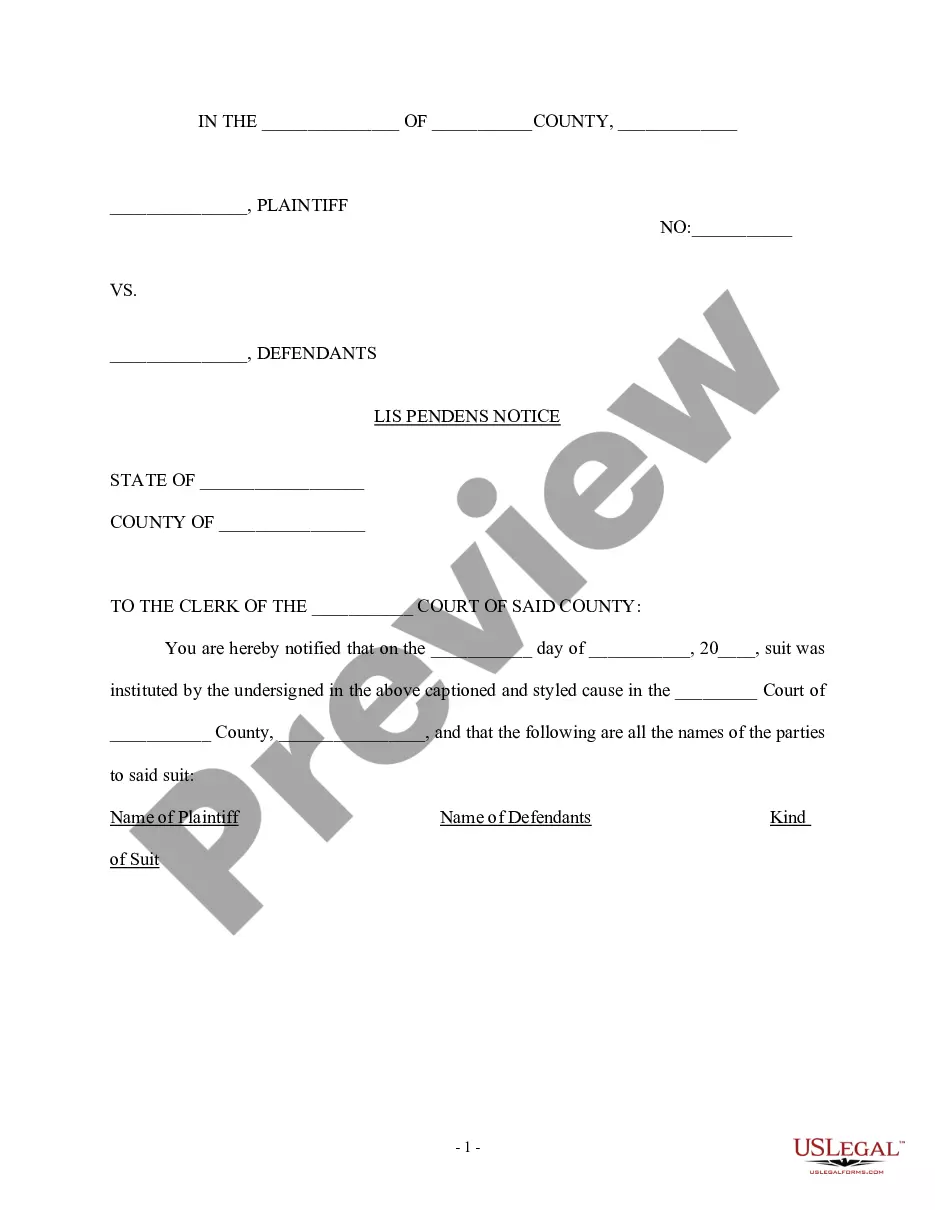
District of Columbia Release of Lis Pendens
Description

Get your form ready online
Our built-in tools help you complete, sign, share, and store your documents in one place.
Make edits, fill in missing information, and update formatting in US Legal Forms—just like you would in MS Word.
Download a copy, print it, send it by email, or mail it via USPS—whatever works best for your next step.
Sign and collect signatures with our SignNow integration. Send to multiple recipients, set reminders, and more. Go Premium to unlock E-Sign.
If this form requires notarization, complete it online through a secure video call—no need to meet a notary in person or wait for an appointment.
We protect your documents and personal data by following strict security and privacy standards.

Make edits, fill in missing information, and update formatting in US Legal Forms—just like you would in MS Word.

Download a copy, print it, send it by email, or mail it via USPS—whatever works best for your next step.

Sign and collect signatures with our SignNow integration. Send to multiple recipients, set reminders, and more. Go Premium to unlock E-Sign.

If this form requires notarization, complete it online through a secure video call—no need to meet a notary in person or wait for an appointment.

We protect your documents and personal data by following strict security and privacy standards.
Looking for another form?
How to fill out Release Of Lis Pendens?
Are you currently in a scenario where you require documents for both business or personal purposes almost every day.
There are numerous legal document templates available online, but locating ones you can rely on is challenging.
US Legal Forms offers thousands of form templates, including the District of Columbia Release of Lis Pendens, which are designed to comply with federal and state regulations.
Once you find the correct form, simply click Buy now.
Select the pricing plan you prefer, provide the necessary details to create your account, and pay for the order using your PayPal or credit card.
- If you are already acquainted with the US Legal Forms website and possess an account, simply Log In.
- Then, you can download the District of Columbia Release of Lis Pendens template.
- If you do not have an account and wish to start using US Legal Forms, follow these instructions.
- Obtain the form you require and ensure it is for your correct city/region.
- Use the Preview button to review the form.
- Check the description to confirm that you have selected the correct form.
- If the form is not what you are seeking, utilize the Lookup field to find the form that suits your needs.
Form popularity
FAQ
Yes, a lis pendens can expire over time, typically after a certain period set by state law or if the underlying case is dismissed. In the District of Columbia, the expiration can occur if the case is unresolved after a specified duration. If you find yourself needing to address a District of Columbia Release of Lis Pendens, it's advisable to consult legal resources or platforms like USLegalForms to understand the specific timelines and processes involved.
Lis pendens refers to a legal notice indicating that a lawsuit has been filed concerning a specific property. This notice serves to inform potential buyers or lenders that the property is subject to litigation. When considering a District of Columbia Release of Lis Pendens, it is essential to recognize how this notice can affect property transactions, as it may deter buyers until the legal issues are resolved.
The DC Unclaimed Property Act governs the handling of unclaimed property in the District of Columbia. This act mandates that businesses and organizations report unclaimed assets, such as bank accounts or insurance proceeds, after a certain period. If you are dealing with a District of Columbia Release of Lis Pendens, understanding this act can help protect your rights to any unclaimed property related to your case.
In the District of Columbia, the statute of limitations on debt collection is generally three years. This means that creditors have three years from the date of the last payment or communication to file a lawsuit for debt recovery. Understanding this timeframe is crucial, especially in cases involving a District of Columbia Release of Lis Pendens, as it can affect property rights and claims.
A ?lis pendens notice? is a notice recorded in a real property's chain of title and is designed to enable interested third parties to discover the existence and scope of pending litigation affecting the title to or asserting a mortgage, lien, security interest, or other interest in real property.
A Lis Pendens is a notice of litigation filed with the Recorder of Deeds to put third parties on constructive notice that a property interest is involved in pending litigation. Constructive notice means that people will be treated as if they had notice of the pending legal action.
Under the Texas Property Code, lis pendens notices are only authorized when there is an underlying lawsuit on file that makes a claim involving: (1) title to the real property; (2) the establishment of an interest in the real property; or (3) enforcement of an encumbrance (e.g., a lien) against the real property.
Lis pendens provides constructive notice, or a warning, to prospective homebuyers that the ownership of a property is in dispute and litigation is pending. Lis pendens can only be filed if a claim is related specifically to the property.
Lis Pendens (Notice of Pending Action) Latin for "pending litigation or action." A notice recorded for the purpose of warning all persons that the title or right to possession of the described real property is in litigation.
A notice of pendency of action provides constructive notice to purchasers of real estate or encumbrancers of real property of any pending court actions affecting title to or possession of real property and allows those parties to find notice of pending litigation in the recorder's office in which the real property is ...
