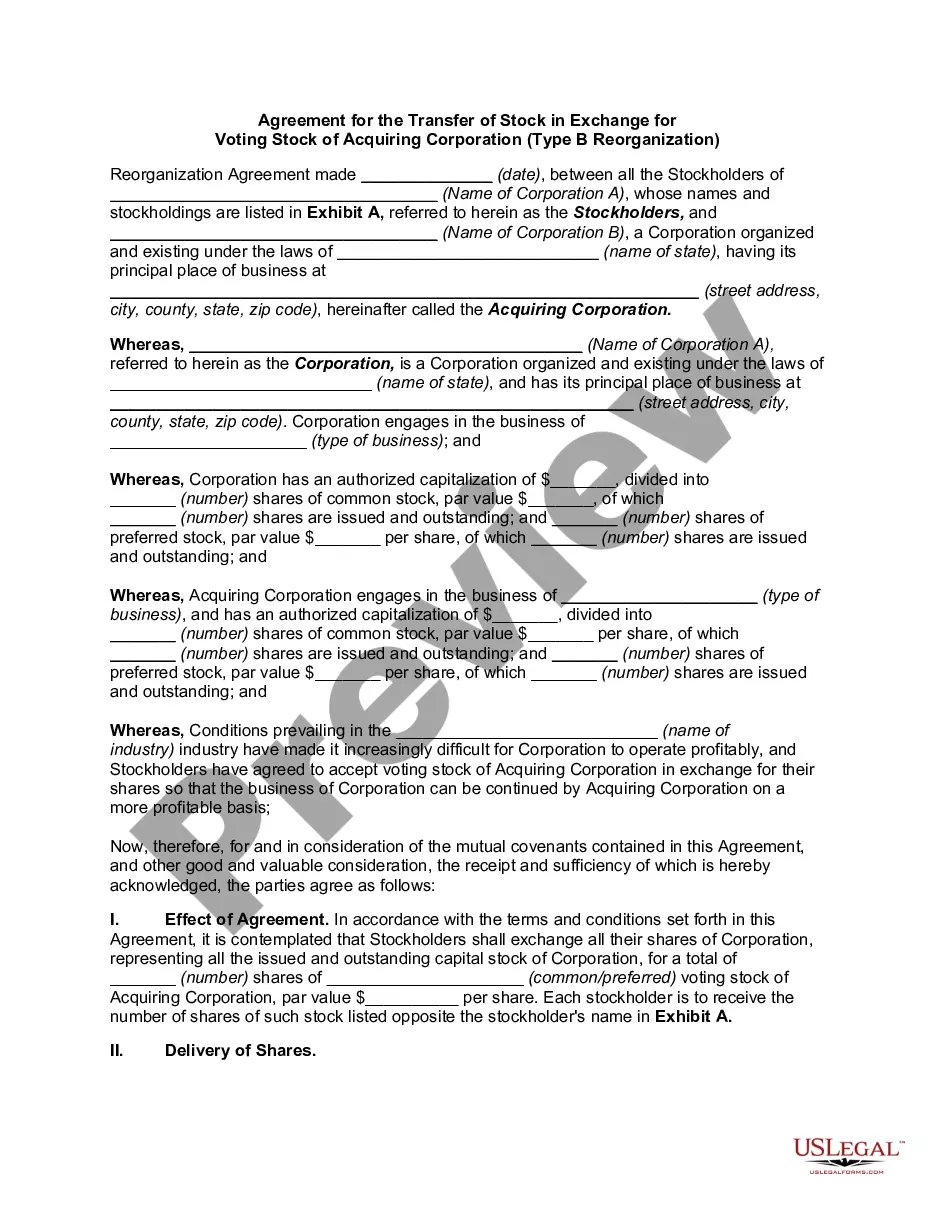
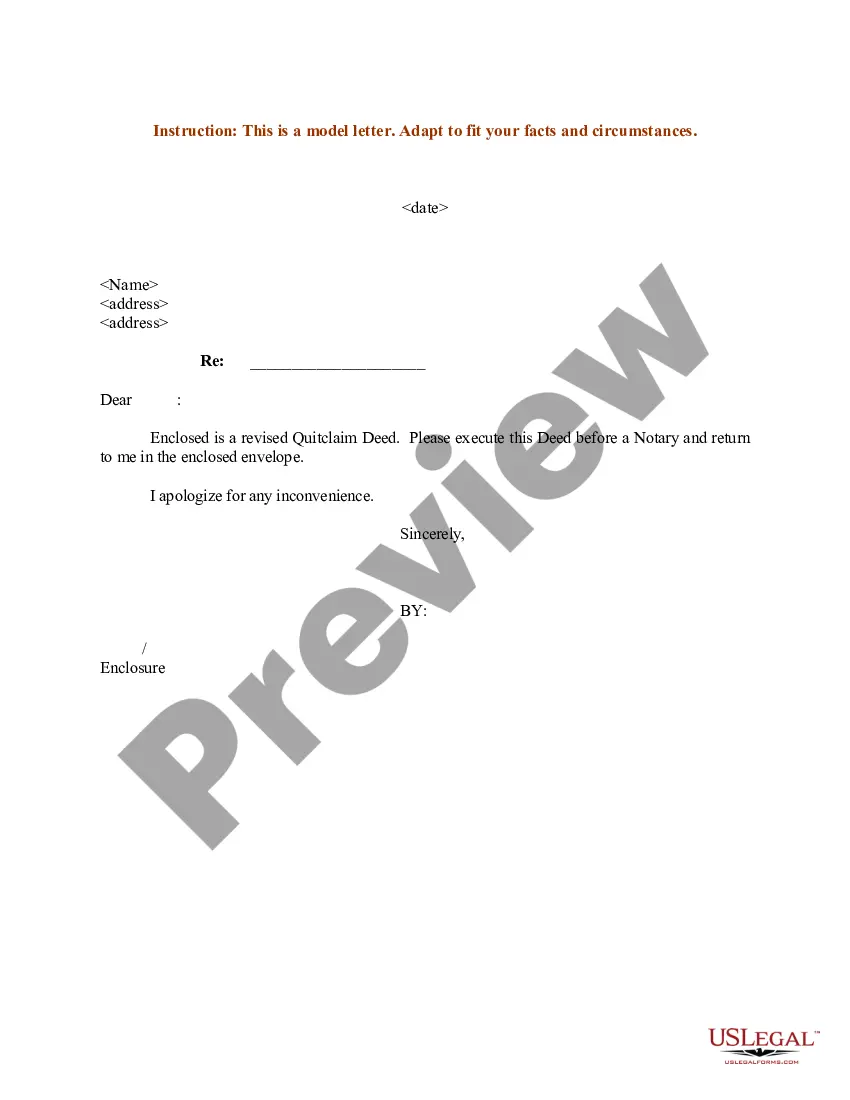
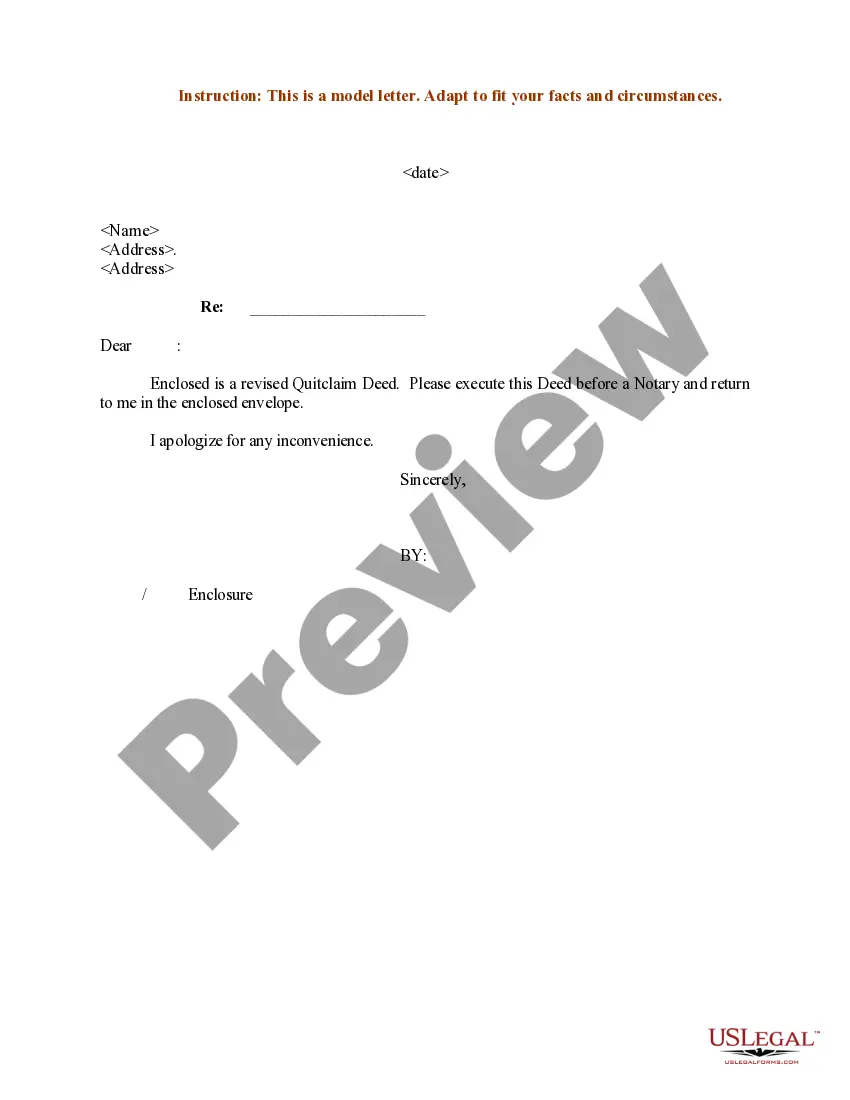
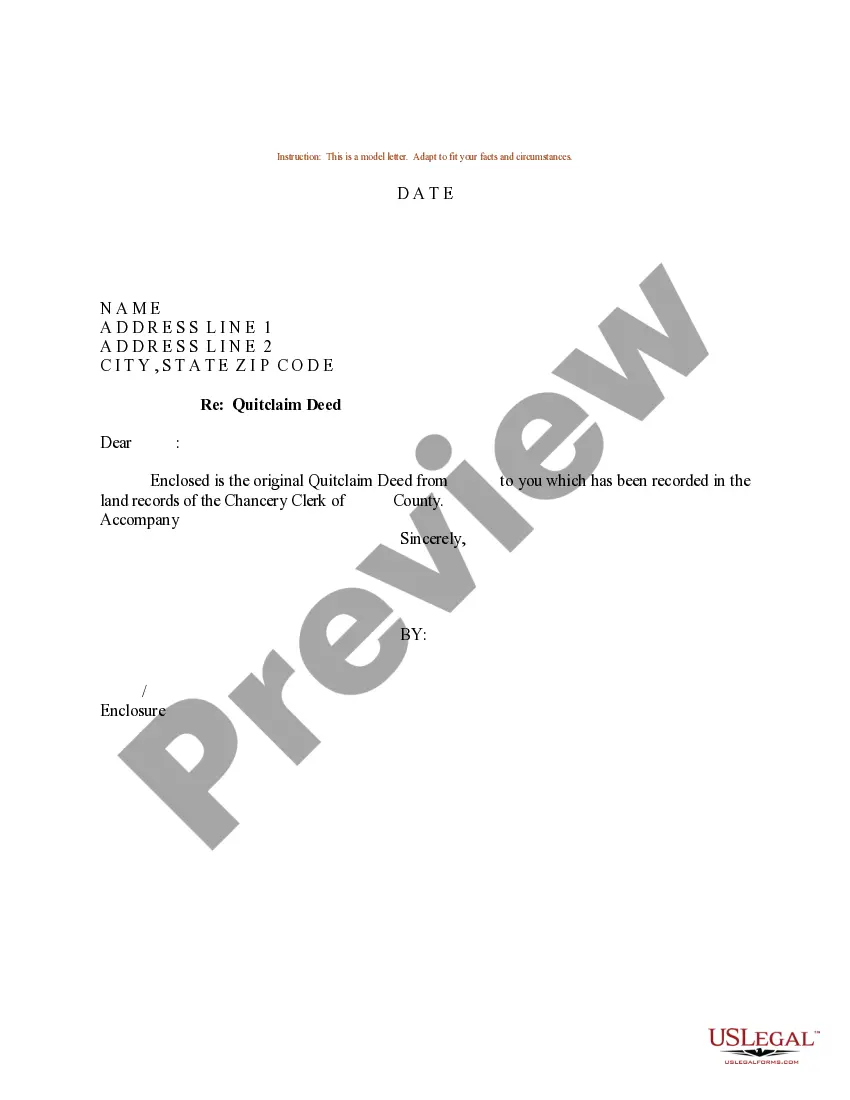
District of Columbia Sample Letter to accompany Revised Quitclaim Deed
Description
Get your form ready online
Our built-in tools help you complete, sign, share, and store your documents in one place.
Make edits, fill in missing information, and update formatting in US Legal Forms—just like you would in MS Word.
Download a copy, print it, send it by email, or mail it via USPS—whatever works best for your next step.
Sign and collect signatures with our SignNow integration. Send to multiple recipients, set reminders, and more. Go Premium to unlock E-Sign.
If this form requires notarization, complete it online through a secure video call—no need to meet a notary in person or wait for an appointment.
We protect your documents and personal data by following strict security and privacy standards.

Make edits, fill in missing information, and update formatting in US Legal Forms—just like you would in MS Word.

Download a copy, print it, send it by email, or mail it via USPS—whatever works best for your next step.

Sign and collect signatures with our SignNow integration. Send to multiple recipients, set reminders, and more. Go Premium to unlock E-Sign.

If this form requires notarization, complete it online through a secure video call—no need to meet a notary in person or wait for an appointment.

We protect your documents and personal data by following strict security and privacy standards.
Looking for another form?




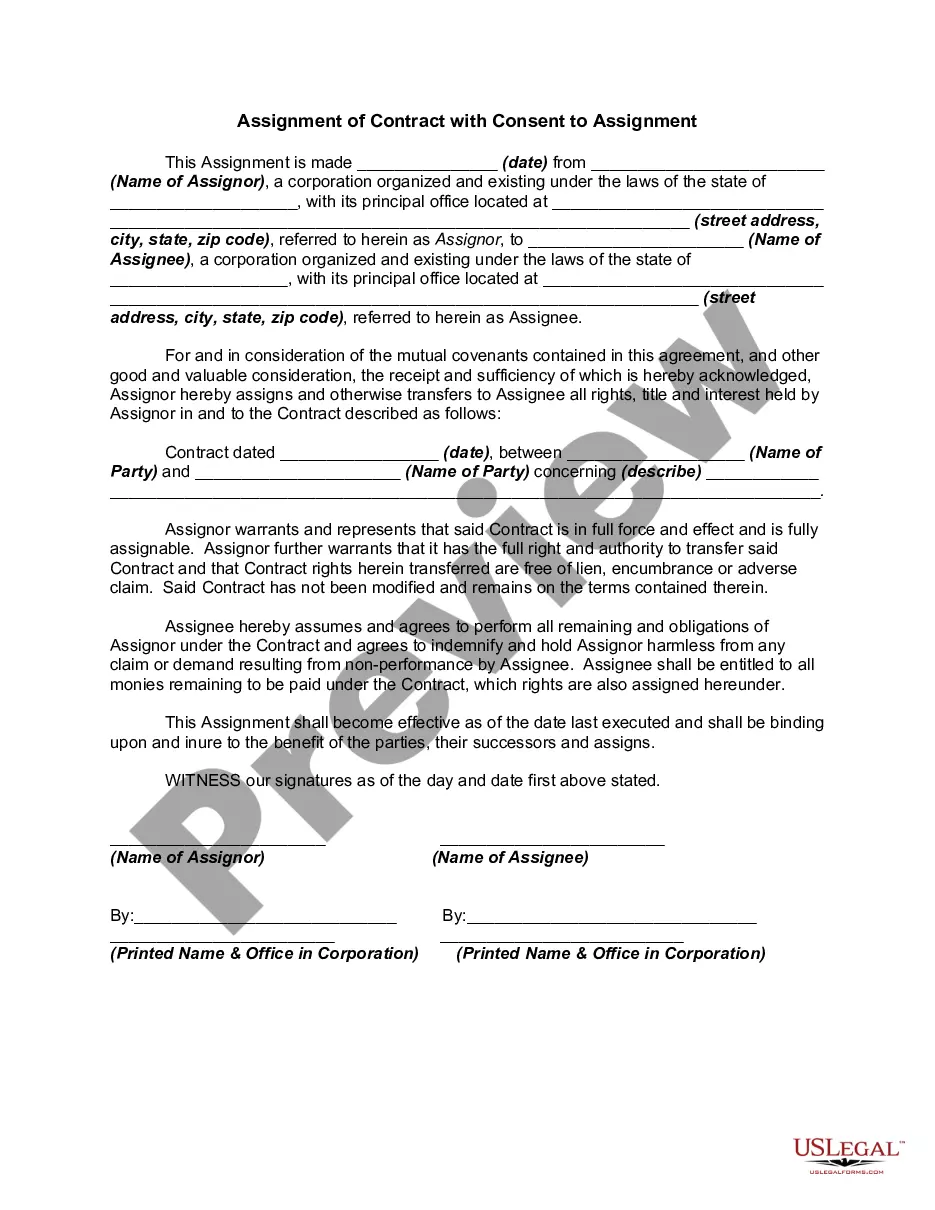
How to fill out Sample Letter To Accompany Revised Quitclaim Deed?
If you desire to be thorough, obtain, or create legal document templates, utilize US Legal Forms, the largest collection of legal forms available online.
Take advantage of the site's straightforward and efficient search to find the documents you need.
A selection of templates for business and personal purposes is organized by categories and states, or keywords.
Once you have found the form you need, click the Acquire now button. Choose the pricing plan you prefer and provide your details to register for an account.
Complete the transaction. You can use your Visa or Mastercard or PayPal account to finalize the transaction. Step 6. Select the format of the legal form and download it to your device. Step 7. Complete, modify, and print or sign the District of Columbia Sample Letter to accompany Revised Quitclaim Deed. Every legal document template you acquire is yours indefinitely. You have access to every form you downloaded through your account. Select the My documents section and choose a form to print or download again.
- Utilize US Legal Forms to locate the District of Columbia Sample Letter to accompany Revised Quitclaim Deed with just a few clicks.
- If you are already a US Legal Forms user, Log In to your account and click the Acquire button to access the District of Columbia Sample Letter to accompany Revised Quitclaim Deed.
- You can also access forms you previously downloaded from the My documents tab in your account.
- If you are using US Legal Forms for the first time, follow the steps below.
- Ensure you have selected the form for your correct city/state.
- Use the Review option to examine the form’s content. Remember to read the instructions.
- If you are not satisfied with the form, use the Search field at the top of the page to find other versions of the legal form design.
Form popularity
FAQ
To overturn a quit claim deed, you typically need to prove that the deed was signed under duress, fraud, or without the proper mental capacity. You can file a lawsuit in the appropriate court, citing these reasons as the basis for your claim. Additionally, using a District of Columbia Sample Letter to accompany Revised Quitclaim Deed can help you formally communicate your intentions and provide necessary documentation. Consider consulting with a legal expert to guide you through this process effectively.
In Minnesota, a quitclaim deed transfers property ownership without warranty of title. This means that the new owner takes on any existing issues with the property. To ensure a smooth transaction, it’s beneficial to provide a District of Columbia Sample Letter to accompany Revised Quitclaim Deed that outlines the specifics of the transfer.
Several factors can cause a deed to be void, including fraud, lack of capacity of the signer, or failure to follow proper legal procedures. If the deed was signed under duress or misrepresentation, it also could be deemed invalid. Utilizing a District of Columbia Sample Letter to accompany Revised Quitclaim Deed can help ensure adherence to legal requirements.
While a quitclaim deed does not legally have to be recorded to be effective, recording it is strongly advisable. Recording provides public notice of the ownership change, which protects the new owner's interest. Using a District of Columbia Sample Letter to accompany Revised Quitclaim Deed can offer additional clarity on the recording process.
The main downside to a quitclaim deed is its lack of title protection for the grantee. If any legal claims arise on the property after the transfer, the grantee could bear the burden. To avoid such issues, consider including a District of Columbia Sample Letter to accompany Revised Quitclaim Deed to clarify the transaction.
A quitclaim deed can become void if it is not properly executed or if there is a lack of consideration, meaning the transfer wasn’t made in exchange for something of value. Additionally, if the grantor is found to be mentally incompetent at the time of signing, the deed may be invalid. Using a District of Columbia Sample Letter to accompany Revised Quitclaim Deed can help ensure proper execution.
One significant problem with a quitclaim deed is that it offers no warranties or guarantees regarding the property's title status. If the property has undisclosed liens or claims, the grantee may face unexpected challenges. To mitigate such risks, consider using a District of Columbia Sample Letter to accompany Revised Quitclaim Deed that outlines the terms clearly.
A quitclaim deed transfers ownership interest in a property from one party to another without guaranteeing that the title is clear. This means that if there are any issues with the title, the grantee may not have any recourse. Therefore, it's essential to understand that using a District of Columbia Sample Letter to accompany Revised Quitclaim Deed does not ensure a clean title.
Common mistakes when dealing with quitclaim deeds often lead to legal complications. These include failing to properly identify the property, not including all necessary signatures, or neglecting to have the deed notarized. Such errors can create issues during property transfers or disputes. Using a District of Columbia Sample Letter to accompany Revised Quitclaim Deed can help you avoid these pitfalls and streamline the process.
Writing a quitclaim deed requires careful attention to detail. Start by including the names of the grantor and grantee, followed by a clear legal description of the property. It is essential to sign the document in the presence of a notary public to ensure its legality. For added clarity, refer to a District of Columbia Sample Letter to accompany Revised Quitclaim Deed to structure your document correctly.